

Hoshinoya Guguan
Heping District, Taichung
Hotel in Taichung, Taiwan
 Book with Pearl
The Read
Valley Hot Spring Retreat
Why go
A strong pick for travelers who want a destination hot-spring stay outside central Taichung, not a city base. Hoshinoya Guguan makes the most sense when the resort setting is the trip; if loyalty value, station access, or easy dining flexibility matter more, cross-shop central Taichung hotels first.
About Hoshinoya Guguan
Hoshinoya Guguan is a premium hotel option in Taichung with Michelin 1 Key recognition in 2025 and inclusion in Fodor's Most Incredible Hotels in the World for 2026. For planning, check practical details such as dining, room types, services, pricing, and transfer logistics directly with the property.
Use the accolades as the main reason to consider it. The Michelin 1 Key recognition places Hoshinoya Guguan among hotels singled out for a notable stay, while the Fodor's recognition gives it another reason to be on a hotel shortlist. If you need precise operational details, confirm them directly with the property before booking.
Choose it for a recognized Taichung stay, not assumed convenience claims
The safest way to frame Hoshinoya Guguan is as a recognized Taichung hotel rather than as a base with assumed access, services, or amenities. If your plans depend on exact location logistics, dining arrangements, or room-specific features, verify those details directly. For a different Taichung option, OLAH Poshtel Taichung Station may be worth comparing. OKU Hotel is another named comparison to review when deciding what kind of stay best fits the trip.
Who should book, and who should cross-shop
Book Hoshinoya Guguan if the hotel recognition is central to the decision and you are comfortable checking practical details before committing. Cross-shop if your priorities are specific services, room features, prices, or neighborhood logistics that require more detail. Other comparison points include Hemma, OKU Hotel, OLAH Poshtel Taichung Station, and The Old England Manor, along with other Taichung options considered generically.
Planning details
- Location
- 424, Taichung City, Heping District, 東關路一段溫泉巷16號
- Website
- hoshinoresorts.com/zh_tw/hotels/hoshinoyaguguan
- Phone
- +886425950008
The take
The Take
The Vibe
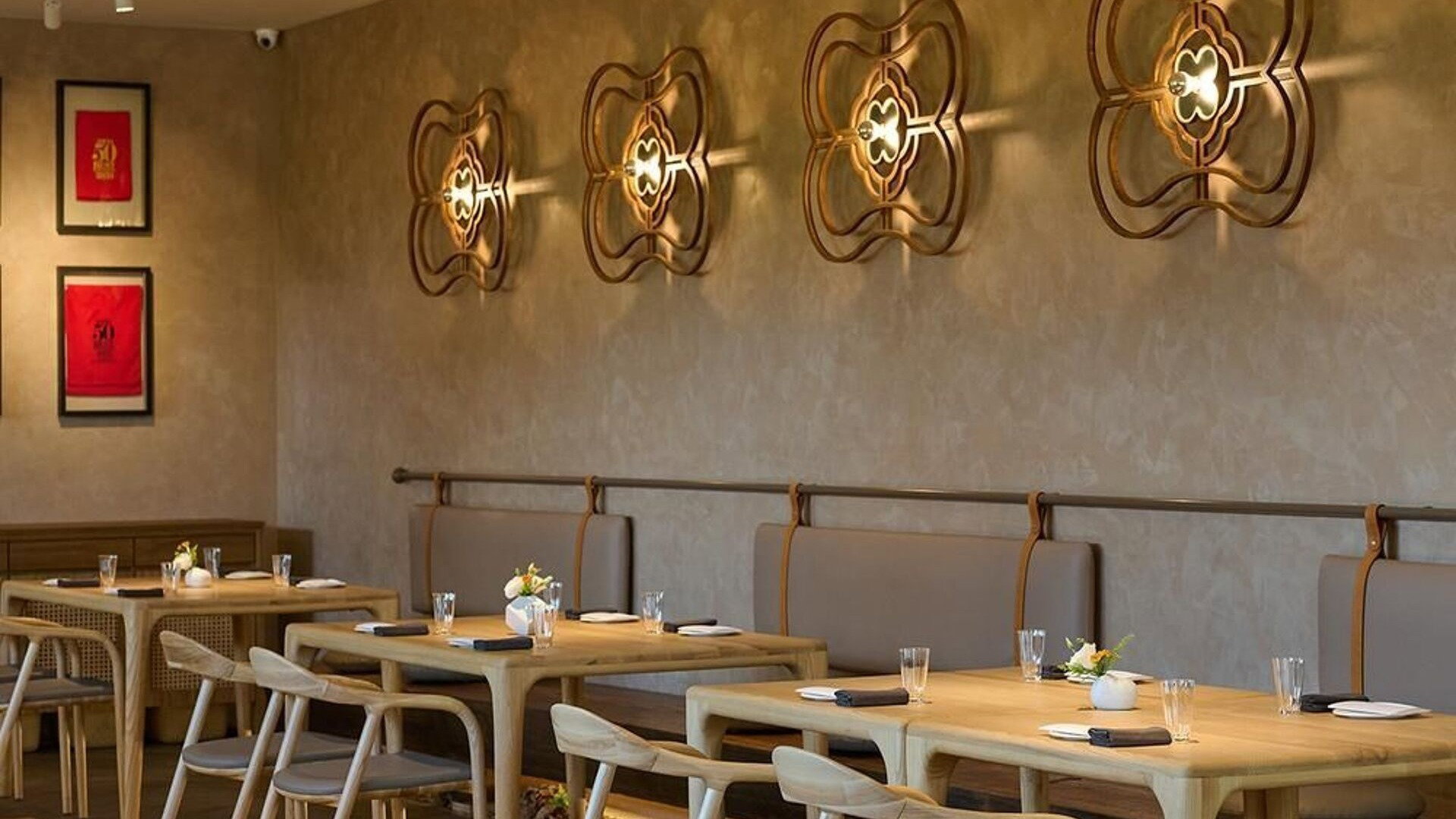
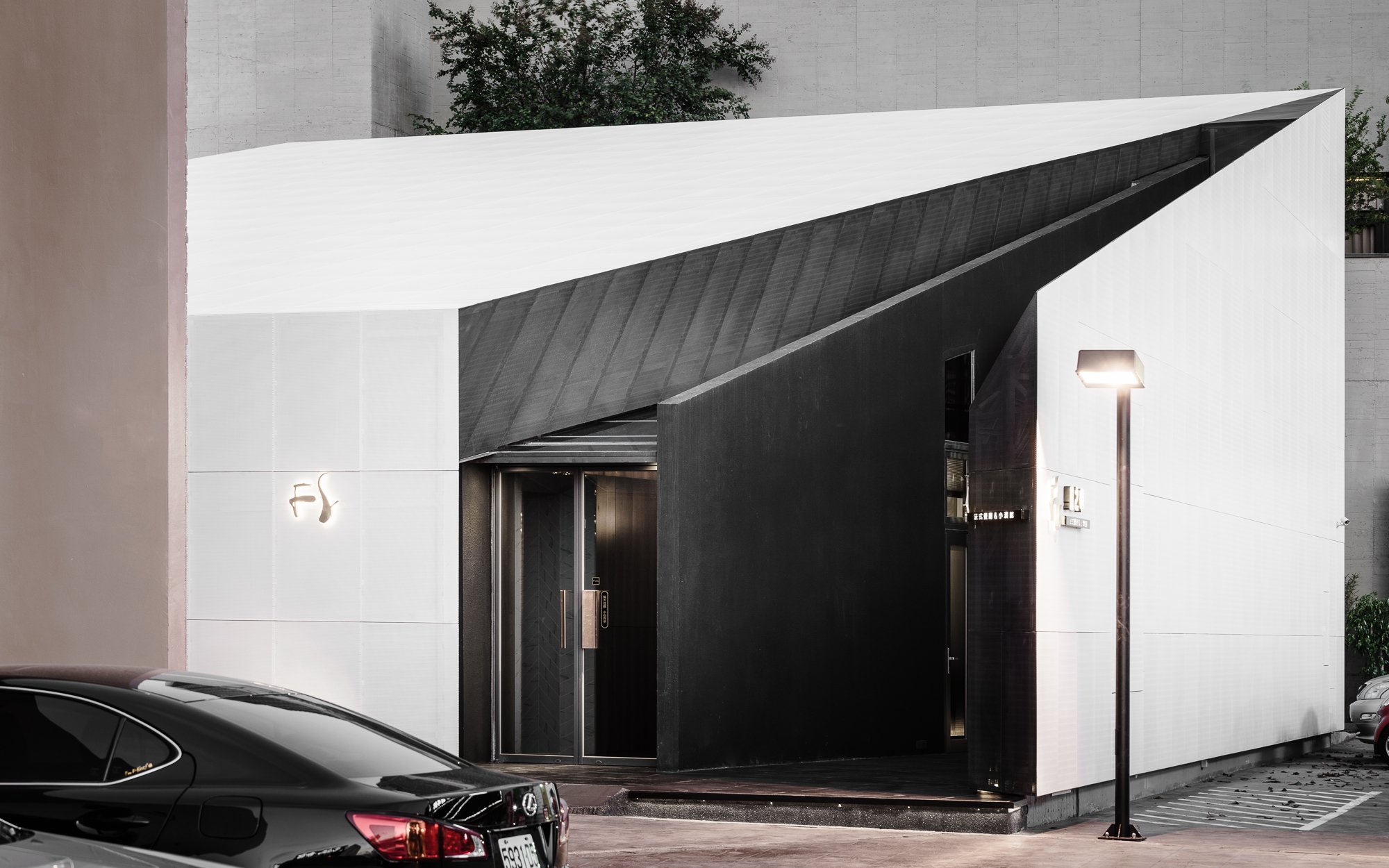
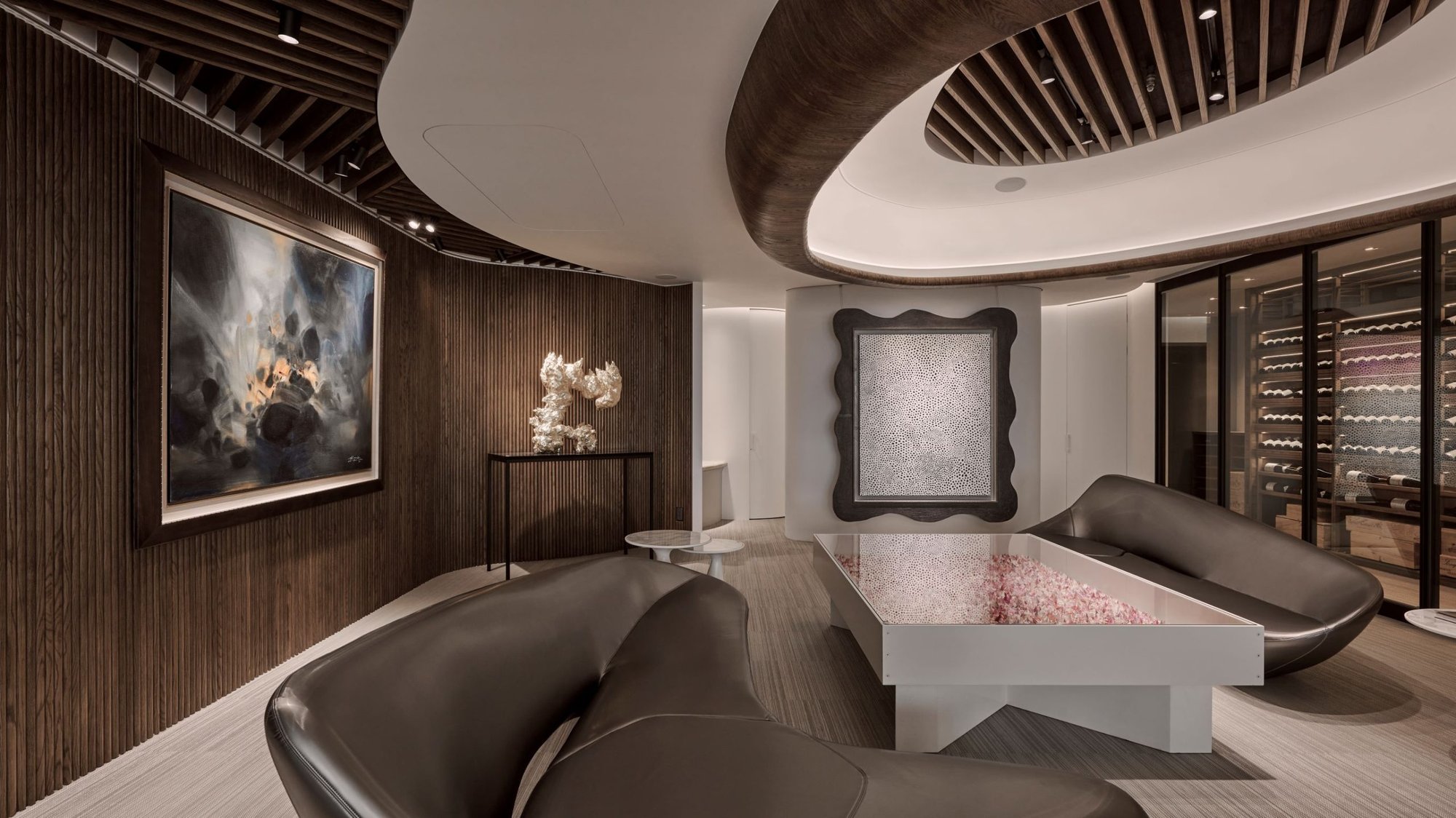
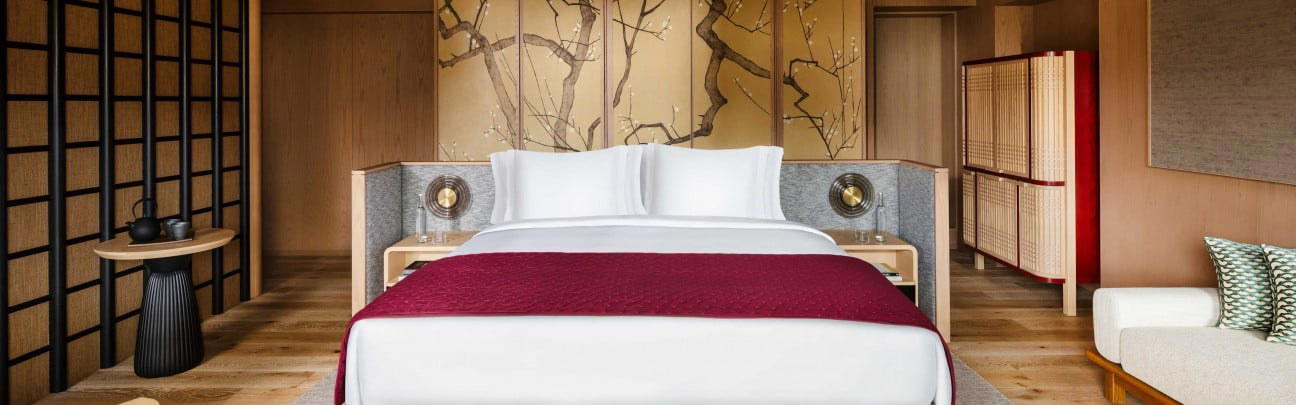
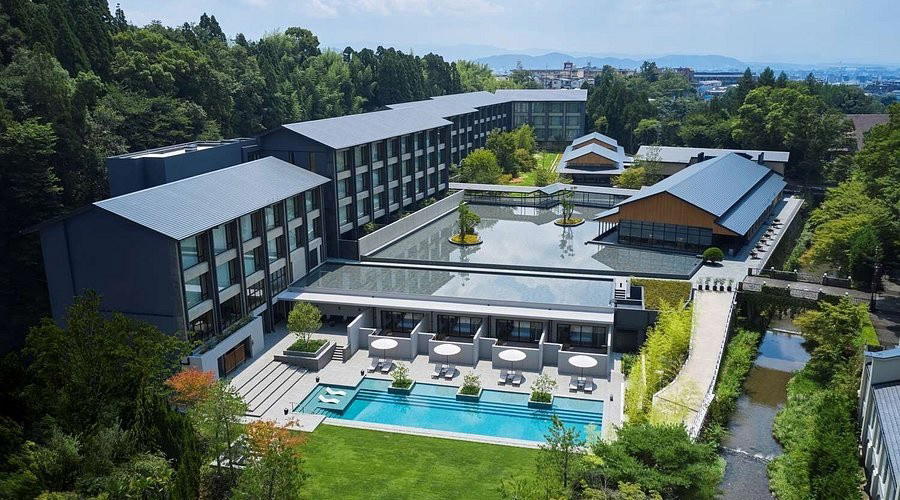
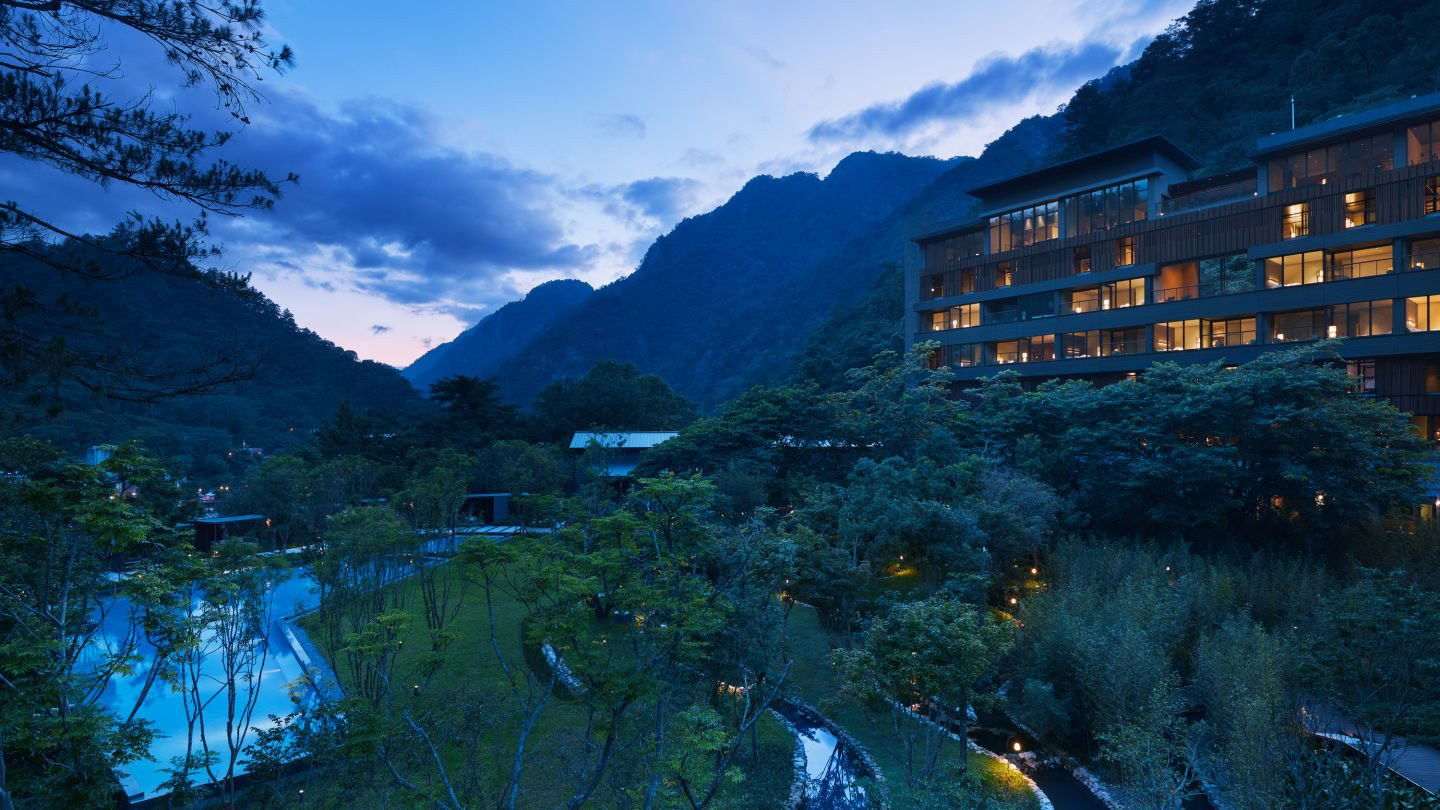
Hoshinoya Guguan reads as a mountain ryokan translated into Taiwan’s Central Mountain landscape. The property leans into its site — forested ridgelines, a deepening gorge and an unmistakable drop in ambient noise — so the architecture and setting feel continuous. With just 49 rooms and a design brief rooted in Japanese ryokan principles, the resort emphasizes discreet, inward-facing moments: measured transitions from shared social space to private retreat, thermal springs as a grounding element, and a quiet, contemplative mood that favors slow mornings and hushed evenings.
Best For
This is a place built around recuperation and intimacy: thermal springs and a secluded mountain setting make it especially well suited to wellness retreats, romantic getaways and honeymoons. The small scale and ryokan-derived design also fit anniversaries and weekend escapes where privacy and a slow pace matter more than city-center conveniences. Travelers who prize natural scenery, quiet, and a design approach that integrates architecture with landscape will find Guguan’s composition and services aligned with restorative, low-key stays.
Venue details
Ambiance
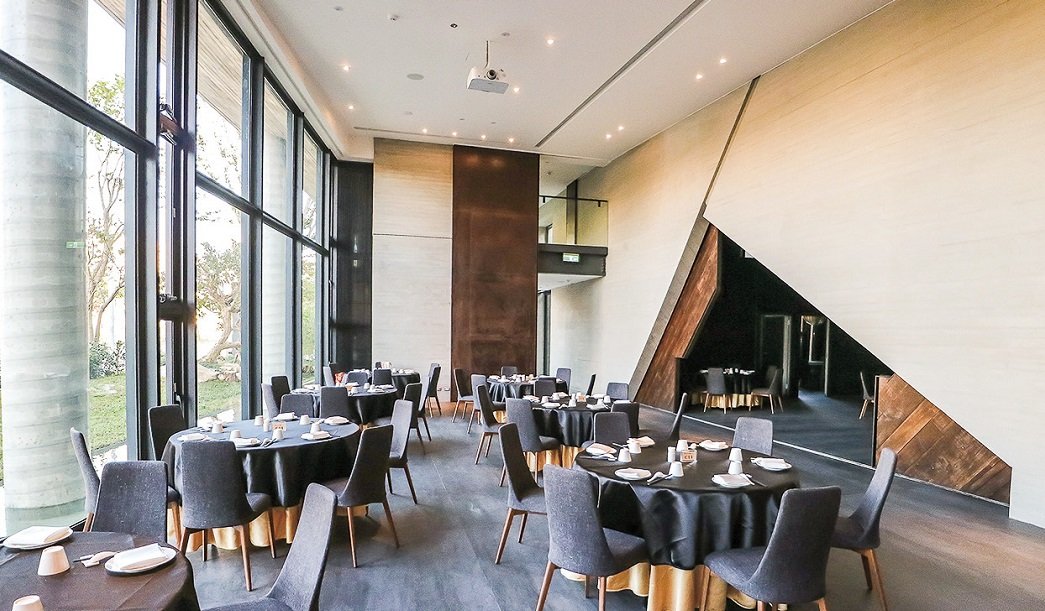
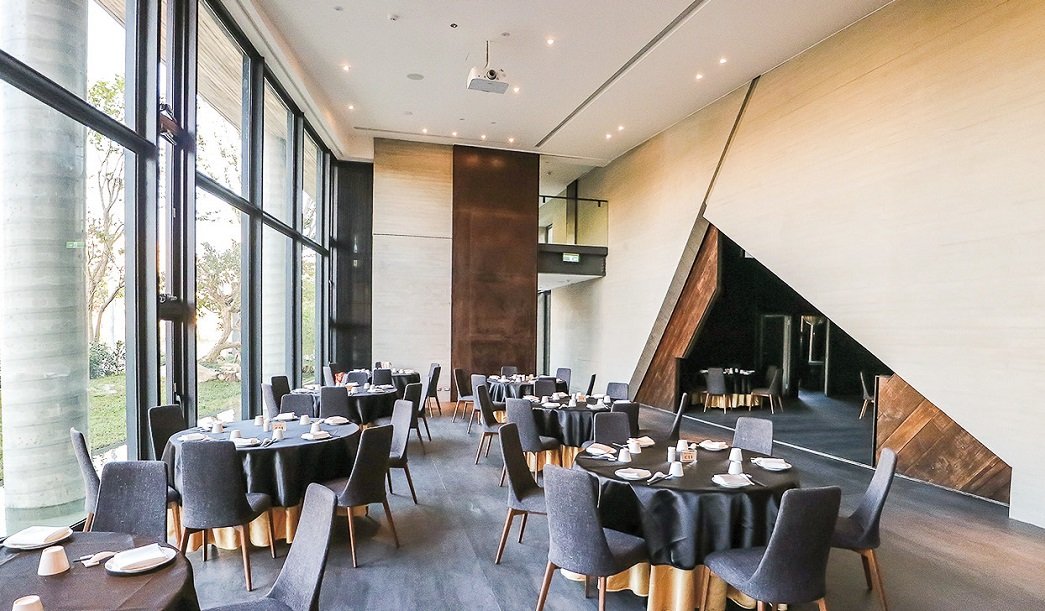
Serene and relaxing with natural light, peaceful mountain and garden views, minimalist Japanese design fostering tranquility and immersion in nature.
Tags
Vibe
Best For
Experience
Amenities
View
Accessibility
About the Stay
- Rooms
- 49
- Check-in
- 15:00
- Check-out
- 12:00
- Property Style
- Luxury Japanese Style Hot Spring Retreat Integrated with Taiwanese Nature.
- Design Style
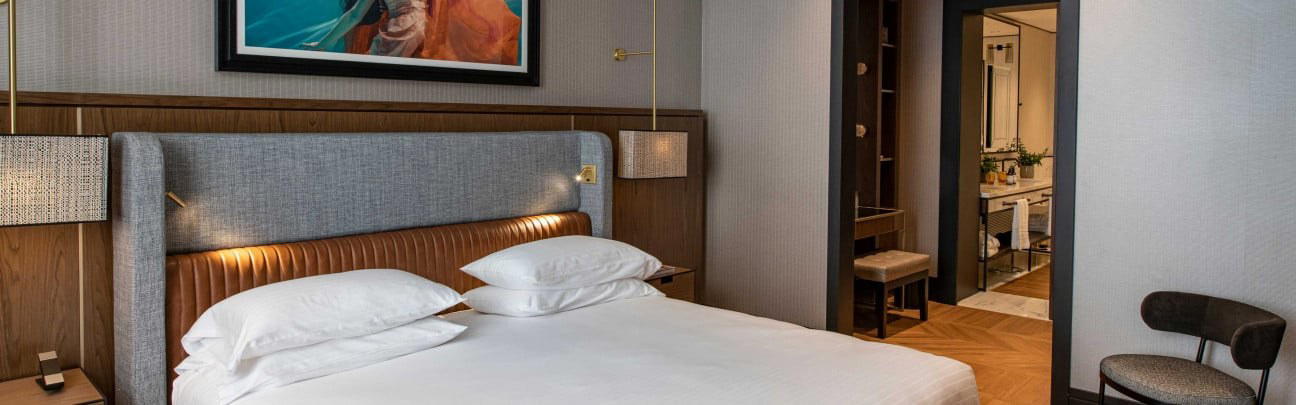
- Minimalist Japanese with Functional Elegance and Natural Materials.
Know before you go
Know Before You Go
- Getting there
- 424, Taichung City, Heping District, 東關路一段溫泉巷16號
Planning details
Location
424, Taichung City, Heping District, 東關路一段溫泉巷16號 · Directions
Recognition and awards

Also consider
Where to look if it is full
If availability is tight, try OKU Hotel for a more city-friendly Taichung option. If budget and transit convenience matter more than the resort experience, OLAH Poshtel Taichung Station is the easier backup.
Hotel context
How it compares
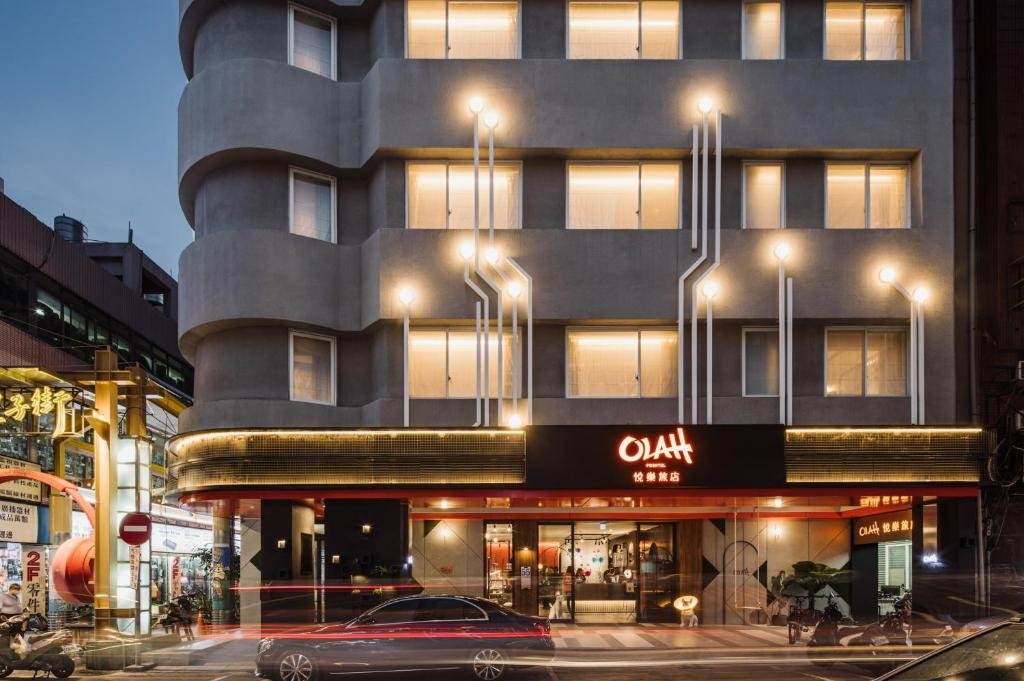
Hoshinoya Guguan is the splurge-style choice in this set because the draw is the resort setting in Guguan, not easy city access. OLAH Poshtel Taichung Station is the better value play for travelers who want to be near transit and use the room mainly as a base.
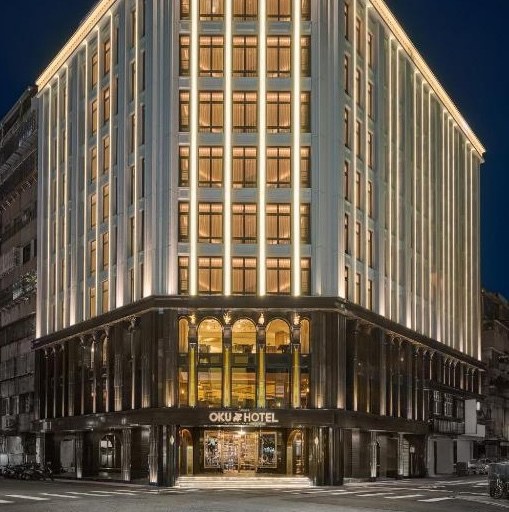
OKU Hotel is the cleaner cross-shop for a Taichung stay with more urban convenience. Choose it if dinners, bars, and shorter transfers matter. Choose Hoshinoya Guguan if the whole point is to slow down and stay on property.
Hemma and The Old England Manor sit outside the Taichung city comparison and make more sense for travelers building a broader Taiwan itinerary. Between them, Hoshinoya Guguan is the clearer match for a hot-spring-focused retreat with recent Michelin Key recognition.
Explore Taichung
Around this place
Discover more on Pearl
Unlock the full Hoshinoya Guguan guide in Pearl, including awards, comparisons, FAQs, planning details, and nearby places.
Compare Hoshinoya Guguan
| Venue | Location | Awards |
|---|---|---|
| Hoshinoya Guguan | Taichung | 100 Most Incredible Hotels in the World · 20262026 Michelin 1 KeyMichelin 1 Key 20252025 Michelin 1 Key |
| Hemma | Ren'ai | No published awards |
| The Old England Manor | Ren'ai | 2025 Michelin Selected HotelsSmall Luxury Hotels Member 2025 |
| The Old England Manor | Nantou | 2025 Michelin Selected HotelsSmall Luxury Hotels Member 2025 |
| OLAH Poshtel Taichung Station | Taichung | No published awards |
| OKU Hotel | Taichung | No published awards |



How Hoshinoya Guguan Taichung compares with similar nearby venues.
FAQ
Frequently Asked Questions
Do loyalty programs work at Hoshinoya Guguan?
For loyalty-program details at Hoshinoya Guguan, check directly with the property. The main reasons to consider it are its Michelin 1 Key recognition for 2025 and its inclusion in Fodor's Most Incredible Hotels in the World for 2026.
Is Hoshinoya Guguan family-friendly?
If you are planning a family stay at Hoshinoya Guguan in Taichung, confirm room setup, age policies, and any relevant services directly with the property before booking.
When is the best time to book Hoshinoya Guguan?
How is the dining at Hoshinoya Guguan?
Check dining details directly with Hoshinoya Guguan before assuming a particular cuisine, menu format, service style, or meal schedule. If dining access in Taichung is a priority, compare it with other Taichung options; for broader hotel comparisons, you may also review named alternatives such as OKU Hotel and The Old England Manor.
What is check-in like at Hoshinoya Guguan?
For arrival planning at Hoshinoya Guguan, confirm arrival time, documentation, transfer needs, and any property-specific instructions directly with the hotel.
Which room category is best at Hoshinoya Guguan?
Choose based on the current descriptions and policies provided by Hoshinoya Guguan, and confirm any features that matter before booking. If convenience or style comparisons matter, Hemma, OKU Hotel, and OLAH Poshtel Taichung Station are other options to review.