

Nordic Light Hotel
Norrmalm, Stockholm
Hotel in Stockholm, Sweden
 Book with Pearl
The Read
Transit-Adjacent Design Base
Why go
Nordic Light Hotel is a sensible Stockholm choice for travelers who want a central, design-led base with recognized hotel credentials rather than a full leisure resort. Book it for business travel, rail-friendly weekends, and efficient service; compare alternatives if a spa, destination dining, or a more character-heavy stay matters more.
About Nordic Light Hotel
Nordic Light Hotel is a Stockholm hotel with two clearly recognition points for 2025: it is listed as a Preferred Hotels Member and appears in the MICHELIN Guide hotel selection. Beyond those confirmed signals, specific claims about room types, dining, spa facilities, service format, pricing, or exact location details should be checked directly with the hotel before booking.
recognition and what still needs checking
Nordic Light Hotel can be considered by travelers looking for a Stockholm hotel with recognized hotel-guide and brand-affiliation credentials. The record supports its hotel recognition, but it does not confirm detailed features such as specific amenities, restaurant format, room categories, or service style.
For Stockholm comparison options, consider Freys Hotel, Haymarket by Scandic, Hotel C Stockholm, Stockholm Waterfront Congress Centre, or Thon Hotel Vasa. Other Stockholm hotels and dining options may also be worth checking depending on the purpose of the trip.
Who should book it
Book it if the main priority is staying at Nordic Light Hotel in Stockholm and the Preferred Hotels Member and MICHELIN Guide hotel-selection signals matter to you. If the trip depends on a specific amenity, dining experience, room category, price point, or wellness facility, confirm those details directly with the property before deciding. For planning, use Our full Stockholm hotels guide, Our full Stockholm restaurants guide, Our full Stockholm bars guide, Our full Stockholm wineries guide, and Our full Stockholm experiences guide.
For broader comparison, keep the search focused on Stockholm options such as Freys Hotel, Haymarket by Scandic, Hotel C Stockholm, Stockholm Waterfront Congress Centre, Thon Hotel Vasa, and other Stockholm hotels that match your travel needs.
Planning details
- Location
- Vasaplan 7, 111 20 Stockholm
- Website
- nordiclighthotel.com
- Phone
- +46 8 505 632 00
The take
The Take
The Vibe
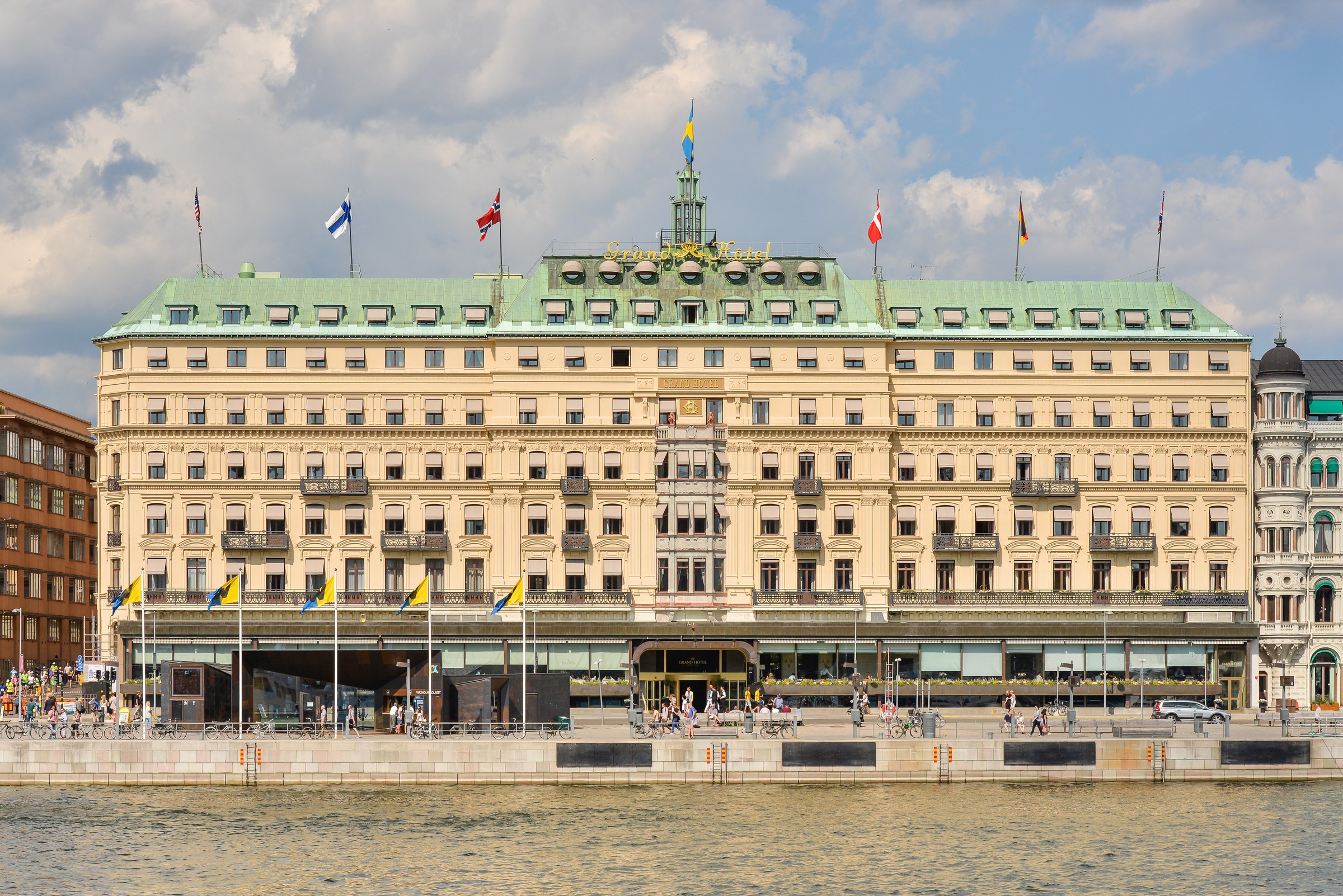
Nordic Light Hotel reads as a purposeful, transit-oriented city hotel that prioritizes operational ease over being a standalone design destination. Positioned steps from Stockholm Central and the Arlanda Express, the property tailors itself to guests who prize frictionless movement across the city. With 169 rooms it sits in a mid-scale, full-service bracket: big enough to handle conference business yet compact enough that the lobby keeps a social, legible character. The tone is practical and social rather than theatrical—an efficient urban base with a quietly active lobby rather than a hotel that demands to be the primary reason for a visit.
Best For
This hotel is best for travelers who treat Stockholm as a working map rather than a single neighbourhood to linger in—business travelers, conference attendees and repeat visitors who value being steps from the city’s rail and metro nexus. Its size and full-service positioning also make it a straightforward choice for corporate groups and short-stay weekenders who prioritize mobility and convenience. Guests who plan to move between Djurgården, Södermalm, Östermalm and Gamla Stan during a stay benefit from the property’s transit adjacency; it functions as a practical, well-located hub rather than a destination in its own right.
Venue details
Ambiance
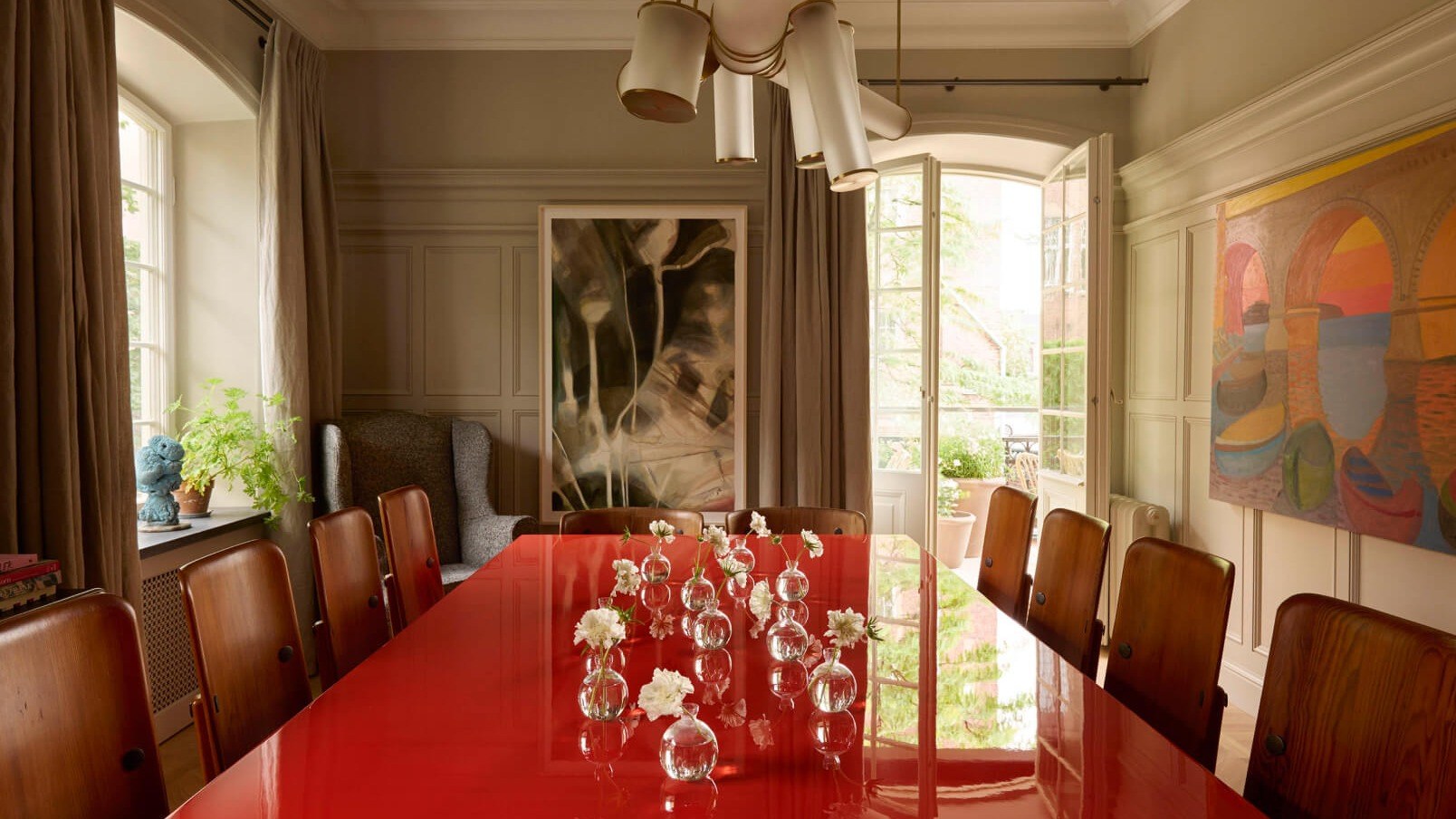
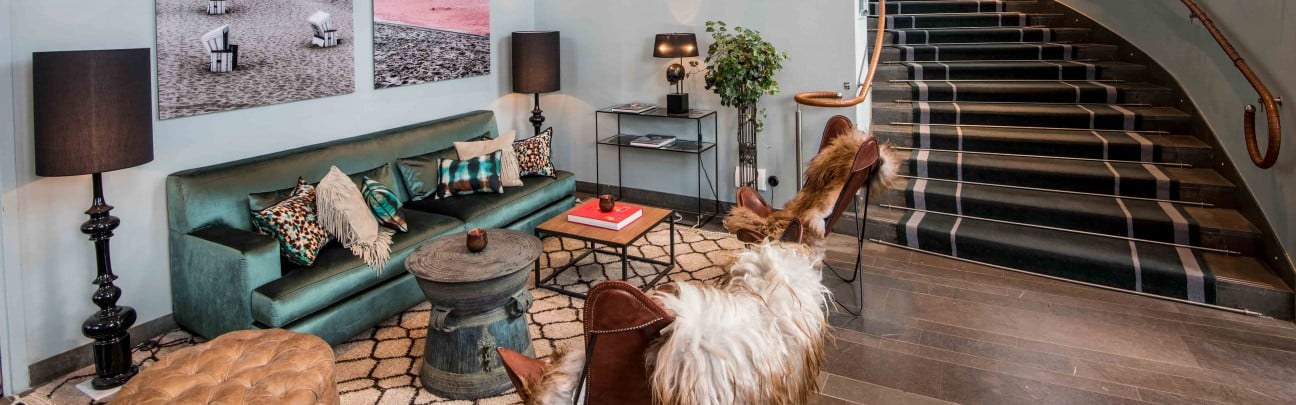
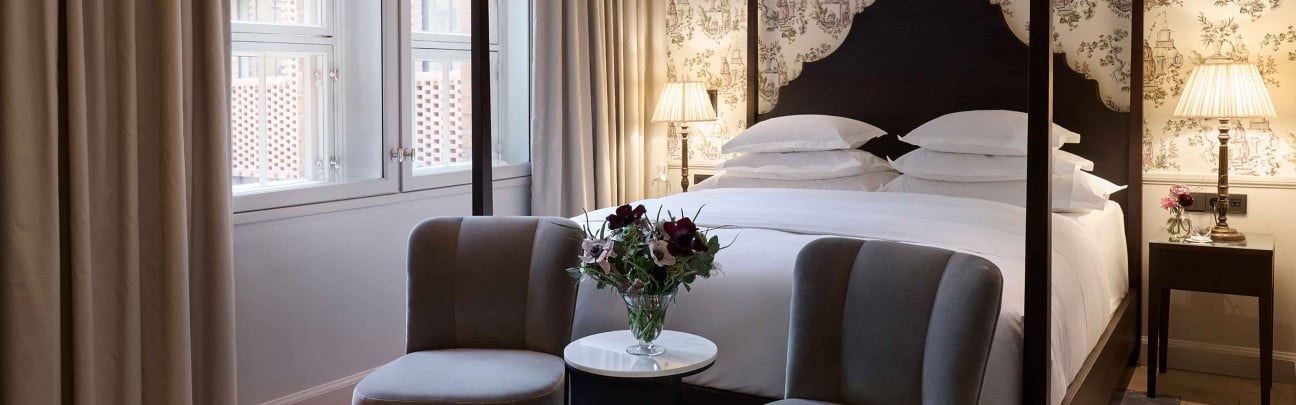
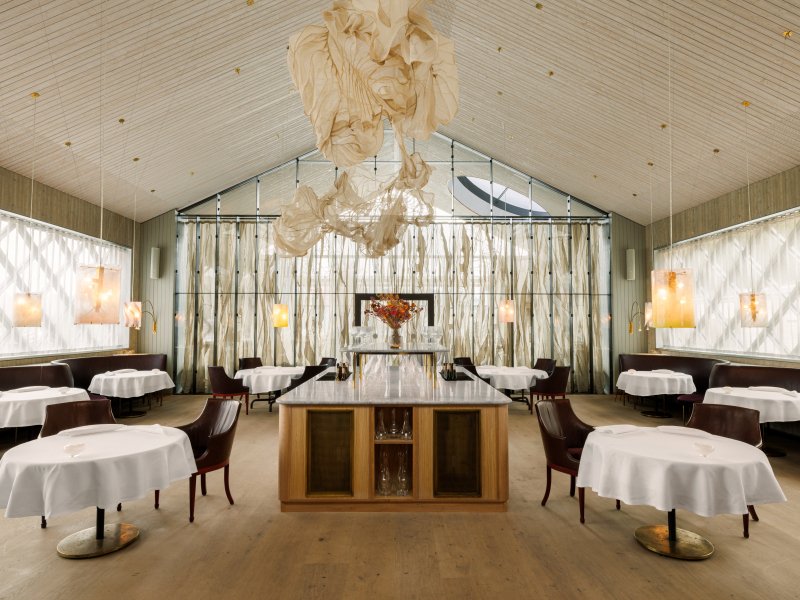
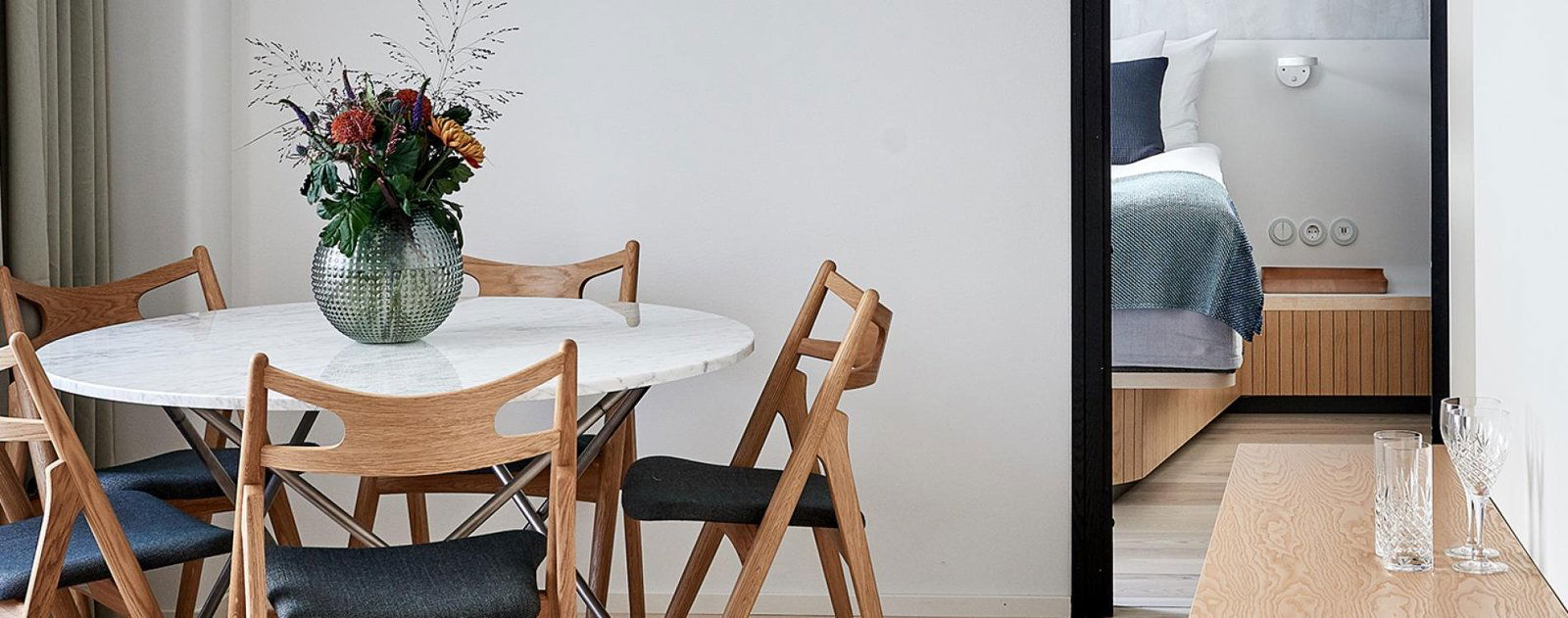
Bright, balanced, and serene with ever-changing light schemes, clean lines, and a welcoming Scandinavian atmosphere.
Tags
Vibe
Best For
Experience
Amenities
View
Accessibility
About the Stay
- Rooms
- 169
- Property Style
- Stylish Nordic Design Hotel in the Heart of the City
- Design Style
- Minimalist Scandinavian with Light Focused Interiors
Know before you go
Know Before You Go
- Getting there
- Vasaplan 7, 111 20 Stockholm
Planning details
Location
Recognition and awards
Also consider
Also Consider
- Hotel C Stockholm, Notable alternative
- Freys Hotel, Notable alternative
- Thon Hotel Vasa, Notable alternative
- Stockholm Waterfront Congress Centre, Notable alternative
- Haymarket by Scandic, Notable alternative
Hotel context
Hotel C Stockholm is the closest practical cross-shop for travelers prioritizing central convenience and an easy stay. Nordic Light Hotel is the better call if a calmer, design-led feel matters more; Hotel C Stockholm is the safer fallback when availability or rate is the deciding factor.
Freys Hotel and Thon Hotel Vasa sit more in the value-comfort lane. Choose them if the brief is simply a functional Stockholm bed at a sharper rate. Choose Nordic Light Hotel if you want the stay to feel more polished without moving into the city's luxury tier.
Stockholm Waterfront Congress Centre is the business-event pick, especially when meetings drive the trip. Haymarket by Scandic is stronger for a more social, high-energy hotel mood. Nordic Light Hotel is easier to recommend for travelers who want central access, simpler ambiance, and less scene around the stay.
Explore Stockholm
Around this place
Discover more on Pearl
Unlock the full Nordic Light Hotel guide in Pearl, including awards, comparisons, FAQs, planning details, and nearby places.
Compare Nordic Light Hotel
| Venue | Location | Awards |
|---|---|---|
| Nordic Light Hotel | Stockholm | 2025 Michelin Selected HotelsPreferred Hotels Member 2025 |
| Hotel C Stockholm | Stockholm | Preferred Hotels Member 2025 |
| Freys Hotel | Stockholm | No published awards |
| Thon Hotel Vasa | Stockholm | No published awards |
| Stockholm Waterfront Congress Centre | Stockholm | No published awards |
| Haymarket by Scandic | Stockholm | No published awards |
How Nordic Light Hotel Stockholm compares with similar nearby venues.
FAQ
Frequently Asked Questions
How is the location of Nordic Light Hotel?
Nordic Light Hotel is in Stockholm. Specific street-address or neighborhood details should be confirmed directly with the hotel or an official booking channel before travel.
Do loyalty programs work at Nordic Light Hotel?
Nordic Light Hotel is as a Preferred Hotels Member in 2025. Check the relevant Preferred Hotels booking channel or the hotel directly for how any benefits apply to a specific stay.
How is the pool and spa at Nordic Light Hotel?
pool or spa details are not available in the provided record. If wellness facilities are important, confirm the latest amenities directly with Nordic Light Hotel before booking.
Is Nordic Light Hotel good for business travel?
Nordic Light Hotel may suit travelers who want a Stockholm hotel with recognition, including MICHELIN Guide Hotels Selected 2025 and Preferred Hotels Member 2025. Specific business-travel features should be confirmed directly with the hotel.
Which room category is best at Nordic Light Hotel?
room-category details are not available in the provided record. Choose based on the current room descriptions and policies shown by the hotel or booking channel at the time of reservation.
What is check-in like at Nordic Light Hotel?
check-in details are not available in the provided record. Confirm arrival times, early check-in options, and any specific procedures directly with Nordic Light Hotel before travel.