
IDAHO ROCKY MOUNTAIN RANCH
Stanley
Hotel in Stanley, United States
 Book with Pearl
The Read
Geothermal Ranch Immersion
Why go
A strong Stanley pick when the ranch setting is the reason for the trip, backed by Top 50 Ranches recognition in 2026. Book it for a Sawtooth-focused stay with easy booking pressure; cross-shop if loyalty perks, urban conveniences, or a more conventional hotel format matter more.
About IDAHO ROCKY MOUNTAIN RANCH
For a Stanley trip, IDAHO ROCKY MOUNTAIN RANCH is notable for its Stanley location, casual dress code, and Top 50 Ranches (2026) recognition. While these details are useful, information about specific amenities, service style, room setup, dining format, or pricing is not available.
Consider it for Stanley, with expectations checked
Key reasons to consider IDAHO ROCKY MOUNTAIN RANCH are its Stanley location, casual dress code, and Top 50 Ranches (2026) recognition. Beyond these points, details about cuisine, meal plan, room category, activity program, or hotel-style service model are not available.
For travelers comparing options, the practical question is whether the Stanley setting and the available details are enough. If the decision depends on specific amenities, loyalty benefits, dining details, or room configurations, those details should be confirmed directly before making plans.
The practical call: go when Stanley is the trip
The case is strongest when the destination is Stanley itself and a casual dress code suits the trip. If the decision depends on specific services, meal arrangements, or on-property facilities, compare carefully before committing.
Quick reference: consider IDAHO ROCKY MOUNTAIN RANCH when Stanley, a casual dress code, and Top 50 Ranches (2026) recognition align with your needs. Compare elsewhere when you need specifics about amenities, service format, or dining before choosing.
Planning details
- Location
- 18027 ID-75, Stanley, ID 83278
- Website
- idahorocky.com
- Phone
- +1 208-725-3000
The take
The Take
The Vibe
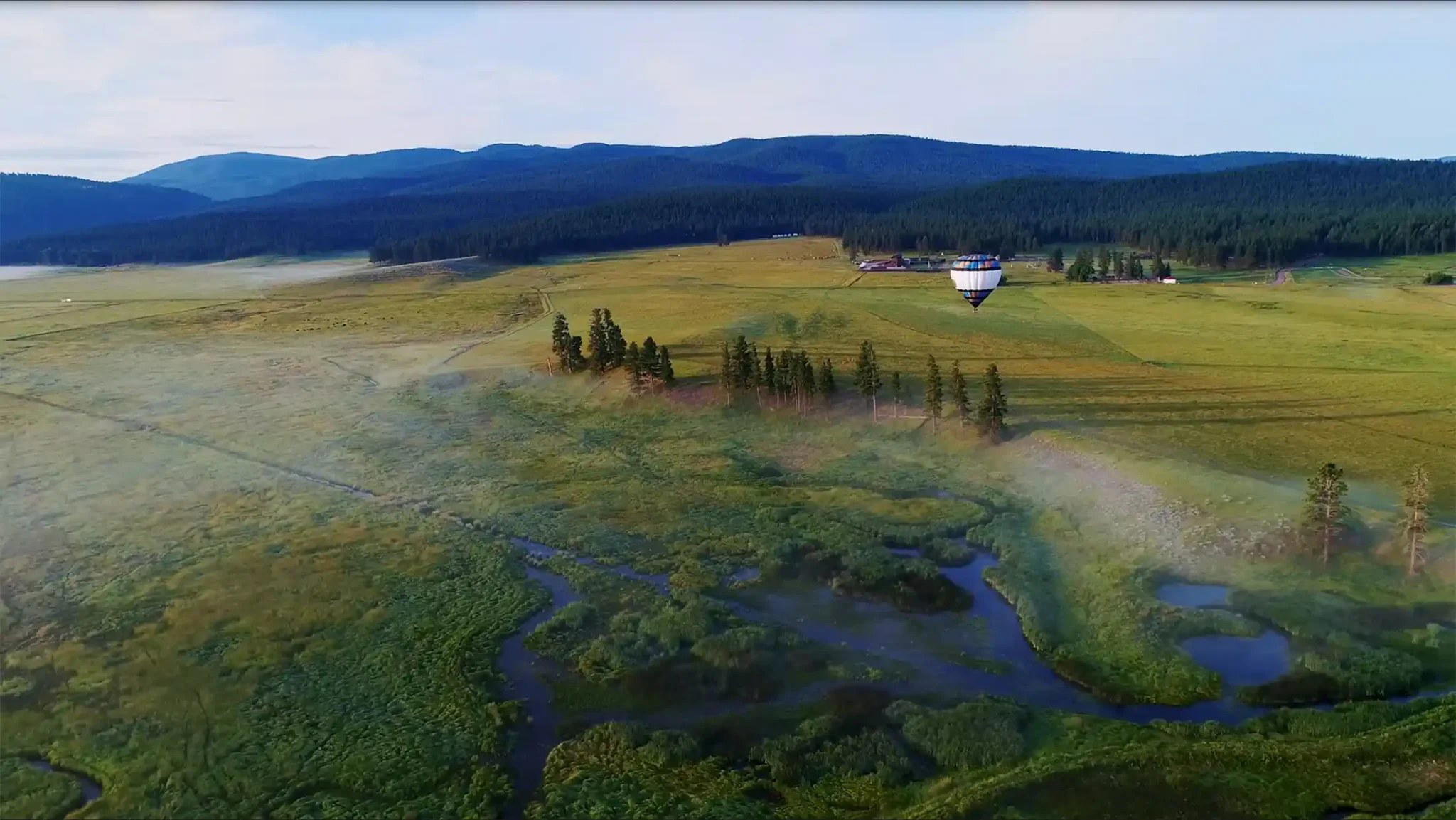
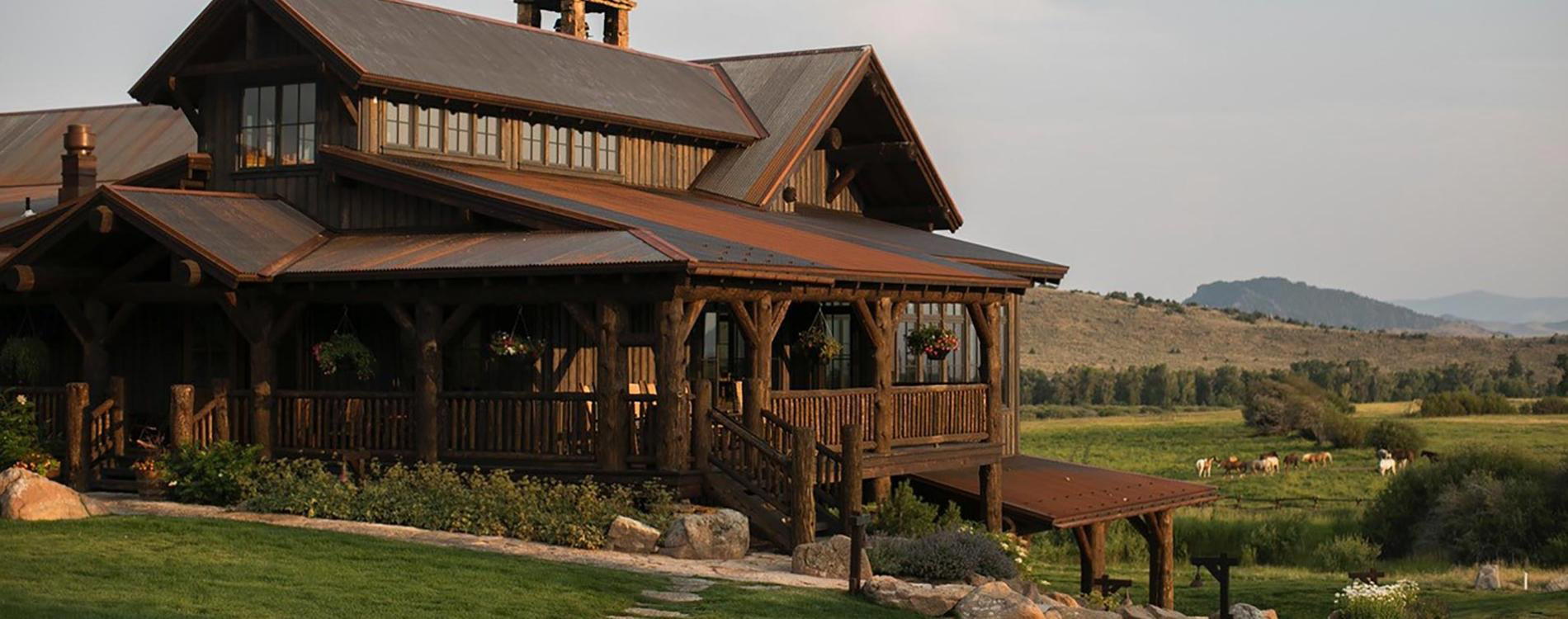
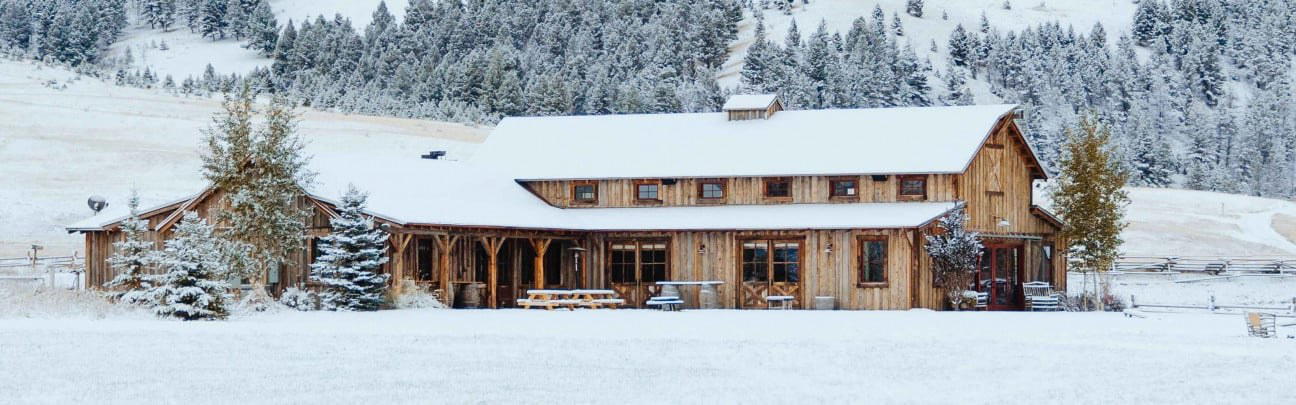
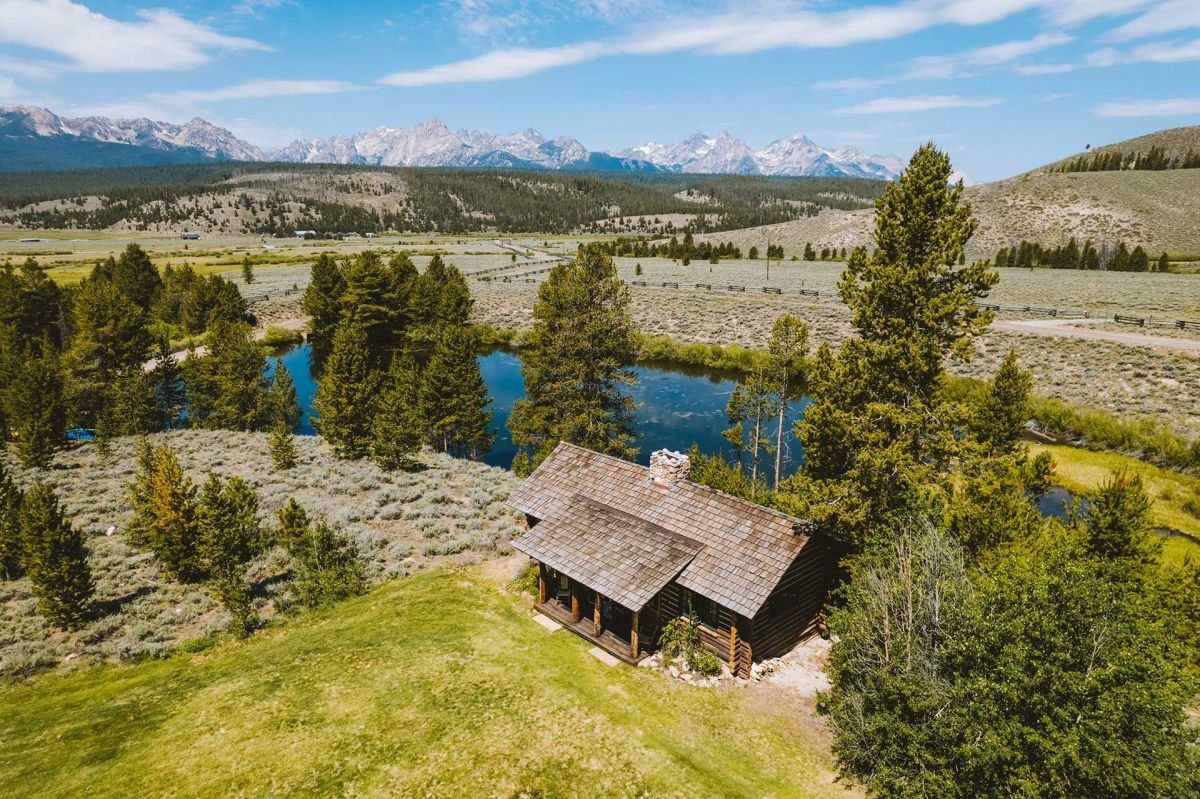
Idaho Rocky Mountain Ranch presents as a working-ranch compound that prioritizes function and a direct relationship with the landscape. Weathered log construction and low-profile buildings read as authentic ranch architecture rather than a polished resort veneer. Remoteness is central to the experience: the Sawtooth Range sits immediately above the valley and dominates every view, and the property intentionally steps back so the mountains remain the focal point. The overall effect is quietly assured and unpretentious, appealing to travelers who value straightforward, site-driven design and the calm that comes from being anchored in an unbuilt high-elevation valley.
Best For
This property suits travelers seeking an escape into remote mountain country: families and groups that want a ranch compound to themselves, couples after a quiet romantic getaway, and visitors looking for a compact weekend escape. The lodge’s working-ranch character and wide-open setting support multi-generational stays and group retreats where the landscape and remoteness are the main attractions. Its relaxed, unvarnished approach to hospitality favors guests who appreciate authenticity over resort trappings and who plan to spend time outdoors in the surrounding Sawtooth environment.
Stay Tips
Plan logistics with the ranch’s remoteness in mind: the approach along ID-75 from Stanley sets expectations well before arrival, and the property sits outside the town’s small commercial cluster. Travelers should reserve accommodations in advance and allow time for the drive; expect few nearby services and that the landscape, not the architecture, is the primary focus. The writing emphasizes the functional, working-ranch nature of the compound, so guests should anticipate an authentic, low-key hospitality experience rather than the amenities of a large resort.
Venue details
Ambiance
Relaxed and casual with panoramic mountain views from the front porch rocking chairs, cozy fireplaces in cabins and lodge, and a peaceful wilderness setting.
Tags
Vibe
Best For
Experience
Amenities
View
About the Stay
- Rooms
- 21
- Property Style
- Historic Guest Ranch Blending Old West Charm with Modern Comforts
- Design Style
- Rustic Log Cabins with Stone Showers, Fireplaces, and Plush Bedding
Know before you go
Know Before You Go
- Getting there
- 18027 ID-75, Stanley, ID 83278
Planning details
Location
Recognition and awards

Also consider
Also Consider
- The Avery Hotel, Notable alternative
- The Sparrow, Notable alternative
- Hotel 43, Notable alternative
- Modern Hotel, Notable alternative
- Shore Lodge, Notable alternative
Hotel context
How It Compares
Against The Avery Hotel, The Sparrow, Hotel 43, and Modern Hotel, this is the more location-driven choice. Those peers make more sense for travelers who want a conventional hotel base and easier urban logistics; the ranch is better when the setting is the experience and Stanley is the anchor of the trip.
Shore Lodge is the closest cross-shop for travelers who want an Idaho escape with a stronger resort feel. Choose Shore Lodge if the priority is a broader polished-hotel experience; choose the ranch if the trip is specifically about the Sawtooth area and a quieter, more outdoors-led stay.
Value depends on what the room is replacing. If the alternative is a standard hotel used only for sleep, this will be harder to justify. If the lodging is part of the reason to go to Stanley, the ranch format carries more weight than the out-of-metro boutique options.
Explore Stanley
Around this place
Discover more on Pearl
Unlock the full IDAHO ROCKY MOUNTAIN RANCH guide in Pearl, including awards, comparisons, FAQs, planning details, and nearby places.
Compare IDAHO ROCKY MOUNTAIN RANCH
| Venue | Location | Awards |
|---|---|---|
| IDAHO ROCKY MOUNTAIN RANCH | Stanley | Top 50 Ranches 2026 |
| The Avery Hotel | Boise | No published awards |
| The Sparrow | Boise | 2025 Conde Nast Best Hotels · #42 |
| Hotel 43 | Boise | 2026 Forbes Recommended2025 Forbes Recommended |
| Modern Hotel | Boise | No published awards |
| Shore Lodge | McCall | 2026 Forbes Recommended2025 Forbes Recommended |


How Idaho Rocky Mountain Ranch compares with similar nearby venues.
FAQ
Frequently Asked Questions
How is the dining at IDAHO ROCKY MOUNTAIN RANCH?
Specific dining details are not available. Any meal expectations should be confirmed directly. IDAHO ROCKY MOUNTAIN RANCH is located in Stanley, has a casual dress code, and has Top 50 Ranches (2026) recognition.
How does IDAHO ROCKY MOUNTAIN RANCH compare to other Idaho hotels?
IDAHO ROCKY MOUNTAIN RANCH is a Stanley option with Top 50 Ranches (2026) recognition. The Avery Hotel, Hotel 43, Modern Hotel, The Sparrow, and Shore Lodge may fit different Idaho trip styles, so compare based on the location and services you need rather than assuming they serve the same kind of stay.
Do loyalty programs work at IDAHO ROCKY MOUNTAIN RANCH?
Loyalty-program details are not available. Base your decision on the available information: the Stanley location, casual dress code, and Top 50 Ranches (2026) recognition.
Is IDAHO ROCKY MOUNTAIN RANCH family-friendly?
Family-specific amenities and policies are not available. It may be worth considering for a Stanley trip, but travelers should confirm room setup, services, and any family needs directly before making plans.
What is check-in like at IDAHO ROCKY MOUNTAIN RANCH?
How is the location of IDAHO ROCKY MOUNTAIN RANCH?
The location is Stanley. No street address or more specific location detail is available, so use Stanley as the location reference and confirm practical travel details before arrival.
Which room category is best at IDAHO ROCKY MOUNTAIN RANCH?
Room categories are not available. Choose only after confirming the available options, space, and any features that matter for your Stanley trip.