

Hotel in St Paul, United States
The Saint Paul Hotel
450Pearl PointsFormal Stays, Central

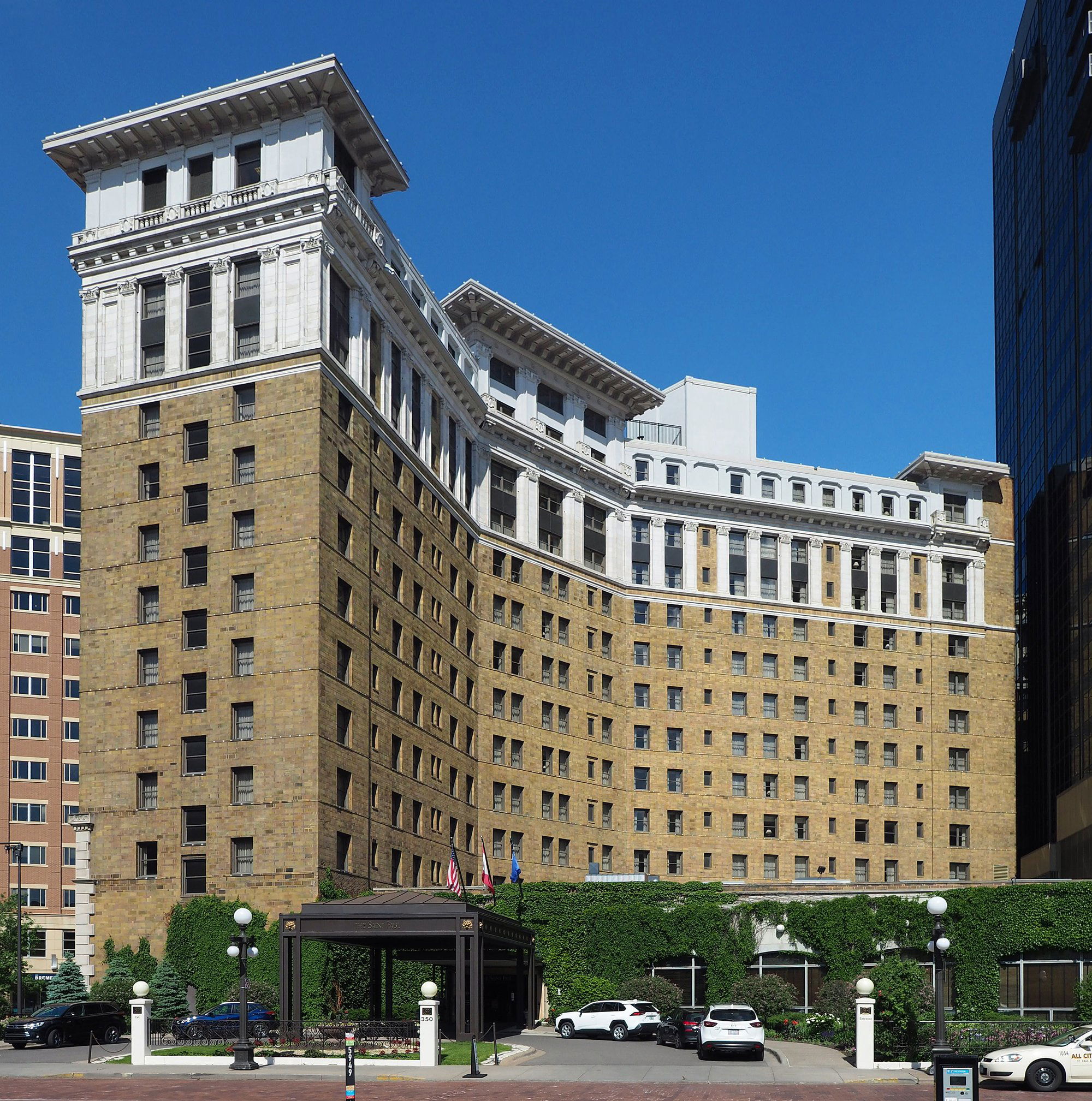
About The Saint Paul Hotel
The Saint Paul Hotel is the safer St Paul pick for travelers who want a polished, traditional downtown stay rather than a trend-led Minneapolis base. Choose it for atmosphere and convenience in St Paul; cross-shop Minneapolis peers if nightlife, design-forward energy, or a lower-friction Minneapolis itinerary matters more.
The Saint Paul Hotel is a St Paul venue with a verified smart-casual dress code and confirmed recognition in the Preferred Hotels L.V.X. Collection for 2025. Beyond those points, the available data does not verify specific room categories, amenities, dining details, prices, hours, or service formats, so planning should stay focused on confirmed basics and direct confirmation with the hotel.
A St Paul stay with a smart-casual tone
Use The Saint Paul Hotel as a St Paul option when a polished, smart-casual setting is the right fit for the trip. The available verified data supports a more dressed-up expectation than a purely casual stop, but it does not confirm details such as room types, on-site facilities, dining format, or pricing.
If your decision depends on specific amenities, dining arrangements, accessibility needs, or exact booking terms, confirm those details directly before committing. The verified record here is intentionally limited, it should not be used to infer unlisted features.
Who should choose it, who should cross-shop
Choose The Saint Paul Hotel if you specifically want a St Paul hotel with a smart-casual standard and confirmed Preferred Hotels L.V.X. Collection recognition in 2025. If you are comparing the broader Twin Cities hotel landscape, Aloft Minneapolis, Emery Hotel, Hyatt Centric Downtown Minneapolis, Nicollet Island Inn are useful reference points, while Alma is better treated as a dining comparison rather than a hotel alternative.
Recognition from the Preferred Hotels L.V.X. Collection in 2025 is the main verified trust signal here. It does not confirm individual room features, dining details, amenities, or rates, but it does provide a grounded point of reference for travelers evaluating The Saint Paul Hotel against other regional options.
Use Our full St Paul hotels guide if the decision is still between staying in St Paul or considering hotels elsewhere in the Twin Cities. For planning around the stay, pair it with Our full St Paul restaurants guide, Our full St Paul bars guide, Our full St Paul experiences guide, Our full St Paul wineries guide.
Frequently Asked Questions
Is The Saint Paul Hotel good for business travel?
The verified record does not specify business-travel facilities, meeting spaces, or services. It does confirm a smart-casual dress code and Preferred Hotels L.V.X. Collection recognition in 2025, so it may suit travelers looking for a more polished St Paul hotel, but business-specific needs should be confirmed directly.
How is the dining at The Saint Paul Hotel?
The supplied data does not verify a cuisine type, chef, menu format, hours, pricing, or service style. If dining is the main decision point, compare your plans with other St Paul dining options or with Alma for a meal-focused reference, confirm current details directly with the hotel.
Which room category is best at The Saint Paul Hotel?
The verified data does not list room categories, views, layouts, or bedding options. Choose based on the room information available at booking, confirm any specific needs directly with the hotel. If you are comparing overall hotel style, Nicollet Island Inn is another regional option to review.
When is the best time to book The Saint Paul Hotel?
The available data does not verify booking windows, seasonal pricing, or availability patterns. Book according to your own travel dates and confirm current rates and policies directly. Emery Hotel and other Twin Cities hotels may be useful comparisons if your dates are flexible.
How is the pool and spa at The Saint Paul Hotel?
The verified data does not list a pool, spa, or related wellness amenities. Do not base the decision on those features unless they are confirmed directly by the hotel. If amenities are a major priority, Hyatt Centric Downtown Minneapolis is another regional hotel to check alongside The Saint Paul Hotel.
Location
350 Market St, St Paul, MN 55102
St Paul, United States
Compare The Saint Paul Hotel
| Venue |
|---|
| The Saint Paul Hotel |
| Alma |
| Aloft Minneapolis |
| Nicollet Island Inn |
| Emery Hotel |
| Hyatt Centric Downtown Minneapolis |
Comparable nearby venues by cuisine and price for this tier.
Also Consider
- Alma, Notable alternative
- Aloft Minneapolis, Notable alternative
- Nicollet Island Inn, Notable alternative
- Emery Hotel, Notable alternative
- Hyatt Centric Downtown Minneapolis, Notable alternative
How it compares with nearby hotel options
Choose The Saint Paul Hotel over Aloft Minneapolis if the trip is centered on St Paul and the stay should feel more formal. Aloft is the better cross-shop for travelers who want a more casual Minneapolis base and a livelier, less traditional hotel mood.
Nicollet Island Inn is the closest comparison for guests who want charm over chain predictability, but it shifts the itinerary toward Minneapolis. Pick Nicollet Island Inn for a quieter inn-style stay; pick The Saint Paul Hotel when downtown St Paul access matters more.
Emery Hotel and Hyatt Centric Downtown Minneapolis make more sense for Minneapolis meetings, restaurants, nightlife. Alma is the more food-led cross-shop. For a St Paul-first trip, The Saint Paul Hotel remains the more practical atmospheric choice.
Recognized By

Explore St Paul
Save or rate The Saint Paul Hotel on Pearl
Keep this venue in your Pearl passport, rate it after you visit, and track it alongside every other place you collect.