
Hotel in St. Paul de Vence, France
Le Saint-Paul
175Pearl PointsVillage-first stay


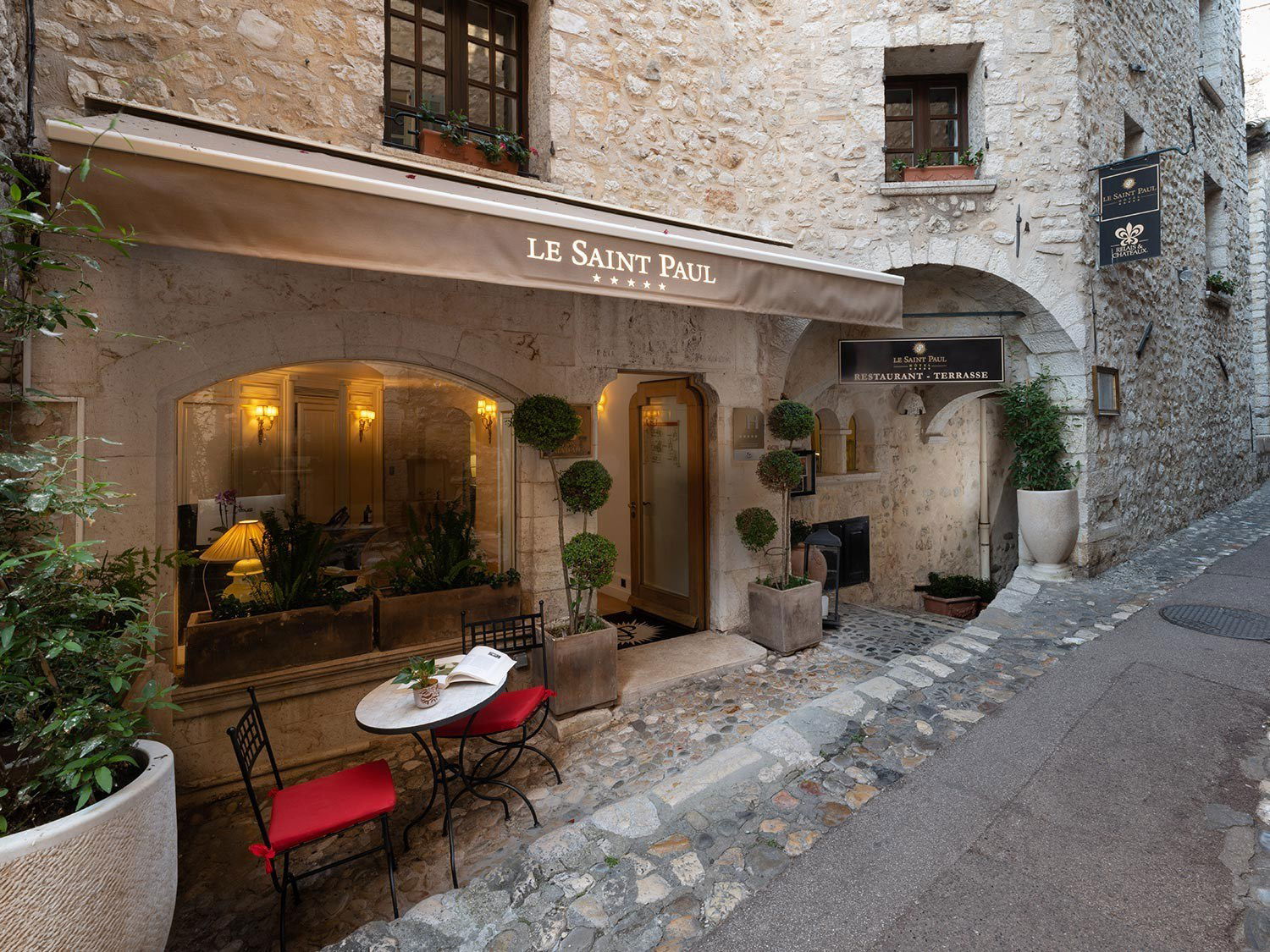
About Le Saint-Paul
Le Saint-Paul is the right St. Paul de Vence choice if the point of the trip is staying inside the village atmosphere, not building a resort schedule. Its 2025 Relais & Châteaux and MICHELIN Guide hotel recognition adds confidence, but travelers prioritizing spa time, grounds, or easier car logistics should compare Le Domaine du Mas de Pierre or Toile Blanche instead.
Le Saint-Paul is a St. Paul de Vence stay for travelers who want to keep the decision grounded in verified essentials rather than unconfirmed promises. The confirmed public signals are direct: smart casual dress code, Relais Chateaux Award recognition in 2025, and MICHELIN Guide, Hotels Selected recognition in 2025.
A St. Paul de Vence stay with confirmed recognition
The strongest verified case for Le Saint-Paul is its St. Paul de Vence setting, paired with confirmed recognition. If your priority is staying in St. Paul de Vence itself, it belongs on the shortlist.
Do not overread the available information. Specific claims about room count, restaurant format, facilities, service style, views, pricing, or detailed amenities should be confirmed directly before booking. Based on the verified data, the safer way to frame Le Saint-Paul is as a recognized St. Paul de Vence stay with a smart casual standard, not as a property defined by any unverified feature.
Its 2025 Relais Chateaux Award and 2025 MICHELIN Guide, Hotels Selected recognition give useful reassurance for travelers comparing premium stays in and around St. Paul de Vence.
Who should book it, and who should look elsewhere
Book Le Saint-Paul if you want a recognized St. Paul de Vence stay and are comfortable confirming practical details directly with the property before committing. It is best evaluated on the strength of its location, dress standard, and confirmed recognition rather than on unverified claims about facilities or dining.
If you are comparing options, also look at Château Le Cagnard, La Colombe d'Or Hotel and Restaurant, La Vague de Saint Paul, Le Domaine du Mas de Pierre, and Toile Blanche. The right choice depends on your dates, room needs, and the specific services each property confirms for your stay.
For planning the wider trip, use Our full St. Paul de Vence hotels guide first, then layer in meals from Our full St. Paul de Vence restaurants guide. The local bars guide can help round out the itinerary without relying on unverified hotel details.
Quick reference: choose this for a recognized St. Paul de Vence stay with smart casual standards; compare other options if you need specific facilities or services that should be confirmed before booking.
Frequently Asked Questions
How does Le Saint-Paul compare to other hotels?
Choose Le Saint-Paul if you want a recognized stay in St. Paul de Vence. For comparison, also review Château Le Cagnard, La Colombe d'Or Hotel and Restaurant, La Vague de Saint Paul, Le Domaine du Mas de Pierre, and Toile Blanche, then confirm the practical details that matter for your dates.
When is the best time to book Le Saint-Paul?
Book once your St. Paul de Vence dates are firm and confirm availability directly with the property. Its confirmed recognition may make it a relevant option to check as part of your planning.
Is Le Saint-Paul family-friendly?
Family suitability should be confirmed directly with the hotel. The verified information does not establish specific family services, room configurations, or child-focused amenities.
Is Le Saint-Paul good for business travel?
Business suitability should be confirmed directly with the hotel. The verified information does not establish specific meeting facilities, workspace details, or business services.
How is the dining at Le Saint-Paul?
The verified information includes a smart casual dress code, but it does not establish specific cuisine, menu format, chef, prices, or dining service details. Confirm current dining information directly before planning around it.
Which room category is best at Le Saint-Paul?
The verified information does not establish specific room categories or layouts. Choose based on the current room descriptions provided by the hotel, and confirm any priorities directly before booking.
Location
86 Rue Grande, 06570 Saint-Paul-de-Vence
St. Paul de Vence, France
Compare Le Saint-Paul
How It Compares
Le Saint-Paul is the village-atmosphere choice in this set. Le Domaine du Mas de Pierre is better for travelers who want a fuller resort feel, while Toile Blanche is the sharper cross-shop for a more contemporary stay in St. Paul de Vence.
La Colombe d'Or Hotel and Restaurant is the comparison for travelers who want the restaurant-hotel identity to drive the booking. La Vague de Saint Paul and Château Le Cagnard make more sense if the stay does not need to be centered inside St. Paul de Vence itself.
Where to Look If This Is Not the Right Fit
Pick Le Domaine du Mas de Pierre if the trip needs more of a resort base in St. Paul de Vence. Pick Toile Blanche if the priority is a more contemporary, art-led atmosphere outside the densest village setting.
How It Compares
Choose Le Saint-Paul if the priority is staying inside the St. Paul de Vence village atmosphere. Compared with La Colombe d'Or Hotel and Restaurant, it is the cleaner pick for a hotel-led stay where the room and village setting are the focus, while La Colombe d'Or is the more obvious cross-shop for travelers centering the trip around a storied restaurant-hotel experience.
For more space and a resort-style rhythm, Le Domaine du Mas de Pierre is the stronger alternative in St. Paul de Vence. For a more contemporary countryside feel, compare Toile Blanche. Le Saint-Paul is easier to justify when ambiance and walkable village time matter more than facilities.
If the search stretches beyond St. Paul de Vence, La Vague de Saint Paul and Château Le Cagnard are useful comparisons for travelers deciding between village intimacy and a broader Riviera base. The practical split is simple: book Le Saint-Paul for the in-village stay; cross-shop the others if the trip needs more room to spread out or a different town anchor.
Recognized By


Explore St. Paul de Vence
Save or rate Le Saint-Paul on Pearl
Keep this venue in your Pearl passport, rate it after you visit, and track it alongside every other place you collect.