

Giardino Mountain
Champfer, St. Moritz
Hotel in St. Moritz, Switzerland
 Book with Pearl
The Read
Engadine Renovation with Two-Star Dining
Why go
Giardino Mountain is worth short-listing for a design-led St. Moritz stay, especially for couples or celebration trips that want polish without defaulting to palace-style formality. Its Michelin 1 Key and Design Hotels membership give it credible quality signals, but compare the CHF rate and wellness inclusions carefully against larger nearby hotels before committing.
About Giardino Mountain
In St. Moritz, Giardino Mountain is best assessed on the signals available here rather than on unconfirmed assumptions about facilities or style. The confirmed public markers are clear: Michelin awarded it 1 Key in 2025, and it is listed as a 2026 Design Hotels member. Those facts make it a credible hotel to consider, while leaving several booking details to confirm directly.
Book it if those two signals match the kind of stay you want in St. Moritz. The caveat is practical: pricing, room-category guidance, facility details, and dining details are not available here. Value should be judged at quote stage, with the current rate and inclusions checked before committing.
Choose it for recognition, with details confirmed before booking
The strongest confirmed case for Giardino Mountain is its combination of Michelin 1 Key recognition and Design Hotels membership. For travelers comparing hotels for a St. Moritz stay, those are useful public indicators, especially when the stay is for an occasion where hotel choice matters.
If the trip depends on specific facilities, ask direct questions before paying a premium. Treat those as items to confirm with the hotel or booking channel before reserving.
Where it sits against other hotel options
Against Suvretta House, Kempinski Grand Hotel Des Bains, Nira Alpina, and The Crystal Hotel, Giardino Mountain should be compared on the facts you can verify for your dates: rate, inclusions, room category, and the confirmed recognition noted above. The right choice depends on what each hotel is offering at booking time.
For fixed St. Moritz dates, compare rates and inclusions before committing. If the stay is part of a broader trip, pair the hotel search with St. Moritz restaurants guide and other current local planning resources.
Reservations: confirm availability for your St. Moritz dates. Budget: confirm the final rate and inclusions before treating it as strong value. Dress: smart casual. Good for: travelers who want a St. Moritz hotel with Michelin 1 Key recognition and Design Hotels membership. Compare first: Suvretta House, Kempinski Grand Hotel Des Bains, Nira Alpina, and The Crystal Hotel if you want to understand the wider hotel set.
Planning details
- Location
- Via Maistra 3, 7512 San Maurizio
- Website
- giardinohotels.ch/st-moritz
- Phone
- +41 81 836 63 00
The take
The Take
The Vibe
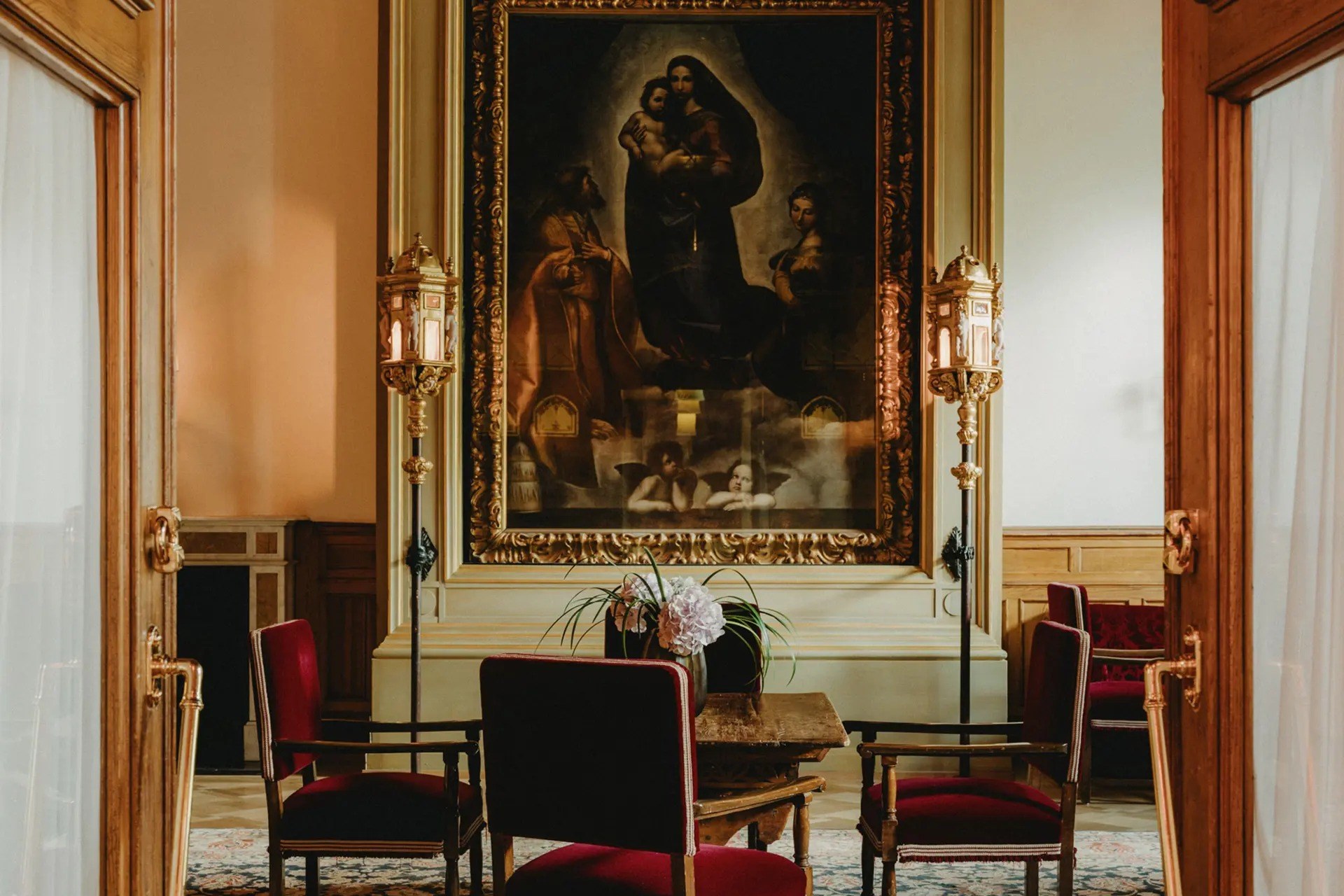
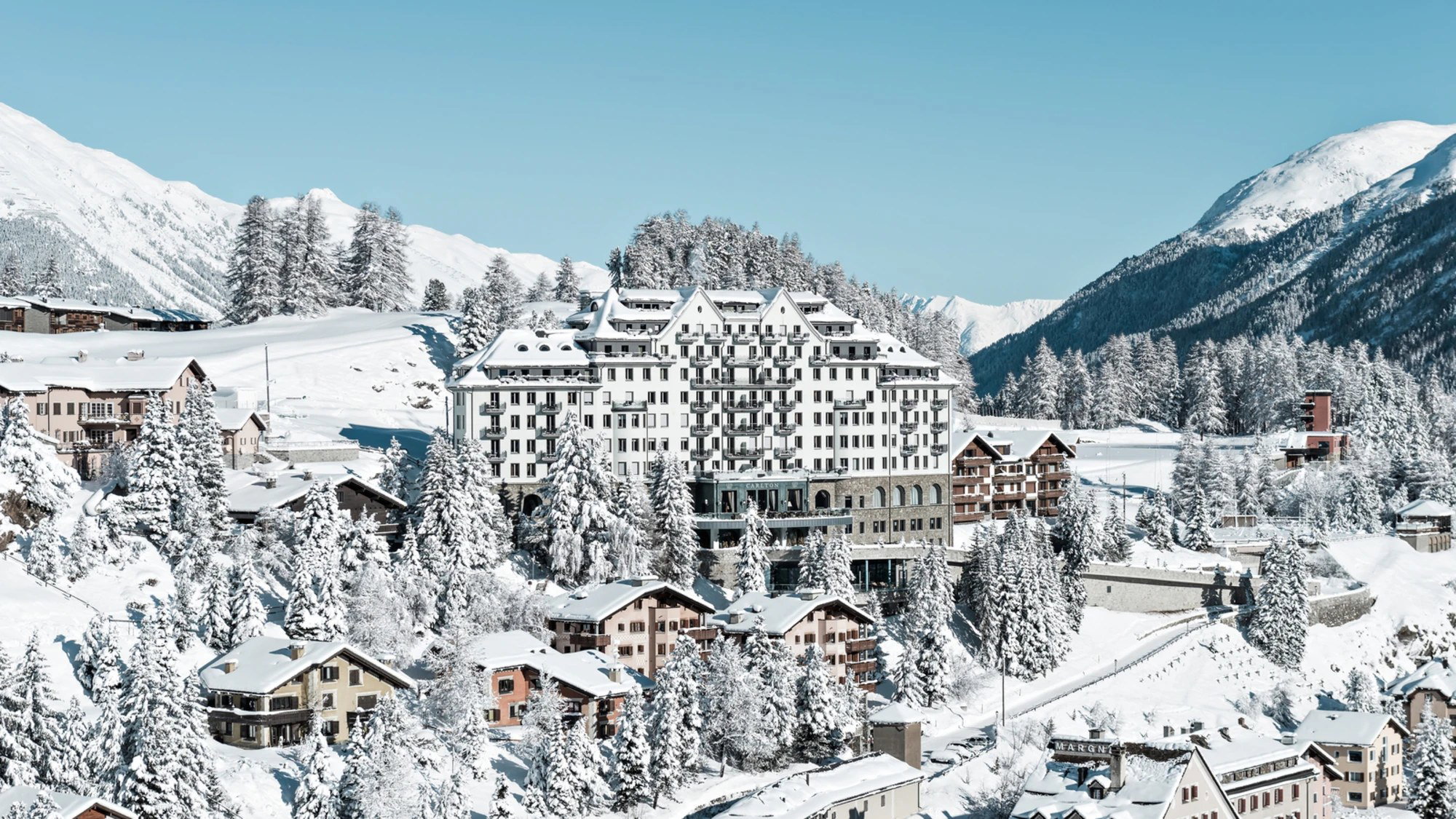
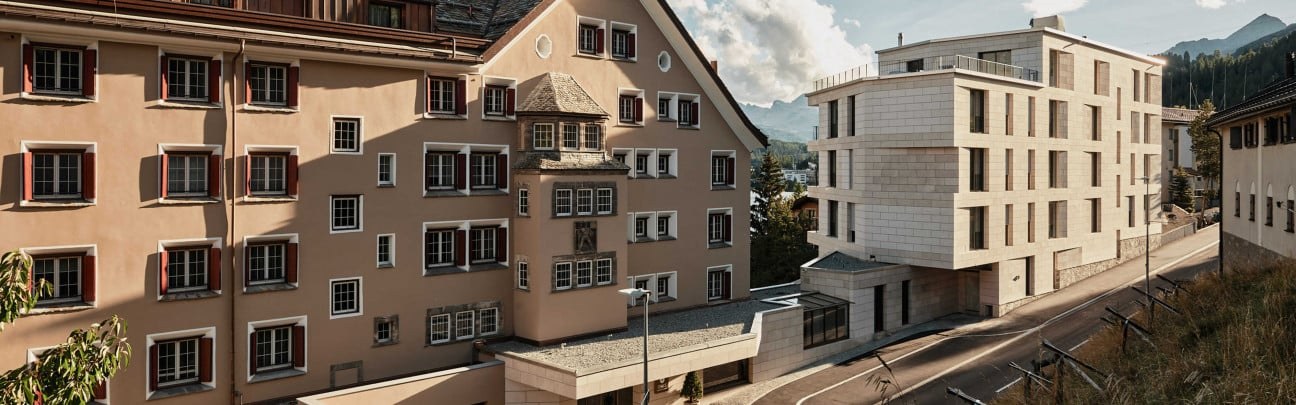
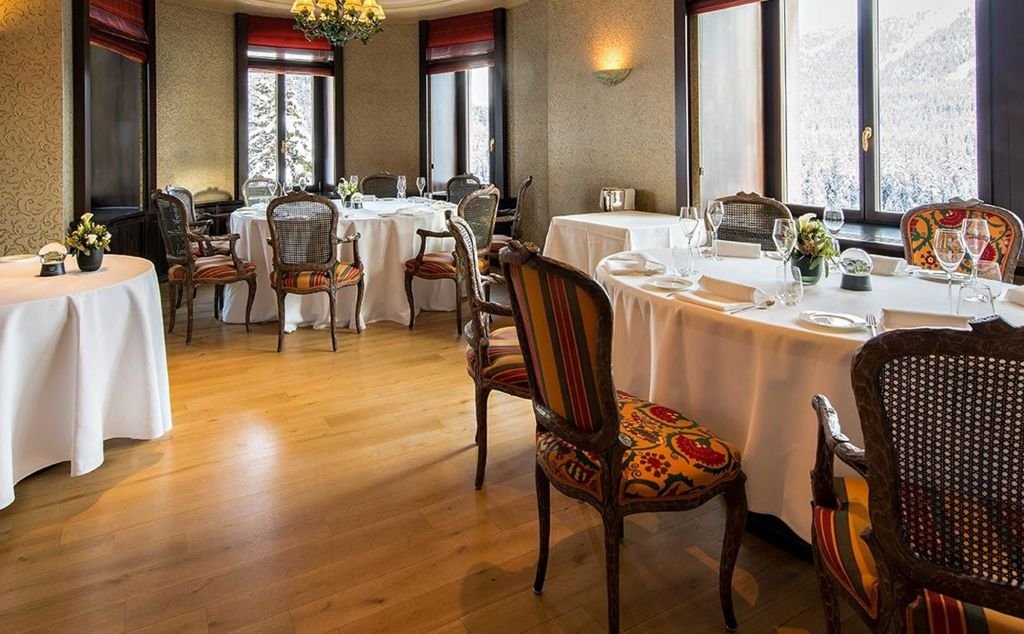
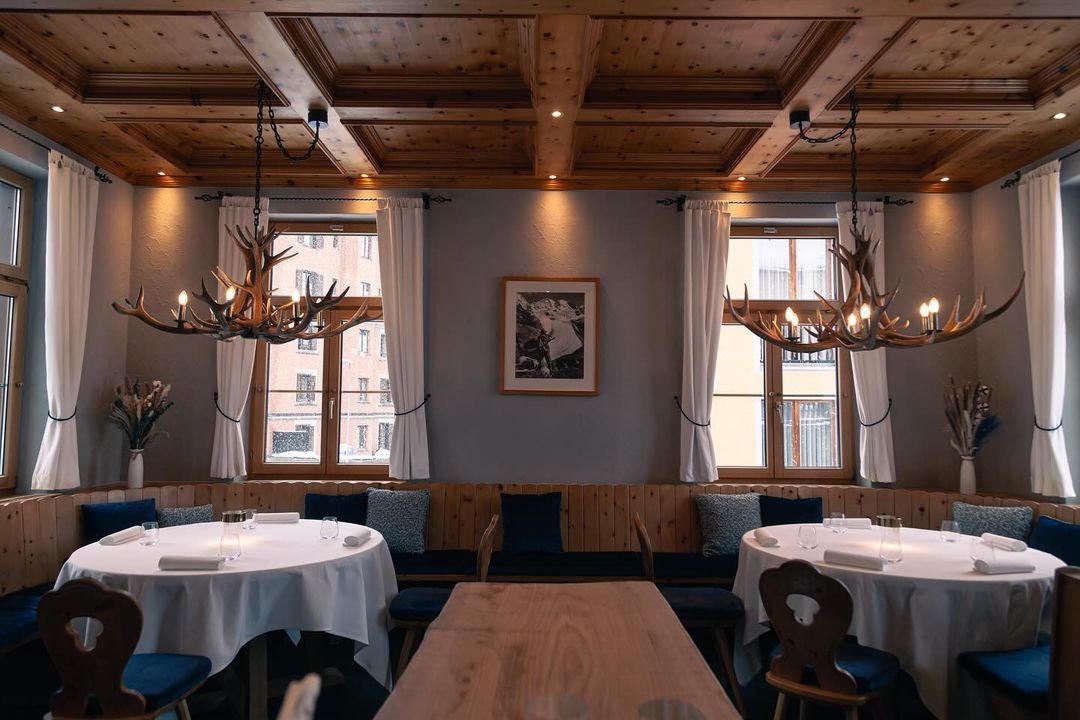
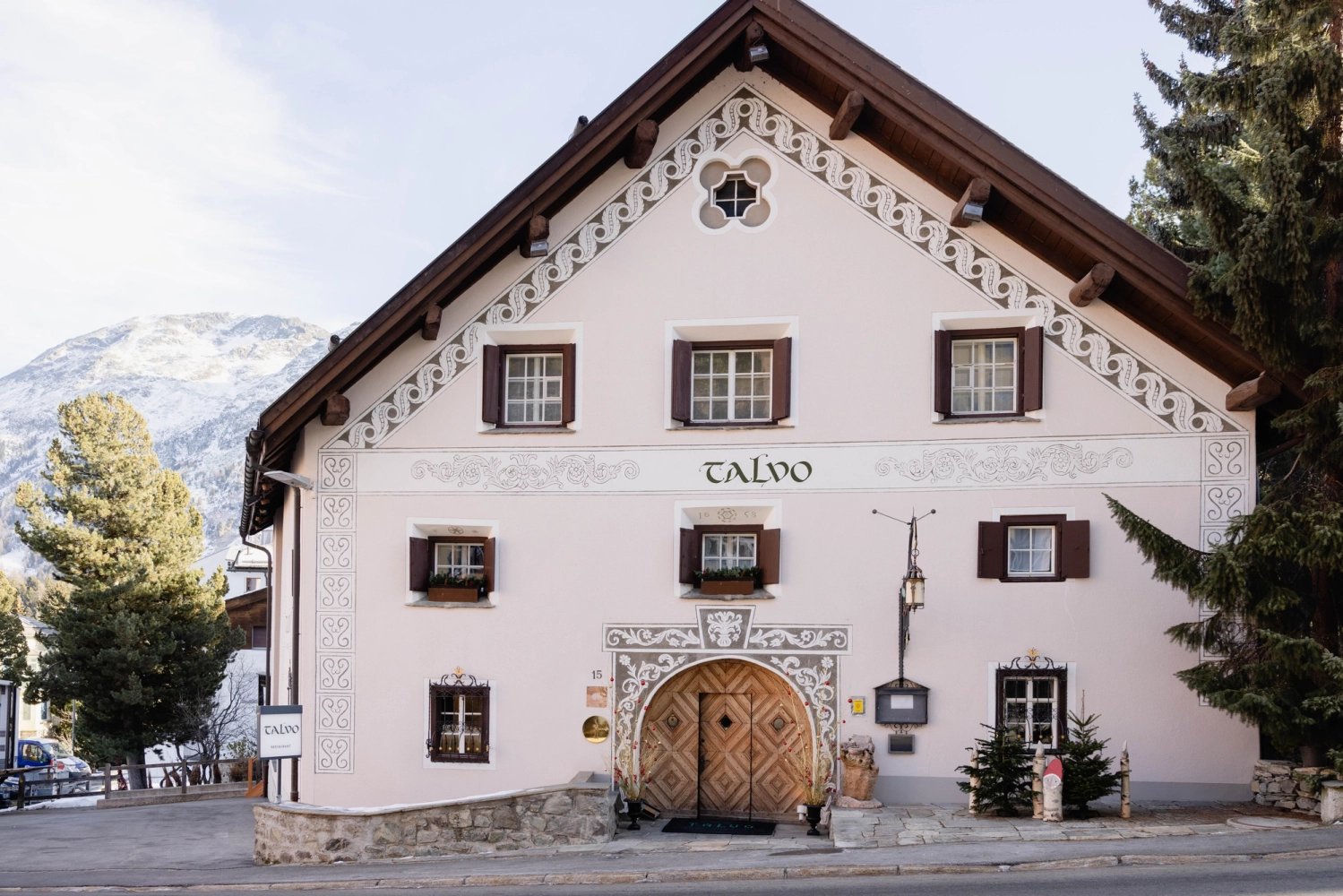
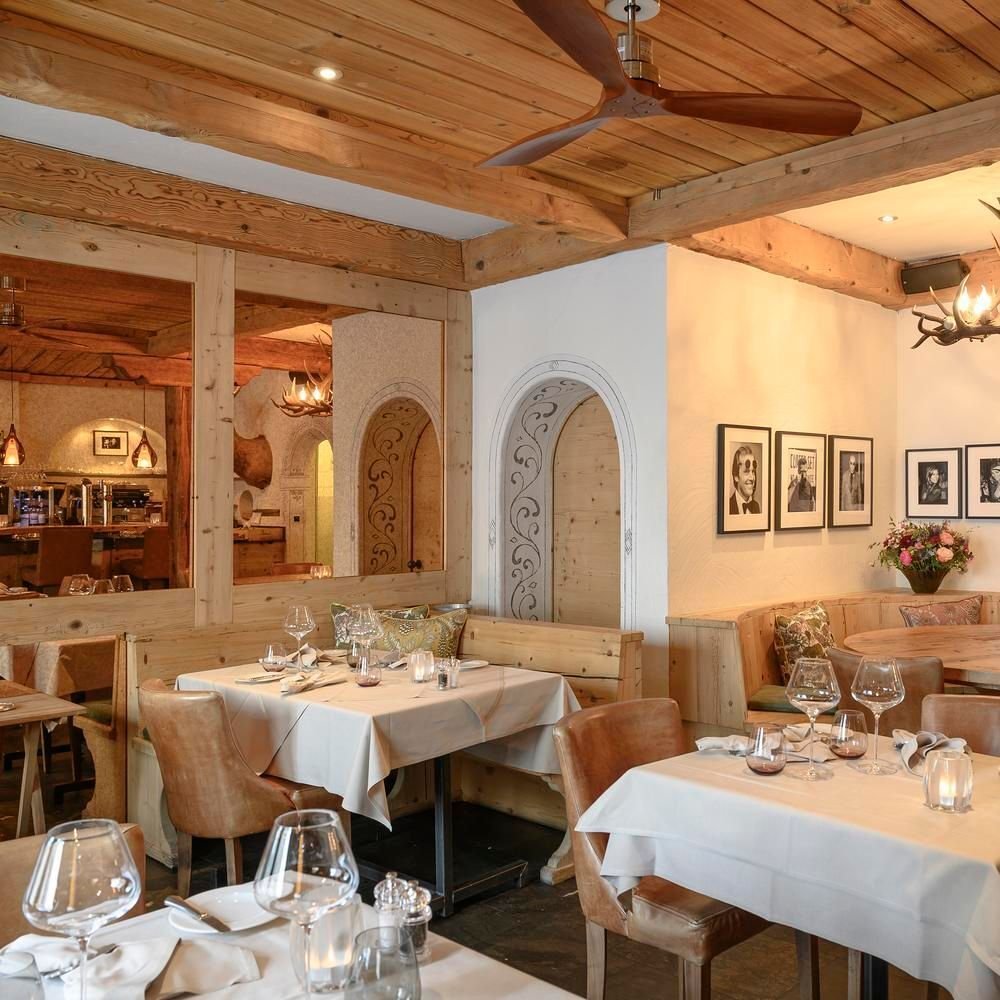
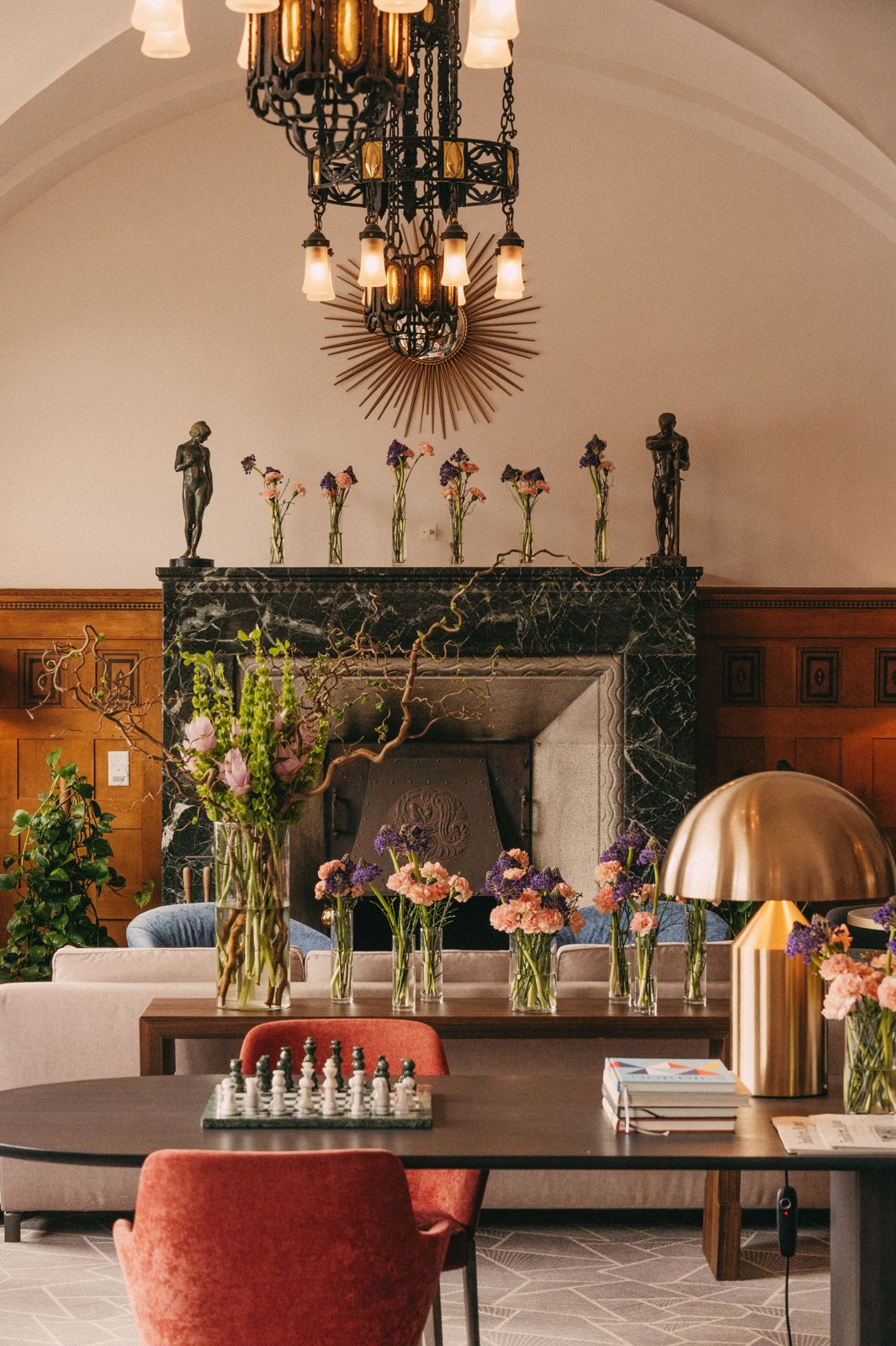
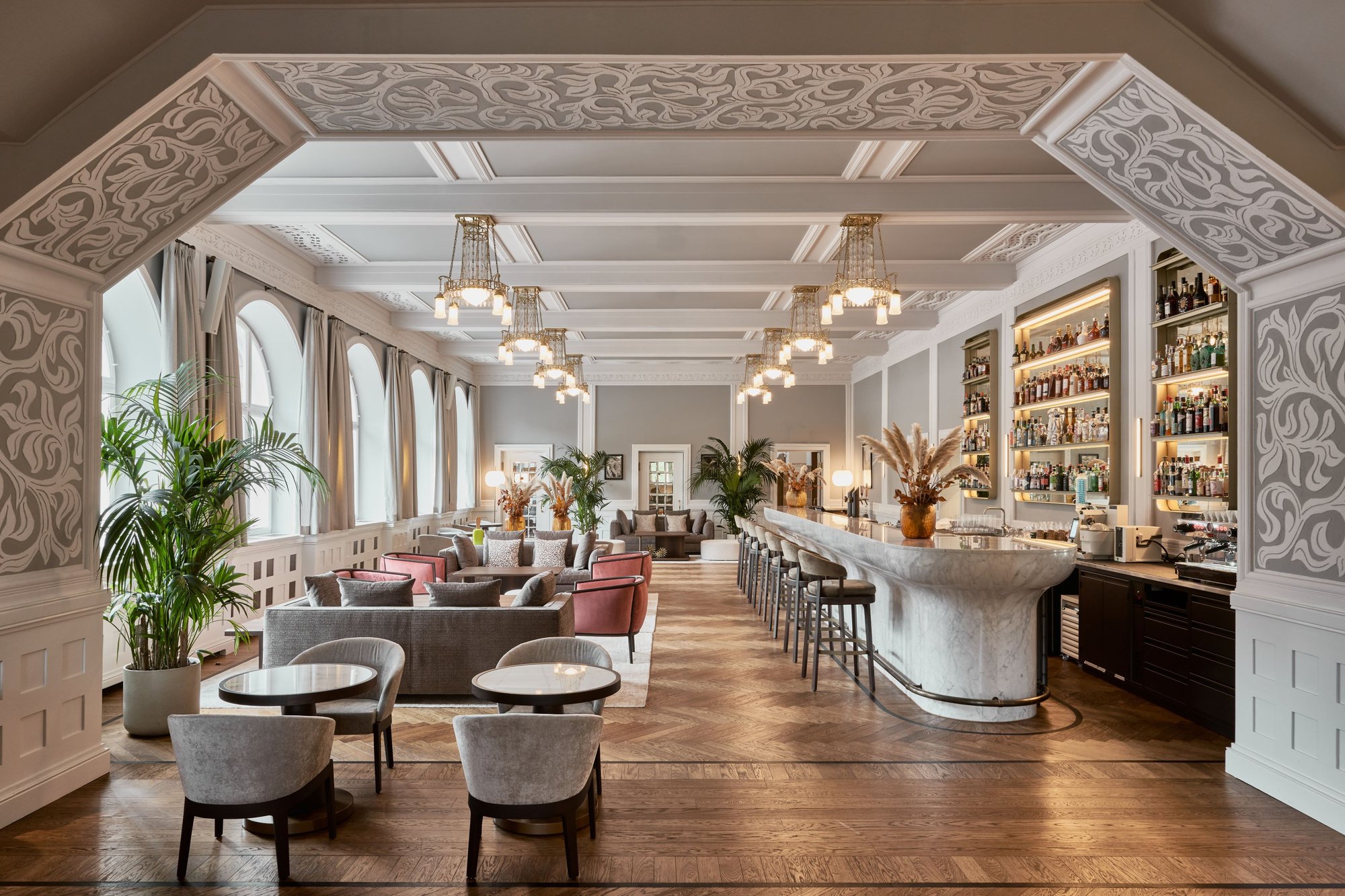
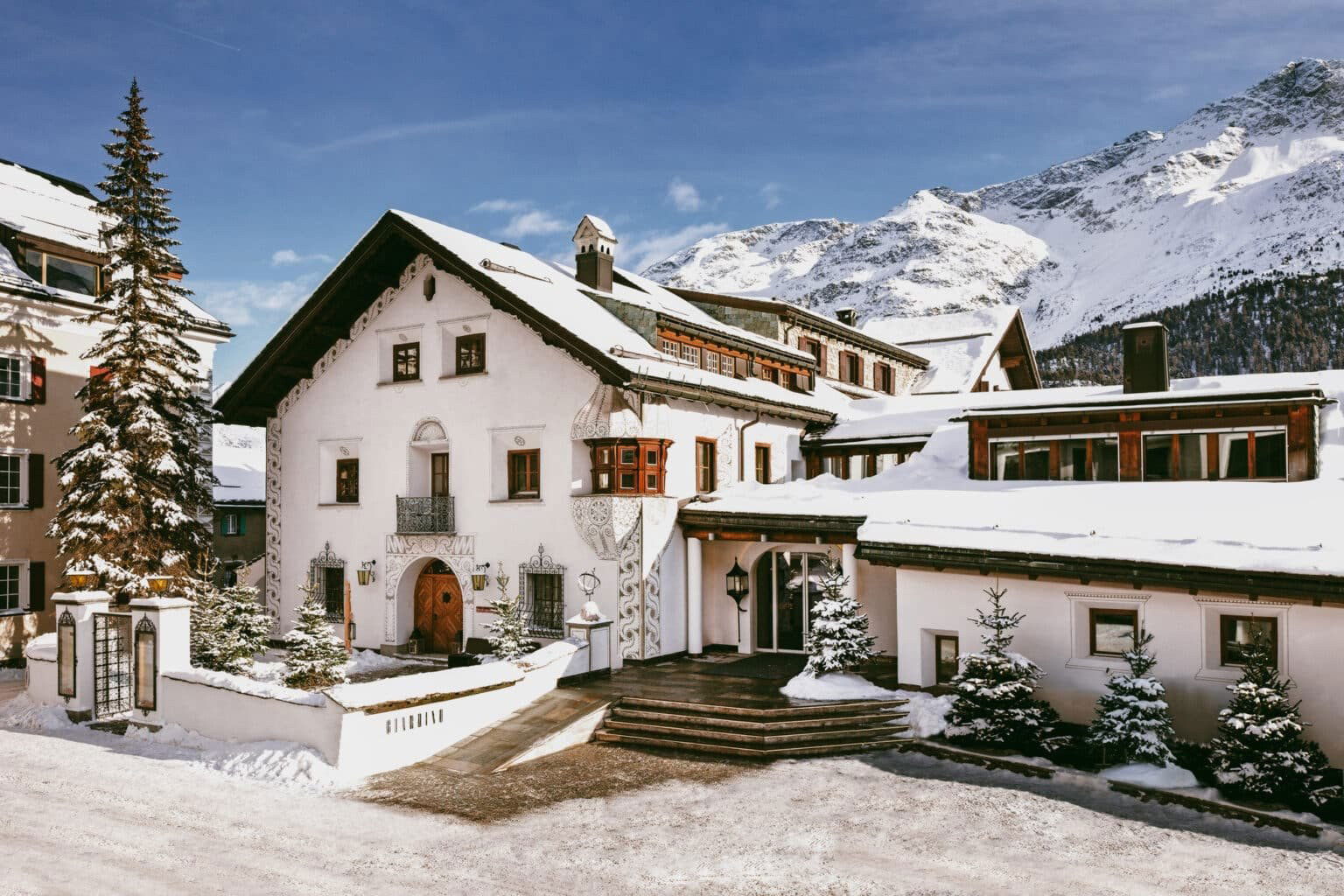
Giardino Mountain pairs an authentic Engadine exterior with a quietly modern interior. From the street the building reads as a vernacular alpine house — sgraffito-styled facades, pitched roofline and compact proportions — but a 2011 renovation recast the inside for a global boutique sensibility. Timbered ceilings and unchanged proportions preserve the classic alpine bones, while a pale-wood and cream palette softens the rooms into a calm, low-saturation environment. The result is a historic yet design-forward hotel that feels intimate and charming rather than grandiose, appealing to travelers who want mountain authenticity with contemporary boutique comfort.
Best For
Giardino Mountain is well suited to travelers drawn to boutique design in a mountain setting: honeymooners, couples on romantic getaways and guests seeking a wellness-style, restorative stay. Its compact scale and avoidance of the grand-hotel format make it a good choice for visitors who prefer quieter, design-led properties over historic-palace formality. Located in premium Engadine geography yet presented in an intimate package, the hotel also works well as a weekend escape for those who want scenic alpine surroundings without the overt pomp of nearby prestige hotels.
Stay Tips
The hotel’s 78-room scale and compact proportions mean availability can be limited, so book early, especially in high season. Expect rooms to emphasize pale wood, cream tones and retained timbered ceilings rather than ornate historical finishes; if you prize the preserved alpine details, request a room that highlights timbered ceilings. Note that the property intentionally positions itself as a boutique alternative to St. Moritz’s grand hotels, so anticipate a quieter, design-focused stay rather than large‑hotel formality.
Venue details
Ambiance
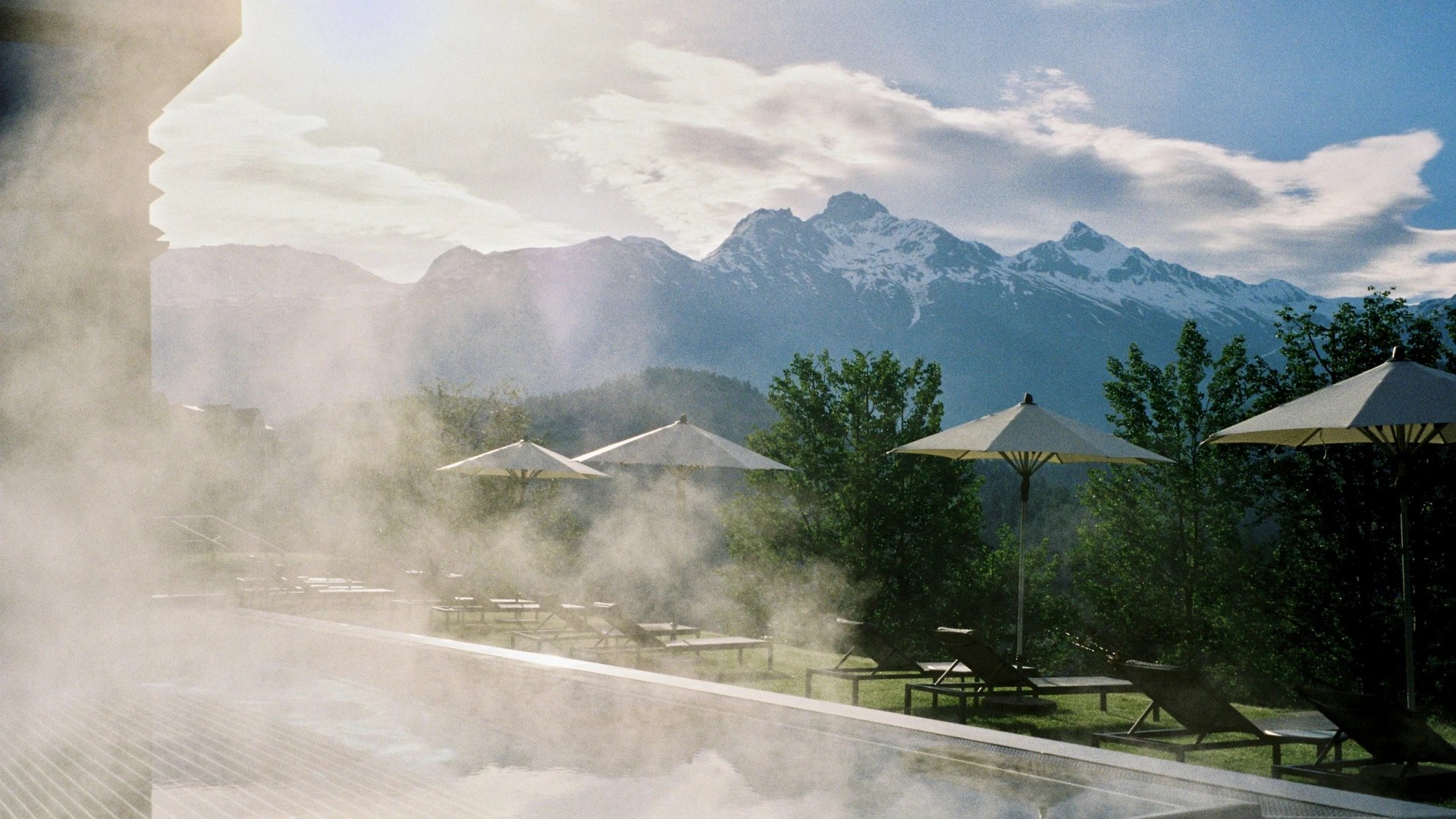
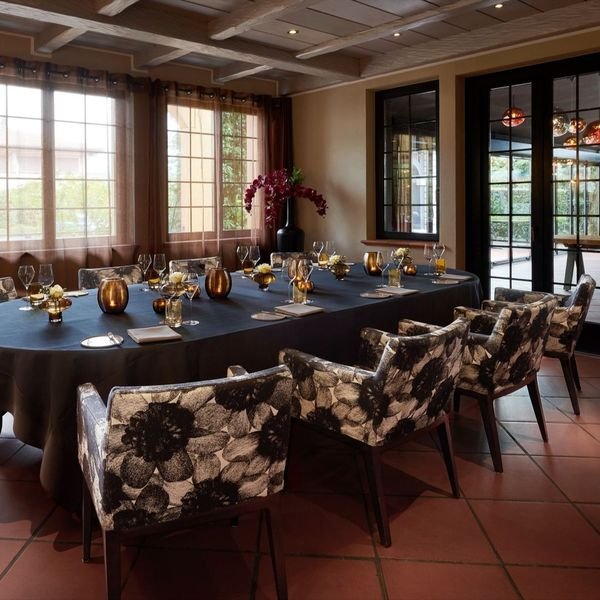
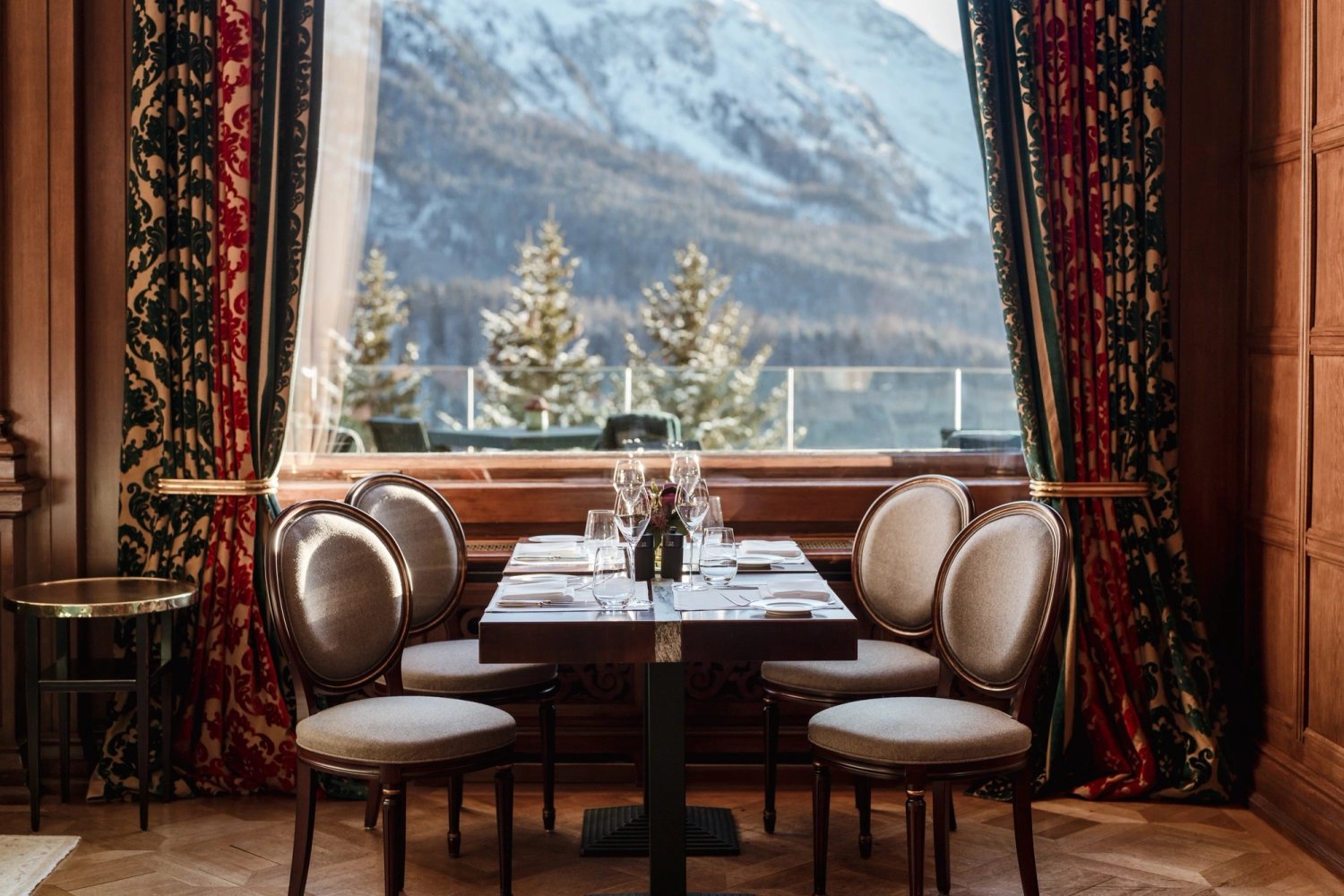
Inviting chalet-inspired atmosphere with warm earthy tones, cozy lighting, and serene spa areas praised for relaxation and attentiveness.
Tags
Vibe
Best For
Experience
Amenities
View
Accessibility
About the Stay
- Rooms
- 78
- Check-in
- 15:00
- Check-out
- 12:00
- Property Style
- Modern Five Star Design Hotel and Luxurious Mountain Resort
- Design Style
- Contemporary Alpine with Pale Wood, Cream Palette, and Vibrant Accents
Know before you go
Know Before You Go
- Getting there
- Via Maistra 3, 7512 San Maurizio
Planning details
Location
Recognition and awards
Also consider
Also Consider
- Suvretta House, Notable alternative
- Kempinski Grand Hotel Des Bains, Notable alternative
- Nira Alpina, Notable alternative
- Nira Alpina, Notable alternative
- The Crystal Hotel, Notable alternative
Hotel context
How It Compares
Giardino Mountain is the design-led choice in this St. Moritz set. Compared with Suvretta House and Kempinski Grand Hotel Des Bains, it reads as the better fit for travelers who want a contemporary mountain stay rather than a more traditional grand-hotel decision. The Michelin 1 Key gives it a stronger quality signal than a simple style-led booking.
If value is the priority, compare quoted CHF rates against Nira Alpina and The Crystal Hotel before locking in. Giardino Mountain is harder to justify when priced near the larger luxury names unless design, recognition, and a quieter special-occasion mood are central to the trip.
For booking difficulty, treat Giardino Mountain as a plan-ahead hotel. If dates are fixed and availability is tight, cross-shop Suvretta House for a more classic St. Moritz stay, Kempinski Grand Hotel Des Bains for a larger hotel feel, and Nira Alpina for an alternative mountain-base angle.
Explore St. Moritz
Around this place
Discover more on Pearl
Unlock the full Giardino Mountain guide in Pearl, including awards, comparisons, FAQs, planning details, and nearby places.
Compare Giardino Mountain
| Venue | Location | Awards |
|---|---|---|
| Giardino Mountain | St. Moritz | 2026 Design Hotels Collection2025 Michelin 1 KeyMichelin 1 Key 2025 |
| Suvretta House | St. Moritz | 2026 La Liste Top HotelsLeading Hotels of the World 20262025 Michelin 2 Keys2024 Michelin 2 Keys |
| Kempinski Grand Hotel Des Bains | St. Moritz | 100 Most Incredible Hotels in the World · 20262026 Virtuoso Luxury Hotel Collection2026 La Liste Top Hotels2025 Michelin 1 Key |
| Nira Alpina | St. Moritz | No published awards |
| Nira Alpina | Silvaplana | No published awards |
| The Crystal Hotel | St. Moritz | Small Luxury Hotels Member 2025 |






How Giardino Mountain St. Moritz compares with similar nearby venues.
FAQ
Frequently Asked Questions
When should I check availability at Giardino Mountain?
If your St. Moritz dates are fixed, check availability and current terms before booking. The reasons to consider Giardino Mountain are its Michelin 1 Key recognition for 2025 and its listing as a 2026 Design Hotels member.
How does Giardino Mountain compare to other hotels?
Compare Giardino Mountain with Suvretta House, Kempinski Grand Hotel Des Bains, Nira Alpina, and The Crystal Hotel by checking current rates, inclusions, room details, and the priorities of your trip. The confirmed public markers for Giardino Mountain are Michelin 1 Key recognition and Design Hotels membership.
Are facility details for Giardino Mountain?
facility specifics are not available here. If particular facilities are central to the stay, confirm the current details, access terms, and any inclusions directly before booking.
Is Giardino Mountain good for business travel?
It may suit travelers considering a hotel in St. Moritz with Michelin 1 Key recognition and Design Hotels membership. Confirm the practical details you need for the trip before booking.
Which room category is best at Giardino Mountain?
room-category guidance is not available here. Choose based on the current room descriptions, rates, and inclusions shown at booking, and confirm any view, size, or layout priorities directly.
Do loyalty programs work at Giardino Mountain?
loyalty-program details are not available here. Giardino Mountain is better assessed on its St. Moritz location, Michelin 1 Key recognition, and Design Hotels membership than on points benefits.