art boutique Hotel Monopol
shopping area, St. Moritz
Hotel in St. Moritz, Switzerland
 Book with Pearl
The Read
Alpine Boutique Positioning
Why go
Book art boutique Hotel Monopol if you want a central St. Moritz stay with more personality than a plain business hotel and less ceremony than the palace circuit. The case is strongest for couples, solo travelers, and small celebration trips where location and visual character matter more than resort-scale amenities.
About art boutique Hotel Monopol
art boutique Hotel Monopol is a St. Moritz hotel with 2025 Preferred Hotels Member recognition. For travelers comparing stays in town, that status is a useful trust signal, alongside the venue's smart-casual dress code.
Do not assume a specific restaurant program, spa setup, room count, price level, or service format. Shortlist it if the name, St. Moritz setting, and Preferred Hotels affiliation fit the kind of stay you want, then confirm current facilities and policies directly before booking.
A St. Moritz choice with a boutique identity
The booking case should stay simple: art boutique Hotel Monopol is a St. Moritz option with a boutique identity and Preferred Hotels Member recognition for 2025. That makes it relevant for guests who want to compare it with other St. Moritz hotels while keeping the focus on the essentials that matter to their stay.
Its smart-casual dress code is a practical style note rather than a full description of the guest experience. Details such as dining, wellness, room categories, family services, and business facilities should be checked with the hotel directly.
Where the trade-off becomes clear
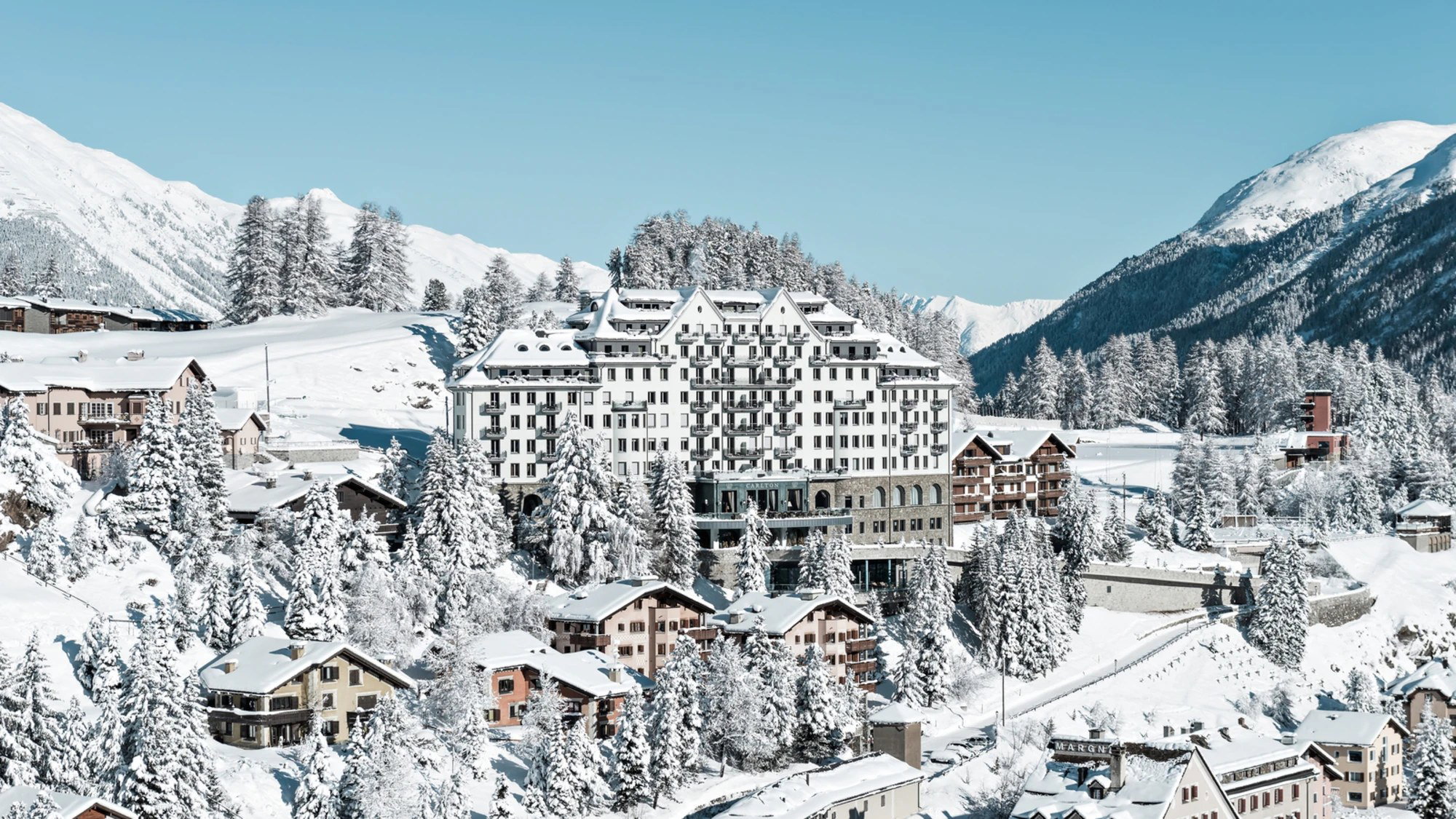
Against larger St. Moritz names, the decision should be made on your actual priorities rather than assumptions. If you are comparing art boutique Hotel Monopol with Badrutt's Palace Hotel, Carlton Hotel St. Moritz, Grace La Margna St. Moritz, Kulm Hotel St. Moritz, or The Crystal Hotel, verify the current facilities, rates, and policies for each property before deciding.
The main caution is direct: do not book based on assumptions about amenities or services. Book art boutique Hotel Monopol when a St. Moritz stay, a smart-casual setting, and Preferred Hotels Member recognition for 2025 are enough to make it worth further consideration.
Planning details
- Location
- Via Maistra 17, 7500 San Maurizio
- Website
- monopol.ch
- Phone
- +41 81 837 04 04
The take
The Take
The Vibe
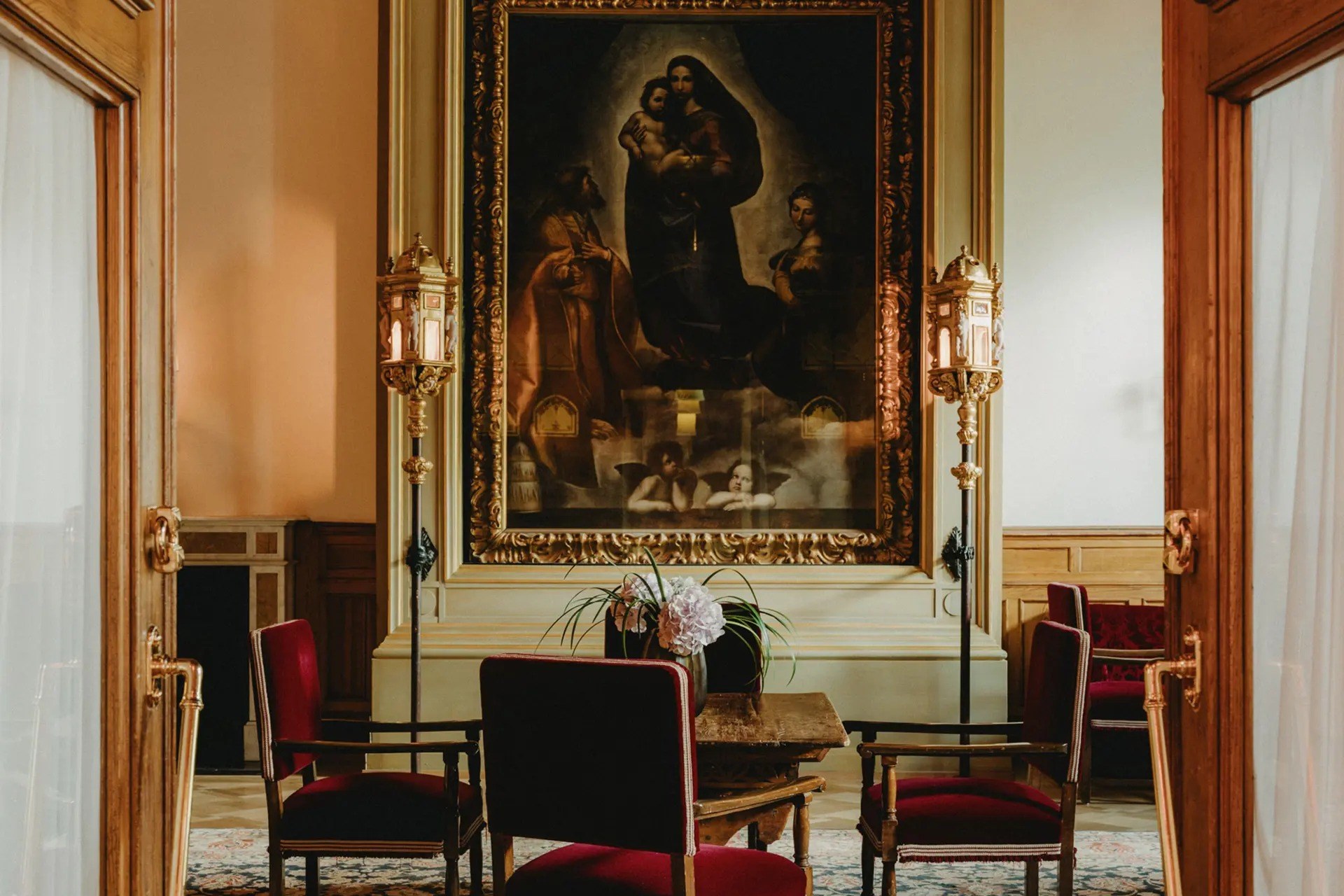
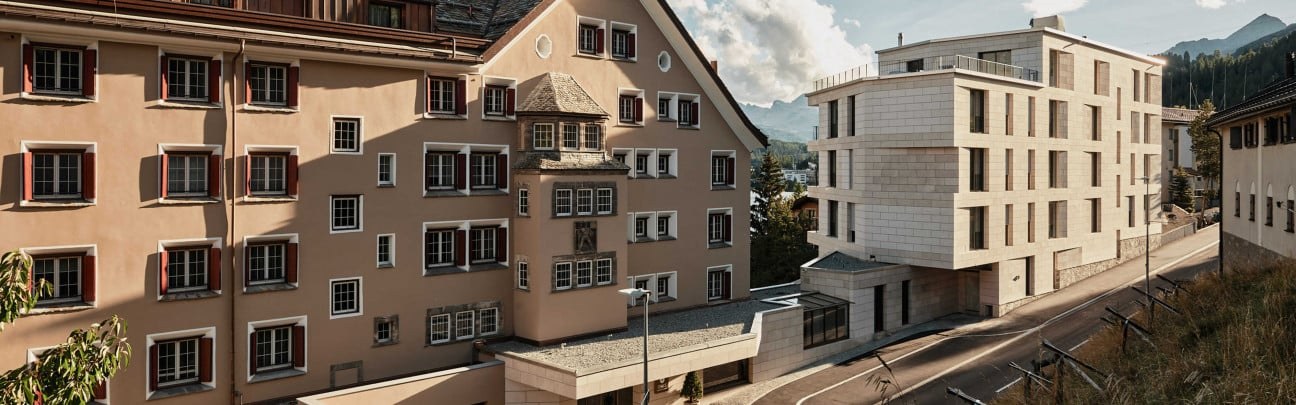
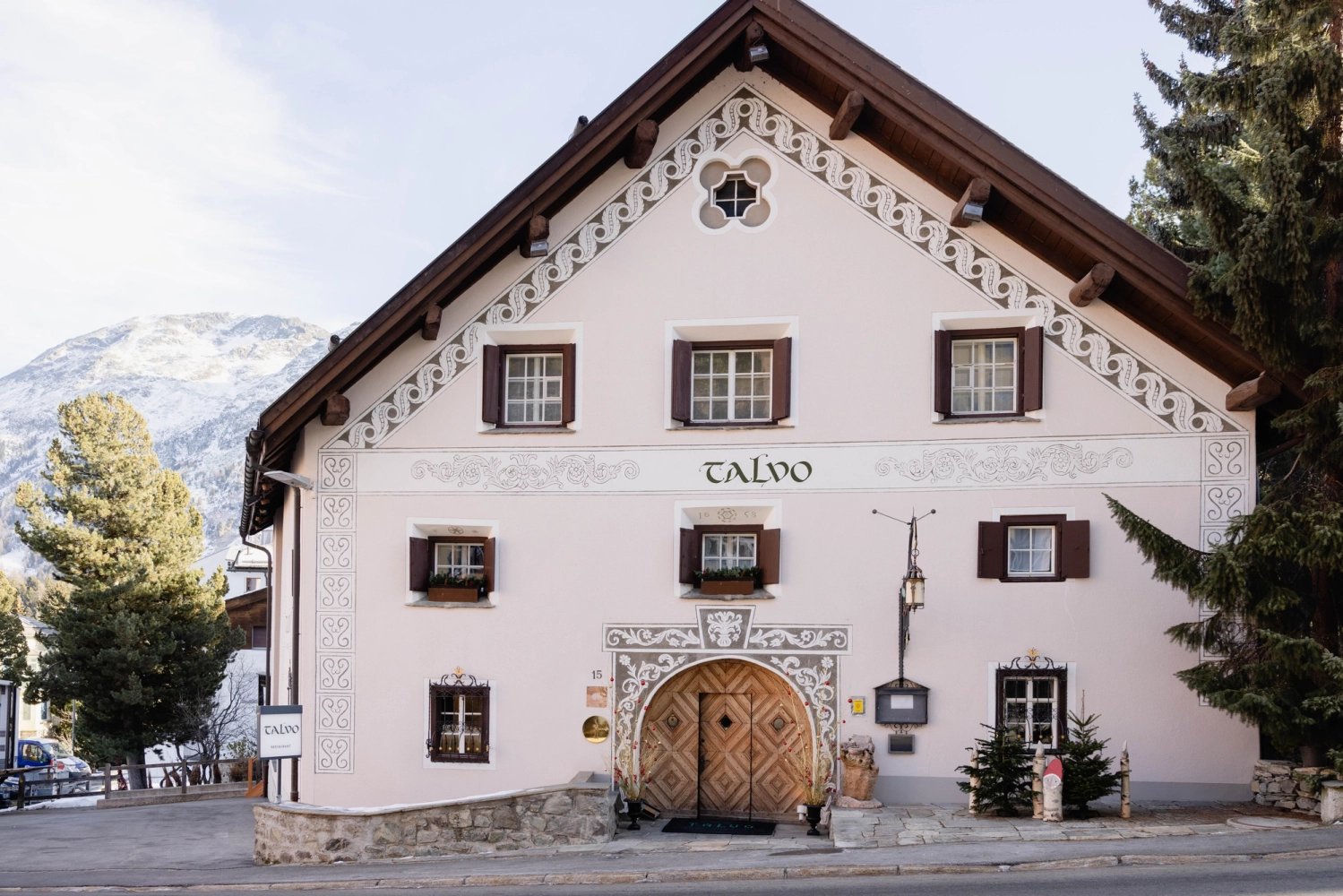
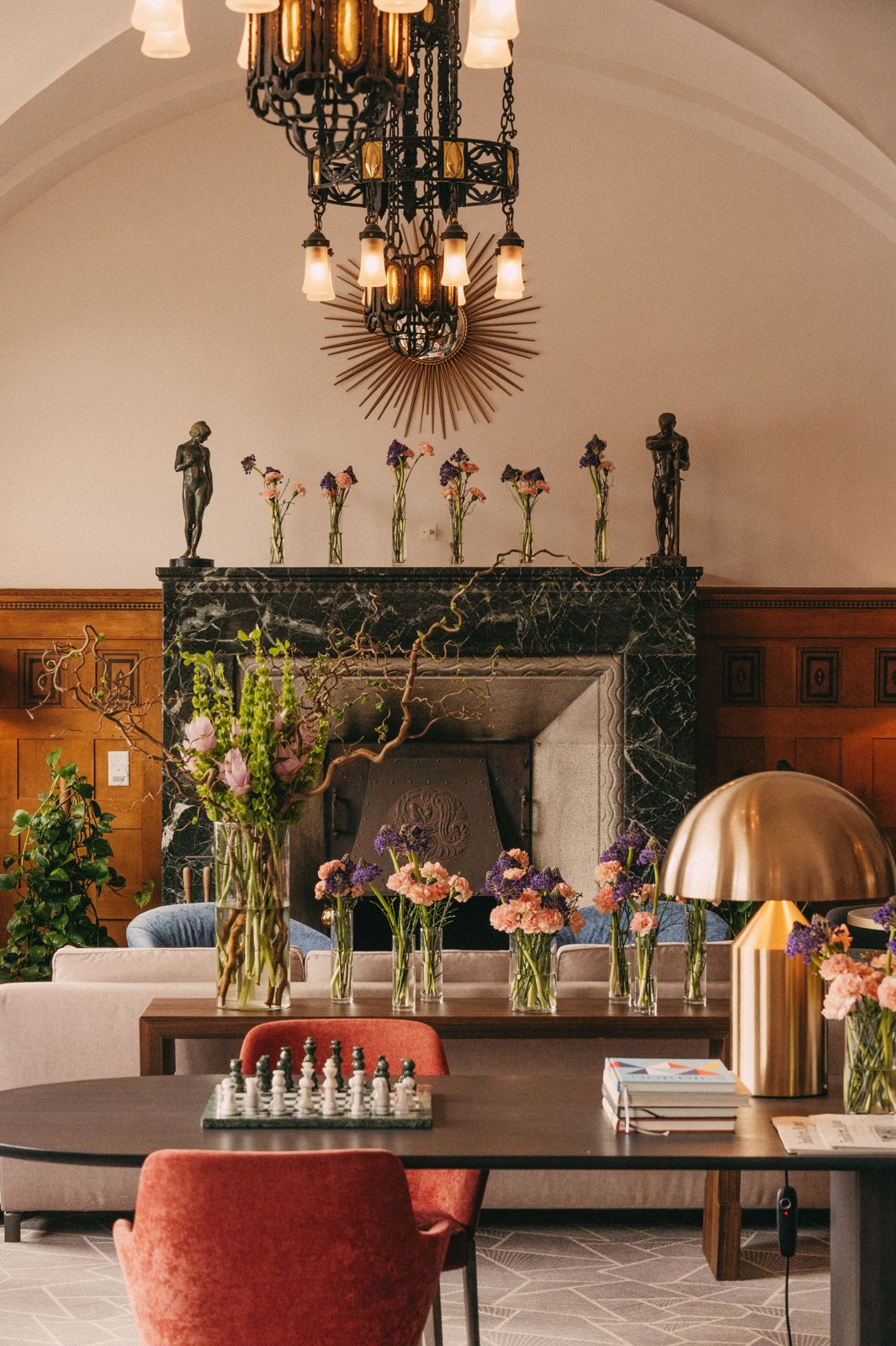
Art boutique Hotel Monopol presents a compact, design-forward presence on Via Maistra. The hotel leans into intimacy rather than monumentality: at 66 rooms it feels deliberately scaled, with curated walls and public spaces that function as active exhibition space. The building reads as composed and purposeful, and the public areas encourage slow observation and people-watching along St. Moritz‑Dorf’s main artery. Overall the tone is quietly confident and curated — a boutique counterpoint to the larger palatial hotels in town that emphasizes proximity, artful details and a measured pace.
Best For
Monopol suits travelers who prefer a boutique, design-led stay to the grand hotels that dominate St. Moritz. It is a good pick for visitors who value easy access to in‑house facilities, quieter public areas and front-row people‑watching on Via Maistra. The property also reads naturally for guests drawn to wellness traditions in St. Moritz, and for those seeking a compact, art-forward base for short stays or weekend escapes where intimacy and curatorial detail matter more than scale.
Venue details
Ambiance
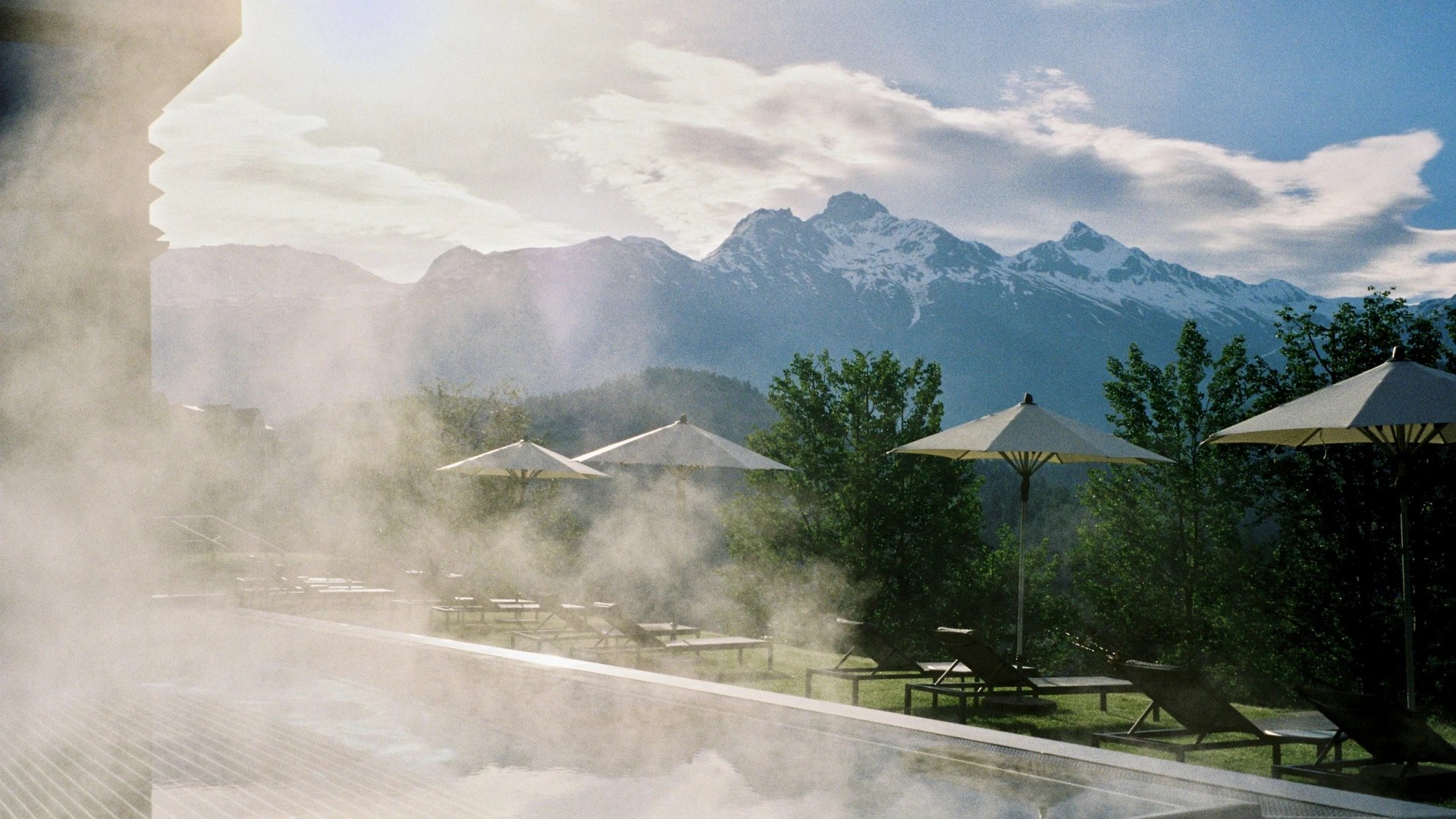
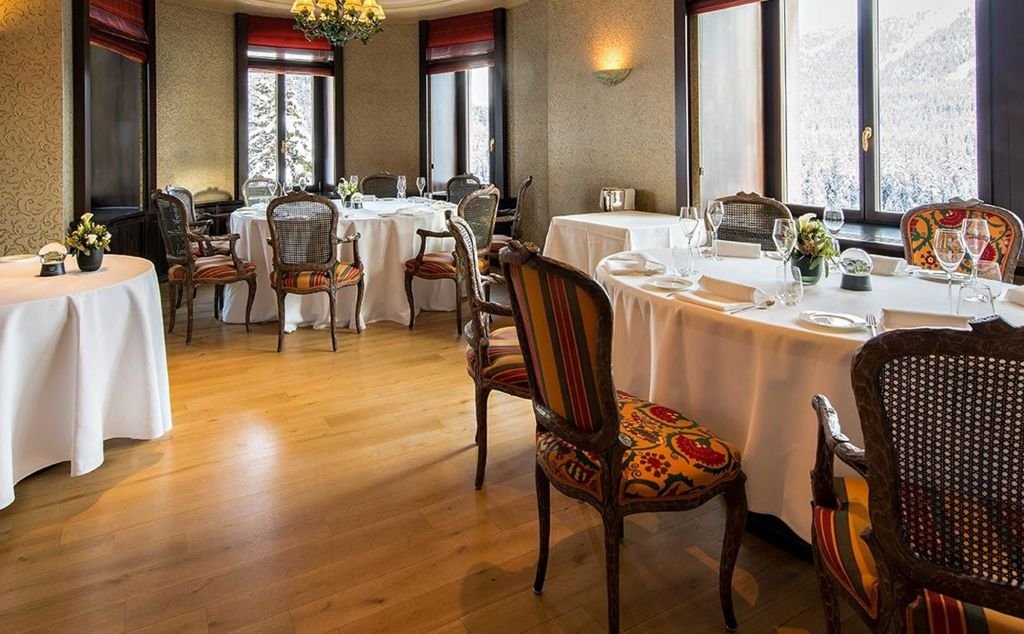
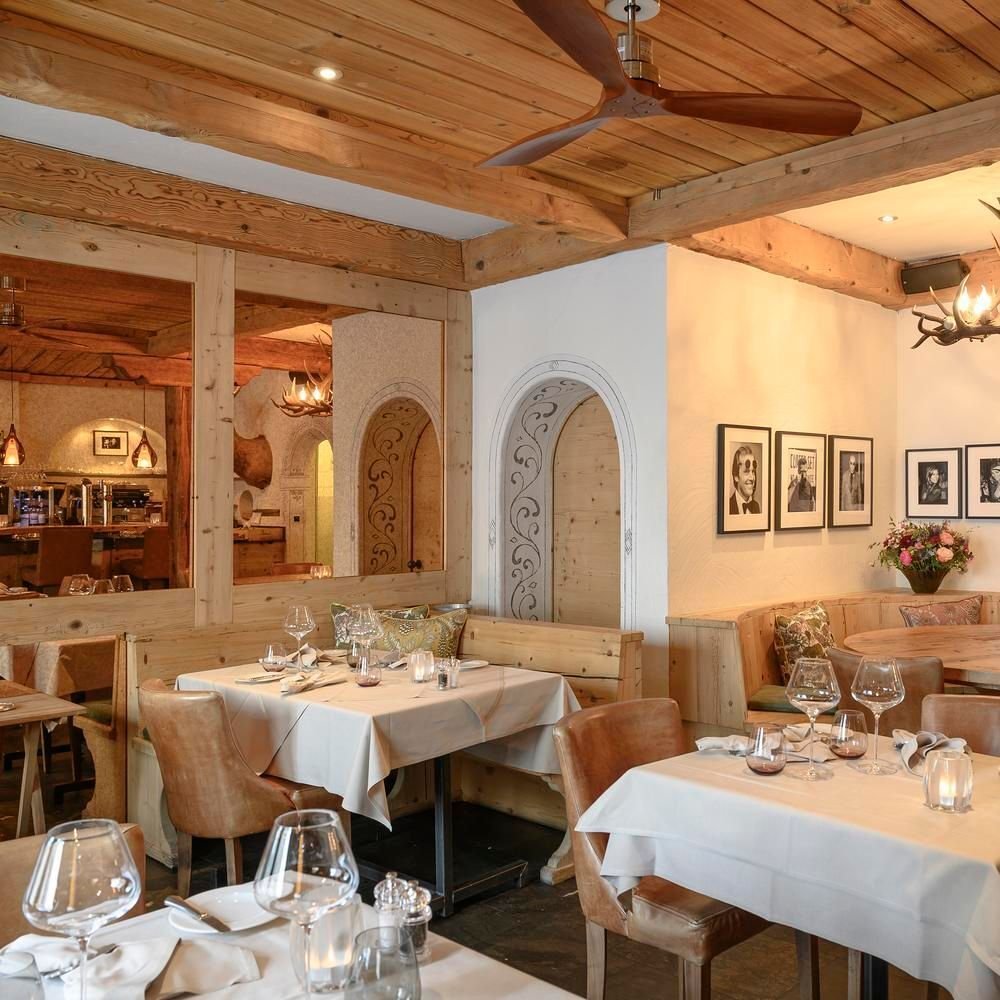
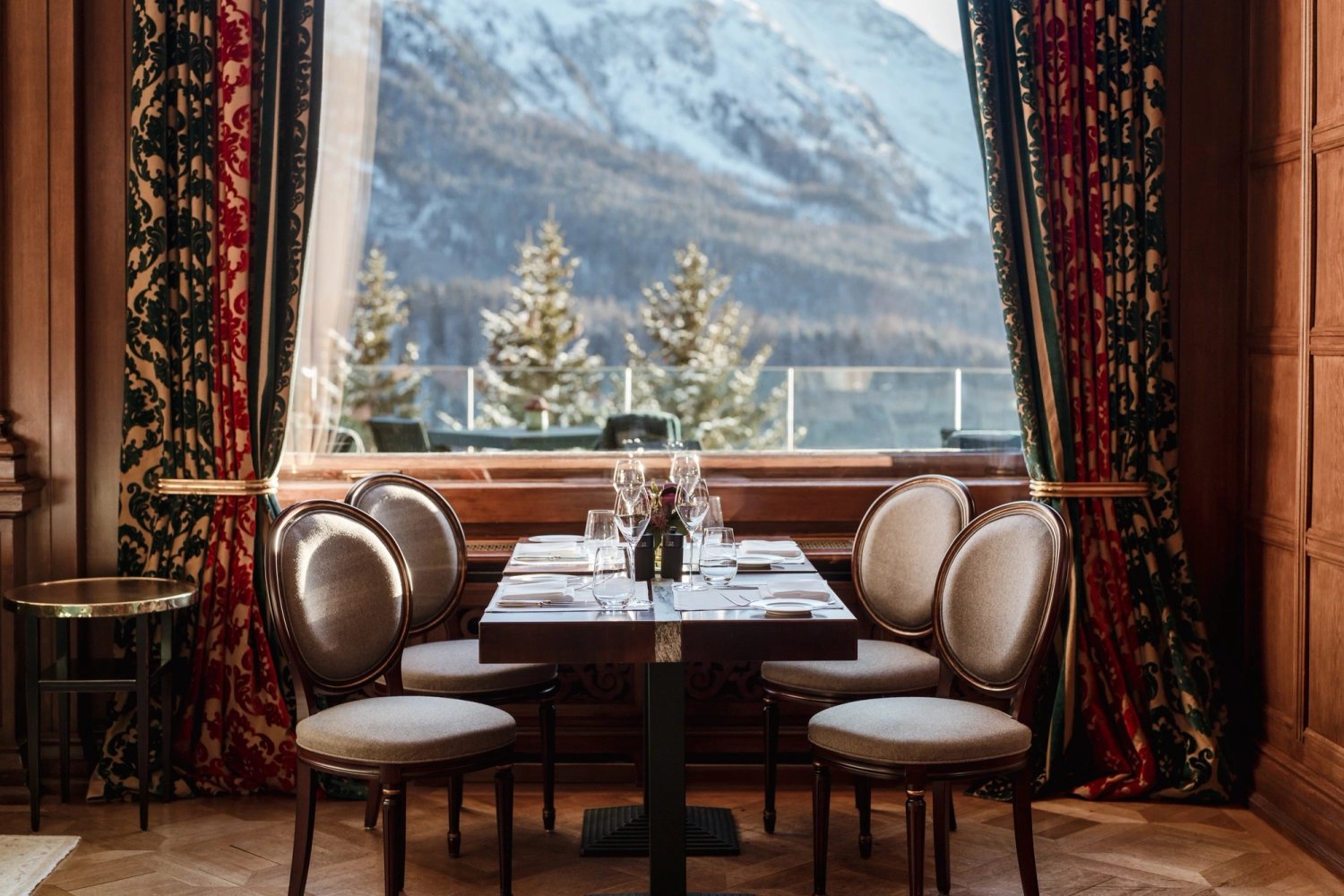
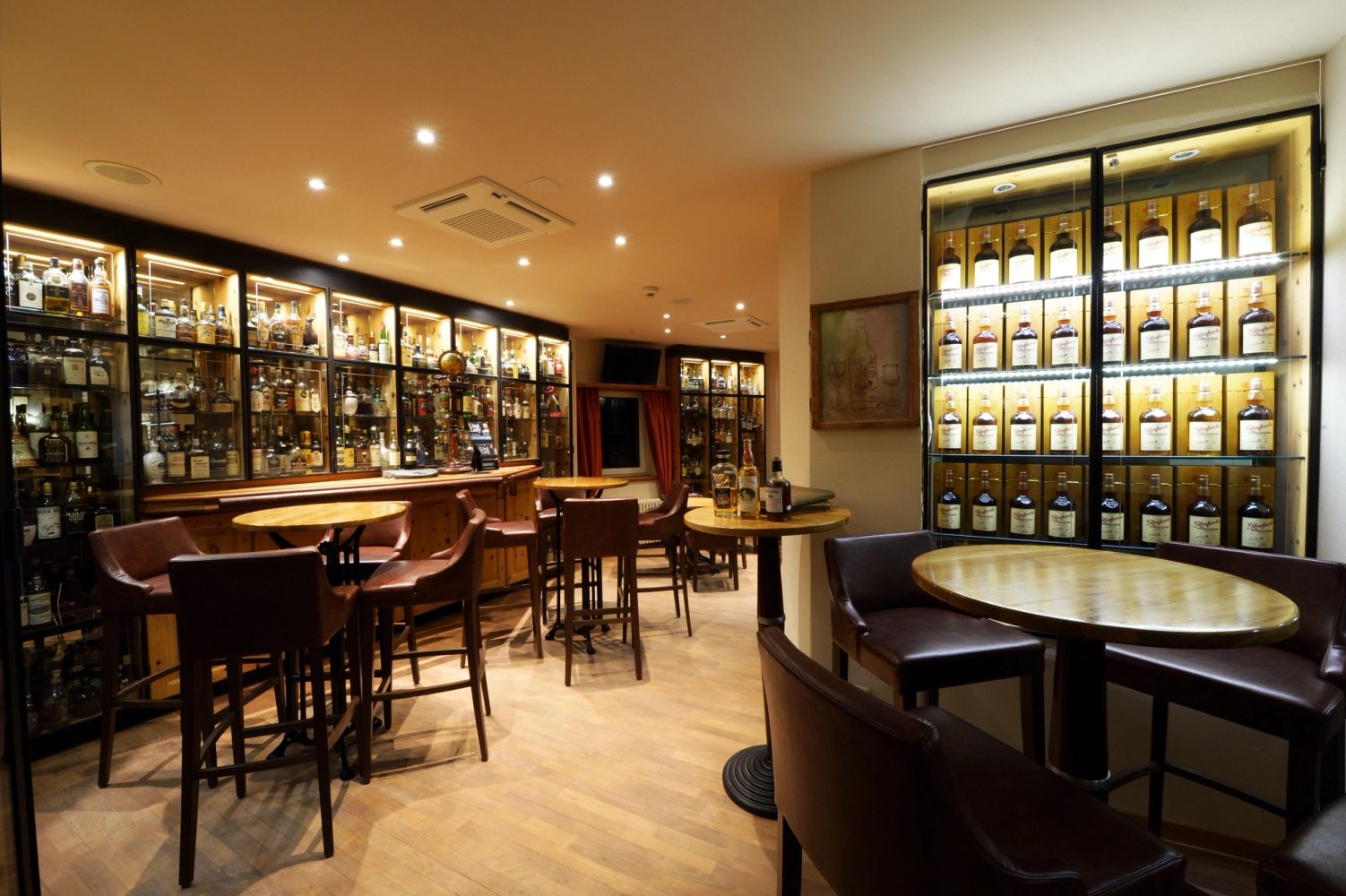
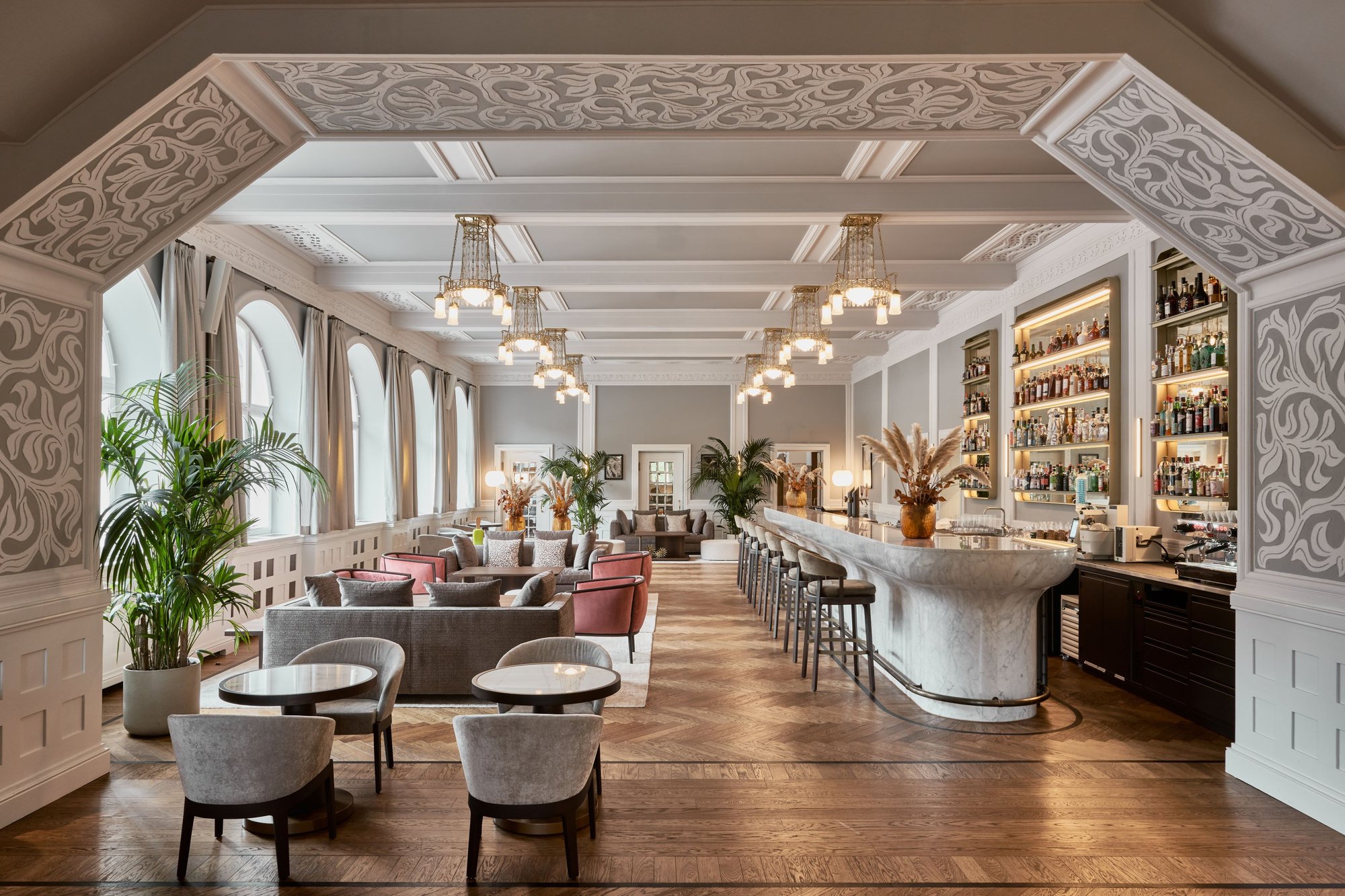
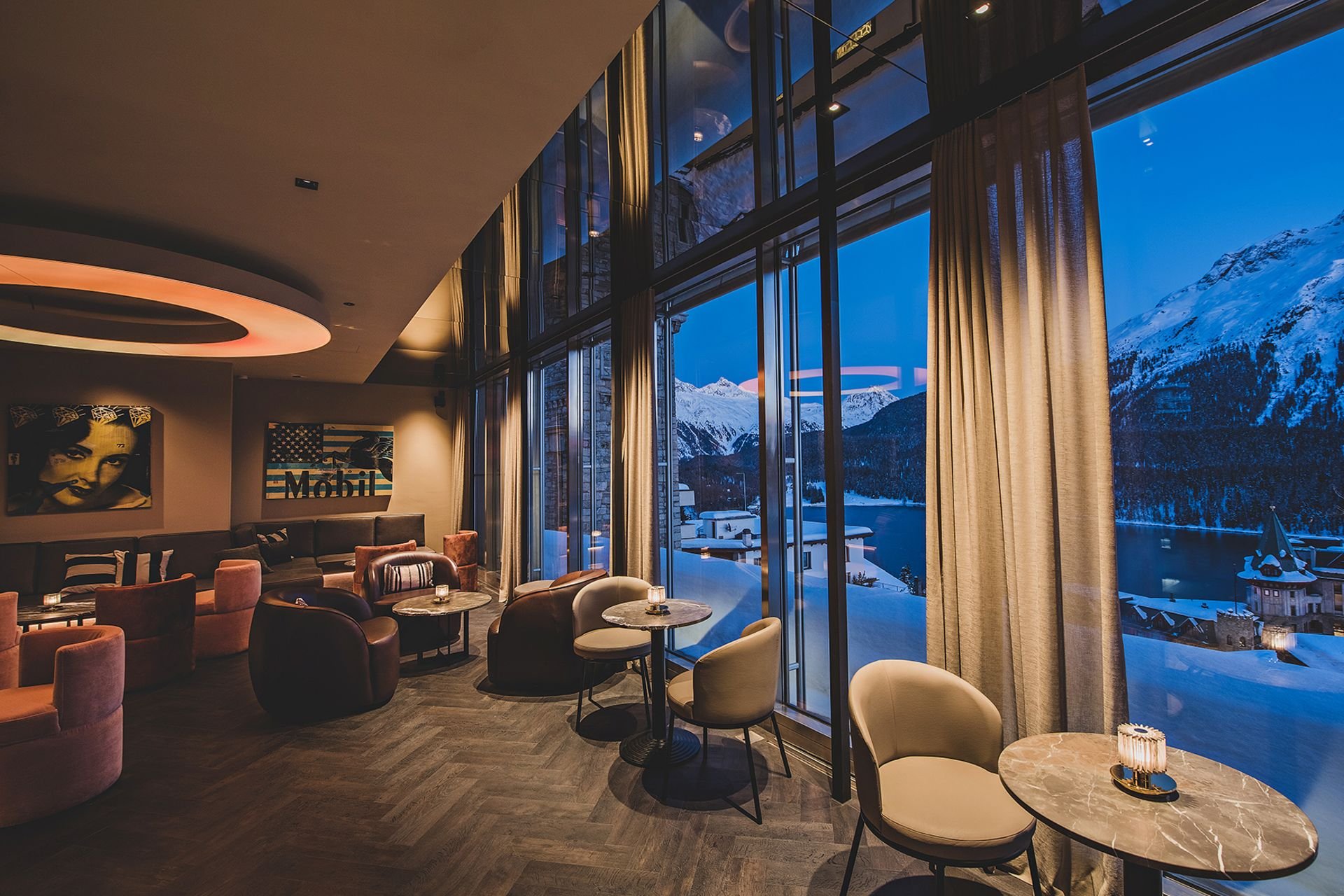
Cozy and elegant with stylish lighting in the Sky Bar and lounge areas, complemented by panoramic mountain and lake views from the rooftop terrace.
Tags
Vibe
Best For
Experience
Amenities
View
Accessibility
About the Stay
- Rooms
- 69
- Check-in
- 15:00
- Check-out
- 12:00
- Property Style
- Historic Boutique Hotel with Modern Art Integration
- Design Style
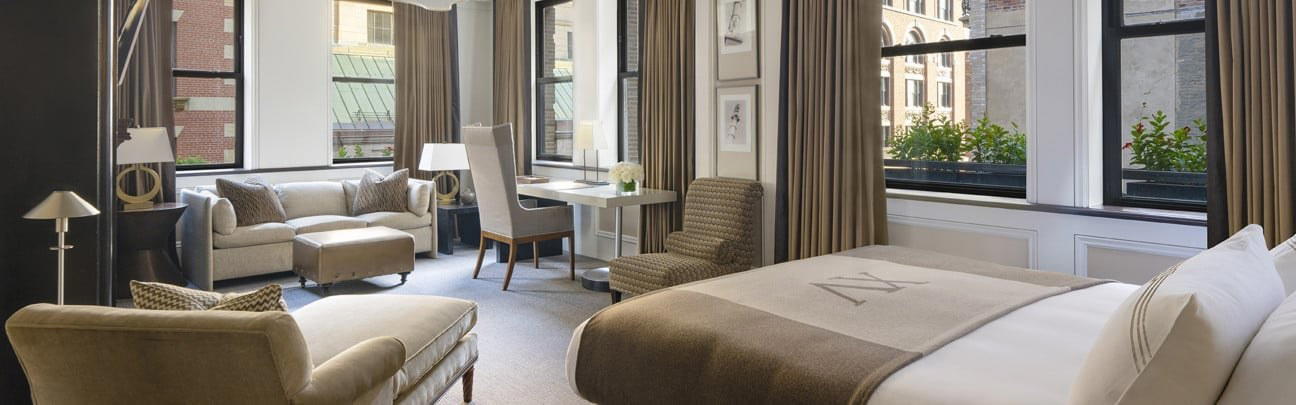
- Individually Decorated Rooms Blending Classic Elegance and Contemporary Art
Know before you go
Know Before You Go
- Getting there
- Via Maistra 17, 7500 San Maurizio
Planning details
Location
Recognition and awards
Also consider
Where to look if this is not the right fit
If Monopol feels too boutique for the trip, cross-shop Grace La Margna St. Moritz for a more expansive luxury feel or The Crystal Hotel for another central St. Moritz option with a simpler decision profile.
Hotel context
How it compares in St. Moritz
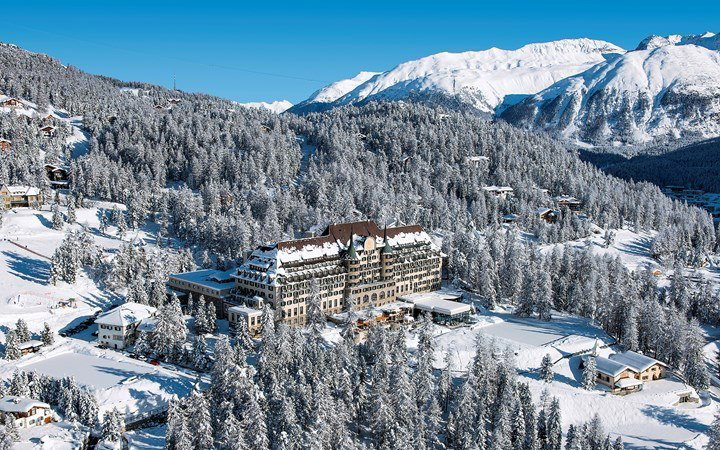
art boutique Hotel Monopol is the more boutique, town-centered call in this set. Kulm Hotel St. Moritz and Badrutt's Palace Hotel are the better choices when the hotel is the main event and the budget is built around a grand St. Moritz stay. Choose Monopol when the trip is about being in town with a more individual room feel, not about maximal hotel theater.
Grace La Margna St. Moritz is the stronger cross-shop for travelers who want a newer-feeling luxury address with more of a full-service posture. Carlton Hotel St. Moritz suits guests looking for a quieter, higher-touch splurge. Monopol is easier to rationalize when value means location and personality rather than the broadest amenity list.
The Crystal Hotel is the closest practical comparison for a town-based stay. Pick Crystal if the goal is a simpler central hotel decision; pick Monopol if the art-boutique identity is part of the appeal. For a celebration, Monopol works for a design-minded couple; for a statement trip, Kulm, Badrutt's Palace, Grace La Margna, or Carlton will feel more occasion-driven.
Explore St. Moritz
Around this place
Discover more on Pearl
Unlock the full art boutique Hotel Monopol guide in Pearl, including awards, comparisons, FAQs, planning details, and nearby places.
Compare art boutique Hotel Monopol
| Venue | Location | Awards |
|---|---|---|
| art boutique Hotel Monopol | St. Moritz | Preferred Hotels Member 2025 |
| The Crystal Hotel | St. Moritz | Small Luxury Hotels Member 2025 |
| Kulm Hotel St. Moritz | St. Moritz | 2026 Forbes 4-Star2026 Virtuoso Luxury Hotel Collection2026 La Liste Top HotelsLeading Hotels of the World 20262025 Michelin 2 Keys2025 Forbes 4-Star2024 Michelin 2 Keys |
| Badrutt's Palace Hotel | St. Moritz | 2026 World’s 50 Best Hotels 1-50 · #362026 Forbes 5-Star2026 Virtuoso Luxury Hotel CollectionConde Nast Gold List 20262026 La Liste Top HotelsLeading Hotels of the World 20262025 World’s 50 Best Hotels · #522025 Forbes 5-Star2025 Michelin 3 Keys |
| Grace La Margna St. Moritz | St. Moritz | 2026 Mr & Mrs Smith Luxury Hotels2025 Michelin 1 KeySmall Luxury Hotels Member 2025 |
| Carlton Hotel St. Moritz | St. Moritz | 2026 Forbes 5-Star2026 Virtuoso Luxury Hotel Collection2026 La Liste Top HotelsLeading Hotels of the World 20262025 Michelin 3 Keys2025 Forbes 5-Star2024 Michelin 3 Keys |












How art boutique Hotel Monopol St. Moritz compares with similar nearby venues.
FAQ
Frequently Asked Questions
How does art boutique Hotel Monopol compare to nearby hotels?
art boutique Hotel Monopol is a St. Moritz option with Preferred Hotels Member status for 2025 and a smart-casual dress code. If you are comparing it with Kulm Hotel St. Moritz, Badrutt's Palace Hotel, Carlton Hotel St. Moritz, Grace La Margna St. Moritz, or The Crystal Hotel, check each hotel's current facilities and policies directly before booking.
Is art boutique Hotel Monopol family-friendly?
How is the location of art boutique Hotel Monopol?
art boutique Hotel Monopol is in St. Moritz. Use the hotel's official channels for current arrival and access information.
When is the best time to book art boutique Hotel Monopol?
Do loyalty programs work at art boutique Hotel Monopol?
art boutique Hotel Monopol has Preferred Hotels Member status for 2025. If you care about loyalty-style benefits, confirm the current Preferred Hotels terms and any eligible perks before booking.
How is the dining at art boutique Hotel Monopol?
Is art boutique Hotel Monopol good for business travel?
For business travel, note that art boutique Hotel Monopol is in St. Moritz, has a smart-casual dress code, and holds Preferred Hotels Member status for 2025; confirm meeting, workspace, and connectivity details directly if they matter to your trip.