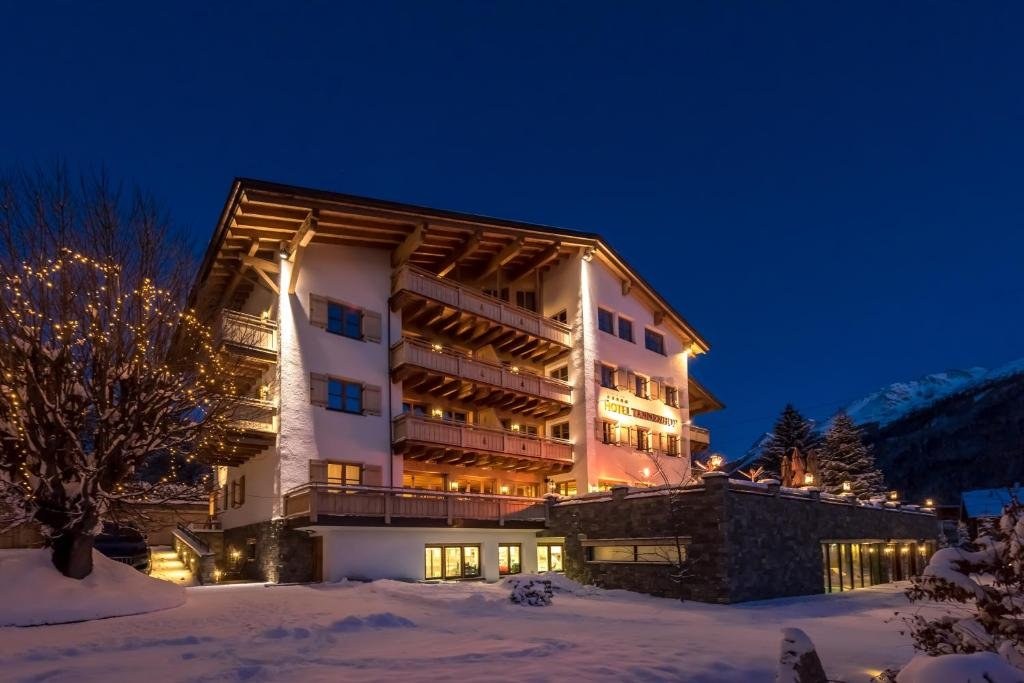


Hotel Tannenhof
Sankt Anton am Arlberg, St. Anton Am Arlberg
Hotel in St. Anton Am Arlberg, Austria
 Book with Pearl
The Read
Alpine Seclusion at Scale
Why go
Hotel Tannenhof is the St. Anton choice for travelers who want a quieter alpine base rather than a village-center stay. The Michelin 2 Keys and Small Luxury Hotels of the World membership support the splurge, but booking difficulty means it needs early planning and a serious budget.
About Hotel Tannenhof
Hotel Tannenhof is a hotel in St. Anton Am Arlberg with a smart casual dress code, Michelin 2 Keys in 2025, and membership in Small Luxury Hotels of the World in 2025. These make it a notable option for travelers comparing stays in the Arlberg area.
Details such as room count, spa facilities, dining format, pricing, exact address, shuttle access, or distance to lifts are not assumed. Hotel Tannenhof is a recognized hotel in St. Anton Am Arlberg, and travelers should confirm the practical details that matter for their trip before booking.
A St. Anton Am Arlberg hotel with clear recognition
Hotel Tannenhof is recognized for its Michelin 2 Keys in 2025, placing it within Michelin's hotel selection. Its Small Luxury Hotels of the World membership in 2025 is another valuable signal for travelers comparing hotels.
Those credentials do not answer every planning question. They do not specify a service style, room category, wellness setup, restaurant concept, or exact location within St. Anton Am Arlberg. For a first visit, use the accolades as a trust marker, but make the final decision after checking current availability, rates, policies, and the hotel's own description of facilities.
For comparison, Ullrhaus - St. Anton and Arpuria - hidden luxury mountain home are other St. Anton Am Arlberg options to consider. Grand Resort Zürserhof and Post Lech Arlberg can also be useful reference points elsewhere in the Arlberg region, depending on whether your trip is centered on St. Anton Am Arlberg or a broader alpine itinerary.
When Hotel Tannenhof makes sense
Hotel Tannenhof makes the most sense when you want a recognized hotel in St. Anton Am Arlberg. Guests should confirm operational details directly. The smart casual dress code suggests guests should plan attire accordingly.
Before committing, confirm the details that affect your stay: room type, cancellation terms, seasonal availability, dining arrangements, wellness facilities, transport needs, and any family, dietary, or accessibility requirements. Those specifics should not be assumed from the accolades alone. For broader planning, use Our full St. Anton Am Arlberg hotels guide, then check dining and après options through Our full St. Anton Am Arlberg restaurants guide and Our full St. Anton Am Arlberg bars guide.
Bottom line: book Hotel Tannenhof if you want a St. Anton Am Arlberg hotel with Michelin 2 Keys recognition and Small Luxury Hotels of the World membership. Compare alternatives if your decision depends on specifics such as exact location, facilities, price, or dining format.
Planning details
- Location
- Nassereinerstraße 98, 6580 St. Anton am Arlberg
- Website
- hoteltannenhof.net
- Phone
- +43 5446 30311
The take
The Take
The Vibe
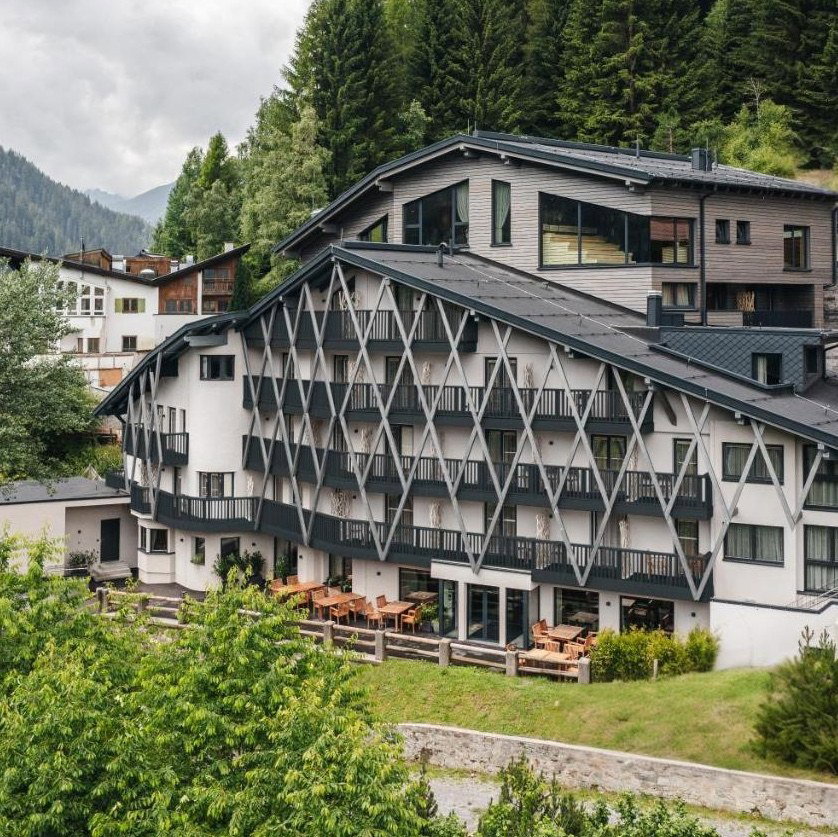
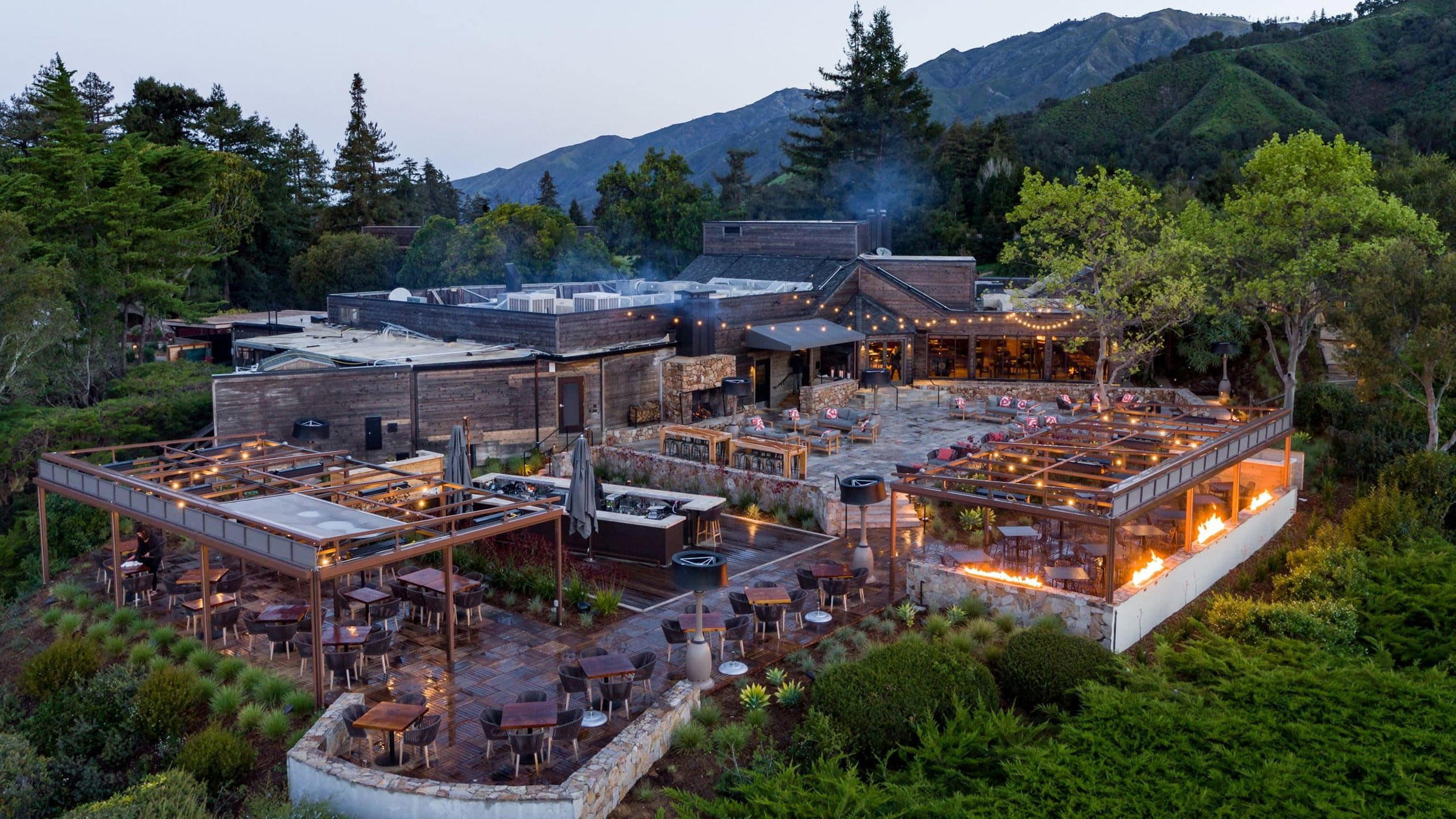
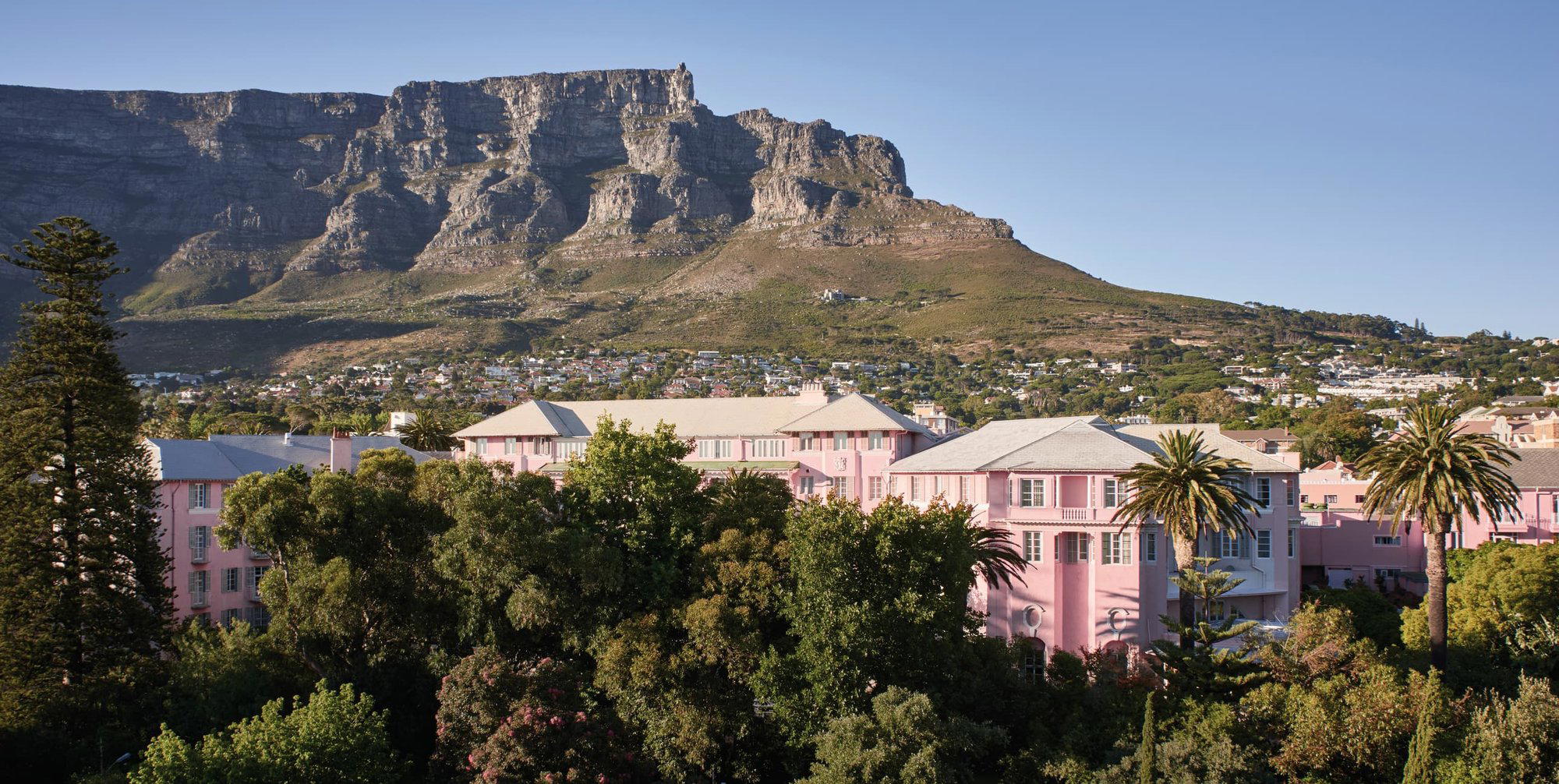
Hotel Tannenhof reads as a quietly historic alpine property that has been thoughtfully rebuilt for contemporary comfort. Sitting on what the text calls the town's 'sunniest plot,' the hotel balances a long pedigree with modern interiors finished during a large-scale reconstruction in 2011. Its identity is shaped as much by social life as by accommodation: historically the post‑ski salon, the hotel preserves that convivial spirit while presenting updated, high‑specification spaces. The result is a classic, intimate alpine hotel that feels rooted in local history but is calibrated for present‑day guests who expect refined, comfortable surroundings.
Best For
Tannenhof suits travelers who come to Sankt Anton for skiing and the social scene that follows the slopes. The property’s history as a 'gathering point after the slopes closed' makes it a natural fit for skiers and small groups who want an atmospheric après‑ski setting paired with comfortable, contemporary rooms. Its sunlit position and thoughtful reconstruction appeal to guests who value both historical pedigree and modern comforts—couples and friends seeking an elevated but relaxed alpine stay will find it particularly fitting.
Venue details
Ambiance
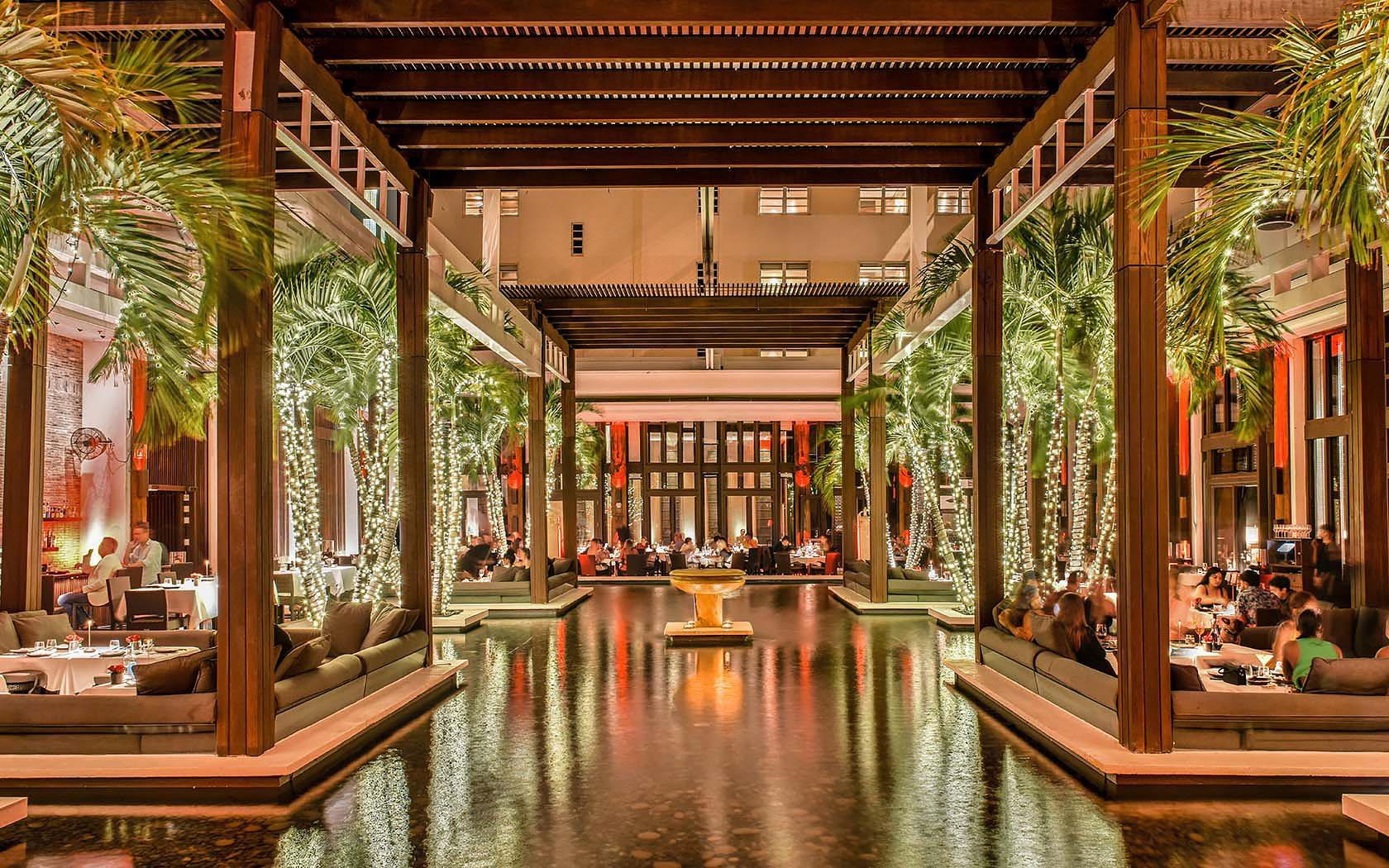
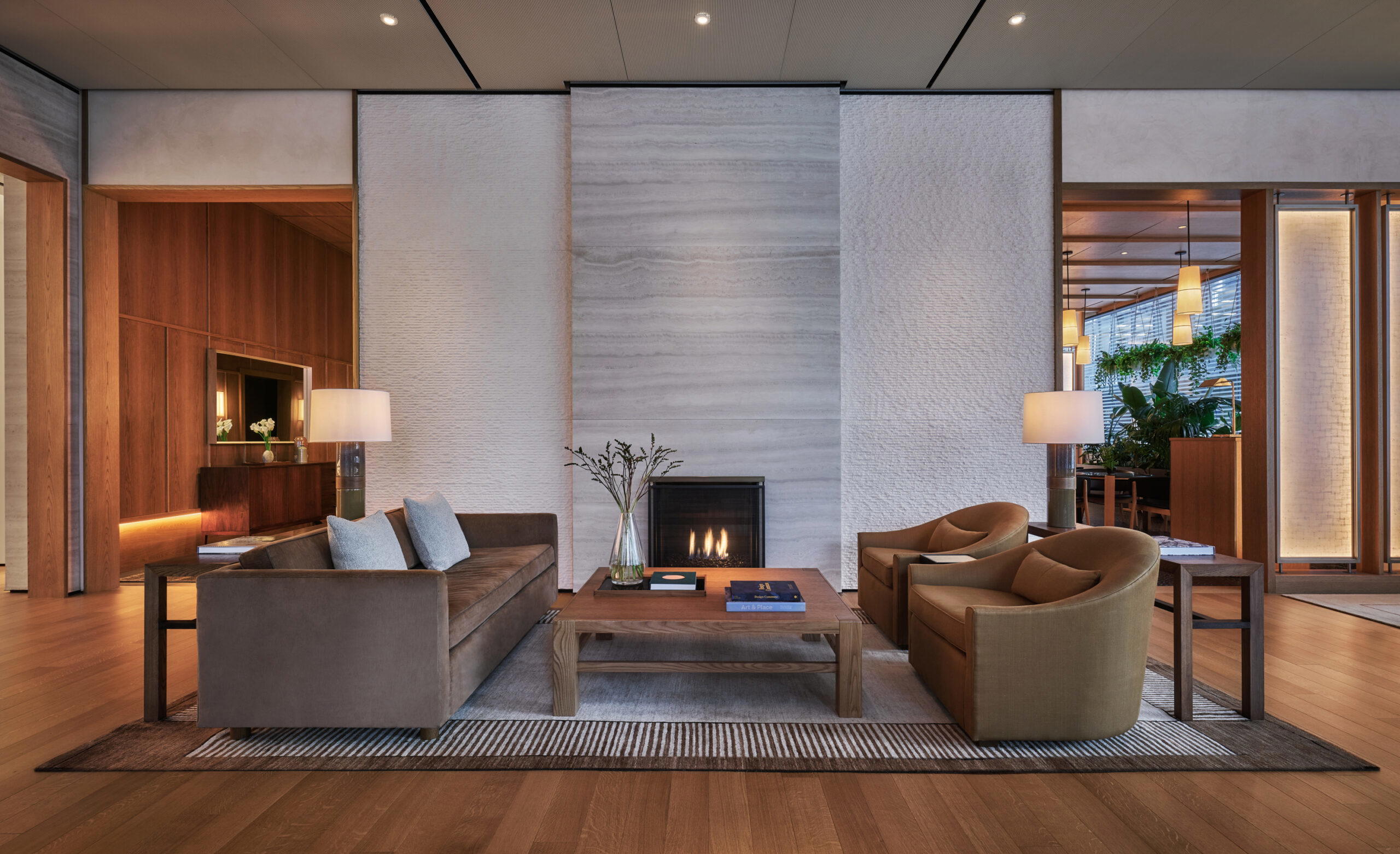
Warm, intimate luxury with contemporary interiors featuring fireplaces, natural wood accents, and soft lighting; guests describe it as a serene mountain refuge with impeccable attention to detail and personalized service.
Tags
Vibe
Best For
Experience
Amenities
View
Accessibility
About the Stay
- Rooms
- 7
- Check-in
- 15:00
- Check-out
- 11:00
- Property Style
- Contemporary Luxury Alpine Boutique with Heritage Roots; Meticulously Reconstructed Century Old Building Combining Traditional Tyrolean Design Elements with Modern Sophistication.
- Design Style
- Refined Alpine Contemporary with Warm Wood Finishes, Stone Fireplaces, Elegant Furnishings, and Mountain Inspired Color Palettes; Suites Feature Spacious Layouts with Panoramic Windows and Premium Materials.
Know before you go
Know Before You Go
- Getting there
- Nassereinerstraße 98, 6580 St. Anton am Arlberg
Planning details
Location
Recognition and awards

Also consider
Also Consider
- Hotel Gletscherblick, Notable alternative
- Ullrhaus - St. Anton, Notable alternative
- Arpuria - hidden luxury mountain home, Notable alternative
- Grand Resort Zürserhof, Notable alternative
- Post Lech Arlberg, Notable alternative
Hotel context
How Hotel Tannenhof compares in St. Anton and the Arlberg
Choose Hotel Tannenhof when the trip is built around privacy, polish, and a quieter St. Anton address. Compared with Hotel Gletscherblick and Ullrhaus - St. Anton, it reads as the more controlled luxury play, with stronger recognition through Michelin 2 Keys and Small Luxury Hotels of the World membership. The trade-off is booking difficulty: this is the hardest one to treat casually.
For readers who want to stay in St. Anton but prefer a more relaxed mountain-home feel, Arpuria - hidden luxury mountain home is the closest alternative to consider. Ullrhaus - St. Anton is the more practical cross-shop if convenience and likely simpler logistics matter more than a trophy-hotel feel. Hotel Gletscherblick makes sense for travelers comparing traditional alpine comfort against the higher-commitment Tannenhof proposition.
If the search expands beyond St. Anton, Grand Resort Zürserhof and Post Lech Arlberg shift the decision toward the wider Arlberg luxury circuit. Pick those if the destination can move outside St. Anton and the resort identity matters as much as the room. Stay with Hotel Tannenhof if St. Anton is fixed and the goal is the most polished, hardest-to-secure option in that immediate set.
Explore St. Anton Am Arlberg
Around this place
Discover more on Pearl
Unlock the full Hotel Tannenhof guide in Pearl, including awards, comparisons, FAQs, planning details, and nearby places.
Compare Hotel Tannenhof
| Venue | Location | Awards |
|---|---|---|
| Hotel Tannenhof | St. Anton Am Arlberg | 2026 Michelin 2 KeysMichelin 2 Keys 20252025 Michelin 2 KeysSmall Luxury Hotels Member 2025 |
| Hotel Gletscherblick | St. Anton Am Arlberg | No published awards |
| Ullrhaus - St. Anton | St. Anton Am Arlberg | No published awards |
| Arpuria - hidden luxury mountain home | St. Anton Am Arlberg | No published awards |
| Grand Resort Zürserhof | Zürs am Arlberg | Leading Hotels of the World 2026 |
| Post Lech Arlberg | Lech | 2026 Relais Chateaux Hotels2026 La Liste Top Hotels2026 Michelin 1 Key2025 Michelin 1 Key2025 Relais Chateaux Award |





How Hotel Tannenhof St. Anton Am Arlberg compares with similar nearby venues.
FAQ
Frequently Asked Questions
How is the pool and spa at Hotel Tannenhof?
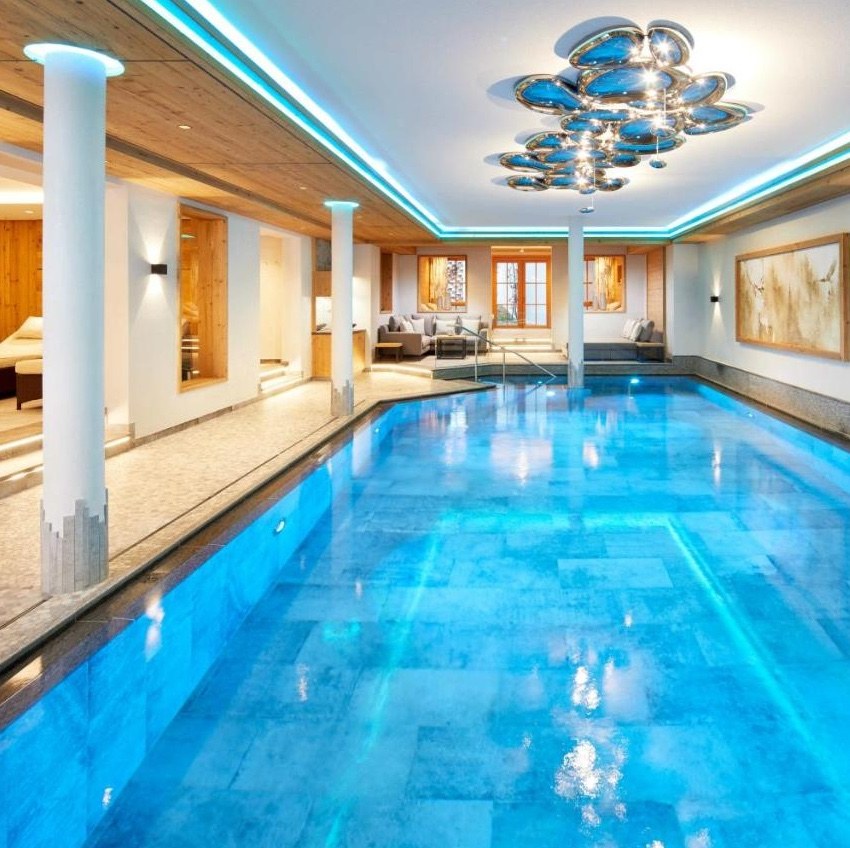
Specific pool and spa details should be confirmed directly with the hotel. Hotel Tannenhof is a Michelin 2 Keys hotel in St. Anton Am Arlberg and a Small Luxury Hotels of the World member, but guests should check the hotel's current facility information before booking.
How does Hotel Tannenhof compare to other hotels?
Hotel Tannenhof stands out for its Michelin 2 Keys recognition and Small Luxury Hotels of the World membership. Ullrhaus - St. Anton and Arpuria - hidden luxury mountain home are other St. Anton Am Arlberg options to compare, while Grand Resort Zürserhof and Post Lech Arlberg may be relevant for a wider Arlberg-region search.
Is Hotel Tannenhof family-friendly?
Family-specific services should be confirmed directly with the hotel. If you are traveling with children, confirm room arrangements, policies, and any family amenities directly with Hotel Tannenhof before booking.
Which room category is best at Hotel Tannenhof?
Room-category guidance is not provided. Choose based on your party size, budget, and the current room descriptions provided by Hotel Tannenhof.
How is the dining at Hotel Tannenhof?
Specific dining details should be confirmed directly with the hotel. The hotel has Michelin 2 Keys recognition and Small Luxury Hotels of the World membership, but cuisine, menu format, service style, and meal availability should be confirmed directly.
Is Hotel Tannenhof good for business travel?
Business-travel facilities should be confirmed directly with the hotel. Hotel Tannenhof may be considered as a St. Anton Am Arlberg base, but meeting space, work amenities, and corporate services should be checked directly with the hotel.