

Viceroy Snowmass
Snowmass Village
Hotel in Snowmass Village, United States
 Book with Pearl
Why go
Viceroy Snowmass is the practical luxury pick for travelers who want Snowmass Village as the base, especially when pool, spa, and recovery time matter as much as mountain access. Cross-shop Aspen hotels if restaurants, bars, and town walking are the priority; stay here when a quieter, Snowmass-first trip will make the days easier.
About Viceroy Snowmass
Viceroy Snowmass is best evaluated first by place: it is a venue in Snowmass Village. Build the booking case around location, then check current details on rooms, restaurants, amenities, prices, and service formats directly with the property.
Its clearest recognition is its status as a Virtuoso Luxury Hotel Partner for 2026. The listed dress code is smart casual. Beyond that, travelers should check current stay details directly with the property before booking.
Choose it for a Snowmass Village stay, not an Aspen substitute
The main grounded booking case is location logic. If the trip is centered on Snowmass Village, Viceroy Snowmass belongs on the shortlist. If the trip is centered elsewhere in the Aspen area, another hotel may be the more practical fit.
Tradeoff is direct: choose Viceroy Snowmass when staying in Snowmass Village is the priority. If you want another area base instead, compare it with Mollie Aspen, Limelight Aspen, Hotel Aspen, or White Elephant Aspen.
Evaluate amenity details before booking
The safest way to evaluate the stay is to avoid assuming a particular amenity set. Treat the 2026 Virtuoso Luxury Hotel Partner recognition as the clearest quality signal, then check current details through the hotel before committing.
The smart casual dress code is also listed. For everything else that may affect the stay, including room types, on-property dining, wellness facilities, and booking policies, use the venue's official channels for the latest information.
Who should cross-shop Aspen instead
Compare by where you want to be based. Aspen Meadows Resort is another option to consider for an Aspen-area trip. Mollie Aspen, Limelight Aspen, Hotel Aspen, and White Elephant Aspen are useful comparisons when the plan calls for a base outside Snowmass Village.
For Snowmass Village-first trips, Viceroy Snowmass is worth shortlisting. For trips focused elsewhere in the area, it becomes less compelling unless the location tradeoff works for your itinerary. The booking decision should come down to where the trip will actually happen each day.
Planning details
- Location
- USPS - PO Box 6985, Courier/Physical - 130 Wood Road.
- Phone
- 970 923 8000
The take
The Take
The Vibe
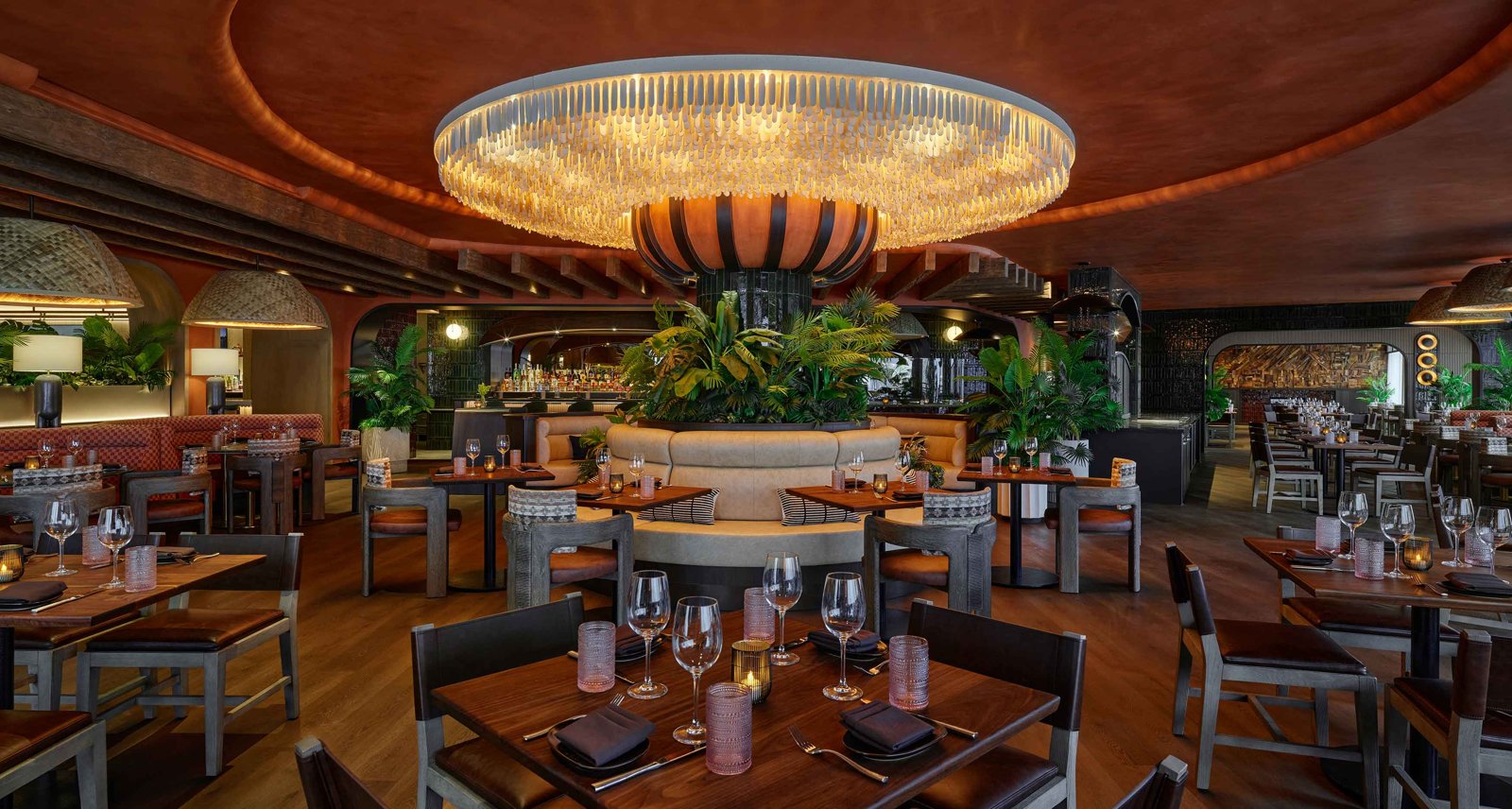
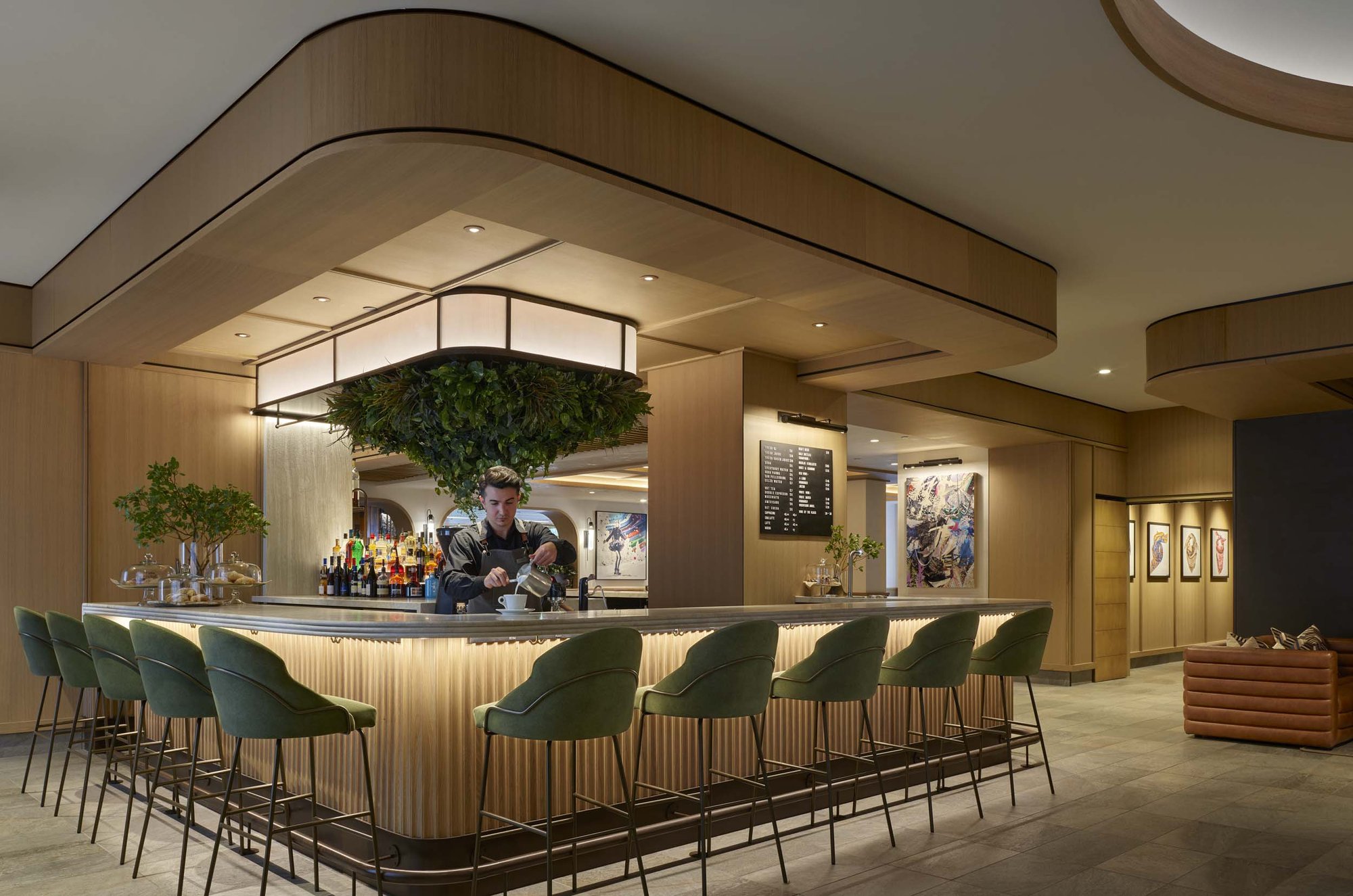
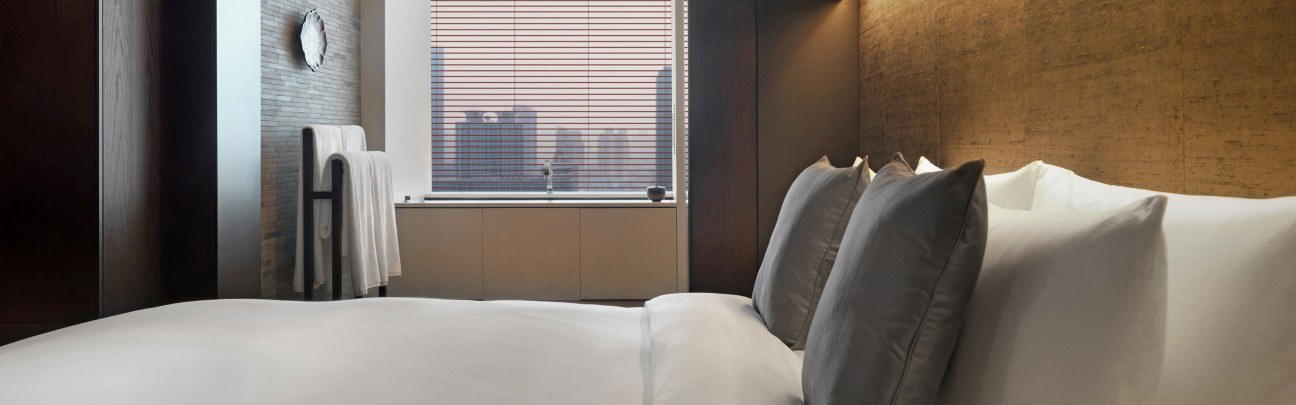
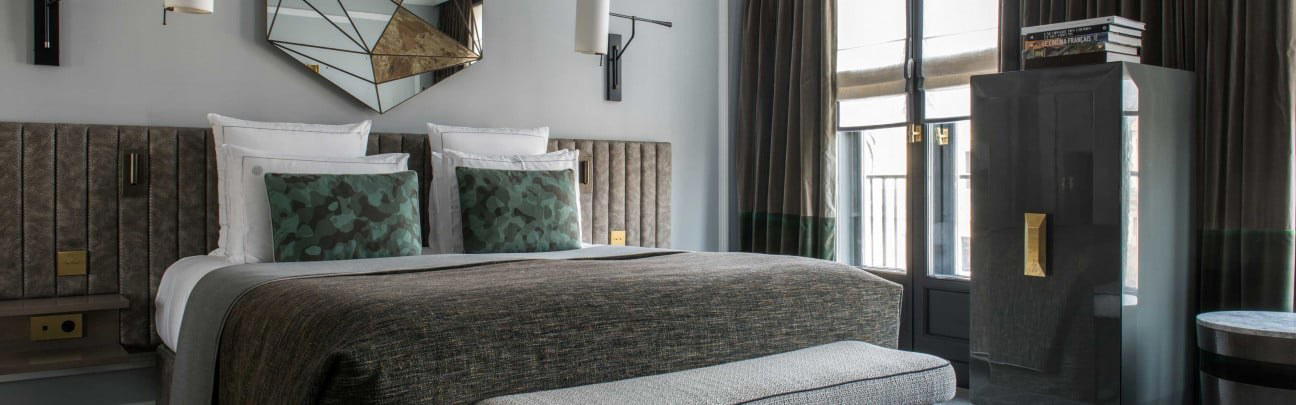
Viceroy Snowmass reads like a design-first mountain hotel that lets the landscape do the talking. Interiors are deliberately restrained—materials skew warm and furnishings favor function—so the floor-to-ceiling glazing and mountain face beyond become the dominant elements. The property compresses the guest sequence—"from bed to boots to slope"—which reinforces a focused, efficient rhythm to a stay. Rather than leaning on lodge clichés, the hotel calibrates scale and detail so the outdoors feels like the primary room; the tone is quietly sophisticated and intimate, built around views and movement instead of decorative excess.
Best For
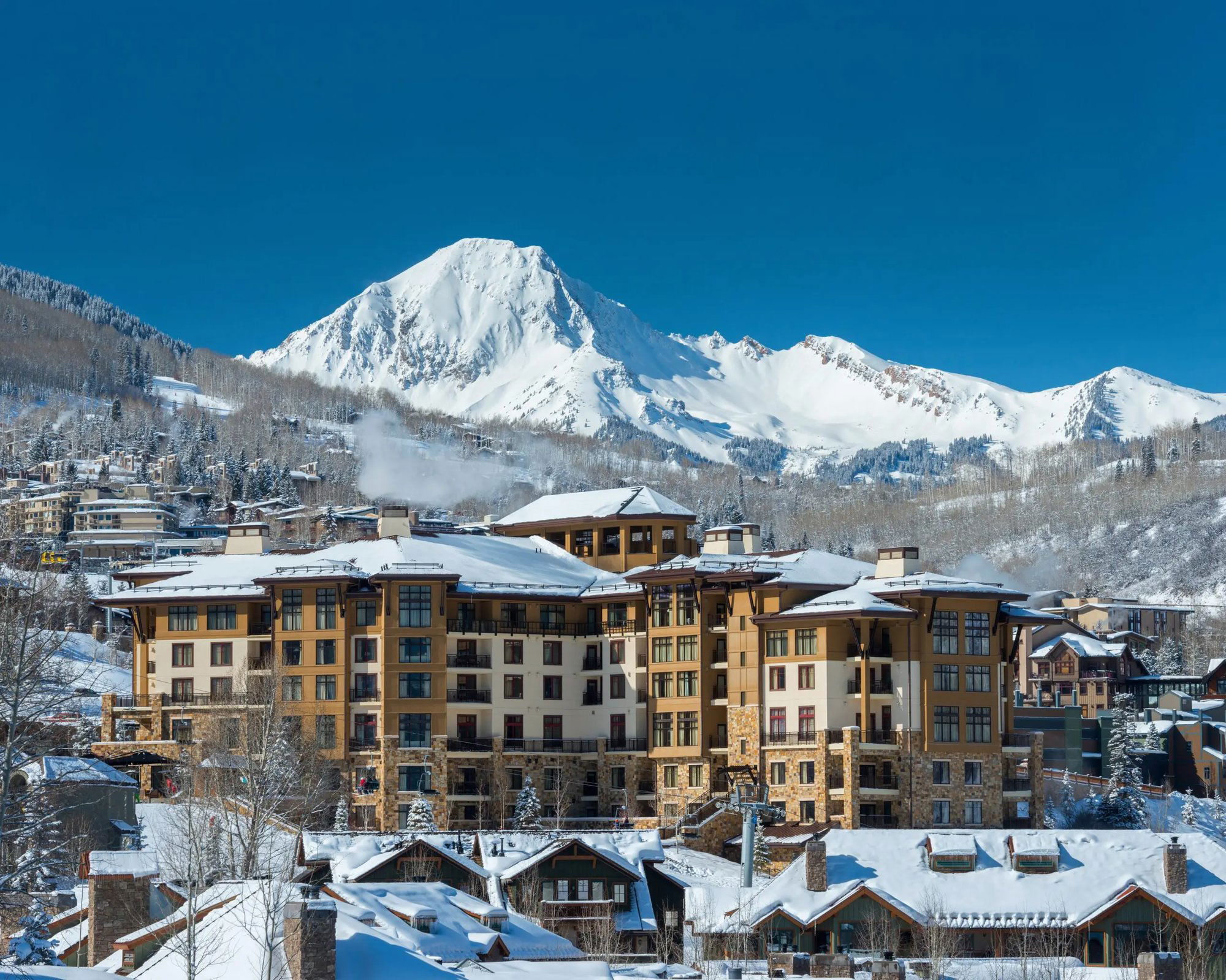
This is a stay for people who prize direct access to the mountain and a wellness-forward program. With literal slopeside access and a spa that features hydrotherapy, Viceroy Snowmass suits guests who want to combine efficient ski days with restorative treatments and landscape-centric design. The hotel is a good fit for short escapes where proximity to lifts matters and for travelers who appreciate architecture that frames the outdoors. Its restrained interiors and emphasis on the view make it especially attractive to those seeking a serene, design-minded mountain retreat.
Stay Tips
Prioritize a room that emphasizes the floor-to-ceiling glazing and direct slope access to maximize the property’s architectural strengths—the hotel’s layout keeps vertical circulation short, which is useful for ski days. Plan to incorporate the spa's hydrotherapy into your stay, since wellness is presented as a core offering rather than an afterthought. Because the outdoors functions as the hotel’s primary room, build your itinerary around both on-mountain time and outdoor moments that take advantage of the views and the hotel’s slopeside positioning.
Venue details
Ambiance
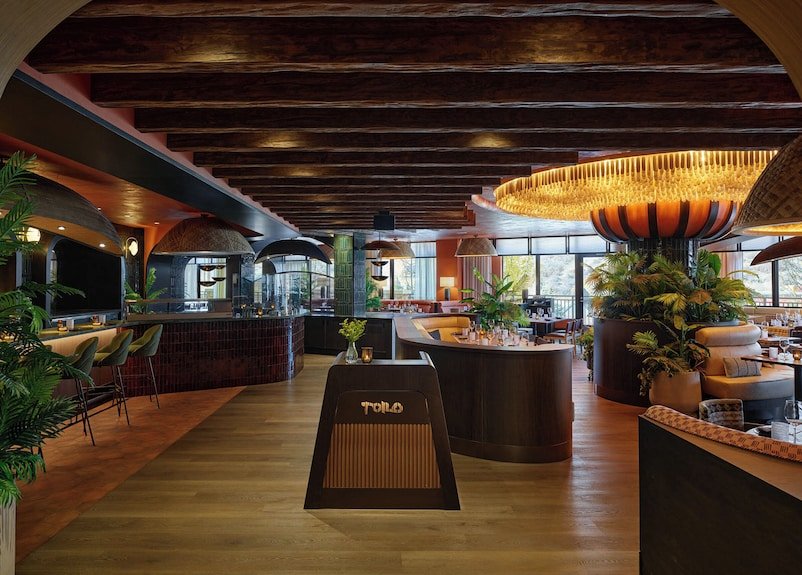
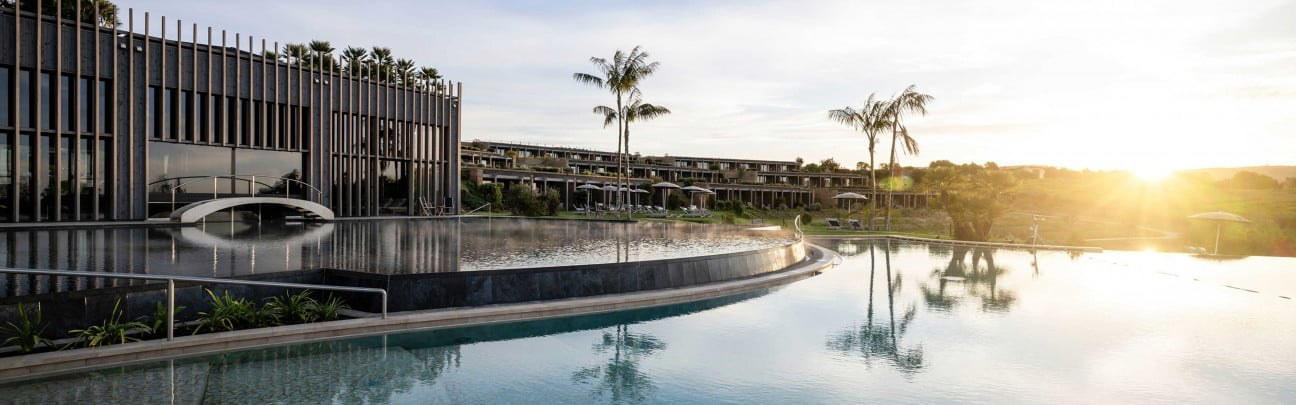
Cozy and sophisticated mountain retreat with relaxing spa lighting, poolside fireplaces, and stunning alpine views creating a serene yet elegant atmosphere.
Tags
Vibe
Best For
Experience
Amenities
View
Accessibility
About the Stay
- Rooms
- 173
- Property Style
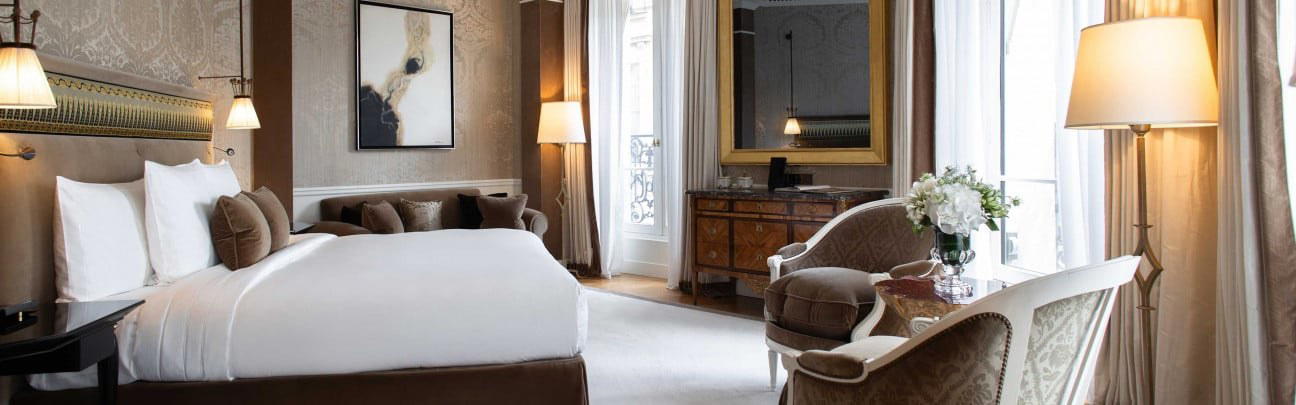
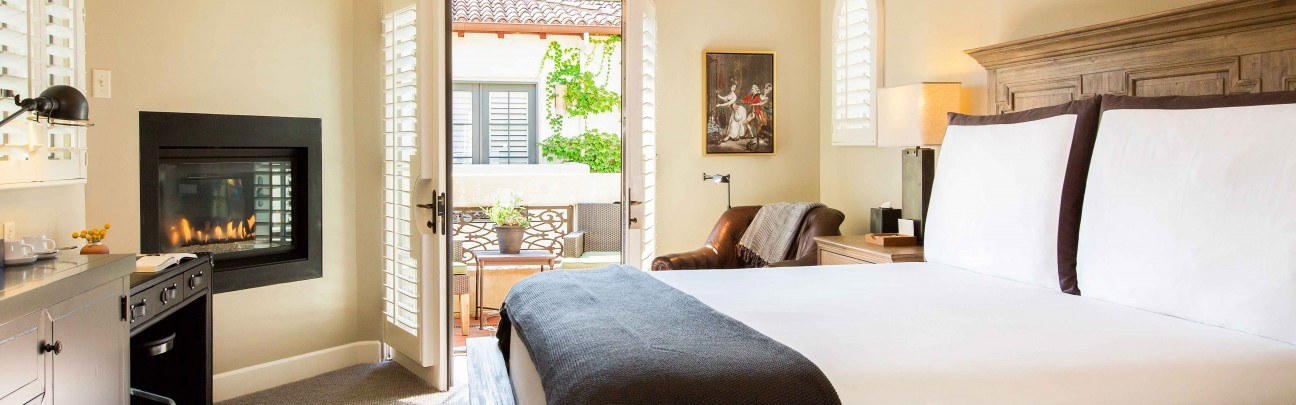
- Luxury Ski in Ski Out Residences Blending Modern Comfort with Mountain Nature
- Design Style
- Modern Mountain with Indigenous Textures, Custom Italian Cabinetry, and Sleek Finishes
- Airport Transfer
- Available
- Pool
- Yes
- Spa
- Yes
- Pets
- Allowed
- Families
- Welcome
Know before you go
Know Before You Go
- Getting there
- USPS - PO Box 6985, Courier/Physical - 130 Wood Road.
Planning details
Location
USPS - PO Box 6985, Courier/Physical - 130 Wood Road. · Directions
Recognition and awards

Also consider
Also Consider
- Aspen Meadows Resort, Notable alternative
- Mollie Aspen, Notable alternative
- White Elephant Aspen, Notable alternative
- Hotel Aspen, Notable alternative
- Limelight Aspen, Notable alternative
Hotel context
How It Compares
Viceroy Snowmass is the stronger fit if the trip is centered on Snowmass Village and the hotel needs to make ski days or recovery time easier. Compared with Mollie Aspen and Limelight Aspen, it gives up Aspen-town immediacy but makes more sense for travelers who do not want to commute back to Snowmass after mountain days.
Choose White Elephant Aspen if a polished Aspen address matters more than Snowmass convenience. Choose Hotel Aspen if the priority is keeping the stay simpler and more value-conscious in Aspen. Aspen Meadows Resort is the better comparison for travelers who want more separation from the center of town rather than a village-base mountain stay.
Booking difficulty is the practical separator: Viceroy Snowmass is listed as easy, so it can be the smarter play when Aspen availability tightens or rates stop making sense. The recommendation is simple: book Snowmass when the days happen in Snowmass; book Aspen when the evenings matter more than the mountain logistics.
Explore Snowmass Village
Around this place
Discover more on Pearl
Unlock the full Viceroy Snowmass guide in Pearl, including awards, comparisons, FAQs, planning details, and nearby places.
Compare Viceroy Snowmass
| Venue | Location | Awards |
|---|---|---|
| Viceroy Snowmass | Snowmass Village | 2026 Virtuoso Luxury Hotel Collection2026 Mr & Mrs Smith Luxury Hotels2025 Michelin Selected Hotels |
| Aspen Meadows Resort | Aspen | Preferred Hotels Member 2025 |
| Mollie Aspen | Aspen | 2026 Virtuoso Luxury Hotel Collection2026 Mr & Mrs Smith Luxury Hotels2026 Michelin 1 Key2025 Conde Nast Best Hotels · #39World Travel Awards 20252025 Michelin 1 KeyPreferred Hotels L.V.X. Collection 20252024 Michelin 1 Key |
| White Elephant Aspen | Aspen | No published awards |
| Hotel Aspen | Aspen | No published awards |
| Limelight Aspen | Aspen | No published awards |





How Viceroy Snowmass Review compares with similar nearby venues.
FAQ
Frequently Asked Questions
Which room category is best at Viceroy Snowmass?
Choose based on the current options published by Viceroy Snowmass and check details directly with the property before booking. The 2026 Virtuoso Luxury Hotel Partner designation is the clearest quality signal.
What is check-in like at Viceroy Snowmass?
Check arrival times, policies, and any current procedures directly with Viceroy Snowmass. If you want a base elsewhere in the Aspen area, Limelight Aspen is a natural comparison; Viceroy Snowmass makes more sense when you want to stay in Snowmass Village.
How does Viceroy Snowmass compare to nearby hotels?
Choose Viceroy Snowmass if your priority is staying in Snowmass Village. Aspen Meadows Resort, Limelight Aspen, Hotel Aspen, Mollie Aspen, and White Elephant Aspen are useful comparisons if you are also considering another Aspen-area stay.
How is the dining at Viceroy Snowmass?
How is the pool and spa at Viceroy Snowmass?
When is the best time to book Viceroy Snowmass?
If Viceroy Snowmass is your preferred Snowmass Village base, check current rates and policies directly with the property. Its 2026 Virtuoso Luxury Hotel Partner recognition is a useful quality signal, but timing and availability should be checked before making plans.