
andBeyond Kirkman's Kamp
Sabi Sand Game Reserve, Skukuza
Hotel in Skukuza, South Africa
 Book with Pearl
The Read
Colonial-Era Private Reserve Safari
Why go
A strong choice for a celebration safari in Sabi Sand if the goal is classic lodge atmosphere and private-reserve access rather than a resort-style hotel. Compare it closely with andBeyond Tengile River Lodge for a more contemporary feel, or Kruger Shalati if the trip needs a shorter, design-led Skukuza stay.
About andBeyond Kirkman's Kamp
andBeyond Kirkman's Kamp is a Skukuza venue. The dress code is smart casual, and it is listed as a Preferred Hotels Member (2025). Travelers should confirm current stay details, inclusions, dining arrangements, and activity logistics directly before booking.
Book it for a Skukuza stay with smart-casual expectations
The clearest practical note for guests is the smart-casual dress code.
Use the Preferred Hotels Member (2025) recognition as a trust signal, not as a substitute for checking the details that matter for your trip. Before committing, confirm what is included, what is available during your dates, and whether the overall setup fits your travel style.
Where it sits for readers comparing safari stays
For readers comparing premium stays, andBeyond Kirkman's Kamp can be considered alongside andBeyond Tengile River Lodge, Lion Sands Game Reserve, Lion Sands River Lodge, Lion Sands Ivory Lodge, and Singita - Singita Sabi Sand. The right choice depends on the details you confirm for your dates, not on assumed differences in style, amenities, or dining.
If you are comparing options, keep the process practical: confirm location, transfer needs, inclusions, dress expectations, and any meal or activity arrangements directly with each property. Other dining in Skukuza can be considered separately if you are not booking a full stay.
For planning, start with the essentials rather than a normal hotel checklist. andBeyond Kirkman's Kamp is in Skukuza, has a smart-casual dress code, and is a Preferred Hotels Member (2025).
Planning details
- Location
- Sabi Sand Private Game Reserve, Sabi Sand, 1350
- Website
- go.andbeyond.com/kirkmans-kamp
- Phone
- +27 11 809 4300
The take
The Take
The Vibe
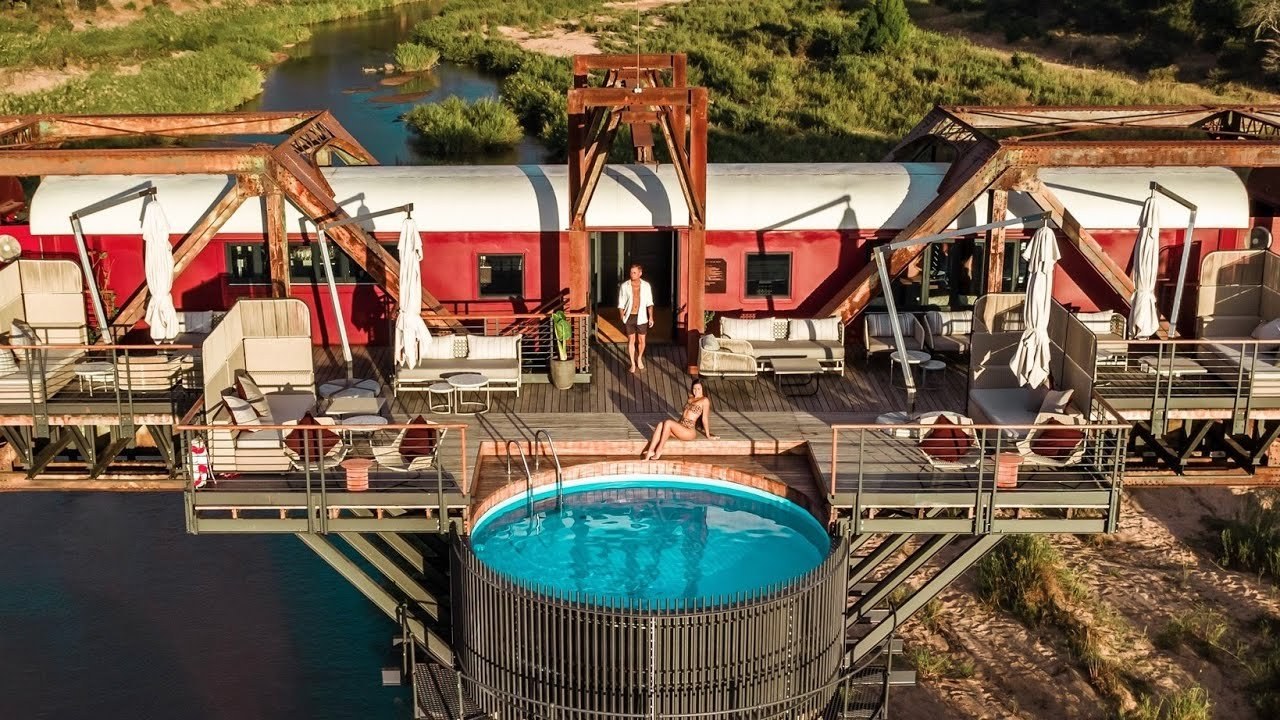
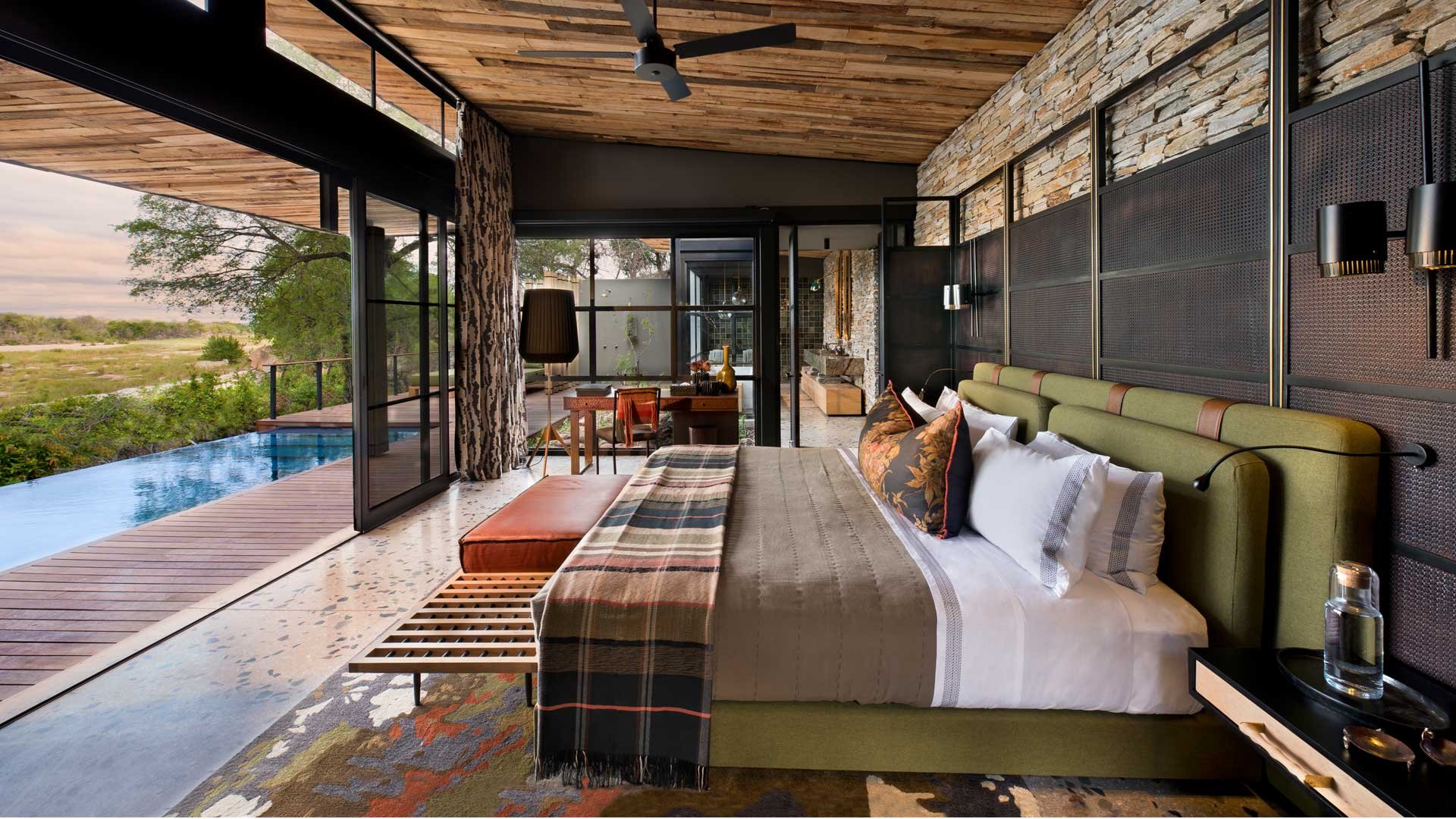
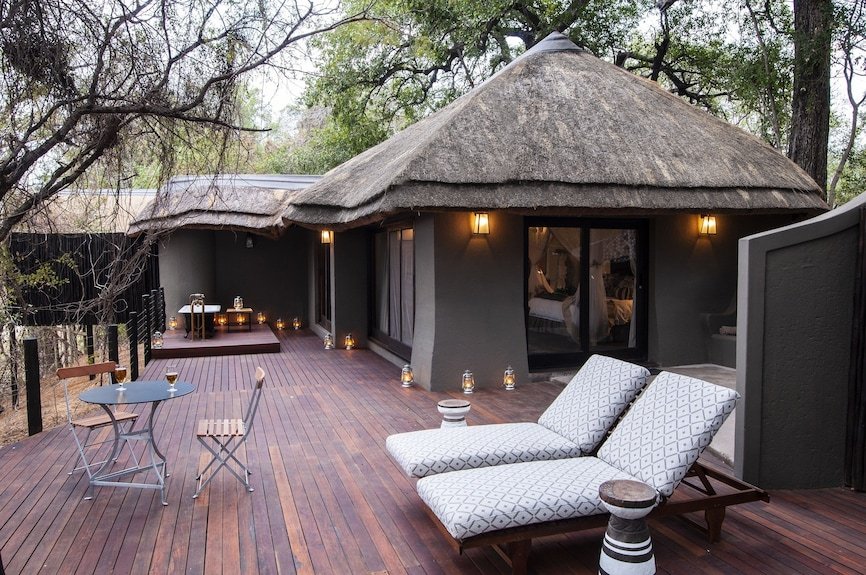
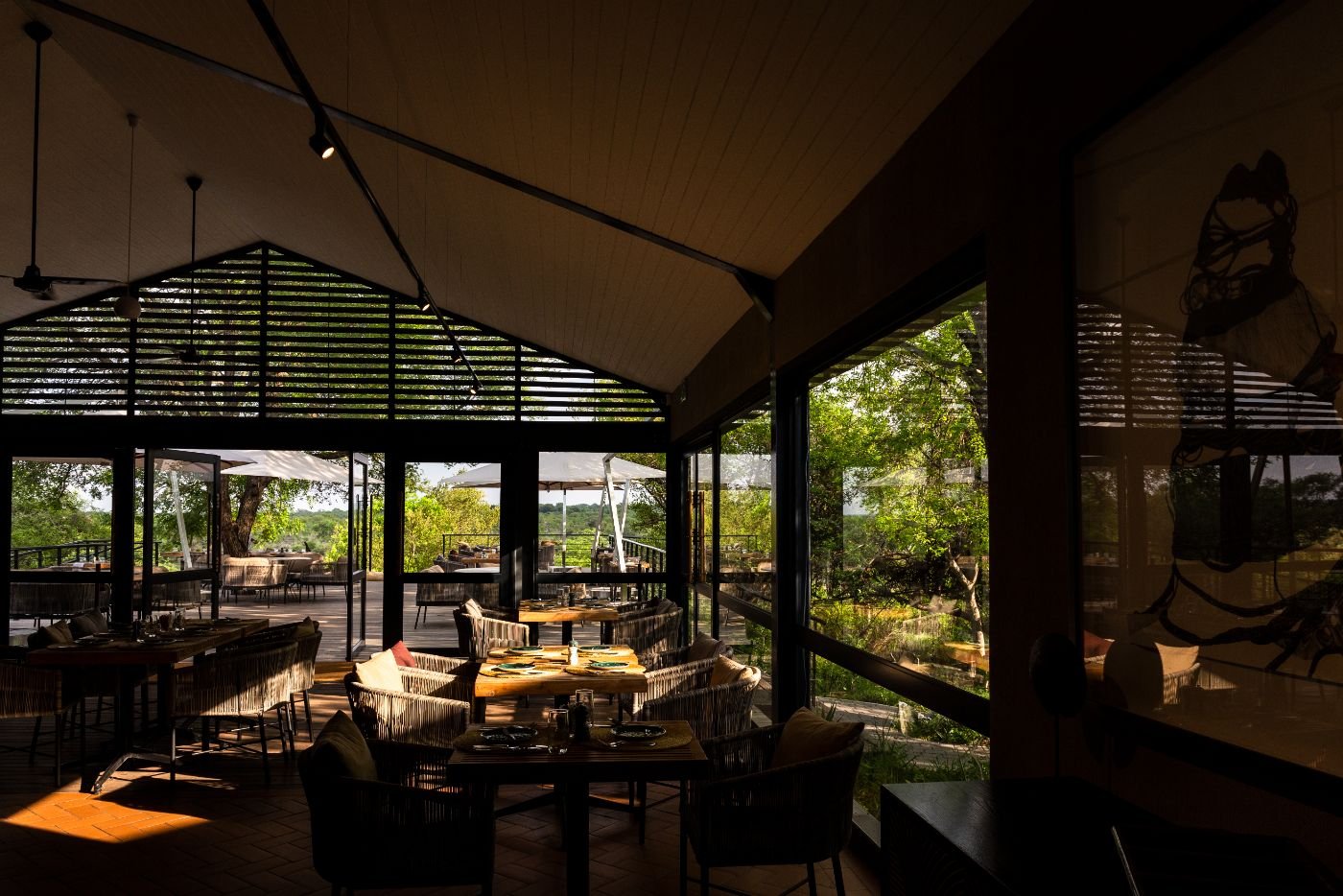
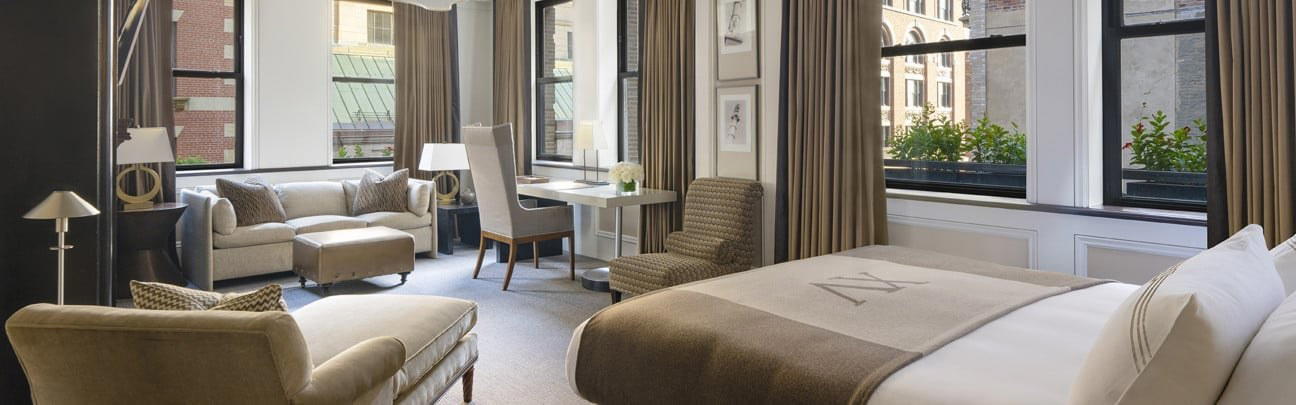
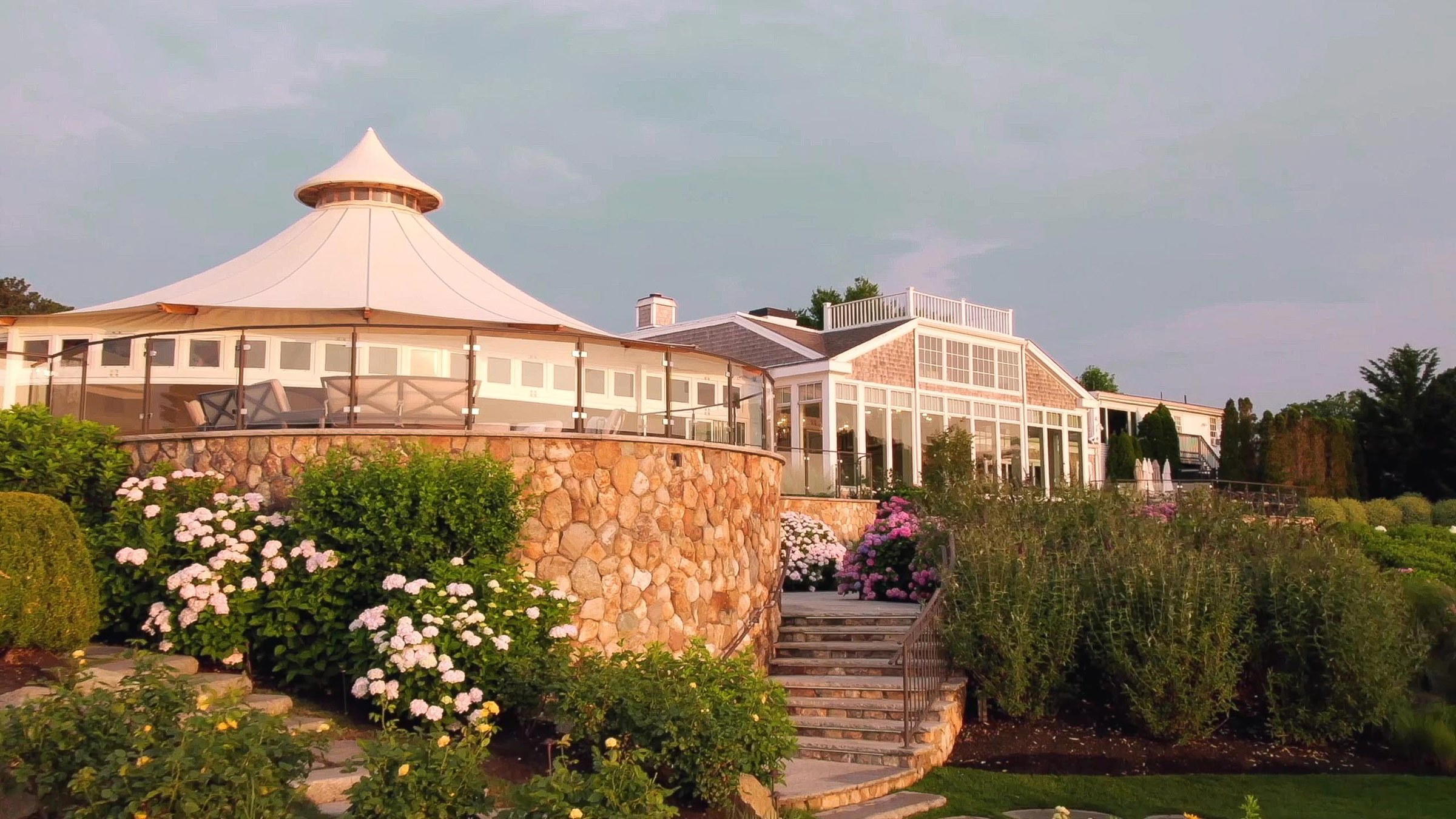
andBeyond Kirkman's Kamp presents a quietly persuasive case for provenance over flash. The property occupies a genuine 1920s homestead and preserves the engineering logic of colonial-era safari architecture—thick walls, pitched roofs and wide verandas—that feels rooted rather than staged. With just twelve rooms the camp reads as low-density and intimate; communal spaces favor shaded horizontality and a restrained palette that emphasizes material authenticity. The result is a serene, charming retreat that privileges long views into the bush and a slow, attentive hospitality rather than spectacle.
Best For
Kirkman's Kamp suits travelers seeking an intimate, heritage-driven safari stay. The camp's deliberate restraint in capacity and emphasis on provenance make it especially well matched to honeymooners, couples on a romantic getaway and small groups celebrating anniversaries or other significant milestones. Families seeking a quieter, high-attention lodge in the Sabi Sand Private Game Reserve also find the scale appealing. Guests who prefer authenticity—architecture and service that reference a long lineage rather than contemporary design theatrics—will appreciate the camp's tone and pacing.
Venue details
Ambiance
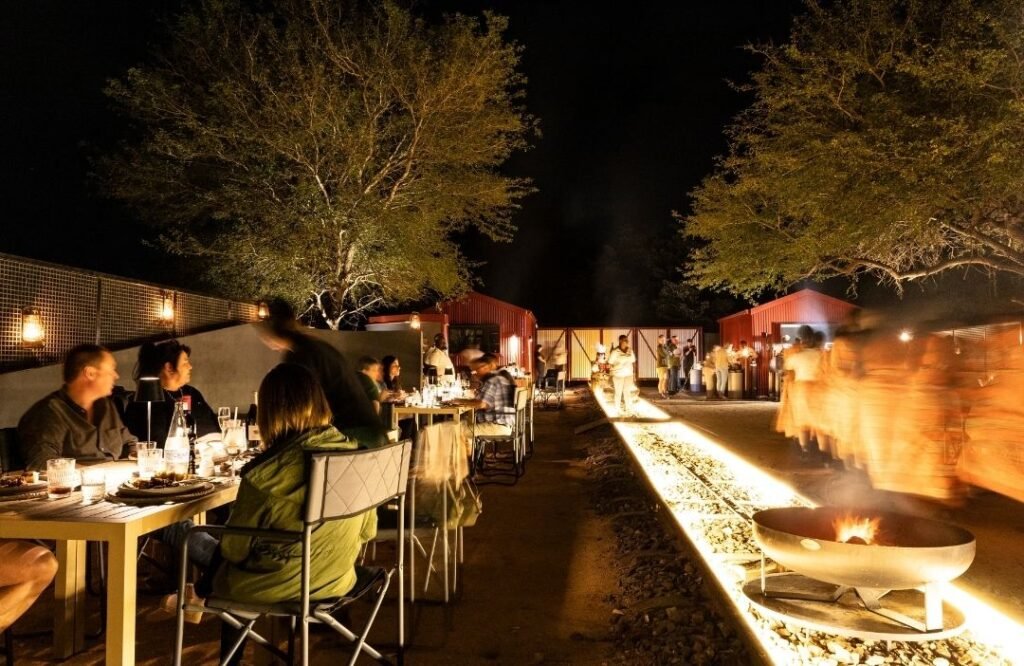
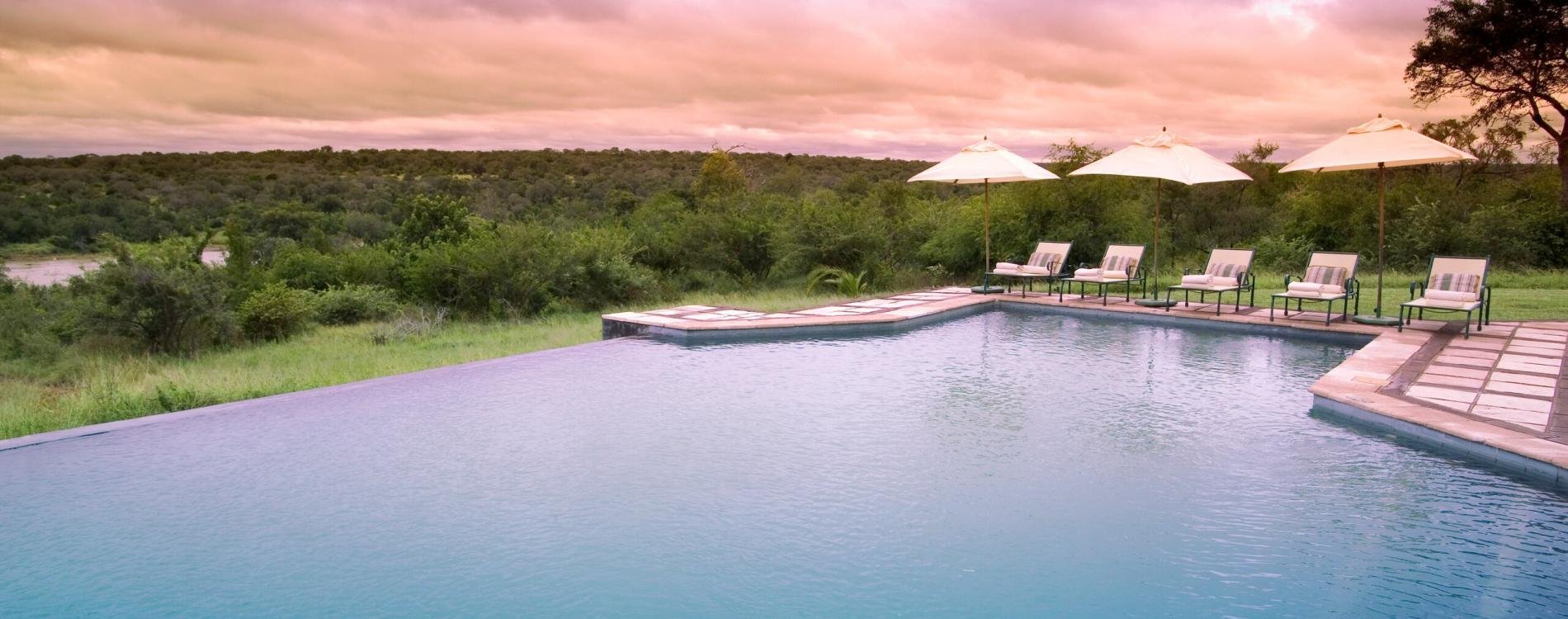
Classical 1920s colonial atmosphere with candlelit bush dinners, open-air boma settings, and peaceful lodge spaces overlooking the Sand River valley; intimate and serene with emphasis on natural beauty and wildlife immersion.
Tags
Vibe
Best For
Experience
Amenities
View
About the Stay
- Rooms
- 12
- Check-in
- 15:00
- Check-out
- 11:00
- Property Style
- Historic Colonial Safari Lodge Celebrating 1920s African Heritage with Modern Luxury Comforts, Positioned as an Exclusive Wilderness Retreat.
- Design Style
- Classical 1920s Homestead Aesthetic with Antique Styled Furnishings, Natural Materials, and Open Air Spaces That Blend Old World Charm with Contemporary Comfort.
Know before you go
Know Before You Go
- Getting there
- Sabi Sand Private Game Reserve, Sabi Sand, 1350
Planning details
Location
Sabi Sand Private Game Reserve, Sabi Sand, 1350 · Directions
Recognition and awards
Also consider
Where to look if this is not the right fit
If the goal is the same broad safari orbit with a more contemporary lodge feel, cross-shop andBeyond Tengile River Lodge. If privacy and a more polished high-comfort lodge mood matter more than heritage character, compare Lion Sands Ivory Lodge next.
Hotel context
How it compares in Sabi Sand and Skukuza
Choose andBeyond Kirkman's Kamp over andBeyond Tengile River Lodge if the trip calls for a more traditional safari-lodge mood. Tengile is the stronger fit for travelers who want a contemporary river-lodge feel, while Kirkman's Kamp makes more sense for anniversaries, honeymoons, and small groups who care more about classic atmosphere than newer-room polish.
Singita - Singita Sabi Sand is the obvious cross-shop for travelers who want a higher-intensity luxury safari decision and are willing to prioritize brand prestige. Lion Sands Ivory Lodge is the better comparison for guests who want a more private, high-comfort lodge feel, while Kirkman's Kamp is the more character-led choice.
Lion Sands Game Reserve and Lion Sands River Lodge are sensible alternatives when availability or group fit matters more than staying with andBeyond. For an easier booking decision, shortlist two styles: Kirkman's Kamp for heritage atmosphere, Lion Sands River Lodge for a broader lodge feel, and Tengile for the more modern andBeyond option.
Explore Skukuza
Around this place
Discover more on Pearl
Unlock the full andBeyond Kirkman's Kamp guide in Pearl, including awards, comparisons, FAQs, planning details, and nearby places.
Compare andBeyond Kirkman's Kamp
| Venue | Location | Awards |
|---|---|---|
| andBeyond Kirkman's Kamp | Skukuza | Preferred Hotels Member 2025 |
| andBeyond Tengile River Lodge | Skukuza | Preferred Hotels Member 2025 |
| Singita - Singita Sabi Sand | Sabi Sand Game Reserve | No published awards |
| Lion Sands Game Reserve | Sabi Sand Game Reserve | No published awards |
| Lion Sands River Lodge | Sabi Sand Game Reserve | No published awards |
| Lion Sands Ivory Lodge | Sabie Park | No published awards |
How andBeyond Kirkman's Kamp compares with similar nearby venues.
FAQ
Frequently Asked Questions
Is andBeyond Kirkman's Kamp good for business travel?
How is the dining at andBeyond Kirkman's Kamp?
Cuisine, menu format, meal times, or dining style are not specified. The dress code is smart casual, so guests should plan accordingly and confirm current dining details directly.
How does andBeyond Kirkman's Kamp compare to other safari stays?
It can be compared with andBeyond Tengile River Lodge, Singita - Singita Sabi Sand, Lion Sands Game Reserve, Lion Sands River Lodge, and Lion Sands Ivory Lodge. Compare current details directly for your dates.
Which room category is best at andBeyond Kirkman's Kamp?
Room categories are not identified, nor is a specific room type recommended. Ask the property which option best fits your party size, privacy needs, and travel dates.
When is the best time to book andBeyond Kirkman's Kamp?
A specific booking window is not available. If your dates are fixed, check availability and cancellation terms directly before comparing alternatives such as Lion Sands River Lodge or andBeyond Tengile River Lodge.