

The Warehouse Hotel
ROBERTSON QUAY, Singapore
Hotel in Singapore, Singapore
 Book with Pearl
The Read
Price
$200–300per night
Why go
A design-led Robertson Quay hotel with credible recognition from Design Hotels, Mr & Mrs Smith, and the MICHELIN Guide hotel selection. Book it for atmosphere and neighbourhood texture rather than a large corporate-hotel setup; cross-shop nearby chain and residence options if facilities, long-stay space, or brand predictability matter more.
About The Warehouse Hotel
The Warehouse Hotel is a Singapore hotel with notable recognition from Design Hotels, Mr & Mrs Smith, and the MICHELIN Guide hotel selection. Before booking, check current facilities, room types, rates, dining options, and service details directly with the hotel or through your booking channel.
Its credentials include being listed as a 2026 Design Hotels Member, holding a Mr & Mrs Smith Seal of Approval for 2026, and appearing in the MICHELIN Guide hotel selection for 2025. Those accolades support its credibility for travellers comparing hotel options in Singapore, without implying specific services, pricing, rooms, restaurants, or facilities.
Book for hotel recognition, not assumed resort-style details
The case for The Warehouse Hotel is direct: it is a Singapore hotel with current design and hotel-recognition credentials. That makes it a reasonable candidate for travellers who value a property with independent recognition rather than choosing only by brand familiarity.
Beyond that, key details should be checked before booking. If address, neighbourhood positioning, amenities, dining, room count, rate level, or business services matter to your trip, confirm them directly at the time of booking.
The real trade-off is recognition versus certainty
Compared with InterContinental Singapore Robertson Quay, The Warehouse Hotel may appeal to travellers prioritising its design and hotel-recognition credentials. Grand Copthorne Waterfront Hotel Singapore is another Singapore hotel to compare if you are weighing different stay styles and booking needs.
Fraser Residence River Promenade, Singapore, Lloyd's Inn, and Hotel Mono are also useful Singapore comparisons, depending on what you want from the stay. Compare current room information, inclusions, policies, and rates directly before deciding.
Who should book it
Consider The Warehouse Hotel if you want a Singapore hotel with recognition from Design Hotels, Mr & Mrs Smith, and the MICHELIN Guide hotel selection. It is especially worth shortlisting when those credibility markers matter more to you than having a long checklist of amenities.
Do not rely on assumptions about exact facilities, dining, transport convenience, room size, or business services from this guide alone. The dress code is smart casual; for anything more specific, check the hotel's current guidance before arrival.
Quick reference: choose it for hotel recognition in Singapore; compare other Singapore hotels for current rates, policies, room details, and services before booking.
Planning details
- Location
- 320 Havelock Road, Robertson Quay, Singapore 169628, Singapore
- Website
- marriott.com/hotels/travel/SINDW
- Phone
- +65 6828 0000
The take
The Take
The Vibe
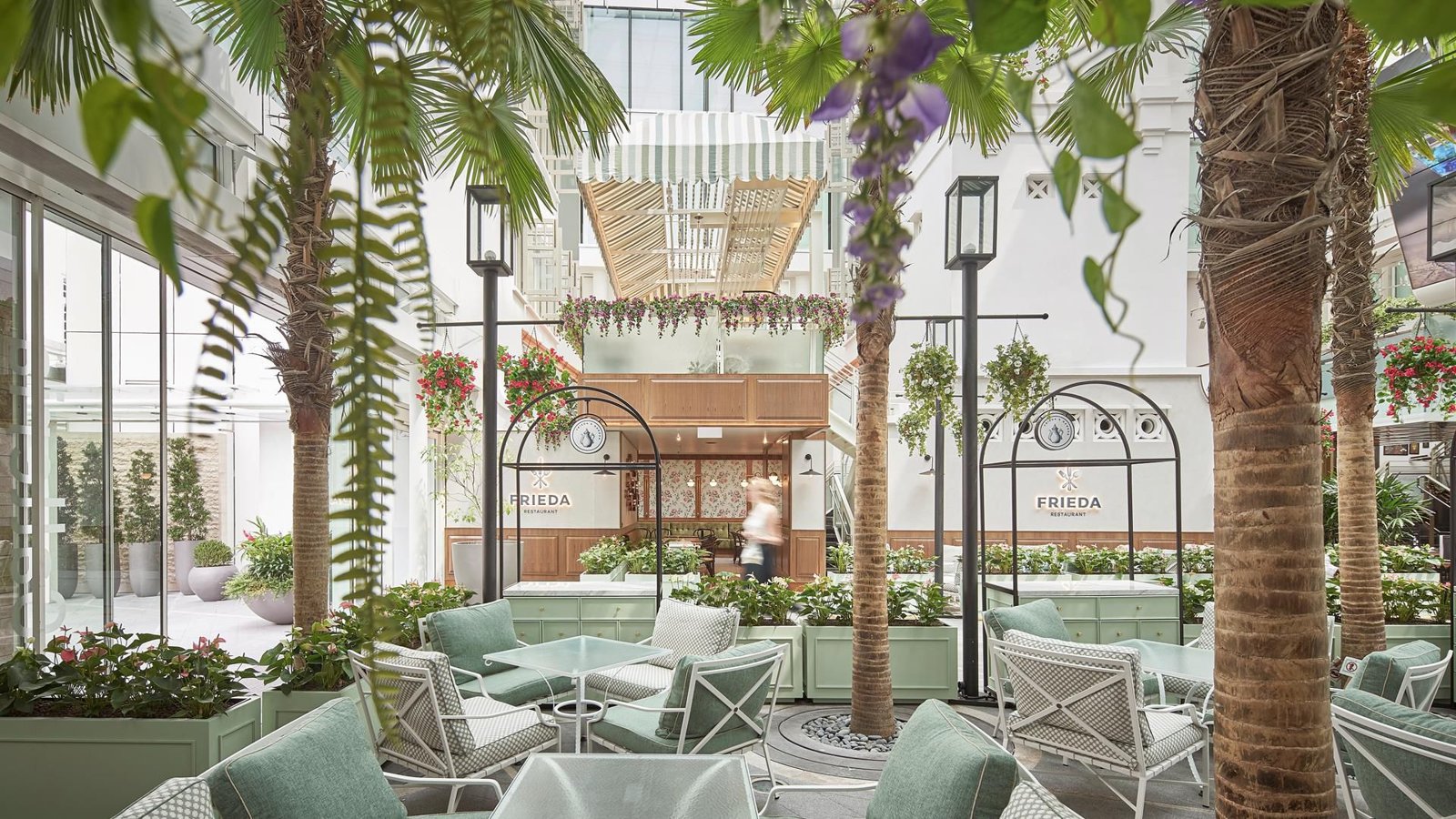
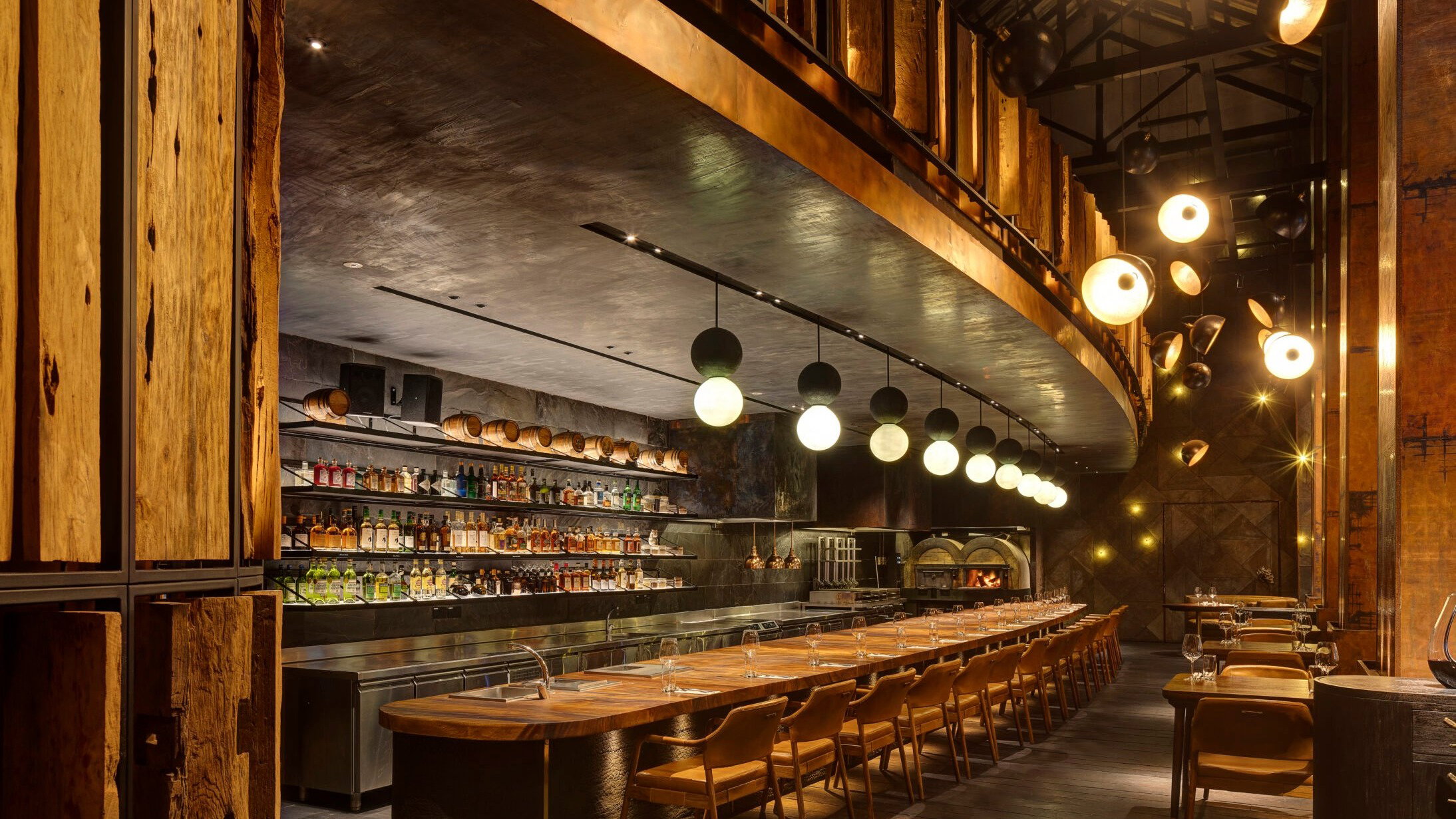
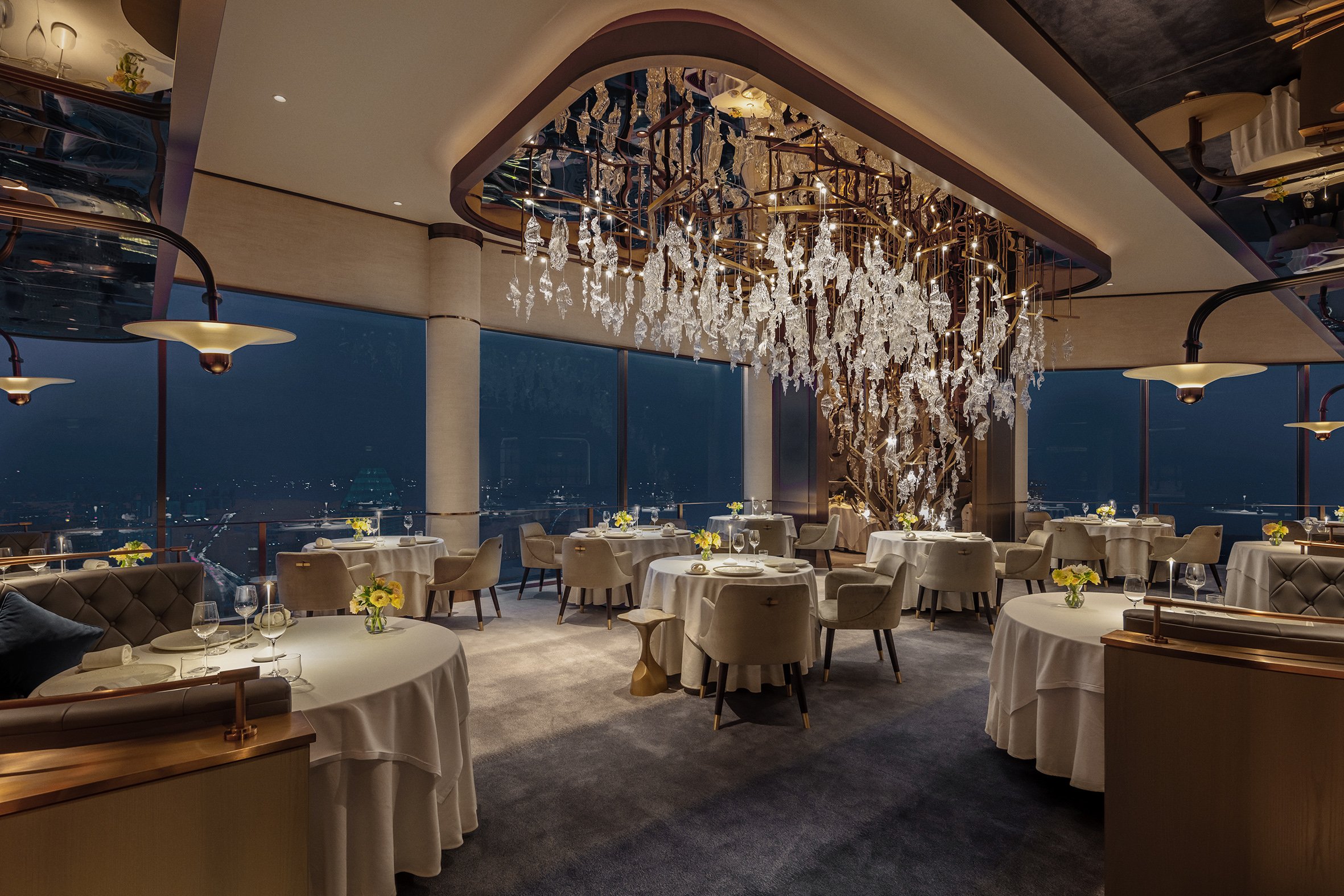
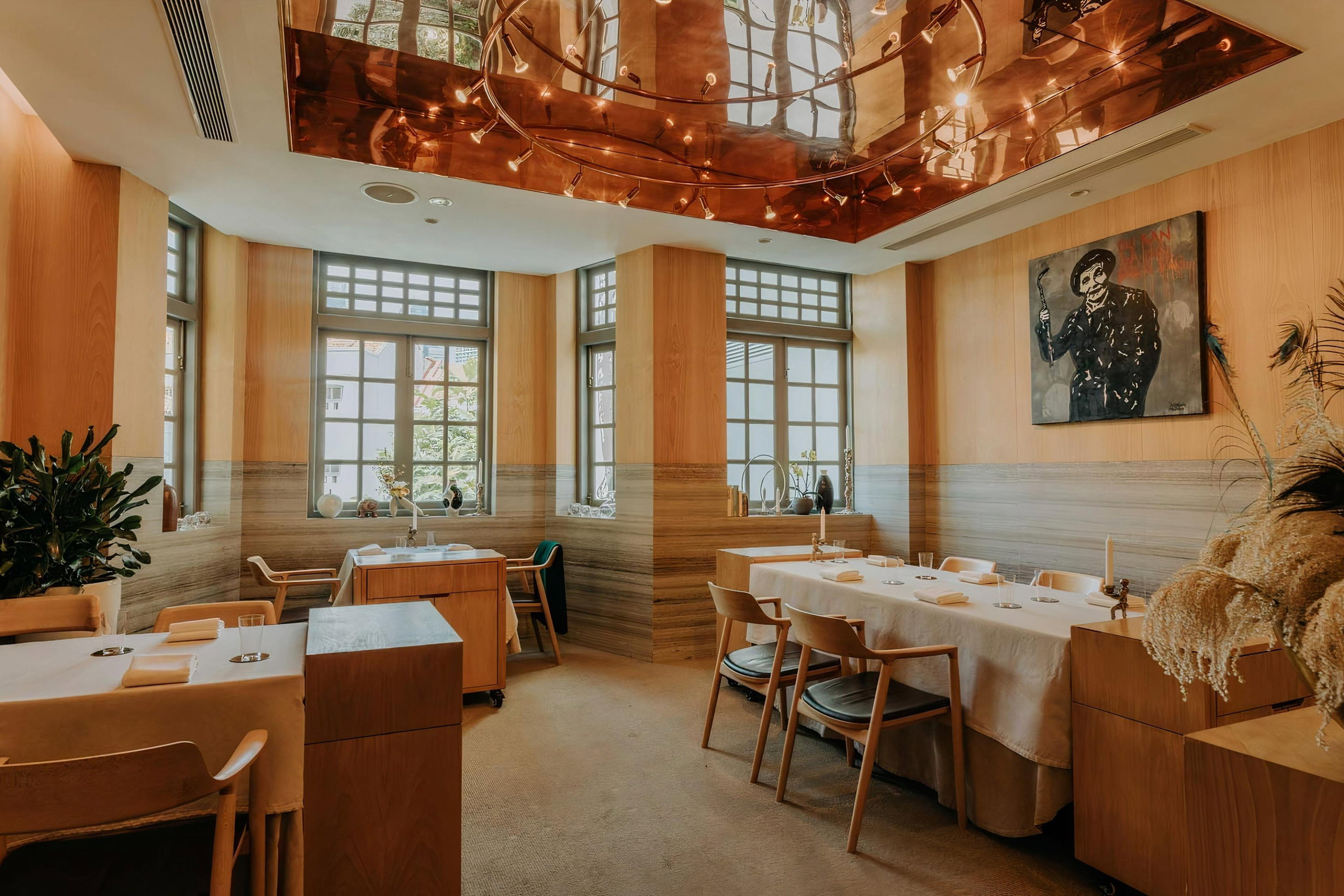
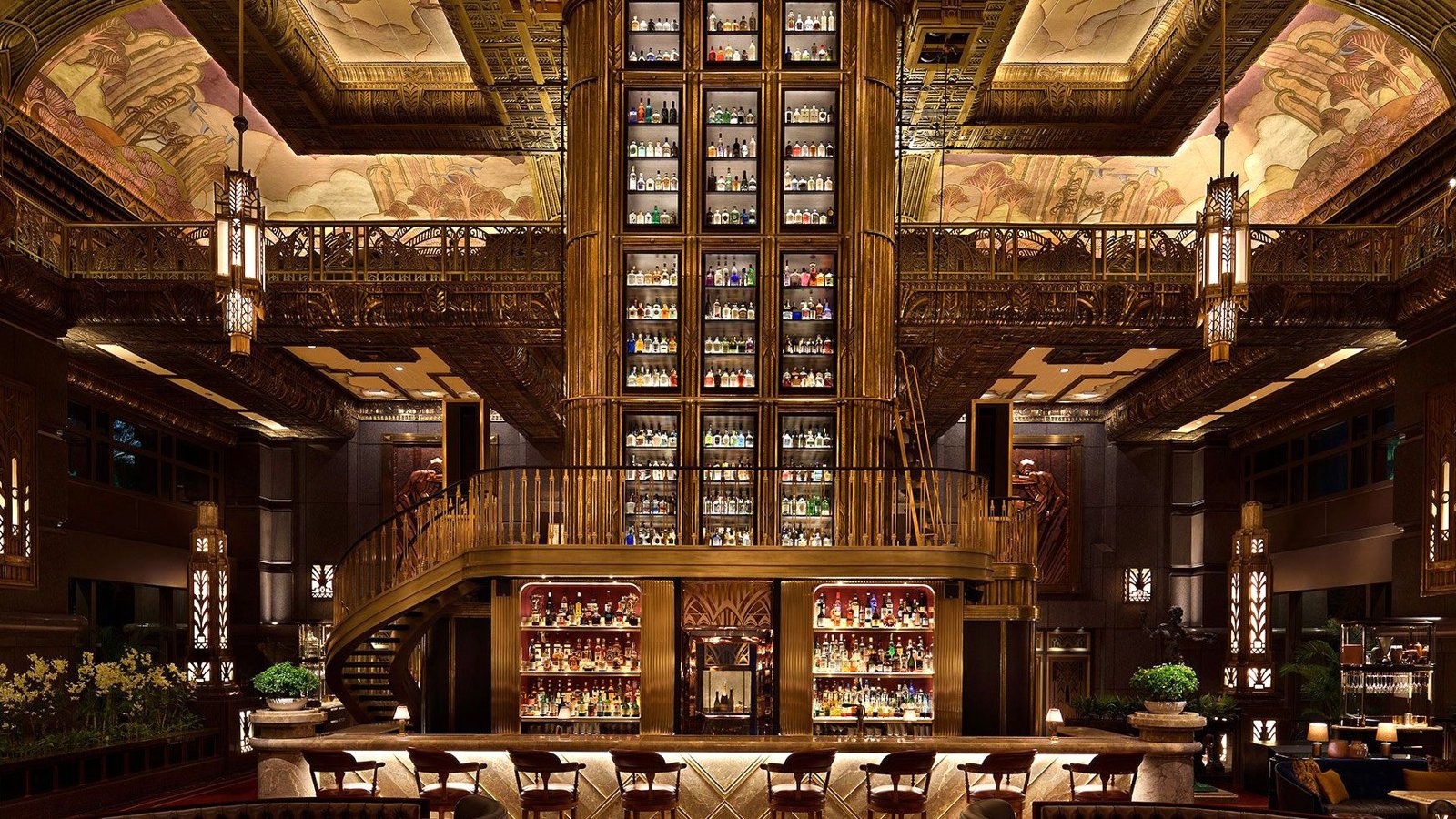
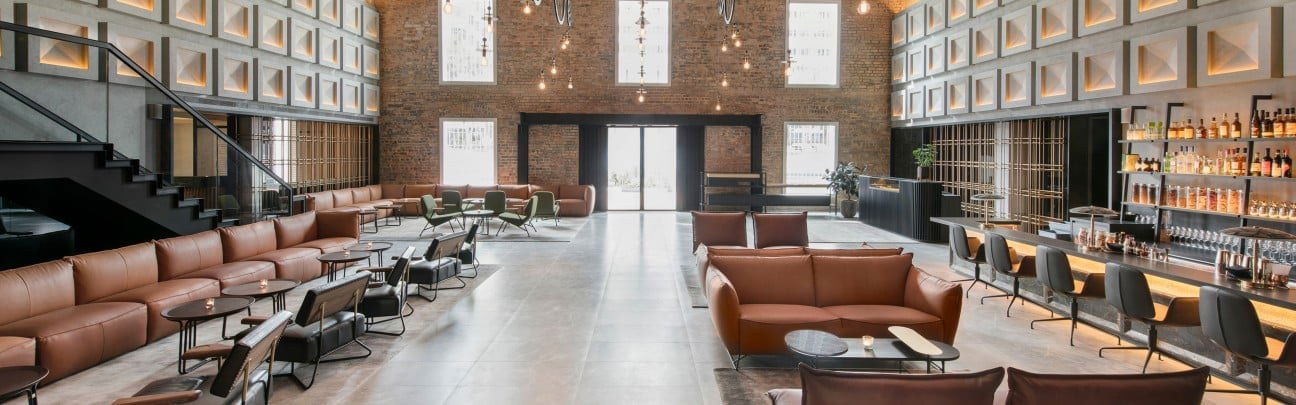
The Warehouse Hotel trades on its industrial past, occupying a restored 1890s river godown and foregrounding the building’s original bones in every design choice. The conversion reads as an architectural record of Singapore’s entrepôt era rather than a pastiche, so the property feels more like a curated historical object than a generic boutique brand. Set on a quieter stretch of Robertson Quay, the hotel has a restrained, quietly elegant presence—sophisticated and intimate without the glare of Marina Bay’s towers—making the experience about place, materiality and the city’s trading history.
Best For
This is a stay for travelers who prize history and thoughtful design: couples seeking a quieter, romantic escape, anniversaries and weekend visitors who want intimacy over scale. Because the hotel reframes a former godown as a modern hospitality project, it also appeals to design-minded guests and cultural travelers curious about Singapore’s river-trade past. It’s an alternative to the large bay-front hotels—better suited to those who prefer boutique character and a residential, riverside pace rather than spectacle.
Venue details
Ambiance
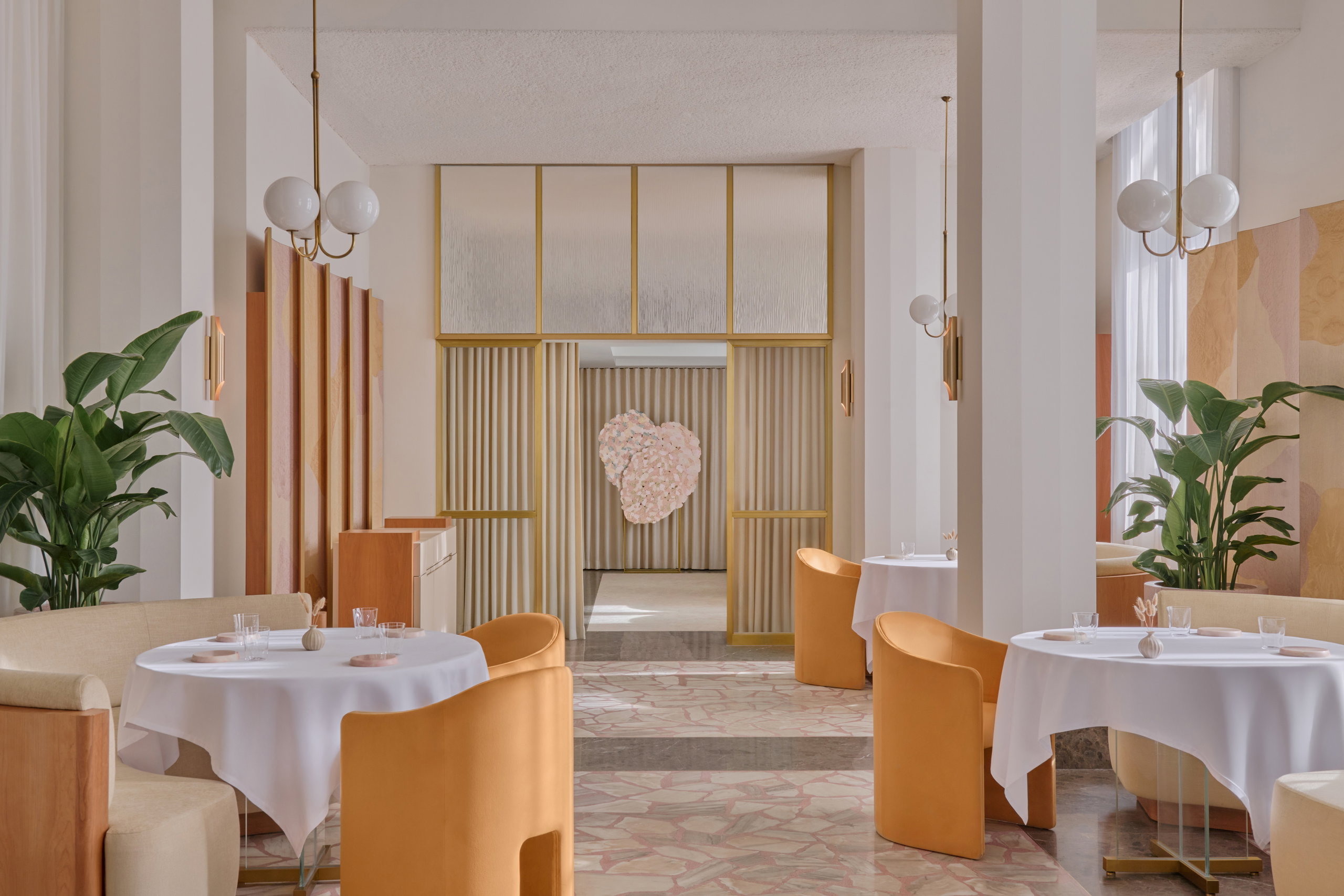
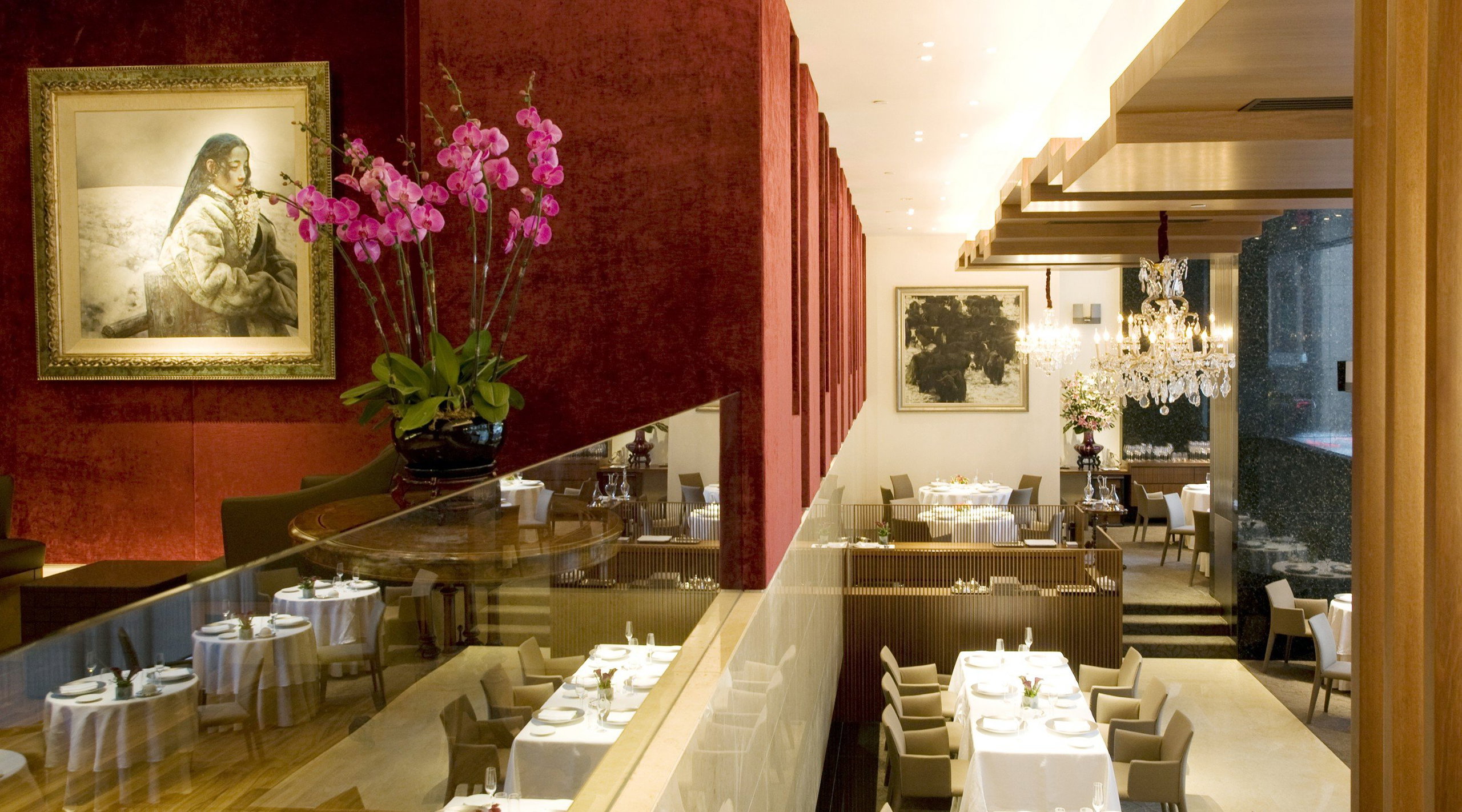
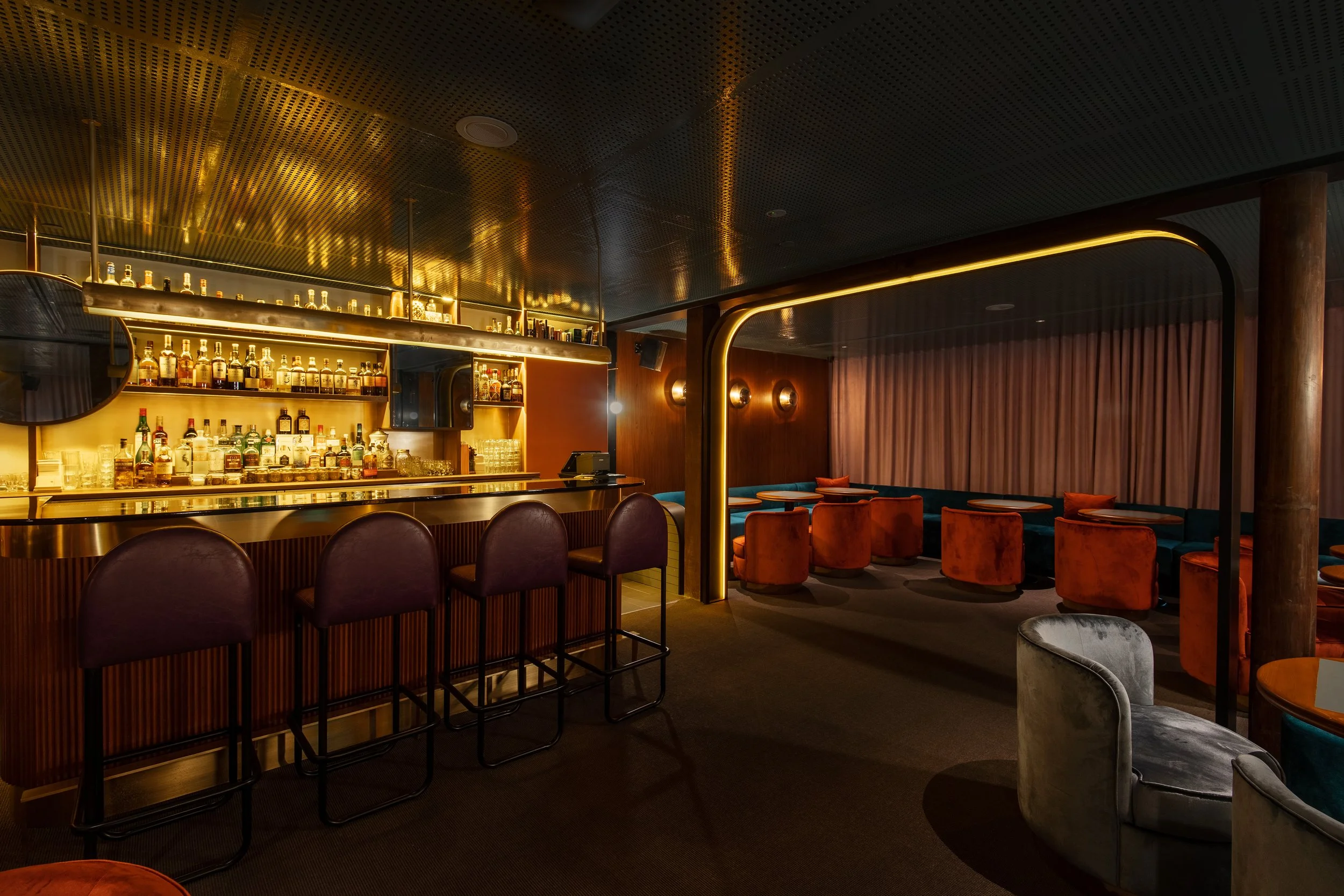
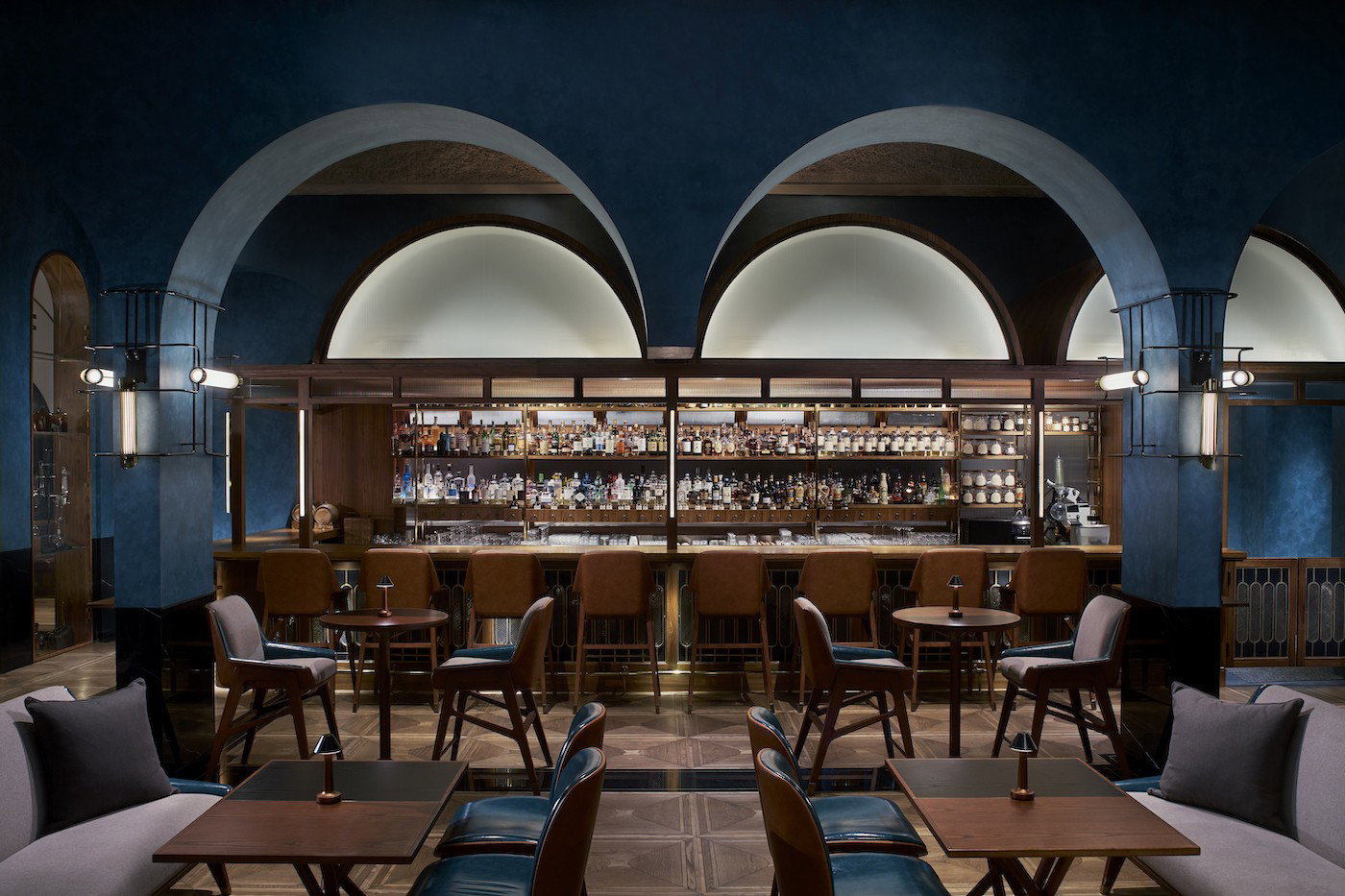
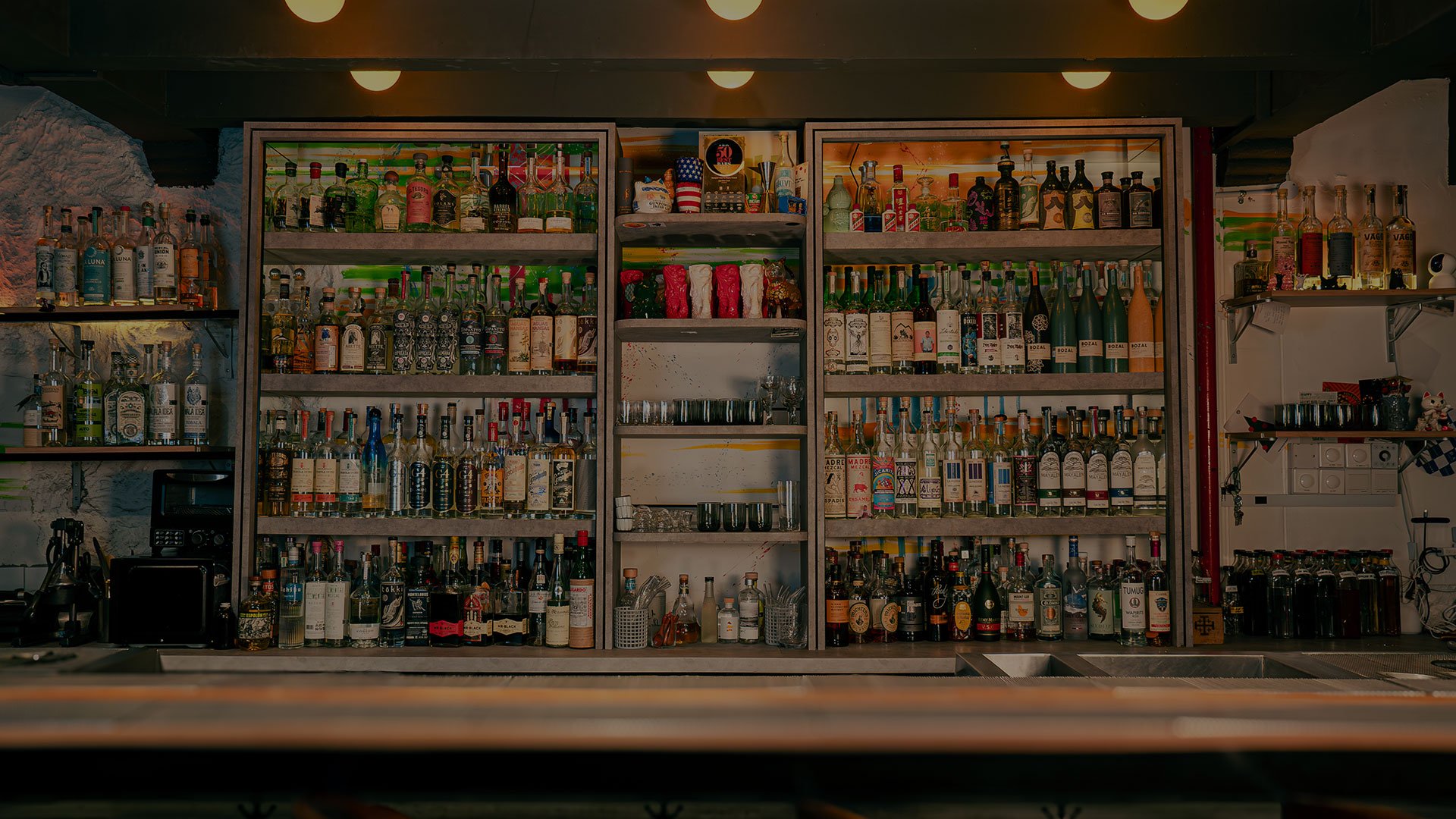
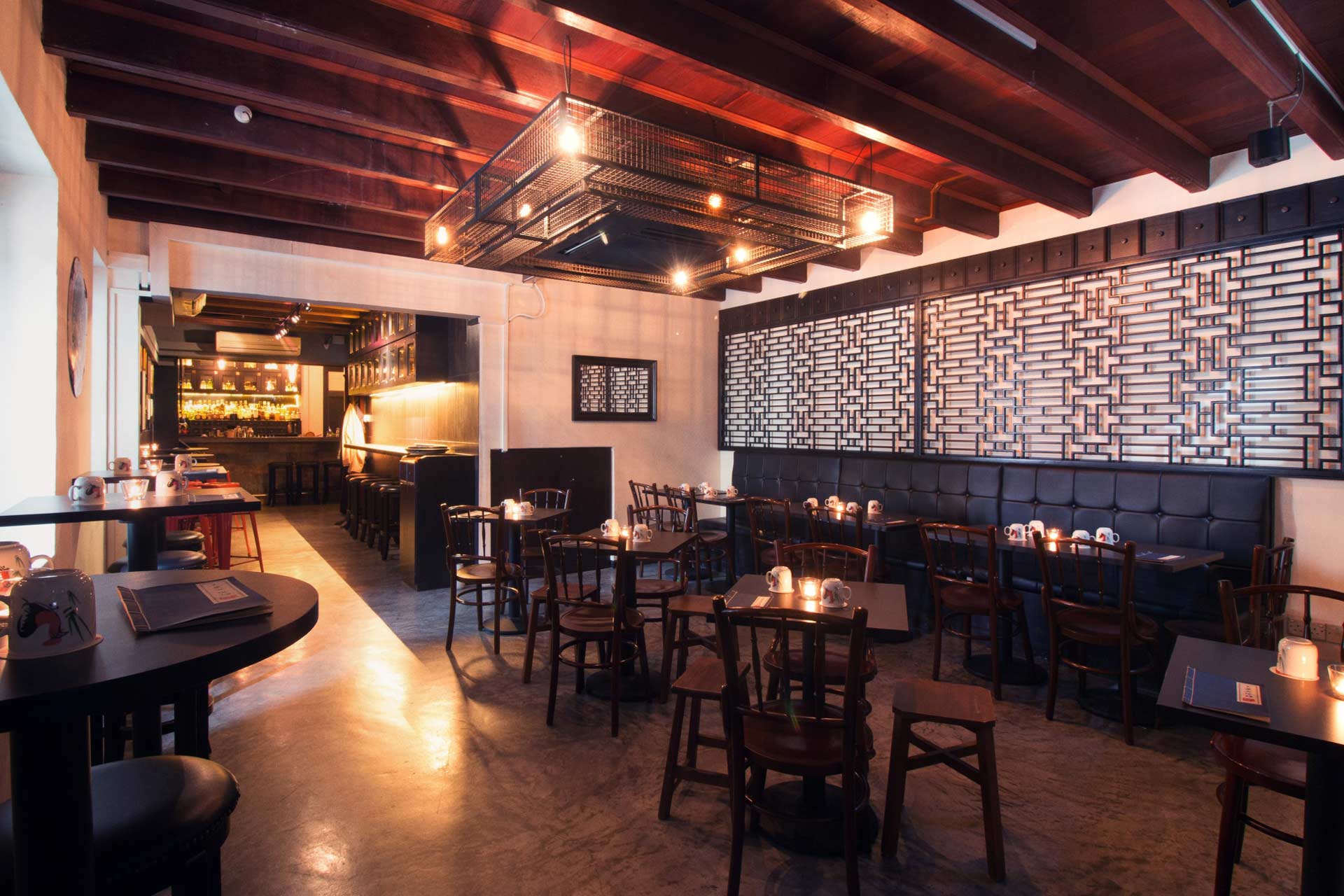
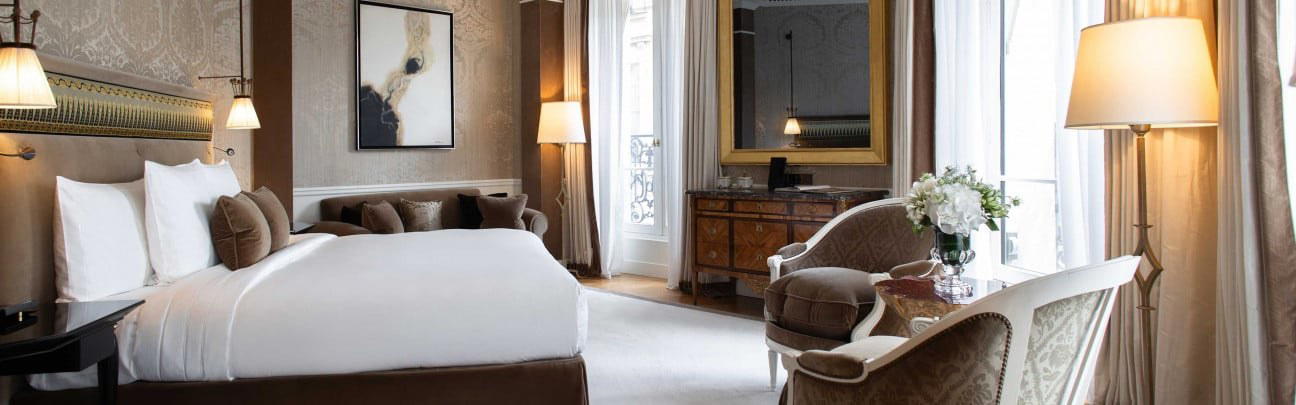
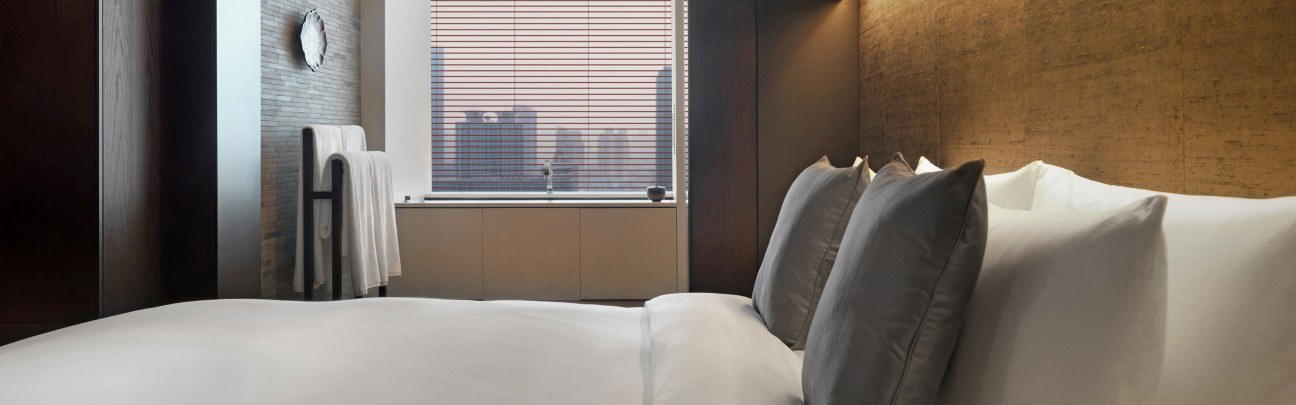
Moody, dimly lit lobby with mood lighting and sophisticated ambiance; rooms feature dark woods and greys with original warehouse beams; intimate and refined throughout.
Tags
Vibe
Best For
Experience
Amenities
View
Accessibility
About the Stay
- Rooms
- 19
- Check-in
- 14:00
- Check-out
- 12:00
- Property Type
- Design hotel
- Property Style
- Heritage Inspired Design Hotel Blending 1895 Warehouse Architecture with Contemporary Luxury and Local Artisanal Partnerships.
- Design Style
- Industrial Modern with Original Exposed Beams, Dark Woods, Greys, and Curated Local Design Elements; Moody Lighting and Sophisticated Aesthetic.
- Airport Transfer
- Available
- Pool
- Yes
- Cancellation
- Moderate
Know before you go
Know Before You Go
- Getting there
- 320 Havelock Road, Robertson Quay, Singapore 169628, Singapore
Planning details
Location
320 Havelock Road, Robertson Quay, Singapore 169628, Singapore · Directions
Recognition and awards
Also consider
Where to look if it is not the right fit
Choose InterContinental Singapore Robertson Quay if the trip needs a more familiar brand setup in the same general area. Choose Fraser Residence River Promenade, Singapore for longer stays where apartment-style space matters more than hotel atmosphere.
Hotel context
How it compares in Singapore
InterContinental Singapore Robertson Quay is the safer pick for travellers who want a familiar luxury-brand framework in the same broader area. The Warehouse Hotel is the better choice when ambiance and design recognition matter more than chain predictability. Booking difficulty is easy, so the decision should come down to rate and trip style rather than access.
Grand Copthorne Waterfront Hotel Singapore is the larger, more conventional waterfront option. Choose Grand Copthorne for scale and a more classic hotel setup; choose The Warehouse Hotel for a tighter, more character-led stay. Fraser Residence River Promenade, Singapore is the practical alternative for longer stays, especially when extra living space beats hotel mood.
For leaner design-led value, Lloyd's Inn and Hotel Mono are worth checking. They make more sense for travellers who want minimalist style at a simpler price position, while The Warehouse Hotel is the stronger pick for a more polished Robertson Quay base with stronger hotel-recognition signals.
Explore Singapore
Around this place
Discover more on Pearl
Unlock the full The Warehouse Hotel guide in Pearl, including awards, comparisons, FAQs, planning details, and nearby places.
Compare The Warehouse Hotel
| Venue | Location | Awards |
|---|---|---|
| The Warehouse Hotel | Singapore | 2026 Design Hotels Collection2026 Mr & Mrs Smith Luxury Hotels2025 Michelin Selected Hotels |
| InterContinental Singapore Robertson Quay | Singapore | No published awards |
| Grand Copthorne Waterfront Hotel Singapore | Singapore | No published awards |
| Fraser Residence River Promenade, Singapore | Singapore | No published awards |
| Lloyd's Inn | Singapore | No published awards |
| Hotel Mono | Singapore | No published awards |
How The Warehouse Hotel Singapore compares with similar nearby venues.
FAQ
Frequently Asked Questions
When is the best time to book The Warehouse Hotel?
Book once your Singapore dates are firm and after checking current availability, rates, and policies through the hotel or your booking channel. Its recognition includes 2026 Design Hotels Member status, a 2026 Mr & Mrs Smith Seal of Approval, and MICHELIN Guide hotel selection in 2025.
How does The Warehouse Hotel compare to other hotels?
The Warehouse Hotel is best compared on the basis of current rates, room details, policies, and its hotel recognition. Other Singapore options to review include InterContinental Singapore Robertson Quay, Grand Copthorne Waterfront Hotel Singapore, Fraser Residence River Promenade, Singapore, Lloyd's Inn, and Hotel Mono.
Is The Warehouse Hotel good for business travel?
It may be suitable for some Singapore business trips, depending on your needs. Confirm business facilities, meeting services, room setup, and transport details directly before booking.
What is The Warehouse Hotel known for?
It is known for its Singapore location, smart casual dress code, 2026 Design Hotels Member status, 2026 Mr & Mrs Smith Seal of Approval, and 2025 MICHELIN Guide hotel selection.