

D-Resort Šibenik
Marina District, Sibenik
Hotel in Sibenik, Croatia
 Book with Pearl
The Read
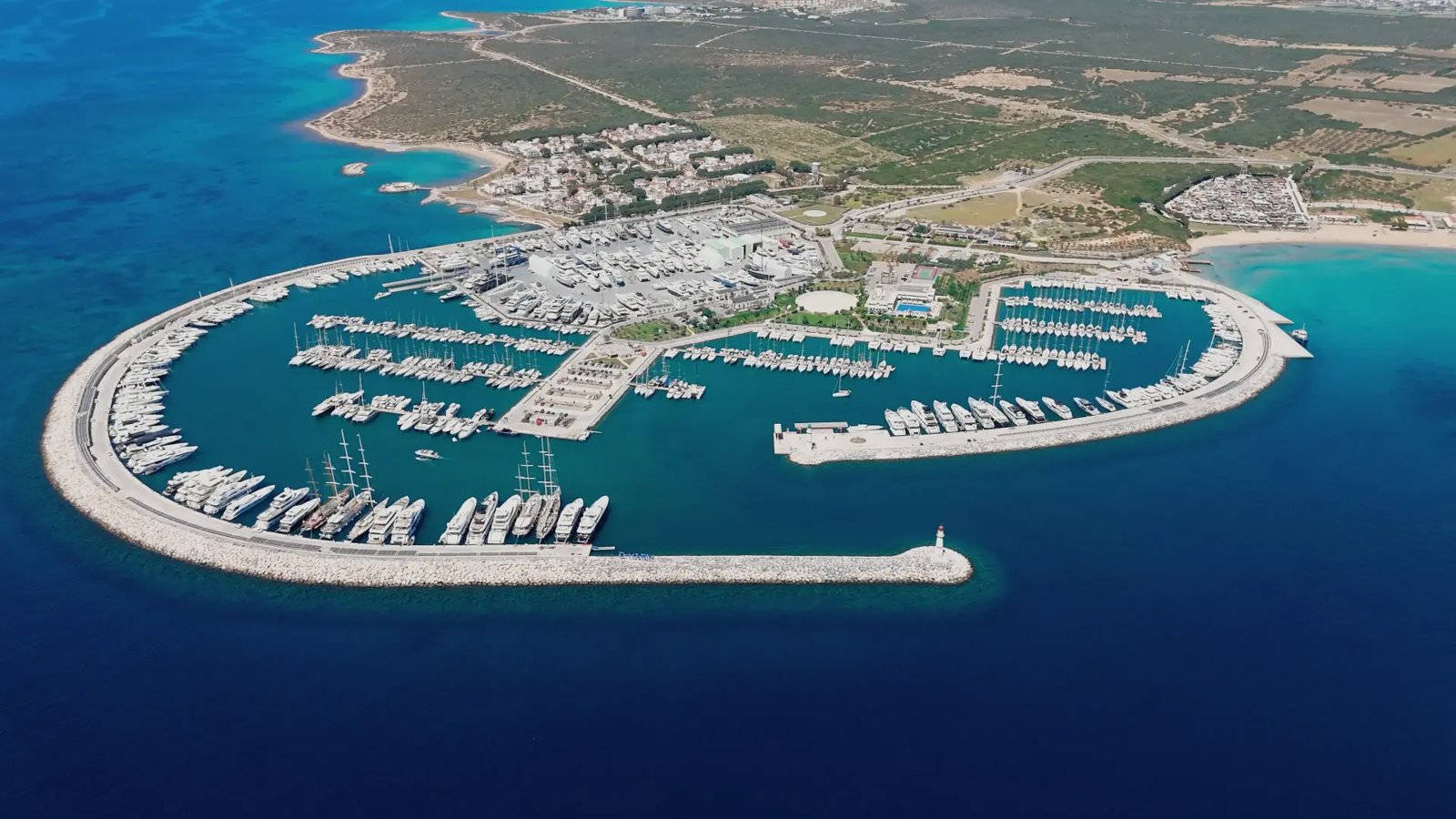
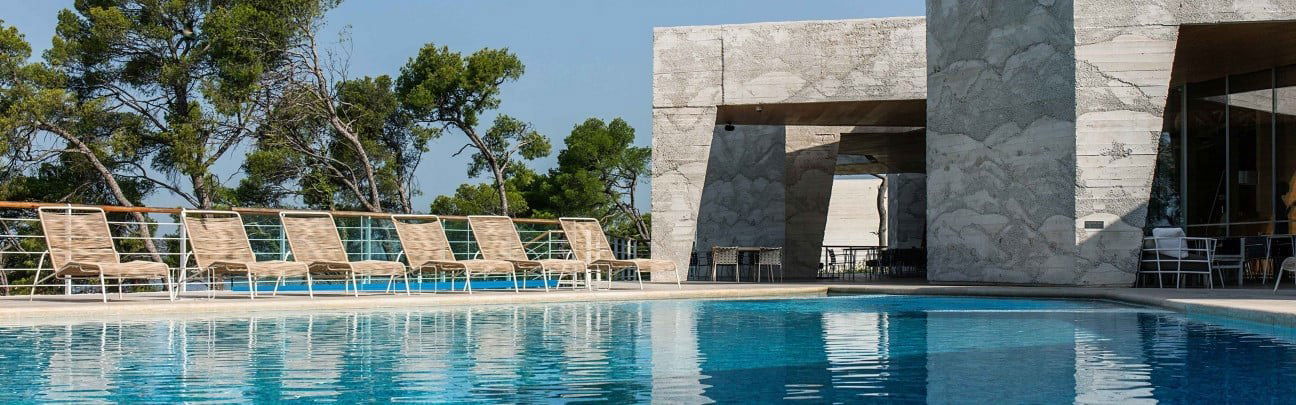
Concrete-and-Timber Marina Architecture
Why go
D-Resort Šibenik is the right Šibenik pick if you want a contemporary marina-side hotel rather than an old-town heritage stay. Its strongest signal is credibility: Small Luxury Hotels of the World membership, a Mr & Mrs Smith Seal of Approval, and MICHELIN Guide hotel selection. Choose it for space and resort atmosphere; choose a central heritage hotel if walk-out city access matters more.
About D-Resort Šibenik
For a first Sibenik stay, D-Resort Šibenik is a hotel option with recognition from Small Luxury Hotels of the World, the Mr & Mrs Smith Seal of Approval, and the MICHELIN Guide Hotels Selected listing. Check current address, room, restaurant, facility, view, pricing, and service details directly before booking, and compare it with other Sibenik hotels.
Use D-Resort Šibenik as a shortlist candidate if those hotel recognitions matter to you and if you are comfortable checking current room, facility, and service details directly before booking. For travelers who want to compare different styles of stay in Sibenik, Heritage Hotel Life Palace and Armerun Heritage Hotel & Residences are natural alternatives to review alongside it.
A Sibenik hotel with confirmed recognition
The reason to include D-Resort Šibenik in a Sibenik hotel search is its recognition: Small Luxury Hotels of the World Member in 2025, Mr & Mrs Smith Seal of Approval in 2026, and MICHELIN Guide Hotels Selected in 2025. Those signals can help narrow a hotel shortlist, but room types, views, amenities, restaurants, and location details should still be checked directly before booking.
For a couple choosing between Sibenik hotels, the question is what matters most. If hotel recognition is a priority, D-Resort Šibenik belongs on the list. If you want to compare heritage-style options in Sibenik, review Heritage Hotel Life Palace and Armerun Heritage Hotel & Residences as well. For wider planning, pair the hotel decision with our full Sibenik restaurants guide.
Who should book it, and who should look elsewhere
Book D-Resort Šibenik if you want a Sibenik hotel with clear hotel recognition and you are prepared to confirm the practical details that matter for your trip directly with the property. The dress code is smart casual, which is useful to know when planning what to pack; check dining, spa, pool, room-view, and transport details directly if they are important to your stay.
Look elsewhere, or compare carefully, if your decision depends on a specific street location, neighborhood feel, room category, restaurant format, facility list, or price point. Heritage Hotel Life Palace and Armerun Heritage Hotel & Residences are useful Sibenik comparisons, while Brown Beach House Croatia, Brown Beach House & Spa, and Marinus Beach Hotel may be relevant for travelers comparing a broader Croatia hotel route.
Within a Croatia itinerary, keep the comparison focused on current hotel details rather than assumptions about style or facilities. D-Resort Šibenik can be compared with Armerun Heritage Hotel & Residences, Heritage Hotel Life Palace, Brown Beach House Croatia, Brown Beach House & Spa, and Marinus Beach Hotel, depending on where the rest of the trip is taking you and which current hotel details you confirm before booking.
Planning details
- Location
- Obala Jerka Šižgorića 1, 22000, Mandalina, Šibenik
- Website
- dresortsibenik.com
- Phone
- +385 22 331 452
The take
The Take
The Vibe
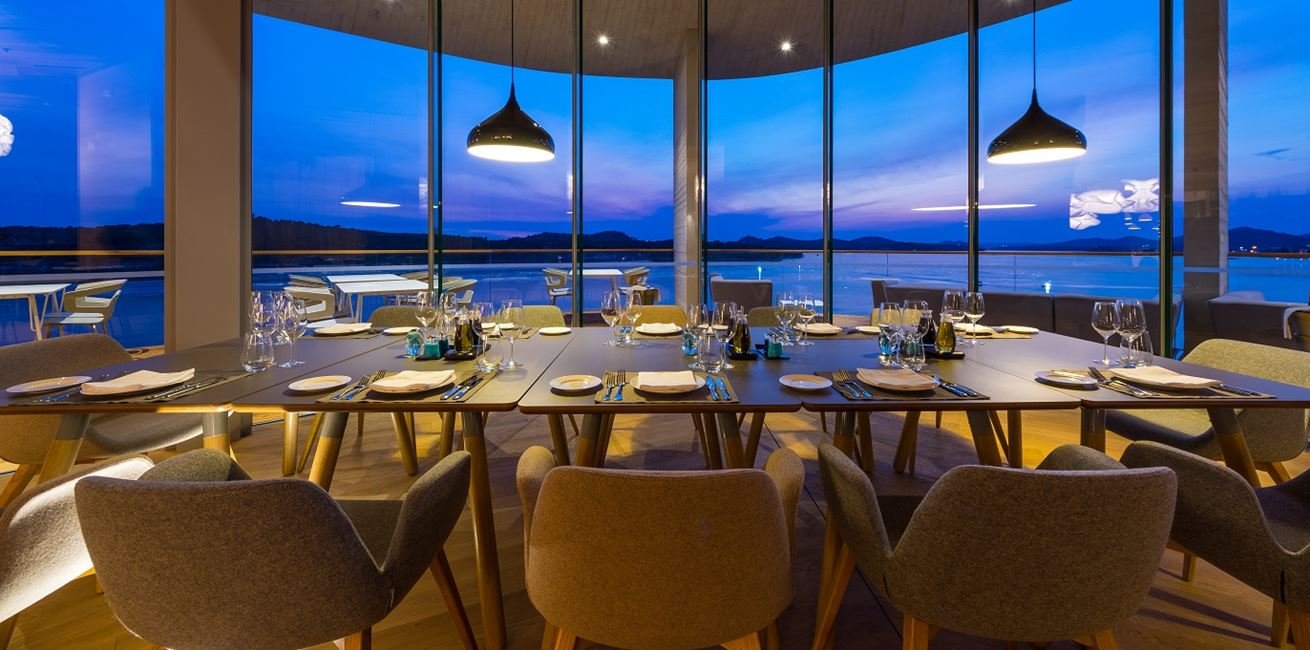
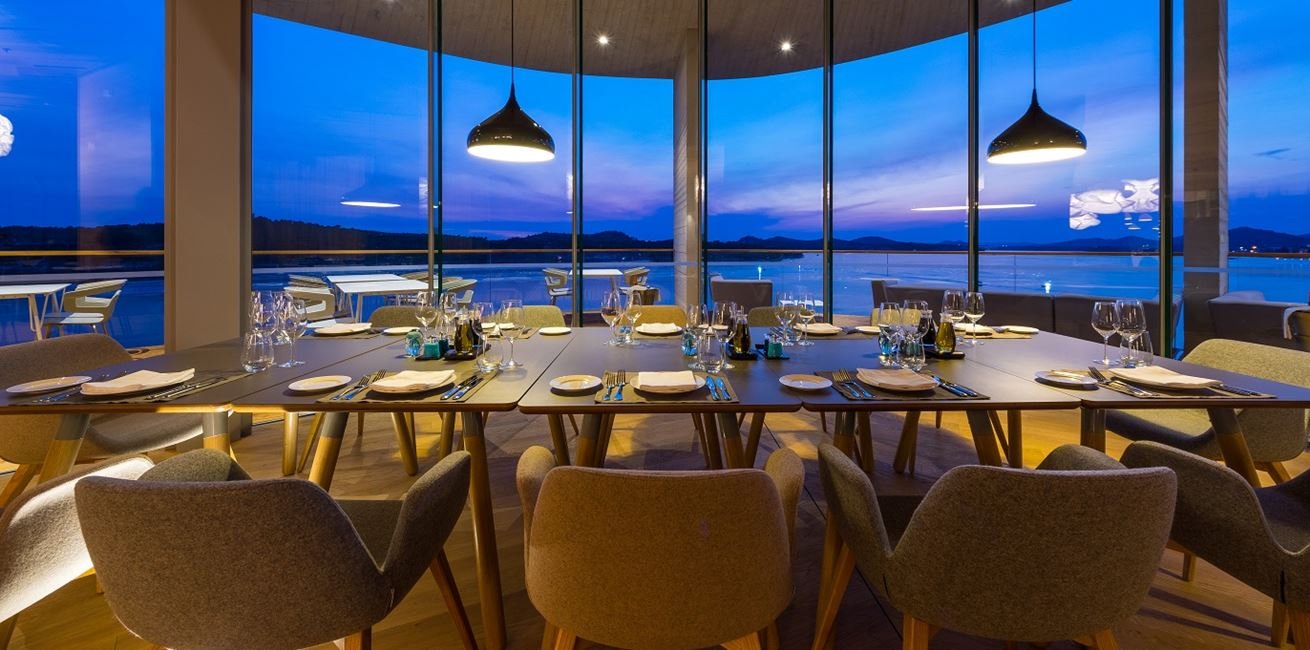
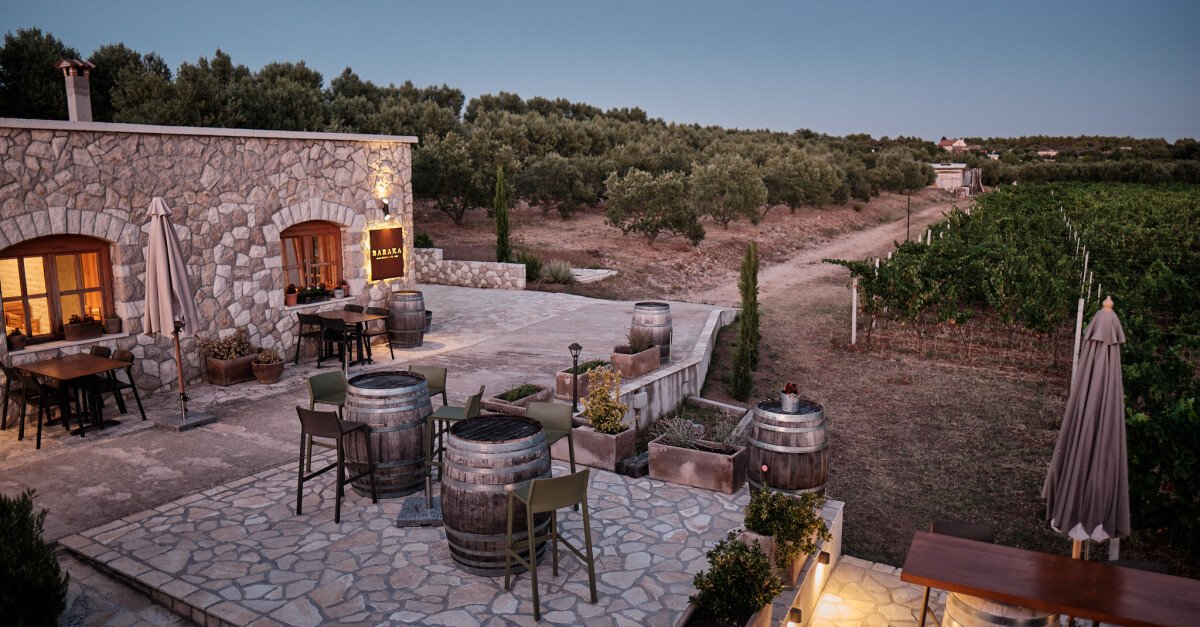
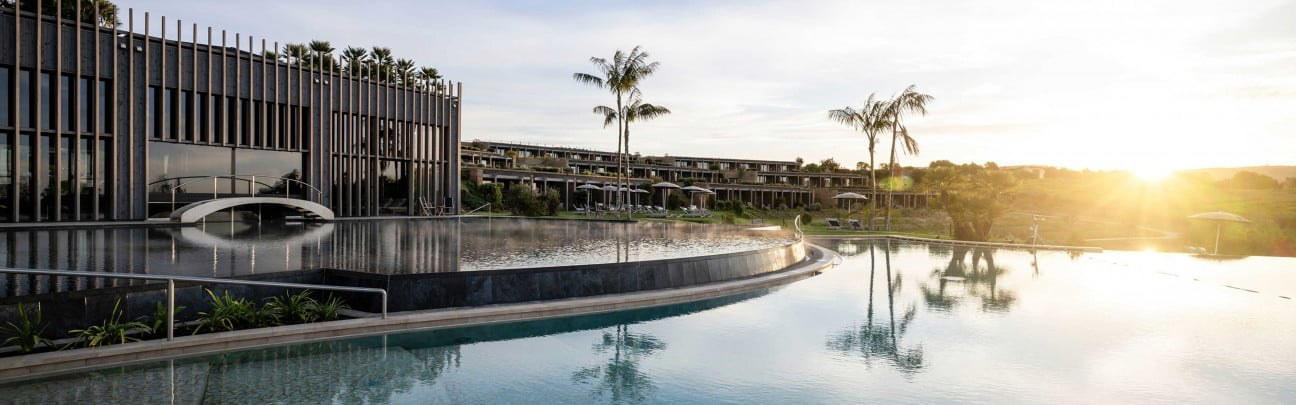
D-Resort Šibenik reads as a contemporary architectural gesture on the Dalmatian shore. The concrete cantilevers and timber screens extend toward the Adriatic with confident geometry, and the hotel's design deliberately sets up a tension with Šibenik’s medieval skyline. Inside, the boundary between interior and exterior is intentionally porous: Dalmatian light, marina activity and the water's edge are folded into communal spaces so the hotel feels quietly composed rather than theatrical. The result is a refined, calm environment that foregrounds design and the coastal setting, where the architecture itself is the primary accommodation for the senses.
Best For
This is a design-first coastal hotel that appeals to travelers seeking a considered architectural experience by the sea. It works particularly well for romantic getaways and honeymoons—where the waterfront setting and intimate communal terraces amplify the occasion—and for travelers looking for a restful weekend escape centered on light, views and carefully calibrated indoor-outdoor spaces. The property's modest, design-led scale also makes it a good fit for anniversaries and wellness-minded stays that value atmosphere and seaside calm over large-scale resort programming.
Venue details
Ambiance
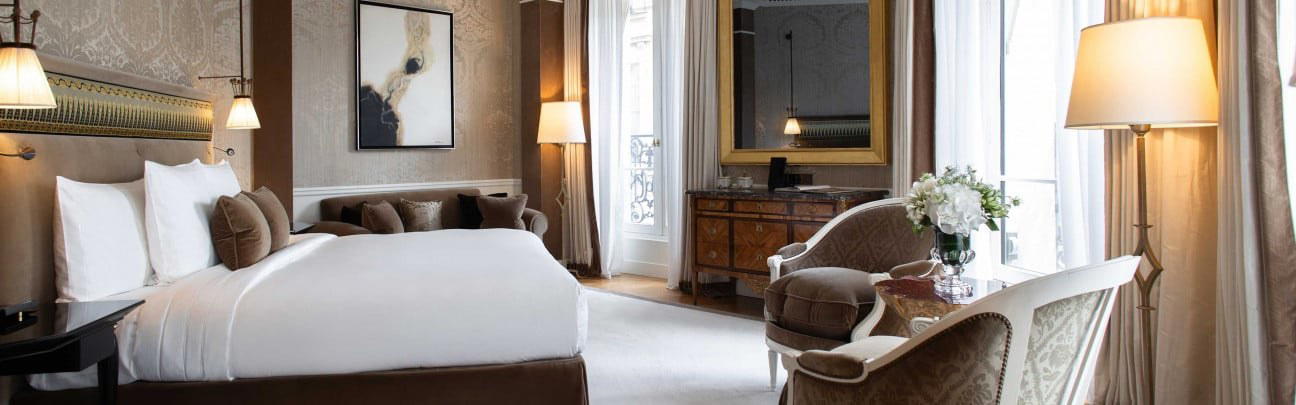
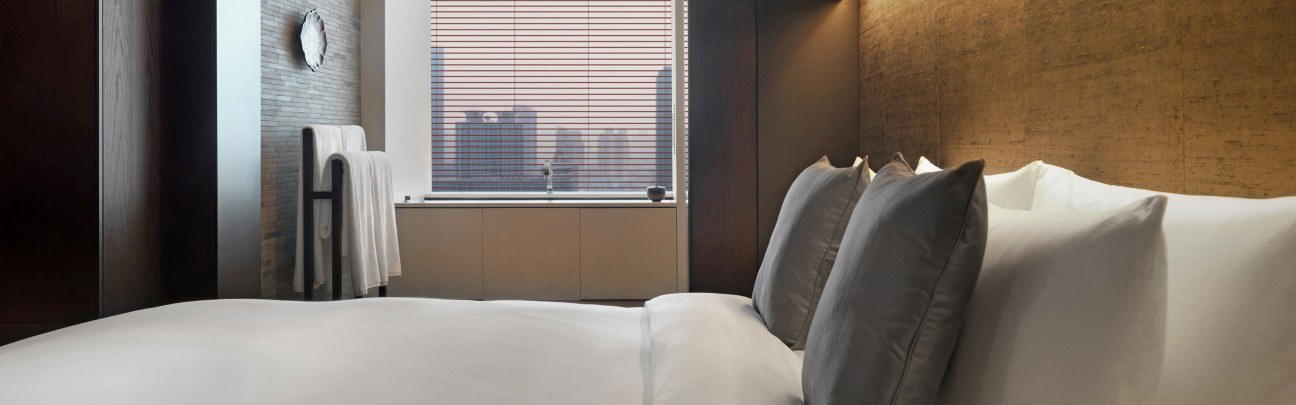
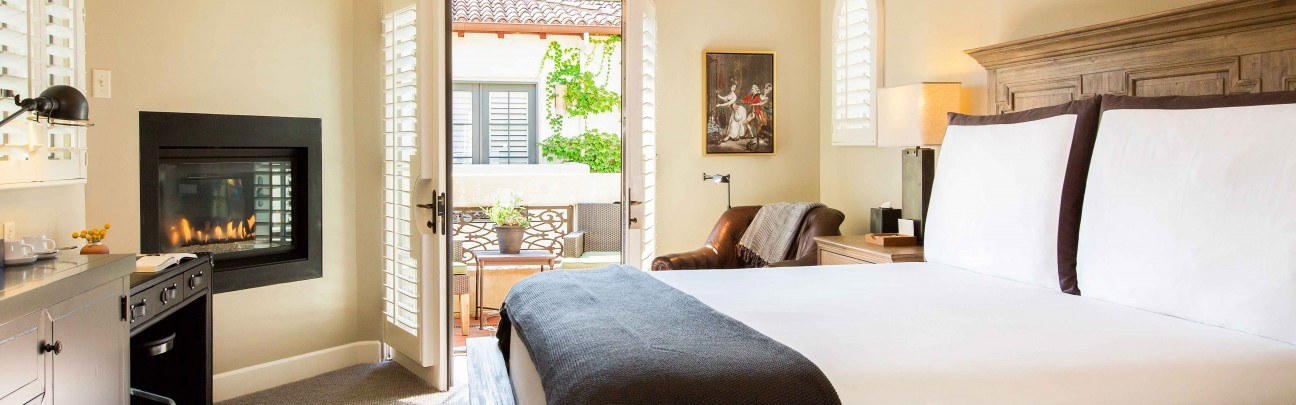
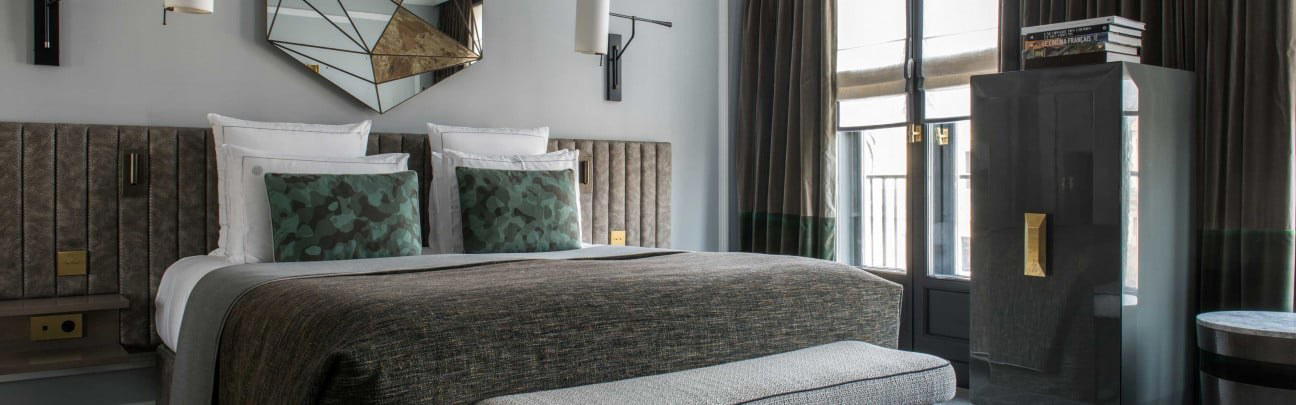
Bright, light-filled spaces with floor-to-ceiling windows flooding interiors with natural light; sophisticated yet unhurried atmosphere with elegant minimalist design and contemporary art throughout.
Tags
Vibe
Best For
Experience
Amenities
View
Accessibility
About the Stay
- Rooms
- 72
- Check-in
- 15:00
- Check-out
- 12:00
- Property Style
- Contemporary Luxury Boutique Resort with Minimalist Design Philosophy That Complements Rather Than Competes with the Medieval Architecture of Nearby Šibenik.
- Design Style
- 21st Century Minimalism with Hardwood Flooring, Polished Concrete Bathrooms, Neutral Hues, Natural Materials, and Floor to Ceiling Windows; Contemporary Art Installations Throughout Including Croatian Artwork and Murals.
Know before you go
Know Before You Go
- Getting there
- Obala Jerka Šižgorića 1, 22000, Mandalina, Šibenik
Planning details
Location

Also consider
Also Consider
- Heritage Hotel Life Palace, Notable alternative
- Armerun Heritage Hotel & Residences, Notable alternative
- Marinus Beach Hotel, Notable alternative
- Brown Beach House Croatia, Notable alternative
- Brown Beach House & Spa, Notable alternative
Hotel context
How it compares in and around Šibenik
D-Resort Šibenik is the stronger choice if you want a resort-style waterfront base with a more contemporary feel. Heritage Hotel Life Palace is the better fit for a short city break, especially if old-town atmosphere and walkability are the priority. Armerun Heritage Hotel & Residences sits closer to that heritage-hotel lane too, so choose it when a smaller city address matters more than a marina setting.
For value, the decision depends on what you will use. If the hotel is just a sleep base, Life Palace or Armerun will likely feel more efficient because the location does more work. If the stay includes meaningful downtime at the property, D-Resort Šibenik makes more sense. Its recognition from Small Luxury Hotels of the World, Mr & Mrs Smith, and the MICHELIN Guide gives it the clearest external validation in this set.
Marinus Beach Hotel, Brown Beach House Croatia, and Brown Beach House & Spa are better treated as coastal alternatives rather than direct Šibenik substitutes. Cross-shop them if the trip is beach-first or if Šibenik itself is flexible. For a first visit focused on the city and nearby coast, D-Resort Šibenik is the resort-leaning pick; Life Palace and Armerun are the city-first picks.
Around this place
Discover more on Pearl
Unlock the full D-Resort Šibenik guide in Pearl, including awards, comparisons, FAQs, planning details, and nearby places.
Compare D-Resort Šibenik
| Venue | Location | Awards |
|---|---|---|
| D-Resort Šibenik | Sibenik | 2026 Mr & Mrs Smith Luxury Hotels2025 Michelin Selected HotelsSmall Luxury Hotels Member 2025 |
| Heritage Hotel Life Palace | Sibenik | No published awards |
| Armerun Heritage Hotel & Residences | Sibenik | No published awards |
| Marinus Beach Hotel | Marina | No published awards |
| Brown Beach House Croatia | Trogir | No published awards |
| Brown Beach House & Spa | Trogir | No published awards |
How D-Resort Šibenik compares with similar nearby venues.
FAQ
Frequently Asked Questions
How is the location of D-Resort Šibenik?
How does D-Resort Šibenik compare to other hotels?
D-Resort Šibenik is a Sibenik hotel with recognition from Small Luxury Hotels of the World, the Mr & Mrs Smith Seal of Approval, and the MICHELIN Guide Hotels Selected list. In Sibenik, Heritage Hotel Life Palace and Armerun Heritage Hotel & Residences are useful alternatives to compare; Brown Beach House Croatia, Brown Beach House & Spa, and Marinus Beach Hotel may be relevant for a broader Croatia hotel search.
Which room category is best at D-Resort Šibenik?
Choose based on the current room descriptions from the hotel and confirm any must-have feature before booking.
How is the pool and spa at D-Resort Šibenik?
How is the dining at D-Resort Šibenik?
The dress code is smart casual; for meals, confirm current options directly with the hotel and compare with other dining in Sibenik if food is a priority.