
Kawana Hotel & Golf Course
Ito, Shizuoka
Hotel in Shizuoka, Japan
 Book with Pearl
The Read
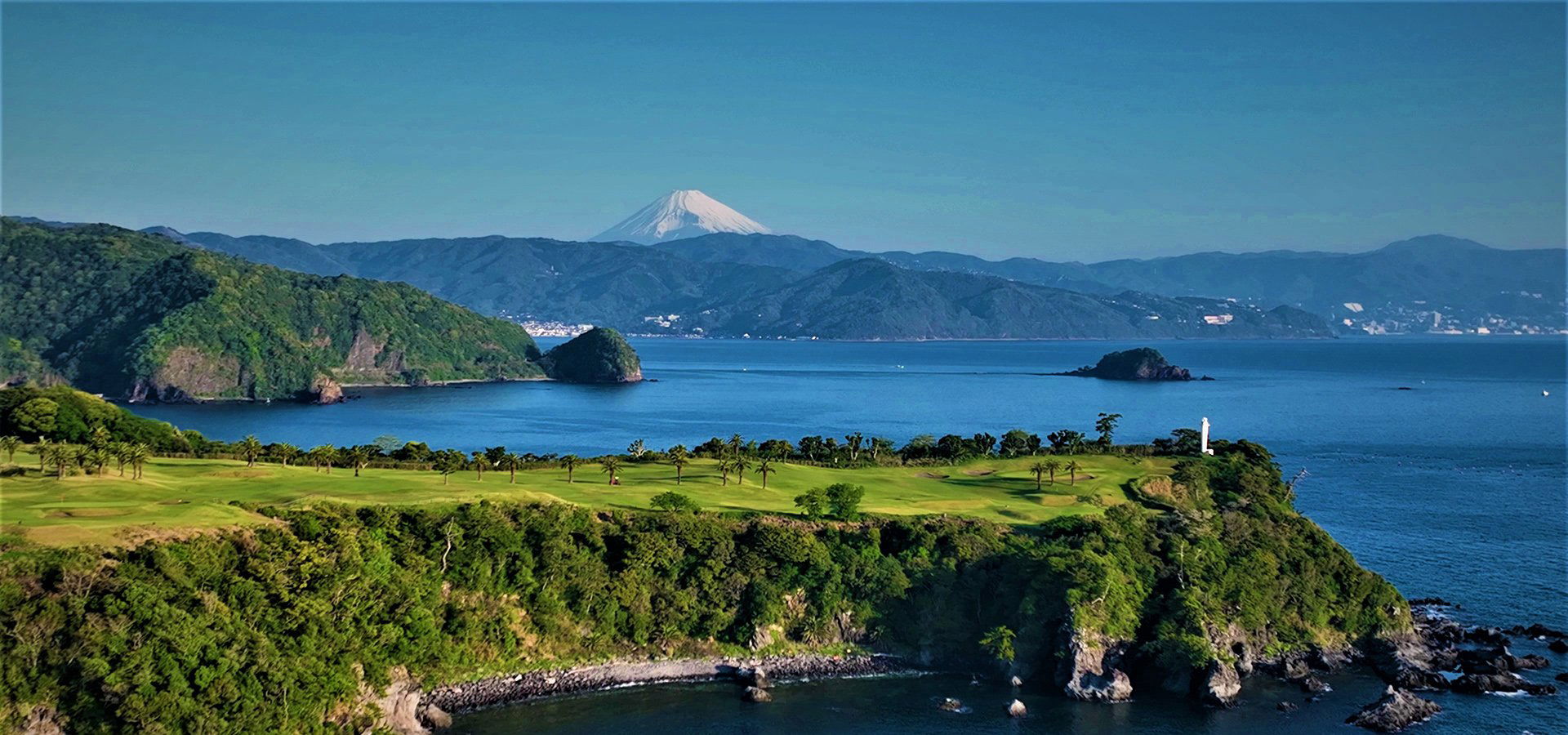
Pacific-Front Resort Golf
Why go
Kawana Hotel & Golf Course is worth considering if the Izu trip is about quiet space, golf, and a classic resort rhythm rather than a ryokan-heavy itinerary. Cross-shop Pearl Star Hotel Atami for a more contemporary coastal hotel stay, or Asaba and Ochiairo if baths, meals, and traditional pacing matter more.
About Kawana Hotel & Golf Course
Is Kawana Hotel & Golf Course worth booking in Shizuoka? It may be, if you are specifically looking at this named hotel-and-golf property and want a stay with a smart-casual dress code. For specific details on dining, wellness programming, room count, prices, or service style, contact the hotel directly.
Kawana Hotel & Golf Course is a Small Luxury Hotels of the World Member for 2025. That makes it a reasonable hotel to consider in a Shizuoka shortlist, but the booking decision should be based on current information for rooms, facilities, dining, and access.
Choose it for a Shizuoka hotel-and-golf stay
The safest reason to shortlist Kawana Hotel & Golf Course is the property identity itself: a hotel connected with a golf course in Shizuoka. Beyond that, avoid assuming a particular resort rhythm, restaurant format, spa focus, or family-programming setup unless the hotel confirms it directly for your dates.
If you are comparing premium stays, consider Kawana Hotel & Golf Course alongside Arcana Izu, Asaba, Atami Izusan Karaku, Ochiairo, and Pearl Star Hotel Atami. Each may suit a different kind of trip, so the important step is to confirm the current offering rather than relying on assumptions about hotel style.
Who should book, and who should cross-shop
Book this if the name, Shizuoka setting, smart-casual dress code, and Small Luxury Hotels of the World membership align with the kind of stay you want. Cross-shop if you need details about meals, baths, spa facilities, family amenities, business facilities, or a specific room category before committing.
Travelers with fixed dates should confirm current availability and inclusions directly with the venue. Readers building a broader trip can also use Shizuoka restaurants guide for dining research in the area.
Planning details
- Location
- 1459 Kawana, Itō, Shizuoka 414-0044
- Website
- princehotels.co.jp/golf/kawana
- Phone
- +81 557-45-1111
The take
The Take
The Vibe
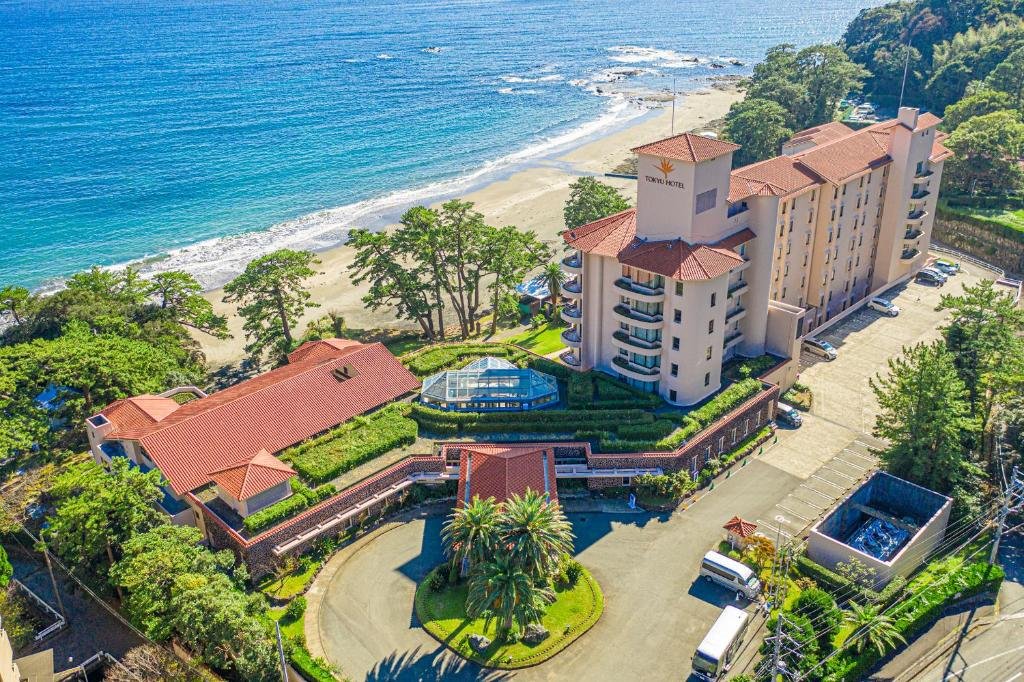
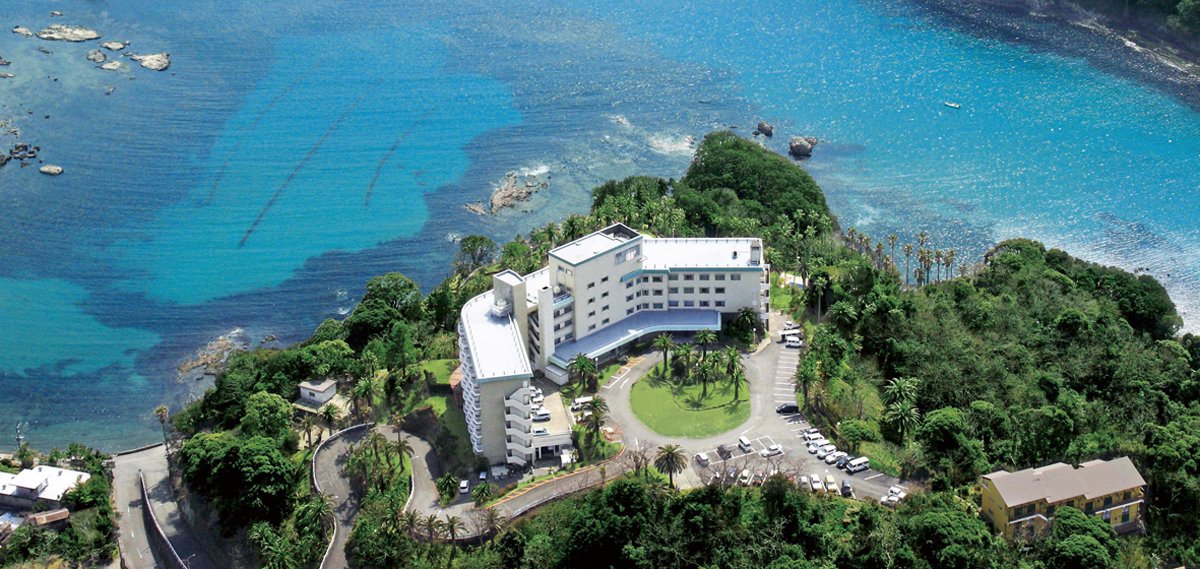
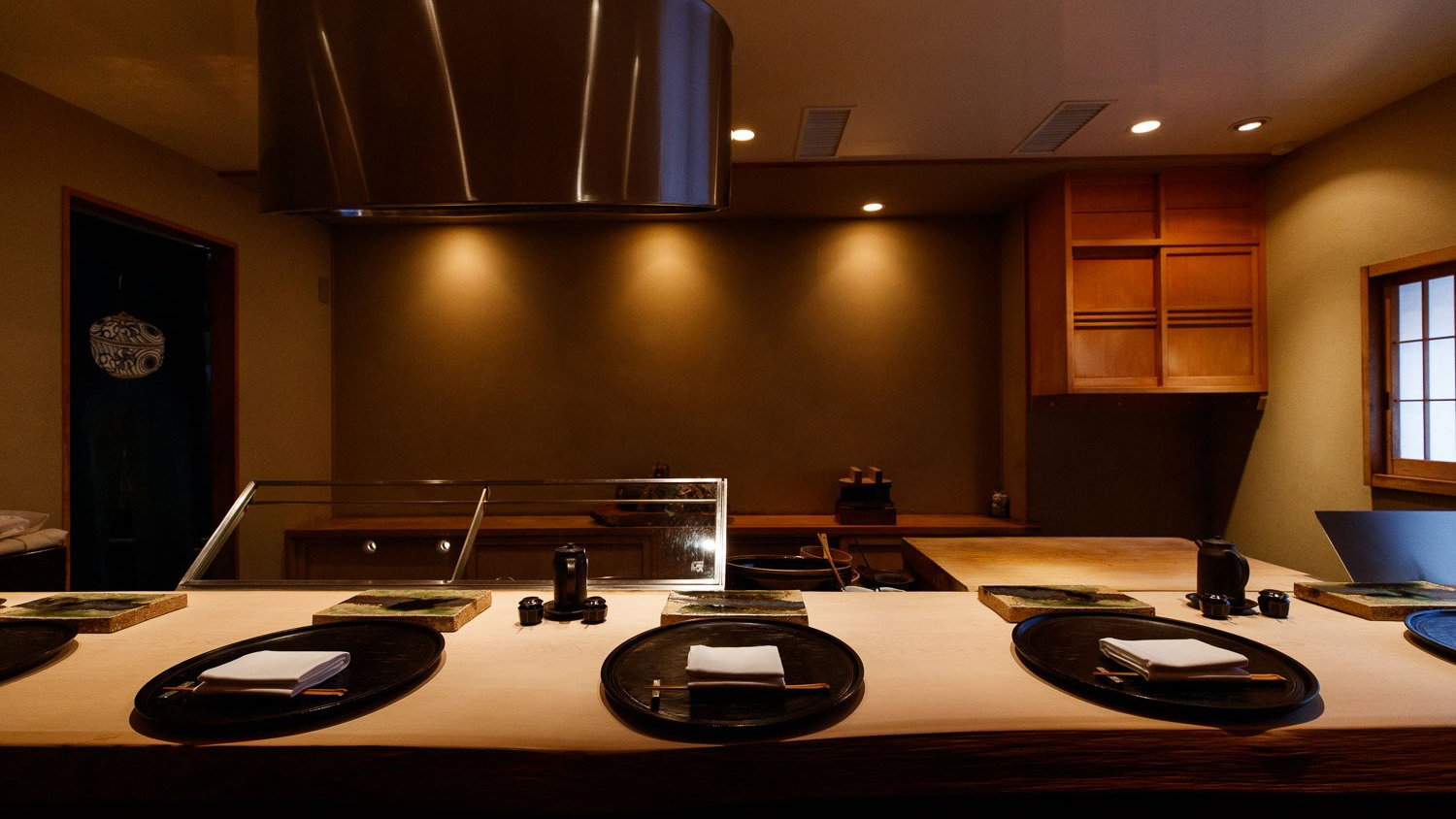
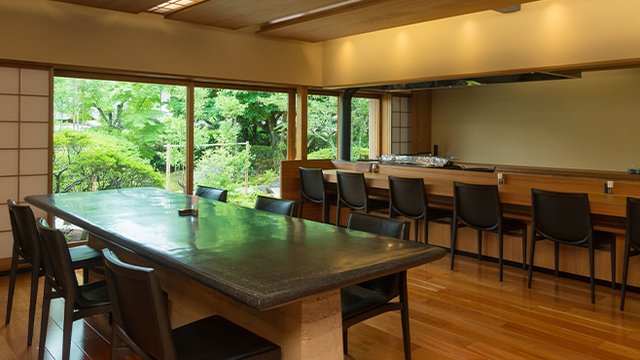
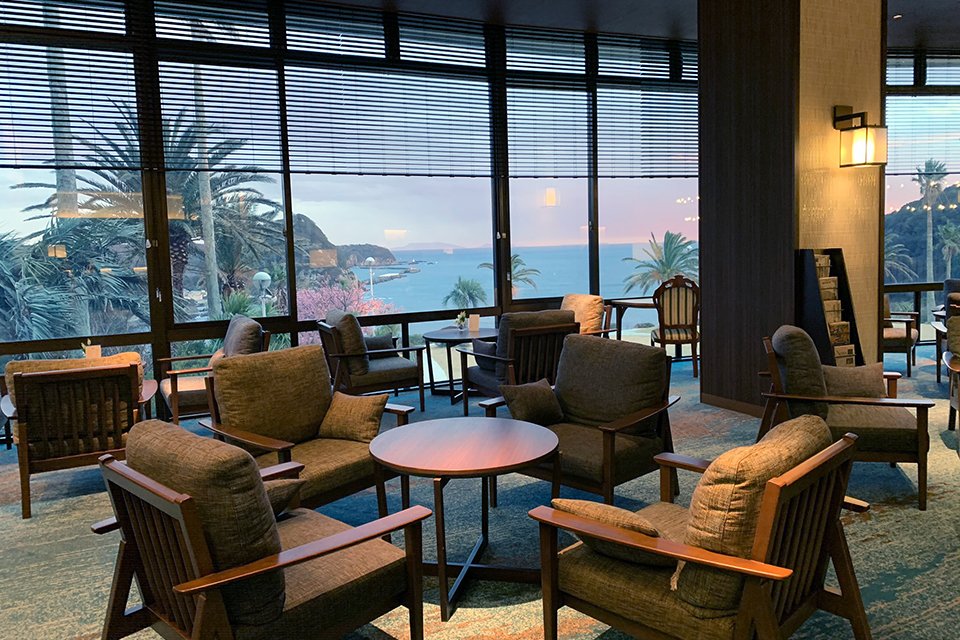
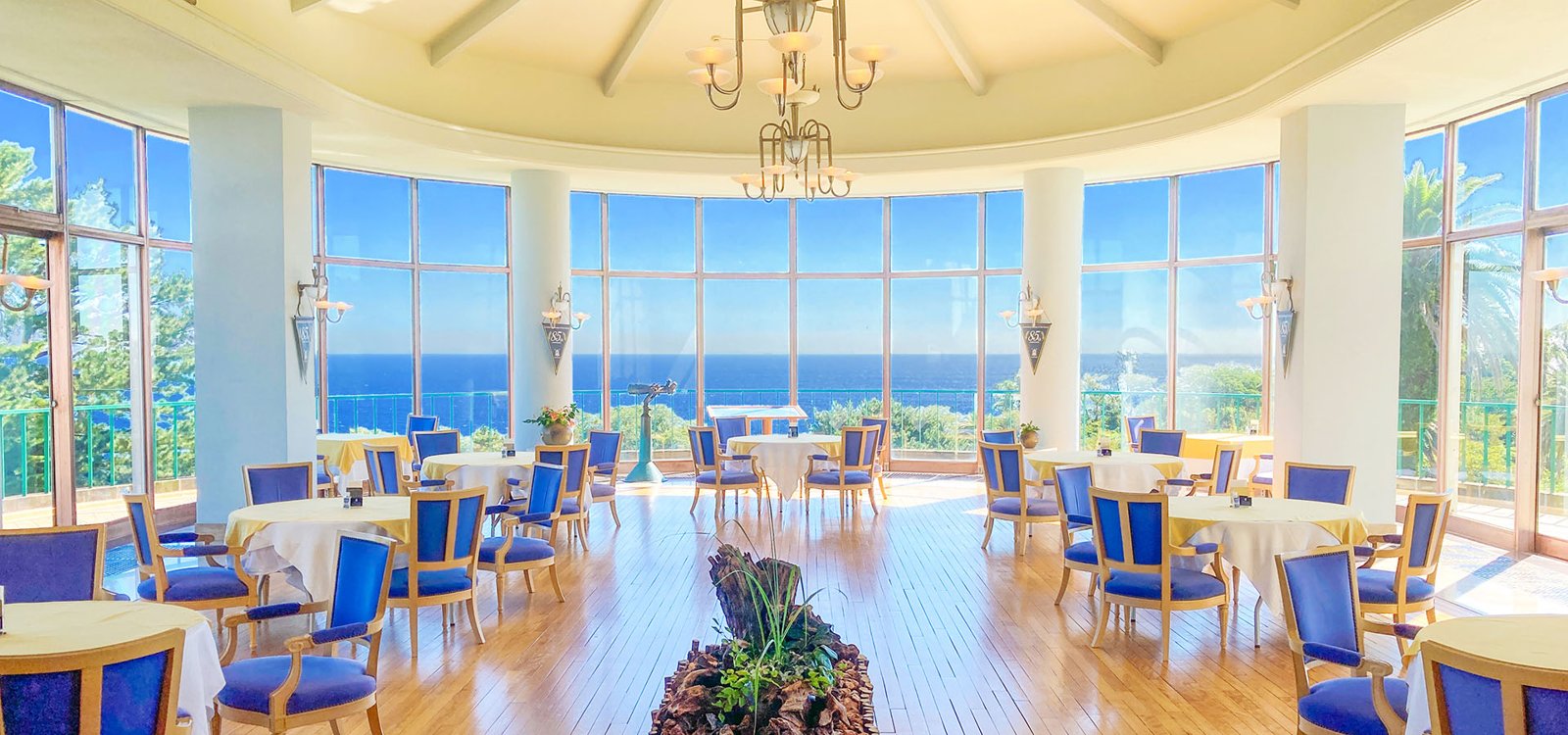
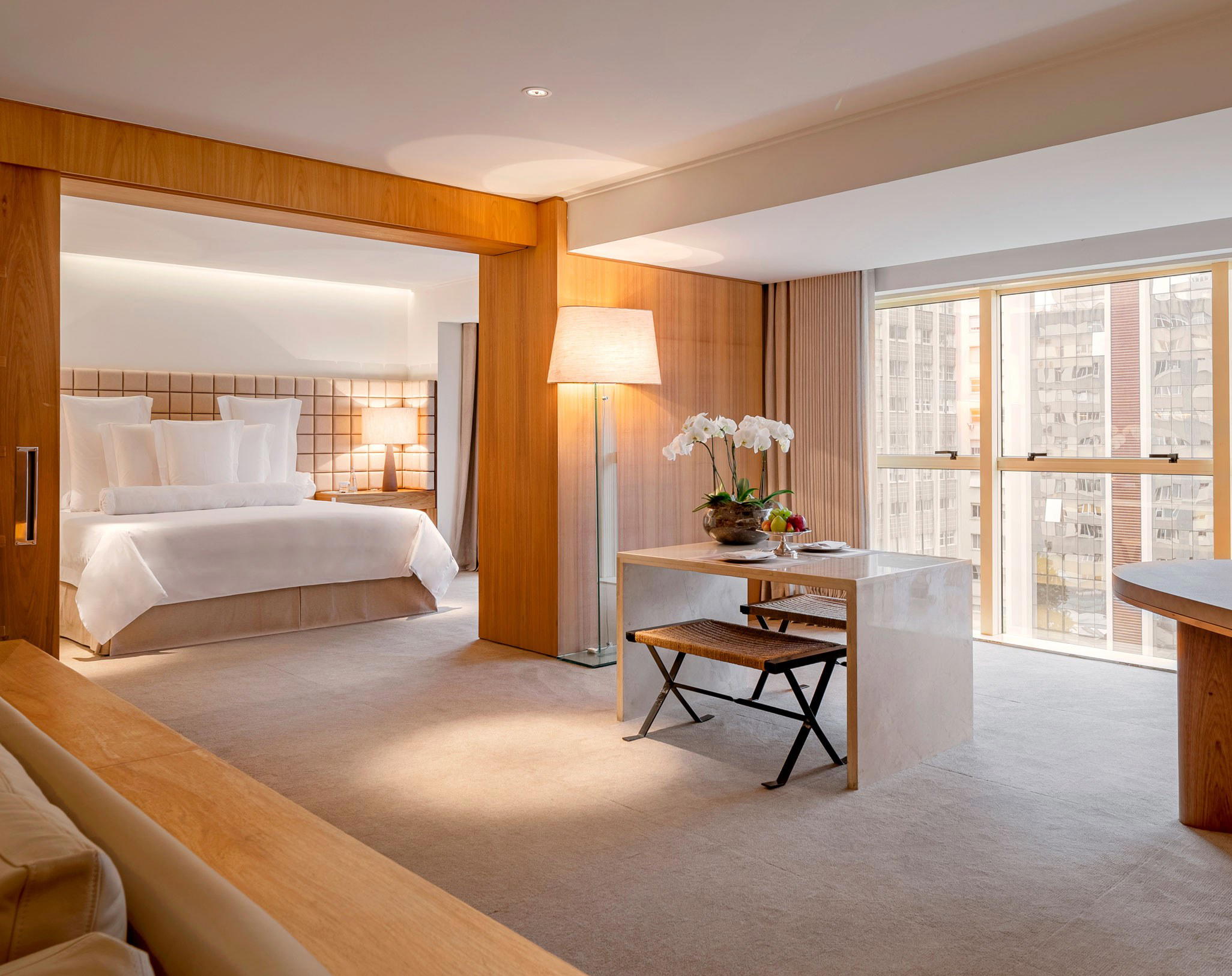
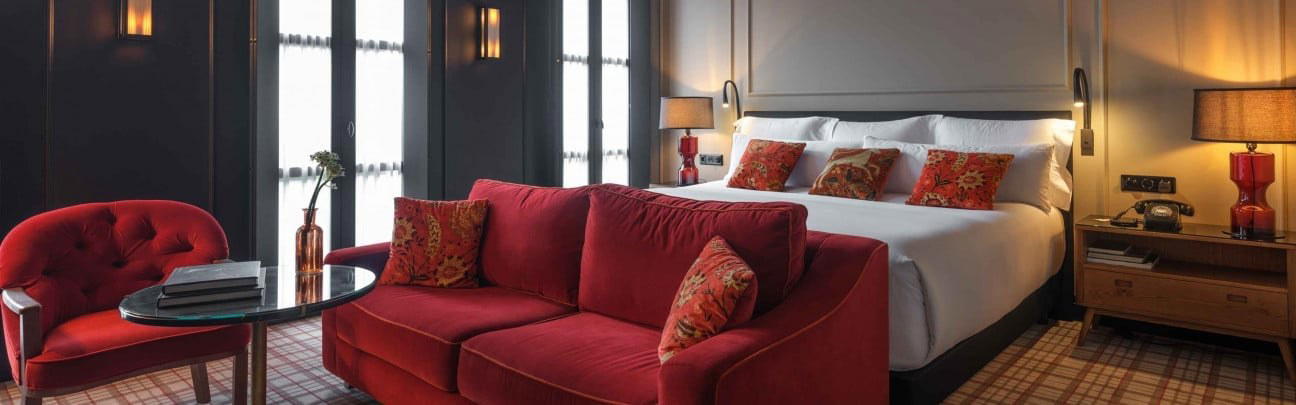
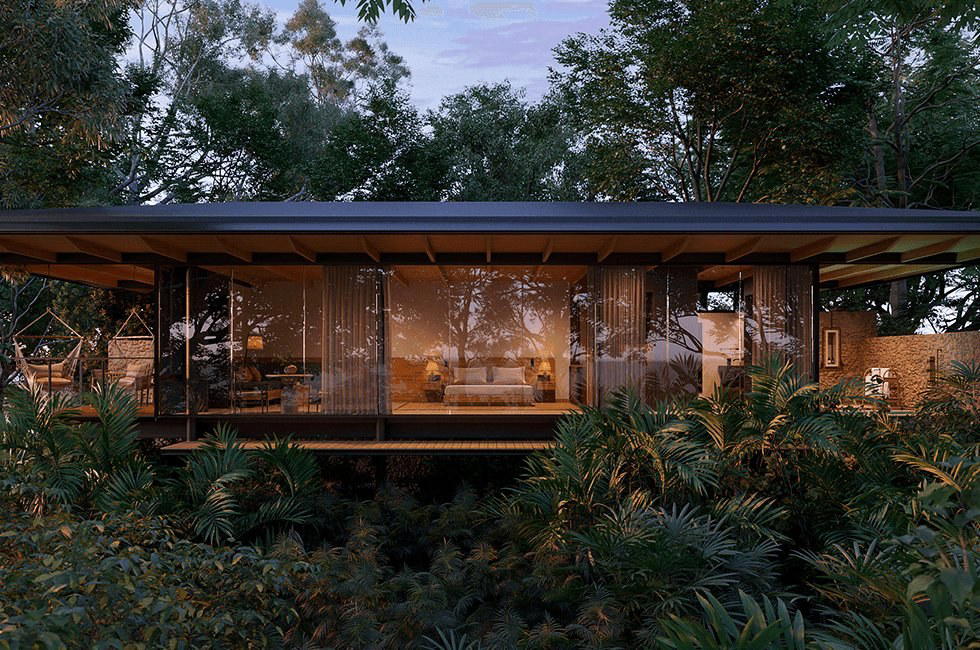
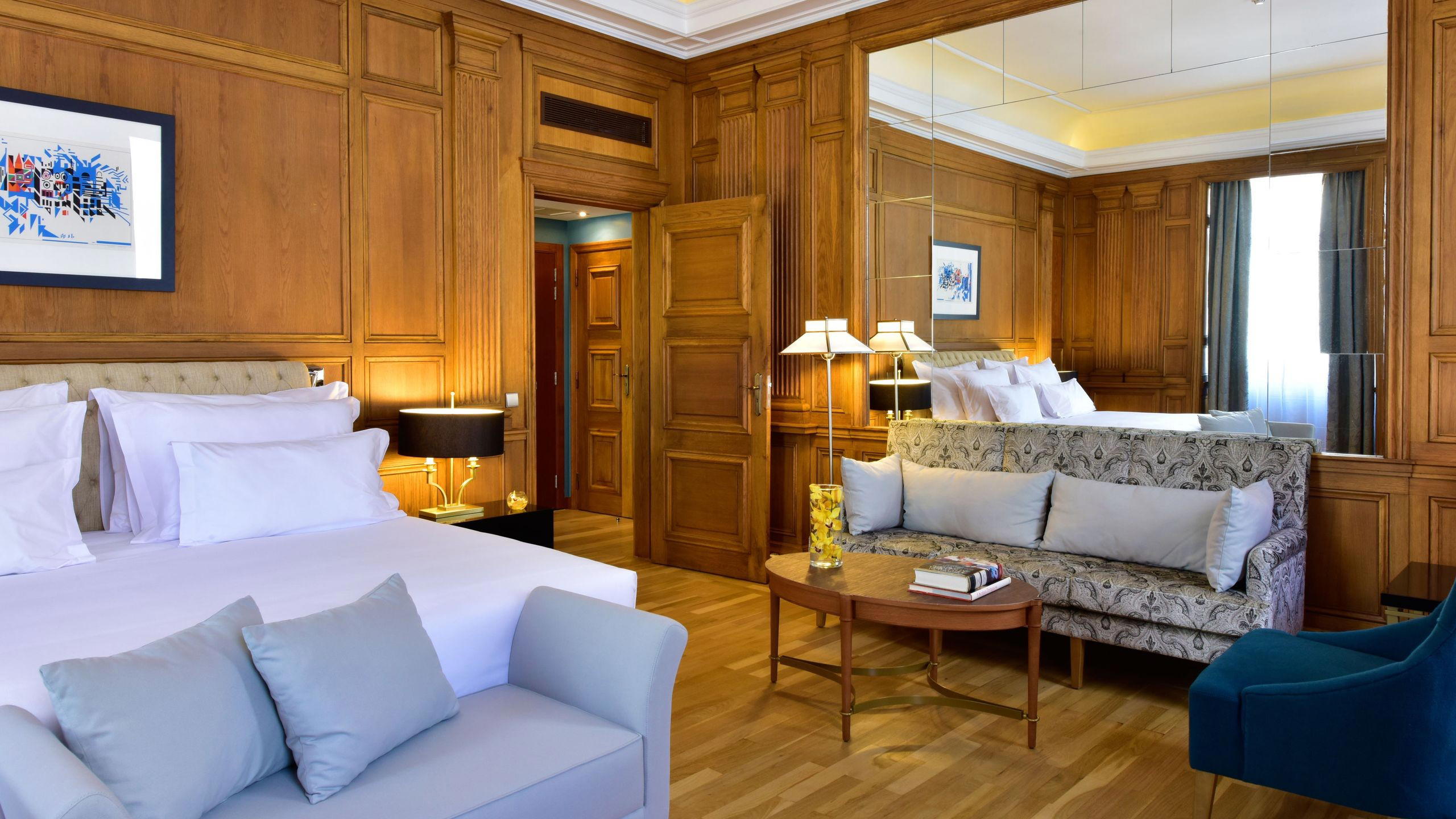
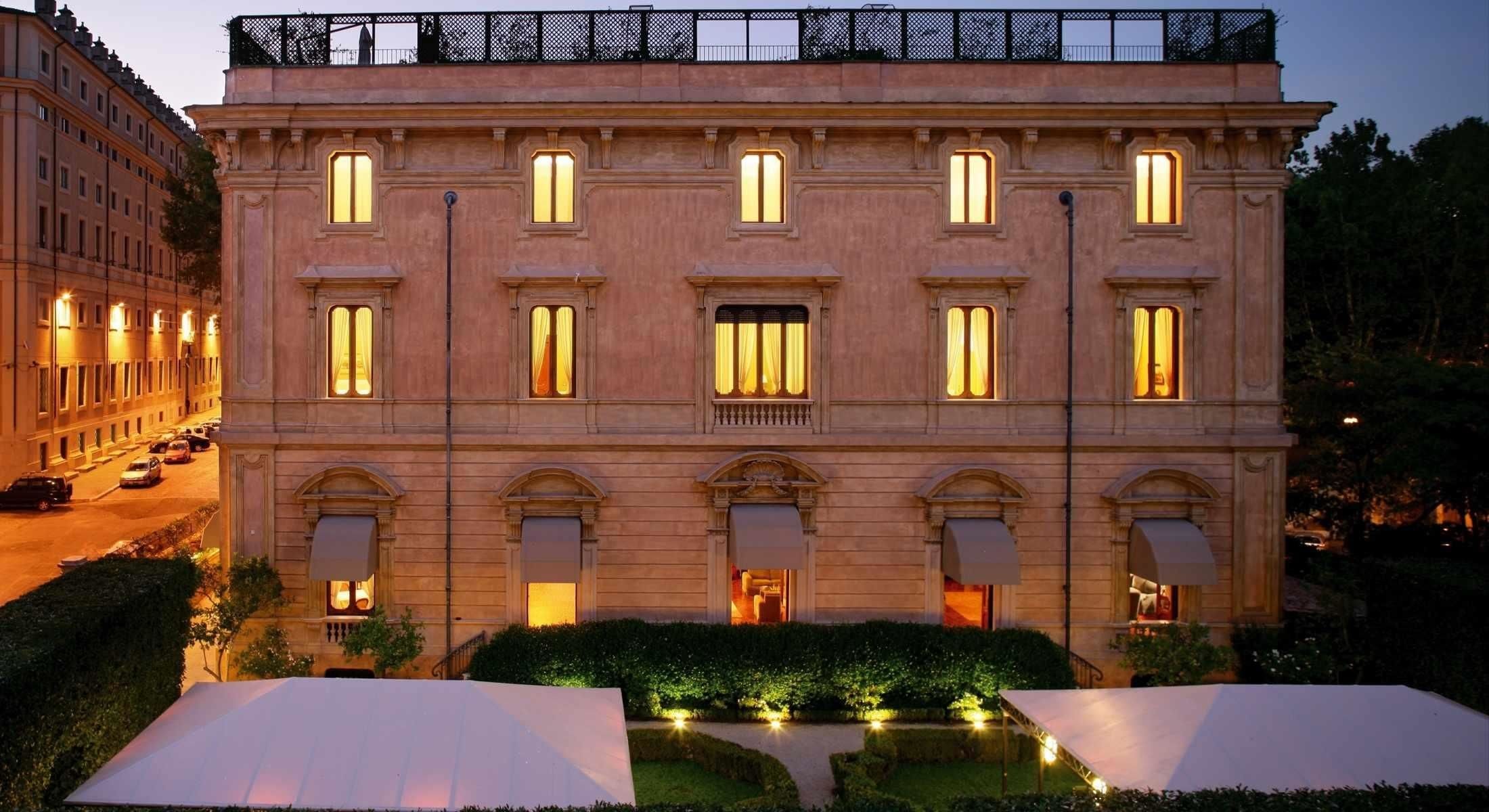
Kawana Hotel & Golf Course presents a practised, old‑world resort tone rooted in Japan’s prewar internationalism. Opened in 1936, the low‑slung, colonial‑inflected buildings read like a country estate perched on a clifftop above Sagami Bay; corridors and public rooms feel more like a private house than a modern property. Floor‑to‑ceiling ocean windows and upper terraces give the hotel a calm, panoramic presence—golf fairways and pine stands frame the views—while dining rooms and service cadences preserve the measured, formal rhythm of a long‑running resort tradition.
Best For
This is a destination for travellers seeking history, sea air and well‑crafted resort hospitality. Guests come for the clifftop ocean views and the two championship golf courses, and for nights in dining rooms that reflect the hotel’s international heritage and local Japanese traditions. The pairing of a European‑style main dining room and a separate Japanese programme makes the property well suited to couples on a romantic getaway, guests looking for a refined weekend escape, and anyone who values a classic, scenic resort environment.
Stay Tips
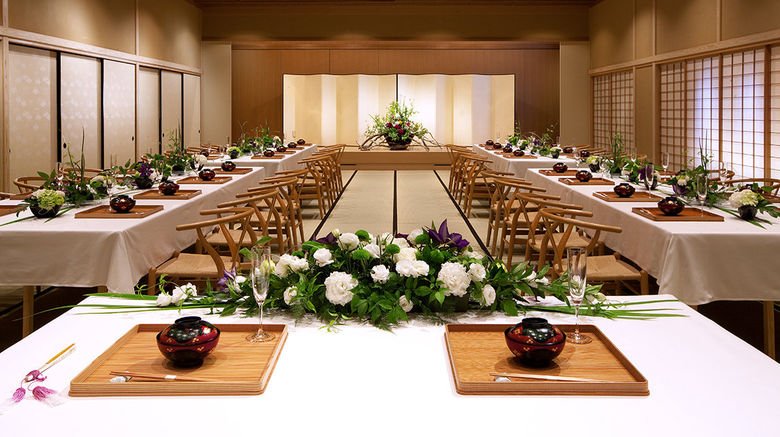
Treat dining here as part of the resort experience: the main European‑style dining room emphasizes table d’hôte service at white‑cloth settings, while the Japanese restaurant draws on Shizuoka’s larder. When reserving, request a table that faces the ocean—either in the room with floor‑to‑ceiling windows or on the upper terraces—to make the view integral to the meal. Expect formal service rhythms rather than flashy trends; opt for the set menus that reflect the hotel’s longstanding culinary programmes to understand its culinary identity.
Venue details
Ambiance
Serene and elegant atmosphere with natural light from panoramic sea views, historic art deco interiors, and relaxing hot spring baths.
Tags
Vibe
Best For
Experience
Amenities
View
Accessibility
About the Stay
- Rooms
- 109
- Property Style
- Historic Oceanfront Resort Blending Imperial Art Deco with Modern Comforts and Natural Hot Springs.
- Design Style
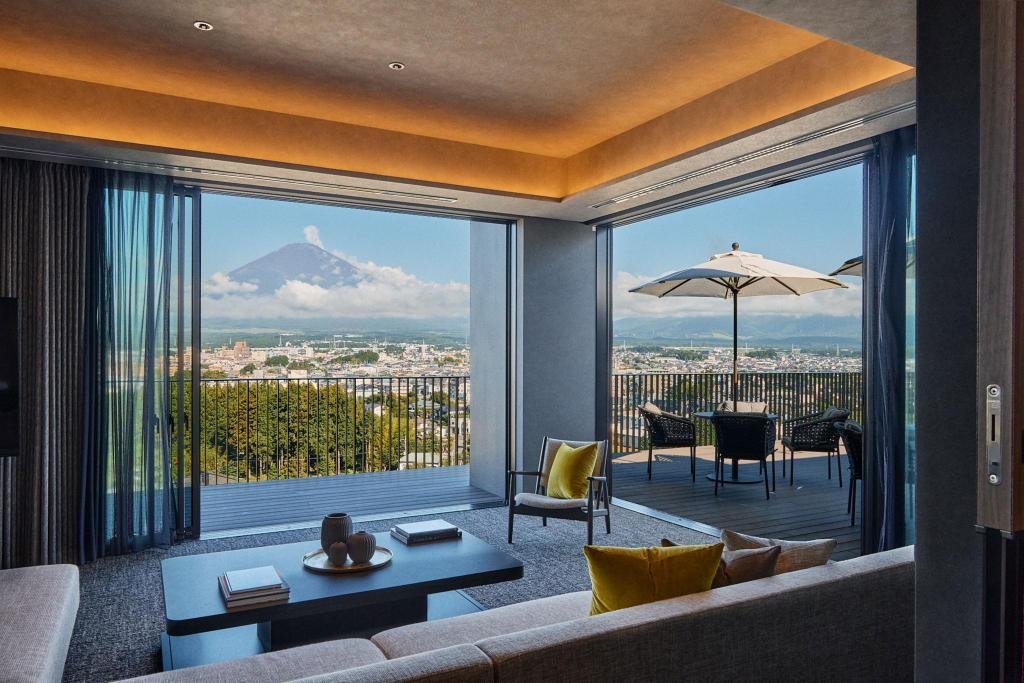
- Classic Elegant with Spacious Layouts, Sea Views, and Traditional Japanese Elements.
Know before you go
Know Before You Go
- Getting there
- 1459 Kawana, Itō, Shizuoka 414-0044
Planning details
Location
Recognition and awards

Also consider
Also Consider
- Pearl Star Hotel Atami, Notable alternative
- Atami Izusan Karaku, Notable alternative
- Asaba, Notable alternative
- Ochiairo, Notable alternative
- Arcana Izu, Notable alternative
Hotel context
How It Compares
Compared with Pearl Star Hotel Atami and Atami Izusan Karaku, Kawana Hotel & Golf Course is the quieter, more golf-led choice. The Atami hotels make more sense for travelers who want a polished coastal resort base with easier access to Atami's onsen-hotel circuit. Kawana is better for guests who value space and a slower mood over a busier hotel setting.
Against Asaba and Ochiairo, the trade-off is format. Asaba and Ochiairo are stronger picks for a ryokan-centered stay where meals, baths, and traditional pacing define the trip. Kawana is more suitable when golf, coastal quiet, and a less scripted schedule matter more.
Arcana Izu is the better cross-shop for travelers who want an intimate nature retreat. Kawana has the broader resort feel and easier booking profile, while Arcana Izu is the sharper choice for a smaller-scale escape. If this hotel is unavailable, Pearl Star Hotel Atami is the practical coastal alternative; if the goal is a traditional Izu stay, move first to Asaba or Ochiairo.
Around this place
Discover more on Pearl
Unlock the full Kawana Hotel & Golf Course guide in Pearl, including awards, comparisons, FAQs, planning details, and nearby places.
Compare Kawana Hotel & Golf Course
| Venue | Location | Awards |
|---|---|---|
| Kawana Hotel & Golf Course | Shizuoka | Small Luxury Hotels Member 2025 |
| Pearl Star Hotel Atami | Atami | No published awards |
| Atami Izusan Karaku | Atami | 2025 Michelin 1 Key2024 Michelin 1 Key |
| Asaba | Izu | 2026 Relais Chateaux Hotels2026 La Liste Top HotelsTatler Best Hotels Asia-Pacific 20252025 Michelin 3 Keys2025 Relais Chateaux Award2024 Michelin 2 Keys |
| Ochiairo | Izu | 2025 Michelin 1 Key2024 Michelin 1 Key |
| Arcana Izu | Izu | 2025 Michelin 1 Key2024 Michelin 1 Key |






How Kawana Hotel & Golf Course compares with similar nearby venues.
FAQ
Frequently Asked Questions
How is the location of Kawana Hotel & Golf Course?
Kawana Hotel & Golf Course is in Shizuoka. For a street address or more specific location details, contact the venue directly.
How does Kawana Hotel & Golf Course compare to other premium stays?
Compare it with Arcana Izu, Asaba, Atami Izusan Karaku, Ochiairo, and Pearl Star Hotel Atami if you are building a premium stay shortlist. Confirm current facilities, dining, and room details directly before deciding.