
Wildflower Hall, Shimla in the Himalayas
Mashobra, Shimla
Hotel in Shimla, India
 Book with Pearl
The Read
Colonial-Era Ridge Retreat
Why go
Against Shimla's more heritage-led stays, Wildflower Hall, Shimla in the Himalayas is the stronger choice when the mountain setting matters more than town access. Book it for a quiet resort-paced trip with Himalayan atmosphere; cross-shop Chapslee for heritage character and Amaya for a smaller design retreat.
About Wildflower Hall, Shimla in the Himalayas
Wildflower Hall, Shimla in the Himalayas is a Shimla venue with limited public detail in this guide. The confirmed points to note are its smart casual dress code and its Conde Nast Best Resorts #14 recognition in 2025.
Because the record here is deliberately narrow, treat this page as a concise planning note rather than a full service, dining, or facilities review. Specific claims about menus, prices, room types, views, amenities, transport time, or on-property activities should be checked directly before booking.
Book it for Shimla with confirmed recognition
The clearest grounded reason to consider Wildflower Hall, Shimla in the Himalayas is that it is a Shimla option with confirmed Conde Nast Best Resorts #14 recognition in 2025. If that recognition matters to your planning, it is a useful marker; if your decision depends on specific facilities, dining, or service details, confirm those directly with the venue.
For comparison, Chapslee and Amaya are other names travelers may weigh, but this guide does not verify detailed differences in setting, format, price, or amenities between them. Use those comparisons as starting points, not as substitutes for current venue information.
The right guest is one who can verify the details that matter
This is best approached by travelers who already know they want to be in Shimla and are comfortable confirming practical details before committing. The dress code is smart casual, but this guide does not verify dining format, allergy accommodations, family facilities, business amenities, or transport logistics.
For readers planning wider research, the useful move is to pair this page with our full Shimla hotels guide, then check current information directly with Wildflower Hall, Shimla in the Himalayas before making decisions based on dining, drinks, or on-property services.
The verdict: consider Wildflower Hall, Shimla in the Himalayas if Shimla and its confirmed 2025 Conde Nast Best Resorts #14 recognition are relevant to your plans. Do not rely on assumptions about facilities, menus, prices, or access; confirm those details before booking.
Part of
Oberoi17 locations on PearlPlanning details
- Location
- Charabra, Shimla, Himachal Pradesh 171012
- Website
- oberoihotels.com/hotels-in-shimla-wfh
- Phone
- +91 177 264 8585
The take
The Take
The Vibe
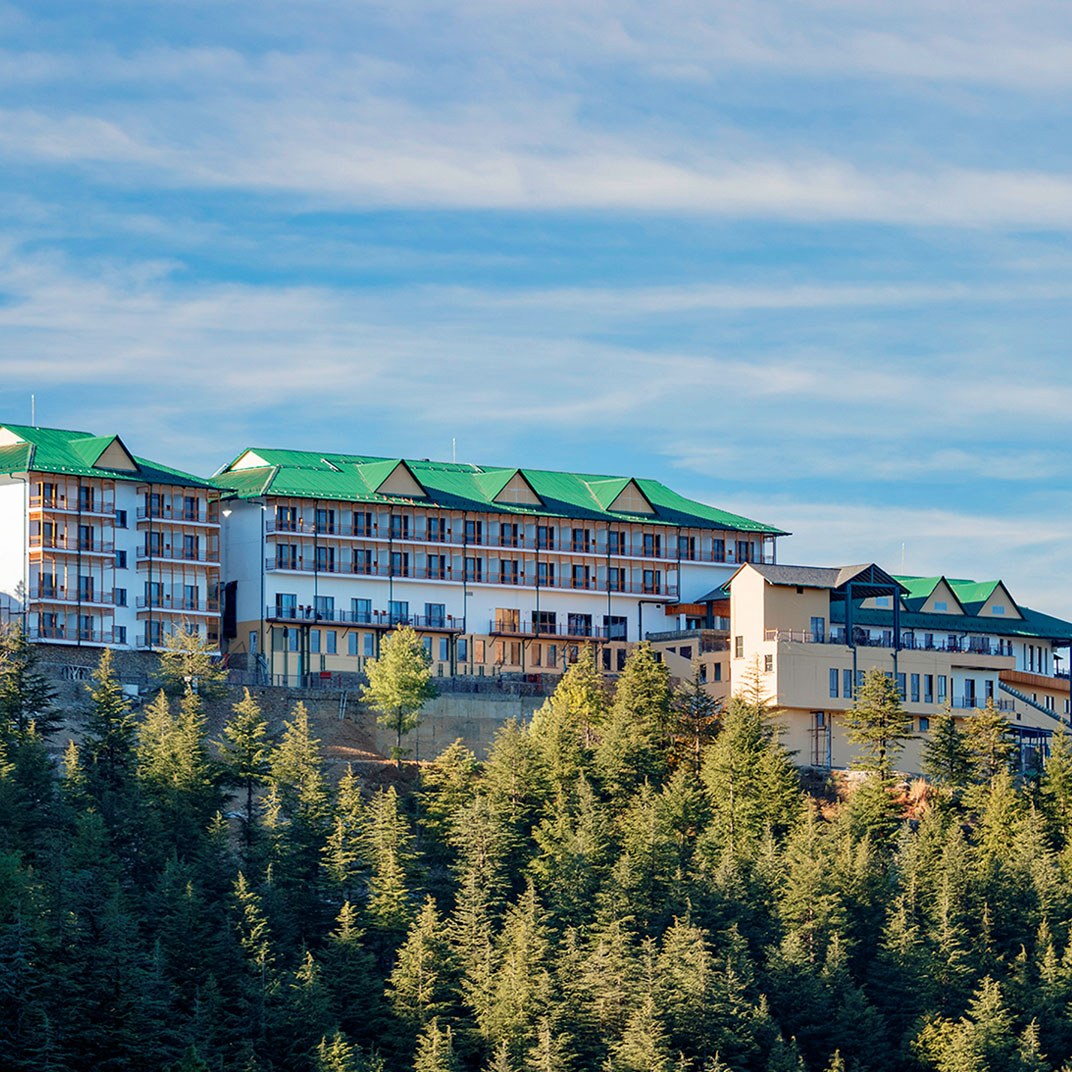
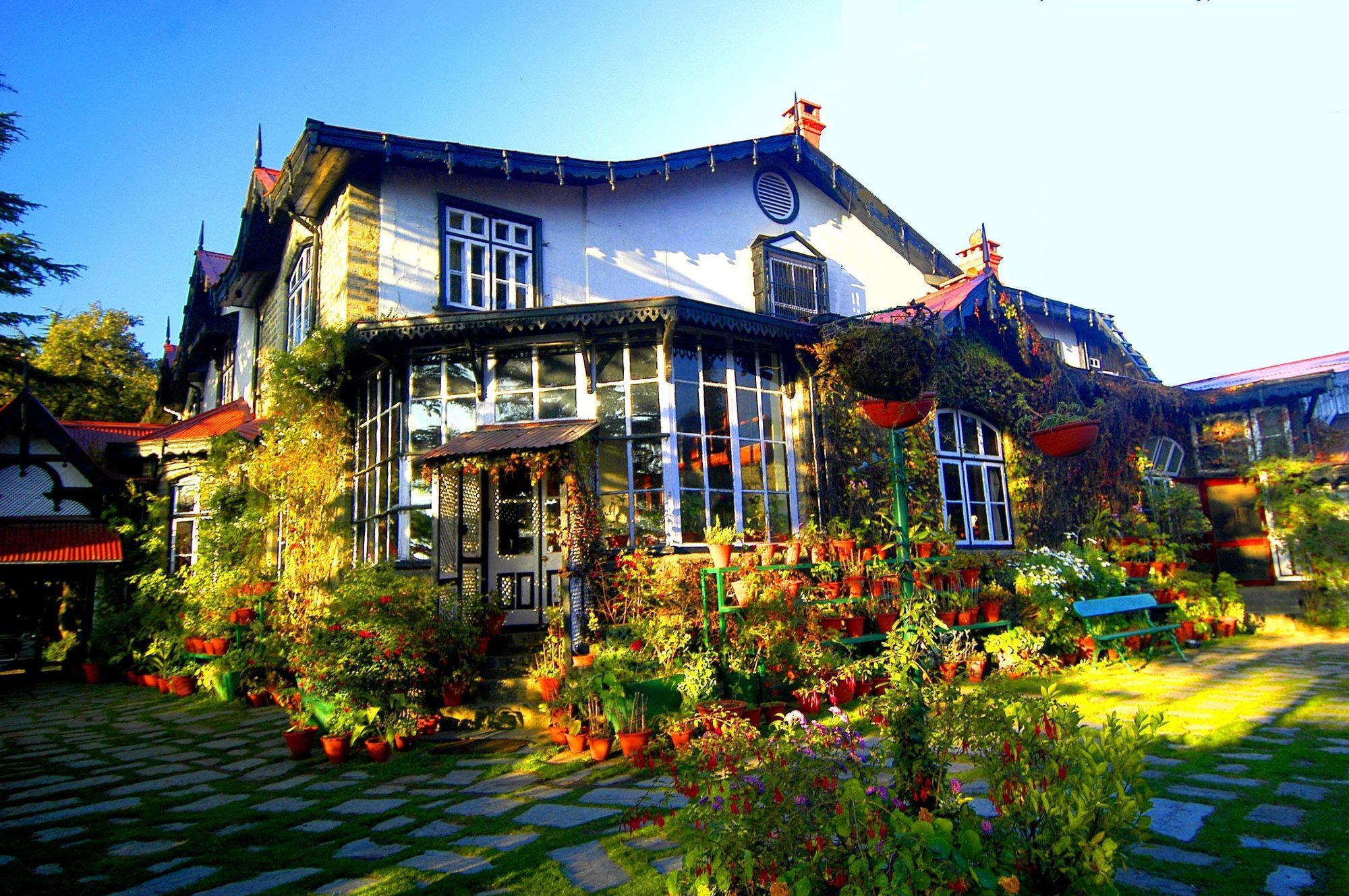
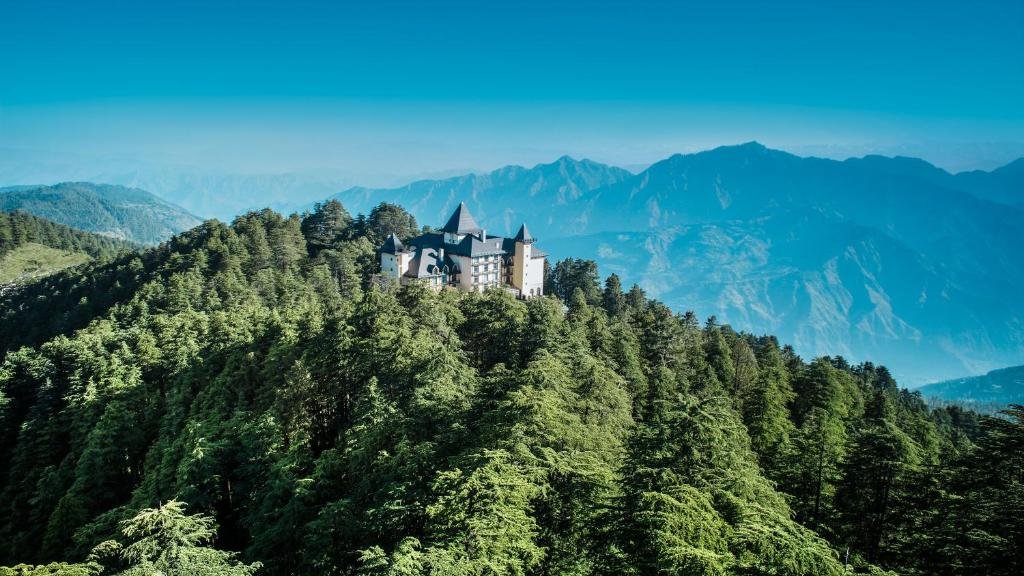
Wildflower Hall reads like a heritage mountain retreat: a converted colonial estate set into cedar forest at roughly 8,250 feet above Shimla. The writing emphasizes stillness and altitude — the approach "thins the air and quiets everything below" — so the property feels less like a bustling hotel and more like a governed wilderness. Colonial-era architecture and the provenance of Lord Kitchener lend a historic, classic character, while the focus on coherence between setting, culinary programme and building fabric gives the place a composed, serene presence that foregrounds the Himalayas rather than urban Shimla.
Best For
The description positions Wildflower Hall as a luxury mountain escape best suited to travellers seeking peace and a heritage setting: honeymooners and couples on romantic getaways, guests celebrating anniversaries, and visitors pursuing wellness or restorative time away from town. Its altitude and cedar-forest seclusion make it appealing for anyone after a quiet, high-altitude retreat that prioritises setting and a coherent culinary programme over Shimla’s Mall Road bustle. The property reads as a deliberate choice for special, restful stays rather than busy urban itineraries.
Venue details
Ambiance
Serene and elegant colonial atmosphere with tranquil cedar forest surroundings, impeccable cleanliness, and relaxing spa and pool areas.
Tags
Vibe
Best For
Experience
Amenities
View
Accessibility
About the Stay
- Rooms
- 85
- Check-in
- 15:00
- Check-out
- 11:00
- Property Style
- Colonial Heritage Luxury Resort
- Design Style
- Teak Floors with Hand Knotted Rugs and Rich Traditional Furnishings
Know before you go
Know Before You Go
- Getting there
- Charabra, Shimla, Himachal Pradesh 171012
Planning details
Location
Charabra, Shimla, Himachal Pradesh 171012 · Directions
Recognition and awards

Also consider
Also Consider
- Chapslee, Notable alternative
- Amaya, Notable alternative
- The Oberoi Sukhvilas Spa Resort, New Chandigarh, Notable alternative
- The Claridges Nabha Residence Mussoorie, Notable alternative
- Six Senses Vana, Notable alternative
Hotel context
How it compares in and around Shimla
Wildflower Hall, Shimla in the Himalayas is the splurge-leaning resort choice for travelers who want the stay to revolve around mountain atmosphere. Its Conde Nast Best Resorts #14 (2025) recognition gives it a clearer luxury signal than Chapslee, but Chapslee is the better call if the priority is heritage character and a Shimla-town feel rather than a retreat outside the main flow.
Amaya is the sharper cross-shop for a quieter design-led Himachal escape. Pick Amaya if a smaller, more contemporary stay sounds better than a classic resort atmosphere. Pick Wildflower Hall if the brief is a polished Himalayan resort with an easier booking profile and a stronger awards signal.
For a broader North India wellness or resort circuit, The Oberoi Sukhvilas Spa Resort, New Chandigarh, The Claridges Nabha Residence Mussoorie, and Six Senses Vana pull the trip away from Shimla itself. They make sense when the destination can shift; Wildflower Hall is the more direct answer when the traveler specifically wants Shimla with a resort buffer.
Explore Shimla
Around this place
Discover more on Pearl
Unlock the full Wildflower Hall, Shimla in the Himalayas guide in Pearl, including awards, comparisons, FAQs, planning details, and nearby places.
Compare Wildflower Hall, Shimla in the Himalayas
| Venue | Location | Awards |
|---|---|---|
| Wildflower Hall, Shimla in the Himalayas | Shimla | 2025 Conde Nast Best Resorts · #14 |
| Chapslee | Shimla | No published awards |
| Amaya | Solan | Small Luxury Hotels Member 2025 |
| The Oberoi Sukhvilas Spa Resort, New Chandigarh | New Chandigarh | 2026 La Liste Top Hotels |
| The Claridges Nabha Residence Mussoorie | Mussoorie | Preferred Hotels Member 2025 |
| Six Senses Vana | Dehradun | 2026 Forbes Recommended2026 Mr & Mrs Smith Luxury Hotels2026 Robb Report The 50 Greatest Luxury Hotels on EarthWorld Travel Awards 20252025 Michelin 1 Key |







How Wildflower Hall Shimla compares with similar nearby venues.
FAQ
Frequently Asked Questions
What is check-in like at Wildflower Hall, Shimla in the Himalayas?
This guide does not verify the check-in process. Confirm arrival timing, required documents, and any transfer details directly with Wildflower Hall, Shimla in the Himalayas before travel.
When is the best time to book Wildflower Hall, Shimla in the Himalayas?
This guide does not verify booking difficulty, seasonal demand, or ideal travel months. The confirmed recognition is Conde Nast Best Resorts #14 (2025), so travelers who care about availability should check current dates directly with the venue.
How is the dining at Wildflower Hall, Shimla in the Himalayas?
The detail available here is the smart casual dress code. This guide does not verify cuisine, menus, prices, service format, dietary accommodations, or meal periods, so confirm dining details directly before booking around a meal.
Do loyalty programs work at Wildflower Hall, Shimla in the Himalayas?
This guide does not verify loyalty-program participation, points earning, redemption, or elite benefits. Check directly with the venue or the relevant booking channel before relying on loyalty benefits.
How does Wildflower Hall, Shimla in the Himalayas compare to other venues?
Wildflower Hall, Shimla in the Himalayas is a Shimla option with confirmed Conde Nast Best Resorts #14 recognition in 2025. Chapslee is another name travelers may compare, while The Claridges Nabha Residence Mussoorie is a separate option in Mussoorie; confirm current details for each before deciding.
Is Wildflower Hall, Shimla in the Himalayas good for business travel?
This guide does not verify business facilities, meeting spaces, connectivity, or transport logistics. Business travelers should confirm practical requirements directly with Wildflower Hall, Shimla in the Himalayas.