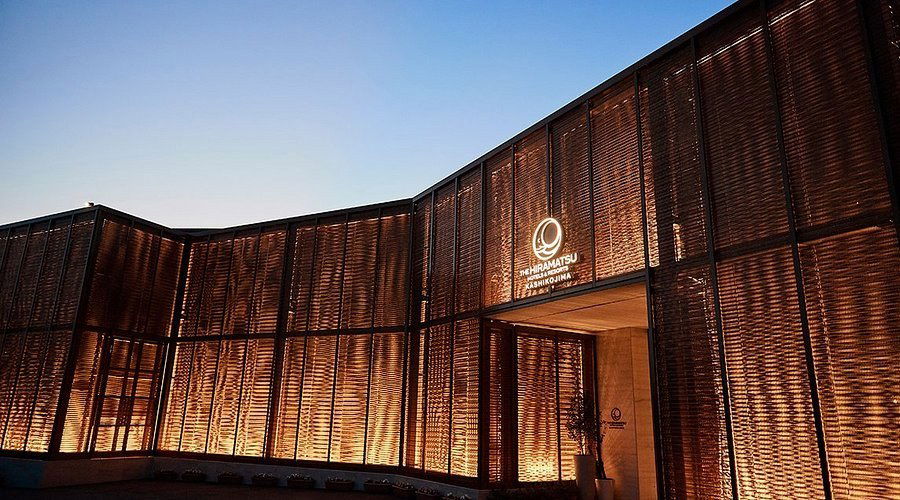

The Hiramatsu Hotels & Resorts Kashikojima
Kashikojima, Shima
Hotel in Shima, Japan
 Book with Pearl
The Read
Western Ryokan, Ago Bay
Why go
The Hiramatsu Hotels & Resorts Kashikojima is a strong fit for travelers who want a quieter Kashikojima stay with Michelin 1 Key recognition rather than a large resort checklist. Choose it for calm, credibility, and a slower Shima base; compare carefully if pool, spa, loyalty benefits, or detailed room-category planning will drive the decision.
About The Hiramatsu Hotels & Resorts Kashikojima
In Shima, The Hiramatsu Hotels & Resorts Kashikojima is worth considering for travelers who want a hotel with a Michelin 1 Key in 2025. Beyond that recognition and a smart-casual dress code, details are limited, so it is best approached as a property to confirm directly before booking rather than one to choose based on assumptions about rooms, dining, wellness facilities, or service format.
The strongest grounded reason to keep it on the shortlist is trust: Michelin awarded the property 1 Key in 2025. That recognition is a useful signal, but it does not by itself confirm whether the hotel is the right fit for every trip. Travelers comparing stays in the region should use the Michelin Key as one data point and then verify the practical details that matter most to them before committing.
Choose it for confirmed recognition, not for checklist resort planning
The case for The Hiramatsu Hotels & Resorts Kashikojima is direct: it is in Shima, it has Michelin 1 Key recognition for 2025, and the dress code is smart casual. Those facts may be enough for travelers who value a recognized hotel and are comfortable confirming the finer points directly.
Caution is practical. Specific claims about price, room categories, dining format, wellness facilities, or other amenities should not be assumed. If a particular facility, room layout, or meal arrangement is central to the trip, confirm it with the hotel before choosing it over another option.
Who should put it ahead of other regional options
Pick The Hiramatsu Hotels & Resorts Kashikojima if the Michelin 1 Key recognition and Shima location are enough to make it a serious candidate for your stay. Look elsewhere, or ask more questions before booking, if you need detailed public confirmation of amenities, room types, dining format, or booking benefits.
For a Shima trip, treat this as a deliberate hotel choice rather than a default booking. Travelers comparing it with other premium stays may also look at Amanemu, Gamagori Classic Hotel, Oyado The Earth, or Shima Kanko Hotel The Bay Suites, while keeping the comparison focused on details each property clearly confirms.
Planning details
- Location
- 3618-52 Agochō Ugata, Shima, Mie 517-0501
- Website
- hiramatsuhotels.com/kashikojima
- Phone
- +81 599-65-7001
The take
The Take
The Vibe
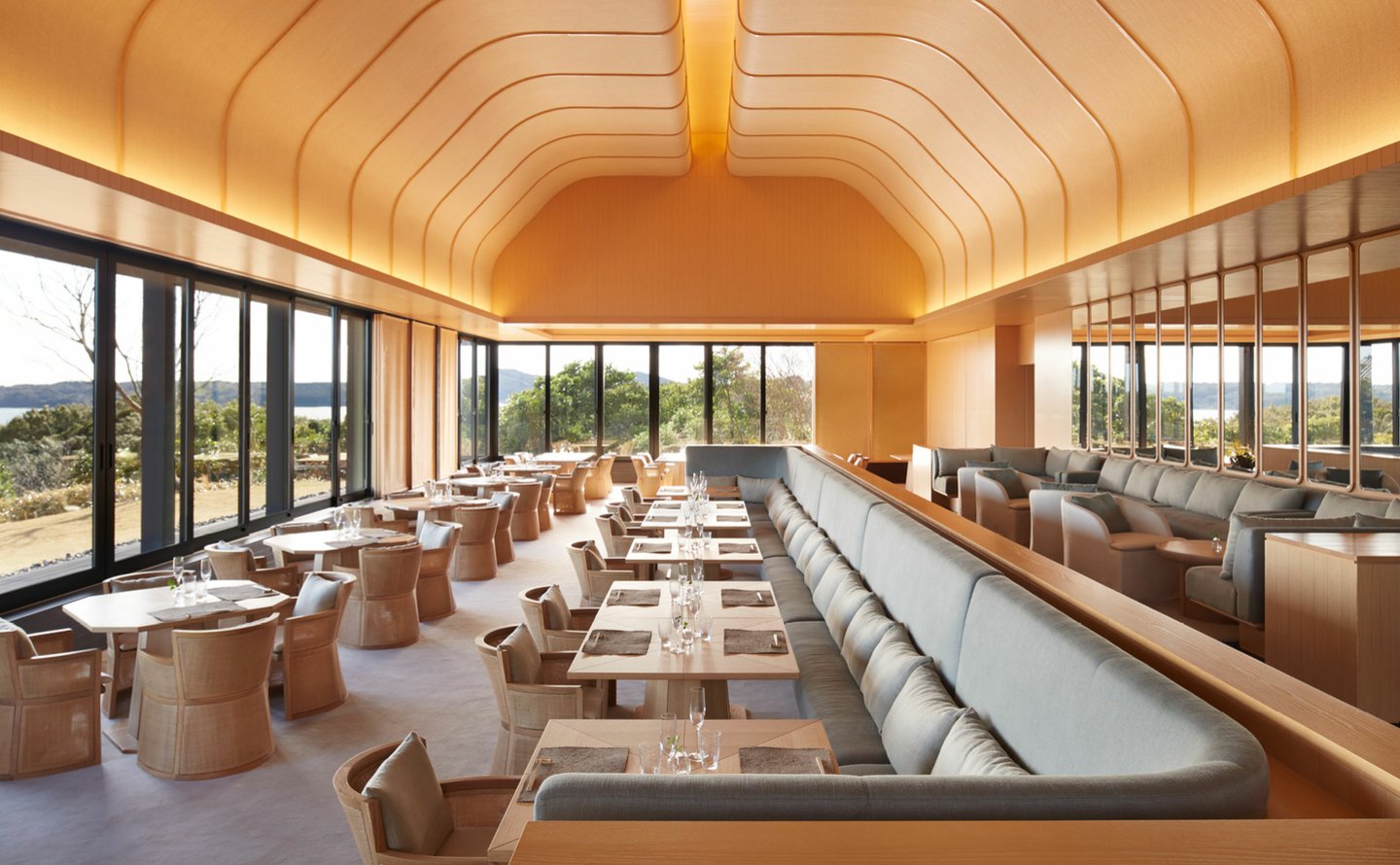
The Hiramatsu Kashikojima operates like a quiet, thoughtfully composed picture frame around Ago Bay. Design choices intentionally recede so the shifting tidal light, pearl-farm silhouettes and winding coastline become the starring elements from rooms and corridors alike. The property's eight-room scale cultivates a private-house intimacy and a gentle tempo: service is attentive but unobtrusive, and communal spaces feel calibrated for contemplation rather than spectacle. The 'western ryokan' approach borrows contemporary visual language while preserving a traditional hospitality ethic, resulting in a serene, charming retreat where the landscape sets the mood and the architecture simply supports it.
Best For
This is a property built for low-key, meaningful stays: honeymoons, romantic getaways, anniversaries and wellness-minded retreats are all well served here. The limited room count creates a staff-to-guest ratio that reads like private hospitality, making it suitable for couples or small parties seeking privacy and personalized attention. The continuous relationship to the bay—present from virtually every vantage—also favors travelers who prioritize scenic immersion over urban bustle. For guests after a quiet, restorative interlude and exceptional service, this hotel fits the bill.
Stay Tips
Because the hotel comprises only eight rooms and emphasizes an intimate, individualized experience, plan ahead and book well in advance; availability will be limited. Expect an unhurried pace on property—arrive ready to lean into the slow tempo and the visual focus on Ago Bay. The Michelin 1 Key designation signals a high level of hospitality, so allow time to appreciate service rhythms rather than rushing activities. If you want a genuinely restful stay, consider multiple nights to absorb the changing light and tides that the property is designed to showcase.
Venue details
Ambiance
Calm and restful with warm wood interiors, soft natural light from floor-to-ceiling windows framing Ago Bay views, and a serene, sacred atmosphere enhanced by contemporary art and Japanese paintings.
Tags
Vibe
Best For
Experience
Amenities
View
Accessibility
About the Stay
- Rooms
- 8
- Check-in
- 15:00
- Check-out
- 11:00
- Property Style
- European Ryokan with Simple Modern Decor Reflecting Sacred Natural Location
- Design Style
- Maritime Theme with Wood Elements, Japanese Paintings by Kaii Higashiyama, and Contemporary Art
Know before you go
Know Before You Go
- Getting there
- 3618-52 Agochō Ugata, Shima, Mie 517-0501
Planning details
Location
3618-52 Agochō Ugata, Shima, Mie 517-0501 · Directions
Recognition and awards
Also consider
Also Consider
- Shima Kanko Hotel The Bay Suites, Notable alternative
- Amanemu, Notable alternative
- Amanemu, Notable alternative
- Oyado The Earth, Notable alternative
- Gamagori Classic Hotel, Notable alternative
Hotel context
How it compares in Shima
Against Shima Kanko Hotel The Bay Suites, The Hiramatsu Hotels & Resorts Kashikojima reads as the quieter, more boutique-leaning choice. The Bay Suites is the safer comparison for travelers who want a more established hotel feel in the area; Hiramatsu is the better fit when the stay is meant to feel more contained and less programmatic.
Amanemu is the more obvious cross-shop for travelers prioritizing a resort mood and wellness-led planning. Choose Amanemu if the spa and full resort framing are central to the trip. Choose Hiramatsu if Michelin Key recognition and a calmer Kashikojima base matter more than a highly visible amenity package.
Oyado The Earth and Gamagori Classic Hotel are less direct Shima comparisons, but useful if the decision is really about atmosphere. Oyado The Earth is the better foil for a more secluded coastal stay, while Gamagori Classic Hotel suits travelers looking beyond Shima for a heritage-style hotel. If the trip is centered on Kashikojima, Hiramatsu remains the more focused choice.
Explore Shima
Around this place
Discover more on Pearl
Unlock the full The Hiramatsu Hotels & Resorts Kashikojima guide in Pearl, including awards, comparisons, FAQs, planning details, and nearby places.
Compare The Hiramatsu Hotels & Resorts Kashikojima
| Venue | Location | Awards |
|---|---|---|
| The Hiramatsu Hotels & Resorts Kashikojima | Shima | Michelin 1 Key 20252025 Michelin 1 Key2024 Michelin 1 Key |
| Shima Kanko Hotel The Bay Suites | Ise-Shima | 2025 Michelin Selected HotelsSmall Luxury Hotels Member 2025 |
| Amanemu | Mie | 2026 Virtuoso Luxury Hotel Collection2026 Mr & Mrs Smith Luxury Hotels2026 La Liste Top HotelsMichelin 3 Keys 20252025 Michelin 3 Keys2024 Michelin 3 KeysAman Hotels |
| Amanemu | Shima | 2026 Virtuoso Luxury Hotel Collection2026 Mr & Mrs Smith Luxury Hotels2026 La Liste Top HotelsMichelin 3 Keys 20252025 Michelin 3 Keys2024 Michelin 3 KeysAman Hotels |
| Oyado The Earth | Toba-shi | World Luxury Hotel Awards 2025Michelin 1 Key 20252025 Michelin 1 Key2024 Michelin 1 Key |
| Gamagori Classic Hotel | Gamagori | No published awards |







How The Hiramatsu Hotels & Resorts Kashikojima compares with similar nearby venues.
FAQ
Frequently Asked Questions
What is check-in like at The Hiramatsu Hotels & Resorts Kashikojima?
The property is in Shima and holds Michelin 1 Key recognition for 2025, so guests should confirm arrival details directly before booking.
Which room category is best at The Hiramatsu Hotels & Resorts Kashikojima?
Choose only after checking the hotel's current room descriptions, availability, and any view or layout details that matter for your stay.
How is the pool and spa at The Hiramatsu Hotels & Resorts Kashikojima?
Do loyalty programs work at The Hiramatsu Hotels & Resorts Kashikojima?
If those factors affect your decision, confirm the booking channel and benefit terms before reserving.
When is the best time to book The Hiramatsu Hotels & Resorts Kashikojima?
If your dates are important, compare current availability with other options such as Shima Kanko Hotel The Bay Suites, Oyado The Earth, Amanemu, or Gamagori Classic Hotel, and confirm the hotel's latest terms before booking.
How is the dining at The Hiramatsu Hotels & Resorts Kashikojima?
The property's Michelin 1 Key recognition applies to the hotel, but meal-specific expectations should be confirmed directly before planning a dining-led stay.