

THE HIDEOUT LODGE AND GUEST RANCH
Shell
Hotel in Shell, United States
 Book with Pearl
The Read
High-Ratio Horsemanship Wilderness
Why go
THE HIDEOUT LODGE AND GUEST RANCH is worth considering if the trip is built around a Wyoming ranch stay rather than a standard hotel stop. The strongest case is its ranch-category recognition and easy booking signal; the weaker fit is business travel, loyalty-program chasing, or travelers who need a dense dining and nightlife base.
About THE HIDEOUT LODGE AND GUEST RANCH
THE HIDEOUT LODGE AND GUEST RANCH is a Shell option for travelers considering a lodge and guest-ranch stay rather than a conventional city-hotel stop. Focus on the venue name, its Shell location, its casual dress code, and its ranch recognition.
The clearest trust signal is recognition from Top 50 Ranches in 2026 and a USA Today Best Ranches placement at #8 in 2026. Those accolades make it a credible ranch-style option to compare with other named ranch properties.
Choose this for a ranch-oriented Shell stay
Case for THE HIDEOUT LODGE AND GUEST RANCH is strongest when the trip is centered on a guest-ranch setting in Shell. The dress code is casual, which fits the overall expectation of a relaxed stay rather than a formal hotel experience.
Timing matters more than room-shopping
For a ranch-style trip, timing should be considered in practical terms: confirm the current availability, seasonal expectations, and any stay requirements with the venue.
Quick reference: choose this for a casual Shell guest-ranch option with confirmed 2026 ranch recognition; compare carefully if the trip depends on specific amenities, dining details, or a conventional hotel setup.
Planning details
- Location
- 3170 County Rd 40 1/2, Shell, WY 82441
- Website
- thehideout.com
- Phone
- +1 307-765-2080
The take
The Take
The Vibe
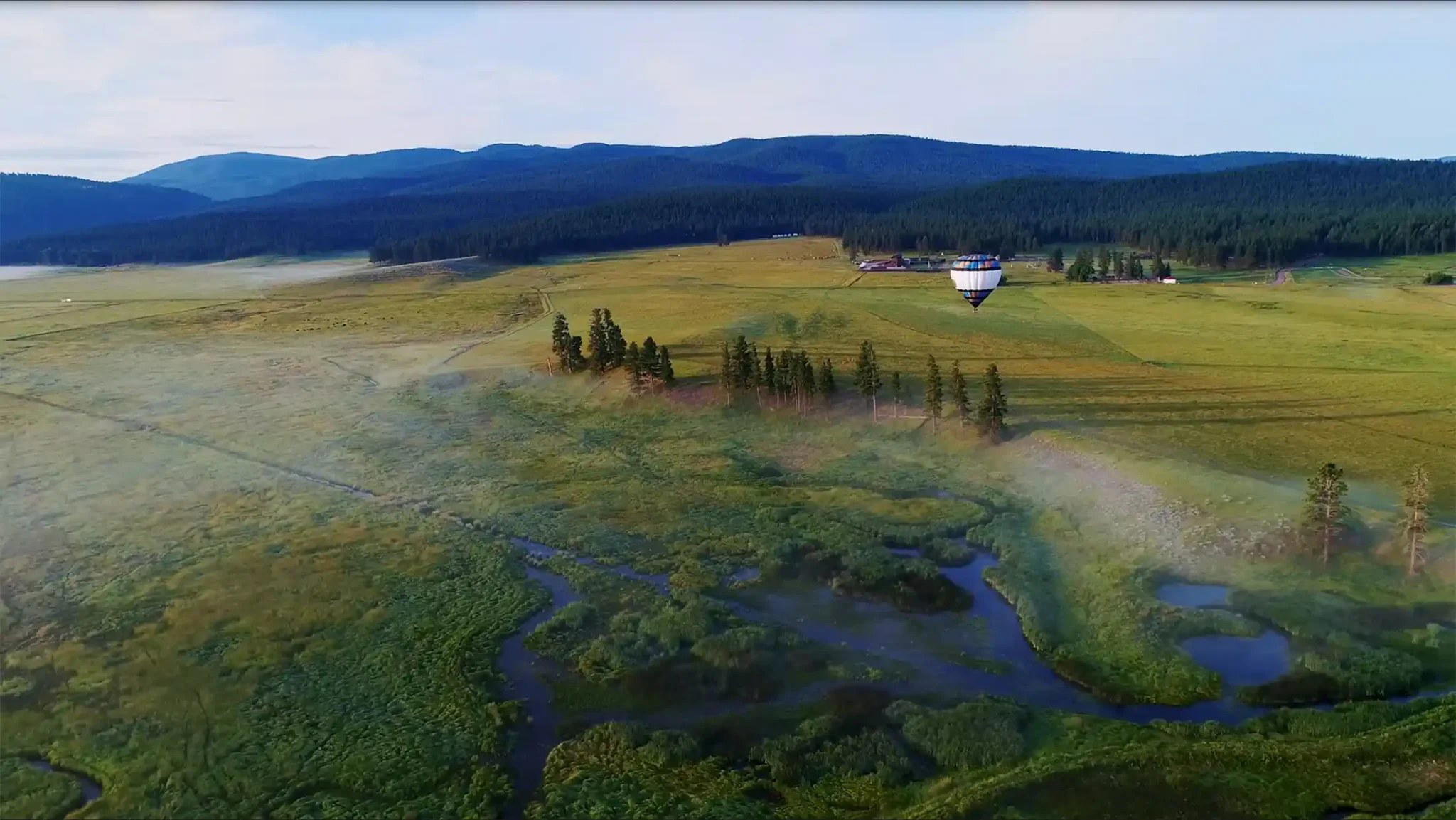
The Hideout Lodge and Guest Ranch leans into scale as its defining aesthetic. Rather than competing with the landscape, its buildings and programming are in service of the surrounding territory: small, deliberately framed structures punctuate vast acreage and preserve a sense of stillness. The ranch operates as an intimate, riding-first retreat where horsemanship shapes each week and the rhythm of days is set by the land rather than resort circulation. Remote foothills and minimal visitor traffic amplify quiet moments; the overall experience feels restrained, contemplative and firmly rooted in the Big Horn country.
Best For
This property is best for guests who prioritize immersive time on the land and a riding-focused itinerary. Capacity-controlled weeks attract small groups, families and retreats that want privacy and room to explore — the ranch limits stays to 25 guests and organizes weeks around horsemanship rather than a menu of competing activities. It also suits travelers seeking a low-traffic alternative to busier Western destinations: people who value solitude, landscape-scale riding and a purposeful, slow-paced getaway will find the Hideout’s model especially rewarding.
Stay Tips
Plan for week-based, capacity-limited stays: the ranch caps each weekly stay at 25 guests, so book early to secure the dates you want. Prioritize a riding-centered week if horsemanship is your goal — the program treats riding as the organizing logic of each stay rather than an occasional activity. Expect an experience defined by access to broad country rather than resort-style amenities (the copy notes an absence of resort corridors and valet). Reserve well in advance and select a full-week slot to get the intended scope of territory and riding variety.
Venue details
Ambiance
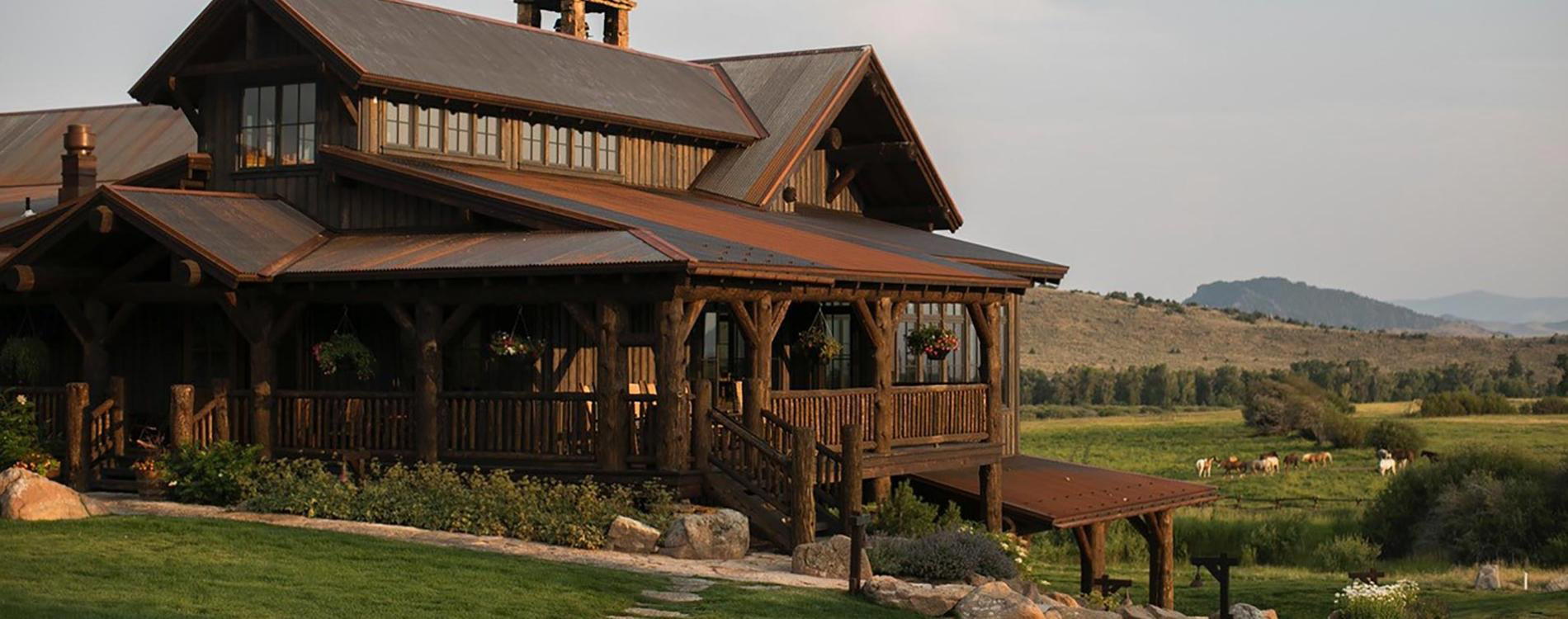
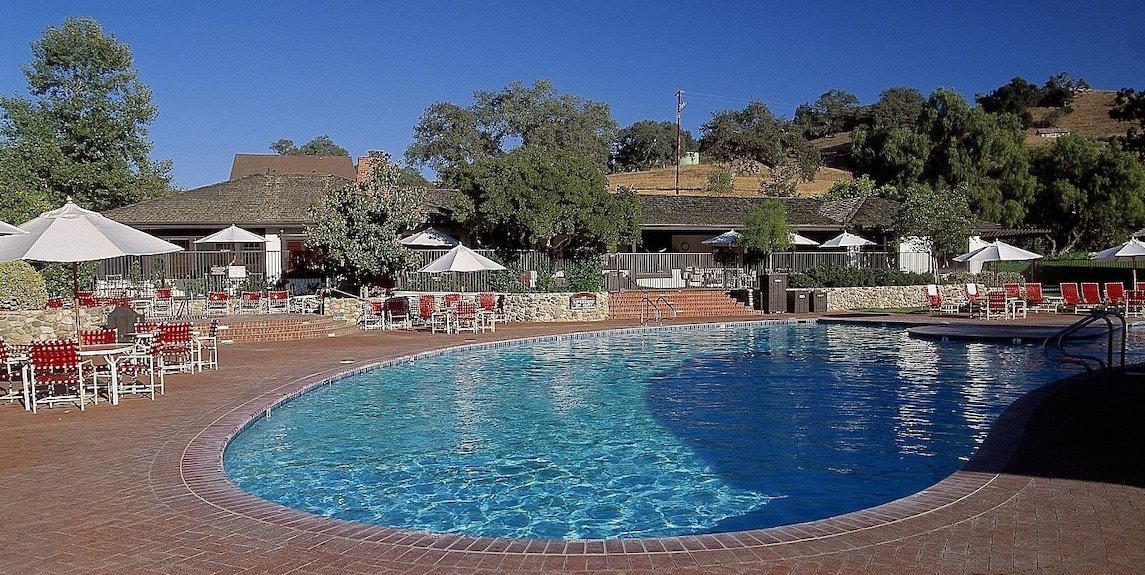
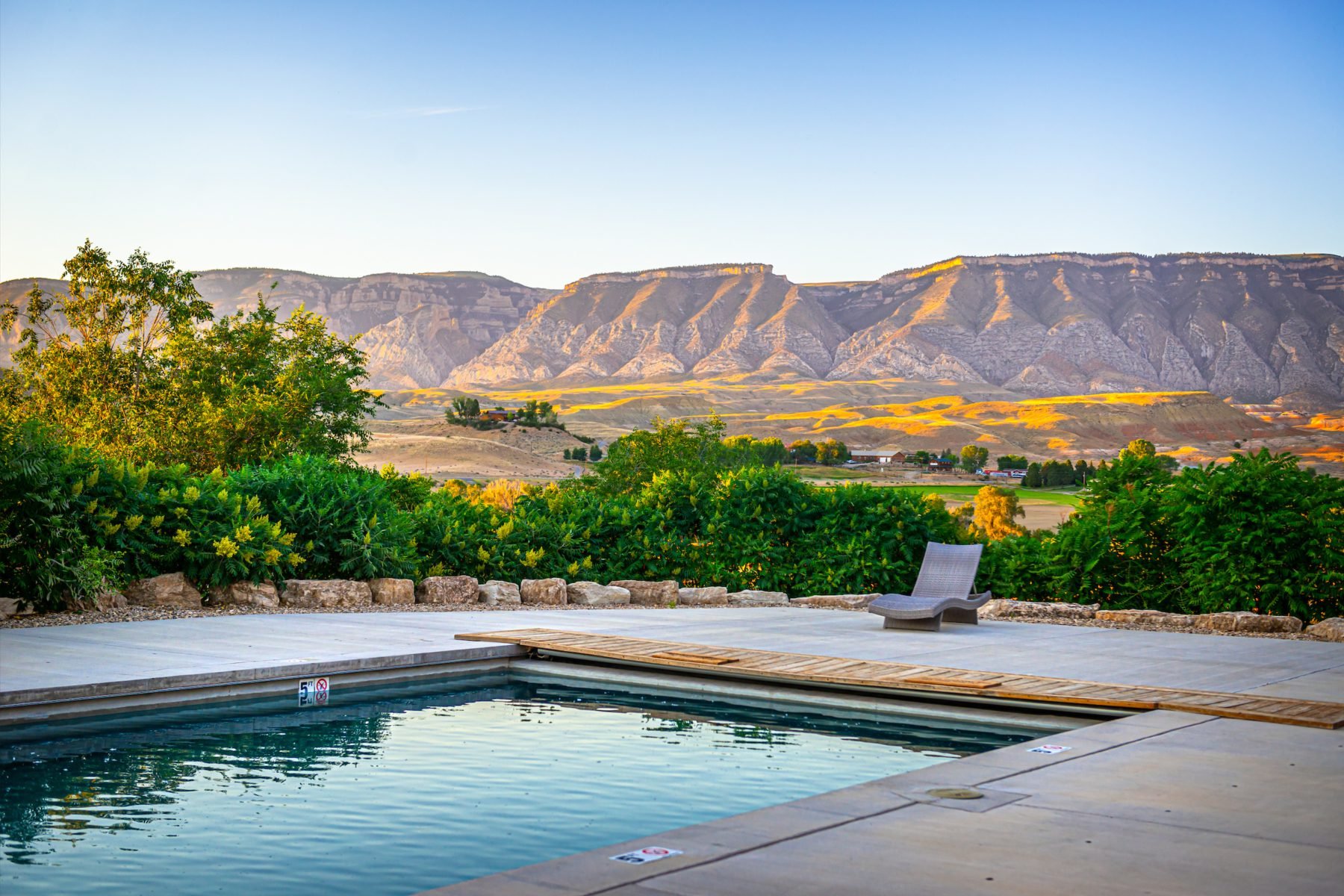
Cozy cabins with beautiful mountain views, relaxed family-like atmosphere around meals and fireside gatherings, elegant yet informal dining.
Tags
Vibe
Best For
Experience
Amenities
View
About the Stay
- Rooms
- 20
- Property Type
- Eco-lodge
- Property Style
- Luxury Guest Ranch with Beautifully Appointed Cabins
- Design Style
- Rustic Elegance
- Breakfast
- Included
- Families
- Welcome
Know before you go
Know Before You Go
- Getting there
- 3170 County Rd 40 1/2, Shell, WY 82441
Planning details
Location
Recognition and awards


Also consider
If this is not available, cross-shop Blackwater Creek Lodge & Guest Ranch first for a similar guest-ranch format. If the trip is more about work logistics or a conventional overnight, shift to Northern Hotel instead.
Hotel context
Against Eatons' Ranch, DOUBLE RAFTER CATTLE DRIVES, and PARADISE RANCH, THE HIDEOUT LODGE AND GUEST RANCH is the more reassuring first-ranch-trip choice when awards and easier booking matter. The lack of a listed price means value has to be judged by fit: choose it when the ranch experience is the purpose of the trip, not when the goal is a low-friction overnight.
Northern Hotel is the better comparison if the real need is a conventional hotel base with a more urban rhythm. Pick Northern Hotel for business travel or tighter logistics; pick the ranch if the stay should feel quieter, more outdoors-led, and less like a city hotel. Blackwater Creek Lodge & Guest Ranch is the closer cross-shop for travelers who want the guest-ranch format but are still comparing ambiance and overall experience.
Explore Shell
Around this place
Discover more on Pearl
Unlock the full THE HIDEOUT LODGE AND GUEST RANCH guide in Pearl, including awards, comparisons, FAQs, planning details, and nearby places.
Compare THE HIDEOUT LODGE AND GUEST RANCH
| Venue | Location | Awards |
|---|---|---|
| THE HIDEOUT LODGE AND GUEST RANCH | Shell | 2026 USA Today Best Ranches · #8Top 50 Ranches 2026 |
| Eatons' Ranch | Wolf | 2026 USA Today Best Ranches · #5 |
| DOUBLE RAFTER CATTLE DRIVES | Ranchester | Top 50 Ranches 2026 |
| PARADISE RANCH | Buffalo | No published awards |
| Northern Hotel | Billings | Preferred Hotels Member 2025 |
| Blackwater Creek Lodge & Guest Ranch | Cody | 2026 USA Today Best Ranches · #2 |

How THE HIDEOUT LODGE AND GUEST RANCH compares with similar nearby venues.
FAQ
Frequently Asked Questions
Is THE HIDEOUT LODGE AND GUEST RANCH good for business travel?
How is the dining at THE HIDEOUT LODGE AND GUEST RANCH?
How does THE HIDEOUT LODGE AND GUEST RANCH compare to other lodging options?
Choose THE HIDEOUT LODGE AND GUEST RANCH if you want a Shell guest-ranch option with confirmed 2026 ranch recognition. For other styles of stay, compare it with Northern Hotel or with ranch-focused alternatives such as Eatons' Ranch, PARADISE RANCH, and Blackwater Creek Lodge & Guest Ranch.