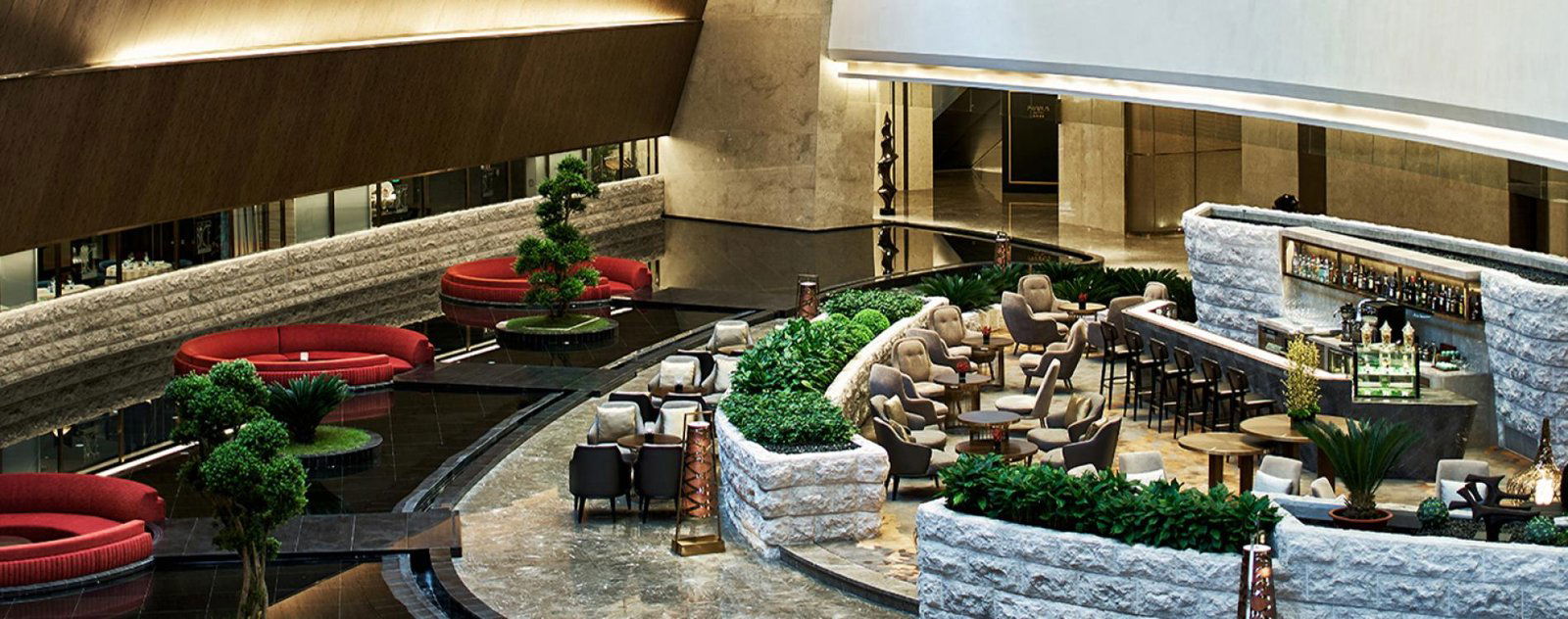

Primus Hotel Shanghai Hongqiao
Hongqiao, Shanghai
Hotel in Shanghai, China
 Book with Pearl
The Read
Hongqiao Transit-District Scale
Why go
Primus Hotel Shanghai Hongqiao is a practical pick for business-led Shanghai trips where the Hongqiao side of the city matters more than a central address. The 2025 Preferred Hotels L.V.X. Collection and Preferred Residences recognition gives it a stronger quality signal than many generic business hotels, but the value depends on how sharply it prices against nearby Hongqiao peers.
About Primus Hotel Shanghai Hongqiao
Primus Hotel Shanghai Hongqiao is a Shanghai hotel. Key details include its smart-casual dress code and its 2025 recognition within Preferred Hotels L.V.X. Collection and Preferred Hotels Preferred Residences. Confirm any stay-specific needs directly with the hotel before booking.
Considering Primus Hotel Shanghai Hongqiao
The case for considering Primus Hotel Shanghai Hongqiao is direct: it is a named Shanghai hotel with Preferred Hotels recognition in 2025. Beyond that, details on room categories, dining, amenities, pricing, service style, or transport specifics are not available.
The main caution is expectation-setting. Do not assume a particular neighborhood experience, restaurant program, leisure setup, or business-travel package. For a wider view of the city, start with Pearl's Shanghai hotels guide and compare options before committing.
The value call depends on your own dates and needs
Because rate context is not available, the value judgment depends on the price you see for your travel dates and how it compares with other Shanghai hotels. The Preferred Hotels L.V.X. Collection and Preferred Hotels Preferred Residences recognition can be useful context, but it should sit alongside current rates, cancellation terms, and the practical details you confirm directly.
If your trip also depends on restaurants, bars, or activities, use Pearl's Shanghai restaurants guide, Shanghai bars guide, and Shanghai experiences guide to decide how the hotel fits into the rest of the itinerary.
Planning details
- Location
- No. 100, Lane 1588, Shanghai, 上海市201702
- Phone
- +86 21 3979 6666
The take
The Take
The Vibe
Primus Hotel Shanghai Hongqiao reads as a purposeful, transit-focused property. The writing positions the hotel squarely within a business corridor where scale and operational efficiency matter more than neighbourhood character. It presents as a mid-to-large commercial hotel tailored for punctual, schedule-driven guests rather than travellers seeking local culinary or cultural immersion. The tone is matter-of-fact and utilitarian: rooms and services are organized around access and predictability, and the property answers the distinct brief of a busy transport node rather than offering a narrative-driven, walkable neighbourhood experience.
Best For
This property is best for travellers who prioritize connectivity and timeliness. Located in Shanghai’s Hongqiao business and transport corridor, Primus suits guests moving between airports, rail hubs and regional business destinations; the text emphasizes its alignment with passengers whose primary relationship to the city is logistical. It’s a practical pick for those on tight schedules, overnight business stops, or anyone needing straightforward access to Hongqiao Railway Station and the surrounding transport infrastructure, rather than for multi-day stays aimed at exploring Shanghai’s neighbourhoods.
Stay Tips
Book Primus when access to Hongqiao’s transport nodes is your top priority. The description frames the hotel as a solution for schedule-driven itineraries, so select room options and arrival times that minimize transfer time to the railway station or airport. Avoid expecting a neighbourhood immersion; instead prioritize proximity and convenience when comparing room categories. For business travellers with early departures or late arrivals, confirm check-in/out policies and transport connections in advance to align the hotel’s practical strengths with your travel timetable.
Venue details
Ambiance
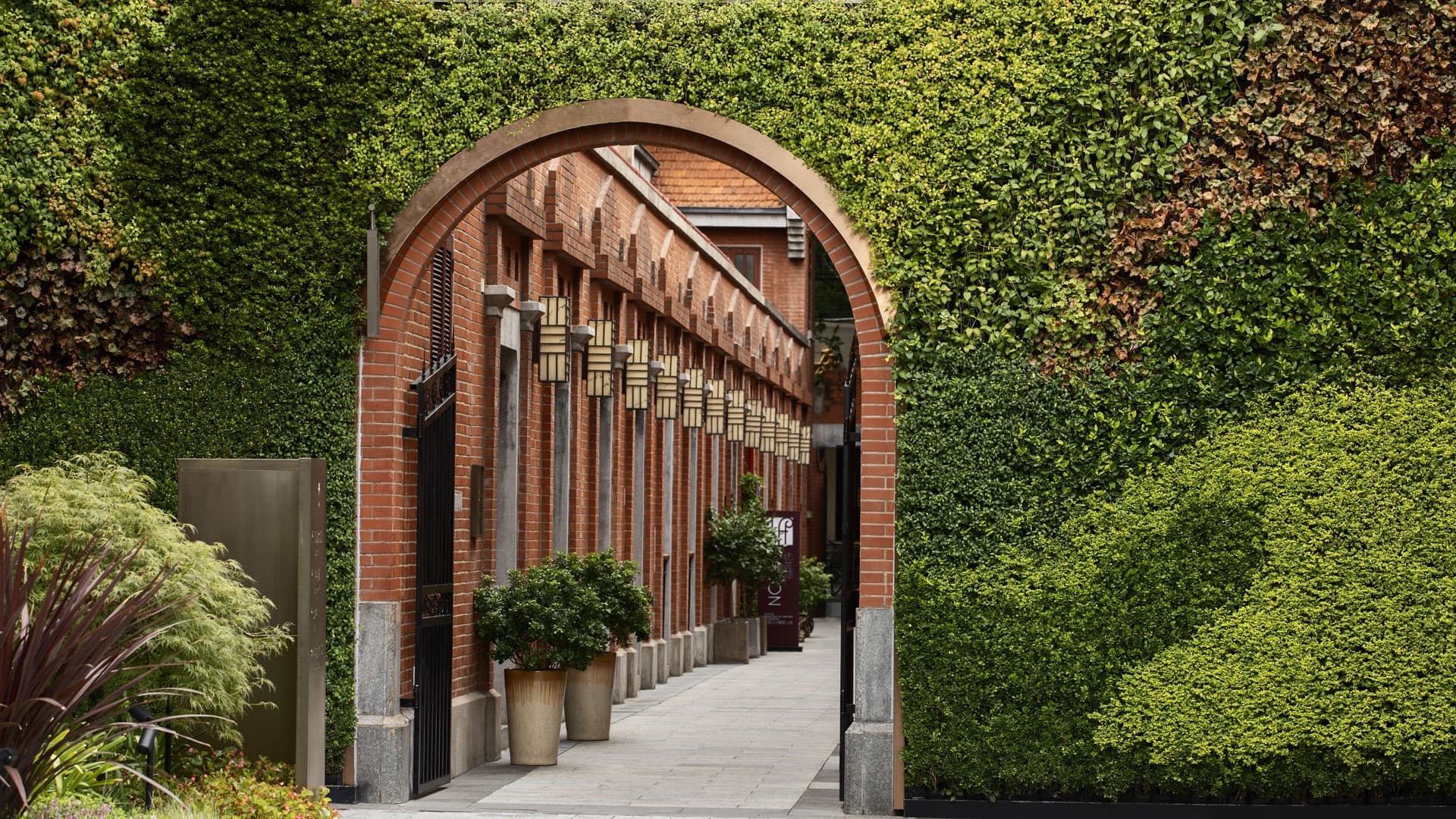
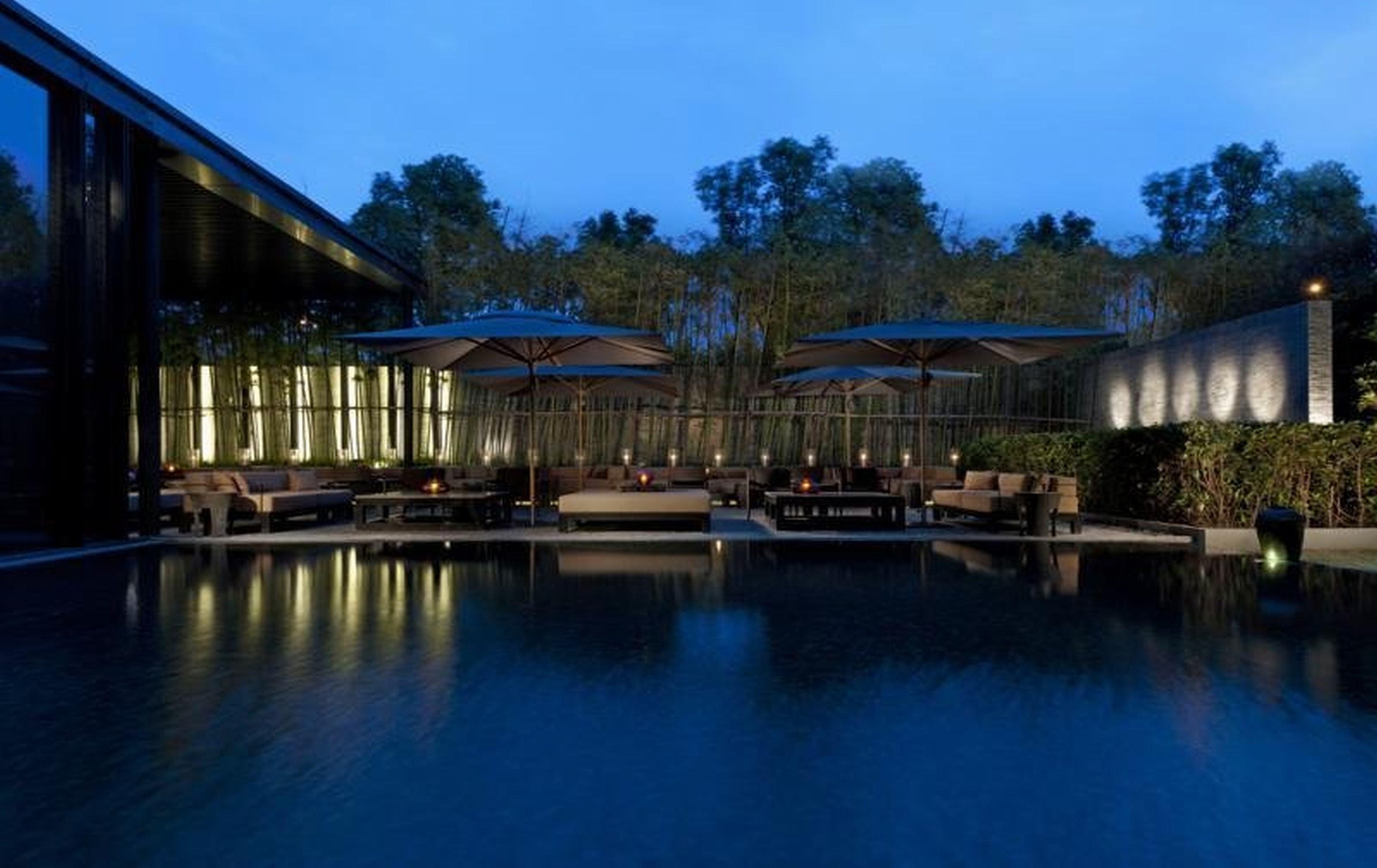
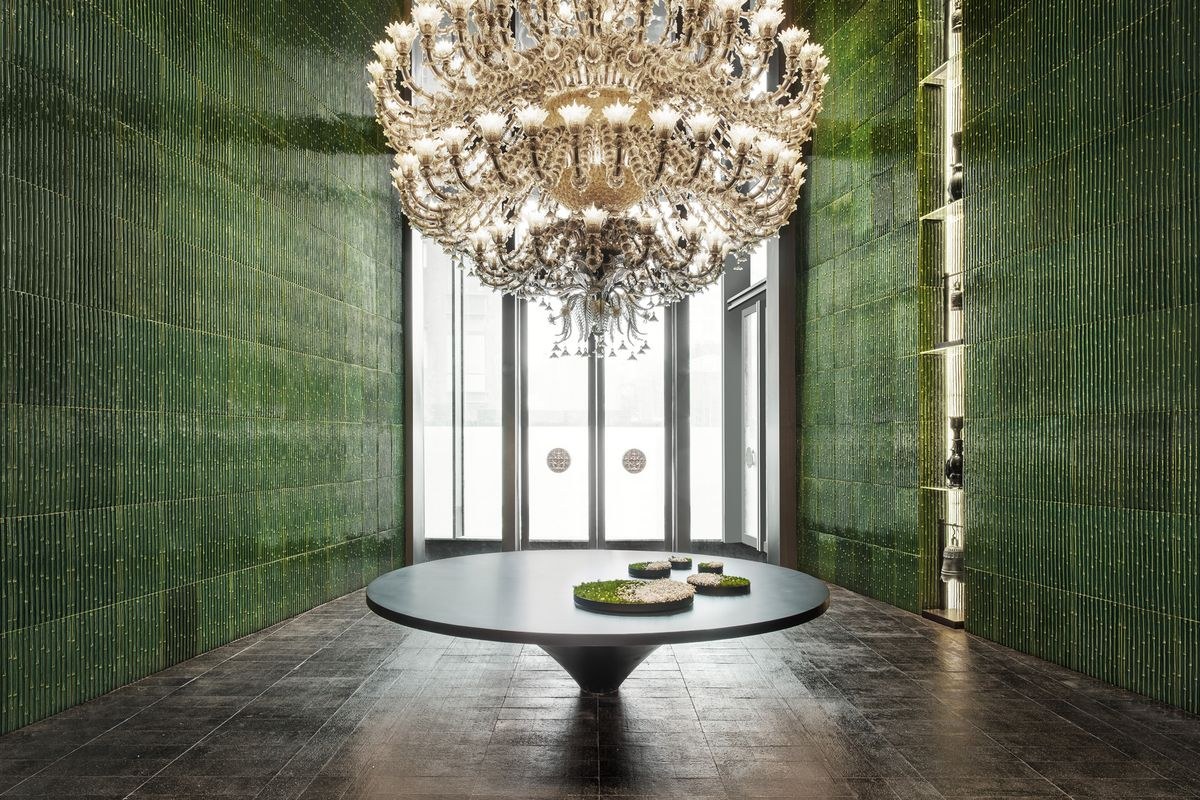
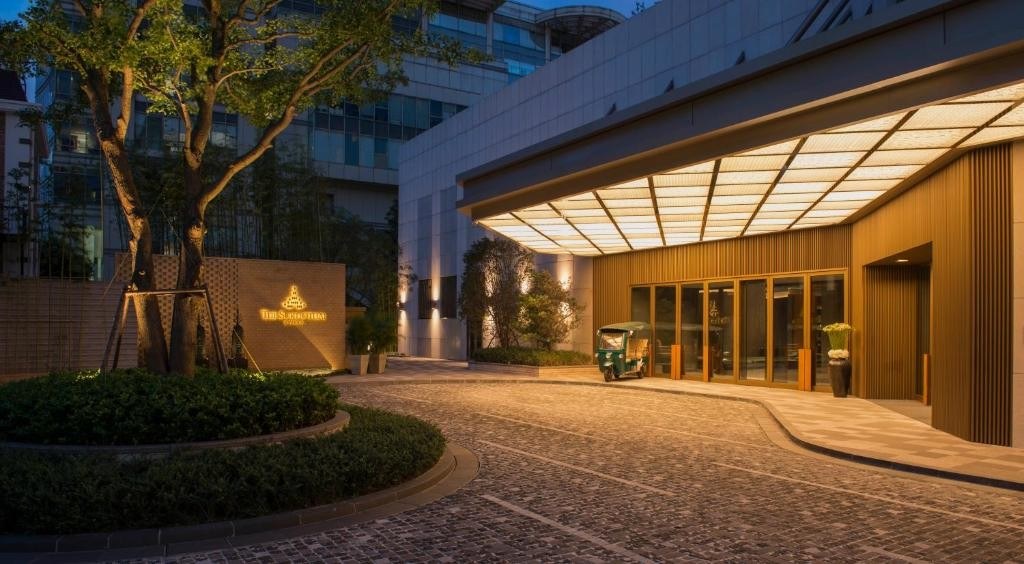
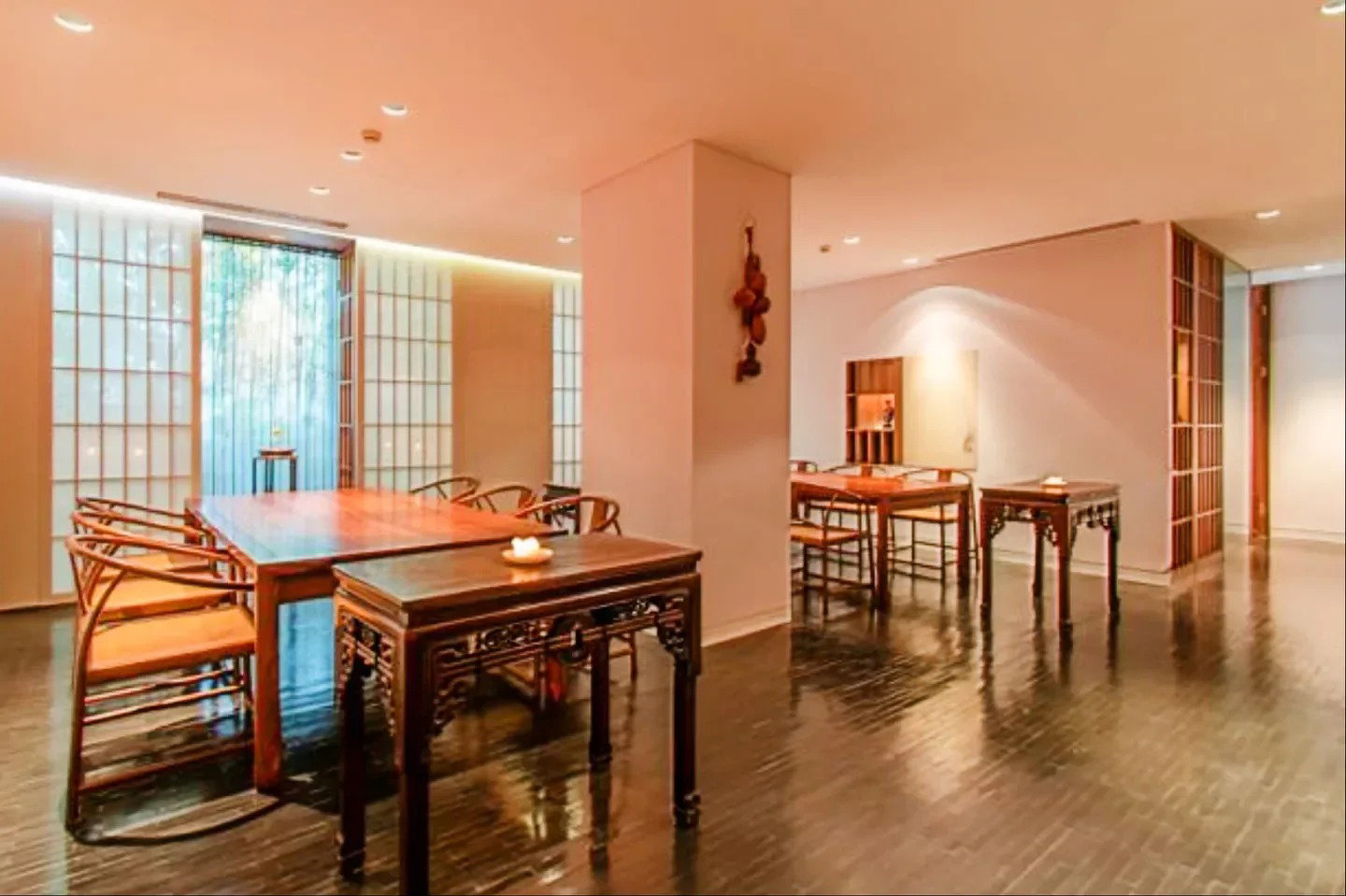
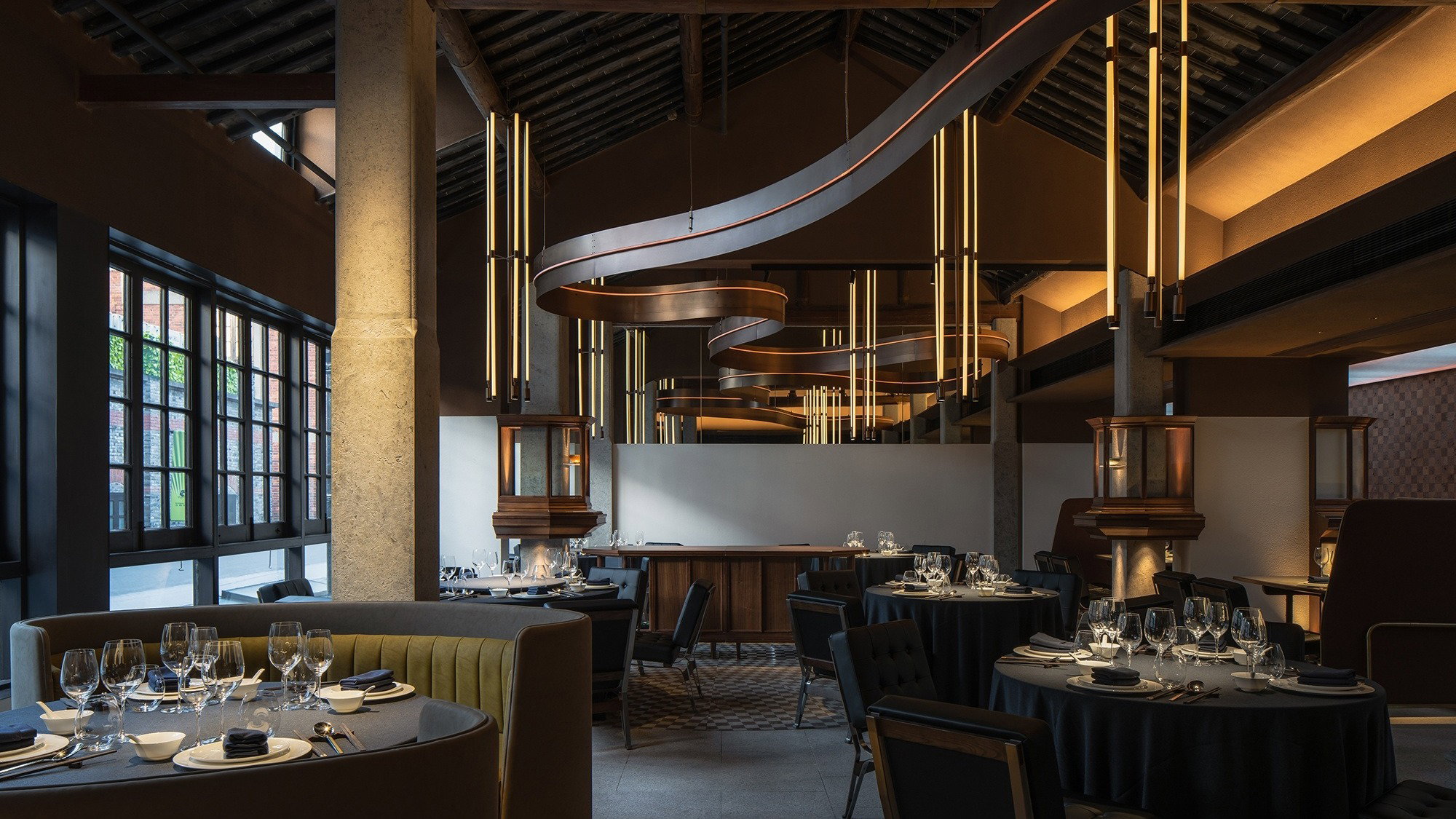
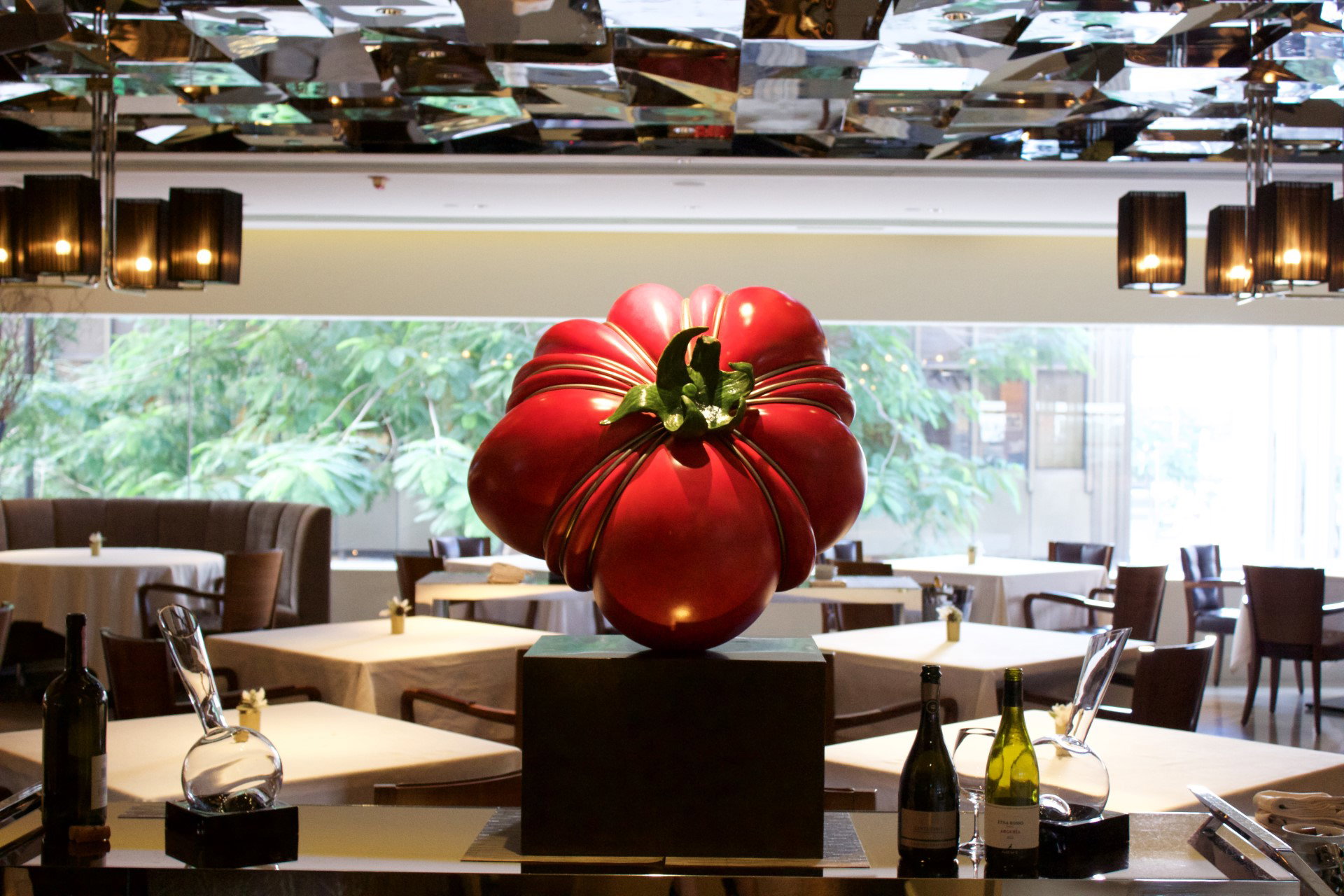
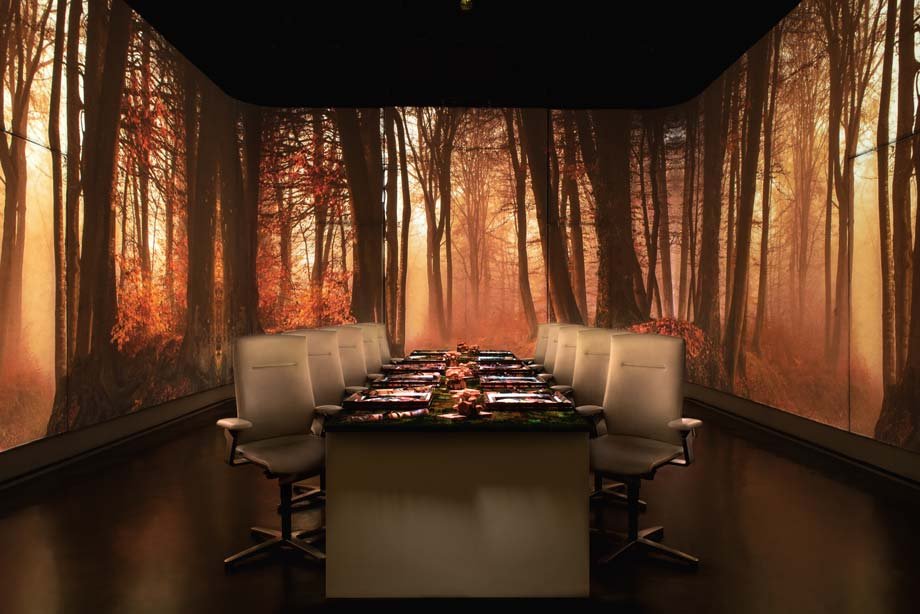
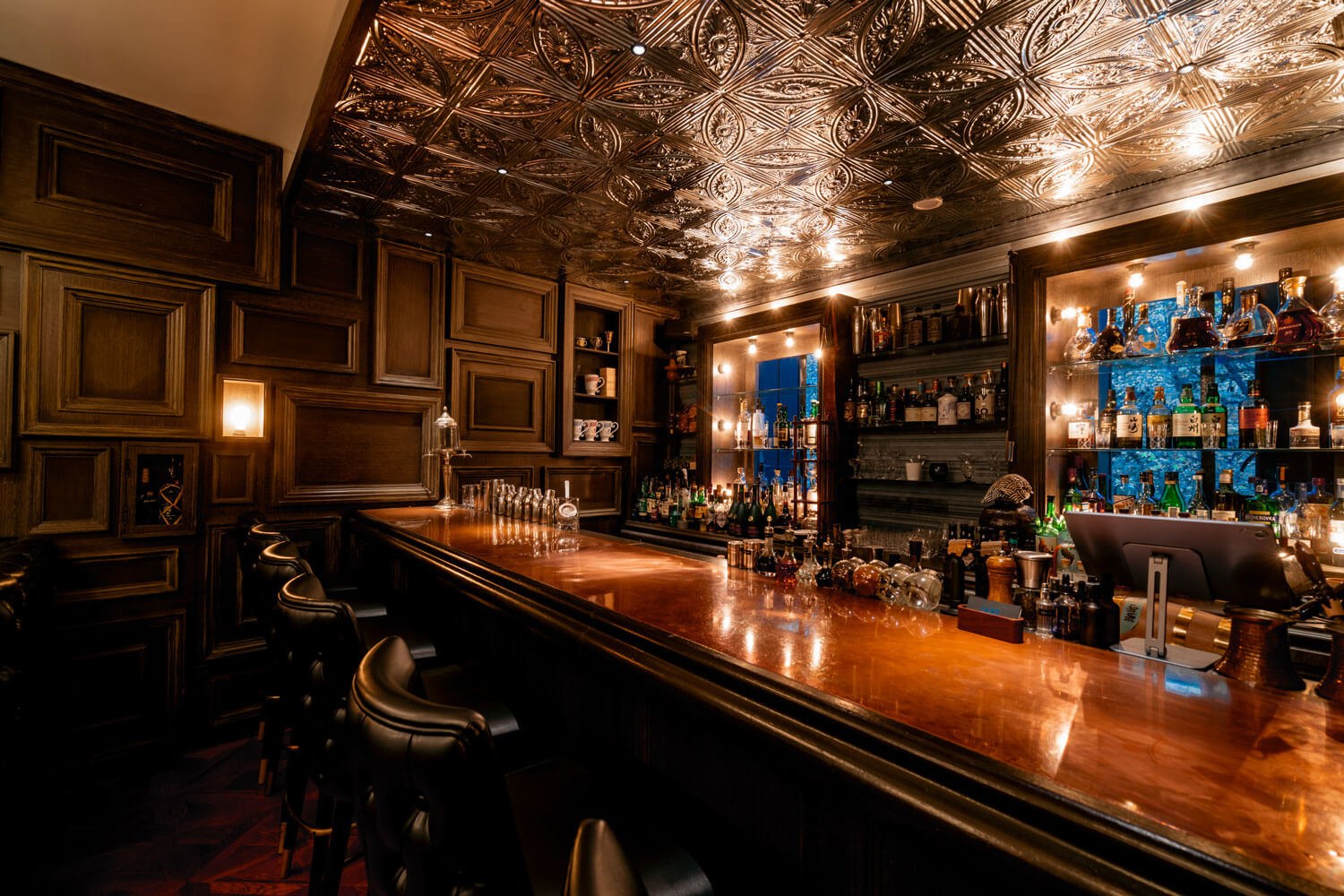
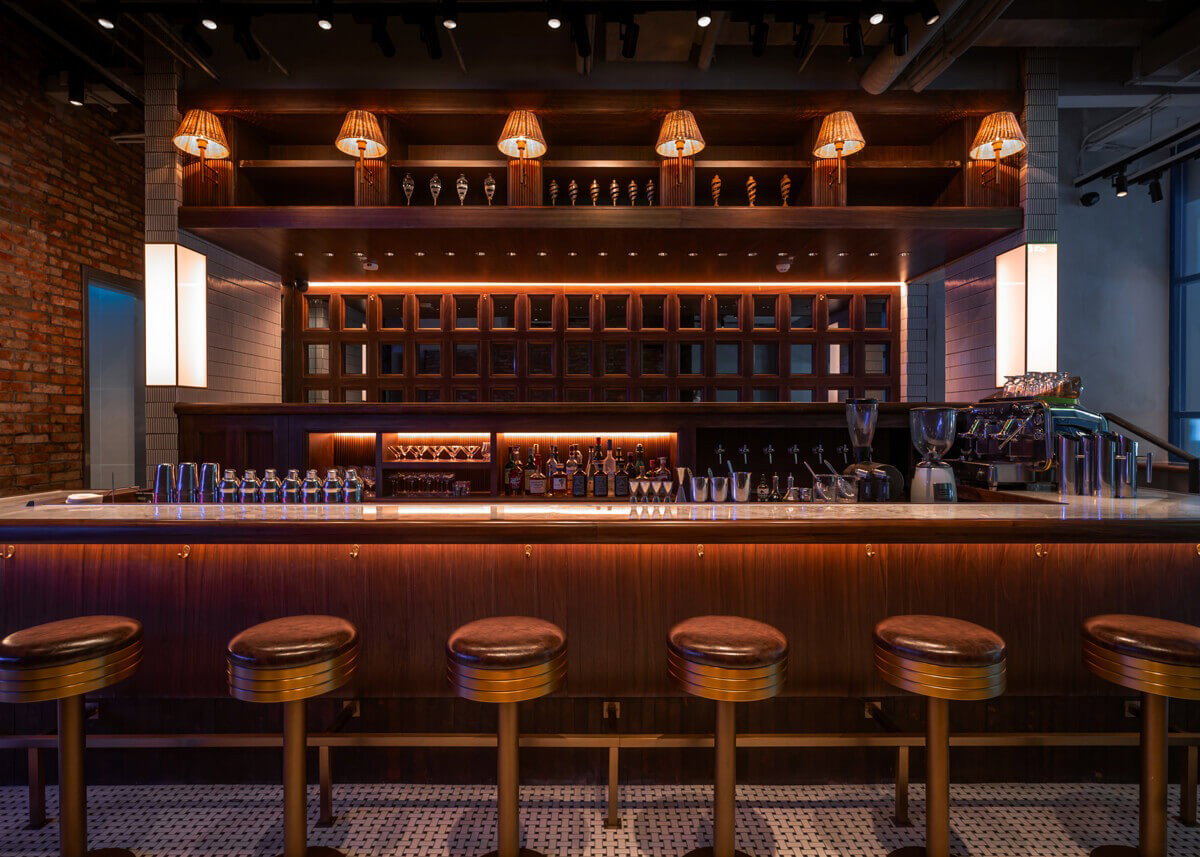
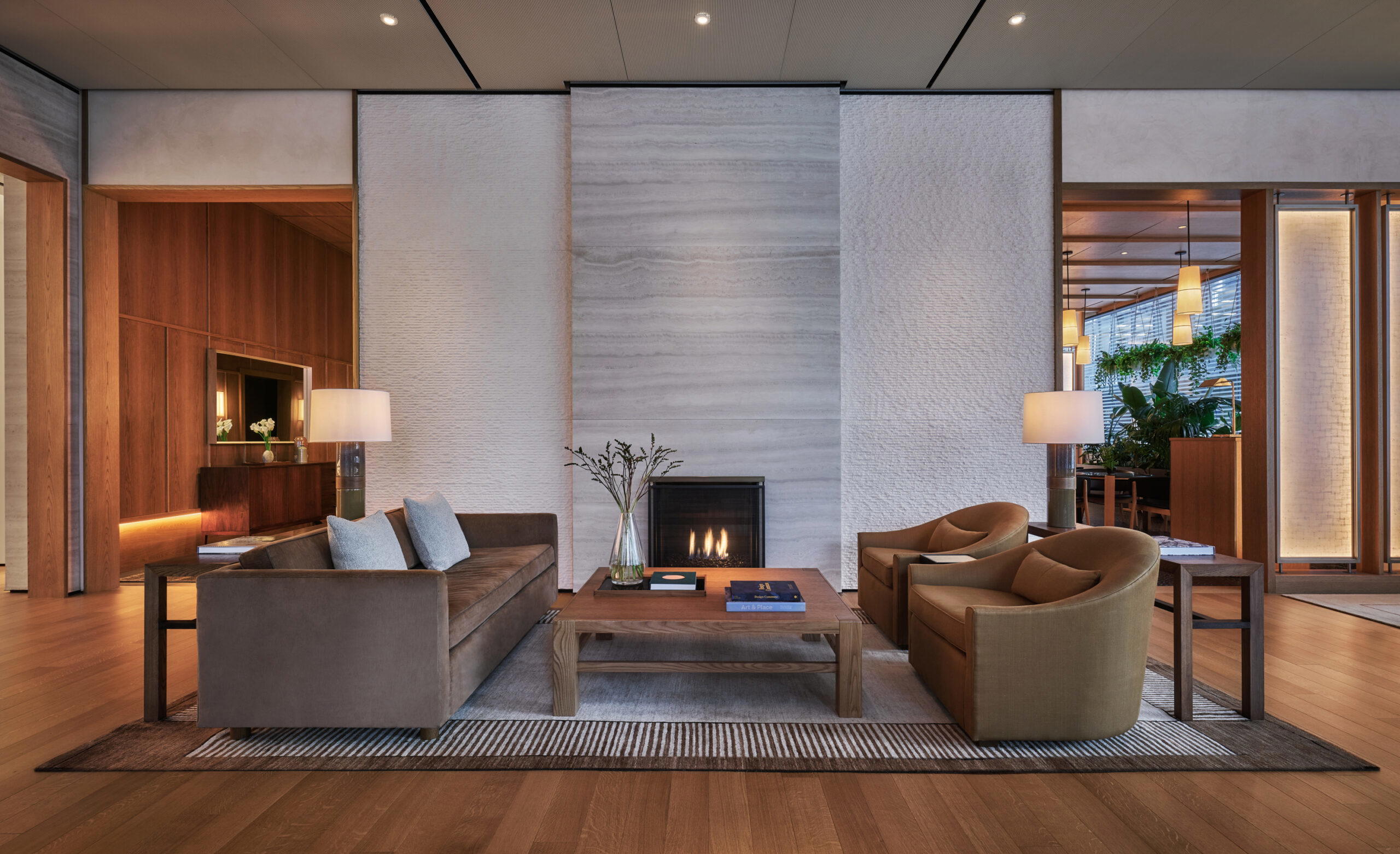
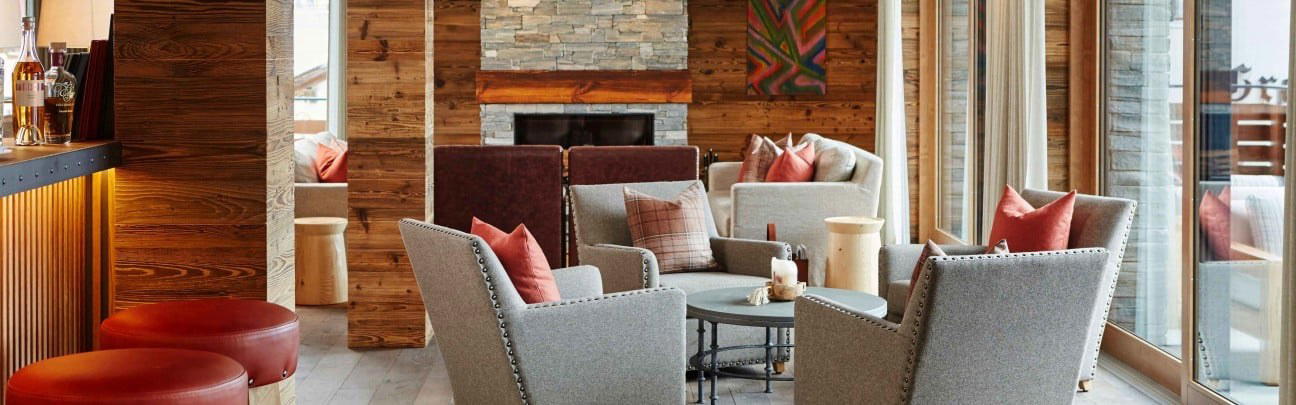
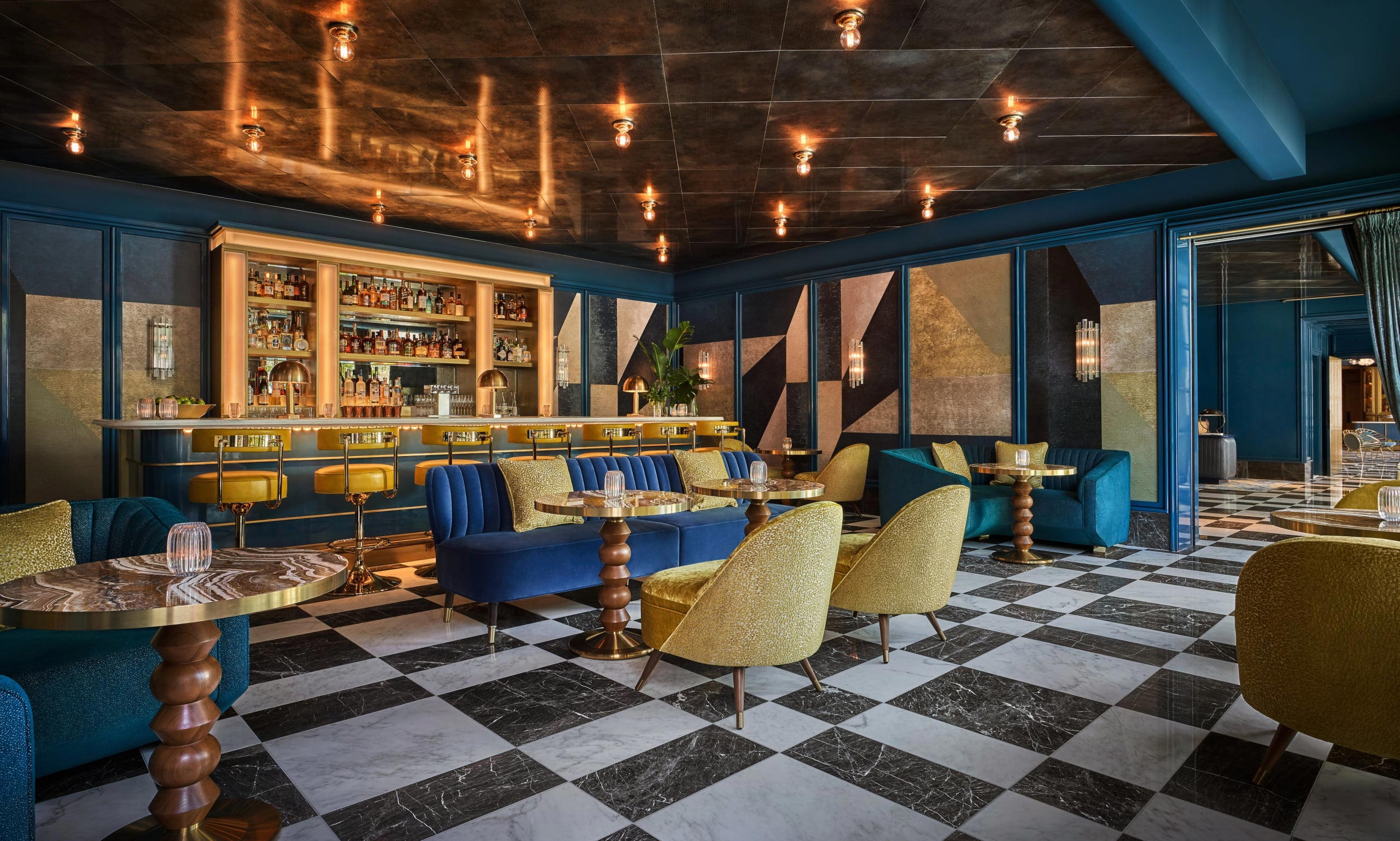
Sophisticated and elegant atmosphere with classic blue and gold decor, exquisite furniture, and modern facilities creating a deluxe impression.
Tags
Vibe
Best For
Amenities
Accessibility
About the Stay
- Rooms
- 391
- Check-in
- 14:00
- Check-out
- 12:00
- Property Style
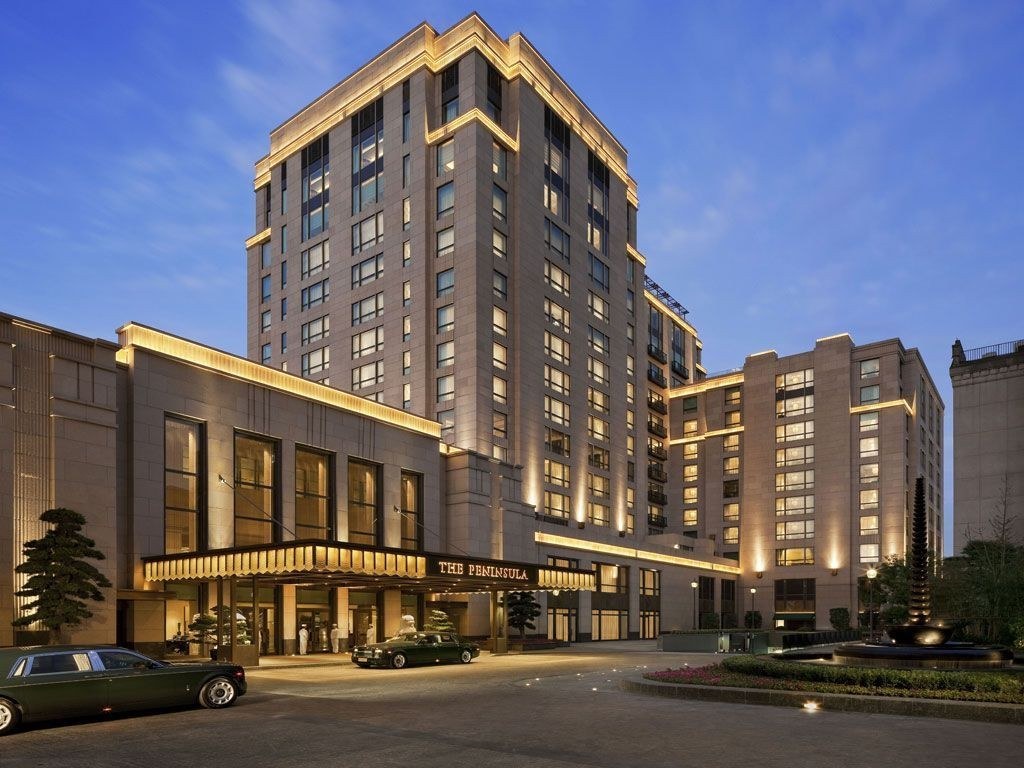
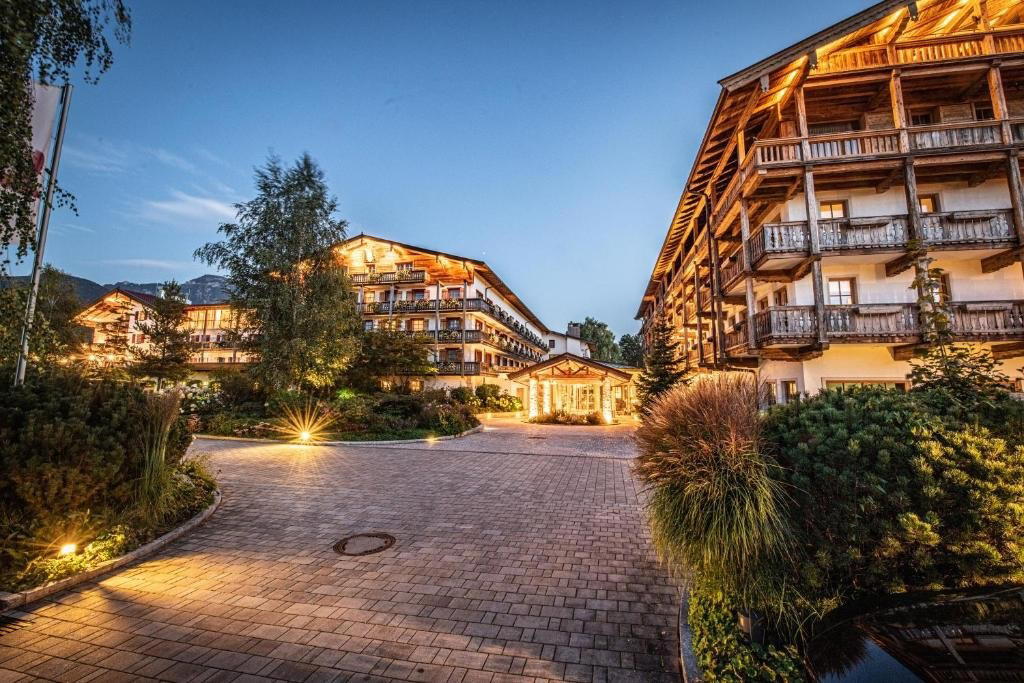
- Contemporary Tower in Hongqiao Business Hub
- Design Style
- Classic Blue and Gold with Eastern and Western Fusion
Know before you go
Know Before You Go
- Getting there
- No. 100, Lane 1588, Shanghai, 上海市201702
Planning details
Location
No. 100, Lane 1588, Shanghai, 上海市201702 · Directions
Recognition and awards
Also consider
Also Consider
- Moxy Shanghai Hongqiao NECC, Notable alternative
- Artyzen Habitat Hongqiao Shanghai, Notable alternative
- The Anandi Hotel and Spa, Notable alternative
- Longemont Shanghai, Notable alternative
- HUALUXE Shanghai Twelve At Hengshan, Notable alternative
Hotel context
How it compares in Shanghai
Choose Primus Hotel Shanghai Hongqiao when the trip is anchored around the Hongqiao corridor and the rate is close to nearby business-focused options. Compared with Moxy Shanghai Hongqiao NECC, it is the more polished-feeling choice on paper thanks to its Preferred Hotels L.V.X. Collection and Preferred Residences recognition, while Moxy is the better fit for travelers who want a simpler, younger, more stripped-back stay.
Artyzen Habitat Hongqiao Shanghai is the closer cross-shop for guests who care about a more lifestyle-driven atmosphere. Pick Artyzen if the room needs to feel less corporate; pick Primus if the decision is driven by brand-recognition reassurance and a quieter business-hotel profile. The Anandi Hotel and Spa is the alternative to check when wellness facilities matter more than Hongqiao practicality.
For travelers considering a different Shanghai base, Longemont Shanghai and HUALUXE Shanghai Twelve At Hengshan make more sense if the itinerary leans central. Primus is easier to justify for business access and value discipline; the central peers are stronger when neighborhood experience matters more than the commute math.
Explore Shanghai
Around this place
Discover more on Pearl
Unlock the full Primus Hotel Shanghai Hongqiao guide in Pearl, including awards, comparisons, FAQs, planning details, and nearby places.
Compare Primus Hotel Shanghai Hongqiao
| Venue | Location | Awards |
|---|---|---|
| Primus Hotel Shanghai Hongqiao | Shanghai | Preferred Hotels Preferred Residences 2025Preferred Hotels L.V.X. Collection 2025 |
| Moxy Shanghai Hongqiao NECC | Shanghai | No published awards |
| Artyzen Habitat Hongqiao Shanghai | Shanghai | No published awards |
| The Anandi Hotel and Spa | Shanghai | 2026 Michelin Guide New HotelsLeading Hotels of the World 20262025 Michelin Selected Hotels |
| Longemont Shanghai | Shanghai | Preferred Hotels Member 2025 |
| HUALUXE Shanghai Twelve At Hengshan | Shanghai | No published awards |


How Primus Hotel Shanghai Hongqiao: Book or Skip? compares with similar nearby venues.
FAQ
Frequently Asked Questions
How is the location of Primus Hotel Shanghai Hongqiao?
Primus Hotel Shanghai Hongqiao is in Shanghai. A street address, neighborhood, landmark proximity, or transit details are not specified, so confirm the exact location through the hotel's official channels before booking.
Is Primus Hotel Shanghai Hongqiao family-friendly?
Family-specific details for Primus Hotel Shanghai Hongqiao are not available. If you are traveling with children, confirm room setup, services, and any relevant policies directly with the hotel.
Is Primus Hotel Shanghai Hongqiao good for business travel?
Primus Hotel Shanghai Hongqiao may be considered as a Shanghai hotel option, but business-specific services, meeting facilities, transport links, or work amenities are not specified. Its 2025 Preferred Hotels L.V.X. Collection and Preferred Hotels Preferred Residences recognition is a main quality signal.
How does Primus Hotel Shanghai Hongqiao compare to other hotels?
Compare it with other Shanghai options based on the facts for your dates. Moxy Shanghai Hongqiao NECC, Artyzen Habitat Hongqiao Shanghai, HUALUXE Shanghai Twelve At Hengshan, Longemont Shanghai, and The Anandi Hotel and Spa may also be relevant to review, but a ranked comparison, price difference, or amenity gap among them is not available.
Do loyalty programs work at Primus Hotel Shanghai Hongqiao?
Primus Hotel Shanghai Hongqiao is recognized in 2025 as part of Preferred Hotels L.V.X. Collection and Preferred Hotels Preferred Residences. Earning, redemption, benefits, or booking-channel rules are not specified, so confirm loyalty details before reserving.
What is check-in like at Primus Hotel Shanghai Hongqiao?
Check-in details for Primus Hotel Shanghai Hongqiao are not available. Confirm arrival time, identification requirements, deposit policies, and any late-arrival arrangements directly with the hotel.