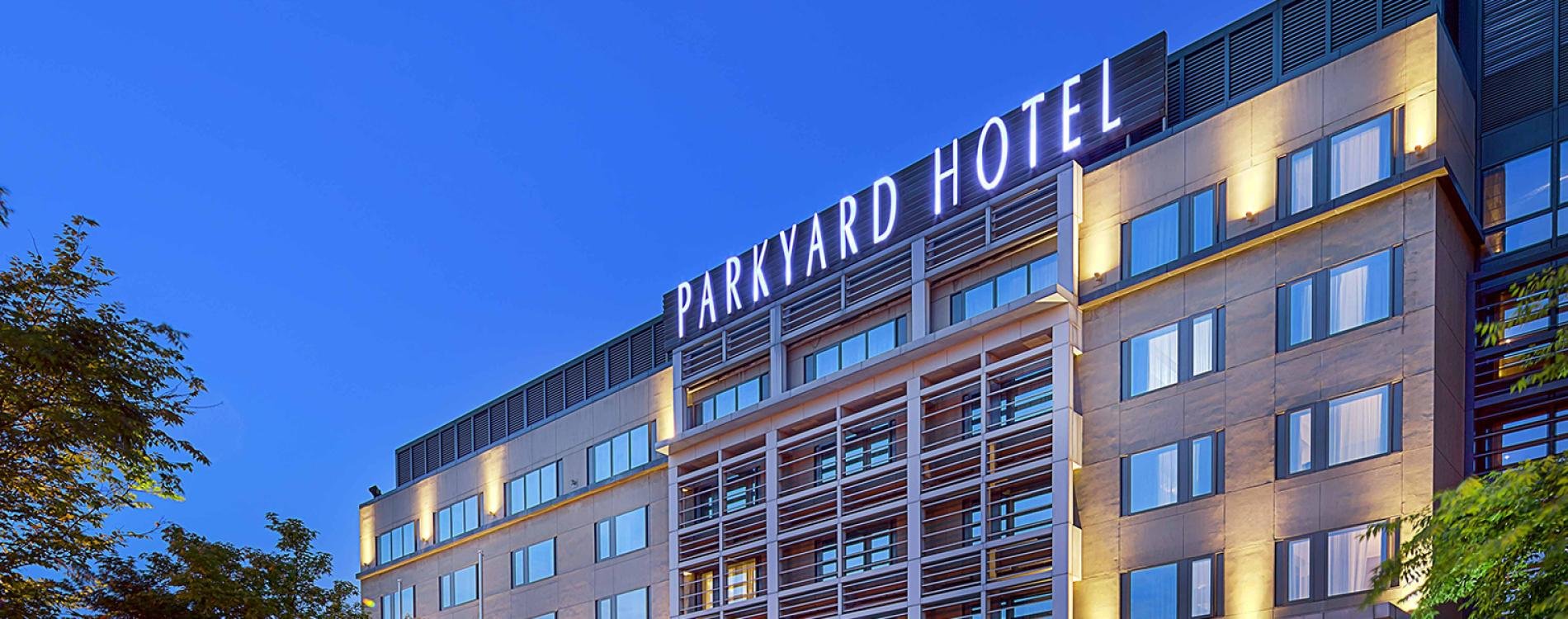

Parkyard Hotel Shanghai
Zhangjiang Hi-Tech Park, Shanghai
Hotel in Shanghai, China
 Book with Pearl
The Read
Eastern Pudong Recovery Base
Price
$1–100per night
Why go
Parkyard Hotel Shanghai is worth shortlisting for a quiet Pudong stay where ease matters more than skyline drama. Its 2025 Preferred Hotels membership gives it a useful quality signal, but the better fit is business, family, or low-key celebration travel rather than a high-energy first Shanghai trip.
About Parkyard Hotel Shanghai
Parkyard Hotel Shanghai is a Shanghai hotel with Preferred Hotels Member status for 2025 and a smart-casual dress code.
A Shanghai stay to assess on confirmed basics
The main decision point is whether Parkyard Hotel Shanghai fits your own Shanghai itinerary. If the stay is centered on sightseeing, dining, and evening plans, start with Our full Shanghai hotels guide and compare options before committing.
For a celebration or business-linked trip, the hotel makes sense only after you confirm the details that matter to you, such as facilities, room setup, and service availability. The dress code is smart casual, which gives a basic expectation for how to dress without implying a specific dining or nightlife program.
The strongest trust signal is its Preferred Hotels Member status in 2025. Treat that as a recognition, not as a guarantee of any specific luxury feature, amenity, or service style.
Who should shortlist it, and who should look elsewhere
Shortlist Parkyard Hotel Shanghai if you are considering a Shanghai stay and want a hotel with Preferred Hotels Member status. It is best evaluated by travelers who are comfortable checking the latest details directly with the hotel before booking.
If the decision is still open, use Pearl's city guides to cross-shop by trip type: Our full Shanghai restaurants guide for meal planning and Our full Shanghai bars guide for evening plans. You can also compare other Shanghai hotel options such as Himalayas Hotel Shanghai, InterContinental Shanghai Pudong, JW Marriott Marquis Hotel Shanghai Pudong, Kerry Hotel, Pudong, Shanghai, and The Waterhouse at South Bund.
Planning details
- Location
- 699 Bi Bo Lu, Pu Dong Xin Qu, Shang Hai Shi, 201203
- Phone
- +86 21 6162 1168
The take
The Take
The Vibe
Parkyard Hotel Shanghai reads as a pragmatic, business-first property within Pudong’s layered hotel market. With 300 rooms on Bi Bo Lu, it sits below the ultra-luxury flagships and alongside a cohort of full-service hotels that cater to corporate and group demand. The tone is measured rather than theatrical: this is a hotel built to move people in and out for meetings, conferences and tech-sector itineraries, rather than to serve as a leisure destination. That positioning gives the property a composed, professional feel suited to travelers who prioritize proximity to Pudong’s finance and tech corridors over Bund-facing glamour.
Best For
This hotel is best suited to business travelers, conference attendees and corporate groups who need a reliable, full-service base in Zhangjiang and the wider Pudong tech and finance district. Its 300-room scale and placement on Bi Bo Lu make it a practical choice for companies organizing meetings or sending teams to the area. It is less oriented toward boutique weekend leisure: the property’s demand profile and location skew toward work-focused itineraries, so travelers who prioritize convenience to offices and meeting venues get the most value here.
Stay Tips
Book with the hotel’s group and meeting team in advance when traveling with colleagues: the property’s scale and role in Pudong suggest strong demand from conference and corporate bookings. For individual business visitors, confirm proximity to your office or meeting venue on Bi Bo Lu and request early check-in or late check-out if your schedule is tight. Given the description’s emphasis on sustainability trends in larger hotels, asking about the property’s environmental or meeting-related sustainability practices is a practical way to align arrangements with corporate policies.
Venue details
Ambiance
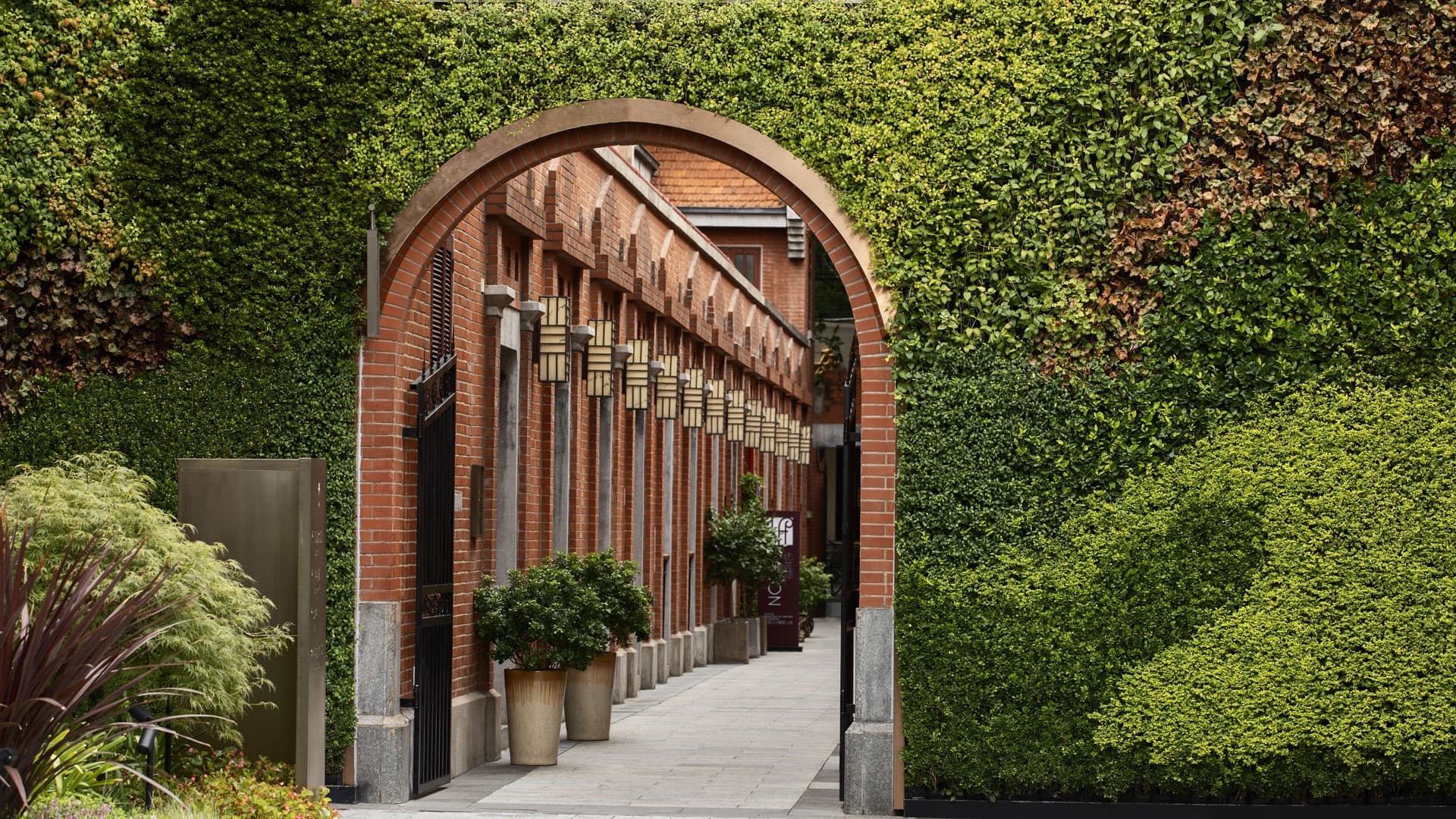
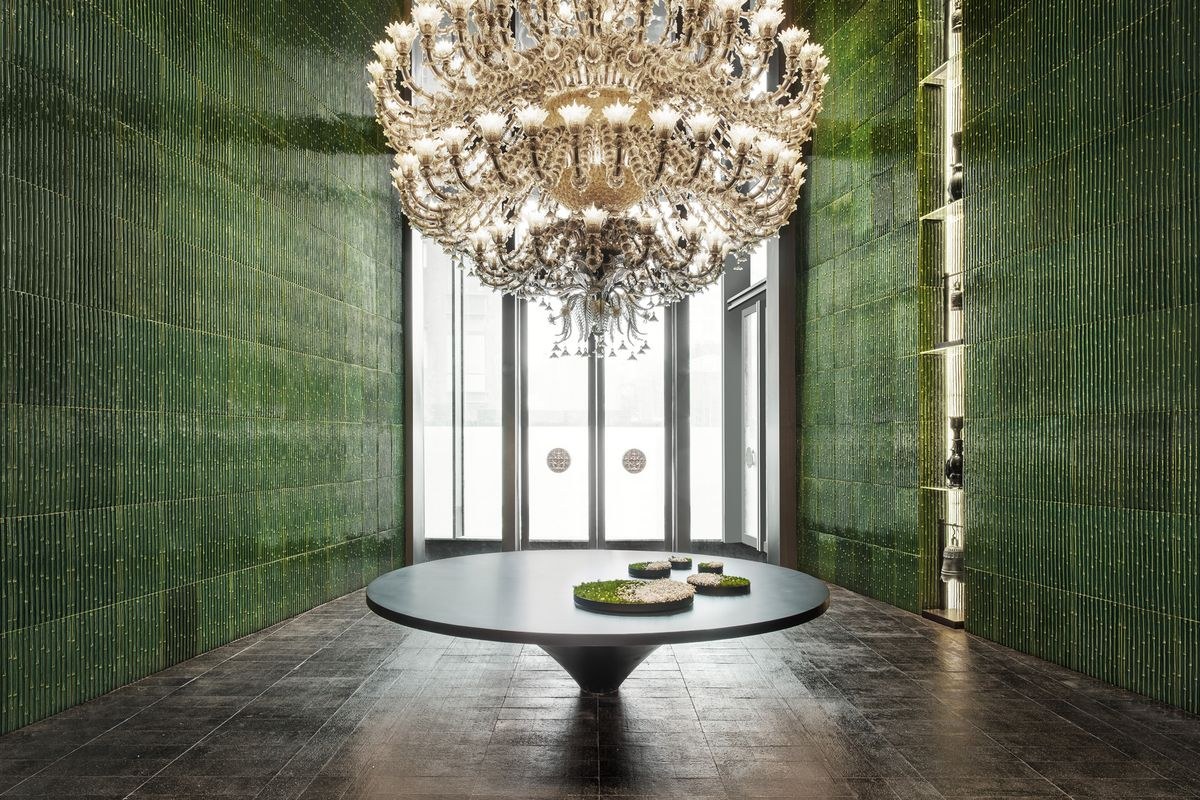
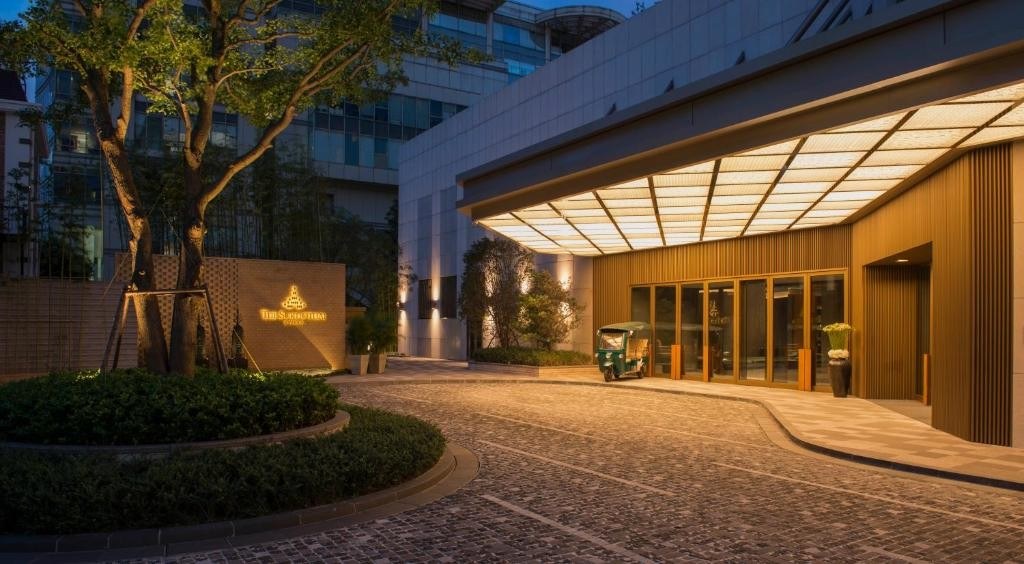
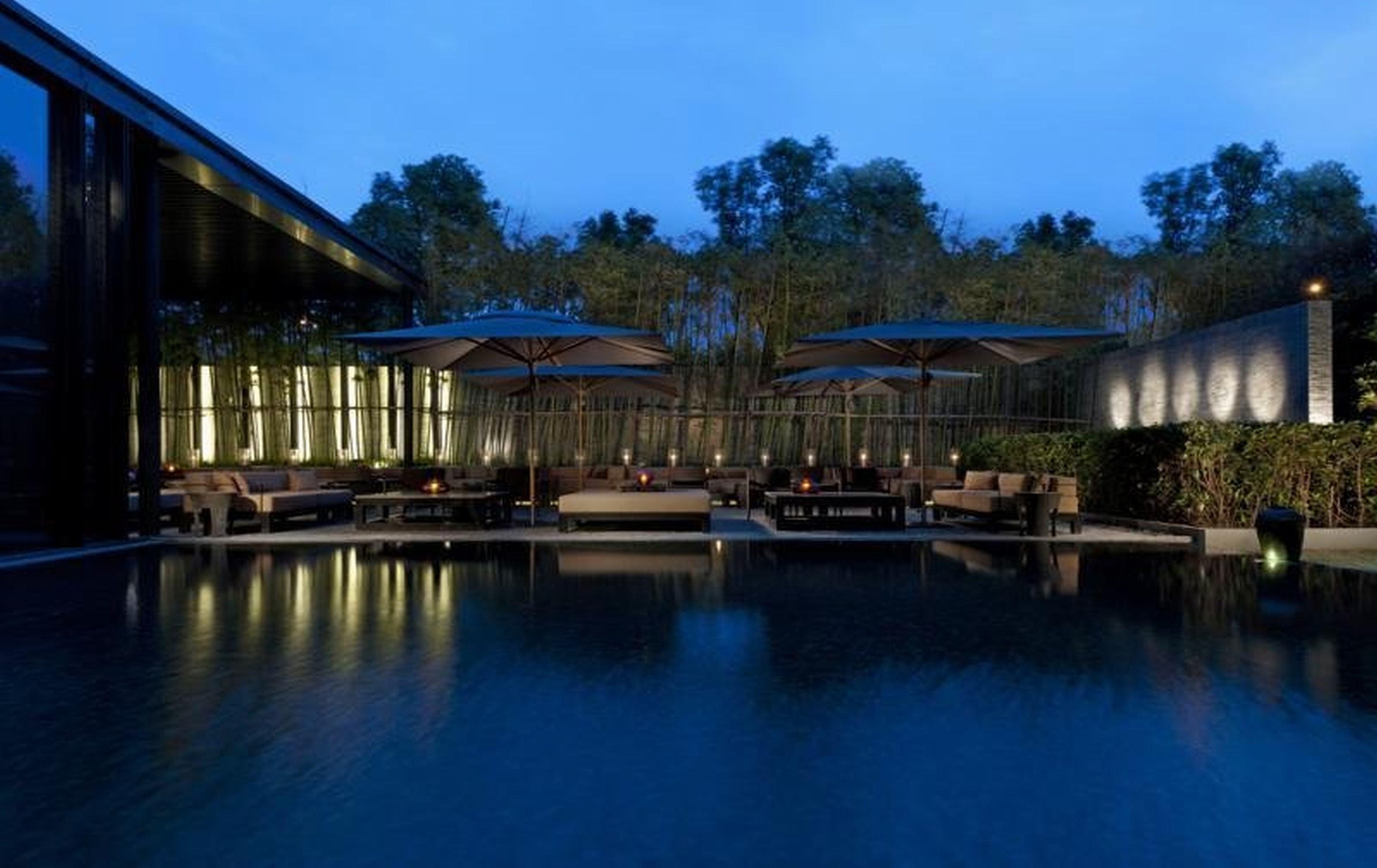
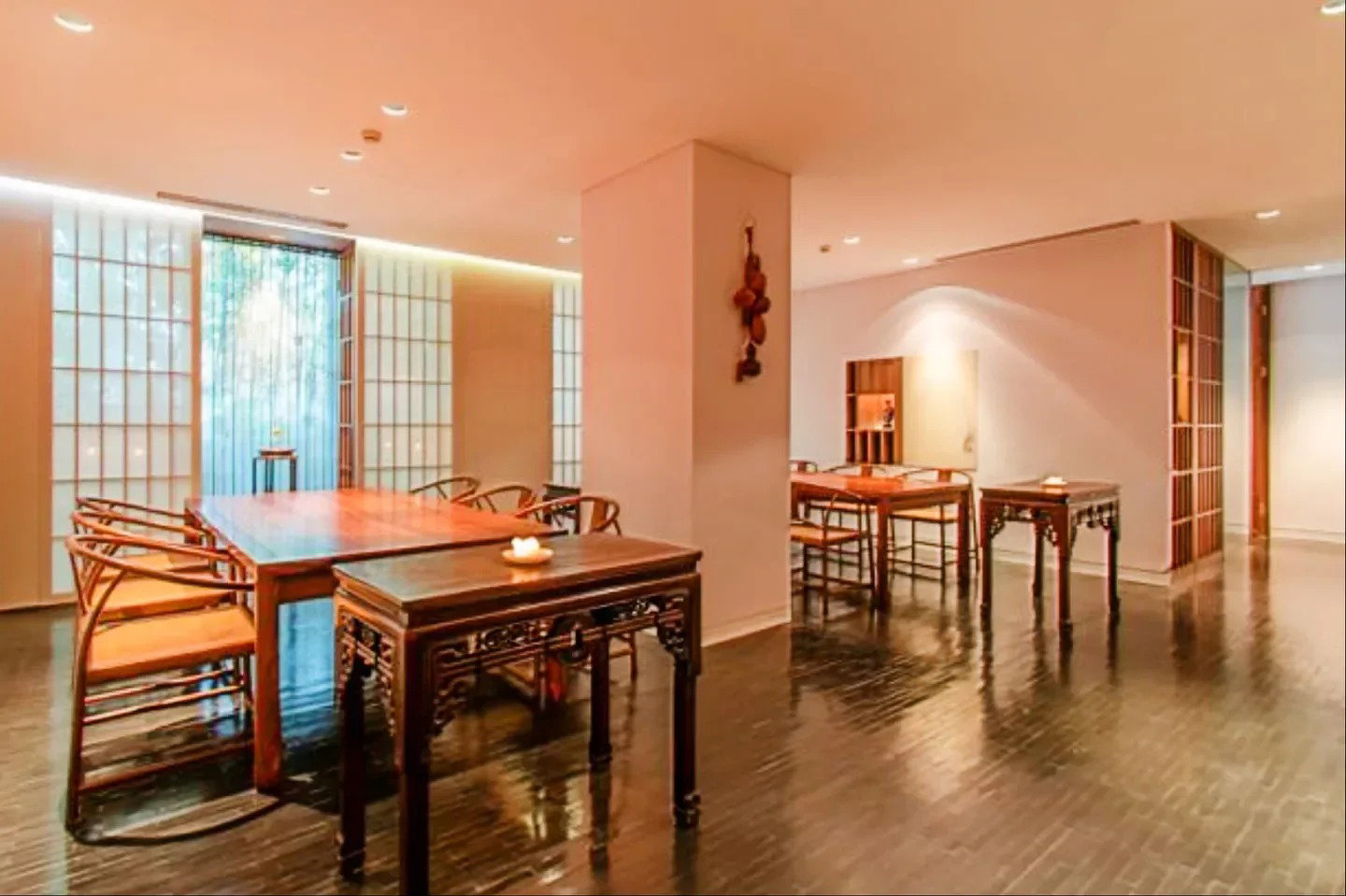
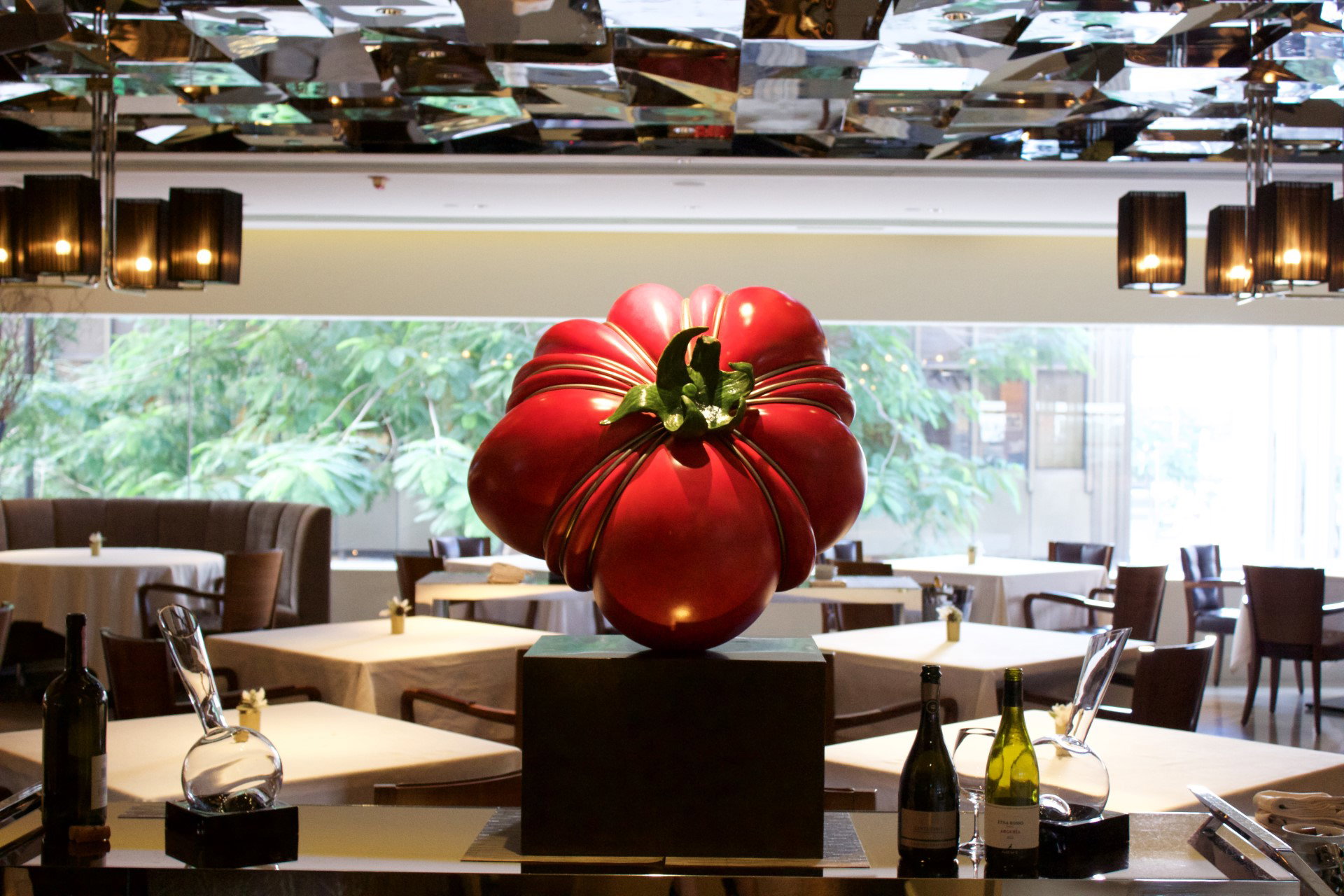
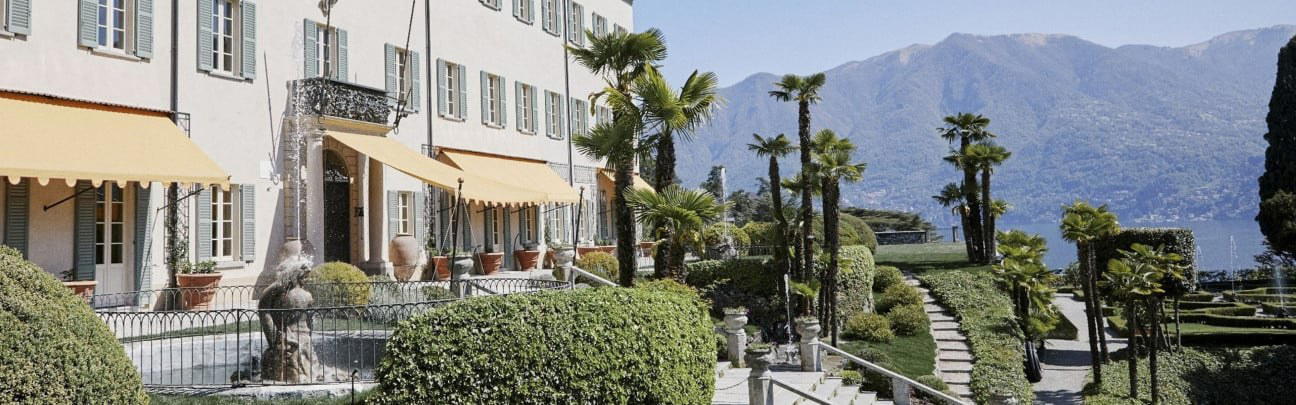
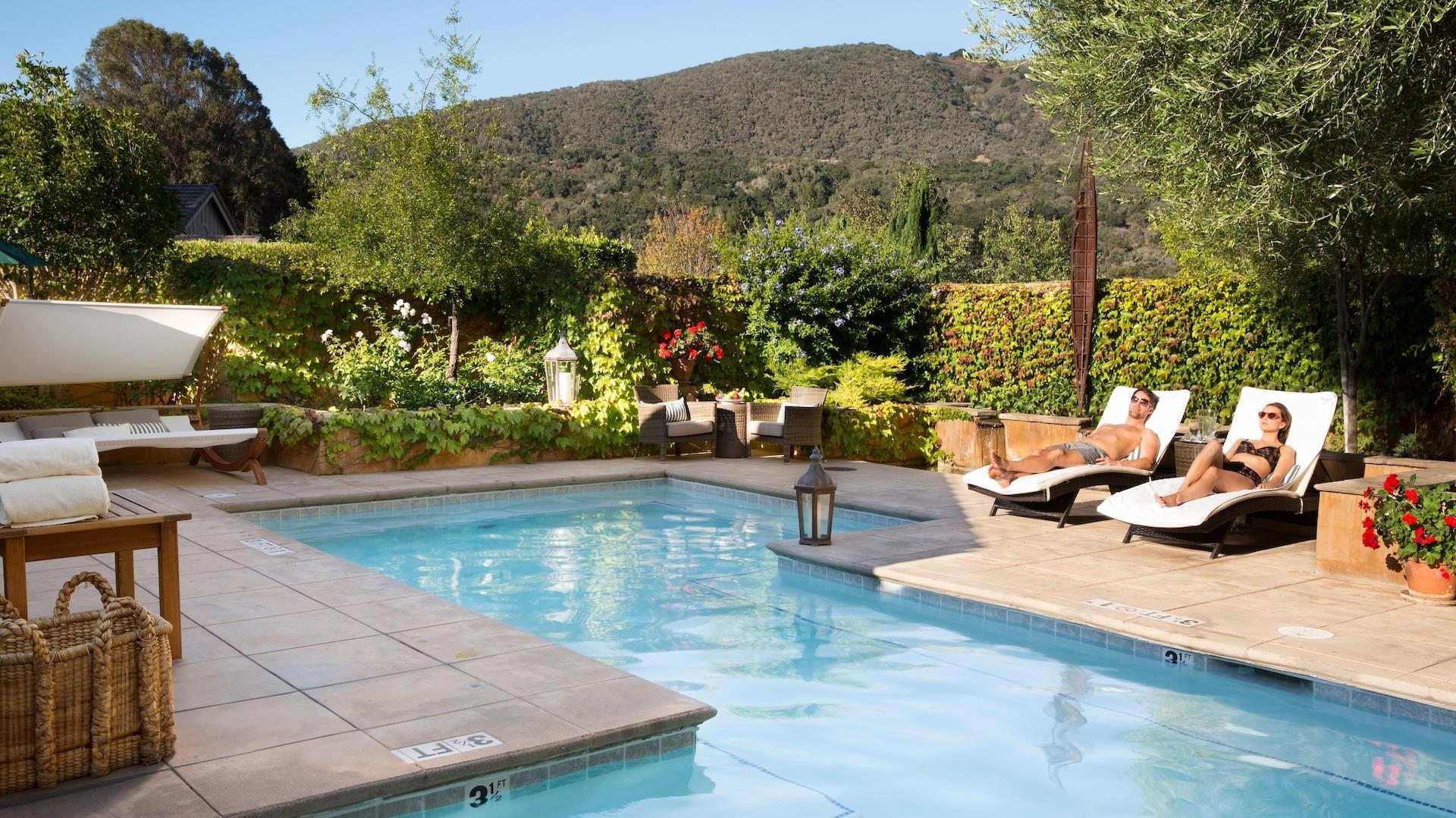
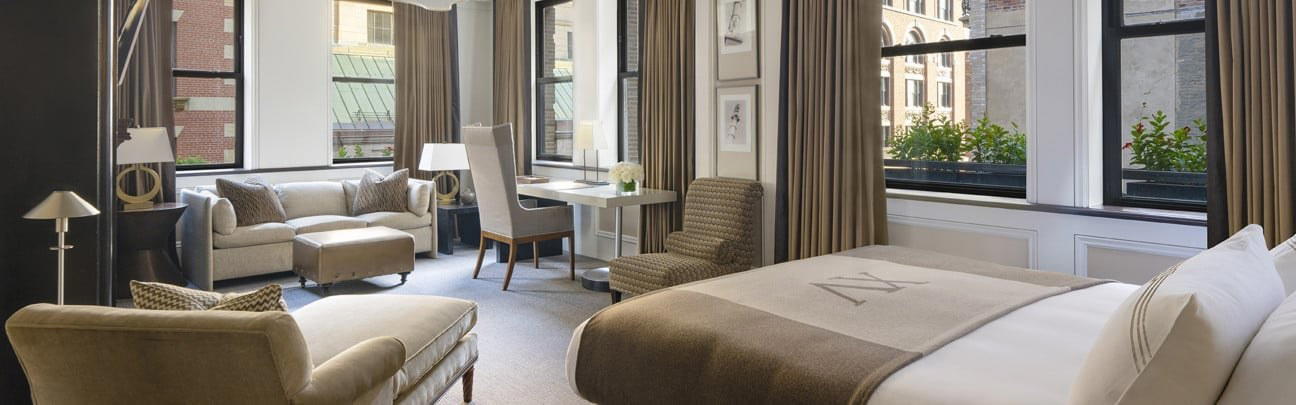
Quiet and elegant atmosphere with modern greys, browns, and blacks decor, soundproof rooms, spacious clean areas, and relaxing garden setting.
Tags
Vibe
Best For
Experience
Amenities
View
Accessibility
About the Stay
- Rooms
- 276
- Check-in
- 14:00
- Check-out
- 12:00
- Property Type
- Boutique hotel
- Property Style
- Contemporary Urban Retreat with Garden Oasis
- Design Style
- Modern Minimalist with Warm Neutral Tones
- Airport Transfer
- Available
- Pool
- Yes
- Spa
- Yes
- Families
- Welcome
- Cancellation
- Moderate
Know before you go
Know Before You Go
- Getting there
- 699 Bi Bo Lu, Pu Dong Xin Qu, Shang Hai Shi, 201203
Planning details
Location
699 Bi Bo Lu, Pu Dong Xin Qu, Shang Hai Shi, 201203 · Directions
Recognition and awards
Also consider
Also Consider
- Himalayas Hotel Shanghai, Notable alternative
- Kerry Hotel, Pudong, Shanghai, Notable alternative
- InterContinental Shanghai Pudong, Notable alternative
- JW Marriott Marquis Hotel Shanghai Pudong, Notable alternative
- The Waterhouse at South Bund, Notable alternative
Hotel context
How It Compares
Choose Parkyard Hotel Shanghai if the priority is a calmer Pudong base with easy booking rather than a high-profile luxury statement. Kerry Hotel, Pudong, Shanghai is the stronger cross-shop for guests who want a larger, more active hotel environment in the same broad side of the city, while InterContinental Shanghai Pudong is the safer pick for travellers who prefer a familiar international-brand format.
JW Marriott Marquis Hotel Shanghai Pudong is the better choice for a bigger polished-hotel feel and guests who want a more conventional upscale stay. Parkyard is more appealing when the brief is quieter and less formal. Himalayas Hotel Shanghai is another nearby comparison for travellers prioritizing Pudong convenience over Bund atmosphere.
If ambiance matters more than Pudong practicality, The Waterhouse at South Bund is the more character-led alternative. It is the sharper choice for design-minded travellers, while Parkyard is the easier recommendation for guests who want a composed stay, simpler logistics, and less pressure around the hotel as the main event.
Explore Shanghai
Around this place
Discover more on Pearl
Unlock the full Parkyard Hotel Shanghai guide in Pearl, including awards, comparisons, FAQs, planning details, and nearby places.
Compare Parkyard Hotel Shanghai
| Venue | Location | Awards |
|---|---|---|
| Parkyard Hotel Shanghai | Shanghai | Preferred Hotels Member 2025 |
| Himalayas Hotel Shanghai | Shanghai | 2026 La Liste Top HotelsPreferred Hotels Member 2025 |
| Kerry Hotel, Pudong, Shanghai | Shanghai | 2026 Forbes Recommended2025 Forbes Recommended |
| InterContinental Shanghai Pudong | Shanghai | No published awards |
| JW Marriott Marquis Hotel Shanghai Pudong | Shanghai | No published awards |
| The Waterhouse at South Bund | Shanghai | No published awards |


How Parkyard Hotel Shanghai Review: Verified Shanghai Hotel Guide compares with similar nearby venues.
FAQ
Frequently Asked Questions
How does Parkyard Hotel Shanghai compare to other Shanghai hotels?
Choose Parkyard Hotel Shanghai if you want a Shanghai hotel with Preferred Hotels Member status in 2025. If you are comparing it with Kerry Hotel, Pudong, Shanghai, JW Marriott Marquis Hotel Shanghai Pudong, InterContinental Shanghai Pudong, Himalayas Hotel Shanghai, or The Waterhouse at South Bund, confirm the latest facilities, location fit, and room details directly before booking.
Is Parkyard Hotel Shanghai family-friendly?
Parkyard Hotel Shanghai does not list specific family facilities or services here. Families should contact Parkyard Hotel Shanghai directly to check current room options, amenities, and any child-related policies before booking.
What is Parkyard Hotel Shanghai known for?
Parkyard Hotel Shanghai is a Shanghai hotel with Preferred Hotels Member status in 2025 and a smart-casual dress code.