
Château de la Flocellière
La Flocellière, Sèvremont
Hotel in Sèvremont, France
 Book with Pearl
The Read
Fortified Vendée Hospitality
Price
$100–200per night
Why go
Château de la Flocellière is a strong Sèvremont pick if the appeal is a château setting and a calm countryside base, not a full resort agenda. The Gault & Millau Exceptional Hotel 2025 recognition helps justify a closer look, but value depends on the rate you find and which amenities matter to your trip.
About Château de la Flocellière
Château de la Flocellière is worth shortlisting if the point of the stay is a hotel in Sèvremont rather than a generic city-hotel choice. The decision should stay simple: choose it if the property itself appeals, and verify any amenities or services that matter before booking.
The clearest quality signal is Gault & Millau Exceptional Hotel recognition in 2025, with 5pts. The dress code is smart casual. Beyond that, do not assume a specific restaurant format, spa program, room inventory, price range, or service style.
A stay that makes sense when Sèvremont is the reason
The main decision is whether a stay in Sèvremont is the right fit for the trip. Guests choosing this over a more conventional property may be prioritizing the character suggested by the venue itself. That works best when the hotel is part of the appeal.
Use broader trip-planning resources if the stay needs more than the room, especially for dining, wellness, or other amenities.
Value comes from the fit, not assumed extras
The safer way to judge value is by purpose. If the rate you find feels fair for a stay in Sèvremont, the case is clearer. If it prices like a larger luxury property, verify the specific facilities, room category, and services you expect before treating it as a full-service splurge.
For comparison-minded travelers, it can be researched alongside Château du Boisniard, Alexandra Palace - La Maison Younan, Domaine de la Soucherie, L'Abbaye De Villeneuve, and Maison Maubreuil. Those comparisons are useful for judging which setting and hotel style best match the trip.
Know Before You Go
- Location: Sèvremont.
- Dress code: Smart casual.
- Recognition: Gault & Millau Exceptional Hotel 2025, 5pts.
- Good fit: Travelers specifically considering a stay in Sèvremont.
- Check before paying a premium: dining scope, wellness facilities, room category differences, arrival details, and any other services that matter to your stay.
Planning details
- Location
- 30 Rue du Château, 85700 Sèvremont
- Website
- chateaudelaflocelliere.com
- Phone
- +33 2 51 57 22 03
The take
The Take
The Vibe
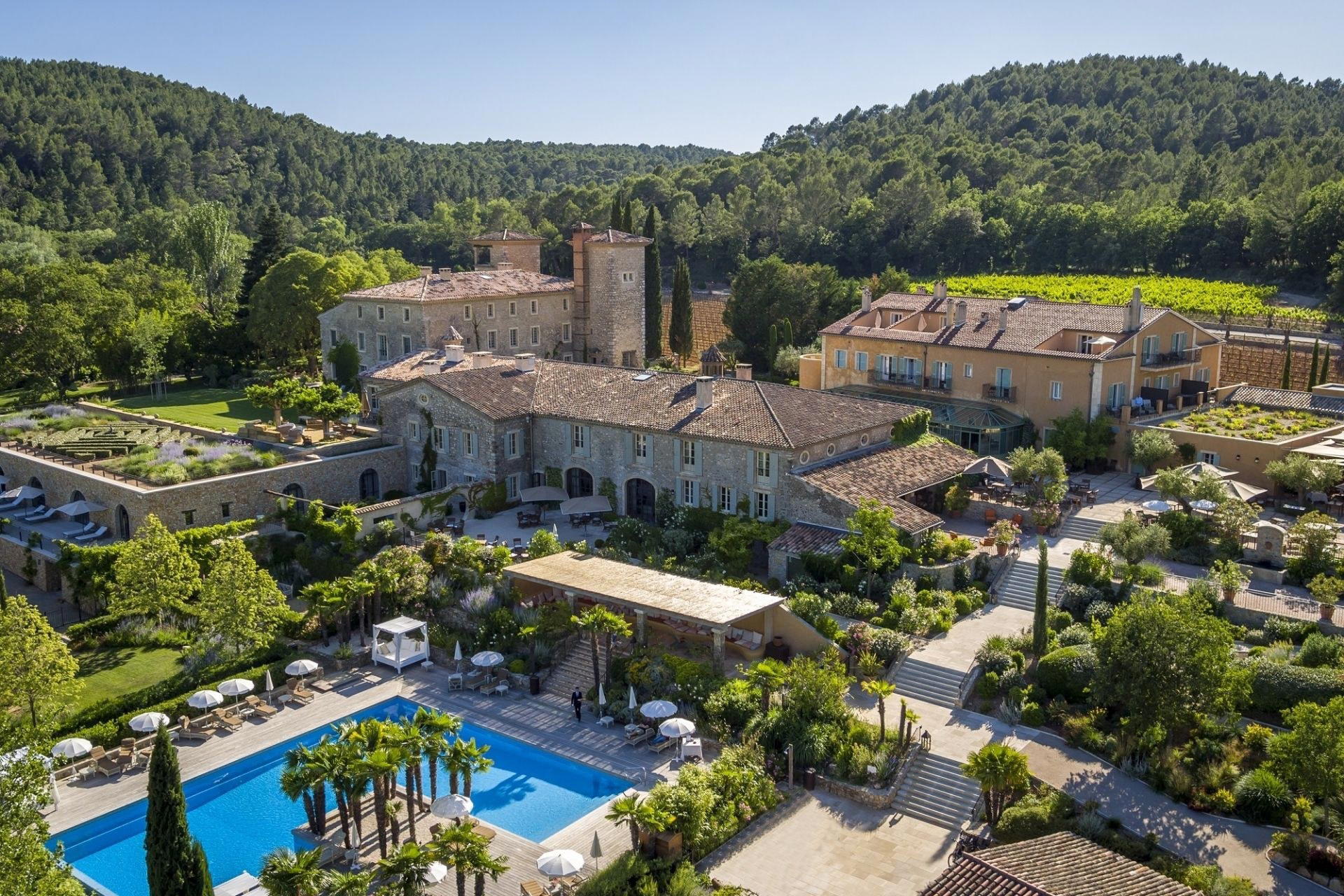
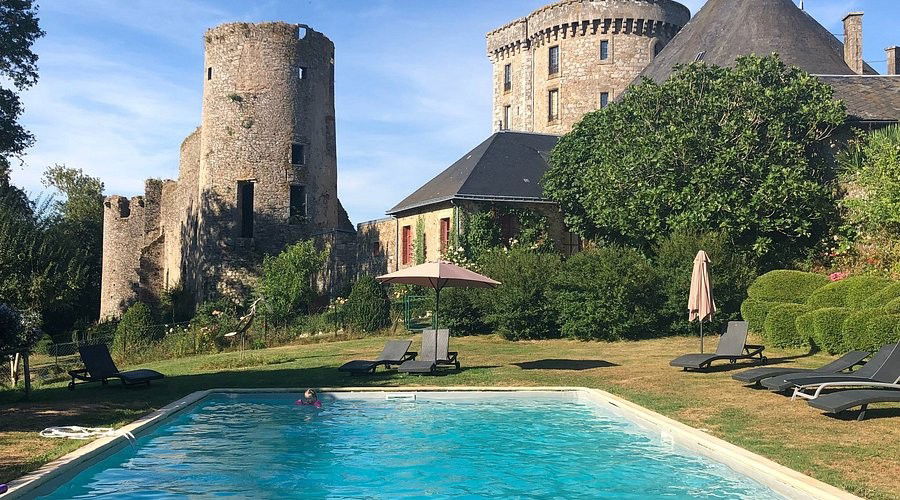
Château de la Flocellière reads like a fortress that quietly became a house. Medieval towers and centuries of adaptation give the property a layered, classical character: stonework in a grey‑gold Vendée palette, stairwells that turn unexpectedly and rooms that tuck into towers. The result is a composed, charming place that feels pulled from history rather than staged for tourism. Because it opens from a private‑estate logic rather than resort infrastructure, the château’s spatial quirks and secluded setting create a serene, intimate atmosphere best appreciated by travelers who value authenticity and architectural patience.
Best For
This château is best for travelers seeking an intimate, historically resonant stay—couples on romantic getaways, honeymooners and couples celebrating anniversaries find the medieval towers and quiet estate especially fitting. The property also suits small wedding parties and families looking for a weekend escape in the French countryside; its Exceptional Hotel distinction from Gault & Millau signals an elevated standard that appeals to guests reserving a special occasion. History and architecture enthusiasts benefit from the building’s documented medieval core and layered adaptations across centuries.
Stay Tips
Request a room in or adjacent to one of the towers if you want the full château experience: the description notes “rooms that sit inside towers” and stairwells that turn unexpectedly, so expect unconventional circulation and varied room proportions. Keep in mind the property does not announce itself with resort infrastructure, and it sits off the main Loire Valley tourist corridor, so plan transport in advance. Given the Gault & Millau Exceptional Hotel designation, availability can tighten for prime dates—book early and flag any mobility concerns because the historic layout may include tight stairs and uneven routes.
Venue details
Ambiance
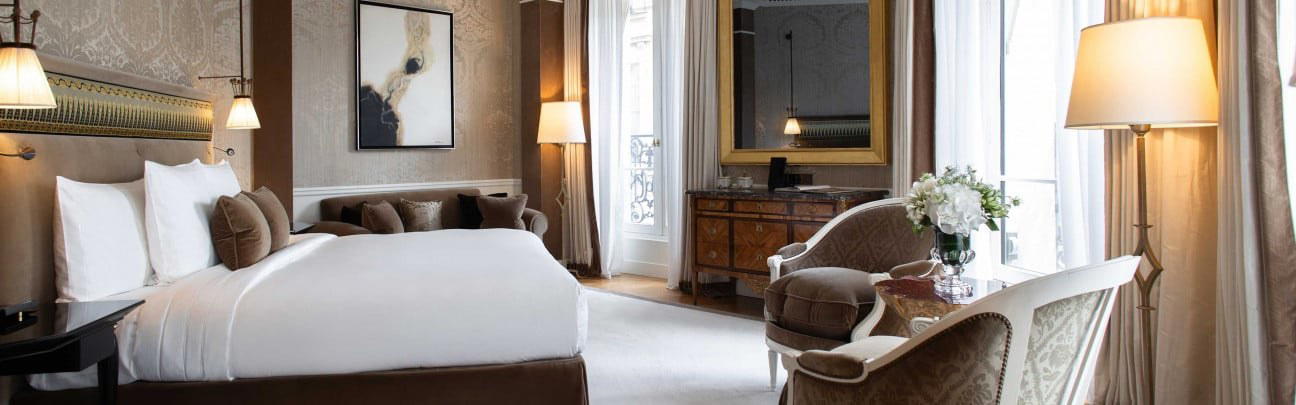
Enchanting historical atmosphere with tastefully decorated antique rooms, tapestries, comfortable bedding, and warm candlelit dinners in grand dining rooms.
Tags
Vibe
Best For
Experience
Amenities
View
About the Stay
- Rooms
- 20
- Check-in
- 19:00
- Check-out
- 12:00
- Property Type
- Heritage hotel
- Property Style
- Medieval Castle with Self Catering Accommodations in Keep, Pavilion, and Cottage
- Design Style
- Antique Rustic Elegance with Tapestries and Four Poster Beds
- Breakfast
- Included
- Pool
- Yes
- Pets
- Allowed
- Families
- Welcome
Know before you go
Know Before You Go
- Getting there
- 30 Rue du Château, 85700 Sèvremont
Planning details
Location
Recognition and awards

Also consider
Where to Look If This Is Not the Fit
If the goal is wine-country touring, start with Domaine de la Soucherie. If the priority is a more amenity-led stay, compare Maison Maubreuil before committing to a château setting.
Hotel context
How It Compares
Choose Château de la Flocellière if the stay is about a château atmosphere in Sèvremont and an easy booking path. Against Château du Boisniard and Alexandra Palace - La Maison Younan, it reads as the more place-led choice: better for travelers who want the setting to carry the stay, less certain for guests prioritizing a broader hotel amenity list.
Domaine de la Soucherie is the better cross-shop if the trip leans wine-country and rural touring. L'Abbaye De Villeneuve is the better comparison if the appeal is historic architecture with a more classic hotel feel. Château de la Flocellière makes the clearest case when Sèvremont itself is the anchor and the rate does not push into full-service luxury territory.
Maison Maubreuil is the better option to check if the trip needs a more polished leisure-hotel mood. For easier booking and a quieter address-driven stay, Château de la Flocellière is the practical pick; for amenity depth, compare carefully before paying more.
Explore Sèvremont
Around this place
Discover more on Pearl
Unlock the full Château de la Flocellière guide in Pearl, including awards, comparisons, FAQs, planning details, and nearby places.
Compare Château de la Flocellière
| Venue | Location | Awards |
|---|---|---|
| Château de la Flocellière | Sèvremont | 2025 Gault & Millau Exceptional Hotel |
| Château du Boisniard | Chanverrie | 2025 Gault & Millau Exceptional Hotel |
| Alexandra Palace - La Maison Younan | Mazières-en-Gâtine | 2025 Michelin Selected Hotels2025 Gault & Millau Exceptional Hotel |
| Domaine de la Soucherie | Beaulieu Sur Layon | No published awards |
| L'Abbaye De Villeneuve | Les Sorinières | No published awards |
| Maison Maubreuil | Nantes | No published awards |

How Château de la Flocellière compares with similar nearby venues.
FAQ
Frequently Asked Questions
What is check-in like at Château de la Flocellière?
Plan your arrival in Sèvremont using the timing provided by the property or booking platform.
How is the pool and spa at Château de la Flocellière?
If wellness amenities are important, verify pool and spa availability directly before booking.
Which room category is best at Château de la Flocellière?
Choose based on the details shown at booking, especially the room features that matter most to your stay.
Is Château de la Flocellière family-friendly?
Families should verify room setup, occupancy rules, and any child-related services directly before booking.
How does Château de la Flocellière compare to other hotels?
It makes sense to compare it with Château du Boisniard, Alexandra Palace - La Maison Younan, Domaine de la Soucherie, L'Abbaye De Villeneuve, and Maison Maubreuil if you are choosing among hotel options in the wider area.
How is the dining at Château de la Flocellière?
Do not assume a specific cuisine, menu format, meal service, or restaurant scope. The hotel recognition is Gault & Millau Exceptional Hotel (2025): 5pts, but that should not be read as a specific dining claim.