
Hotel in Seneca, United States
The Retreat at Silvies Valley Ranch
525Pearl PointsRanch Stay Verdict


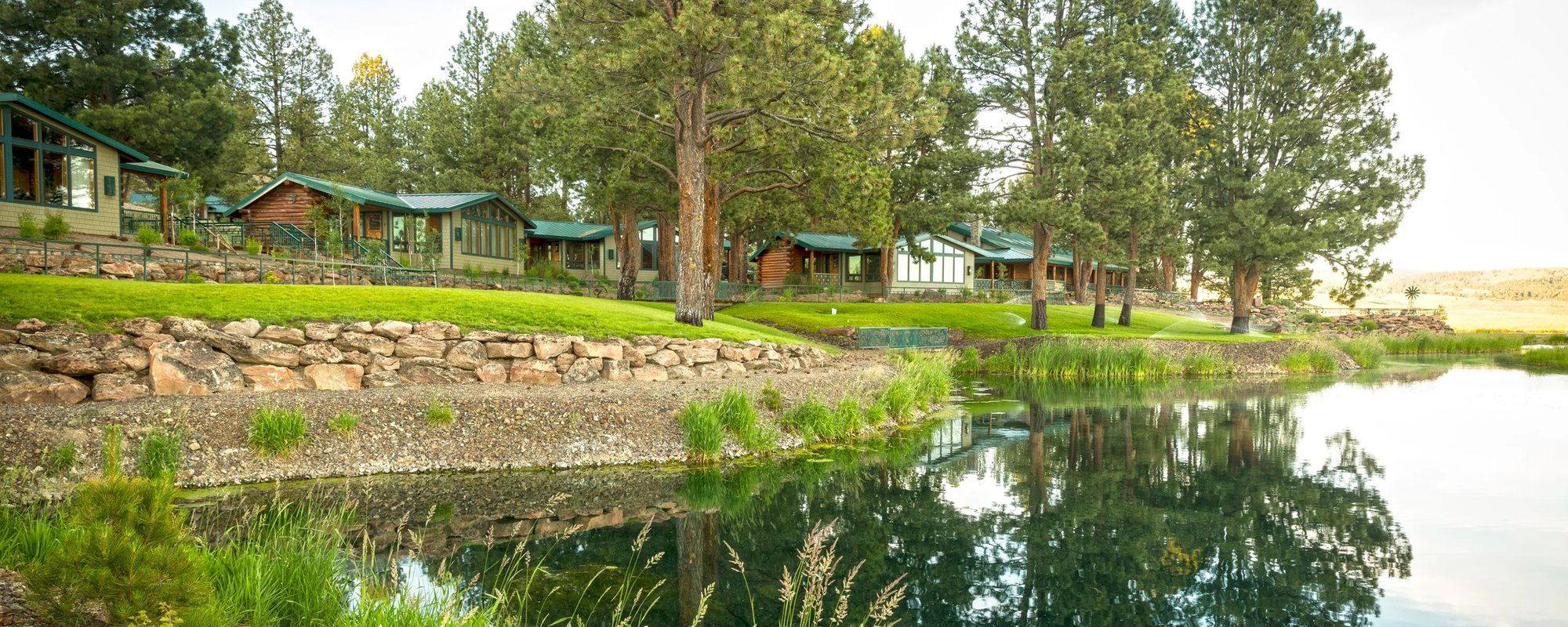
About The Retreat at Silvies Valley Ranch
Book The Retreat at Silvies Valley Ranch if the trip is built around a remote Oregon ranch stay, not city access. Its Preferred Hotels Member status and 2026 Top 50 Ranches recognition make it a credible choice for families and multigenerational groups who want space, quiet, and a self-contained destination format.
The Retreat at Silvies Valley Ranch is a venue in Seneca with a casual dress code and two verified recognition signals: Preferred Hotels Member (2025) and Top 50 Ranches (2026). Beyond those confirmed points, travelers should avoid assuming specific dining, activity, room, pricing, or service details unless they verify them directly with the property.
The main planning question is whether Seneca is the right base for your trip. If you are comparing it with a more conventional hotel stay, focus on the confirmed basics rather than unverified claims: the venue is in Seneca, the dress code is casual, and its listed recognition includes Preferred Hotels Member (2025) and Top 50 Ranches (2026).
Best for travelers considering a Seneca stay
Clearest verified case for The Retreat at Silvies Valley Ranch is simple: it is a Seneca venue with casual dress and recognized affiliations. That makes it worth shortlisting for travelers specifically looking at this venue, while still leaving practical questions to confirm before booking.
Awards signal helps justify considering it for a larger trip: Preferred Hotels Member status in 2025 and a Top 50 Ranches recognition in 2026 place it in a more curated set than an unrecognized listing. That does not automatically make it the right value for every traveler, but it is a grounded reason to keep it on the shortlist.
Choose it when the verified basics match your plans
If your priority is a Seneca stay and the venue itself is the reason you are researching, The Retreat at Silvies Valley Ranch is the relevant option to evaluate. If you are comparing it with other hotel experiences, keep the comparison high level unless you have current details directly from the property.
Travelers cross-shopping other properties such as Hotel 43, Modern Hotel, The Avery Hotel, The Finch, or The Sparrow should compare based on confirmed needs such as location, availability, and current booking terms. For The Retreat at Silvies Valley Ranch, the verified planning notes are Seneca location, casual dress, Preferred Hotels Member (2025), and Top 50 Ranches (2026).
Frequently Asked Questions
How does The Retreat at Silvies Valley Ranch compare to other hotels?
Compare it on confirmed details: The Retreat at Silvies Valley Ranch is in Seneca, has a casual dress code, and is listed as a Preferred Hotels Member (2025) with Top 50 Ranches recognition (2026). Other properties such as Modern Hotel, The Sparrow, The Avery Hotel, Hotel 43, or The Finch may suit different trip plans, so check current location and booking details directly before deciding.
What is check-in like at The Retreat at Silvies Valley Ranch?
Specific check-in details are not verified here. Confirm arrival procedures, timing, and any booking requirements directly with The Retreat at Silvies Valley Ranch before traveling to Seneca.
Which room category is best at The Retreat at Silvies Valley Ranch?
Specific room categories are not verified here. Choose based on your party size, budget, and current availability after confirming the latest room details directly with the property.
Do loyalty programs work at The Retreat at Silvies Valley Ranch?
The verified recognition is Preferred Hotels Member (2025). Any points, benefits, or loyalty-program details should be confirmed through the venue's official channels before booking.
When is the best time to book The Retreat at Silvies Valley Ranch?
Specific booking windows and seasonal patterns are not verified here. If your dates are fixed, check current availability directly with The Retreat at Silvies Valley Ranch.
How is the location of The Retreat at Silvies Valley Ranch?
The verified location is Seneca. No street address is included here; confirm exact directions through the venue's official channels before traveling.
How is the dining at The Retreat at Silvies Valley Ranch?
Specific dining details are not verified here. Check the venue's official channels for current food, beverage, and service information before making plans around dining.
Location
10000 Rendezvous Lane, Seneca, OR 97873
Seneca, United States
Compare The Retreat at Silvies Valley Ranch
| Venue |
|---|
| The Retreat at Silvies Valley Ranch |
| Modern Hotel |
| The Sparrow |
| The Avery Hotel |
| Hotel 43 |
| The Finch |
What to weigh when choosing between The Retreat at Silvies Valley Ranch and comparable nearby venues.
Also Consider
- Modern Hotel, Notable alternative
- The Sparrow, Notable alternative
- The Avery Hotel, Notable alternative
- Hotel 43, Notable alternative
- The Finch, Notable alternative
How it compares with nearby hotel alternatives
Choose The Retreat at Silvies Valley Ranch over Modern Hotel, The Sparrow, and The Avery Hotel when the stay itself is the point. Its ranch setting and Preferred Hotels Member recognition make it better suited to families and groups who want a destination resort rhythm rather than a simple overnight base.
Hotel 43 and The Finch are easier choices for travelers who want a more conventional hotel structure and less commitment to a remote setting. The Retreat is the more distinctive option for ambiance, but not the most practical pick if the group wants quick access to city dining, nightlife, or frequent off-property plans.
Value depends on the purpose of the trip. For a family ranch escape, The Retreat is the stronger booking because the setting carries the experience. For a short stop, a city-style peer is likely the cleaner value because less of the stay depends on using the property as the main event.
Recognized By


Explore Seneca
Save or rate The Retreat at Silvies Valley Ranch on Pearl
Keep this venue in your Pearl passport, rate it after you visit, and track it alongside every other place you collect.