
Grand Hotel Angiolieri
Seiano
Hotel in Seiano, Italy
 Book with Pearl
The Read
Restored Sorrentine Villa
Why go
Grand Hotel Angiolieri is a sensible Seiano pick for travelers who want a quieter Sorrento Coast base and are watching the rate-to-experience ratio. The 2025 Small Luxury Hotels of the World membership adds confidence, but the strongest case is booking when shoulder-season pricing undercuts better-known Sorrento options.
About Grand Hotel Angiolieri
Grand Hotel Angiolieri is a hotel in Seiano. Evaluate it primarily as a Seiano base, and check current amenities, room types, dining formats, and service features directly with the hotel before booking.
A Seiano base with a confirmed recognition
Its Small Luxury Hotels of the World Member status for 2025 is a useful point for travelers comparing hotel stays, but it should not be treated as proof of any particular amenity, restaurant format, room view, spa facility, or pricing advantage.
Grand Hotel Angiolieri may make sense for travelers who specifically want to stay in Seiano. Compare current rates, room categories, cancellation terms, and services directly through the hotel before booking.
Who should choose it over Sorrento
Consider Grand Hotel Angiolieri if Seiano is the right base for your trip and you prefer to compare hotels by location and Small Luxury Hotels of the World membership rather than by assumptions about amenities. The dress code is smart casual, which is worth noting for guests planning their stay.
For hotel comparisons, consider Grand Hotel Angiolieri alongside options such as Capo La Gala Hotel & Wellness, Grand Hotel Cocumella, Hotel Parco dei Principi di Sorrento, Hotel Villa Garden, and Mediterraneo Sorrento. For dining, check current information from the hotel and other Seiano restaurants directly before making plans.
The verdict: shortlist Grand Hotel Angiolieri if you want a Seiano hotel with Small Luxury Hotels of the World membership for 2025, then check the current practical details before booking.
Inside Grand Hotel Angiolieri
Planning details
- Location
- Via Santa Maria Vecchia, 2, 80066 Seiano NA
- Website
- grandhotelangiolieri.it
- Phone
- +39 081 802 9161
The take
The Take
The Vibe
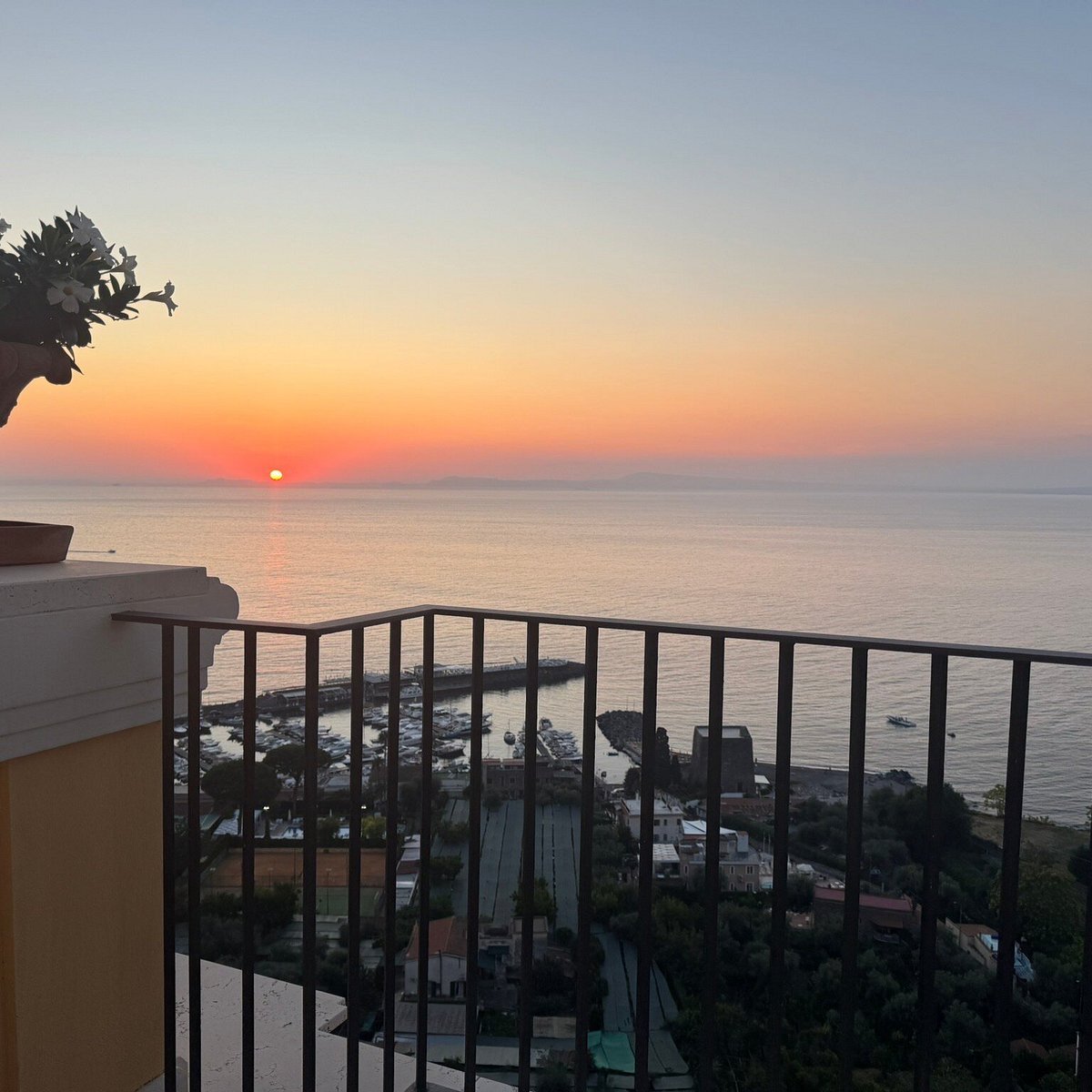
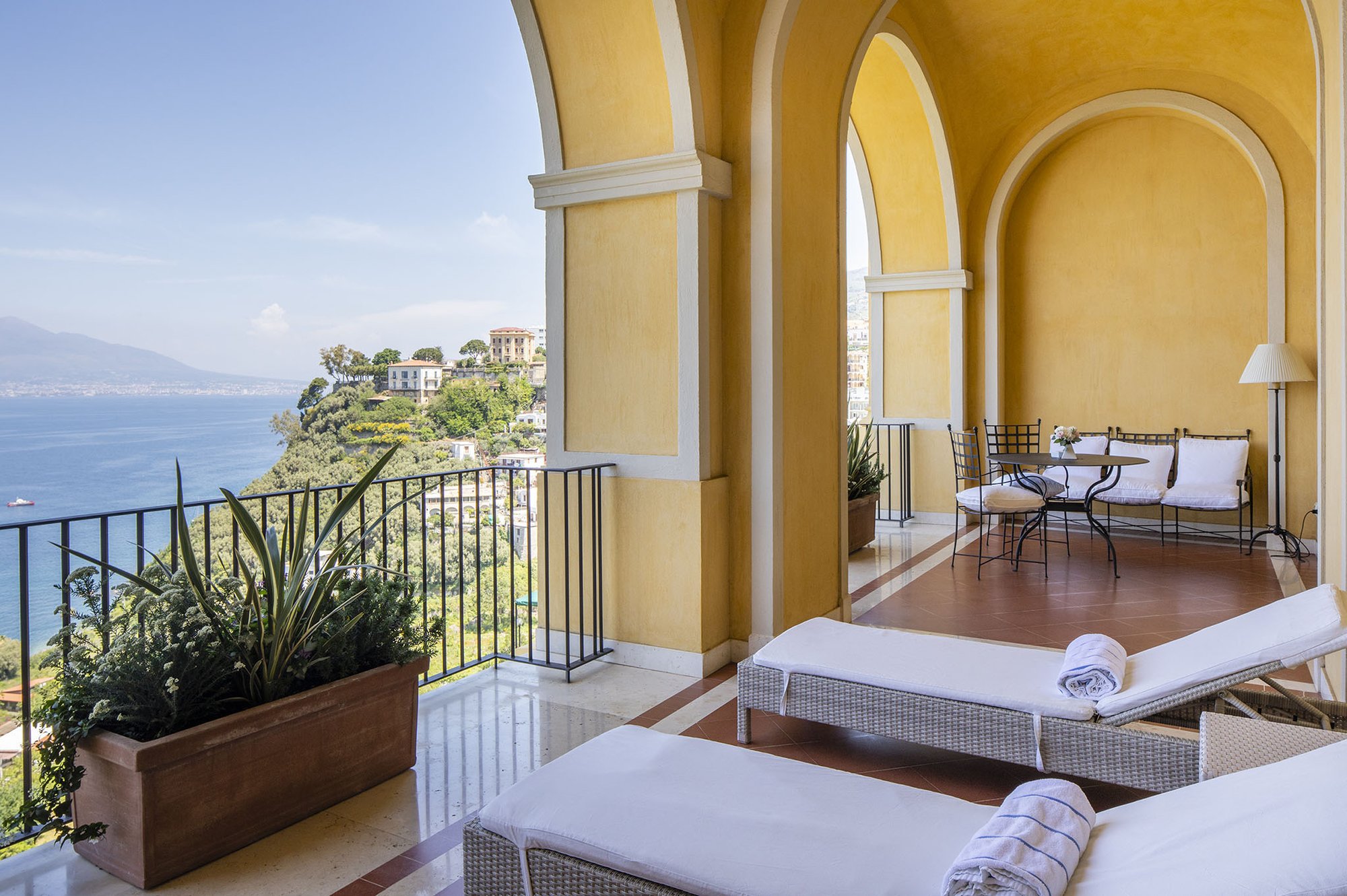
Grand Hotel Angiolieri reads more like a restored private villa than a conventional coastal resort. The restoration leans into the building's original fabric and domestic scale, so public spaces feel like lived rooms rather than grand lobbies. Perched on a clifftop, the property frames the bay as a distant horizon and sits amid olive groves and lemon orchards, which together create a pastoral, calm character. That restrained, small-scale approach produces a charming, historic atmosphere: quiet, understated, and deliberately removed from the theatrics of larger cliff-edge institutions along the Sorrentine coast.
Best For
The hotel is best for travelers who want a quieter, small-scale alternative to the busier resorts of Sorrento and Positano. Its location in Seiano keeps guests close enough to central Sorrento for day trips while remaining deliberately removed from tourist circulation, making it well suited to weekend escapes, anniversaries and honeymoon stays. Guests who appreciate architectural attention to original detail, pastoral surroundings of olive groves and lemon orchards, and a calm clifftop outlook over the bay find the property's restraint and domestic scale particularly appealing.
Stay Tips
Because Grand Hotel Angiolieri operates at villa scale with a limited number of rooms, reserve early and request a room oriented toward the clifftop side to maximize views of the bay horizon. Treat the property as a quiet base for day trips into central Sorrento or nearby towns like Vico Equense and Castellammare di Stabia rather than as a large resort with extensive on-site programming. Ask staff for directions into the surrounding agricultural landscape if you want to explore local olive groves and lemon orchards.
Venue details
Ambiance
Peaceful and elegant with stunning sea vistas, soundproofed rooms, and a relaxing atmosphere highlighted in guest reviews.
Tags
Vibe
Best For
Experience
Amenities
View
About the Stay
- Rooms
- 36
- Property Type
- Boutique hotel
- Property Style
- Restored Centuries Old Coastal Villa Blending Palatial Seaside Heritage with Modern Luxury.
- Design Style
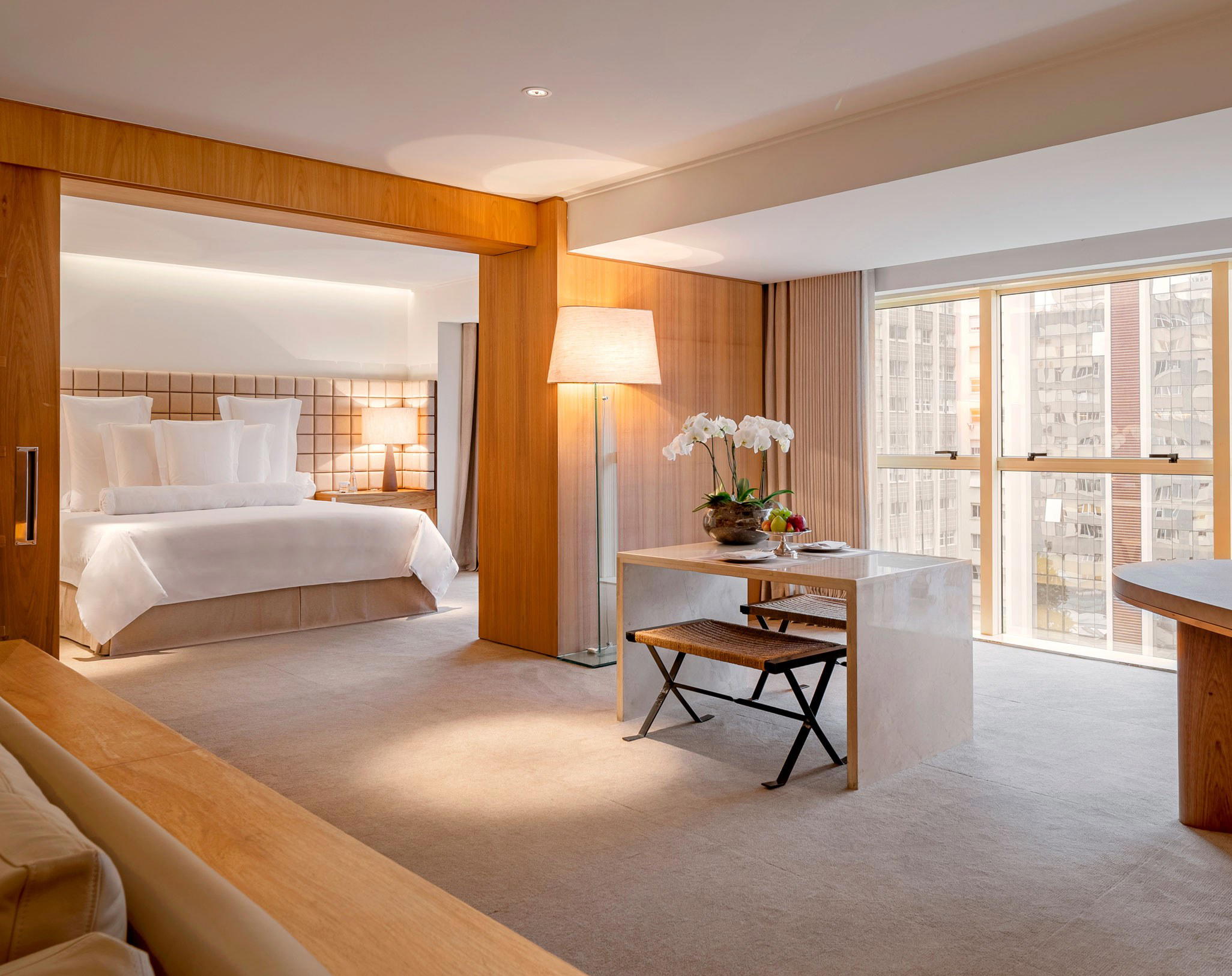
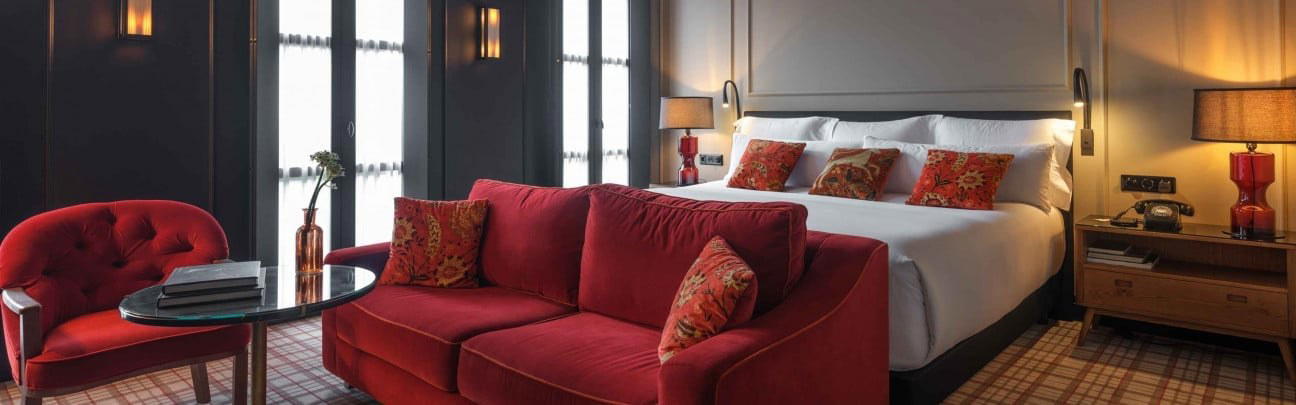
- Classic Italian Elegance with Vaulted Tufa Ceilings, Hand Painted Majolica Tiles, and Murano Chandeliers.
- Breakfast
- Included
- Airport Transfer
- Available
- Pool
- Yes
- Spa
- Yes
Know before you go
Know Before You Go
- Getting there
- Via Santa Maria Vecchia, 2, 80066 Seiano NA
Planning details
Location
Recognition and awards

Also consider
Also Consider
- Capo La Gala Hotel & Wellness, Notable alternative
- Hotel Villa Garden, Notable alternative
- Mediterraneo Sorrento, Notable alternative
- Grand Hotel Cocumella, Notable alternative
- Hotel Parco dei Principi di Sorrento, Notable alternative
Hotel context
How it compares with nearby coastal hotels
Choose Grand Hotel Angiolieri when Seiano's quieter setting and easier booking matter more than being in the middle of Sorrento. Against Mediterraneo Sorrento and Grand Hotel Cocumella, the decision should come down to price spread and location: if Sorrento access is the priority, those peers may justify paying more; if the rate gap is meaningful, Seiano is the value move.
Capo La Gala Hotel & Wellness is the cross-shop for travelers putting wellness and a resort feel first. Hotel Villa Garden is a practical alternative for a more intimate stay, while Hotel Parco dei Principi di Sorrento makes more sense for design-led travelers who want a stronger Sorrento identity.
For value-seekers, the advice is simple: book Grand Hotel Angiolieri when it prices clearly below the Sorrento names or when availability is easier for the dates needed. If the rates are close, cross-shop by trip style rather than chasing prestige: Sorrento for convenience, Seiano for a calmer base.
Explore Seiano
Around this place
Discover more on Pearl
Unlock the full Grand Hotel Angiolieri guide in Pearl, including awards, comparisons, FAQs, planning details, and nearby places.
Compare Grand Hotel Angiolieri
| Venue | Location | Awards |
|---|---|---|
| Grand Hotel Angiolieri | Seiano | Small Luxury Hotels Member 2025 |
| Capo La Gala Hotel & Wellness | Vico Equense | 2026 Mr & Mrs Smith Luxury Hotels2026 Michelin 1 Key2025 Michelin 1 Key |
| Hotel Villa Garden | Sant'Agnello | No published awards |
| Mediterraneo Sorrento | Sant'Agnello | 2026 Forbes Recommended2026 Michelin 1 Key2025 Michelin 1 Key2024 Michelin 1 Key |
| Grand Hotel Cocumella | Sorrento | Small Luxury Hotels Member 2025 |
| Hotel Parco dei Principi di Sorrento | Sant'Agnello | No published awards |



How Grand Hotel Angiolieri Seiano compares with similar nearby venues.
FAQ
Frequently Asked Questions
Is Grand Hotel Angiolieri good for business travel?
What is check-in like at Grand Hotel Angiolieri?
When is the best time to book Grand Hotel Angiolieri?
Its 2025 Small Luxury Hotels of the World membership is a useful recognition, but travelers should compare current availability, rates, and cancellation terms directly before booking.
How does Grand Hotel Angiolieri compare to nearby hotels?
Grand Hotel Angiolieri is a Seiano option with Small Luxury Hotels of the World Member status for 2025. If you are comparing stays, also look at Capo La Gala Hotel & Wellness, Grand Hotel Cocumella, Hotel Parco dei Principi di Sorrento, Hotel Villa Garden, and Mediterraneo Sorrento, while checking each property's current location, services, and rates directly.
How is the pool and spa at Grand Hotel Angiolieri?
If wellness facilities matter, confirm current amenities directly with Grand Hotel Angiolieri and compare with other hotels such as Capo La Gala Hotel & Wellness.