

Taubenkobel
Schützen am Gebirge
Hotel in Schützen am Gebirge, Austria
 Book with Pearl
The Read
Rural Farmhouse Fine Dining
Why go
A strong pick for a quiet Schützen am Gebirge food-and-wine occasion, especially if the goal is a destination feel rather than city-hotel convenience. Relais Chateaux and Star Wine List recognition give it credibility, but compare carefully if room categories, spa details, or exact rates are central to the decision.
About Taubenkobel
Taubenkobel in Schützen am Gebirge is best for travelers who want to plan directly around the venue. Key details include a smart-casual dress code, Relais Chateaux Award (2026) recognition, and Star Wine List (2026) recognition. Before building a trip around it, confirm current arrangements with Taubenkobel.
The appeal is strongest for travelers who specifically want Schützen am Gebirge and are comfortable planning from a short record. If the priority is an easier-to-compare option elsewhere, another listed venue may be simpler to evaluate. If the priority is Taubenkobel itself and the dress-code and recognition signals, this remains the more focused choice.
Plan around Schützen am Gebirge, not convenience assumptions
The decision comes down to trip shape. Schützen am Gebirge works when the visit is built around being there, rather than treating the venue as a quick add-on. For broader planning, cross-check food plans in the Schützen am Gebirge restaurants guide and consider other Schützen am Gebirge dining resources generically.
Because hours, prices, facilities, and transportation details are not included, timing should be confirmed with the venue before booking. That is especially important for special occasions, group plans, or any trip where logistics need to be settled in advance.
Consider Taubenkobel for Schützen am Gebirge; cross-shop other options for logistics
The strongest reasons to consider Taubenkobel are its Schützen am Gebirge setting, smart-casual dress code, Relais Chateaux Award (2026) recognition, and Star Wine List (2026) recognition. Those facts provide clearer signals than a generic listing, but the lack of detail on rates, facilities, hours, and service format means travelers who need exact comparisons should confirm directly before committing.
If the trip also needs a different base or easier-to-compare logistics, compare the practical fit against options such as Andaz Vienna Am Belvedere, Hyatt Regency Vienna, Hotel Daniel Vienna, or Graetzlhotel Belvedere. Those may make more sense when the priority is not specifically Schützen am Gebirge. Taubenkobel makes more sense when Schützen am Gebirge and the venue itself are central to the plan.
Inside Taubenkobel
Planning details
- Location
- Hauptstraße 27/33, 7081 Schützen am Gebirge
- Website
- taubenkobel.at
- Phone
- +43 2684 2297
The take
The Take
The Vibe
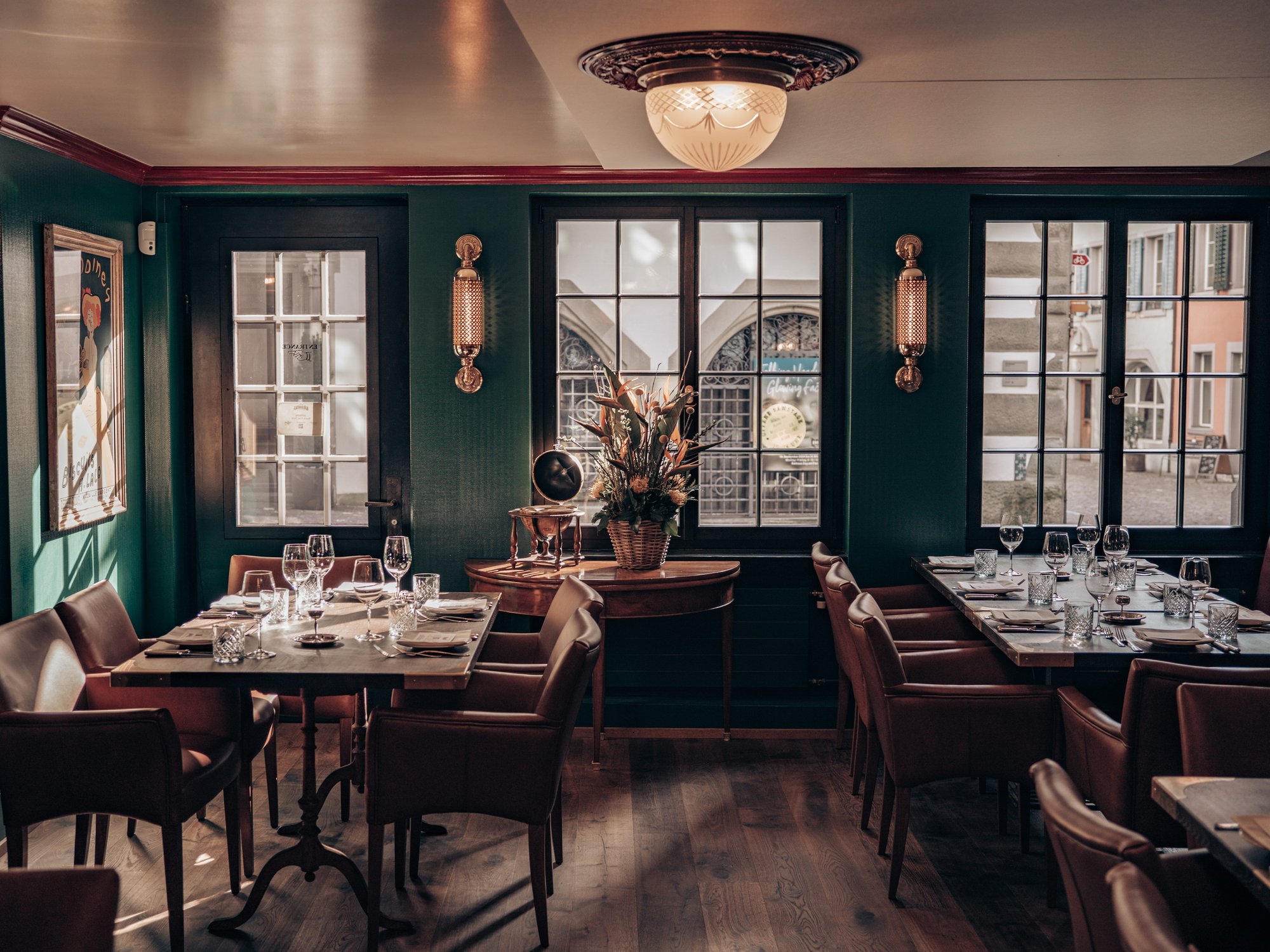
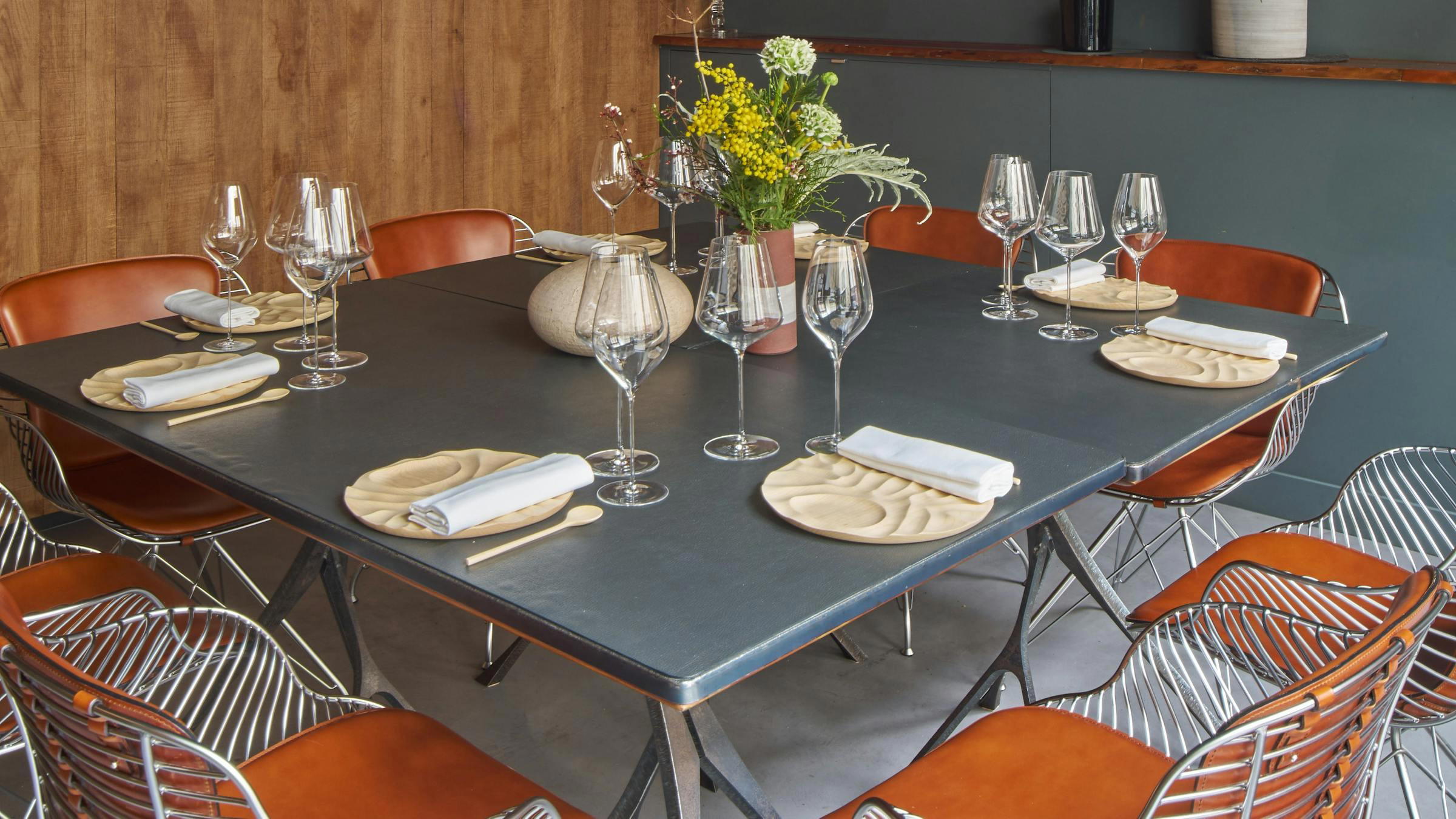
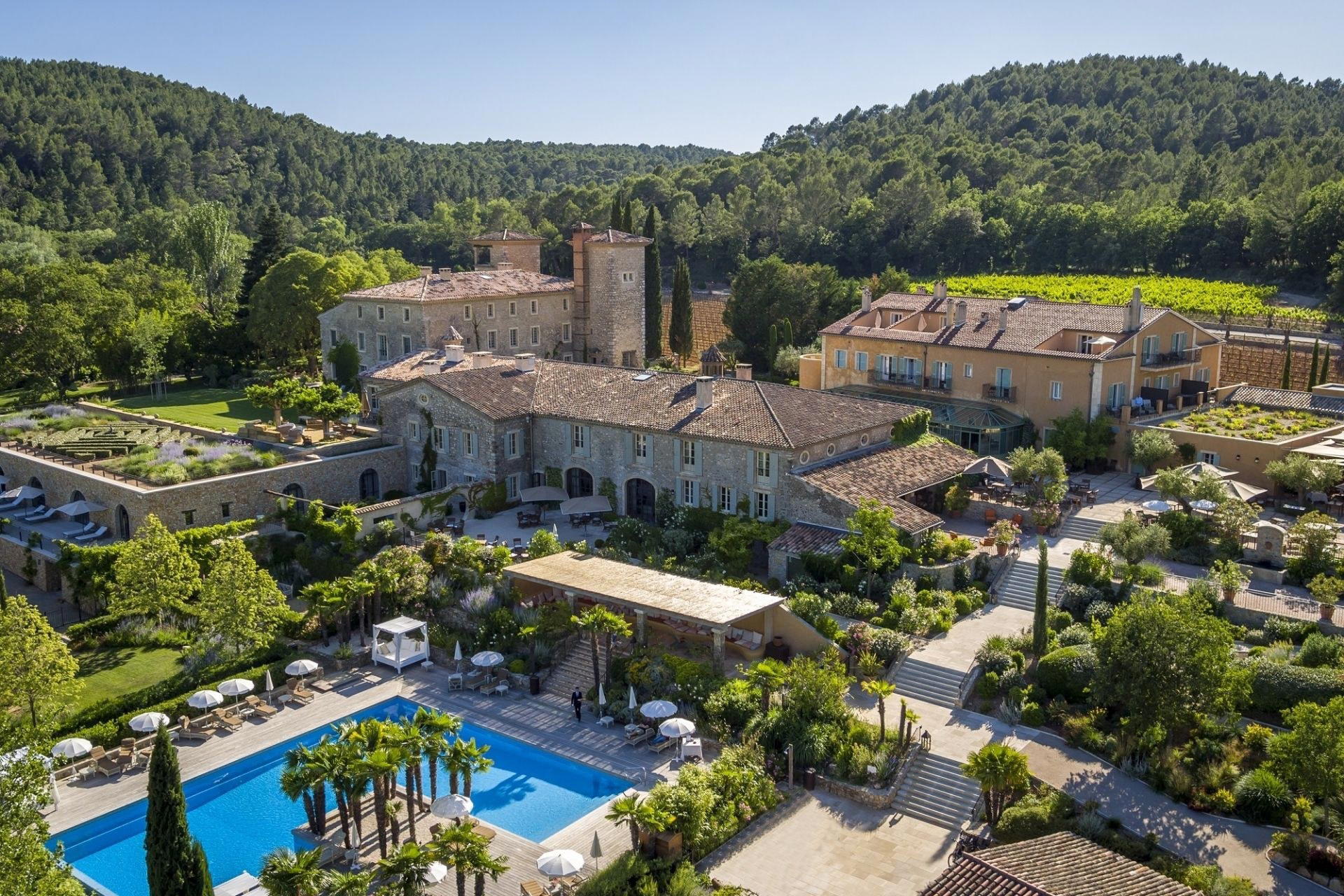
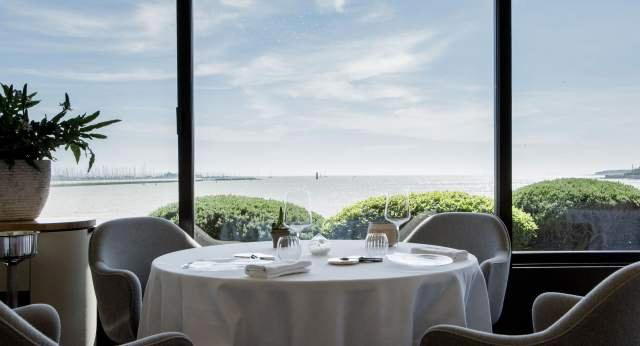
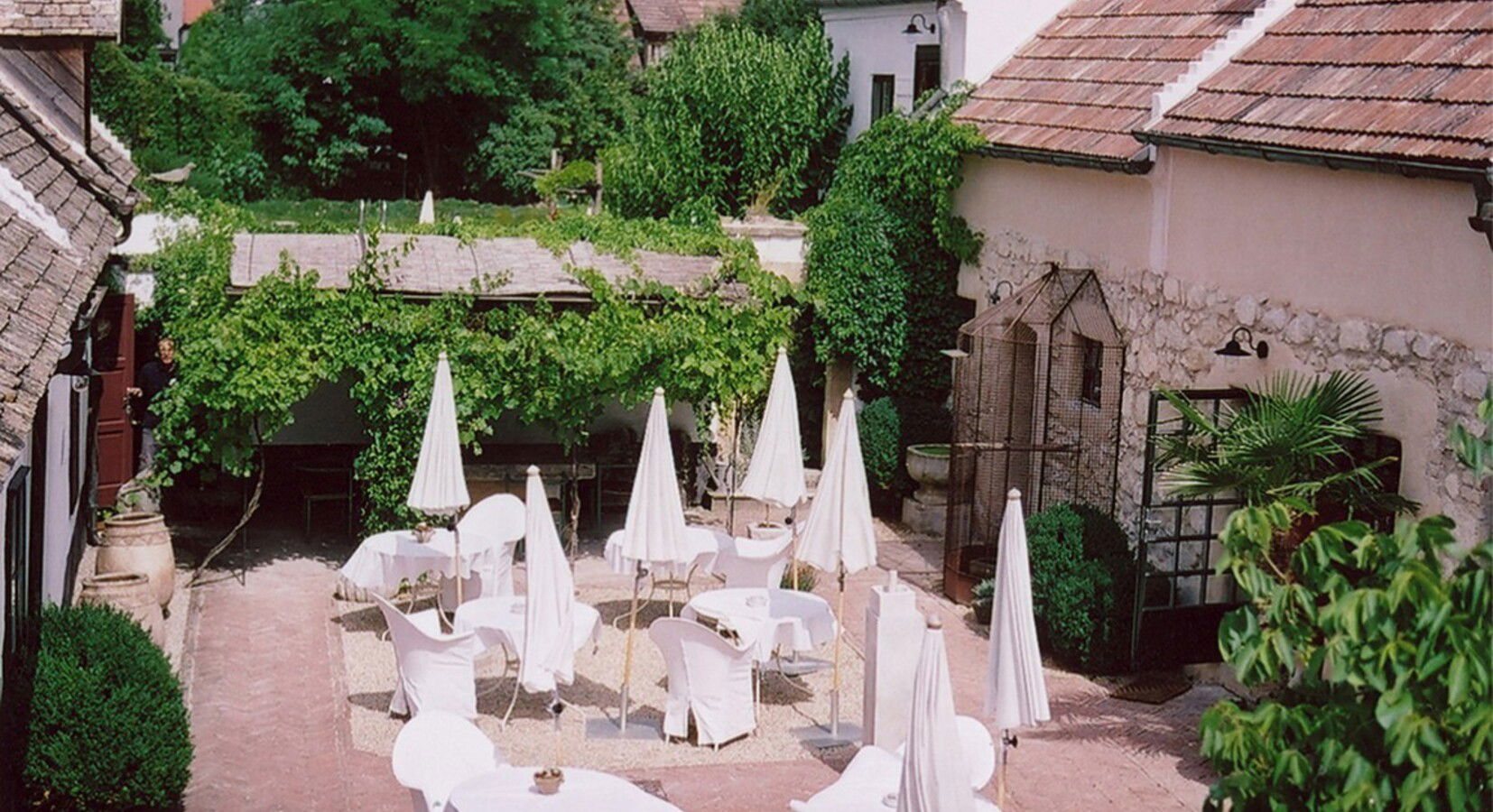
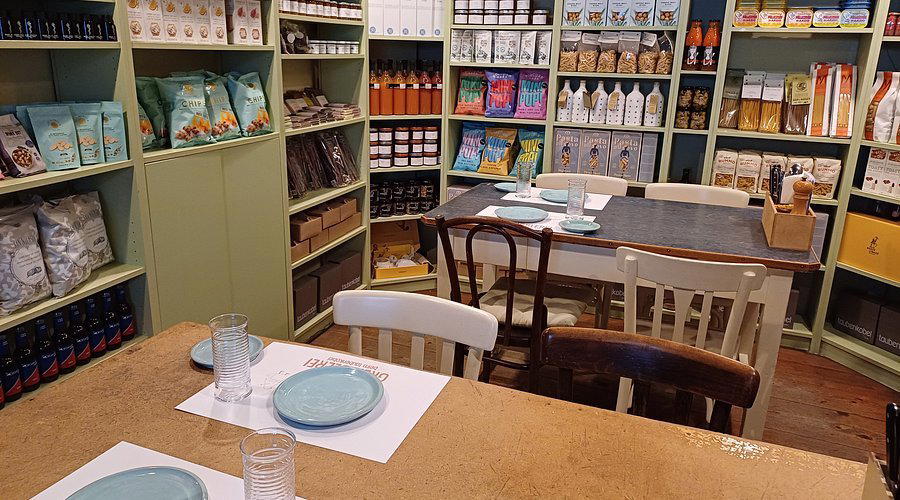
Taubenkobel leans into understatement: a modest farmhouse exterior gives way to meticulously pitched, top-tier cooking. The converted farmhouse architecture is treated honestly, with exposed structural features and compartmentalised rooms that generate a pronounced intimacy. Rather than chasing urban drama, the property appreciates its rural context, rooting its style in regional restraint and agricultural provenance. The result is a sophisticated, quietly charming destination where history and high culinary craft coexist—the kind of place where the building’s origins are integral to the dining experience rather than mere decoration.
Best For
This is a destination for deliberate visits: diners come from beyond the village to experience Austria’s two-Michelin-star regional cuisine. It suits couples and small groups seeking an intimate, special-occasion dinner or a weekend escape centred on memorable food. The family-run aspect and the building’s compartmentalised spaces favour considered, unhurried meals rather than quick stops, so it works best when you plan time for the full experience. Its rural Burgenland setting also makes it attractive for guests combining a short getaway with haute cuisine.
Stay Tips
Reservations are essential: Taubenkobel functions as a destination restaurant in a small village, so book well in advance and allow ample time for the evening. Expect an experience-driven meal tied to regional agriculture; come prepared to savour a multi-course tasting rather than a brief supper. Dress and demeanour that suit formal, attentive service are appropriate given its two-Michelin-star standing. If you’re travelling from Vienna or beyond, consider logistics for arrival and departure so the meal can be enjoyed without time pressure.
Venue details
Ambiance
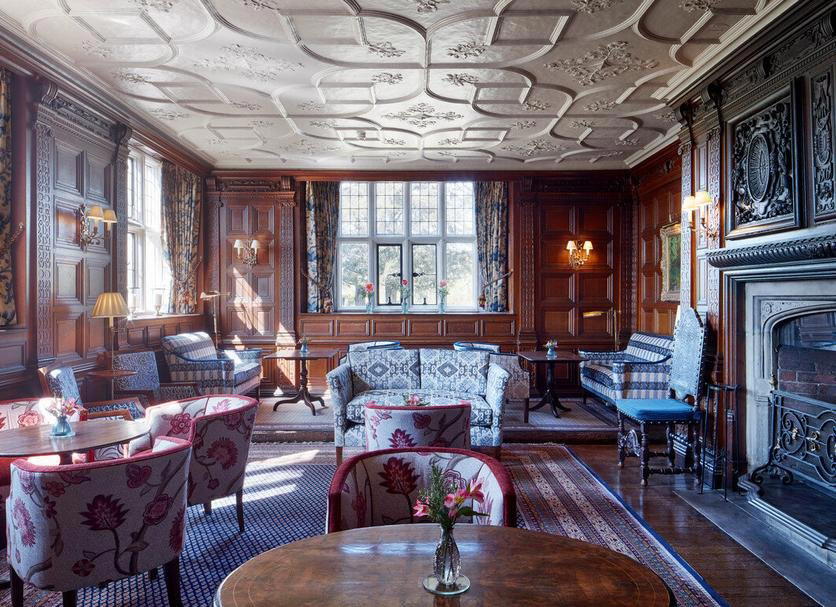
Charming and elegant with warm, intimate lighting, tastefully decorated rooms, and a relaxed yet sophisticated atmosphere praised for its familial hospitality.
Tags
Vibe
Best For
Experience
Amenities
View
About the Stay
- Rooms
- 11
- Check-in
- 16:00
- Check-out
- 12:00
- Property Style
- Stylish Boutique Hotel with Individually Designed Rooms
- Design Style
- Blend of Old and Modern, Rustic Elegance
Know before you go
Know Before You Go
- Getting there
- Hauptstraße 27/33, 7081 Schützen am Gebirge
Planning details
Location
Recognition and awards


Also consider
Also Consider
- Scheiblhofer THE RESORT, Notable alternative
- Andaz Vienna Am Belvedere, Notable alternative
- Hyatt Regency Vienna, Notable alternative
- Hotel Daniel Vienna, Notable alternative
- Graetzlhotel Belvedere, Notable alternative
Hotel context
How it compares
Choose Taubenkobel over Scheiblhofer THE RESORT if the trip is built around a quieter wine-country occasion rather than a larger resort-style stay. Scheiblhofer is the safer cross-shop for travelers who want the hotel facilities to be the main event; Taubenkobel is the sharper fit when the atmosphere and food-and-wine credibility matter more than a broad amenity list.
Against Vienna options, the trade-off is simple. Andaz Vienna Am Belvedere and Hyatt Regency Vienna are better for transport, business schedules, and sightseeing. Pick Taubenkobel only if leaving the city is part of the plan. For a celebration where the setting should feel removed from the workday, that distance is an advantage; for a short Vienna stop, it is friction.
Hotel Daniel Vienna and Graetzlhotel Belvedere are stronger value checks for travelers who want a simpler city base. They are easier to justify when price sensitivity or independent plans matter most. Taubenkobel is the one to book when the stay is the occasion, not just where luggage gets dropped.
Explore Schützen am Gebirge
Around this place
Discover more on Pearl
Unlock the full Taubenkobel guide in Pearl, including awards, comparisons, FAQs, planning details, and nearby places.
Compare Taubenkobel
| Venue | Location | Awards |
|---|---|---|
| Taubenkobel | Schützen am Gebirge | Star Wine Lists 20262026 Relais Chateaux Hotels2025 Relais Chateaux Award |
| Scheiblhofer THE RESORT | Andau | 2025 Michelin 1 Key |
| Andaz Vienna Am Belvedere | Vienna | 2026 La Liste Top Hotels |
| Hyatt Regency Vienna | Vienna | No published awards |
| Hotel Daniel Vienna | Vienna | No published awards |
| Graetzlhotel Belvedere | Vienna | No published awards |


How Taubenkobel Schützen am Gebirge compares with similar nearby venues.
FAQ
Frequently Asked Questions
Is Taubenkobel family-friendly?
Taubenkobel does not have a family-specific setup listed. If children are part of the trip, check directly with Taubenkobel before booking. What is confirmed is that the venue is in Schützen am Gebirge, has a smart-casual dress code, and has Relais Chateaux Award (2026) recognition.
How is the pool and spa at Taubenkobel?
Pool or spa facilities are not listed. Do not base a booking on those features without checking directly with Taubenkobel. The confirmed details include the Schützen am Gebirge setting and Star Wine List (2026) recognition.
What is check-in like at Taubenkobel?
Check-in details are not included. Plan to confirm arrival timing and any booking requirements directly with Taubenkobel, especially if you are organizing a tightly timed trip to Schützen am Gebirge.
Which booking option is best at Taubenkobel?
Booking categories, views, sizes, and rates are not listed. Choose only after checking Taubenkobel's official channels for current details, and match the booking to your comfort needs and plans in Schützen am Gebirge.
Do loyalty programs work at Taubenkobel?
Loyalty-program participation and point-redemption benefits are not listed. If that matters, check directly with Taubenkobel before booking. The confirmed public signals are its Schützen am Gebirge location, smart-casual dress code, Relais Chateaux Award (2026), and Star Wine List (2026) recognition.
How does Taubenkobel compare to other named options?
Taubenkobel makes more sense than Andaz Vienna Am Belvedere, Hyatt Regency Vienna, Hotel Daniel Vienna, or Graetzlhotel Belvedere if the point of the trip is specifically Schützen am Gebirge and the venue itself. For a different base or broader logistics, those other options may be simpler choices.
How is the location of Taubenkobel?
Taubenkobel is in Schützen am Gebirge. That location works best for travelers who want to plan around Schützen am Gebirge itself, rather than treating the venue as a quick alternative to somewhere else.