
Chalet Ivy Jozankei
Minami, Sapporo
Hotel in Sapporo, Japan
 Book with Pearl
The Read
Thermal Forest Retreat
Why go
Chalet Ivy Jozankei is worth booking when the trip is about a quiet onsen-style retreat outside central Sapporo, not a city-hopping hotel base. The suite-level spend makes sense for longer downtime and resort pacing; for food, nightlife, or station convenience, central Sapporo peers will be easier.
About Chalet Ivy Jozankei
Chalet Ivy Jozankei is a Sapporo hotel with a clearly signal: it is listed as a Small Luxury Hotels of the World Member in 2025. Beyond that, keep the booking decision grounded in what is confirmed rather than assuming a specific service style, dining format, room setup, or neighborhood convenience.
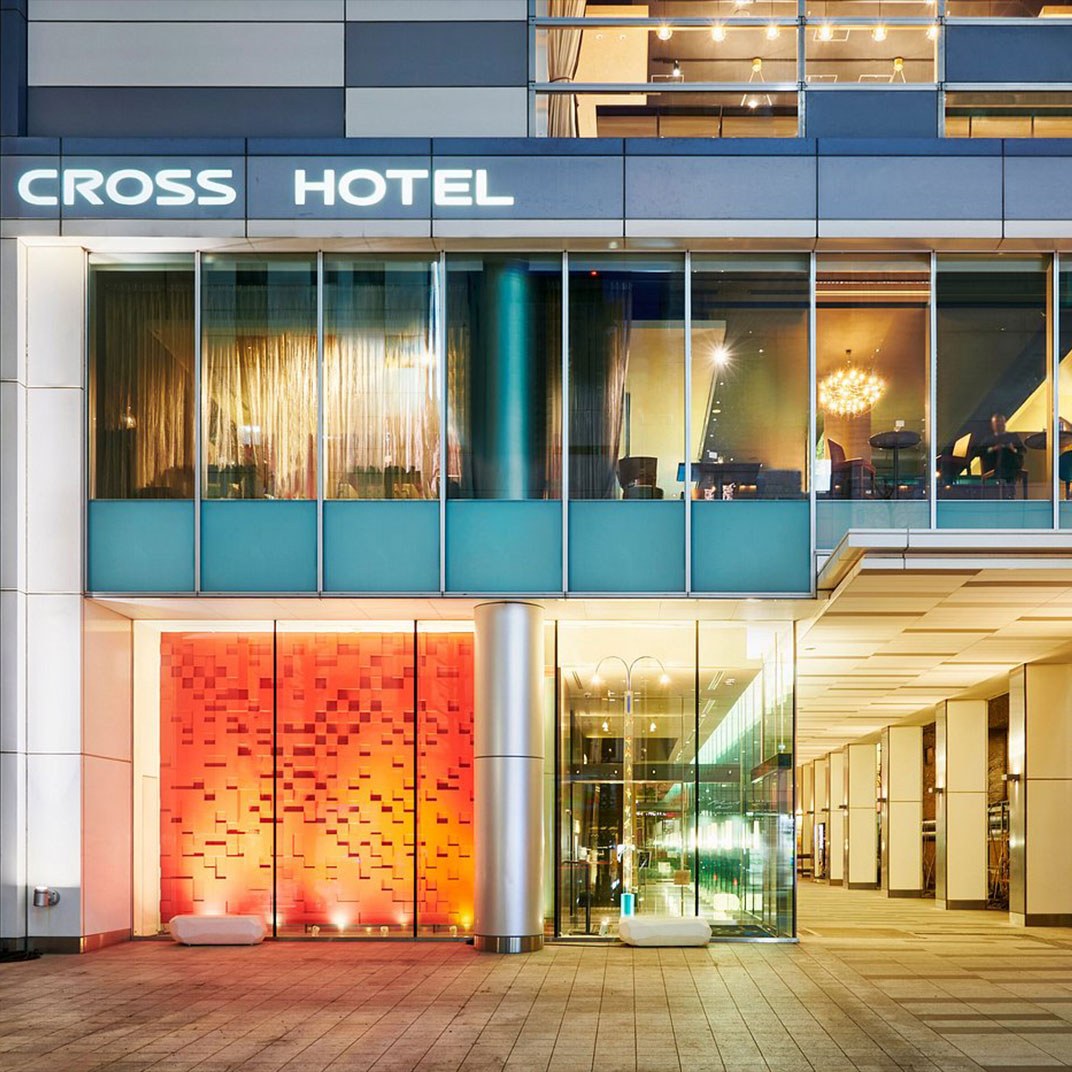
The main decision is whether this Sapporo stay fits the kind of trip you are planning. If you want to compare it with other hotel options, look at the practical differences between Chalet Ivy Jozankei and options such as Cross Hotel Sapporo, Hotel Okura Sapporo, Sapporo Excel Hotel Tokyu, or InterContinental Sapporo. Its Small Luxury Hotels of the World membership in 2025 is the trust signal here.
Book it when the hotel itself matters
Do not choose Chalet Ivy Jozankei just for a place to sleep before a full Sapporo itinerary. The value case improves when the hotel is an important part of the trip, rather than only a base between plans. If the schedule is built around frequent movement, Cross Hotel Sapporo, Hotel Okura Sapporo, Sapporo Excel Hotel Tokyu, or InterContinental Sapporo are other options to compare.
For a broader scan, use Our full Sapporo hotels guide. Food-first travelers should also check Our full Sapporo restaurants guide. If the trip is about comparing more of Sapporo before booking other Sapporo guides alongside the hotel options.
Quick reference: choose Chalet Ivy Jozankei if its Sapporo setting and Small Luxury Hotels of the World Member status match the trip; compare other options if a different hotel base is the priority.
Planning details
- Location
- 3-chōme-231 Jōzankeionsenhigashi, Minami Ward, Sapporo, Hokkaido 061-2302
- Website
- chaletivy.com
- Phone
- +81 11-595-2888
The take
The Take
The Vibe
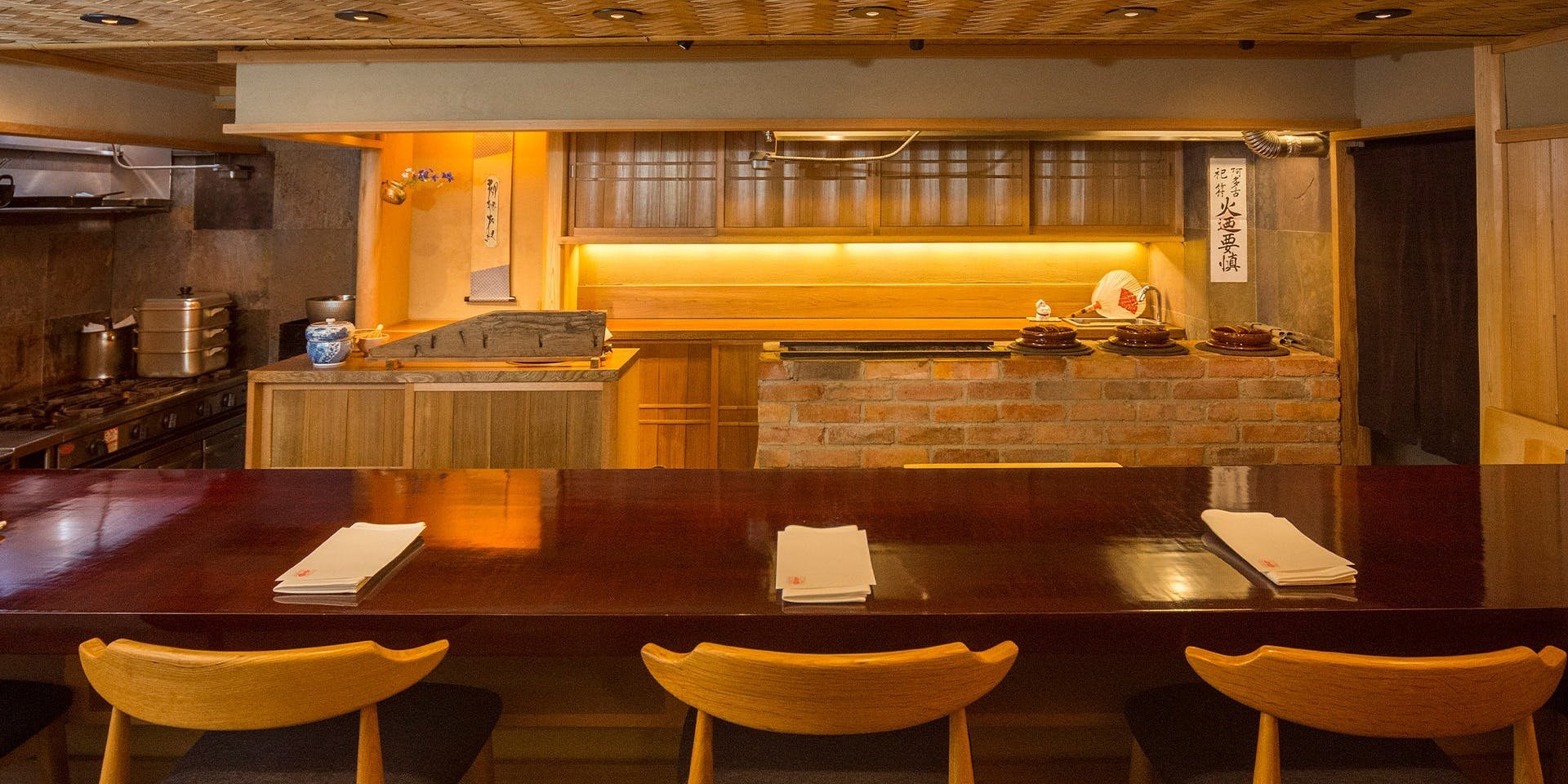
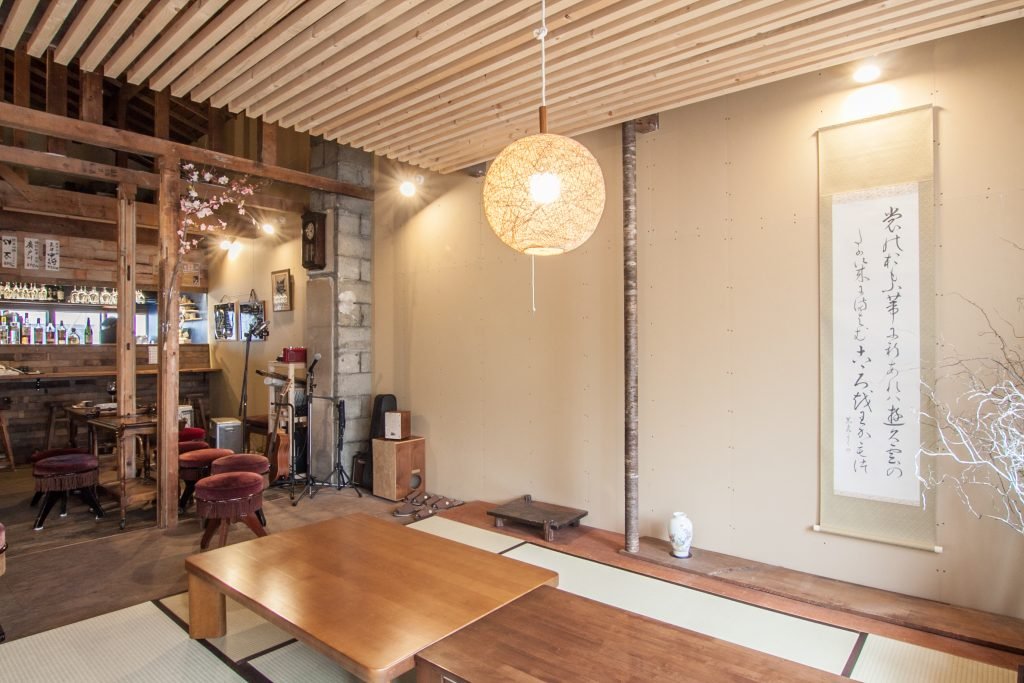
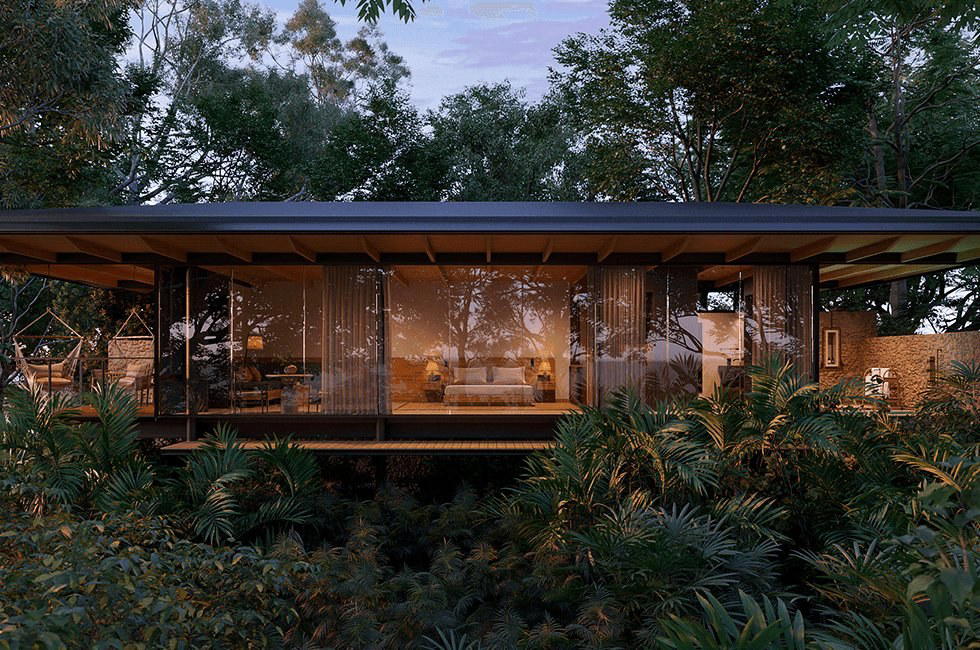
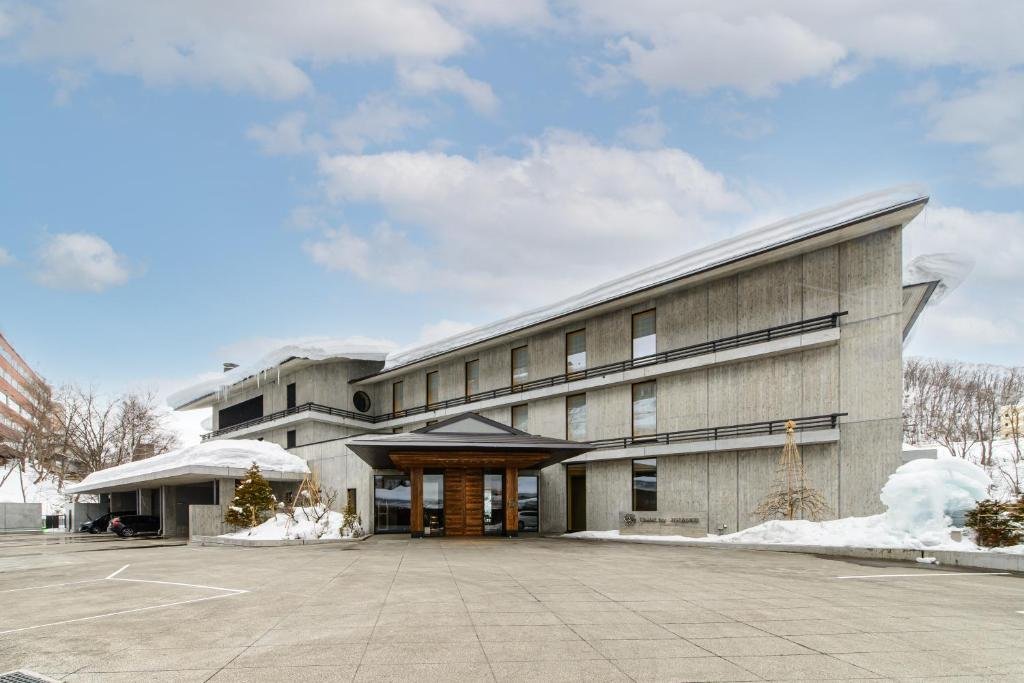
Chalet Ivy Jozankei perches on the forested edge of the Toyohira gorge, where geothermal steam lifts above birch and oak and winter snows reshape the valley. The property blends an alpine 'chalet' sensibility with the traditional ryokan vocabulary of dark timber, shoji screens and layered garden views, producing a quietly refined retreat. Emphasis on silence, proximity to nature and a feeling of deliberate removal from urban life creates a serene, intimate atmosphere. Guests encounter a place built for slow, sensory stays rather than urban spectacle — restful, understated and quietly charming.
Best For
This is a property tailored to short restorative escapes: weekenders from Sapporo, couples on romantic getaways or honeymoons, and travelers seeking a wellness-minded onsen break. The hotel's location beside the Toyohira River and within Jozankei's long-established hot-spring district makes it easy to reach yet sufficiently removed to feel transformative. Across seasons — from summer birch canopies to heavy winter snowfall — the setting supports anniversaries and wellness retreats that center on quiet, nature-adjacent accommodation and the slow pleasures of a premium ryokan experience.
Venue details
Ambiance
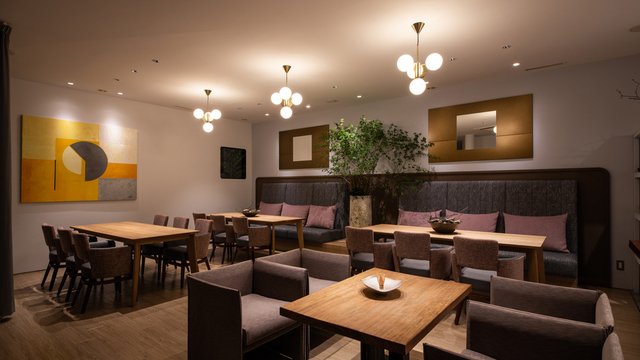
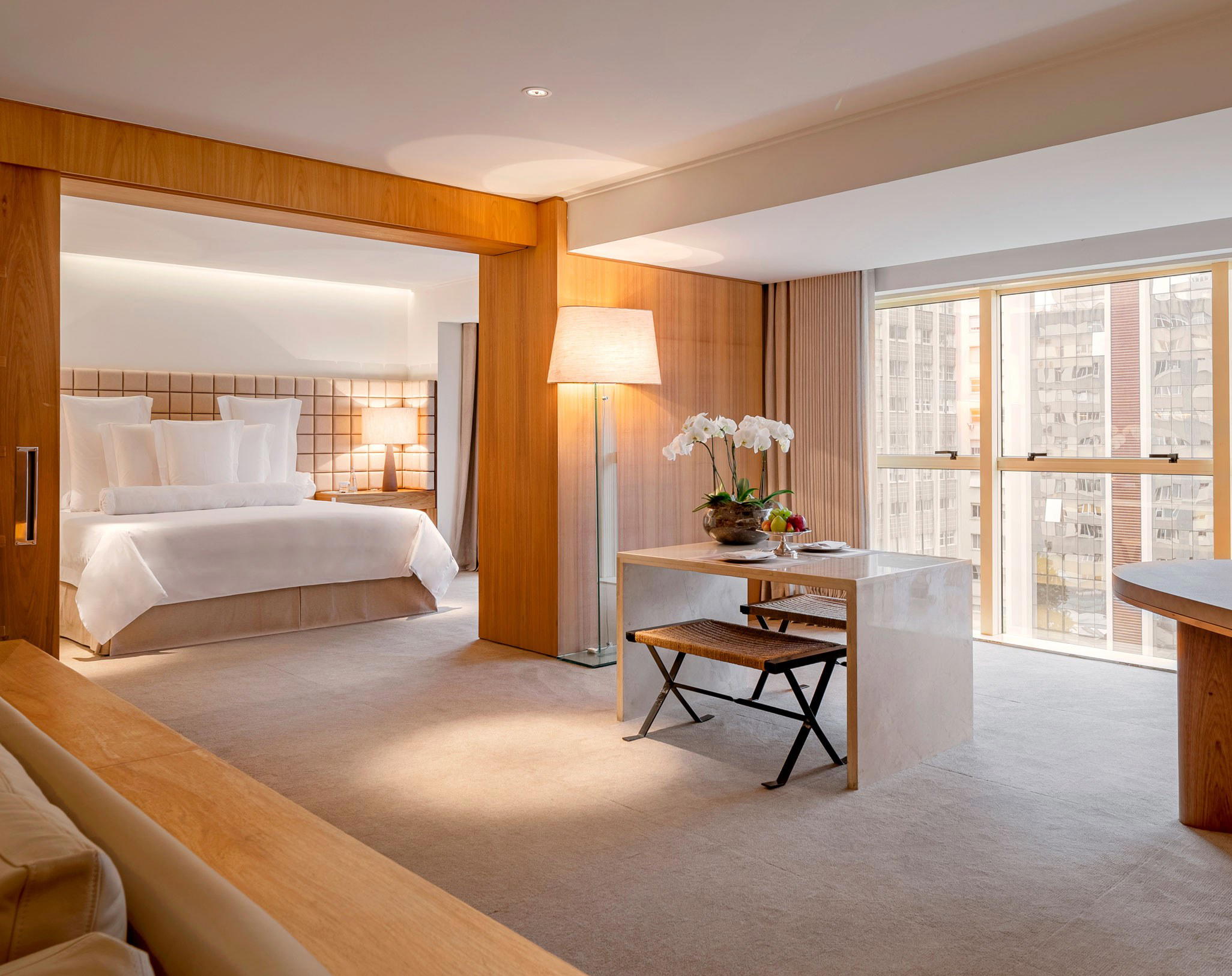
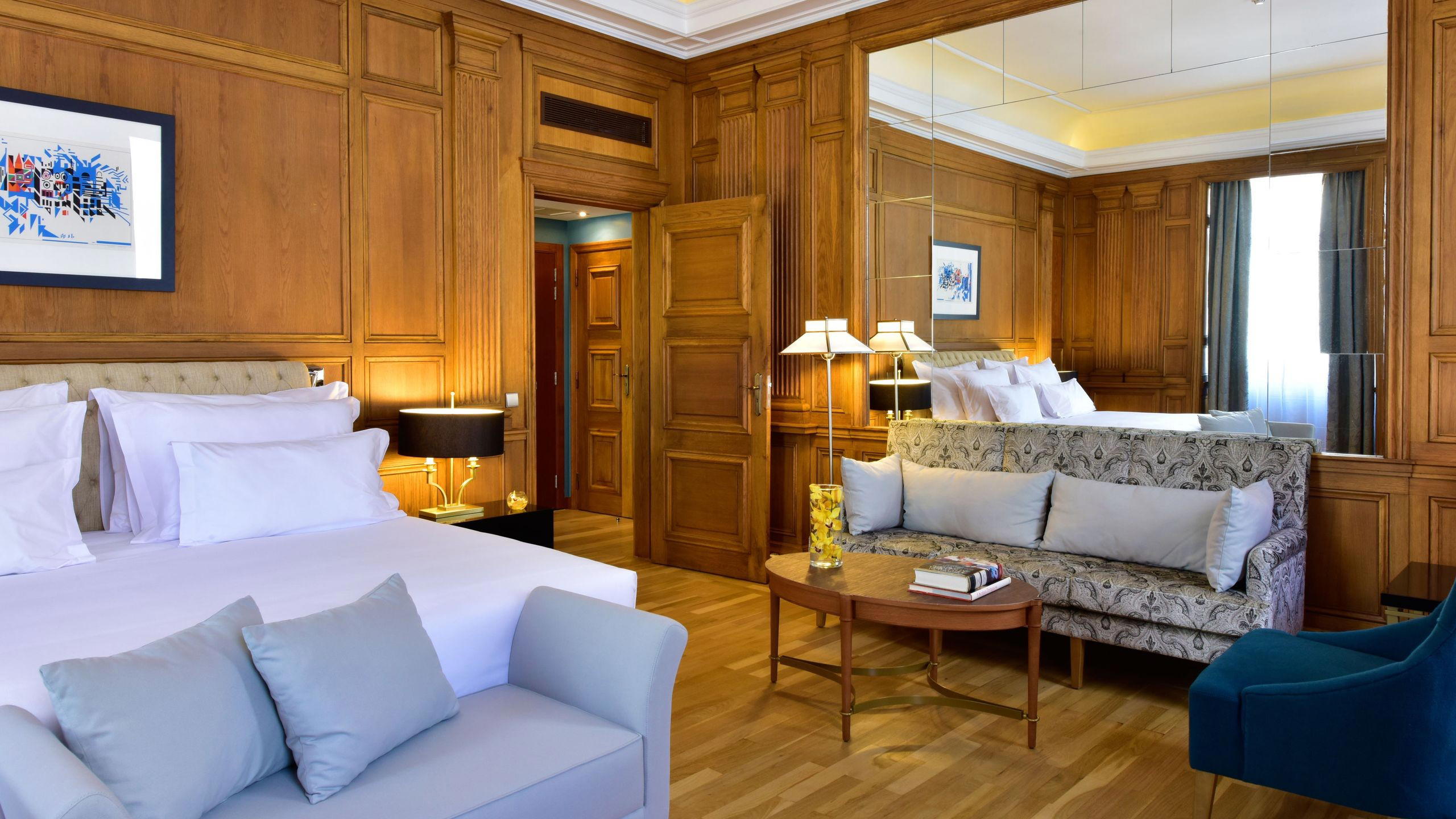
Tranquil and serene atmosphere with soothing lighting, warmed by hearths in the lounge, and serene forest and river views from spacious suites.
Tags
Vibe
Best For
Experience
Amenities
View
Accessibility
About the Stay
- Rooms
- 26
- Check-in
- 15:00
- Check-out
- 11:00
- Property Style
- Modern Luxury Ryokan in Lush Mountain Forest Setting
- Design Style
- Elegant Blend of Japanese Tradition and Contemporary Minimalism
Know before you go
Know Before You Go
- Getting there
- 3-chōme-231 Jōzankeionsenhigashi, Minami Ward, Sapporo, Hokkaido 061-2302
Planning details
Location
3-chōme-231 Jōzankeionsenhigashi, Minami Ward, Sapporo, Hokkaido 061-2302 · Directions
Recognition and awards

Also consider
Also Consider
- Suigan, Notable alternative
- Sapporo Excel Hotel Tokyu, Notable alternative
- InterContinental Sapporo, Notable alternative
- Hotel Okura Sapporo, Notable alternative
- Cross Hotel Sapporo, Notable alternative
Hotel context
How it compares with Sapporo hotel options
Chalet Ivy Jozankei is the stronger choice for a retreat-led stay, while Suigan is the closest cross-shop if the priority is a quieter Sapporo-area escape rather than a central address. Choose Chalet Ivy Jozankei when the hotel experience matters as much as the itinerary; choose Suigan if its style and availability fit better for the same slower-trip brief.
For practical city access, Sapporo Excel Hotel Tokyu, Cross Hotel Sapporo, and Hotel Okura Sapporo are easier choices for travelers spending most of the day outside the hotel. They make more sense for restaurant-heavy schedules, business travel, or shorter stays where transit time matters.
InterContinental Sapporo is the safer pick for travelers who want a bigger-brand luxury frame in the city. Chalet Ivy Jozankei is the more specific call: less about urban convenience, more about committing to Jozankei as the point of the trip.
Explore Sapporo
Around this place
Discover more on Pearl
Unlock the full Chalet Ivy Jozankei guide in Pearl, including awards, comparisons, FAQs, planning details, and nearby places.
Compare Chalet Ivy Jozankei
| Venue | Location | Awards |
|---|---|---|
| Chalet Ivy Jozankei | Sapporo | Small Luxury Hotels Member 2025 |
| Suigan | Sapporo | No published awards |
| Sapporo Excel Hotel Tokyu | Sapporo | Preferred Hotels Member 2025 |
| InterContinental Sapporo | Sapporo | No published awards |
| Hotel Okura Sapporo | Sapporo Shi | No published awards |
| Cross Hotel Sapporo | Sapporo | No published awards |

How Chalet Ivy Jozankei Sapporo compares with similar nearby venues.
FAQ
Frequently Asked Questions
When is the best time to book Chalet Ivy Jozankei?
Book based on your Sapporo travel dates and check current availability directly before confirming. The Small Luxury Hotels of the World Member status for 2025 makes it a clearer pick for travellers who want that membership signal.
How does Chalet Ivy Jozankei compare to other hotels?
Choose Chalet Ivy Jozankei if its Sapporo setting and Small Luxury Hotels of the World Member status match your trip. Compare it with Sapporo Excel Hotel Tokyu, Hotel Okura Sapporo, Cross Hotel Sapporo, InterContinental Sapporo, or Suigan depending on the style of stay you want.
Is Chalet Ivy Jozankei good for business travel?
It may work for some business travellers depending on schedule and location needs in Sapporo. For comparison, Hotel Okura Sapporo, Sapporo Excel Hotel Tokyu, Cross Hotel Sapporo, and InterContinental Sapporo are other hotel options to review before booking.
Do loyalty programs work at Chalet Ivy Jozankei?
The clearest membership signal here is its Small Luxury Hotels of the World Member status for 2025. Check the booking channel and the hotel directly before reserving if membership benefits matter to your stay.
How is the location of Chalet Ivy Jozankei?
Chalet Ivy Jozankei is in Sapporo. Book it if that Sapporo location fits your plans; compare it with options such as Cross Hotel Sapporo if you are deciding between different hotel bases.