
Hotel Nantipa
Santa Teresa, Santa Teresa de Cobano
Hotel in Santa Teresa de Cobano, Costa Rica
 Book with Pearl
The Read
Pacific Barefoot Luxury
Price
$200–300per night
Why go
Book Hotel Nantipa if the trip is about a polished Santa Teresa beach stay rather than a dining-led escape. It has credible independent-hotel recognition from Small Luxury Hotels of the World and Mr & Mrs Smith, but no confirmed restaurant format or pricing here, so treat on-site dining as a convenience unless booking details say otherwise.
About Hotel Nantipa
Hotel Nantipa is a hotel in Santa Teresa de Cobano with a casual dress code and two recognition signals: Small Luxury Hotels of the World Member for 2025 and a Mr & Mrs Smith Seal of Approval for 2026. Plan the stay by confirming booking terms directly before treating it as the right fit for a specific occasion.
The strongest reason to shortlist it is simple: you want Hotel Nantipa in Santa Teresa de Cobano, and you value the external recognition attached to the property. Details such as nightly rate, check-in timing, room categories, restaurant format, amenities, and on-property services should be confirmed directly before booking.
Good for a Santa Teresa de Cobano stay, less clear as a dining-only booking
The assigned question here is whether the on-site dining is destination-worthy on its own. The safer answer is not to frame Hotel Nantipa as a restaurant-first booking. There is no confirmed cuisine, chef, menu structure, price range, or service format attached to the dining program.
That does not make the hotel a weak choice. It simply changes the decision. If the priority is staying at Hotel Nantipa in Santa Teresa de Cobano, keep it on the shortlist and verify the current booking details directly. If the priority is a meal-first evening, use Santa Teresa de Cobano restaurants guide alongside the hotel search and choose the dining reservation separately.
Who should book it
Book this if you specifically want a Santa Teresa de Cobano hotel with a casual dress code and recognition from Small Luxury Hotels of the World and Mr & Mrs Smith. Those are useful filters for travelers who care about curated hotel selection, but they do not replace checking the current rates, policies, room details, and service offering before reserving.
For comparison, you can also look at other named options such as Batik Costa Rica, Hotel Horizon Yoga Santa Teresa, Manzanillo, Nantipa - A Tico Beach Experience, and Pranamar Villas & Yoga Retreat, or browse other hotels more generally. Keep the comparison focused on booking details rather than assumptions about amenities or dining style.
Planning details
- Location
- de, Main Street, Puntarenas Province, Santa Teresa, Costa Rica
- Website
- nantipa.com
- Phone
- (855) 626-8472
The take
The Take
The Vibe
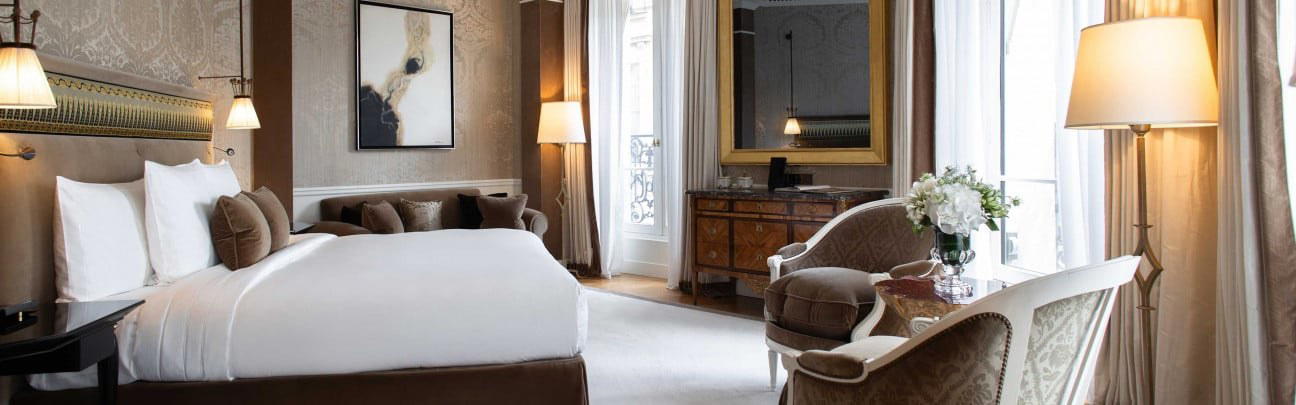
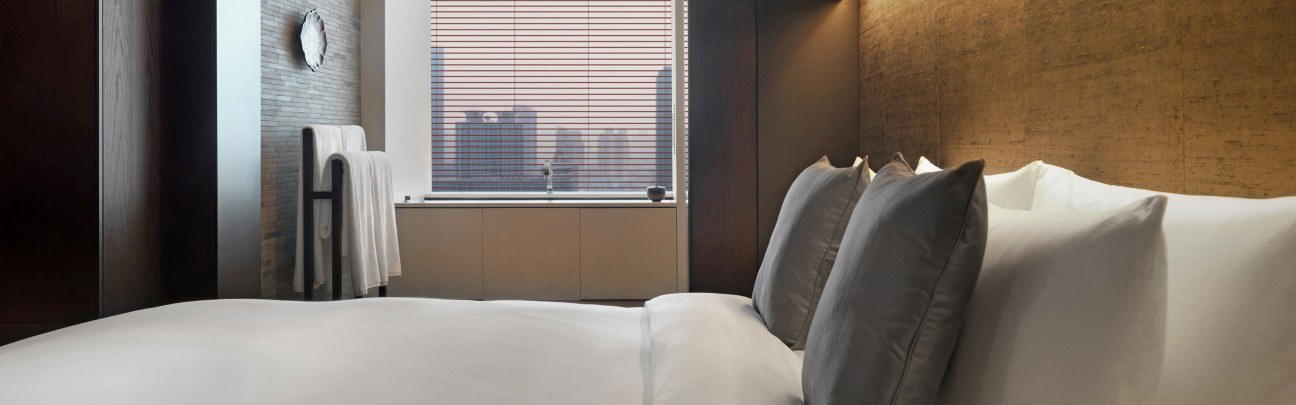
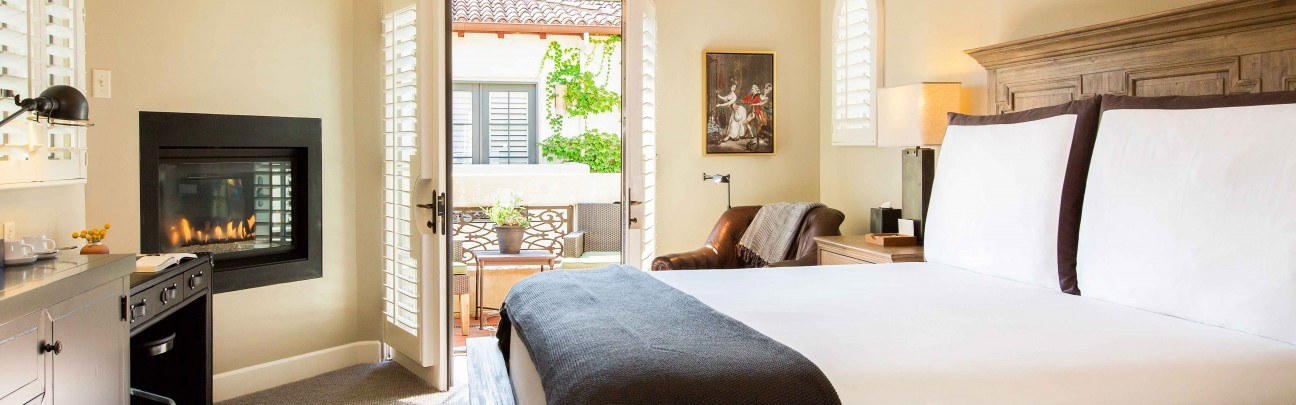
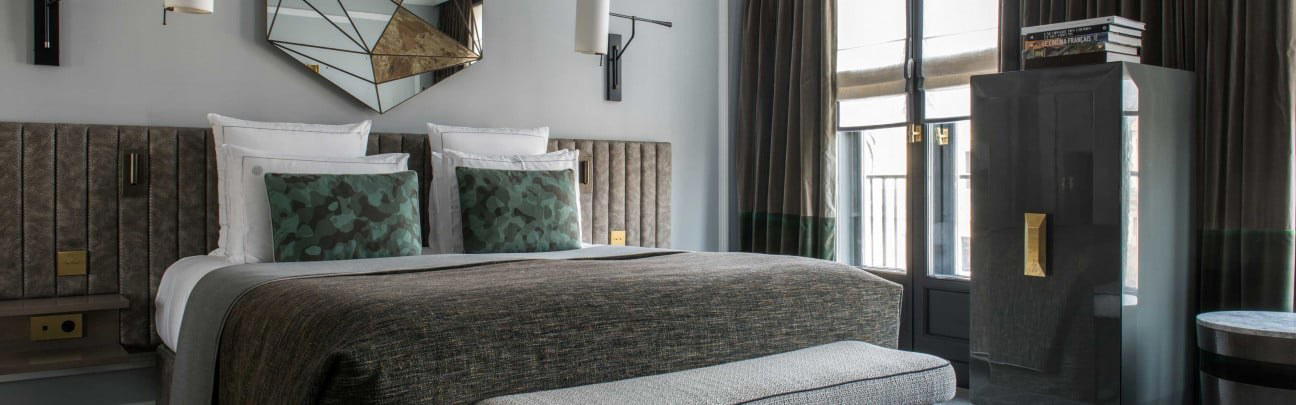
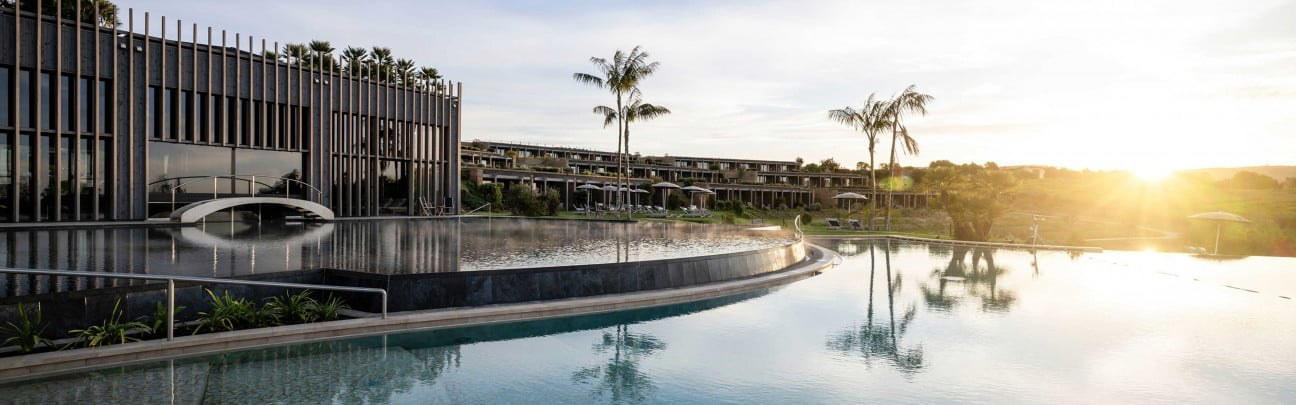
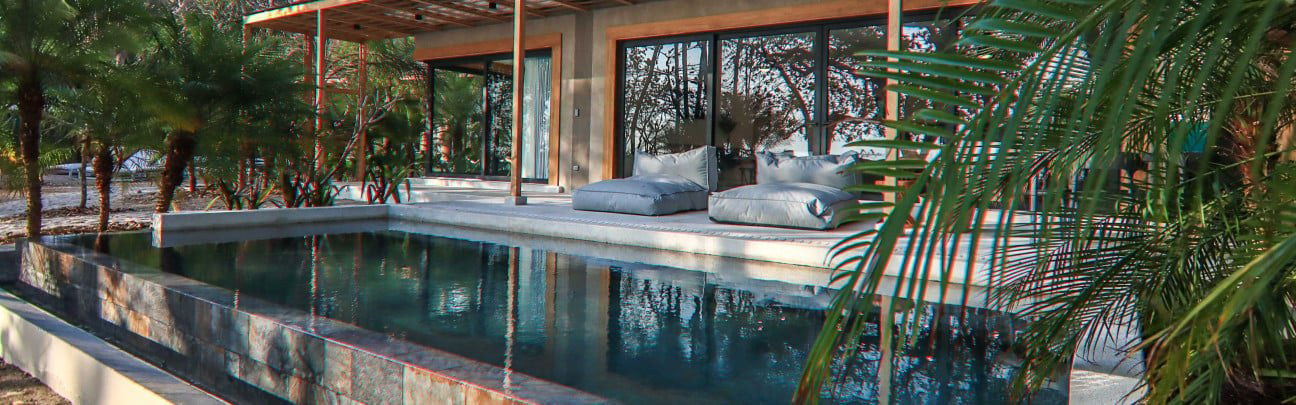
Hotel Nantipa reads like a design-minded interpretation of barefoot beach life. Architecture and interiors take their cues directly from the Pacific—open-sided structures, natural timber and thatch elements, and a material palette calibrated to ocean and sky—so the built environment intentionally dissolves indoor/outdoor thresholds. The result is a quietly composed, rustic-meets-refined retreat that foregrounds the coastline rather than treating it as a postcard. Guests encounter a low-key, relaxed energy: contemporary boutique sensibilities applied to a simple, tactile, and site-responsive expression of coastal living.
Best For
This property suits travelers who prize a strong sense of place over glitzy resort programming. Surfers and active beachgoers find immediate appeal in Nantipa’s proximity to the Pacific, while design-conscious retreaters appreciate the hotel’s thoughtful response to landscape and materials. The deliberate friction of access—ferry plus unpaved road—naturally filters crowds, so the hotel attracts people looking for an understated, low-key getaway that emphasizes connection to the coast and clean, natural design. Couples and wellness-minded guests who favor calm, scenic settings are especially well matched.
Stay Tips
Plan logistics before you go: Santa Teresa requires a ferry crossing and travel on unpaved coastal roads, so allow extra time for transfers and expect a laid-back arrival. Because the hotel leans into a boutique, low-density model and the destination filters casual traffic, book well in advance during high season. Pack light, beach-ready gear and any surf equipment you prefer—local conditions attract surfers first—and embrace the property’s pared-back, barefoot approach to amenities and service to get the most out of the stay.
Venue details
Ambiance
Serene and inviting with natural materials, soft lighting, and seamless indoor-outdoor living; sunset views from the beachfront restaurant create a tranquil, sophisticated atmosphere enhanced by the sounds of waves and jungle surroundings.
Tags
Vibe
Best For
Experience
Amenities
View
Accessibility
About the Stay
- Rooms
- 19
- Check-in
- 15:00
- Check-out
- 12:00
- Property Type
- Boutique hotel
- Property Style
- Barefoot Luxury Boutique Resort Blending Modern Comfort with Costa Rican Charm and Sustainable Design Principles; Eco Conscious with Natural Materials and Minimal Plastic.
- Design Style
- Contemporary Tropical with Natural Wood Furnishings, Open Air Spaces, Hammocks, and Floor to Ceiling Glass Doors; Minimalist Aesthetic Emphasizing Connection to Nature and Ocean Views.
- Breakfast
- Included
- Airport Transfer
- Available
- Pool
- Yes
- Spa
- Yes
- Families
- Welcome
- Cancellation
- Moderate
Know before you go
Know Before You Go
- Getting there
- de, Main Street, Puntarenas Province, Santa Teresa, Costa Rica
Planning details
Location
de, Main Street, Puntarenas Province, Santa Teresa, Costa Rica · Directions
Recognition and awards

Also consider
Also Consider
- Hotel Horizon Yoga Santa Teresa, Notable alternative
- Nantipa - A Tico Beach Experience, Notable alternative
- Pranamar Villas & Yoga Retreat, Notable alternative
- Batik Costa Rica, Notable alternative
- Manzanillo, Notable alternative
Hotel context
How Hotel Nantipa compares in Santa Teresa de Cobano
Choose Hotel Nantipa when the priority is a celebration-friendly beach stay with outside quality signals. Compared with Hotel Horizon Yoga Santa Teresa and Pranamar Villas & Yoga Retreat, it reads less like a yoga-led retreat decision and more like a polished hotel choice for couples who want the stay itself to feel occasion-ready.
Nantipa - A Tico Beach Experience is the closest cross-shop by name and likely the one to compare first if the guest wants a similar Santa Teresa brief. Batik Costa Rica and Manzanillo are better fallback searches if availability or budget does not line up, but the available details do not support calling them stronger on dining, service, or value.
Booking difficulty is easy for Hotel Nantipa, so it is the more practical first attempt for flexible dates. If the trip is meal-led, none of these hotel comparisons replaces a separate restaurant search; use the hotel for the sleep decision and cross-shop dining independently.
Explore Santa Teresa de Cobano
Around this place
Discover more on Pearl
Unlock the full Hotel Nantipa guide in Pearl, including awards, comparisons, FAQs, planning details, and nearby places.
Compare Hotel Nantipa
| Venue | Location | Awards |
|---|---|---|
| Hotel Nantipa | Santa Teresa de Cobano | 2026 Mr & Mrs Smith Luxury HotelsSmall Luxury Hotels Member 2025 |
| Hotel Horizon Yoga Santa Teresa | Puntarenas | No published awards |
| Nantipa - A Tico Beach Experience | Puntarenas | No published awards |
| Pranamar Villas & Yoga Retreat | Puntarenas | No published awards |
| Batik Costa Rica | Puntarenas | No published awards |
| Manzanillo | Puntarenas | No published awards |
How Hotel Nantipa Santa Teresa de Cobano compares with similar nearby venues.
FAQ
Frequently Asked Questions
When is the best time to book Hotel Nantipa?
Book once your Santa Teresa de Cobano dates are clear and after confirming the current room, rate, and policy details directly. The recognition includes Small Luxury Hotels of the World Member for 2025 and a Mr & Mrs Smith Seal of Approval for 2026.
Is Hotel Nantipa good for business travel?
Business facilities, meeting space, and work amenities are not listed. If the trip is business-focused, confirm those details directly before booking Hotel Nantipa in Santa Teresa de Cobano.
What is check-in like at Hotel Nantipa?
How does Hotel Nantipa compare to other hotels?
Choose Hotel Nantipa if you want a Santa Teresa de Cobano hotel with a casual dress code and recognition from Small Luxury Hotels of the World and Mr & Mrs Smith. You can also compare it with Batik Costa Rica, Hotel Horizon Yoga Santa Teresa, Manzanillo, Nantipa - A Tico Beach Experience, and Pranamar Villas & Yoga Retreat, using each property's current booking details.
Do loyalty programs work at Hotel Nantipa?
Loyalty-program details are not listed. The confirmed trust signals are Small Luxury Hotels of the World Member for 2025 and a Mr & Mrs Smith Seal of Approval for 2026.
How is the dining at Hotel Nantipa?
Dining specifics are not listed. There is no confirmed cuisine type, chef name, menu format, service style, or price range, so do not treat this as a dining-only recommendation without checking current details directly.
How is the location of Hotel Nantipa?
Hotel Nantipa is in Santa Teresa de Cobano.