
El Colibri
Santa Catalina
Hotel in Santa Catalina, Argentina
 Book with Pearl
The Read
Owner-Run Gaucho Immersion
Price
$300–500per night
Why go
El Colibri is worth considering if the stay itself is the point: a quiet Santa Catalina base with 2026 Relais Chateaux recognition and a rural Córdoba setting. It is less compelling for travelers who need city convenience or a restaurant-led trip with clear cuisine and pricing details.
About El Colibri
For El Colibri in Santa Catalina, the confirmed details are a smart casual dress code and a Relais Chateaux Award (2026). That is enough to make El Colibri notable, but not enough to make specific claims about cuisine, room count, service format, facilities, pricing, or exact location beyond Santa Catalina.
That makes the value question simple. Consider El Colibri when those signals match the kind of Santa Catalina experience you want, and avoid relying on assumptions about menus, amenities, or logistics. The Relais Chateaux Award (2026) is the main trust signal here, while the smart casual dress code is the clearest practical detail to plan around.
Book it when the confirmed signals match the trip
The right guest is someone who is comfortable choosing from a limited profile rather than a long list of published specifics. For a first-time visitor comparing options in Santa Catalina, start with a broader Santa Catalina venue guide and decide whether El Colibri's confirmed recognition and dress code are enough for your plans.
Dining details are not specific enough to judge the kitchen on cuisine, menu format, service style, or price. Do not book purely for a named restaurant experience unless you have confirmed current details directly. If food is the main decision driver, compare El Colibri with other dining in Santa Catalina before committing.
Timing matters because the confirmed details are limited
The better planning approach is to confirm current availability, services, and any visit-specific needs directly before booking. The information supports a selective shortlist, but it does not confirm hours, facilities, transportation details, or a particular stay format.
For a broader comparison, consider El Colibri alongside Azur Hotel & Spa, ESTANCIA LOS POTREROS, Las Leñas, Park Hyatt Mendoza, and Villavicencio depending on what kind of trip you are planning. Choose El Colibri when Santa Catalina and its confirmed Relais Chateaux Award (2026) are the key reasons it belongs on your shortlist.
Planning details
- Location
- Camino a Santa Catalina km7, Santa Catalina, 5221, Córdoba
- Website
- estanciaelcolibri.com
- Phone
- +54 3525 46-5888
The take
The Take
The Vibe
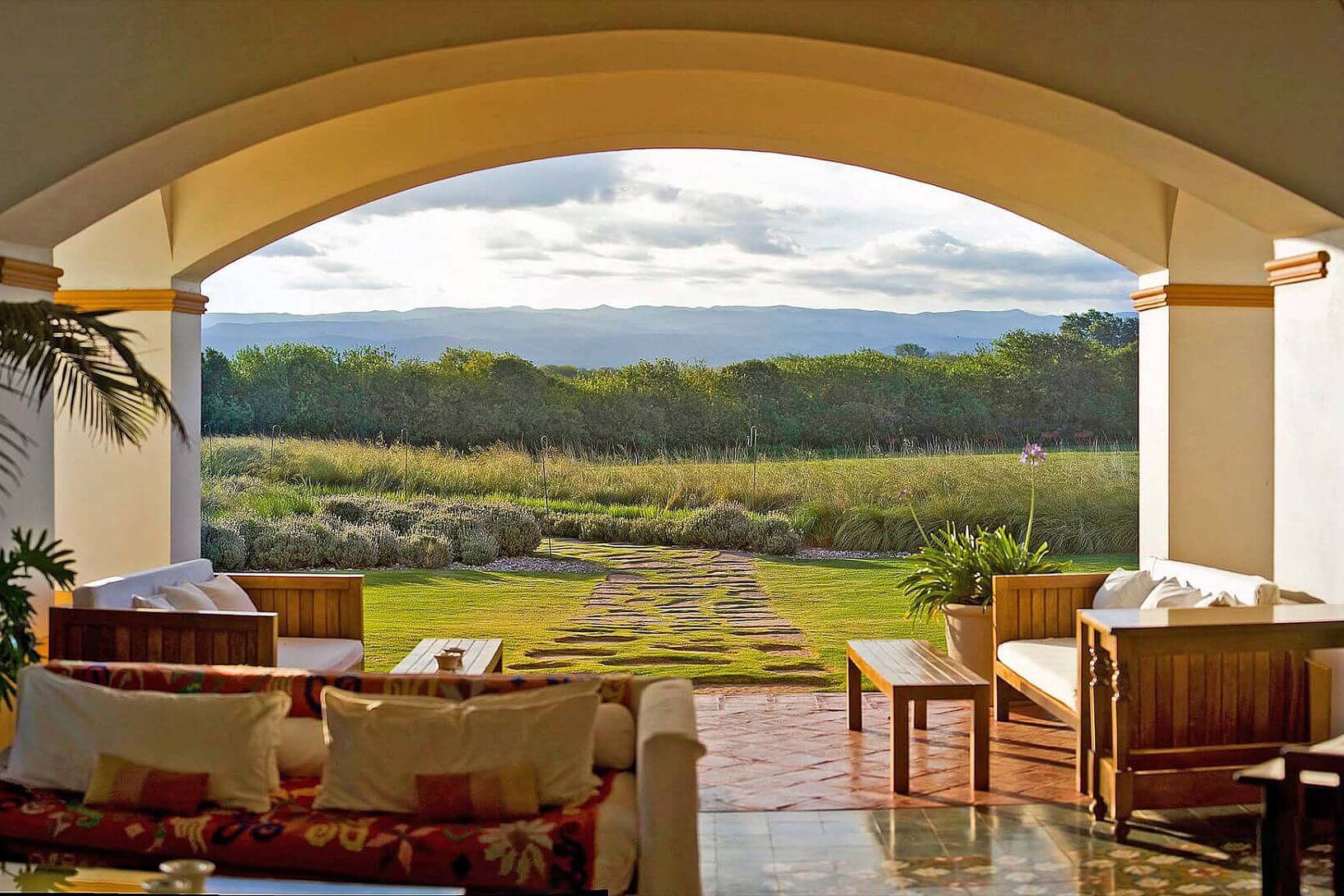
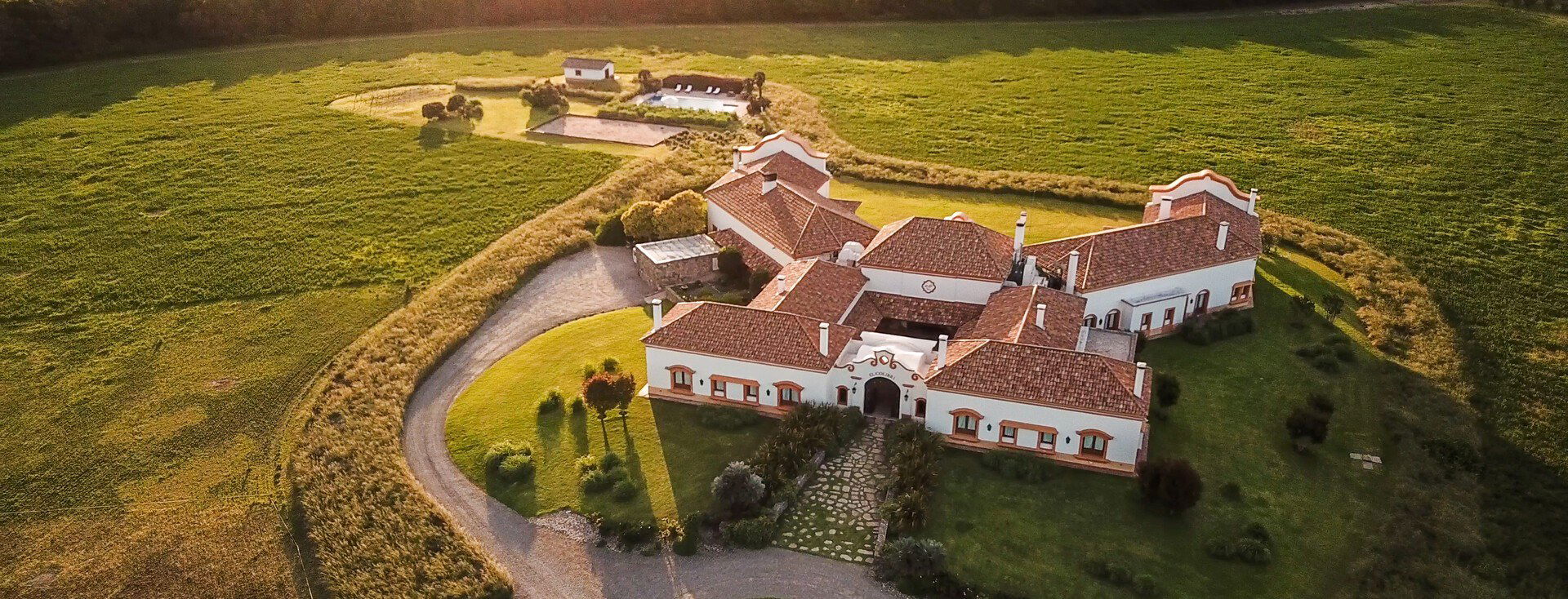
El Colibri rests in the high sierras of Córdoba as a quietly historic estancia that foregrounds place over polish. The property reads like an old working ranch: thick stone walls, traditional render and structures that follow a logic predating tourism. Guests arrive along a narrowing serrana road and are received into a landscape left largely as it is, which creates a calm, unforced charm. Covered terraces and the expanses of the surrounding estate reinforce a slow, classic rhythm; the result is a serene, authentic retreat for travelers who value architecture and terrain that feel lived-in rather than staged.
Best For
El Colibri suits travelers seeking restorative time in the sierras and an authentic estancia experience. The driveable approach from Córdoba and the airport makes it a focused escape for visitors who arrive by car and want silence, open skies and an unmanicured landscape. The property’s single-owner, standalone identity signals a low-key, personal hospitality rather than a branded-lodge vibe. Days naturally center on long, lingering lunches on covered terraces and quiet exploration of the estate grounds, so it’s especially well matched to guests prioritizing solitude, slow meals and the particular calm of mountain ranchland.
Stay Tips
Plan your visit around the drive: El Colibri is accessed by car and the approach is part of the experience, with the road narrowing into the high sierras. Meals at the estancia lean into long Argentine lunches on generous covered terraces, so allow time for unhurried dining rather than rushed stops. Embrace the property’s working-estancia character—the land is not heavily landscaped—and expect a quiet, place-driven rhythm. Beyond that, practical arrangements such as timing your arrival by daylight and accounting for the roughly ninety-minute drive from Córdoba help you settle in and make the most of the terrace-focused meals and estate grounds.
Venue details
Ambiance
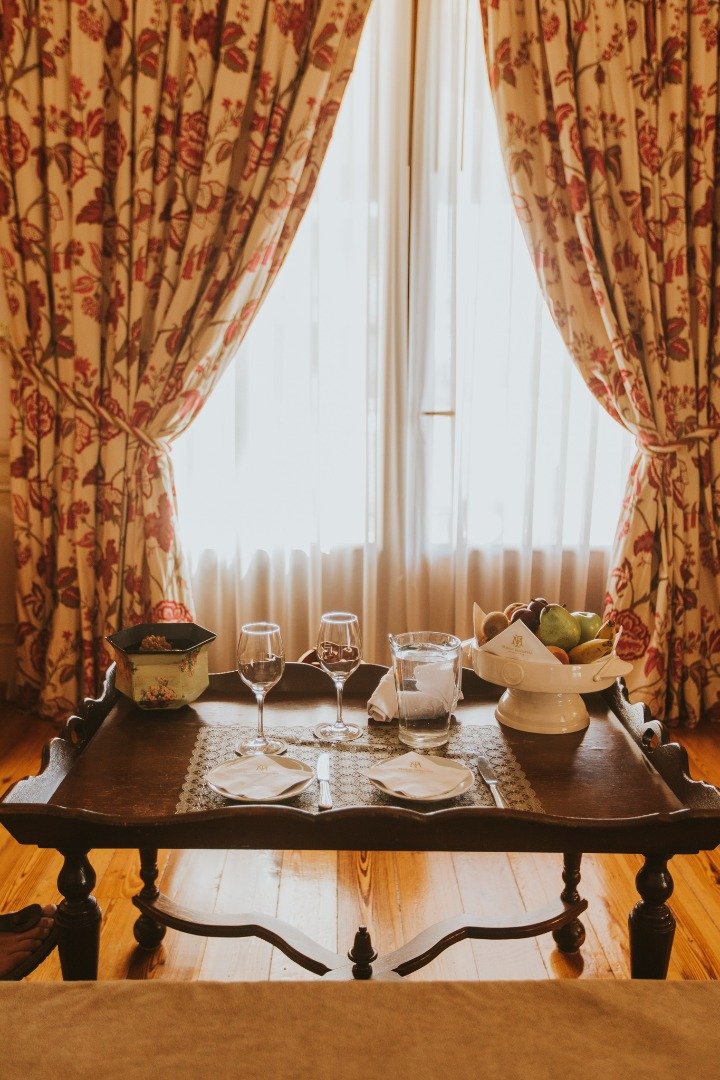
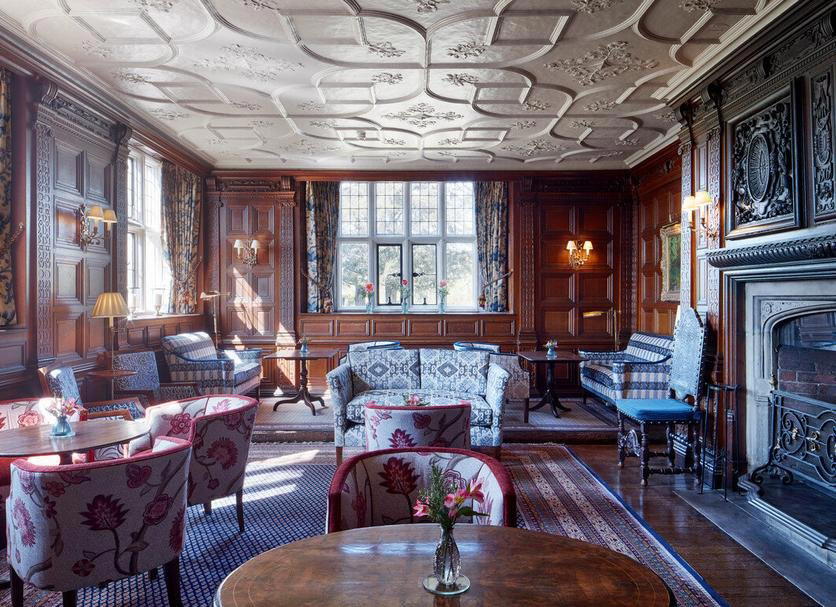
Charming colonial-style ambiance with light wood floors, high vaulted ceilings, antique furniture, and a serene natural setting surrounded by Sierras de Córdoba mountains.
Tags
Vibe
Best For
Experience
Amenities
View
About the Stay
- Rooms
- 9
- Check-in
- 15:00
- Check-out
- 12:00
- Property Type
- Boutique hotel
- Property Style
- Authentic Argentine Estancia with Colonial Architecture and Modern Comforts.
- Design Style
- Colonial Style Featuring Dark Wood Floors, High White Vaulted Ceilings, and Antique Furniture.
- Breakfast
- Included
- Airport Transfer
- Available
- Pool
- Yes
- Spa
- Yes
- Families
- Welcome
- Cancellation
- Strict
Know before you go
Know Before You Go
- Getting there
- Camino a Santa Catalina km7, Santa Catalina, 5221, Córdoba
Planning details
Location
Camino a Santa Catalina km7, Santa Catalina, 5221, Córdoba · Directions
Recognition and awards

Also consider
Where to Look If This Does Not Fit
If the rural setting creates too much logistical friction, cross-shop Azur Hotel & Spa for easier city access. If the estancia feel is the priority, compare ESTANCIA LOS POTREROS before deciding.
Hotel context
How It Compares
Choose El Colibri over Azur Hotel & Spa if the trip is built around quiet, setting, and a slower hotel rhythm. Azur Hotel & Spa is the more practical Córdoba-style pick for travelers who want city access and less transfer friction; El Colibri is the stronger call when ambiance matters more than convenience.
ESTANCIA LOS POTREROS is the more obvious cross-shop for an estancia-style stay. Pick it if the rural activity angle is the priority; pick El Colibri if Relais Chateaux recognition and a more polished hotel frame are more persuasive. Villavicencio also sits in the destination-stay lane, but El Colibri is the cleaner choice for Córdoba-focused travelers.
Park Hyatt Mendoza and Las Leñas serve different trips: Mendoza city-and-wine access for the former, mountain resort logic for the latter. If the choice is about ease of booking and a conventional hotel base, those may feel simpler. If the point is a countryside stay near Santa Catalina, El Colibri is the more targeted option.
Explore Santa Catalina
Around this place
Discover more on Pearl
Unlock the full El Colibri guide in Pearl, including awards, comparisons, FAQs, planning details, and nearby places.
Compare El Colibri
| Venue | Location | Awards |
|---|---|---|
| El Colibri | Santa Catalina | 2026 Michelin Guide New Hotels2026 Relais Chateaux Hotels2025 Michelin Selected Hotels2025 Relais Chateaux Award |
| ESTANCIA LOS POTREROS | Rio Ceballos | Top 50 Ranches 2026 |
| Azur Hotel & Spa | Cordoba | No published awards |
| Las Leñas | Las Heras | No published awards |
| Park Hyatt Mendoza | Mendoza | No published awards |
| Villavicencio | Mendoza | No published awards |


How El Colibri Santa Catalina compares with similar nearby venues.
FAQ
Frequently Asked Questions
How is the location of El Colibri?
El Colibri is in Santa Catalina. No more specific address is available here, so confirm directions directly before traveling. Compared with Azur Hotel & Spa or Villavicencio, use current official information to judge which location best fits your itinerary.
How does El Colibri compare to other venues?
El Colibri's confirmed advantages are its Relais Chateaux Award (2026) and smart casual dress code. Park Hyatt Mendoza is a useful comparison for travelers considering a different reference point, while Azur Hotel & Spa, ESTANCIA LOS POTREROS, Las Leñas, and Villavicencio may be relevant depending on the broader trip. Confirm current services and location details before deciding.