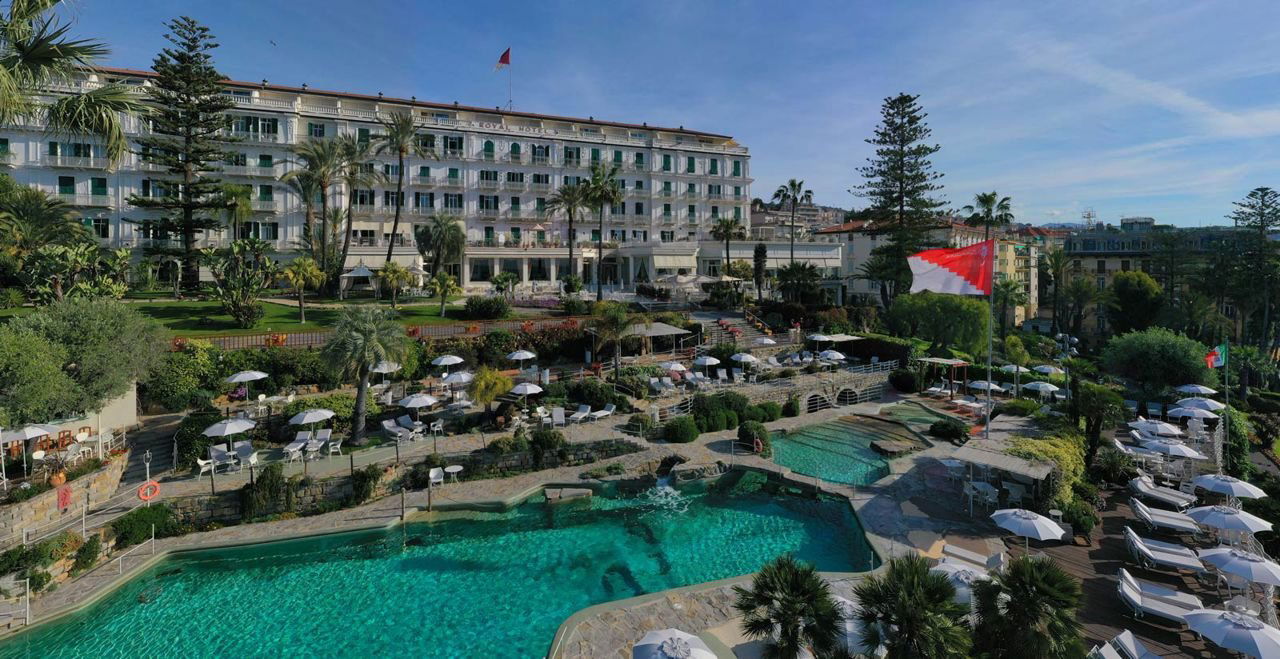


Royal Hotel Sanremo
seafront promenade, Sanremo
Hotel in Sanremo, Italy
 Book with Pearl
The Read
Riviera Grand-Hotel Tradition
Why go
Royal Hotel Sanremo is the practical luxury choice for a Sanremo-based work trip, anniversary, or polished coastal weekend. Its Corso Imperatrice location and luxury-hotel recognition make it a lower-friction pick than the Monaco alternatives if Sanremo is the actual anchor.
About Royal Hotel Sanremo
For a Sanremo trip where the priority is a hotel base with luxury affiliations, Royal Hotel Sanremo is best framed around its core points: it is in Sanremo, the dress code is smart casual, and it is listed as a Leading Hotels of the World member and a Virtuoso Luxury Hotel Partner. Check current rooms, restaurants, wellness facilities, pricing, and service formats directly with the hotel before booking.
Use the property as a Sanremo anchor rather than as a reason to assume a particular itinerary. For broader planning, use our full Sanremo hotels guide, then cross-check meals through our full Sanremo restaurants guide and evening options through our full Sanremo bars guide.
Better for a Sanremo hotel base than assumption-led planning
The main reason to consider Royal Hotel Sanremo is its hotel affiliations: Leading Hotels of the World membership and Virtuoso Luxury Hotel Partner status. Those are useful signals for travelers who care about established hotel networks, while room types, facilities, dining, pricing, and benefits should still be reviewed directly before booking. If the plan is centered outside Sanremo, Fairmont Monte Carlo, Monte-Carlo Bay Hotel & Resort, Monte-Carlo Beach, or The Maybourne Riviera may be relevant comparisons. If the plan is Sanremo itself, Royal Hotel Sanremo keeps the decision focused on the city.
For a special occasion, its clearest strengths are a Sanremo setting, smart-casual expectations, and recognized hotel affiliations. If the trip includes wine or regional touring, pair the stay with our full Sanremo wineries guide or our full Sanremo experiences guide.
Who should choose it, and who should look elsewhere
Choose this for a Sanremo stay where recognized hotel credentials matter and the group wants to keep the trip centered on the city. Review current price guidance, room categories, dining details, wellness features, and service formats directly before treating them as deciding factors.
Look elsewhere if the trip is mainly centered on another destination. In that case, Fairmont Monte Carlo or Monte-Carlo Bay Hotel & Resort may be more relevant comparisons. For travelers staying in Sanremo and comparing another Sanremo option, Europa Palace Sanremo is the natural cross-shop.
Planning details
- Location
- Corso Imperatrice, 80, 18038 Sanremo IM
- Website
- royalhotelsanremo.com
- Phone
- +39 0184 5391
The take
The Take
The Vibe
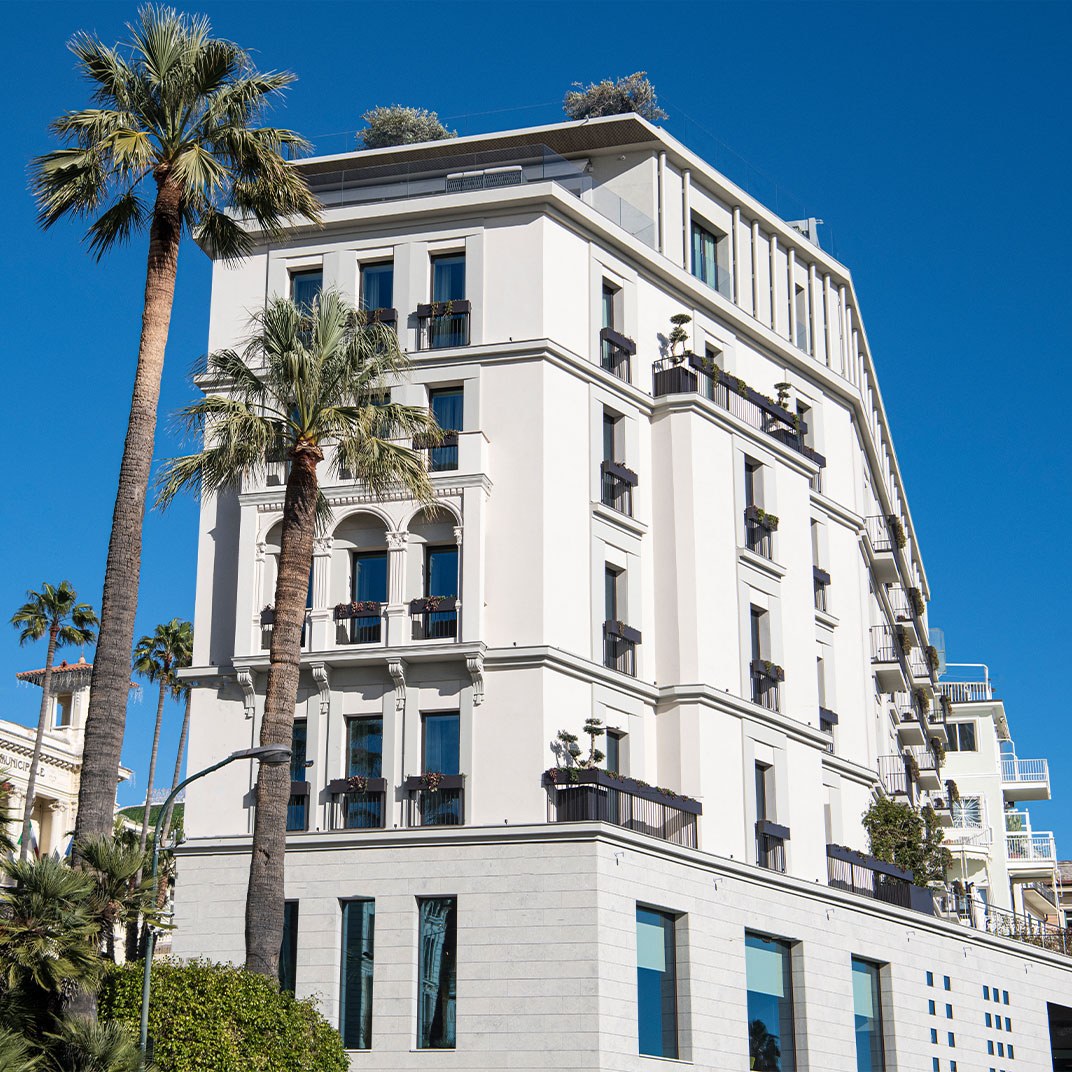
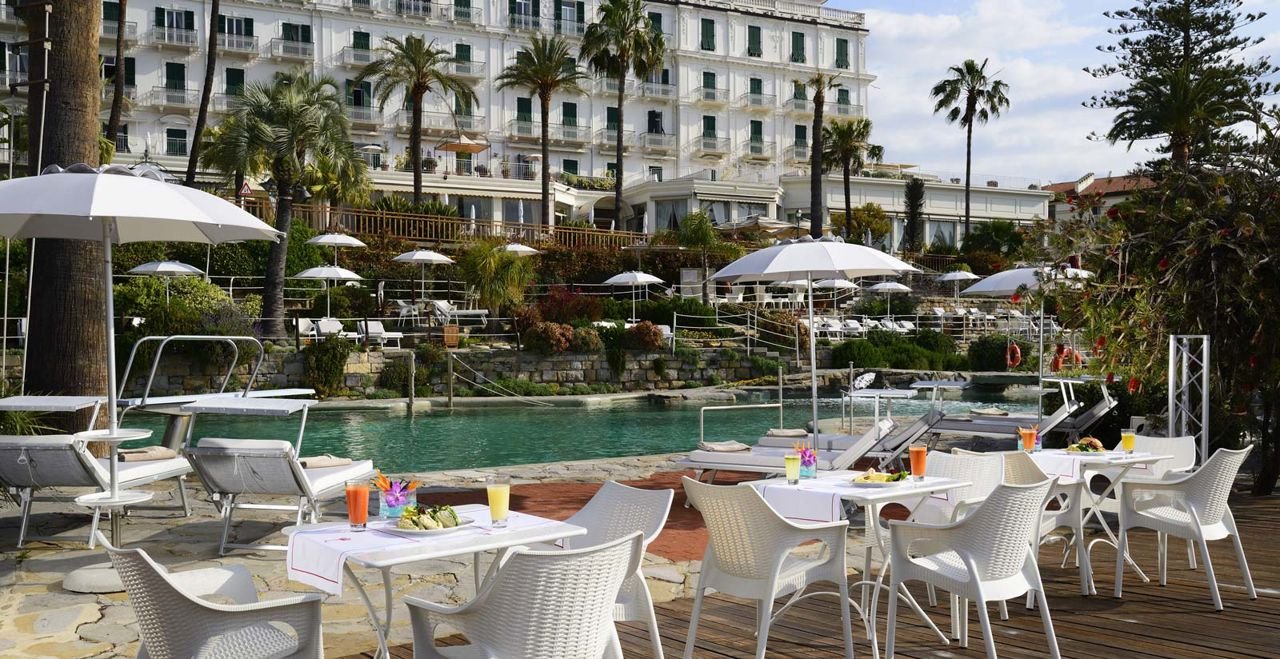
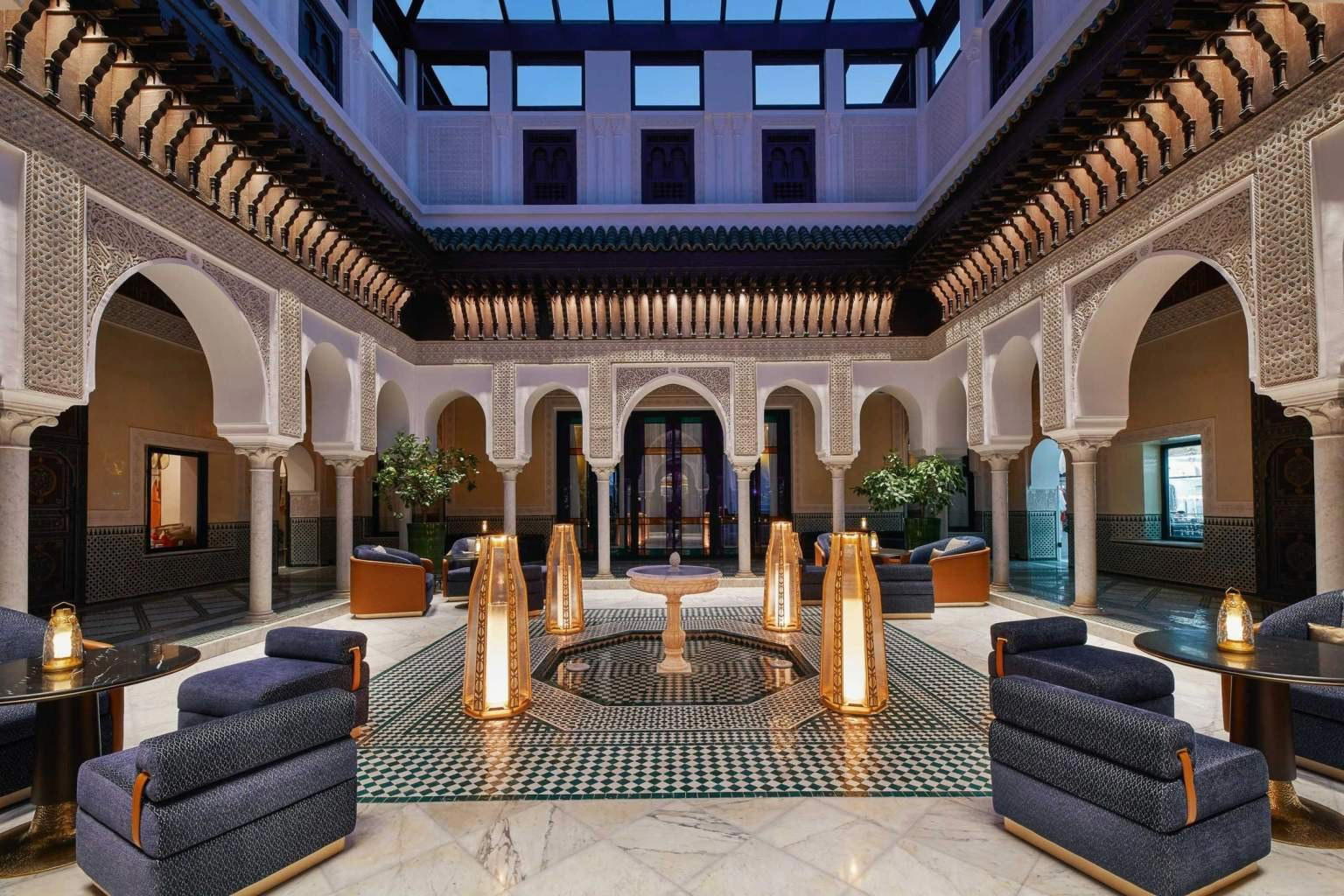
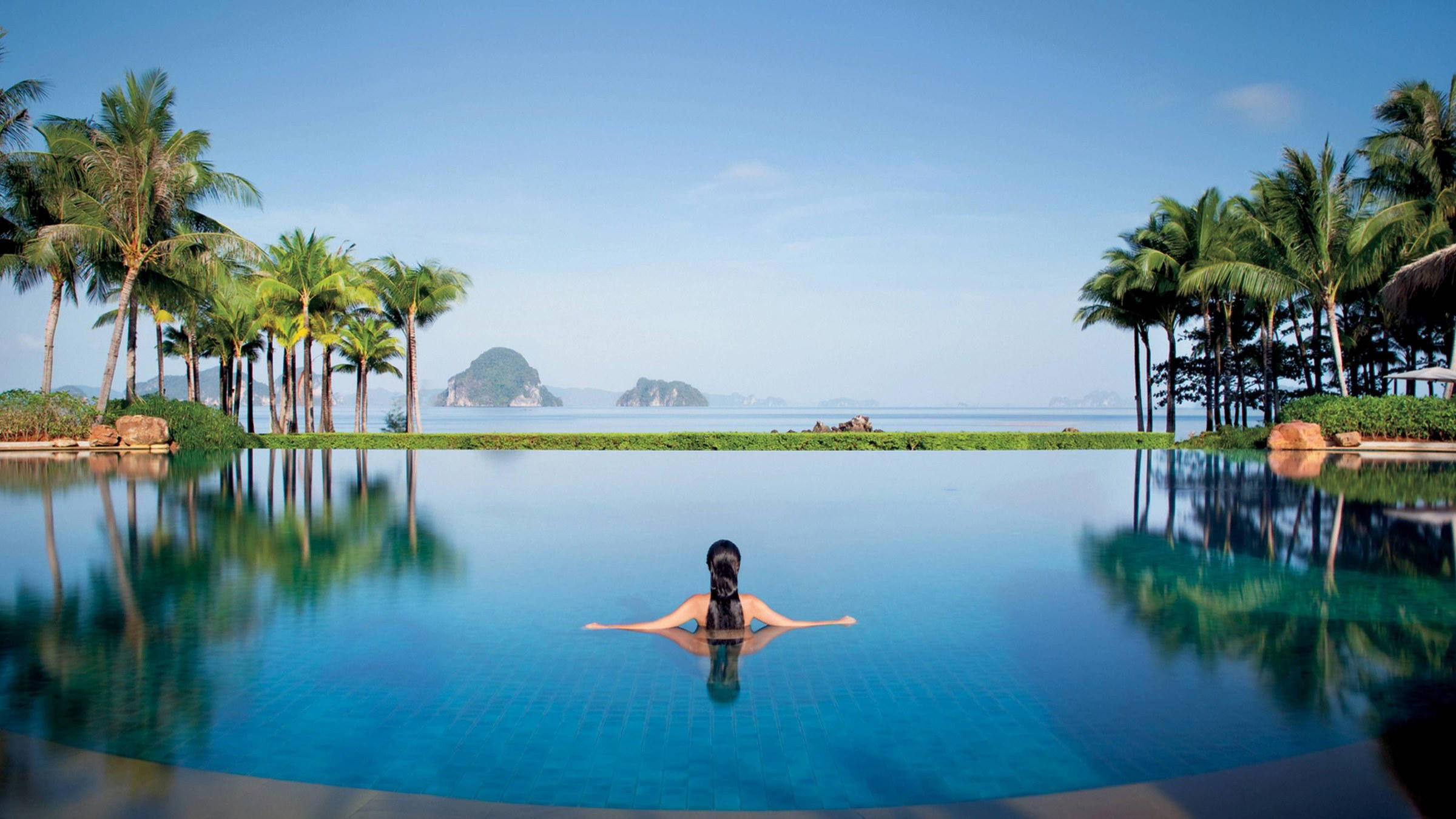
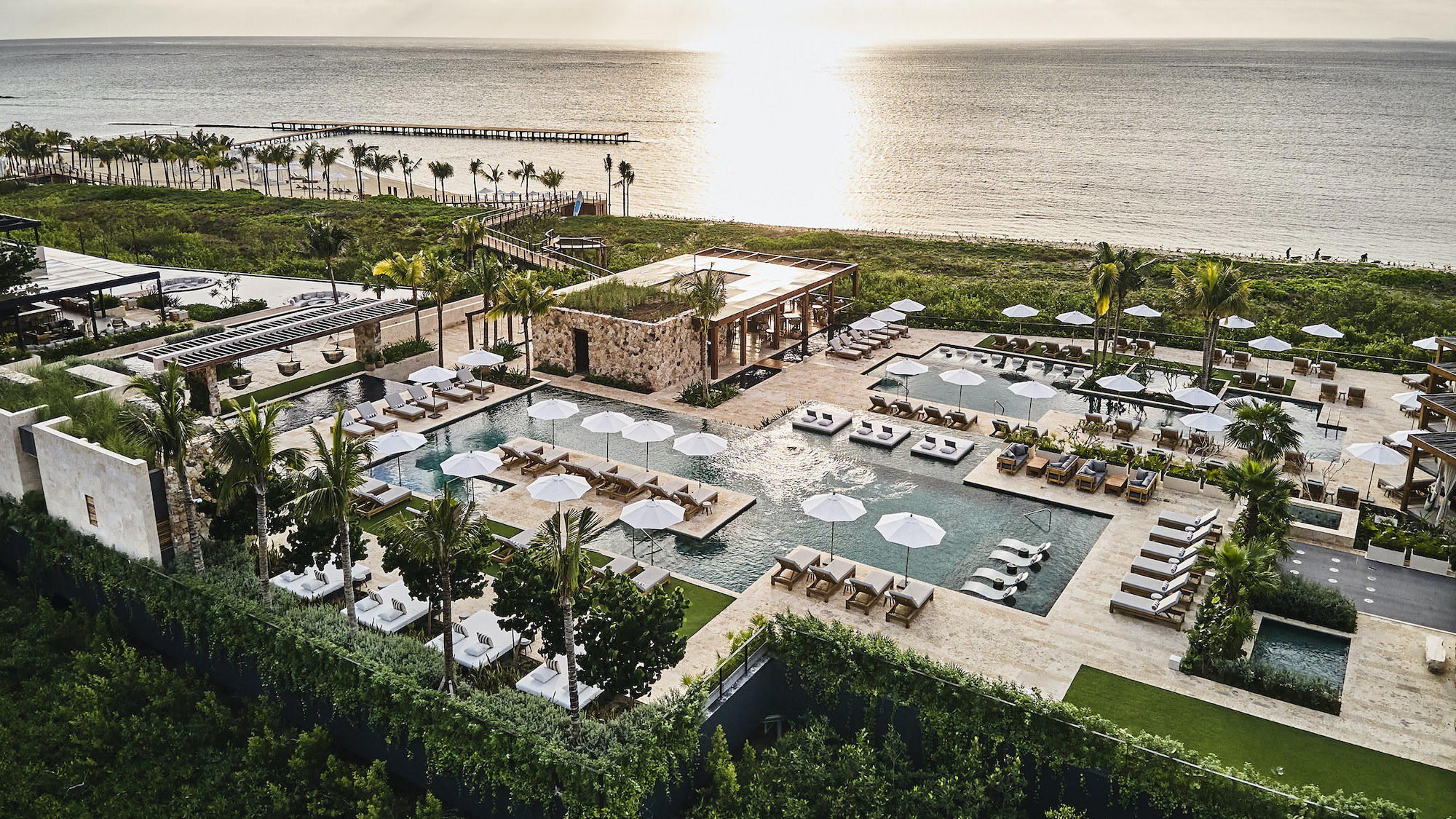
The Royal reads as a preserved belle époque grand hotel where historic scale and seaside calm coexist with mid‑century design flair. It projects a dignified, opulent presence — palatial facades and subtropical planting frame sea‑facing terraces and a Ponti‑designed pool that punctuates the grounds. The atmosphere is quietly luxurious rather than flashy: service continuity and restrained historic interiors prioritize extended comfort, while the garden and horizon views lend a serene seaside counterpoint to the hotel's aristocratic theatricality.
Best For
The hotel is best for travelers who value history, design provenance and leisurely seaside stays. Its fabric and programming favour extended visits — weekend escapes or longer retreats — where guests can enjoy the subtropical park, the Giò Ponti pool and sea‑facing terraces. It also suits couples seeking a refined, romantic seafront setting and design‑minded visitors who appreciate a property with verifiable architectural pedigree. The emphasis on preservation and service continuity makes it less about rapid turnover and more about slow, comfortable stays.
Stay Tips
When booking, prioritise rooms or suites with sea‑facing terraces to make the most of the waterfront location and horizon views explicitly described in the property narrative. Note the hotel's garden and Ponti pool are key assets — request access or proximity to the subtropical park if that matters to your stay. Given the hotel's orientation toward extended visits, inquire about room categories calibrated for longer stays and confirm any seasonal availability for garden‑facing accommodations.
Venue details
Ambiance
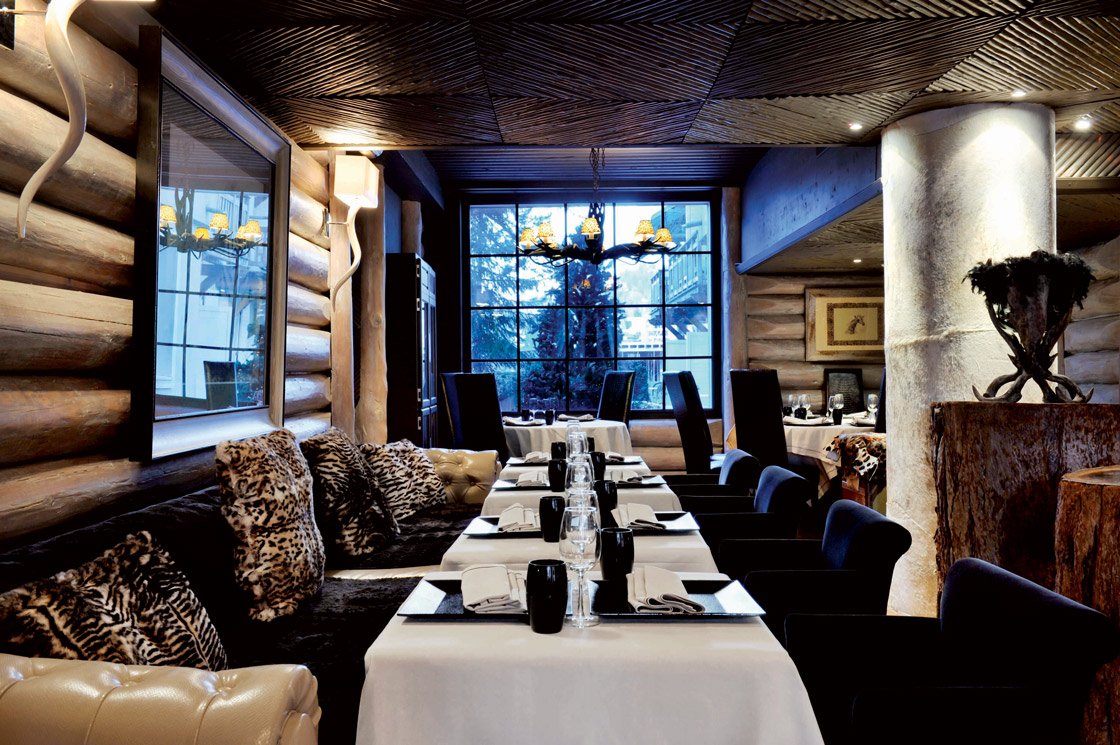
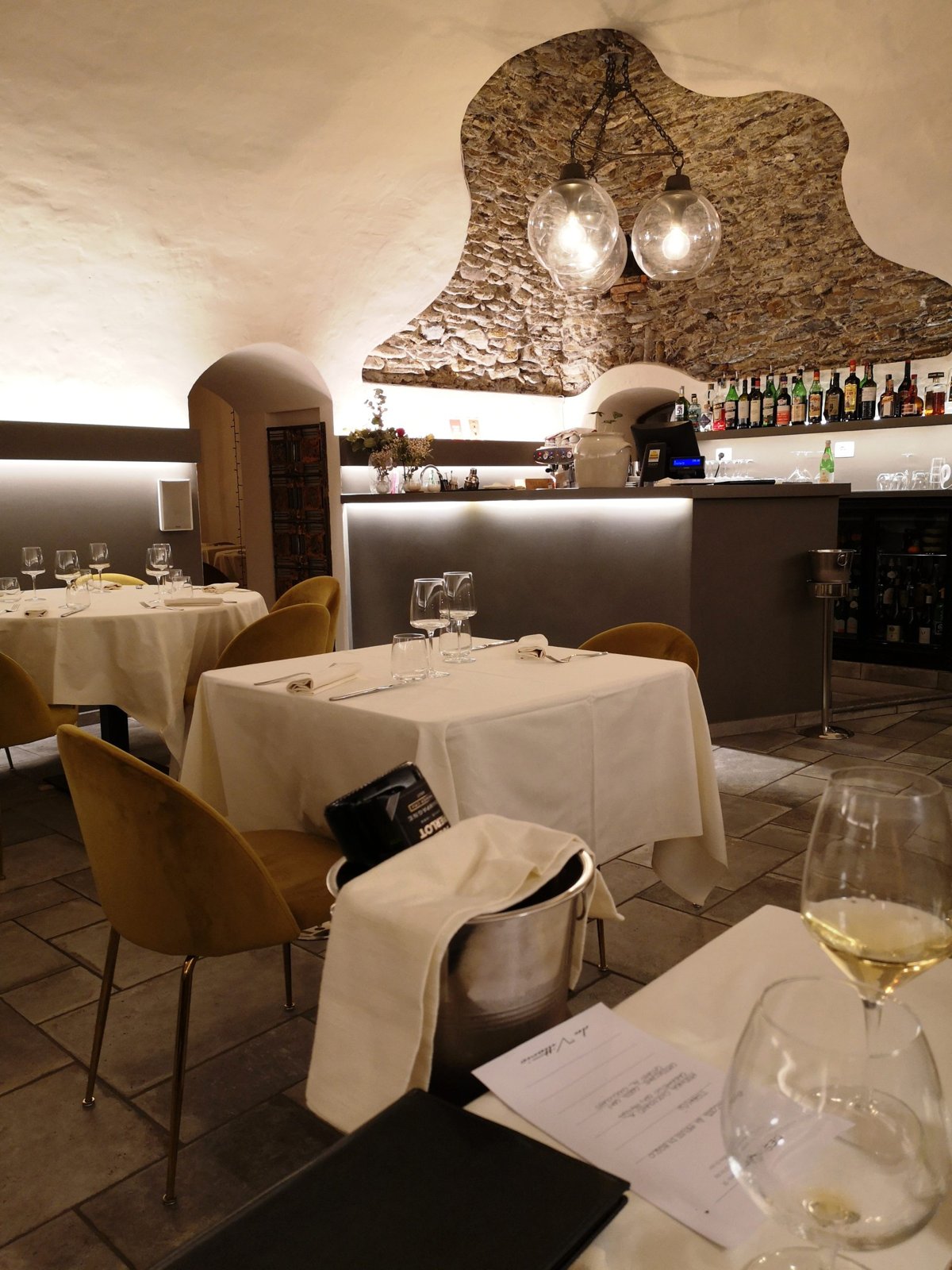
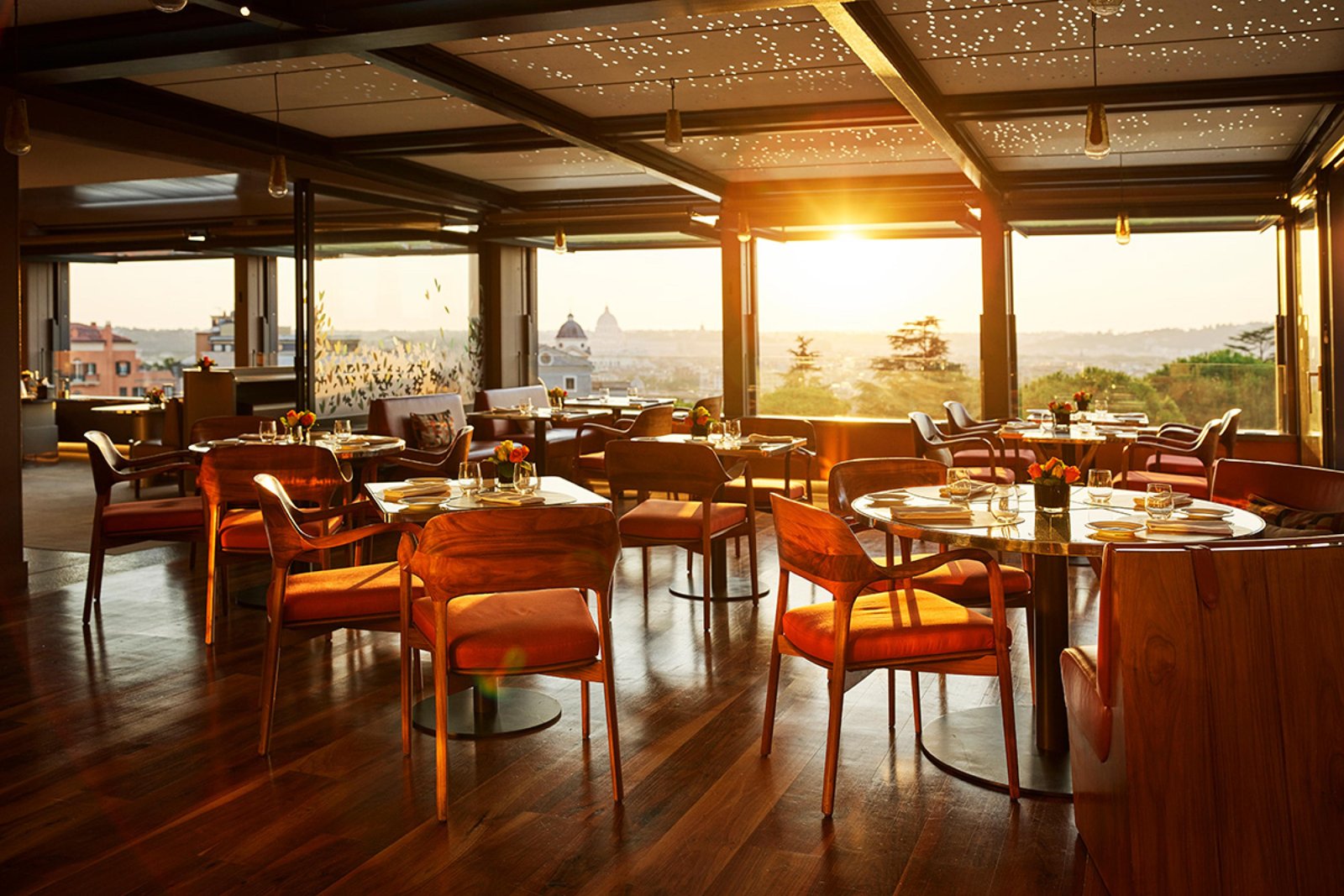
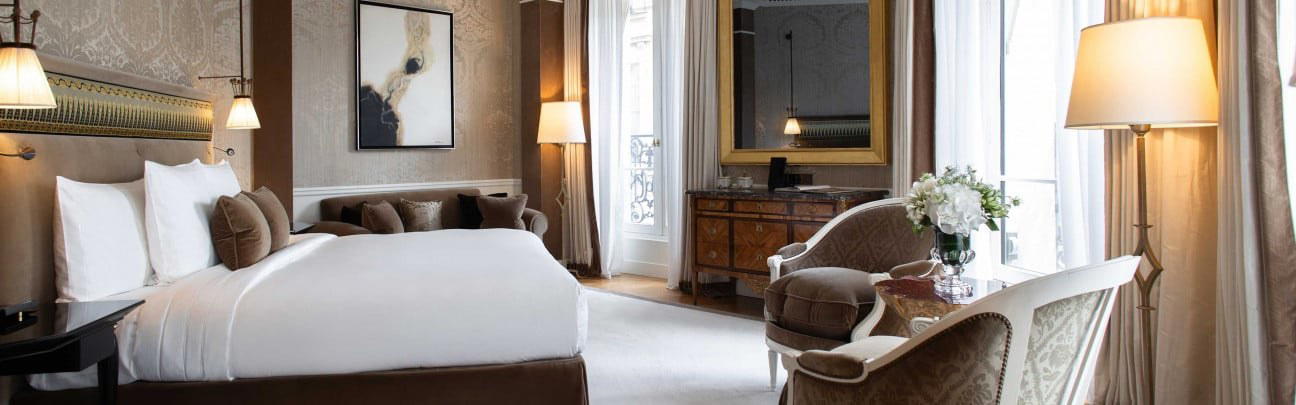
Refined and cosy atmosphere with elegant lighting from Murano glass chandeliers, lush garden views, and relaxing poolside serenity as praised in guest reviews.
Tags
Vibe
Best For
Experience
Amenities
View
Accessibility
About the Stay
- Rooms
- 126
- Check-in
- 15:00
- Check-out
- 12:00
- Property Type
- Heritage hotel
- Property Style
- Historic Luxury Resort in Subtropical Gardens on the Italian Riviera
- Design Style
- Classic Art Deco with Antique Furnishings and Modern Comforts
- Breakfast
- Included
- Airport Transfer
- Available
- Pool
- Yes
- Spa
- Yes
- Pets
- Allowed
- Families
- Welcome
- Cancellation
- Moderate
Know before you go
Know Before You Go
- Getting there
- Corso Imperatrice, 80, 18038 Sanremo IM
Planning details
Location
Recognition and awards


Also consider
Also Consider
- Europa Palace Sanremo, Notable alternative
- The Maybourne Riviera, Notable alternative
- Monte-Carlo Beach, Notable alternative
- Monte-Carlo Bay Hotel & Resort, Notable alternative
- Fairmont Monte Carlo, Notable alternative
Hotel context
How it compares in Sanremo and along the Riviera
Royal Hotel Sanremo makes the strongest case when the trip is centered on Sanremo and the traveler wants an established luxury feel without shifting the stay toward Monaco. Europa Palace Sanremo is the closer local comparison for readers who want to stay in town, while The Maybourne Riviera is the more ambitious cross-border choice if the trip is about a higher-drama Riviera setting rather than Sanremo convenience.
For Monaco-focused travel, Monte-Carlo Beach, Monte-Carlo Bay Hotel & Resort, and Fairmont Monte Carlo are better fits. They make more sense for casino, event, and Monte Carlo restaurant plans. Royal Hotel Sanremo is the better call when the traveler wants easier Sanremo access, a calmer base, and less dependence on transfers.
On value, compare the confirmed rate rather than assuming the Monaco hotels are automatically worth the premium. If the agenda is mostly Sanremo meetings, coastal downtime, or a special occasion in town, paying Monaco-level rates can be wasted. If the agenda is Monaco nightlife or a resort-led stay, the out-of-metro options justify the extra friction more easily.
Explore Sanremo
Around this place
Discover more on Pearl
Unlock the full Royal Hotel Sanremo guide in Pearl, including awards, comparisons, FAQs, planning details, and nearby places.
Compare Royal Hotel Sanremo
| Venue | Location | Awards |
|---|---|---|
| Royal Hotel Sanremo | Sanremo | 2026 Virtuoso Luxury Hotel CollectionLeading Hotels of the World 2026 |
| Europa Palace Sanremo | Sanremo | No published awards |
| The Maybourne Riviera | Roquebrune-Cap-Martin | 2026 World’s 50 Best Hotels 51-100 · #932026 Virtuoso Luxury Hotel Collection2026 Forbes 5-Star2026 La Liste Top Hotels2026 Michelin 2 Keys2025 Forbes Recommended2025 Michelin 2 Keys2024 Michelin 2 Keys2023 World's 50 Best Hotels · #26 |
| Monte-Carlo Beach | Roquebrune-Cap-Martin | 2026 Forbes Recommended2026 Virtuoso Luxury Hotel Collection2026 Relais Chateaux Hotels2025 Relais Chateaux Award2025 Forbes Recommended2025 Gault & Millau Exceptional Hotel |
| Monte-Carlo Bay Hotel & Resort | Monte Carlo | 2026 Forbes Recommended2025 Michelin Selected Hotels2025 Forbes RecommendedPreferred Hotels Member 2025 |
| Fairmont Monte Carlo | La Condamine | No published awards |










How Royal Hotel Sanremo compares with similar nearby venues.
FAQ
Frequently Asked Questions
How is the pool and spa at Royal Hotel Sanremo?
Choose Royal Hotel Sanremo for its hotel affiliations first, then check the wellness setup directly if that is a deciding factor. Royal Hotel Sanremo is a Leading Hotels of the World member and a Virtuoso Luxury Hotel Partner, is in Sanremo, and has a smart-casual dress code.
When is the best time to book Royal Hotel Sanremo?
Book according to your preferred Sanremo travel dates and confirm availability directly with the hotel or your adviser. Its hotel credentials include Leading Hotels of the World membership and Virtuoso Luxury Hotel Partner status; assess booking demand for your exact dates.
How is the location of Royal Hotel Sanremo?
Royal Hotel Sanremo is in Sanremo. Pick it if you want Sanremo as the anchor for the trip rather than a stay centered on another destination.
Do loyalty programs work at Royal Hotel Sanremo?
Treat loyalty or partner benefits as something to confirm before booking. The hotel's Leading Hotels of the World membership and Virtuoso Luxury Hotel Partner status are the relevant signals, but exact benefits depend on the booking channel and current terms.
How is the dining at Royal Hotel Sanremo?
Do not assume specific dining details from the affiliation alone. Confirm restaurants, menus, hours, and service directly with the hotel if dining is an important part of the trip.
Which room category is best at Royal Hotel Sanremo?
Choose a room category only after reviewing the hotel's current room descriptions and rates. Check current room types, views, sizes, and pricing directly before booking.
Is Royal Hotel Sanremo good for business travel?
It may suit a business trip if you want a Sanremo hotel with recognized luxury-hotel affiliations. Confirm practical details such as meeting needs, room setup, and current services directly before booking.