

Byblos Art Hotel Villa Amista
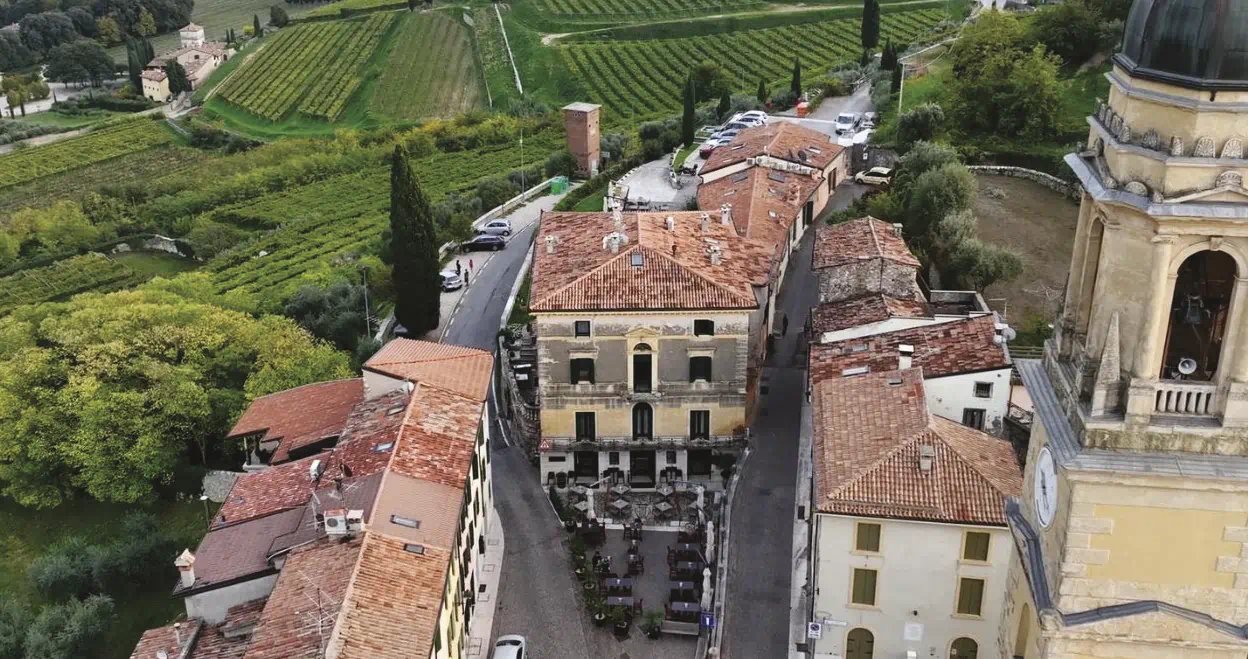
San Pietro in Cariano, San Pietro In Cariano
Hotel in San Pietro In Cariano, Italy
 Book with Pearl
The Read
Villa-as-Collection
Why go
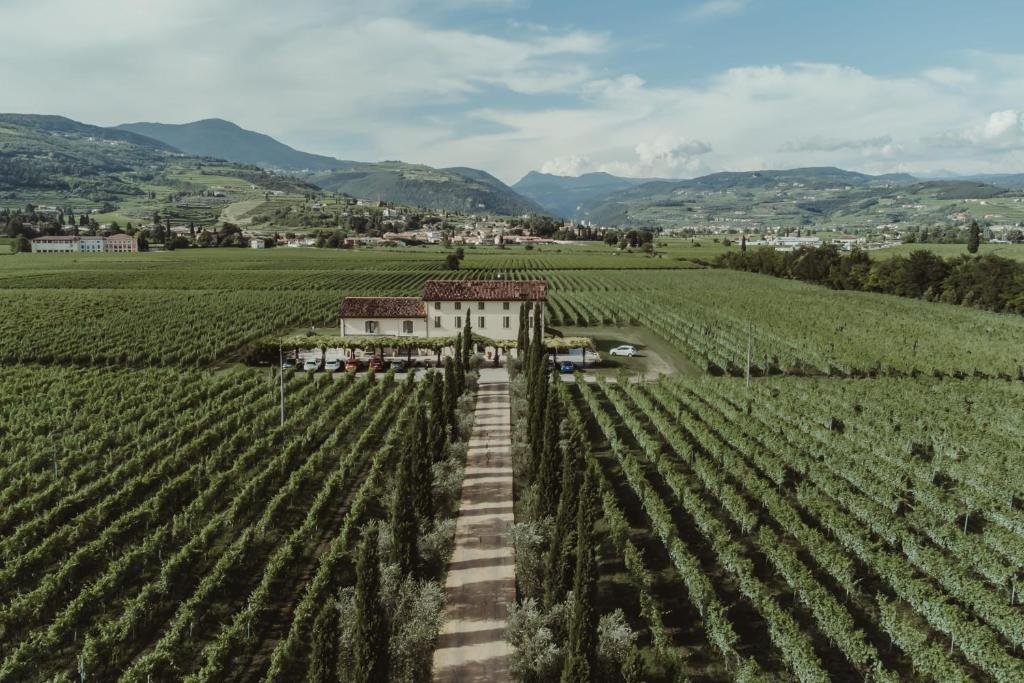
Book Byblos Art Hotel Villa Amista if the trip is built around Valpolicella downtime, pool and spa time, and a more design-led countryside base. It is less practical for travelers who want walkable Verona convenience, but the 2025 Michelin 1 Key and Small Luxury Hotels of the World recognition make it a serious splurge candidate.
About Byblos Art Hotel Villa Amista
Byblos Art Hotel Villa Amista is a hotel in San Pietro In Cariano with two clear recognition signals for 2025: Michelin 1 Key and membership in Small Luxury Hotels of the World. For travelers comparing stays in the area, these are strong reasons to keep it on the shortlist.
With limited public details, the hotel is best considered a recognition-led choice rather than relying on assumptions about amenities, dining, pricing, or specific services. The dress code is smart casual, which is useful to know when planning what to pack for the stay.
Choose it for recognition in San Pietro In Cariano
The cleanest case for Byblos Art Hotel Villa Amista is direct: it is a San Pietro In Cariano hotel with Michelin 1 Key recognition in 2025 and Small Luxury Hotels of the World membership in 2025. Those distinctions make it relevant for travelers who want a hotel choice with recognition rather than relying on feature lists.
Know Before You Go
- Who should book: travelers considering a hotel in San Pietro In Cariano with 2025 recognition.
- Who should compare alternatives: travelers whose decision depends on specific amenities, dining details, prices, or services that should be confirmed directly before booking.
- Booking difficulty: Plan based on your travel dates and confirm availability with the hotel.
- Recognition signal: Michelin 1 Key in 2025 and Small Luxury Hotels of the World membership in 2025.
- Dress code: smart casual.
- Location: San Pietro In Cariano.
For broader hotel cross-shopping, keep the comparison focused on needs: location, recognition, and the details each property can confirm directly. Other options to compare include Boutique Hotel Trieste, Due Torri Hotel, Escalus Luxury Suites, NH Collection Palazzo Verona, and Villa Cordevigo.
Inside Byblos Art Hotel Villa Amista
Planning details
- Location
- Via Cedrare, 78, 37029 Corrubbio VR
- Website
- byblosarthotel.com
- Phone
- +39 045 685 5555
The take
The Take
The Vibe
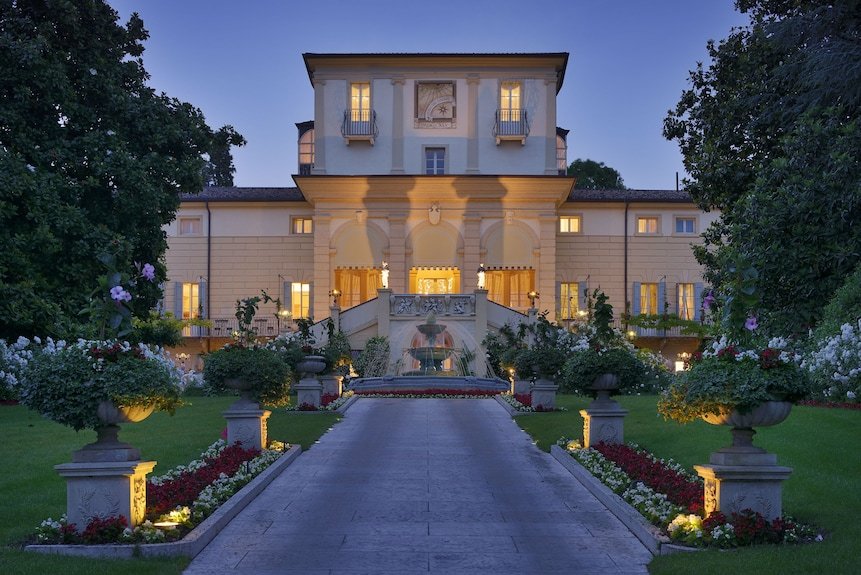
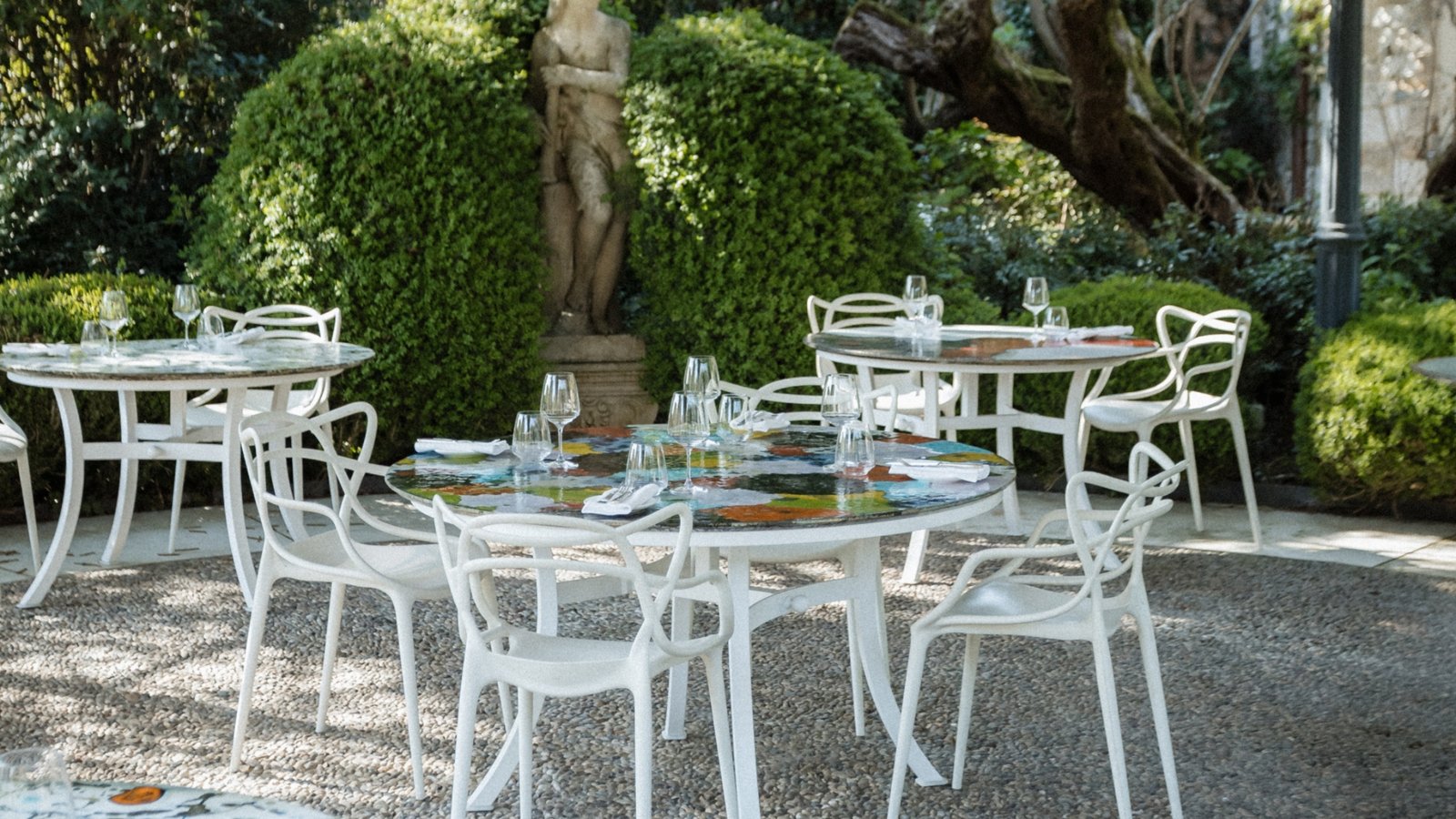
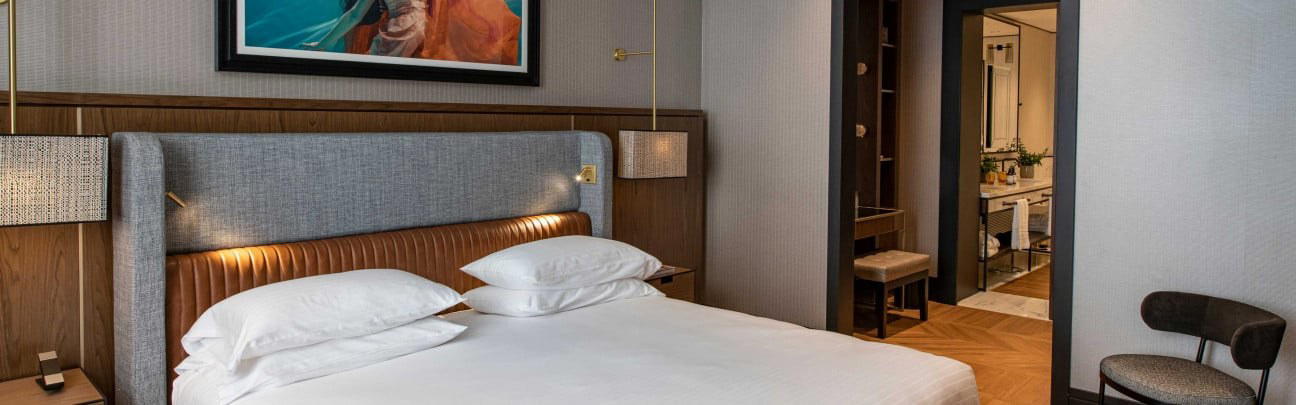
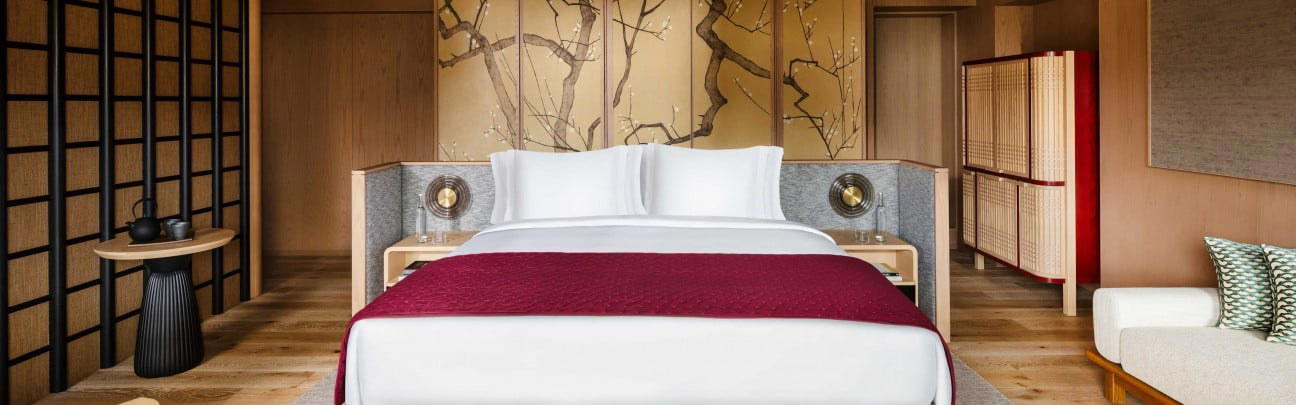
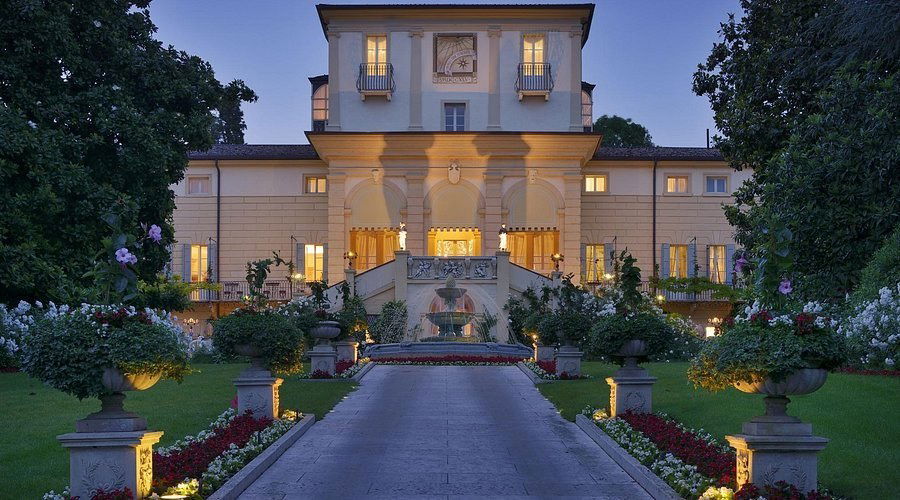
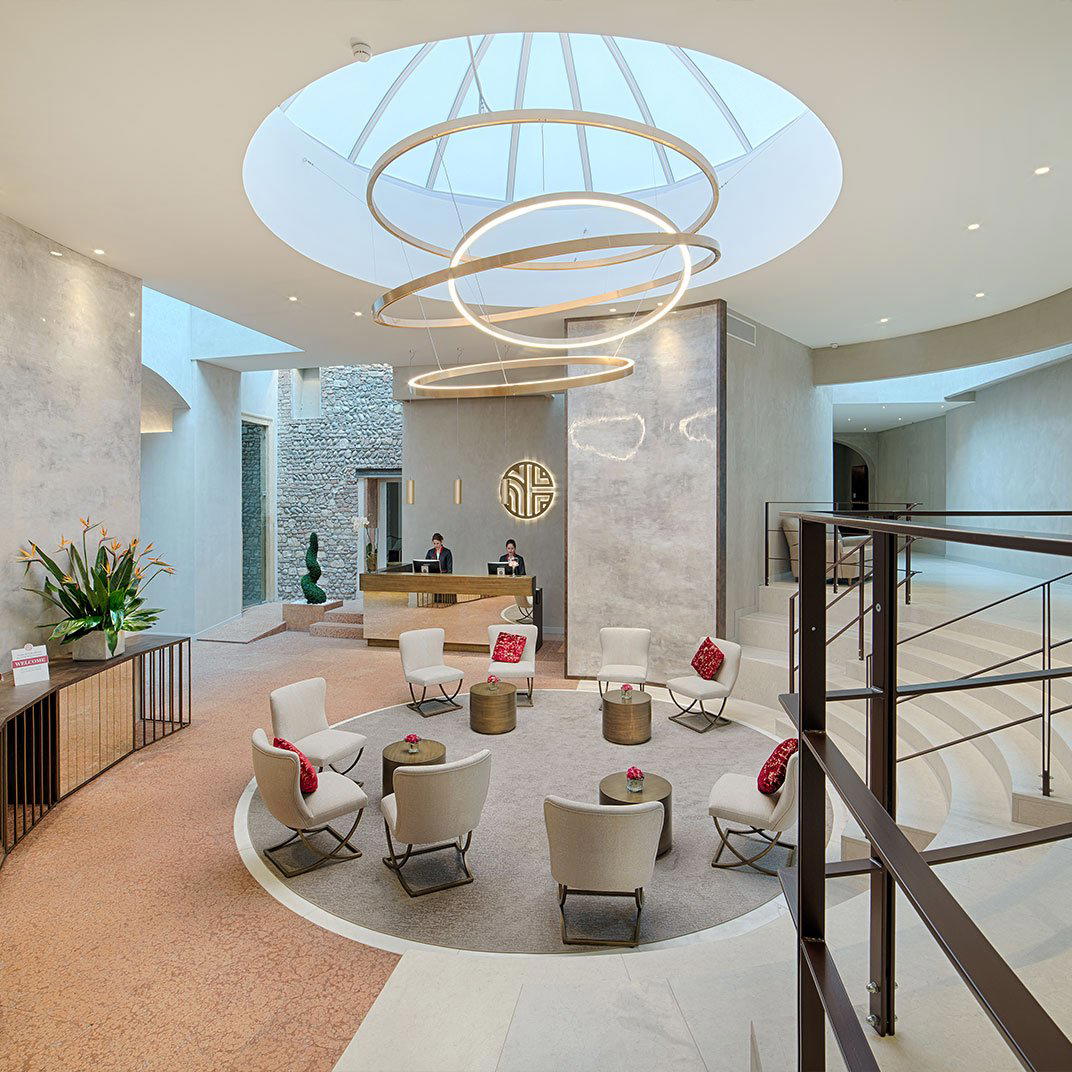
Byblos Art Hotel Villa Amistà stages a deliberate collision between a fifteenth‑century Venetian shell and an aggressively contemporary art collection. The property reads like a small museum: 56 rooms that include gallery‑style placards, life‑size photographic prints and works shown with institutional seriousness. Baroque detailing and Venetian chandeliers sit alongside mid‑century Scandinavian furniture and chromatic interventions by Alessandro Mendini, producing a strikingly curated tension. The five acres of manicured gardens, the pool terrace and the tucked‑away spa keep the mood composed and refined, making the place feel both historic and unmistakably of the design world.
Best For
Villa Amistà suits travelers who prize artful design and discreet luxury. It reads as an ideal setting for a romantic getaway or anniversary, thanks to its villa scale, manicured gardens and intimate collection in each room. The property's spa and pool terrace also make it appropriate for wellness‑focused stays. At the same time, its scale and aesthetic make it viable for destination weddings that want a historic backdrop punctuated by contemporary art. Guests seeking a museum‑quality experience in a lived‑in villa are the best fit.
Stay Tips
Treat a stay here as a combined hotel and private‑collection visit: allow time to read the gallery‑style placards in your room and to wander the gardens and pool terrace. Reserve accommodation well in advance during peak travel or wedding season—the property has 56 rooms—and ask at booking or check‑in about spa and terrace access. Expect museum‑caliber artworks in public areas and rooms; plan relaxed, unhurried time on the estate rather than a tightly scheduled itinerary.
Venue details
Ambiance
Bright, artistic, and sophisticated with vibrant contemporary art installations throughout public spaces and individually decorated rooms; peaceful garden setting with warm, attentive service.
Tags
Vibe
Best For
Experience
Amenities
View
Accessibility
About the Stay
- Rooms
- 57
- Check-in
- 15:00
- Check-out
- 11:00
- Property Style
- Contemporary Art Focused Luxury Villa Blending 15th Century Venetian Architecture with Modern Design and Curated Art Collection.
- Design Style
- Artistic Modern with Vibrant Colors, Contemporary Art Installations, Individually Decorated Rooms, and Elegant Furnishings Throughout.
Know before you go
Know Before You Go
- Getting there
- Via Cedrare, 78, 37029 Corrubbio VR
Planning details
Location
Recognition and awards

Also consider
Also Consider
- NH Collection Palazzo Verona, Notable alternative
- Villa Cordevigo, Notable alternative
- Escalus Luxury Suites, Notable alternative
- Due Torri Hotel, Notable alternative
- Boutique Hotel Trieste, Notable alternative
Hotel context
How It Compares
Byblos Art Hotel Villa Amista is the stronger pick for a countryside, wellness-led stay near Valpolicella. NH Collection Palazzo Verona, Escalus Luxury Suites, Due Torri Hotel, and Boutique Hotel Trieste make more sense if Verona access matters more than pool-and-spa time. The choice is less about luxury in the abstract and more about trip shape: villa base versus city stay.
Villa Cordevigo is the closest cross-shop for travelers who want a countryside hotel rather than an urban base. Choose Byblos Art Hotel Villa Amista if design energy and wellness amenities are the draw; compare Villa Cordevigo if the priority is a quieter country-hotel feel. For booking difficulty, assume the target hotel needs earlier planning, especially around leisure-heavy dates.
For value, Boutique Hotel Trieste and Escalus Luxury Suites are likely the more pragmatic checks if the room is mainly a place to sleep. Due Torri Hotel is the city-luxury comparison, while NH Collection Palazzo Verona is the sensible urban alternative. If the trip revolves around Valpolicella, the target hotel is the more coherent choice; if the trip revolves around Verona, stay in town.
Explore San Pietro In Cariano
Around this place
Discover more on Pearl
Unlock the full Byblos Art Hotel Villa Amista guide in Pearl, including awards, comparisons, FAQs, planning details, and nearby places.
Compare Byblos Art Hotel Villa Amista
| Venue | Location | Awards |
|---|---|---|
| Byblos Art Hotel Villa Amista | San Pietro In Cariano | 2026 Michelin 1 KeyMichelin 1 Key 20252025 Michelin 1 KeySmall Luxury Hotels Member 20252024 Michelin 1 Key |
| NH Collection Palazzo Verona | Verona | No published awards |
| Villa Cordevigo | Cavaion Veronese | 2026 Virtuoso Luxury Hotel Collection2026 Relais Chateaux Hotels2025 Michelin Selected Hotels2025 Relais Chateaux Award |
| Escalus Luxury Suites | Verona | Small Luxury Hotels Member 2025 |
| Due Torri Hotel | Verona | 2026 Virtuoso Luxury Hotel CollectionLeading Hotels of the World 2026 |
| Boutique Hotel Trieste | Verona | No published awards |





How Byblos Art Hotel Villa Amista compares with similar nearby venues.
FAQ
Frequently Asked Questions
How does Byblos Art Hotel Villa Amista compare to other hotels?
Pick Byblos Art Hotel Villa Amista if you want a San Pietro In Cariano hotel with 2025 recognition from Michelin and Small Luxury Hotels of the World. If location, room style, or specific services are more important, compare it with Boutique Hotel Trieste, Escalus Luxury Suites, NH Collection Palazzo Verona, Due Torri Hotel, and Villa Cordevigo based on the details each property confirms directly.
What is check-in like at Byblos Art Hotel Villa Amista?
How is the location of Byblos Art Hotel Villa Amista?
Byblos Art Hotel Villa Amista is in San Pietro In Cariano. If location is central to the trip, compare that base with other hotels such as NH Collection Palazzo Verona, Due Torri Hotel, Escalus Luxury Suites, Boutique Hotel Trieste, and Villa Cordevigo before booking.
Are pool or spa details for Byblos Art Hotel Villa Amista?
How is the dining at Byblos Art Hotel Villa Amista?
Specific dining details, including cuisine, chef, menu format, and service hours, are not provided. The dress code is smart casual; for current dining information, check directly with Byblos Art Hotel Villa Amista before booking.