




Castel Badia
San Lorenzo di Sebato
Hotel in San Lorenzo di Sebato, Italy
 Book with Pearl
The Read
Alpine Castle Hospitality
Why go
A castle-set South Tyrol hotel for travelers who want a calm base near San Lorenzo di Sebato rather than a dense resort schedule. The case is strongest for couples and design-minded explorers, with Leading Hotels of the World, Condé Nast, Town & Country, and Virtuoso recognition supporting the luxury positioning.
About Castel Badia
Castel Badia is a hotel in San Lorenzo di Sebato with a smart-casual dress code and several luxury-travel recognitions. Its recognitions include Leading Hotels of the World Member for 2025, Condé Nast Hot List Hotels for 2026, Town & Country Hotel Awards for 2026, and Virtuoso Luxury Hotel Partner for 2026.
Details on cuisine, room count, spa facilities, service format, prices, hours, or an on-site activity program should be confirmed directly before booking. It is strongly recommended for its San Lorenzo di Sebato location and hotel-recognition signals.
A San Lorenzo di Sebato hotel with recognition
Castel Badia's recognition profile is strong. Membership in Leading Hotels of the World for 2025, plus 2026 recognition from Condé Nast, Town & Country, and Virtuoso, places the property in a luxury-hotel context.
For planning, keep the location reference simple: Castel Badia is in San Lorenzo di Sebato. If you are comparing stays in the area, use our full San Lorenzo di Sebato hotels guide, then confirm current services, dining, and booking terms directly with the hotel before committing.
Who should choose it over a bigger resort
Choose Castel Badia if its recognition and San Lorenzo di Sebato location are enough to put it on your shortlist. Operational information such as room categories, dining format, spa facilities, business amenities, or activity programming should be confirmed directly.
If you need a more facilities-led stay, compare carefully with other nearby options such as Castel Maurn, Falkensteiner Hotel Kronplatz, Hotel Hubertus, Hotel Petrus, or Mirabell Dolomites. The decision should come down to services, booking terms, and whether Castel Badia's recognition profile matches what you want from the trip.
Before booking, verify the current room options, inclusions, dining availability, and any amenities that matter to your stay. Castel Badia is a recognized San Lorenzo di Sebato hotel, best for those who plan to investigate its full experience further.
Planning details
- Location
- Frazione Castelbadia, 38, 39030 San Lorenzo di Sebato BZ
- Website
- castelbadia.com
- Phone
- +39 0474 479999
The take
The Take
The Vibe
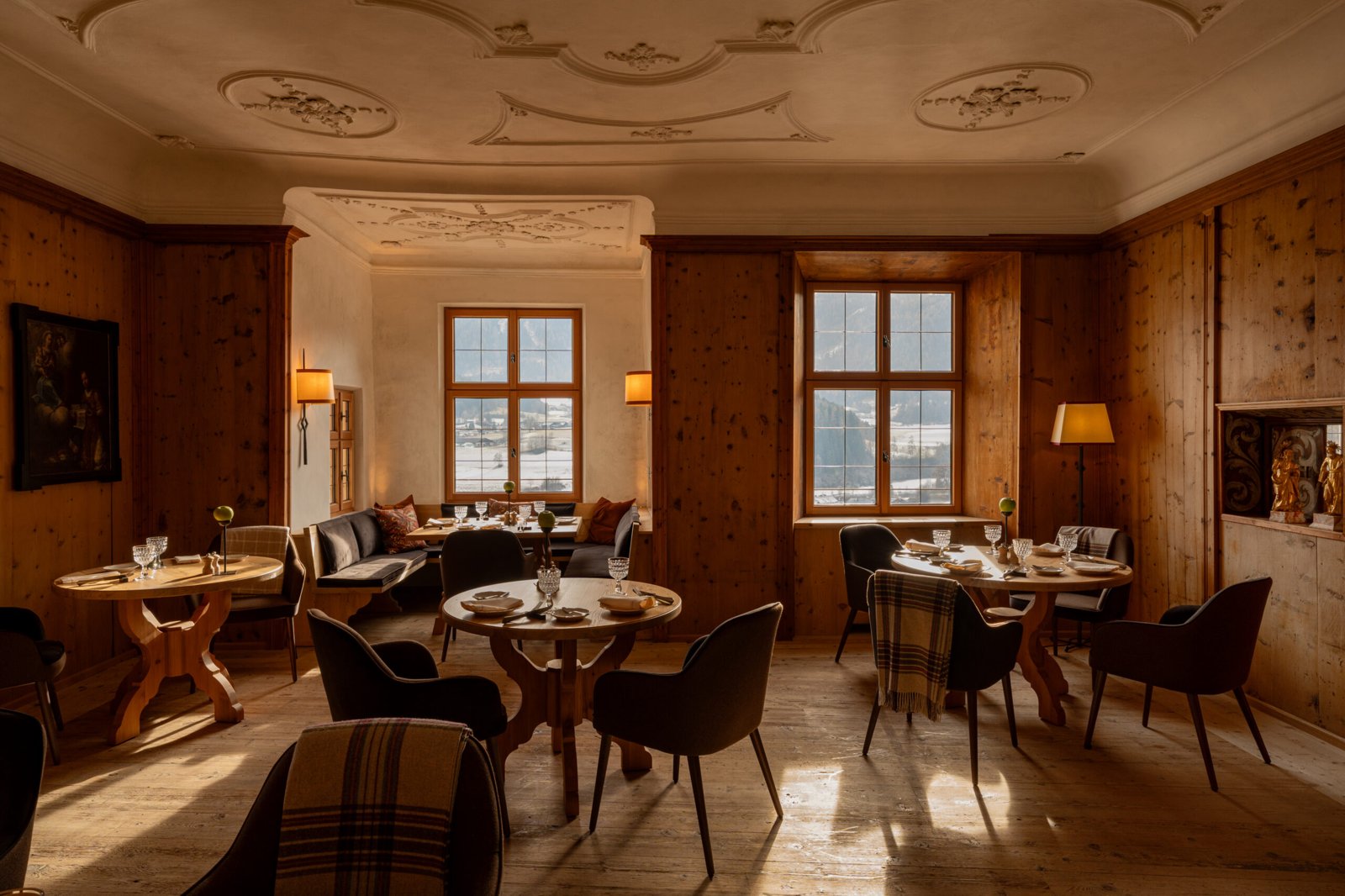
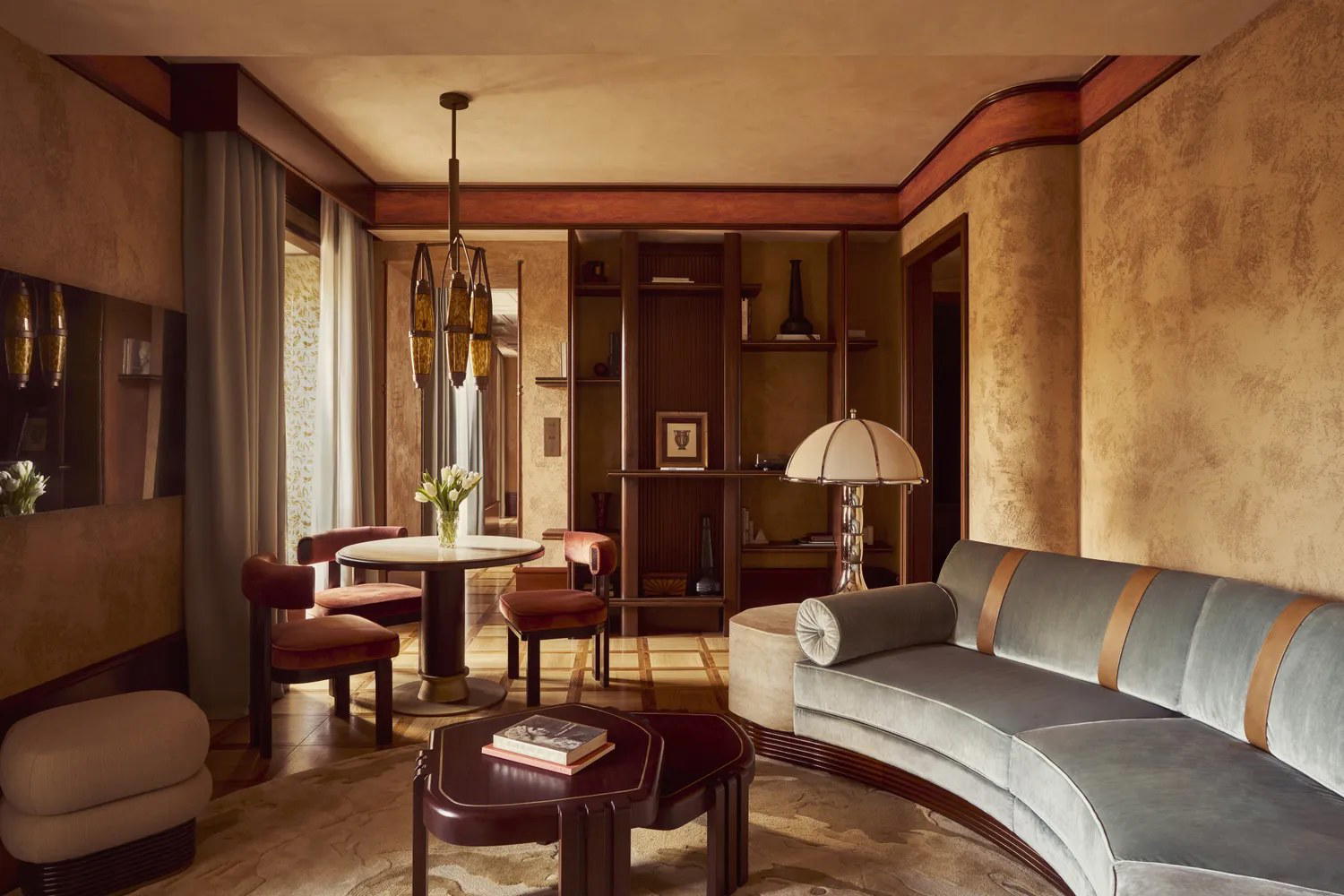
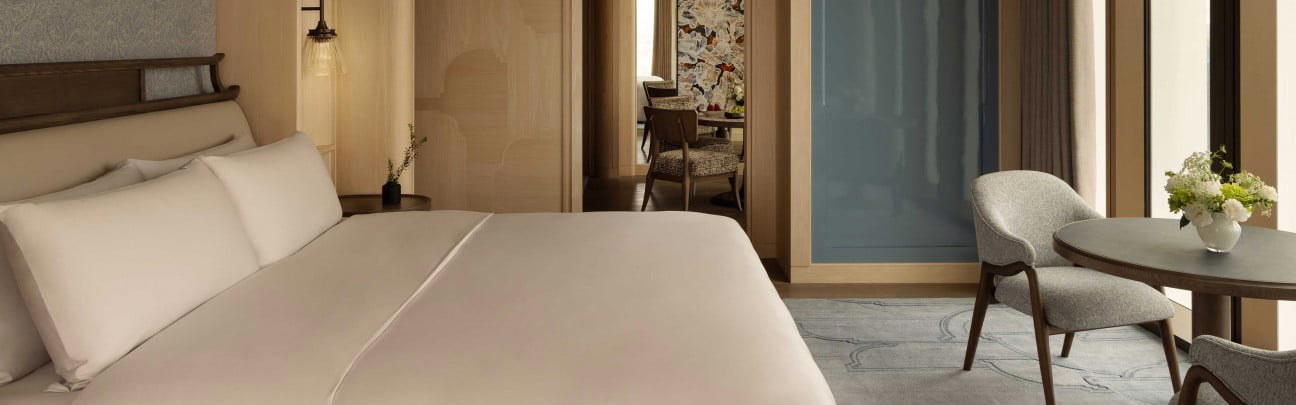
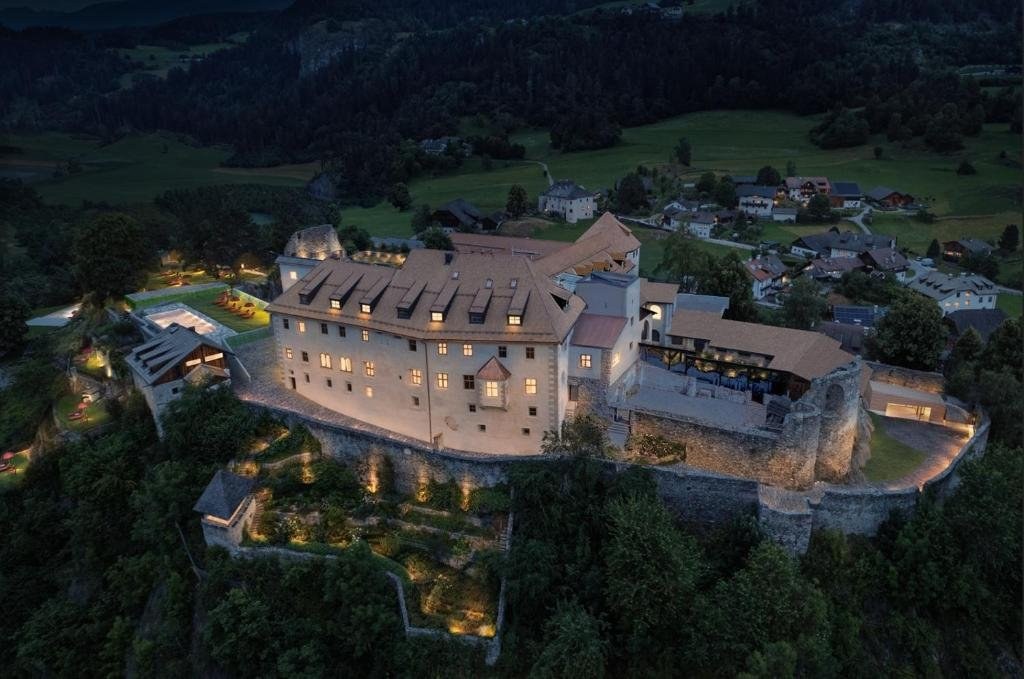
Castel Badia presents as an authentic medieval stronghold reworked for modern stays. The restoration favors restraint: local materials, soft alpine tones and craftsmanship sit quietly within thick stone walls rather than announcing themselves. With just 29 rooms the property reads as a small, lived-in castle where historical layers remain legible — millennia of construction and adaptation are part of the experience. The site frames the Dolomites and the wide Val Pusteria valley, so the atmosphere combines austere historic gravity with the calm of a mountain retreat. The overall tone is quietly powerful and intentionally unostentatious.
Best For
The hotel suits travelers who prize architecture, history and solitude over flash. It works especially well for couples seeking a private, low-key escape and for design-minded guests who appreciate careful restorations that foreground local materials and craft. Guests who want a contemplative mountain setting also find it appealing: the castle’s placement against the Dolomites and the broad valley views make the property a destination for people drawn to landscape and cultural context. Because the accommodation is deliberately small and focused on authenticity, it is not aimed at high-energy group stays or loud nightlife.
Stay Tips
Book early and expect a deliberately small inventory: with only 29 rooms the property fills for key travel dates. When reserving, ask explicitly for a room that faces the Dolomites or the valley if views matter to you — the description highlights the castle’s silhouette against the mountains. Prepare for a quiet, restorative stay rather than a full-service resort experience; the restoration emphasizes local materials and restrained design, so guests who value heritage and calm get the most out of a visit. Review arrival logistics in advance given the rural alpine approach.
Venue details
Ambiance
Atmospheric alpine stillness with vaulted halls, soft lighting in wood-panelled historic rooms, and contemplative spa spaces fostering tranquility and relaxation.
Tags
Vibe
Best For
Experience
Amenities
View
About the Stay
- Rooms
- 29
- Check-in
- 15:00
- Check-out
- 11:00
- Property Style
- Restored 11th Century Benedictine Monastery Commanding a Hilltop Perch Above the Enneberg Valley
- Design Style
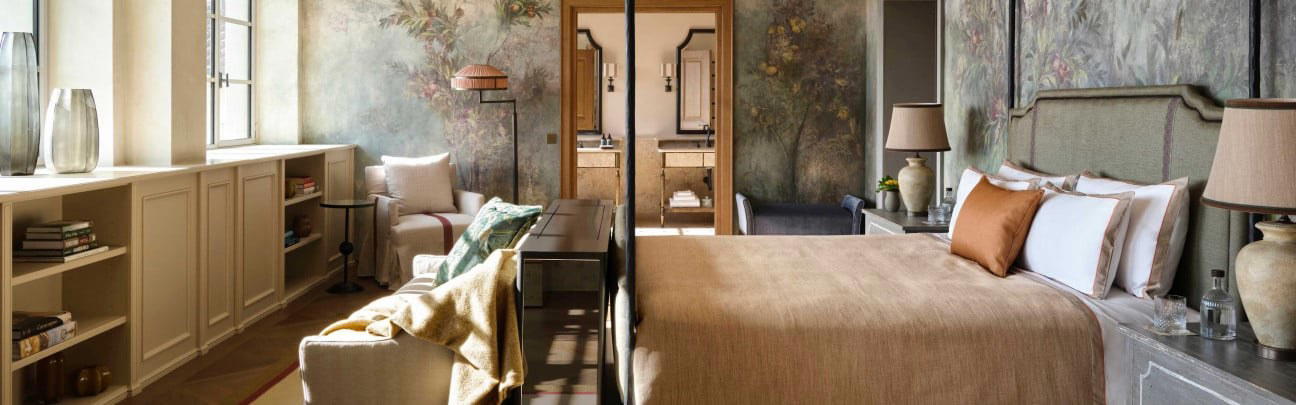
- Alpine Zen Minimalism Pairing Exposed Stone Walls, 15th Century Frescoes, and Brushed Larch Wood with Contemporary Furnishings
Know before you go
Know Before You Go
- Getting there
- Frazione Castelbadia, 38, 39030 San Lorenzo di Sebato BZ
Planning details
Location



Also consider
Also Consider
- Castel Maurn, Notable alternative
- Falkensteiner Hotel Kronplatz, Notable alternative
- Hotel Petrus, Notable alternative
- Hotel Hubertus, Notable alternative
- Mirabell Dolomites, Notable alternative
Hotel context
How It Compares
Castel Badia is the pick if atmosphere and independent character matter more than a large resort format. Compared with Falkensteiner Hotel Kronplatz, it should suit travelers who want a quieter, more place-specific stay; Falkensteiner is the safer cross-shop for guests prioritizing a more resort-like setup around Kronplatz.
Castel Maurn is the closest conceptual comparison for a castle-hotel mood, so choose between the two on location and availability rather than assuming one is automatically the higher-value play. Hotel Petrus and Hotel Hubertus are better cross-shops for travelers who want a more visible mountain-hotel rhythm with facilities driving the stay.
Mirabell Dolomites is the practical alternative if the trip is more about a classic Dolomites hotel base than a castle setting. Booking difficulty for Castel Badia is easy, so value comes less from beating scarcity and more from choosing the right mood: calm, architectural, and region-led rather than program-heavy.
Explore San Lorenzo di Sebato
Around this place
Discover more on Pearl
Unlock the full Castel Badia guide in Pearl, including awards, comparisons, FAQs, planning details, and nearby places.
Compare Castel Badia
| Venue | Location | Awards |
|---|---|---|
| Castel Badia | San Lorenzo di Sebato | 2026 Virtuoso Luxury Hotel Collection2026 Conde Nast Traveler Hot List HotelsTown & Country Hotel Awards 2026Leading Hotels of the World 20262026 Michelin 1 Key2025 Michelin Selected Hotels |
| Castel Maurn | San Lorenzo | No published awards |
| Falkensteiner Hotel Kronplatz | Brunico | Leading Hotels of the World 2026 |
| Hotel Petrus | Bruneck | No published awards |
| Hotel Hubertus | Valdaora | No published awards |
| Mirabell Dolomites | Valdaora | No published awards |

How Castel Badia San Lorenzo di Sebato compares with similar nearby venues.
FAQ
Frequently Asked Questions
Which room category is best at Castel Badia?
Specific room categories are not identified. Choose based on the current options shown at booking, and confirm any view, size, or inclusion that matters before reserving.
How is the location of Castel Badia?
How is the dining at Castel Badia?
Cuisine, chef details, menu format, prices, or service hours are not listed. Dining should be confirmed directly with the hotel.
How is the pool and spa at Castel Badia?
Is Castel Badia good for business travel?
Business facilities or corporate services are not specified. It may still work for some trips, but business travelers should confirm meeting needs, workspace, connectivity, and transport details directly before reserving.
Do loyalty programs work at Castel Badia?
Castel Badia is listed as a Leading Hotels of the World Member for 2025 and a Virtuoso Luxury Hotel Partner for 2026. Confirm the exact booking channel, benefits, and eligibility terms before relying on any program perks.