


Il Borro
Loro Ciuffenna, San Giustino Valdarno
Hotel in San Giustino Valdarno, Italy
 Book with Pearl
The Read
Medieval Estate Hospitality
Why go
Il Borro is worth prioritizing if the trip calls for a polished Tuscan countryside hotel rather than a simple overnight near San Giustino Valdarno. Its Michelin 2 Keys, Relais & Châteaux recognition, and Virtuoso luxury partner status make it the area's more formal luxury choice, but value depends on using the property, not just sleeping there.
About Il Borro
Is Il Borro worth booking in San Giustino Valdarno? It can be, especially for travelers who want a stay anchored by recognition rather than a long list of amenities. Details are limited, but they are meaningful: Il Borro is listed with Michelin 2 Keys for 2025, a Relais Chateaux Award for 2026, and Virtuoso Luxury Hotel Partner recognition for 2026.
Because details are limited, the safest way to assess the stay is to focus on what is known and avoid assuming specifics about rooms, dining, facilities, or service format. Travelers building a trip around San Giustino Valdarno can cross-check other San Giustino Valdarno dining information before committing.
Confirm the stay details before booking
With no room-category details available, the practical question is how much of the trip you expect the hotel itself to carry. If Il Borro is mainly a base in San Giustino Valdarno, confirm room specifics directly before booking. If the stay is meant to be a larger part of the trip, verify the exact space, layout, inclusions, and terms you need.
This is also where value should be judged carefully. Do not assume particular room sizes, views, amenities, or layouts from the recognition alone. Use the accolades as a signal of positioning, then verify the exact booking details, cancellation terms, and inclusions before deciding whether the premium is justified.
Worth the effort if you want a recognized San Giustino Valdarno stay
Il Borro is easiest to justify for travelers who value recognition and are specifically looking in San Giustino Valdarno. If the trip is flexible, compare it with other options before locking in the broader itinerary.
The strongest reason to choose Il Borro is recognition: the property carries Michelin 2 Keys for 2025, plus Relais Chateaux Award and Virtuoso Luxury Hotel Partner recognition for 2026. Those facts do not prove that every traveler will find better value here, but they do place the property in a more formally recognized category.
Quick reference: choose this if hotel recognition matters to your San Giustino Valdarno stay; compare alternatives if your priority is price, a particular room layout, or specific amenities that should be confirmed directly before booking. The dress code is smart casual.
Inside Il Borro
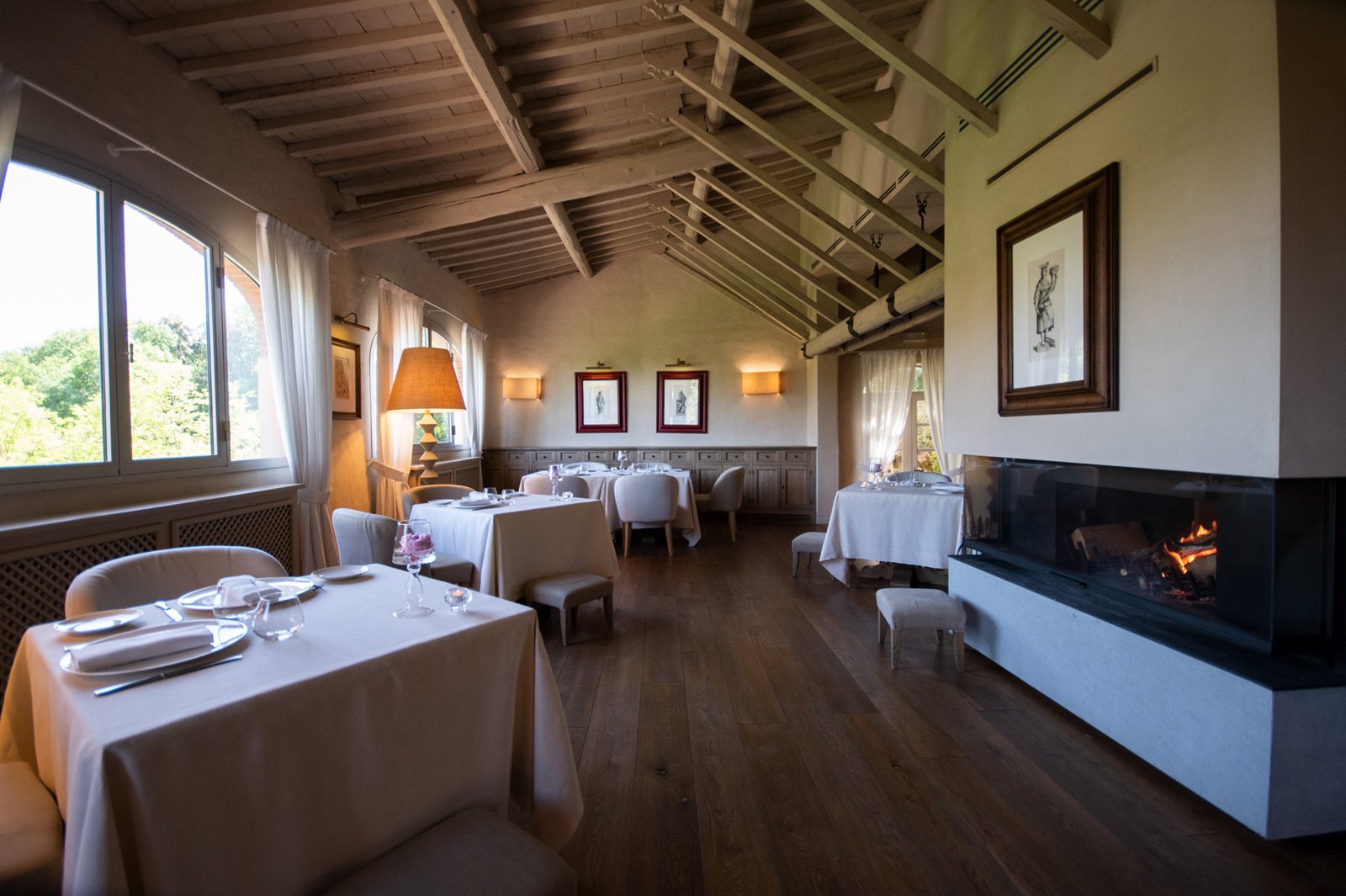
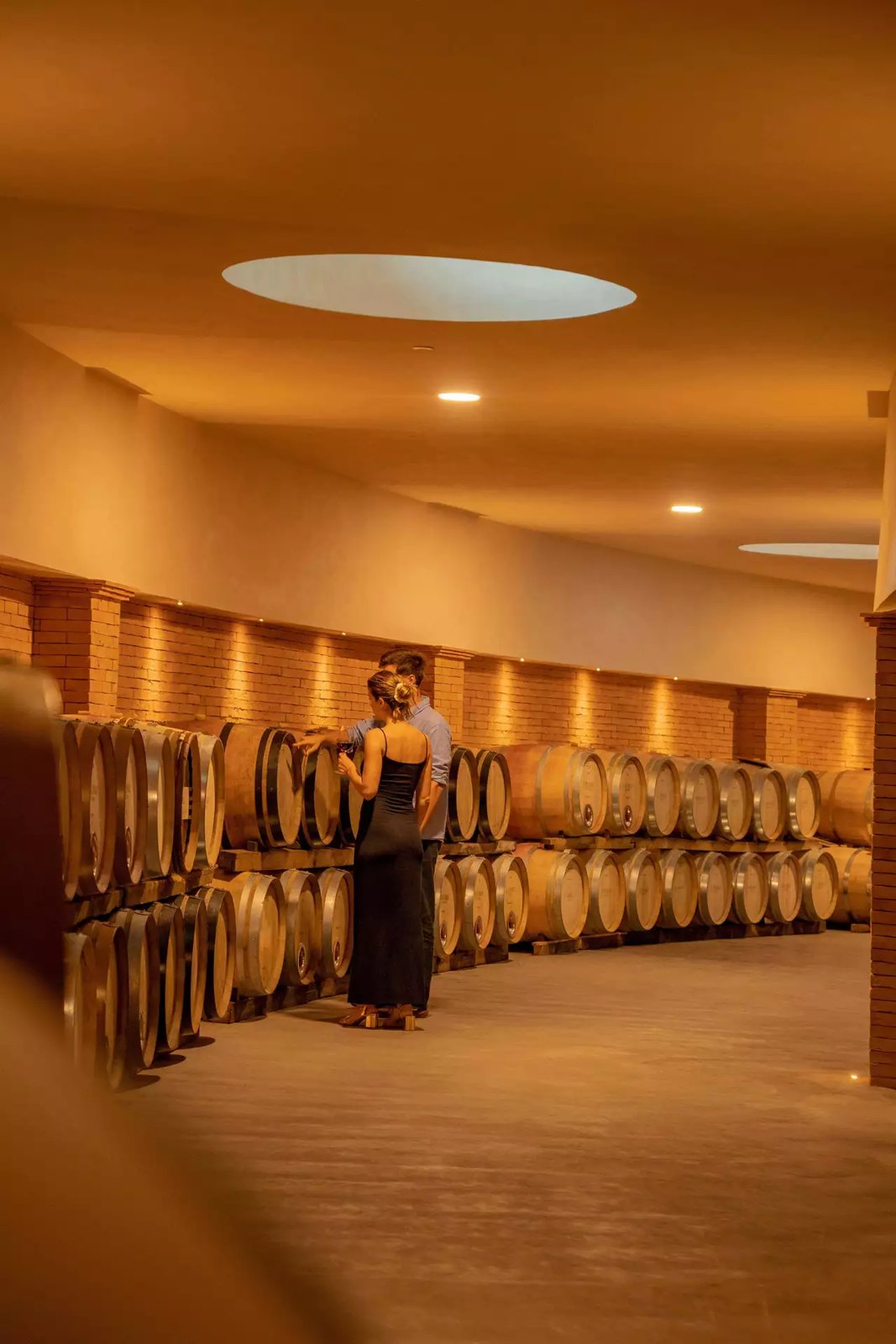
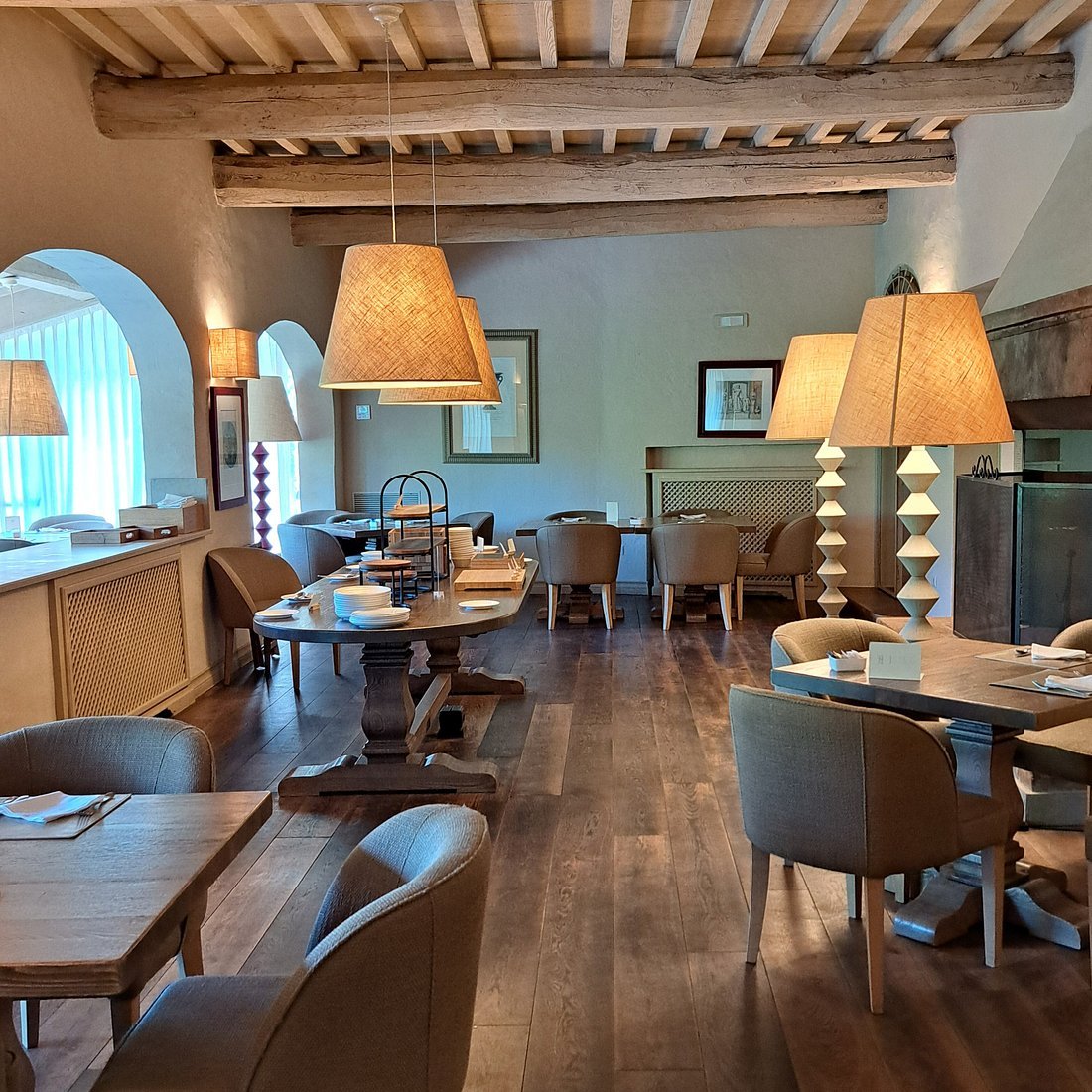
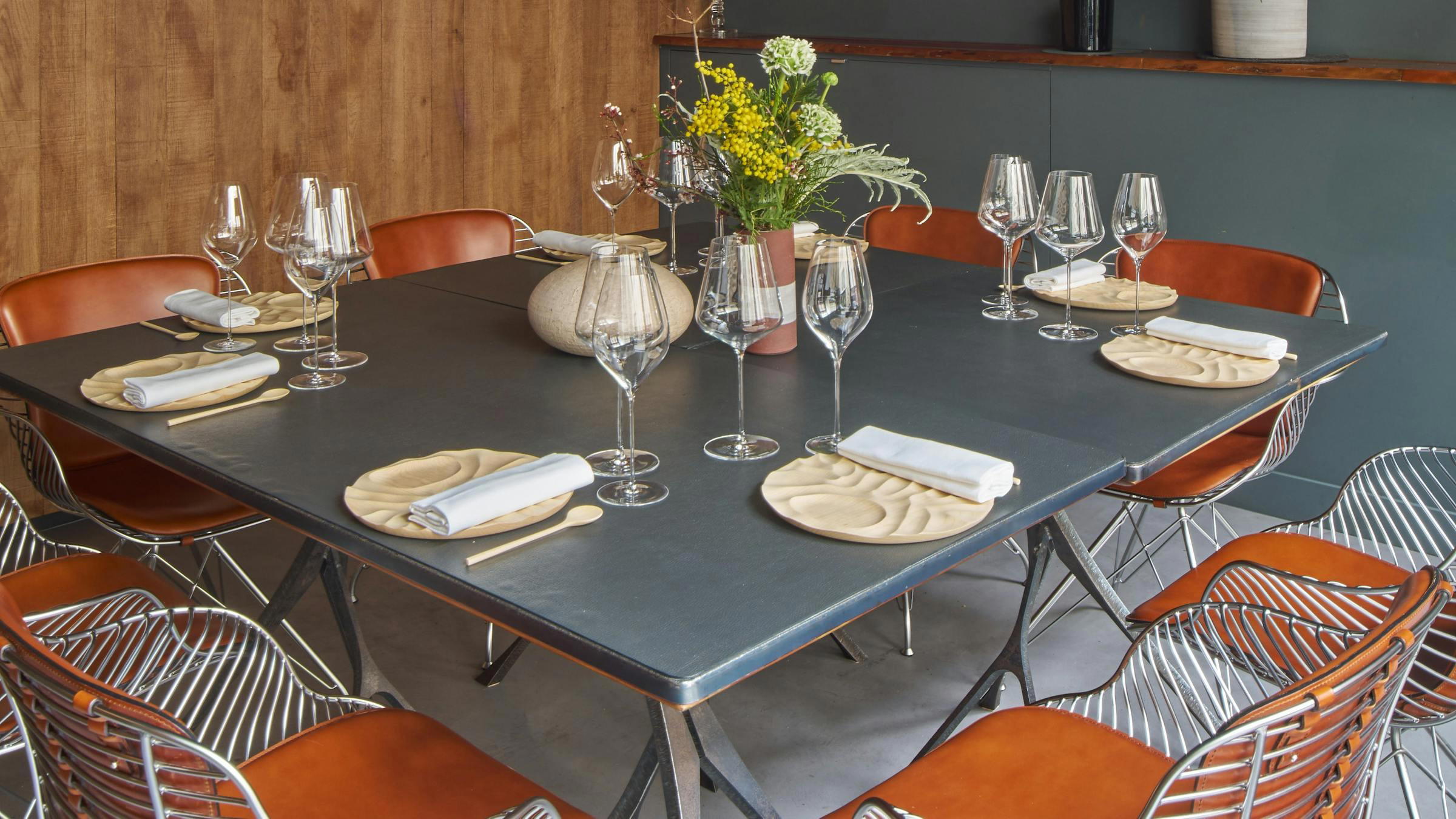
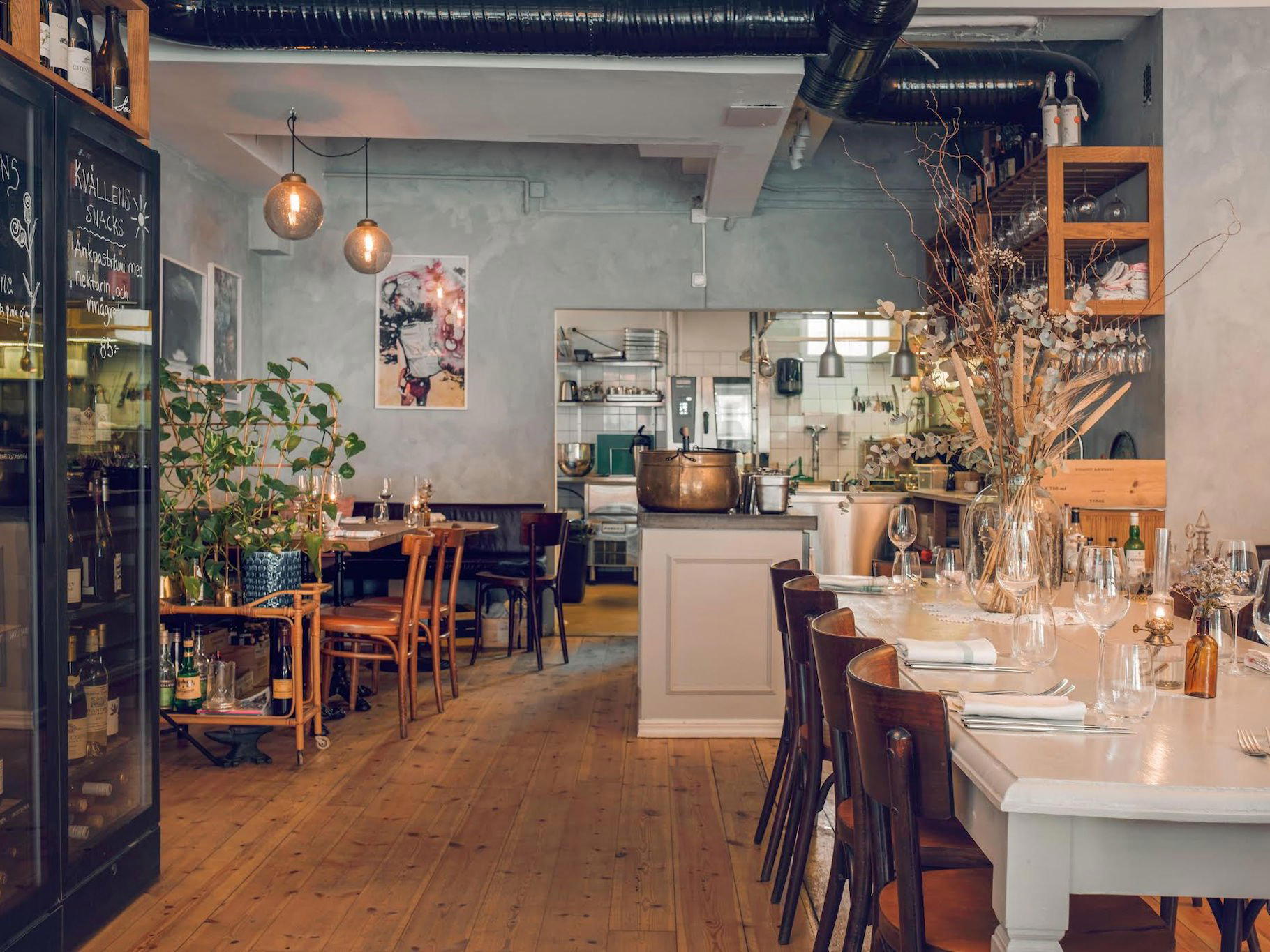
 restaurantIl Borro Tuscan BistroIl Borro Tuscan Bistro sits inside the Il Borro estate in San Giustino Valdarno, where bistro-style Tuscan cooking is tied closely to wine, rural produce, and the social grammar of the country table. The draw is the lower-floor setting with an open-plan wine cellar and a menu built around traditional dishes and family favourites rather than high-concept tasting-menu theatre.
 restaurantOsteria del BorroSet within a thousand-hectare estate in Valdarno, Osteria del Borro earns its Michelin Plate recognition through creative cooking grounded in produce from the estate's own garden. Chef Andrea Campani presents three tasting menus that shift with the seasons, served either on a terrace overlooking Tuscan countryside or in a warmly lit room with an open kitchen. Google reviewers rate it 4.6 from 212 reviews.
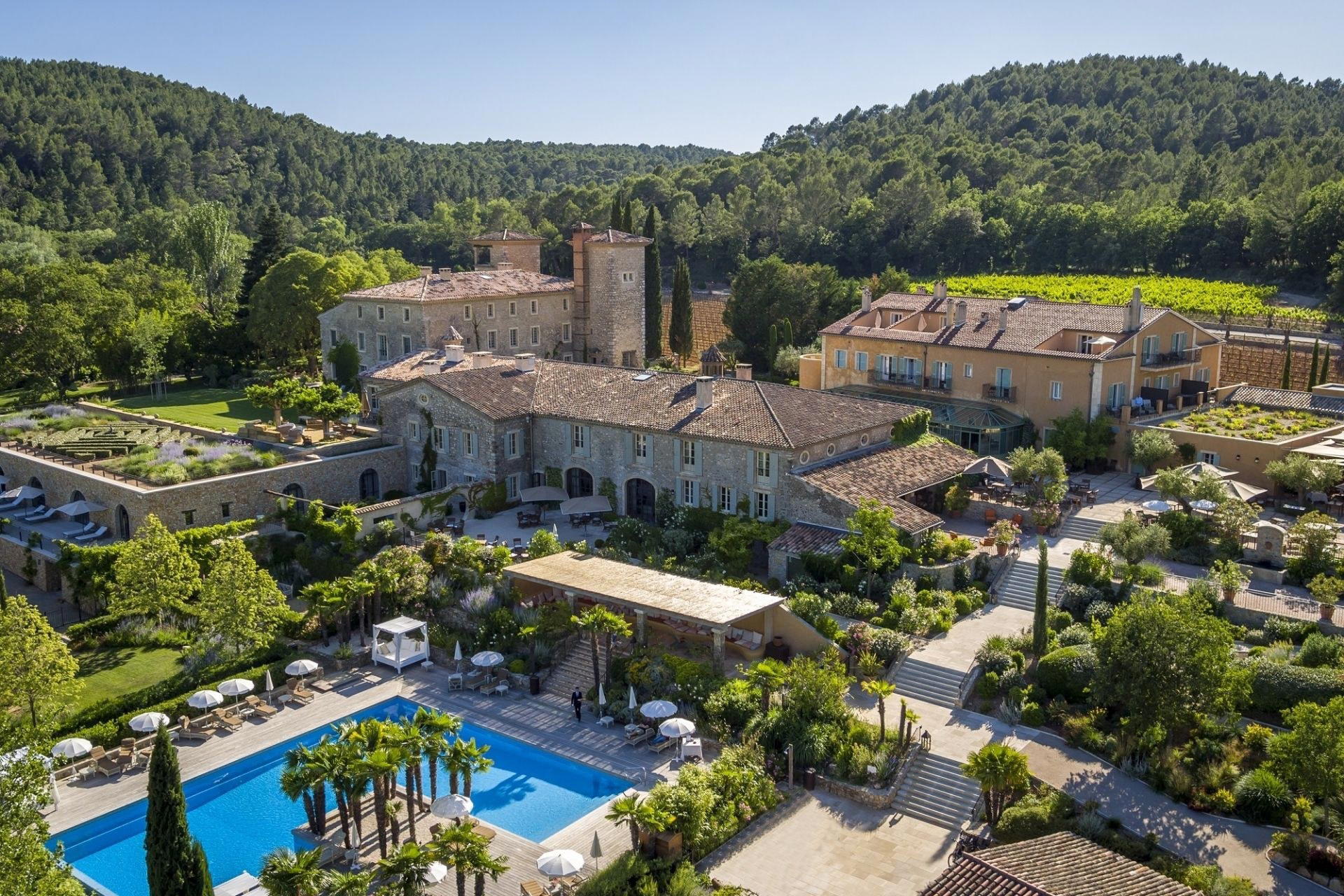
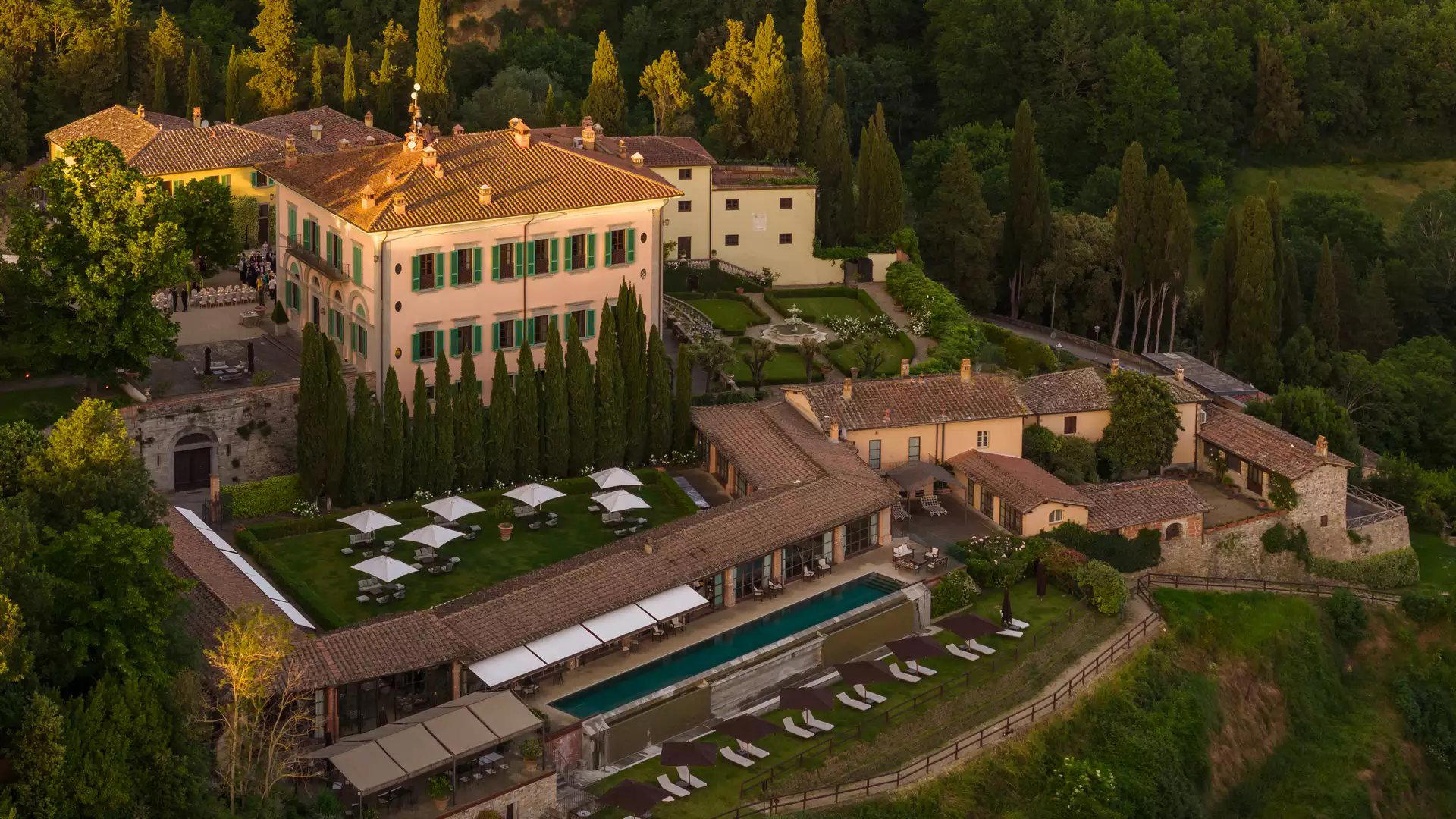
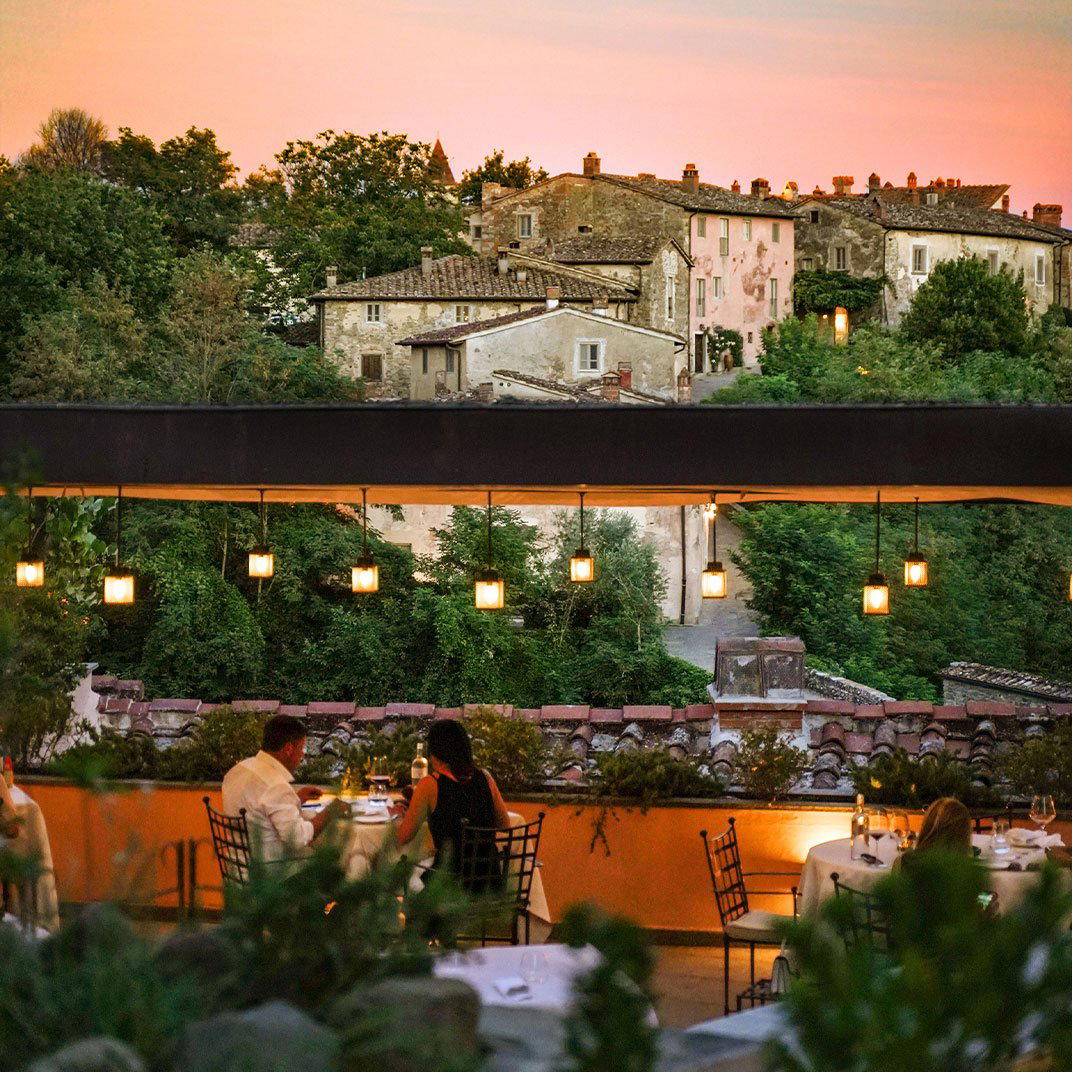 restaurantIl BorroIl Borro is a medieval Tuscan hamlet and Ferragamo family-owned estate spanning 2,700 organic acres in the Valdarno, where wine production, agrarian tradition, and Italian Tuscan cooking under Chef Andrea Campani converge in a single address. Holding a 4.6 Google rating across more than 1,000 reviews, it sits within a Relais & Châteaux portfolio that signals a specific tier of rural Italian hospitality, intimate in scale, rooted in place, and structured around the land it occupies.
Planning details
- Location
- Via dell'Oreno, 1, 52024 San Giustino Valdarno AR
- Website
- ilborro.it
- Phone
- +39 055 977053
The take
The Take
The Vibe
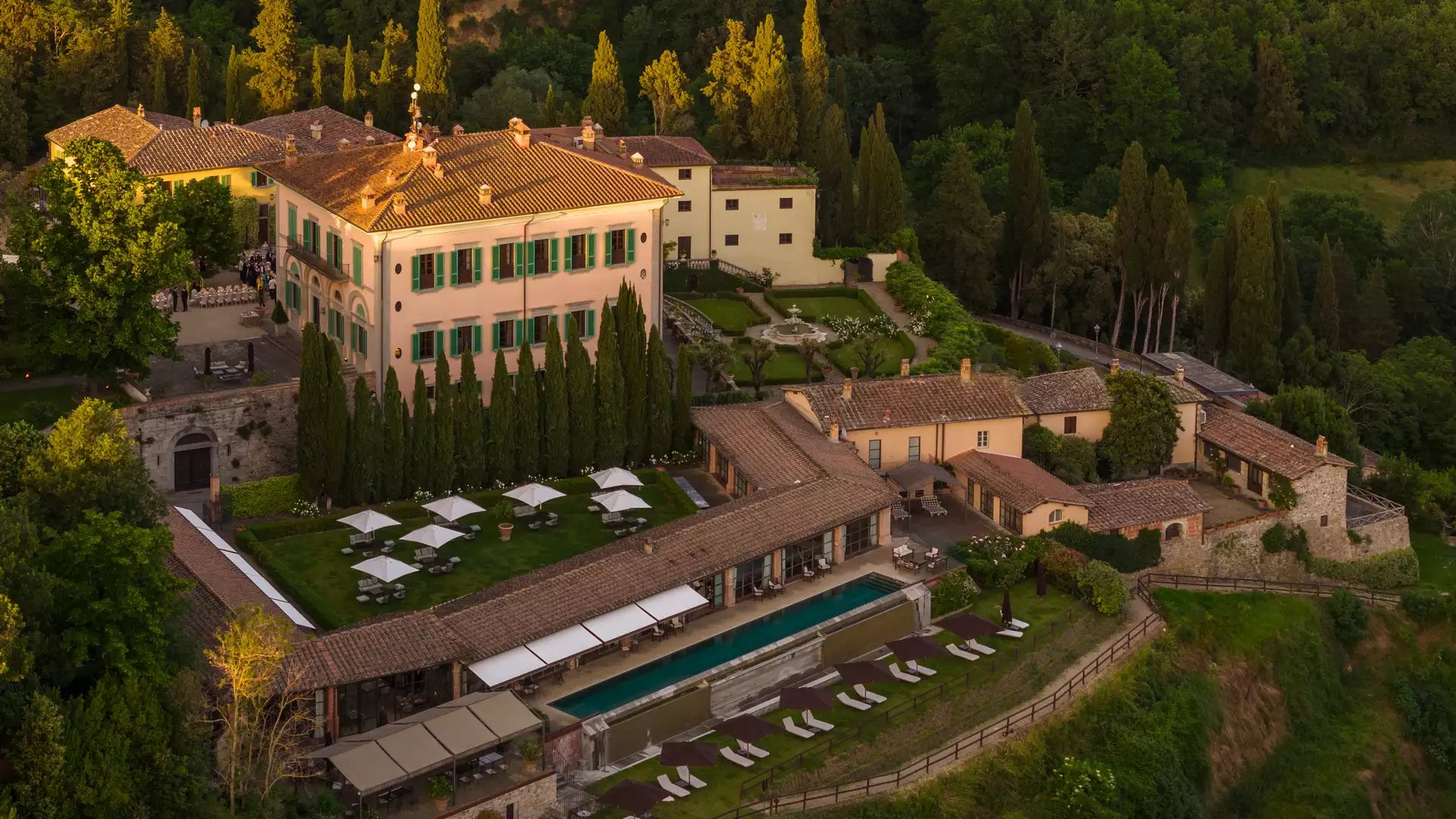
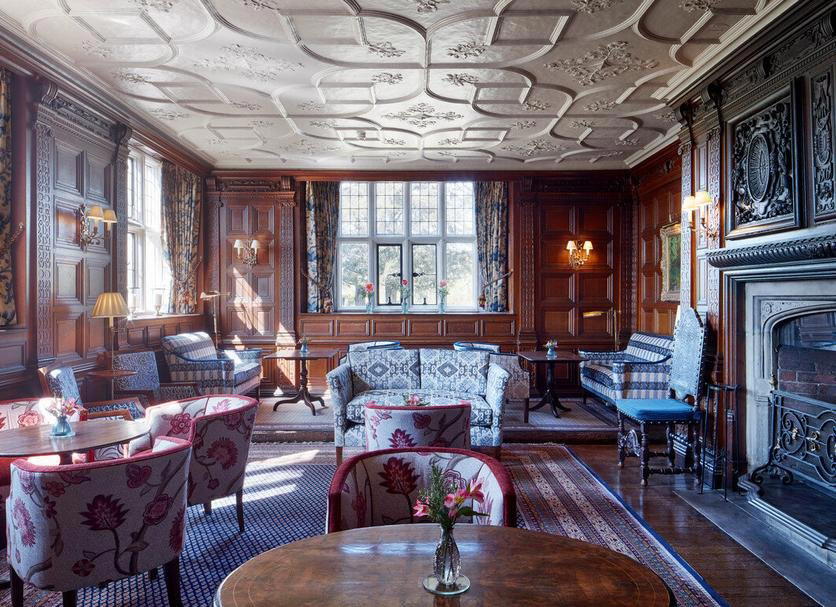
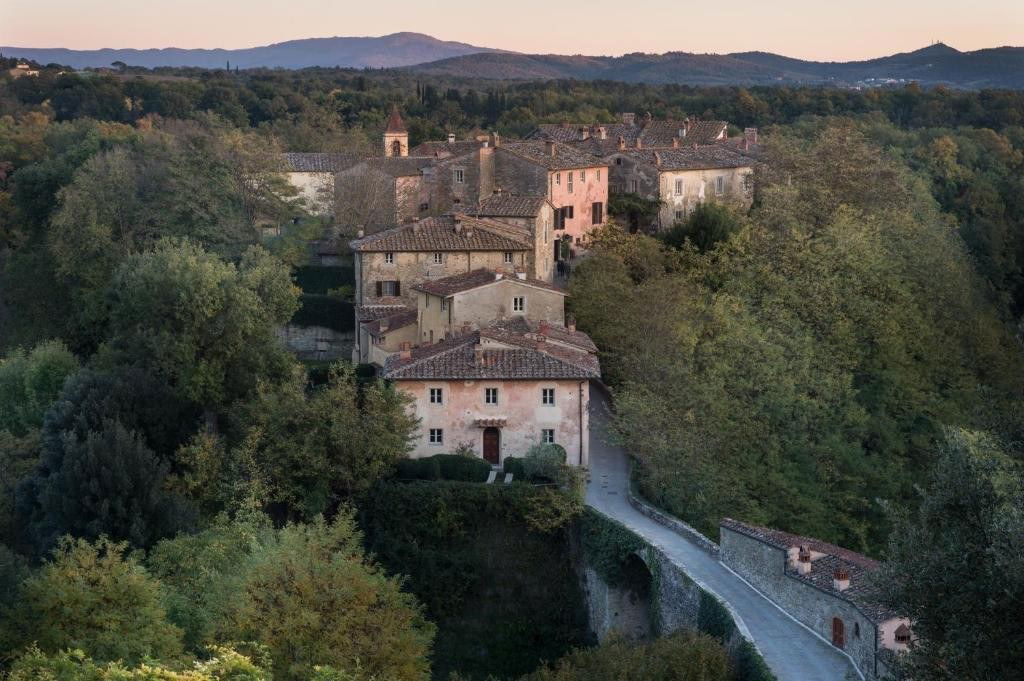
Il Borro presents as a restored medieval borgo where authentic architectural fabric and five-star infrastructure coexist. You arrive down a cypress-lined drive and past vine rows to a stone-paved bridge and terracotta rooftops; the property reads like a genuine hill village rather than a stage set. The Ferragamo family’s restrained approach preserves wooden floors, original stonework and the structural footprint of village buildings, so interiors feel time-honored and cohesive. The overall effect is quietly luxurious: historic and classic in spirit, with the steady calm of a well-maintained estate rather than bold contemporary flourishes.
Best For
This estate suits travelers who prize history, architecture and quietly elevated hospitality. Couples seeking a romantic getaway or honeymoon and guests celebrating anniversaries find the restored borgo particularly compelling, while those wanting a serene weekend escape or wellness retreat appreciate the tranquil grounds and thoughtful preservation. Il Borro also appeals to visitors who prefer an immersive, place-based stay—guests who want to wander cobbled streets, discover artisan workshops and experience a village-scale property restored with genuine regard for its original character.
Stay Tips
Book a suite located inside the borgo to experience the village setting directly—rooms are housed within restored village buildings rather than in a separate modern block. Allow time on arrival for a slow walk across the stone-paved bridge and through the cobbled streets to absorb the architecture and artisan workshops. Because the estate emphasizes preservation over heavy intervention, request details about the specific building or suite if you have preferences for original stonework or wooden floors to maximize the historical ambience of your stay.
Venue details
Ambiance
Romantic and secluded Tuscan atmosphere with Tuscan architecture, gardens, and a quiet, elegant setting praised for its beauty and tranquility.
Tags
Vibe
Best For
Experience
Amenities
View
Accessibility
About the Stay
- Rooms
- 58
- Check-in
- 15:00
- Check-out
- 11:00
- Property Style
- Restored Historic Tuscan Hamlet Estate
- Design Style
- Tuscan Rustic Elegance with Individually Furnished Rooms
Know before you go
Know Before You Go
- Getting there
- Via dell'Oreno, 1, 52024 San Giustino Valdarno AR
Planning details
Location
Recognition and awards


Also consider
Where to look if Il Borro is full
If dates do not work, check Badia di Pomaio first for another countryside-leaning stay, then Villa Sassolini Country Boutique Hotel if a smaller boutique format is enough. Neither should be treated as the same luxury proposition, but both can be more practical when availability or spend matters.
Hotel context
How Il Borro compares nearby
Choose Il Borro when the hotel is meant to anchor the trip. Against Palazzo Tiglio, Graziella Patio Hotel, and Villa Sassolini Country Boutique Hotel, it is the safer luxury pick because the recognition level is stronger and the booking pressure is higher. That makes it better for milestone stays, but less sensible if the room will mostly be used as a base between day trips.
Le Lappe and Badia di Pomaio are the more practical cross-shops for travelers who want countryside atmosphere with a lower-commitment feel. Il Borro is the choice for a more polished estate-style stay; the others make more sense when availability, flexibility, or a quieter spend profile matters more than formal luxury credentials.
Around this place
Discover more on Pearl
Unlock the full Il Borro guide in Pearl, including awards, comparisons, FAQs, planning details, and nearby places.
Compare Il Borro
| Venue | Location | Awards |
|---|---|---|
| Il Borro | San Giustino Valdarno | 2026 Virtuoso Luxury Hotel Collection2026 Relais Chateaux HotelsMichelin 2 Keys 20252025 Relais Chateaux Award2025 Michelin 2 Keys |
| Palazzo Tiglio | Bucine | Star Wine Lists 2026Small Luxury Hotels Member 2025 |
| Graziella Patio Hotel | Arezzo | No published awards |
| Villa Sassolini Country Boutique Hotel | Moncioni Montevarchi | No published awards |
| Le Lappe | Cavriglia | No published awards |
| Badia di Pomaio | Arezzo | 2026 Mr & Mrs Smith Luxury HotelsTablet Hotels Top 40 New Hotels 2025 · #212025 Michelin Selected Hotels |




How Il Borro San Giustino Valdarno compares with similar nearby venues.
FAQ
Frequently Asked Questions
How is the location of Il Borro?
How is the pool and spa at Il Borro?
Pool and spa details are not available. If those facilities are important to the stay, confirm availability, access, and any booking requirements directly with the property before reserving.
How is the dining at Il Borro?
Specific dining details are not available. The property has Michelin 2 Keys for 2025, but that recognition should not be read as confirmation of a particular restaurant, cuisine, menu format, or dining service. The dress code is smart casual.
How does Il Borro compare to other hotels?
Il Borro stands out for its recognition, including Michelin 2 Keys for 2025, a Relais Chateaux Award for 2026, and Virtuoso Luxury Hotel Partner recognition for 2026. Travelers can also compare it with Palazzo Tiglio, Graziella Patio Hotel, Villa Sassolini Country Boutique Hotel, Le Lappe, and Badia di Pomaio depending on the kind of stay they want.
When is the best time to book Il Borro?
A specific booking window is not provided. If the trip is tied to fixed dates, confirm availability and terms directly with the property before finalizing the rest of the itinerary.
Which room category is best at Il Borro?
No room-category details are available. Choose based on the amount of time you expect to spend at the property, and confirm the exact room size, layout, inclusions, and cancellation terms before booking.
Is Il Borro good for business travel?
Business-travel suitability is not available. If you need work-specific features, meeting arrangements, or a particular schedule, confirm those details directly with the property before booking.