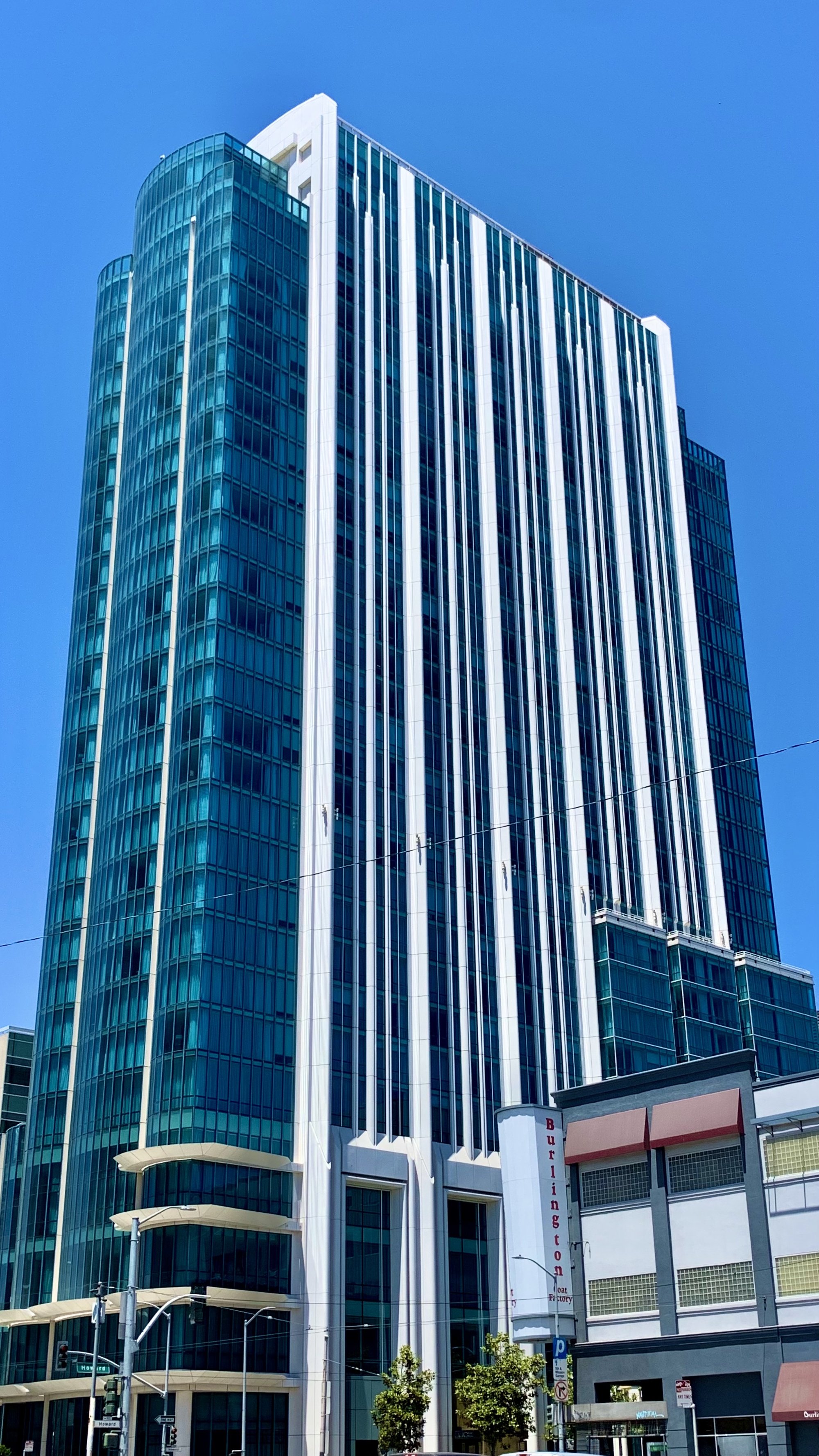
InterContinental San Francisco
South of Market, San Francisco
Hotel in San Francisco, United States
 Book with Pearl
The Read
Convention-District Full-Service
Price
$300–500per night
Why go
A practical SoMa business-hotel choice for travelers who need easy access to the Moscone Center and downtown meetings. InterContinental San Francisco makes more sense for work trips than leisure weekends; compare Union Square or Embarcadero hotels if dining, views, or neighborhood feel matter more than logistics.
About InterContinental San Francisco
InterContinental San Francisco is a venue in San Francisco, with a business casual dress code.
If you are comparing San Francisco options, consider InterContinental San Francisco alongside Axiom Hotel, Four Seasons Hotel San Francisco, Hotel Zelos San Francisco, Hotel Zetta San Francisco, and W San Francisco, then confirm current details directly before booking.
Key Details
InterContinental San Francisco is in San Francisco and lists a business casual dress code. For information on specific details like neighborhood, nearby landmarks, facilities, loyalty benefits, dining, event access, or family amenities, guests should consult the venue directly.
That makes the venue best evaluated through your own current booking needs. Check with the venue directly for availability, amenities, policies, and any trip-specific requirements, especially if your decision depends on details such as layout, facilities, dining, or proximity to a particular San Francisco destination.
Planning details
- Location
- 888 Howard St, San Francisco, CA 94103
- Website
- icsanfrancisco.com
- Phone
- +1 415-616-6500
The take
The Take
The Vibe
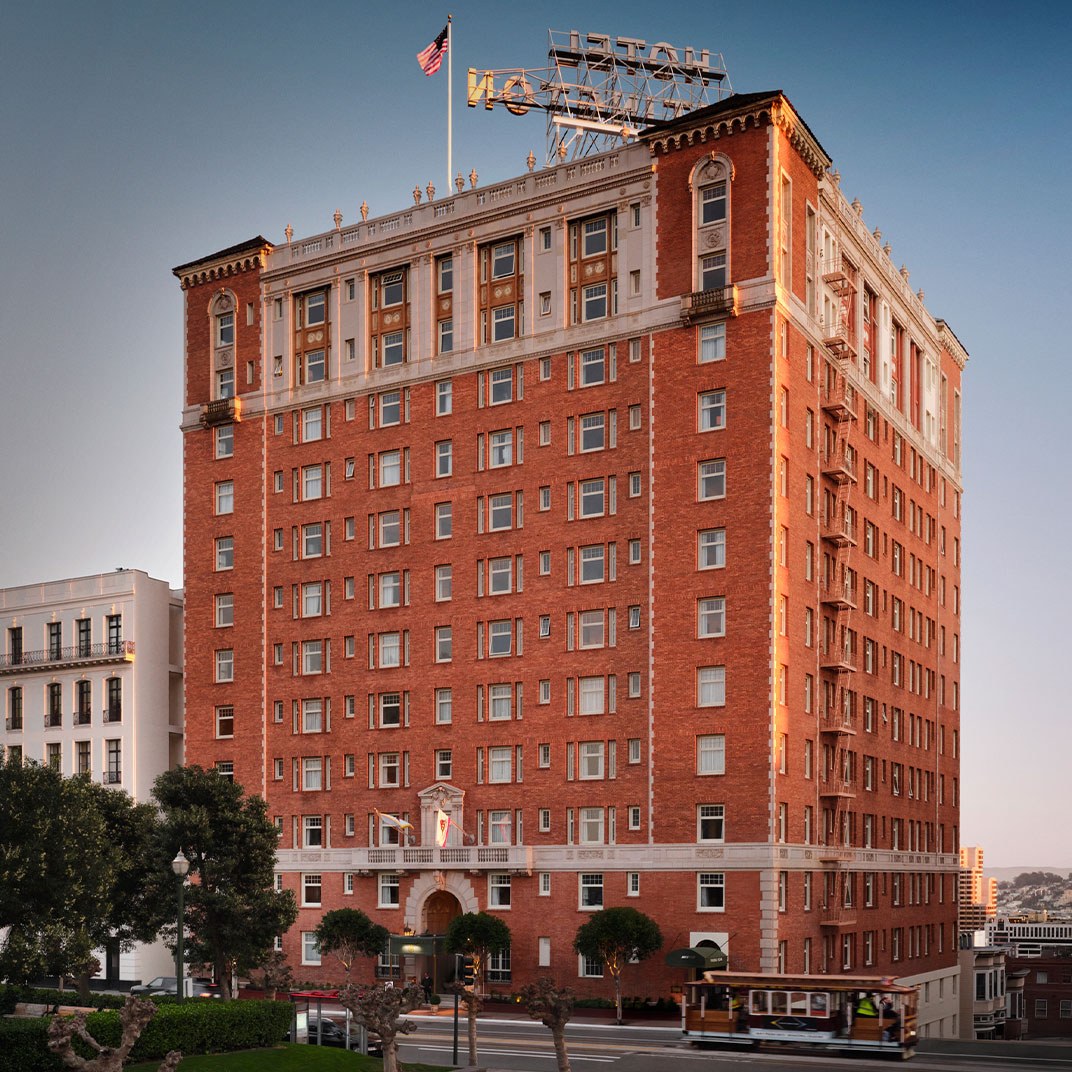
The InterContinental San Francisco reads as a purpose-built convention hotel anchored in SoMa’s event-driven corridor. Its tower format and lobby are described in functional terms — scaled for groups and configured to process arrivals efficiently — so the property projects a pragmatic, business-forward energy rather than a leisurely resort mood. The neighborhood’s history (light-industrial to tech-office) and the hotel’s close alignment with Moscone Center mean the experience feels urban and event-centric: busy when major conferences are in town, quieter between conventions, and unapologetically focused on serving organized groups and traveling professionals.
Best For
This hotel is best for conference attendees, corporate groups and traveling professionals who need immediate access to Moscone Center. The description repeatedly ties the property’s occupancy and purpose to trade shows, medical conferences and tech summits, so it performs at its best during convention weeks when group infrastructure and proximity matter most. Guests choosing between downtown alternatives will pick this property for convenience to the convention calendar rather than for seasonal leisure peaks; the copy explicitly contrasts its convention orientation with waterfront and Nob Hill hotel propositions.
Venue details
Ambiance
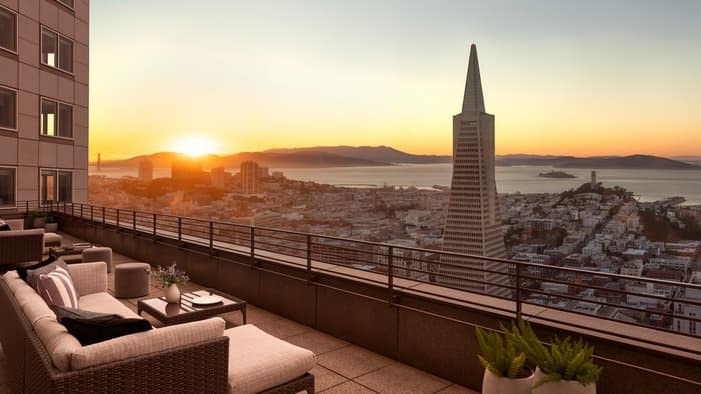
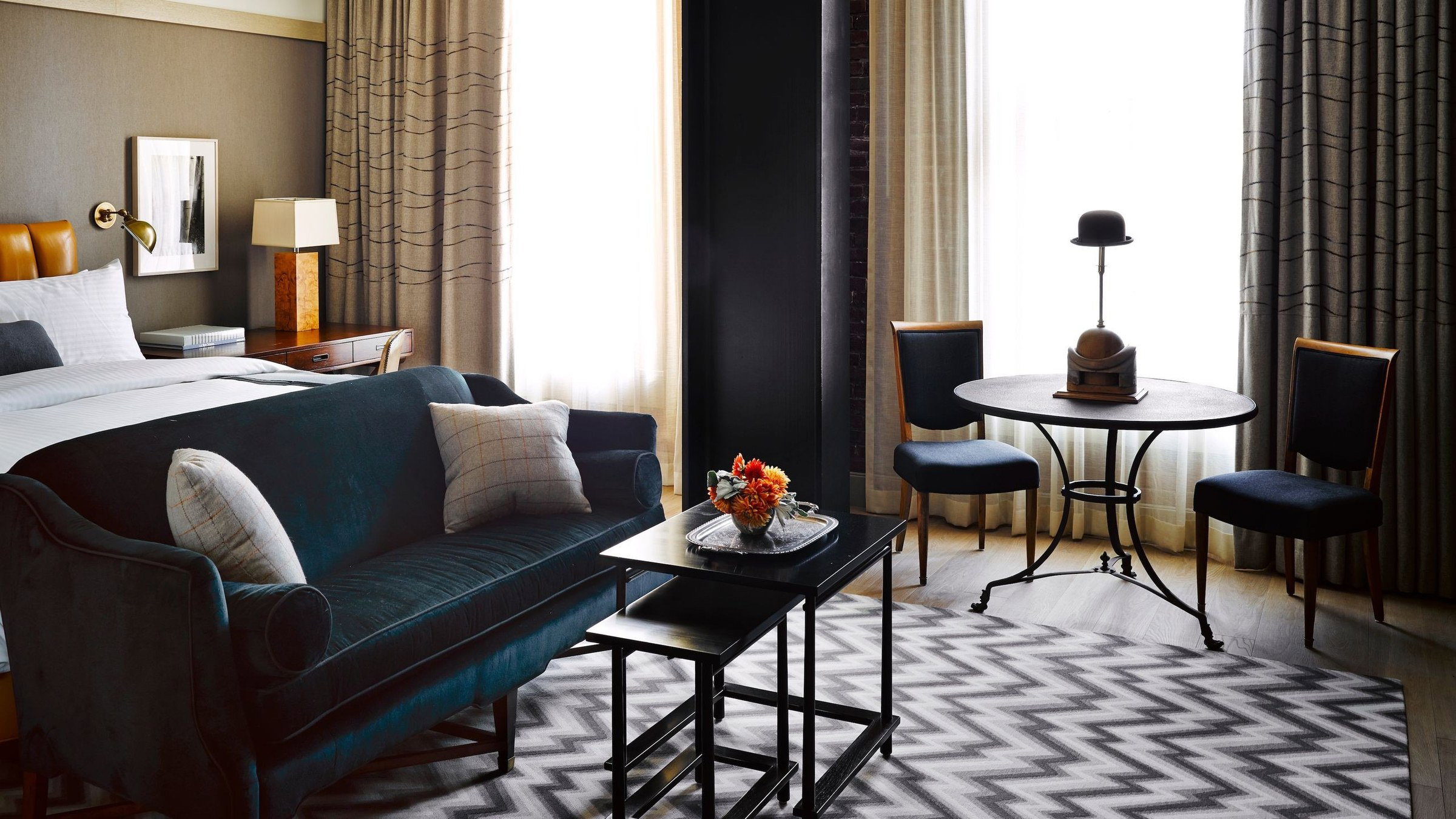
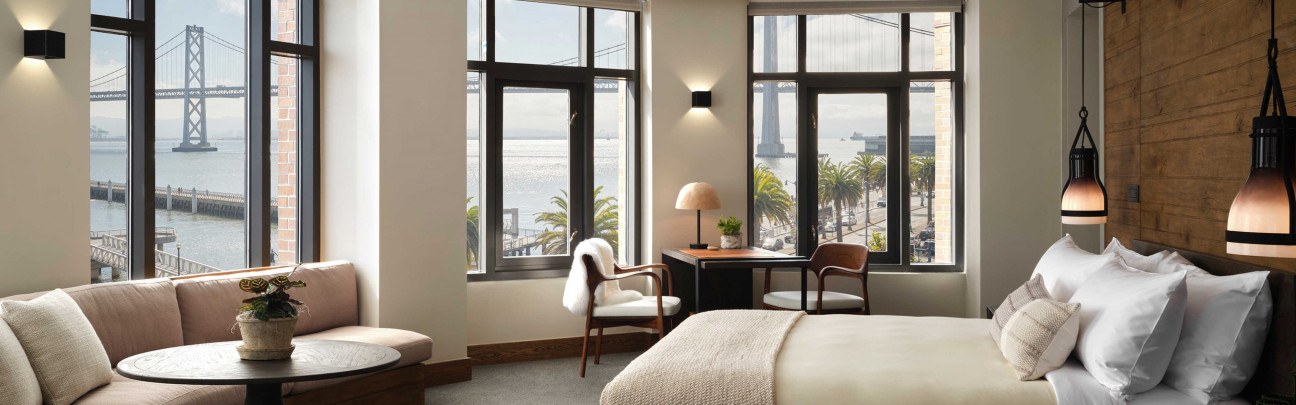
Sophisticated atmosphere with floor-to-ceiling windows offering sweeping city skyline views, modern lighting, and attentive club lounge service.
Tags
Vibe
Best For
Experience
Amenities
View
Accessibility
About the Stay
- Rooms
- 556
- Check-in
- 15:00
- Check-out
- 11:00
- Property Type
- Design hotel
- Property Style
- Modern High Rise Luxury Tower in Downtown San Francisco
- Design Style
- Contemporary with Premium Bedding and High Tech Features
- Pool
- Yes
- Spa
- Yes
- Pets
- Allowed
- Cancellation
- Moderate
Know before you go
Know Before You Go
- Getting there
- 888 Howard St, San Francisco, CA 94103
Planning details
Location
Also consider
Where to Look If This Is Full
For a similar downtown work-trip setup with more design energy, try W San Francisco. For a higher-touch splurge, move to Four Seasons Hotel San Francisco.
Hotel context
How It Compares
Choose InterContinental San Francisco when the priority is a work-trip base near the Moscone Center corridor and booking ease matters. Four Seasons Hotel San Francisco is the stronger splurge if service polish and a more refined stay justify the higher spend, while W San Francisco is the better fit for travelers who want a livelier design-forward atmosphere in the same general downtown orbit.
Hotel Zetta San Francisco and Hotel Zelos San Francisco make more sense for guests who prefer a smaller, more personality-driven stay near shopping and dining. Axiom Hotel is the value-minded cross-shop for transit access and a tighter urban stay, especially when the room is mainly for sleeping between plans.
Around this place
Discover more on Pearl
Unlock the full InterContinental San Francisco guide in Pearl, including awards, comparisons, FAQs, planning details, and nearby places.
Compare InterContinental San Francisco
How It Compares
Against Hotel Zetta San Francisco, Hotel Zelos San Francisco, and Axiom Hotel, this is the more conventional business choice: less boutique energy, more predictable for meetings and conference days.
Four Seasons Hotel San Francisco is the upgrade for travelers willing to pay for a more polished luxury stay. W San Francisco is better for guests who want a louder, design-led downtown mood.
FAQ
Frequently Asked Questions
How is the location of InterContinental San Francisco?
How is the pool and spa at InterContinental San Francisco?
If wellness facilities are important, confirm current amenities directly with the venue and compare with Four Seasons Hotel San Francisco if you are considering another San Francisco option.
Which room category is best at InterContinental San Francisco?
Choose based on current information from the venue, and compare with Axiom Hotel if you are considering another San Francisco option.
Do loyalty programs work at InterContinental San Francisco?
Confirm current program participation and benefits directly before booking. Hotel Zelos San Francisco and Hotel Zetta San Francisco can also be considered as San Francisco alternatives.