Fairmont San Francisco
Nob Hill, San Francisco
Hotel in San Francisco, United States
 Book with Pearl
The Read
Nob Hill Landmark Lodging
Why go
Book Fairmont San Francisco for a classic Nob Hill stay with formal hotel energy and strong special-occasion appeal. It makes the most sense when the address and atmosphere matter; compare The Ritz-Carlton, San Francisco for a more polished luxury choice and Hotel Emblem San Francisco or Palihotel San Francisco for lower-key value.
About Fairmont San Francisco
Fairmont San Francisco is a San Francisco hotel recognized by the MICHELIN Guide Hotels Selected 2025. For travelers comparing premium stays in the city, it belongs on the shortlist alongside InterContinental Mark Hopkins San Francisco by IHG, Hotel Emblem San Francisco, Palihotel San Francisco, The Huntington Hotel, and The Ritz-Carlton, San Francisco.
Fairmont San Francisco is a recognized San Francisco hotel, and it is best to confirm specific room types, amenities, dining formats, prices, or service promises directly. The dress code is smart casual.
Book for a recognized San Francisco hotel stay
The key appeal is simple: Fairmont San Francisco appears in the MICHELIN Guide Hotels Selected 2025. That makes it relevant for travelers who want a hotel with a guide selection, but it should not be read as proof of any particular room category, view, restaurant offering, or package. Travelers comparing broader city options should use Our full San Francisco hotels guide before deciding.
If the stay is tied to a special occasion, confirm the details that matter directly before booking, including room setup, arrival timing, dining availability, and any event-specific needs. Pricing, room count, check-in style, and included services should be confirmed at the time of reservation.
Where it sits against San Francisco luxury peers
Fairmont San Francisco can be compared with The Ritz-Carlton, San Francisco, InterContinental Mark Hopkins San Francisco by IHG, The Huntington Hotel, Hotel Emblem San Francisco, and Palihotel San Francisco when narrowing a San Francisco hotel search. The right choice depends on the details available for the dates you are considering, including rate, room type, and the specific stay experience you want.
For travelers building a full weekend in the city, pair the hotel search with current restaurant, bar, and experience planning. Use Our full San Francisco restaurants guide, Our full San Francisco bars guide, Our full San Francisco wineries guide, and Our full San Francisco experiences guide to decide whether Fairmont San Francisco fits the overall itinerary.
Part of
Fairmont102 locations on PearlInside Fairmont San Francisco
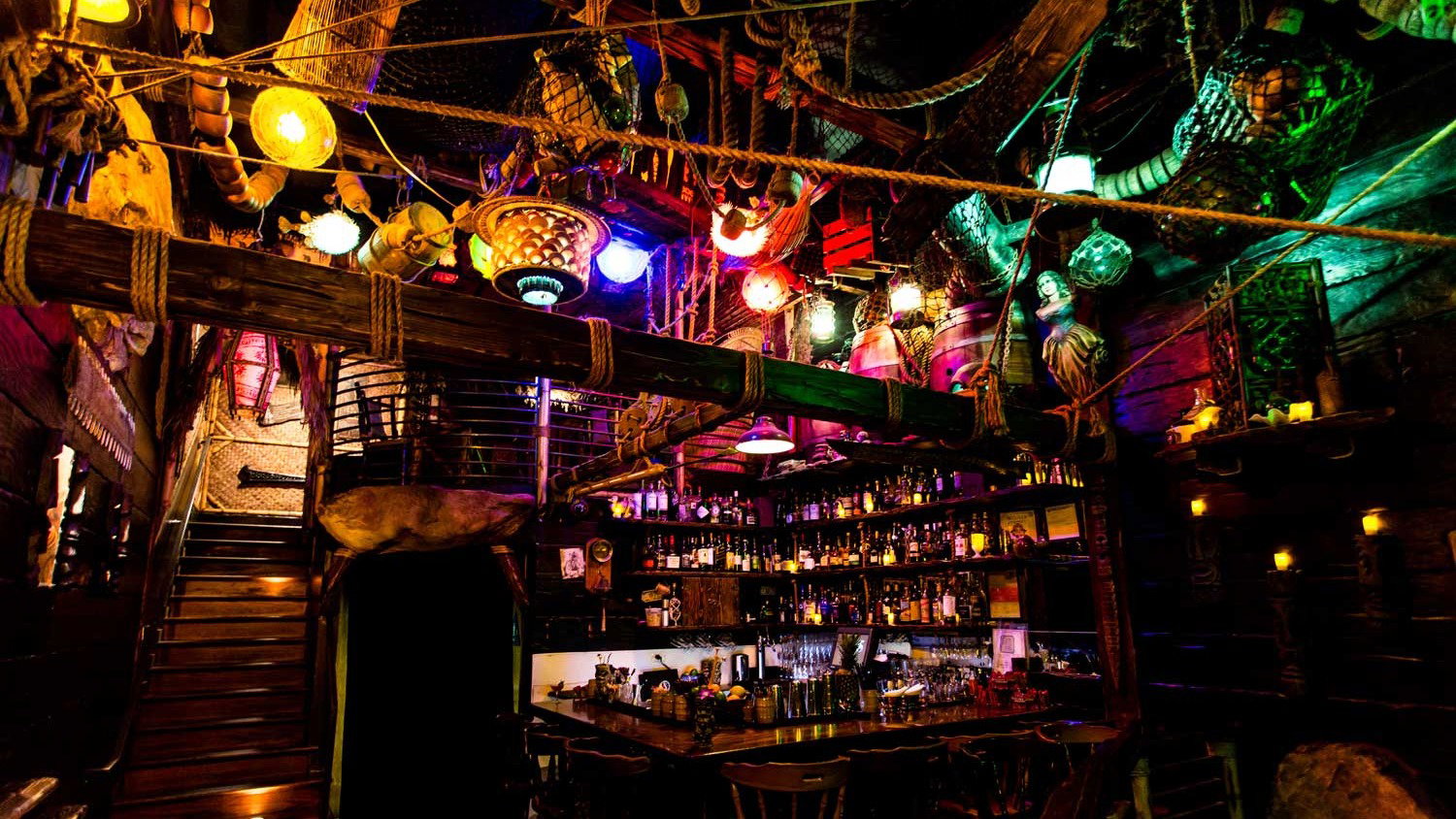
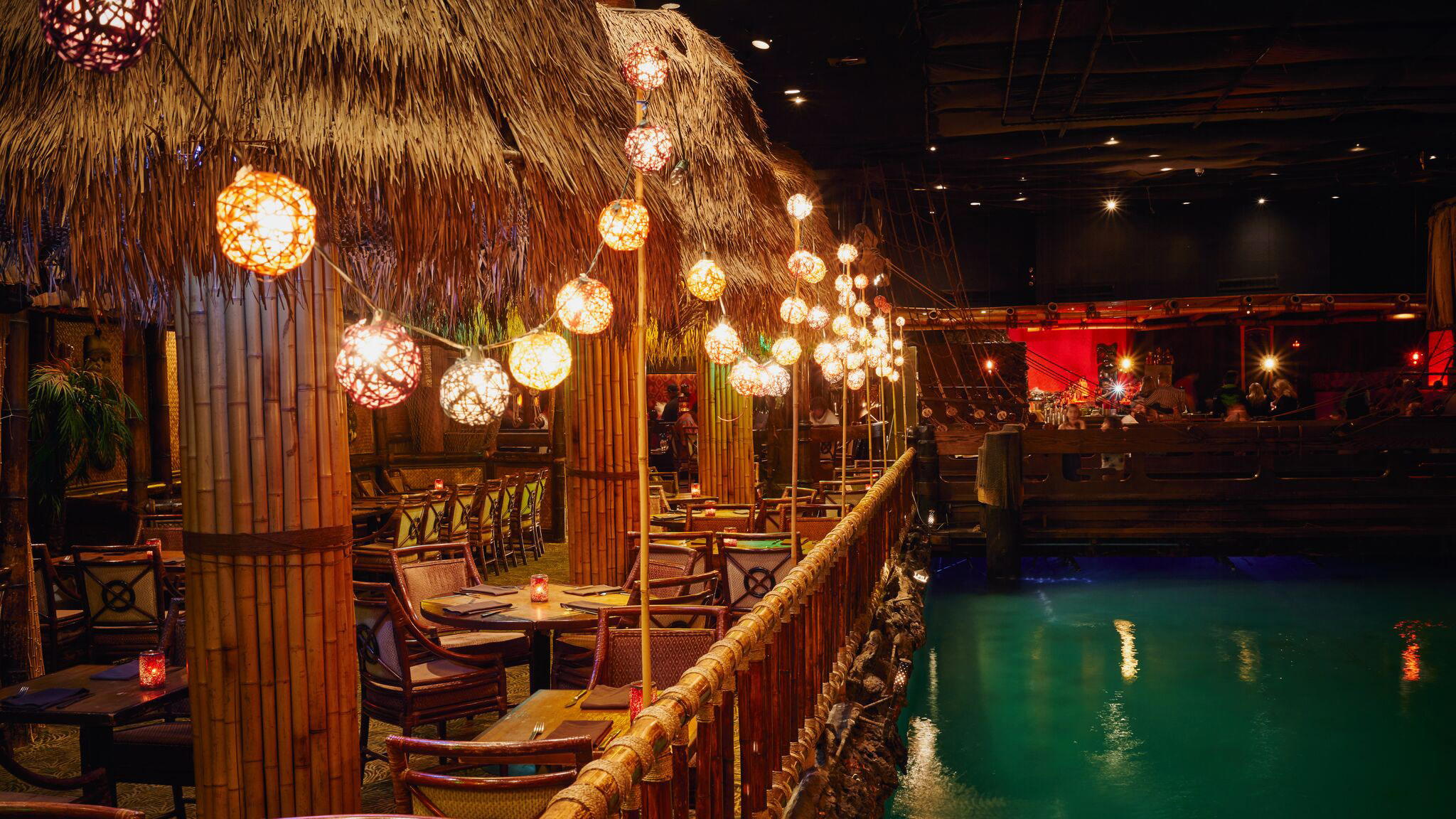 restaurantTonga Room & Hurricane BarA Pearl Recommended Bar housed inside the Fairmont San Francisco, Tonga Room has anchored the city's tiki tradition since 1945, operating around a converted indoor pool complete with a floating bandstand and simulated tropical rainstorms. It holds a 4.2 Google rating from over 2,200 reviews and sits in a different register from San Francisco's modern cocktail bars, theatrical, deliberately retro, and genuinely committed to the bit.
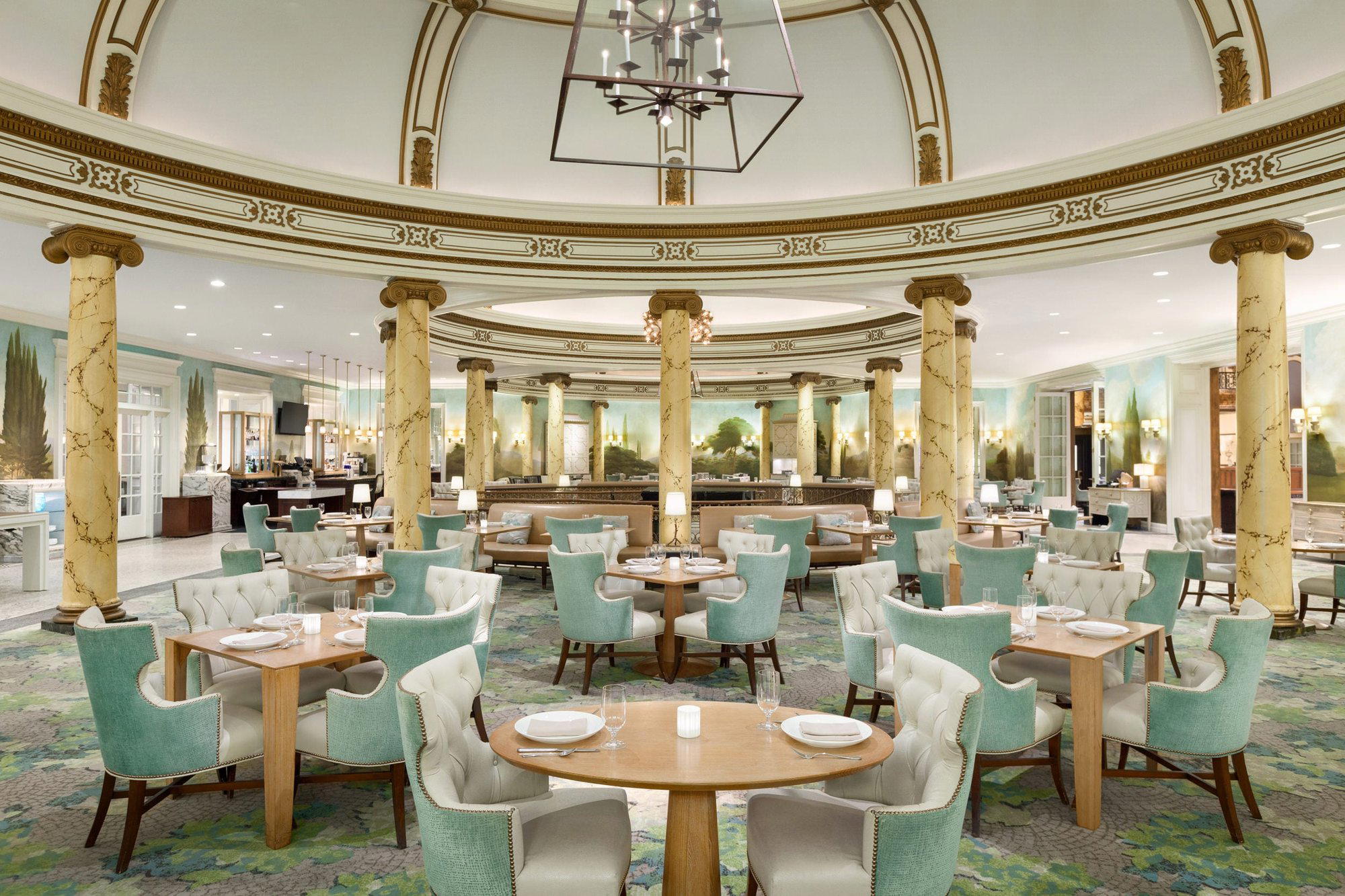 restaurantLAUREL COURT RESTAURANTLaurel Court Restaurant sits inside the Fairmont San Francisco on Nob Hill, one of the city's most storied hotel dining rooms. The space carries the architectural weight of a property that has anchored the neighbourhood since 1907, placing it in a different register from the tasting-menu-forward rooms that dominate San Francisco's fine dining conversation. For visitors staying on Mason Street or seeking a formal meal in the Nob Hill corridor, it remains a practical and atmospheric option.
Planning details
- Location
- 950 Mason St, San Francisco, CA 94108
- Website
- fairmont.com/san-francisco/?goto=fiche_hotel&code_hotel=A576&merchantid=seo-maps-US-A576&sourceid=aw-cen
- Phone
- +1 415-772-5000
The take
The Take
The Vibe
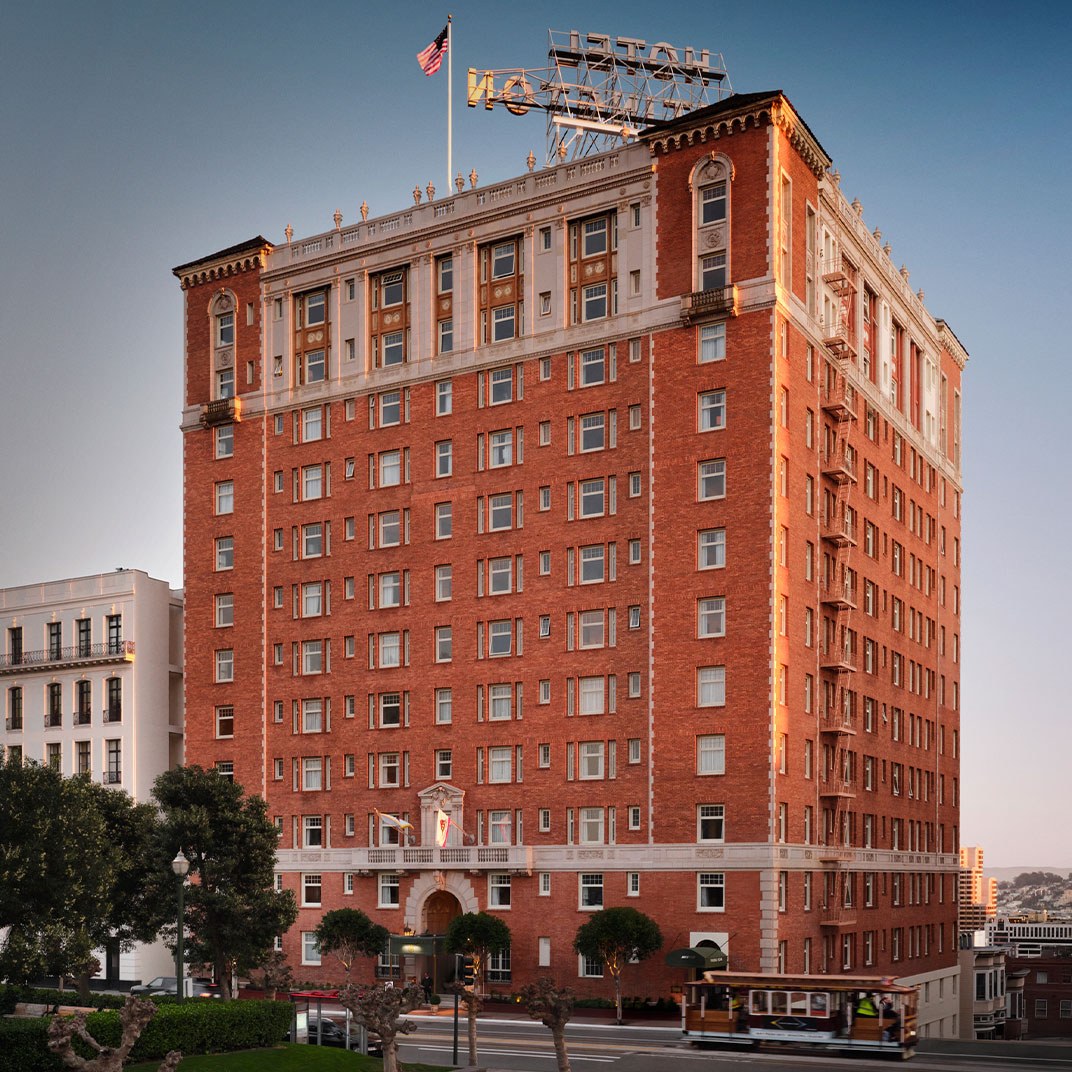
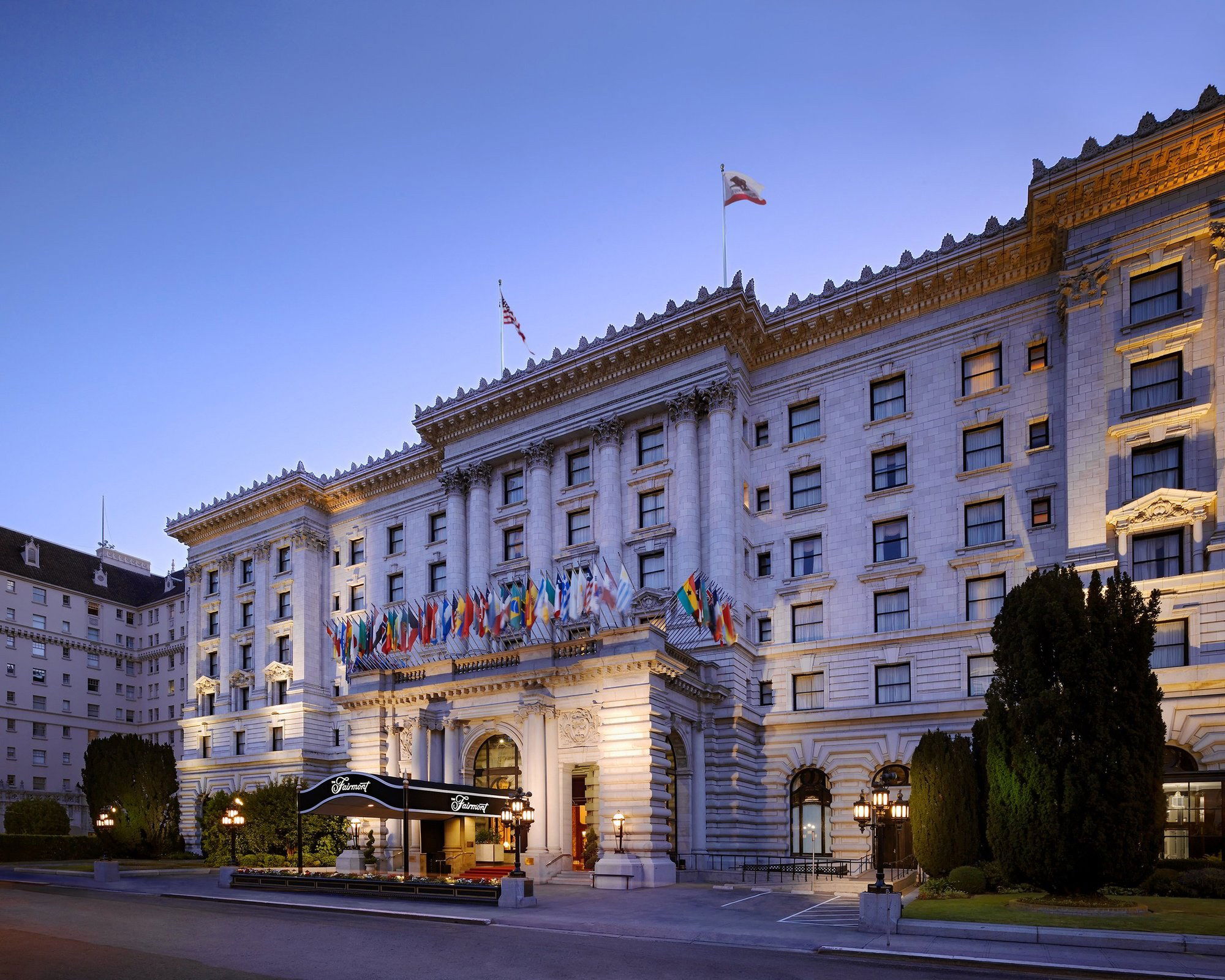
The Fairmont reads as civic architecture first and hotel second: Beaux‑Arts massing, a rusticated granite base and paired arched windows give it an unmistakable historic presence. Inside, Ionic columns and lofty ceilings move the lobby from arrival space into theatrical mise‑en‑scène; the proportions encourage a sense of formality rather than intimacy. The property leans into scale and history as its primary argument—this is a legacy hotel that favors architectural weight and a grand, presentation‑oriented experience over the quieter, curated restraint of newer boutique peers.
Best For
The Fairmont is best for travelers who prize address and architectural drama: guests arriving for milestone stays, anniversaries and other celebrations find a memorable setting in Nob Hill’s landmark grande dame. Its scale and civic presence also suit business travelers and anyone seeking the ceremonial side of a luxury stay—arrival feels like part of the experience. The hotel’s legacy footprint makes it a natural choice for those who want a historically rooted, formally composed base in the city.
Venue details
Ambiance
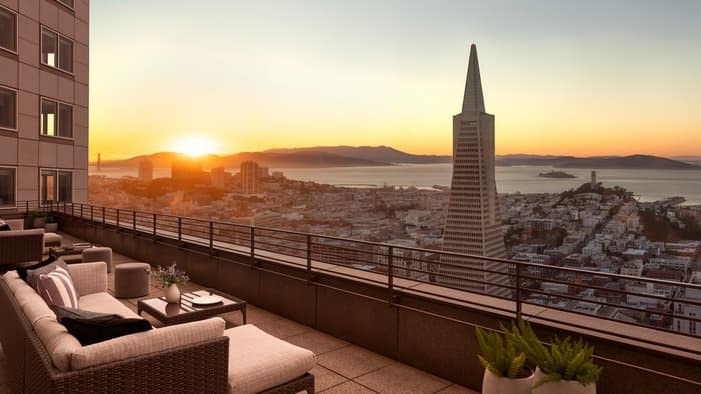
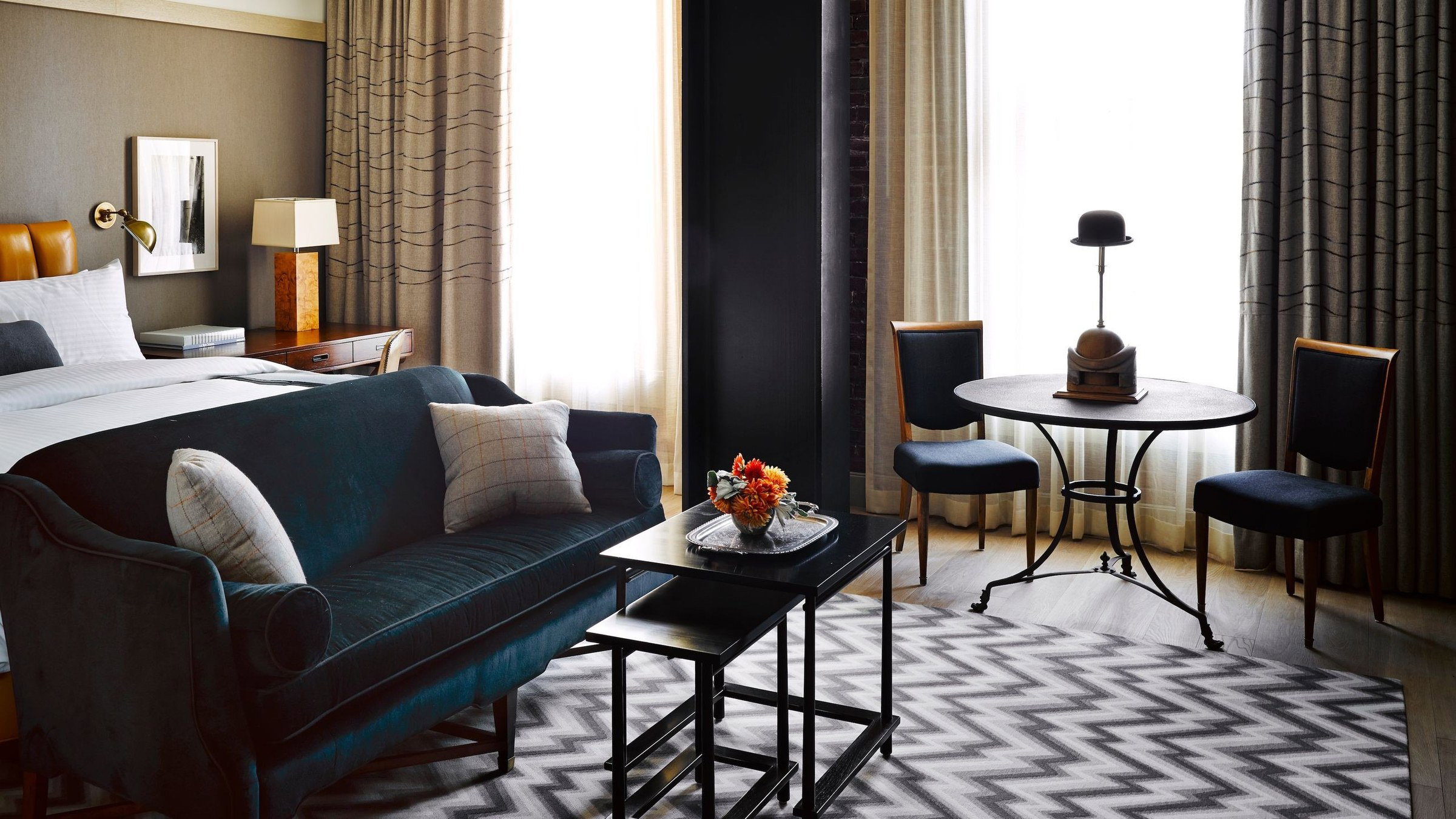
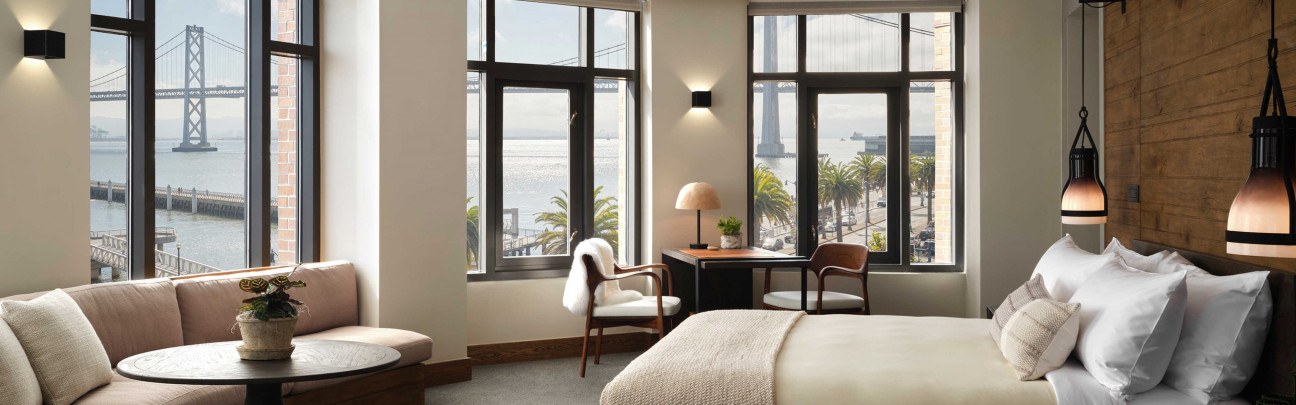
Elegant and opulent with lavish furnishings, premium bedding, and sweeping city views, creating a sophisticated classic atmosphere.
Tags
Vibe
Best For
Experience
Amenities
View
Accessibility
About the Stay
- Rooms
- 606
- Check-in
- 16:00
- Check-out
- 11:00
- Property Style
- Iconic Luxury Atop Nob Hill with Historic Grandeur and Modern Comforts.
- Design Style
- Classic Opulent with Lavish Italian Linens, Marble Bathrooms, and Ornate Balcony Suites.
Know before you go
Know Before You Go
- Getting there
- 950 Mason St, San Francisco, CA 94108
Planning details
Location
950 Mason St, San Francisco, CA 94108 · Directions
Recognition and awards
Also consider
Also Consider
- InterContinental Mark Hopkins San Francisco by IHG, Notable alternative
- The Huntington Hotel, Notable alternative
- The Ritz-Carlton, San Francisco, Notable alternative
- Hotel Emblem San Francisco, Notable alternative
- Palihotel San Francisco, Notable alternative
Hotel context
How it compares with nearby San Francisco hotels
Against InterContinental Mark Hopkins San Francisco by IHG, Fairmont San Francisco is the stronger pick when the stay needs a grander sense of arrival and more formal occasion energy. InterContinental Mark Hopkins San Francisco by IHG is the cleaner cross-shop for travelers who want the same Nob Hill frame with a major hotel-chain feel.
The Ritz-Carlton, San Francisco is the one to book if service polish is the deciding factor. Fairmont San Francisco is better for guests who care more about heritage atmosphere and a larger, classic hotel mood. The Huntington Hotel is the smaller-feeling Nob Hill alternative for travelers who want less ceremony.
For value-led trips, Hotel Emblem San Francisco and Palihotel San Francisco are easier recommendations if the room is mainly a base. Choose Fairmont San Francisco when the hotel itself is part of the celebration; choose those peers when location, price discipline, and a lighter mood matter more.
Around this place
Discover more on Pearl
Unlock the full Fairmont San Francisco guide in Pearl, including awards, comparisons, FAQs, planning details, and nearby places.
Compare Fairmont San Francisco
| Venue | Location | Awards |
|---|---|---|
| Fairmont San Francisco | San Francisco | 2026 Michelin Guide New Hotels2025 Michelin Selected Hotels |
| InterContinental Mark Hopkins San Francisco by IHG | San Francisco | No published awards |
| The Huntington Hotel | San Francisco | 2026 Virtuoso Luxury Hotel CollectionTablet Hotels Editors' Picks: Top 40 New Hotels — July 2026AFAR 40 Best New Hotels 20262026 Michelin Guide New HotelsLeading Hotels of the World 20262025 Michelin Selected Hotels |
| The Ritz-Carlton, San Francisco | San Francisco | 2026 Forbes 4-Star2026 Virtuoso Luxury Hotel Collection2026 La Liste Top Hotels2025 Michelin Selected Hotels2025 AAA 5 Diamond Hotel2025 Forbes 4-Star |
| Hotel Emblem San Francisco | San Francisco | No published awards |
| Palihotel San Francisco | San Francisco | No published awards |







How Fairmont San Francisco Review: MICHELIN Guide Hotel in San Francisco compares with similar nearby venues.
FAQ
Frequently Asked Questions
When is the best time to book Fairmont San Francisco?
Book once your San Francisco dates are firm, especially if the MICHELIN Guide Hotels Selected 2025 recognition is part of the appeal. Specific booking windows, seasonal demand, and rates vary, so check current availability directly.
Is Fairmont San Francisco family-friendly?
Specific family amenities, room configurations, or child-focused services should be confirmed with the hotel. If you are planning a family stay in San Francisco, confirm room setup and any needed services before booking.
What is check-in like at Fairmont San Francisco?
How does Fairmont San Francisco compare to nearby hotels?
Compare Fairmont San Francisco with The Ritz-Carlton, San Francisco, InterContinental Mark Hopkins San Francisco by IHG, The Huntington Hotel, Hotel Emblem San Francisco, and Palihotel San Francisco based on current rates, room types, and the stay details available for your dates.
Which room category is best at Fairmont San Francisco?
Specific room categories or views are not detailed. Choose based on the current room descriptions, cancellation terms, and any preferences you confirm directly with the hotel.
How is the dining at Fairmont San Francisco?
Specific dining venues, menus, hours, and service formats should be confirmed directly. If dining is important to the stay, confirm current options directly with Fairmont San Francisco and compare them with other San Francisco dining plans.
How is the location of Fairmont San Francisco?
Fairmont San Francisco is in San Francisco. Specific location details (street address, district, or landmark) are not provided, so use current maps and the hotel's own listing when planning transportation.