
Fera Palace Hotel
Pelourinho, Salvador
Hotel in Salvador, Brazil
 Book with Pearl
The Read
Preserved Art Deco Authority
Why go
Fera Palace Hotel is the stronger choice for a first Salvador stay centered on the historic core, especially for couples or families with older children who want sightseeing logistics to stay simple. It carries Michelin 1 Key recognition for 2025, but travelers seeking a beach-first or resort-style stay should compare coastal and boutique alternatives before committing.
About Fera Palace Hotel
Fera Palace Hotel is a Salvador hotel with Michelin 1 Key recognition for 2025. For travelers comparing premium stays in the city, that recognition is the strongest reason to keep it on the shortlist. It provides a clear anchor in a category where many choices can otherwise depend on broad impressions, marketing language, or secondhand assumptions. If your priority is to identify a Salvador stay with a recognized hotel distinction, this is the key fact to weigh first.
The dress code is smart casual. Room types, facilities, dining details, neighborhood specifics, prices, and service formats should be checked directly with the hotel before booking. Those details can materially affect a stay, so use the core information as a starting point, then contact the property or review its current booking materials for anything important to your plans.
Choose it for a Michelin-recognized Salvador stay
The decision is clearest if you want a Salvador hotel with a Michelin 1 Key. That recognition gives the property a useful point of reference among hotel options in the city. It is especially helpful for travelers who prefer to narrow a hotel search around recognized distinctions rather than relying only on general luxury positioning. In practical terms, the Michelin 1 Key is the core reason this hotel stands out.
If your trip depends on a particular room configuration, family setup, dining plan, business facility, or resort-style experience, confirm those details directly before committing. This matters most for travelers with fixed requirements, because a hotel can be suitable in broad terms while still needing a closer check on the exact room, service, or facility you expect. Treat direct confirmation as part of the booking process, not as an afterthought.
What type of traveler should consider Fera Palace Hotel
Travelers who value a Michelin 1 Key hotel in Salvador should keep Fera Palace Hotel high on the list. It is a clearer fit when recognition and a smart-casual dress code matter more than claims about specific amenities or formats. The hotel is best considered by guests who want a premium Salvador option with one strong credential, and who are comfortable checking the finer points before they reserve. That makes it a practical candidate for travelers who are comparison-shopping carefully and want the essentials to guide, rather than overstate, the decision.
For comparison, Aram Yami Hotel is another option to consider. If you are also considering other premium stays, compare Fasano Salvador and Zank by Toque Hotel. For broader planning, use Our full Salvador hotels guide, then pair the stay with Our full Salvador restaurants guide, Our full Salvador bars guide, and Our full Salvador experiences guide. Those comparisons are useful because they keep the hotel decision in context: first decide whether Michelin recognition is central to your stay, then compare the other hotels against the details you personally need.
Quick reference: pick this for a Salvador hotel with Michelin 1 Key recognition; check directly with the hotel for room, dining, facility, and service details before booking. In short, the case for Fera Palace Hotel is strongest when you want a Michelin-recognized Salvador stay and are prepared to check the practical booking particulars yourself.
Planning details
- Location
- R. Chile, 20 - Centro Histórico, Salvador - BA, 40026-032
- Website
- ferahoteis.com
- Phone
- +55 71 3036-9202
The take
The Take
The Vibe
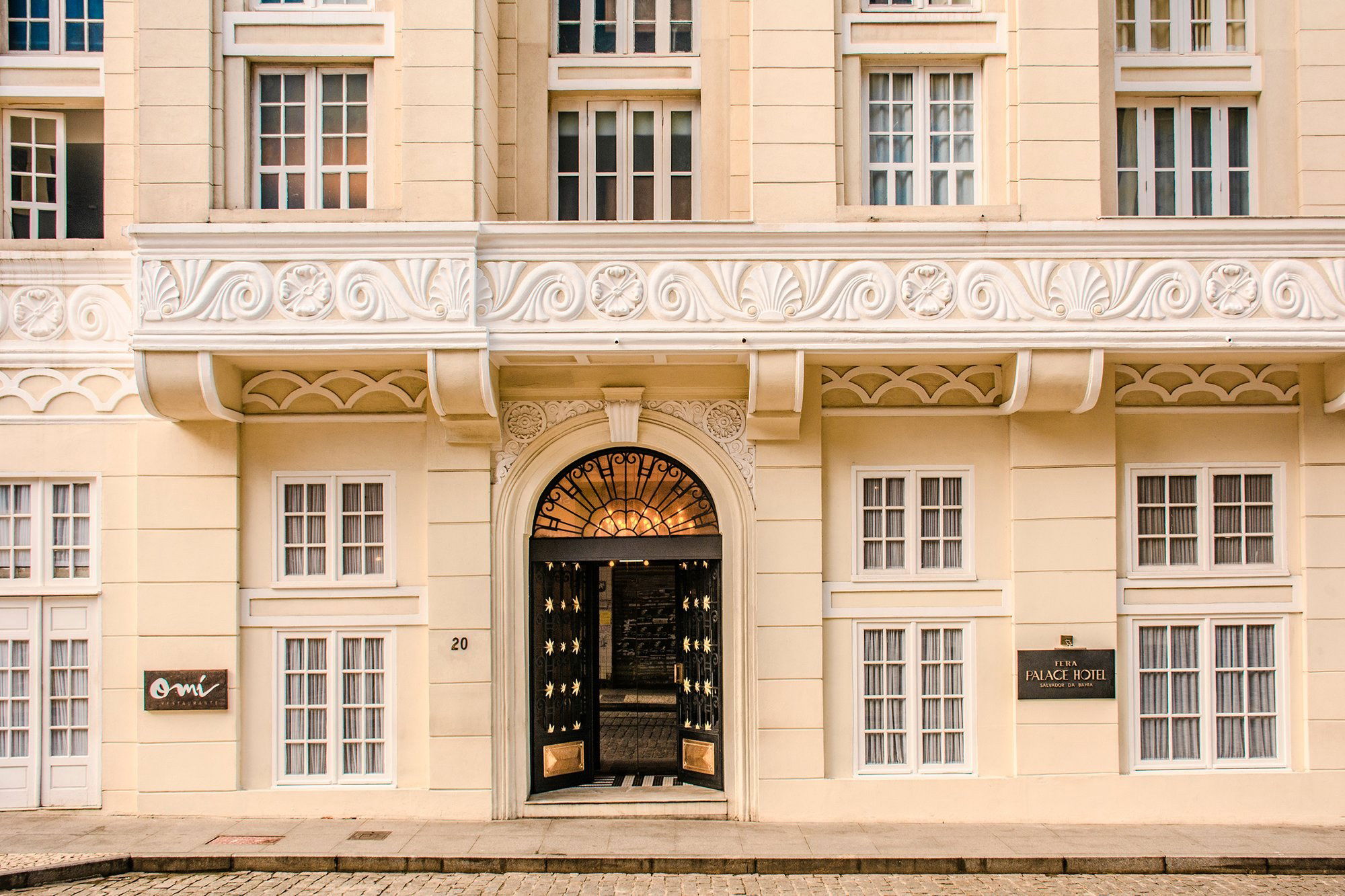
Fera Palace presents itself as an Art Deco landmark that foregrounds architecture over trend-driven interiors. The restored 1934 building leans into geometric ornamentation and midcentury verticality, so the hotel reads as a restrained, historically minded design destination rather than a pastiche. Its public spaces and facade recall a formative moment in Brazilian modernism, and the narrative of careful preservation — not wholesale replacement — shapes the guest experience. The property's cultural cachet, reinforced by a midcentury roster of illustrious visitors, gives the hotel a composed, classic presence in Salvador's UNESCO-listed Centro Histórico.
Best For
This hotel is best for travelers who prize architectural history and a strong sense of place. Located in Pelourinho's Centro Histórico and anchored by a preserved 1934 Art Deco structure, it suits couples on a romantic getaway or anniversary seeking period character as well as business travelers who value a culturally resonant address. The Fera Palace appeals to guests who prefer thoughtful restoration and authentic context over imported minimalism — visitors arrive expecting an immersion in Salvador's architectural lineage and midcentury cultural moment.
Venue details
Ambiance
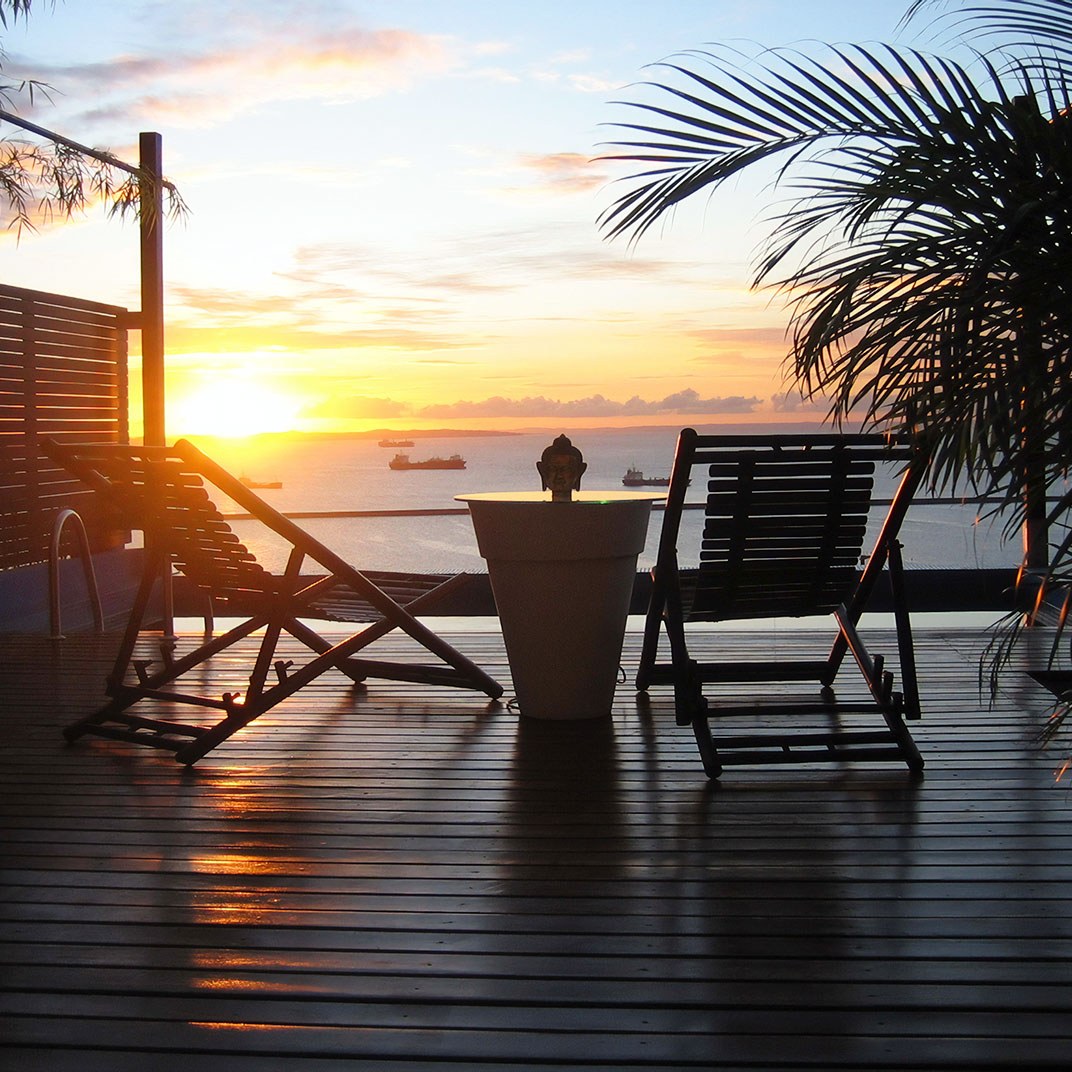
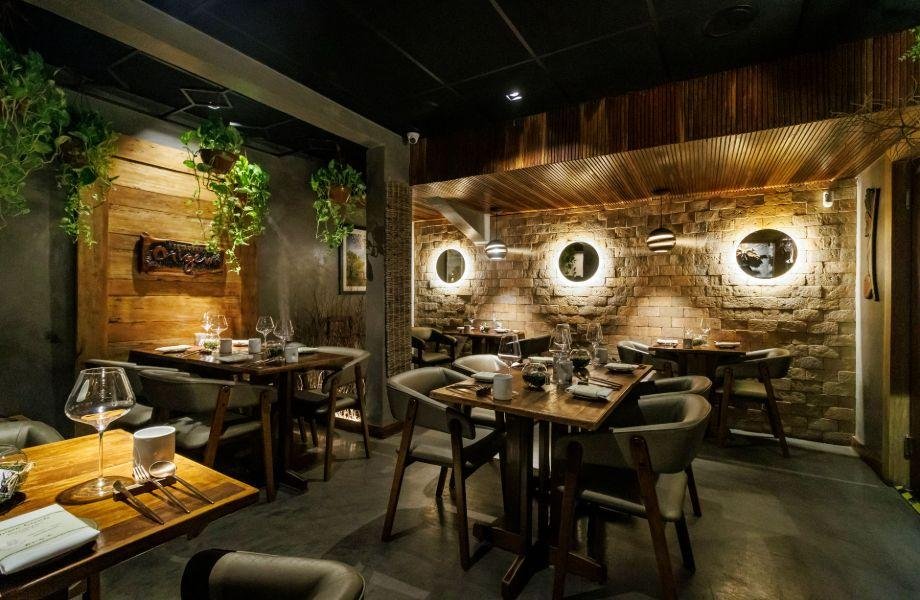
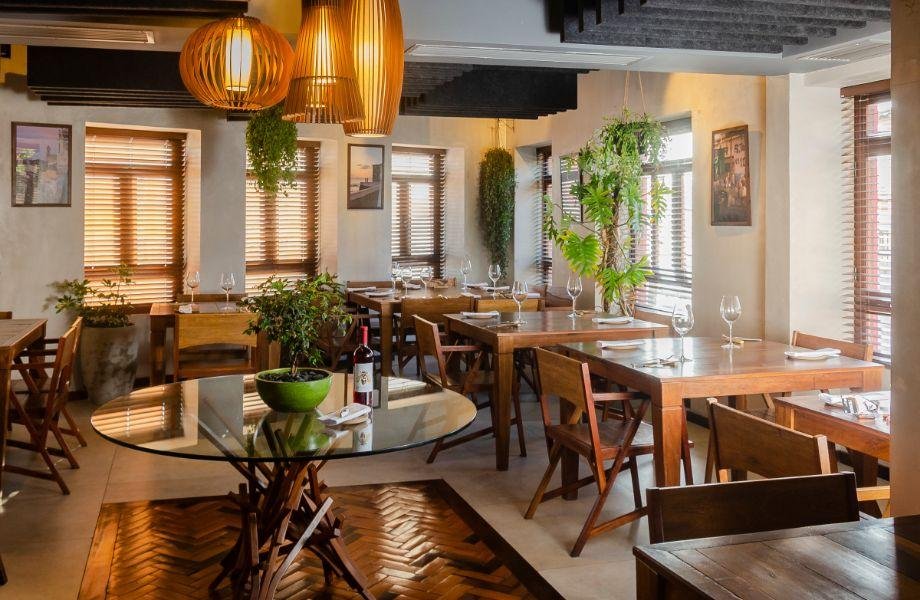
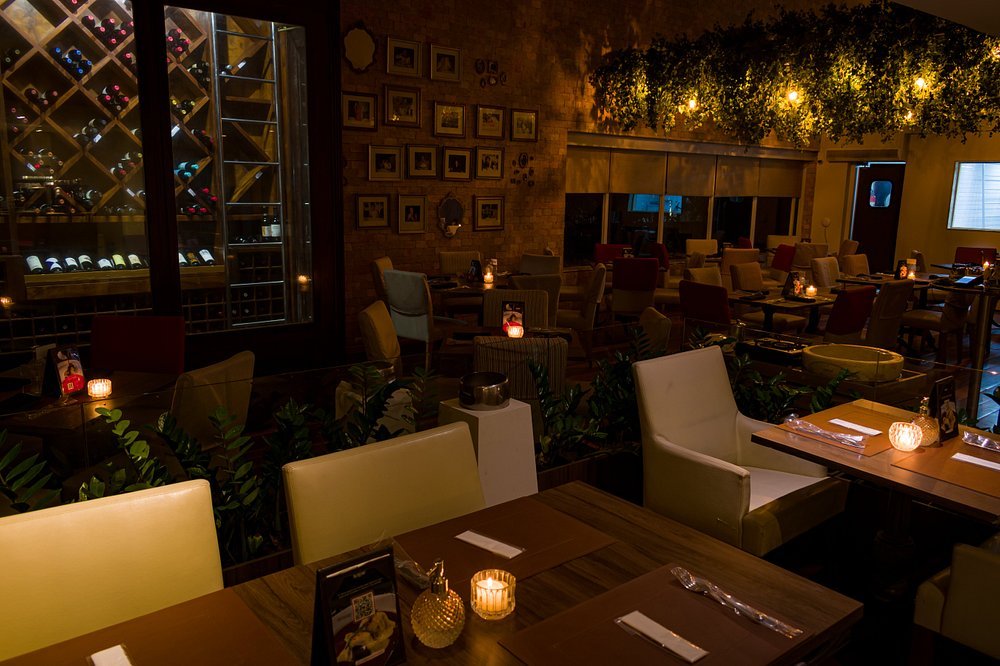
Sophisticated blend of vintage elegance and contemporary luxury, with stylish rooms, grand lobby featuring local art, and a lively rooftop lounge.
Tags
Vibe
Best For
Experience
Amenities
View
Accessibility
About the Stay
- Rooms
- 81
- Check-in
- 15:00
- Check-out
- 12:00
- Property Style
- Historic Boutique Hotel Blending 1930s Glamour with Modern Luxury
- Design Style
- Vintage Elegance Meets Contemporary Design with Local Art
Know before you go
Know Before You Go
- Getting there
- R. Chile, 20 - Centro Histórico, Salvador - BA, 40026-032
Planning details
Location
R. Chile, 20 - Centro Histórico, Salvador - BA, 40026-032 · Directions
Recognition and awards
Also consider
Also Consider
- Hotel Fasano Salvador, Notable alternative
- Fasano Salvador, Notable alternative
- Aram Yami Hotel, Notable alternative
- Zank by Toque Hotel, Notable alternative
- Barracuda Hotel & Villas, Notable alternative
Hotel context
How it compares in Salvador
Fera Palace Hotel is the practical pick for travelers who want Salvador's historic center to anchor the trip. Compared with Hotel Fasano Salvador and Fasano Salvador, it reads less like a coastal-luxury play and more like a city-base decision. Choose it when walking access and heritage atmosphere matter more than a beach-hotel mood.
Aram Yami Hotel is the better cross-shop for travelers who want a smaller, quieter boutique stay. Zank by Toque Hotel fits guests who prefer a more residential, design-led feel outside the old-center rhythm. Fera Palace Hotel is harder to book, but the Michelin 1 Key recognition gives it a clearer quality signal than peers without comparable listed recognition.
Barracuda Hotel & Villas is a different trip choice rather than a direct Salvador substitute, better for travelers willing to leave the city for a slower coastal stay. If Salvador sightseeing is the plan, keep the search between Fera Palace Hotel, Fasano Salvador, Aram Yami Hotel, and Zank by Toque Hotel; if the trip is about retreat time, widen the search beyond the city.
Explore Salvador
Around this place
Discover more on Pearl
Unlock the full Fera Palace Hotel guide in Pearl, including awards, comparisons, FAQs, planning details, and nearby places.
Compare Fera Palace Hotel
| Venue | Location | Awards |
|---|---|---|
| Fera Palace Hotel | Salvador | Michelin 1 Key 20252025 Michelin 1 Key |
| Hotel Fasano Salvador | Salvador Bahia | No published awards |
| Fasano Salvador | Salvador | No published awards |
| Aram Yami Hotel | Salvador | No published awards |
| Zank by Toque Hotel | Salvador | No published awards |
| Barracuda Hotel & Villas | Itacaré | 2026 Mr & Mrs Smith Luxury Hotels2025 Michelin 1 KeySmall Luxury Hotels Member 2025 |

How Fera Palace Hotel Salvador compares with similar nearby venues.
FAQ
Frequently Asked Questions
How is the location of Fera Palace Hotel?
Which room category is best at Fera Palace Hotel?
If space, view, noise level, or bedding setup matters, ask the hotel directly before choosing a room.
When is the best time to book Fera Palace Hotel?
Is Fera Palace Hotel good for business travel?
Business travelers should check work facilities and services directly with the hotel. Fera Palace Hotel is in Salvador, has Michelin 1 Key recognition for 2025, and has a smart casual dress code.
How does Fera Palace Hotel compare to other hotels?
Fera Palace Hotel stands out for its Michelin 1 Key recognition in Salvador. Other hotels to compare include Aram Yami Hotel, Zank by Toque Hotel, Barracuda Hotel & Villas, Hotel Fasano Salvador, and Fasano Salvador, depending on what you need from the stay.