
Kkala Hotel Boutique
Tres Cerritos, Salta
Hotel in Salta, Argentina
 Book with Pearl
The Read
Price
$1–100per night
Why go
Kkala Hotel Boutique is a good Salta choice for travelers who want a calm boutique base rather than a resort-style stay outside town. It works especially well for business trips, couples, and short city stopovers where quiet atmosphere matters. The MICHELIN Guide hotel selection for 2025 adds a useful trust signal, but travelers chasing wine-country space should compare out-of-metro options first.
About Kkala Hotel Boutique
Kkala Hotel Boutique is a hotel in Salta with a 2025 MICHELIN Guide hotel selection. Beyond that recognition and a casual dress code, detailed public-facing specifics should be checked directly with the property before booking.
For travelers comparing premium stays in and around Salta, use this page as a snapshot rather than a full amenities review. Confirm room types, facilities, services, policies, and any trip-specific needs with Kkala Hotel Boutique before making final plans.
A Salta hotel with confirmed MICHELIN Guide recognition
Kkala Hotel Boutique is a MICHELIN Guide Hotels Selected property for 2025. That is the main external recognition available here, and it is the strongest grounded reason to include it on a Salta shortlist.
The confirmed dress code is casual. Other details that often matter to hotel guests, including specific facilities, service format, room categories, family policies, and business-travel amenities, should not be assumed.
When deciding whether it fits a particular trip, compare it with other named regional options only on the basis of your confirmed requirements. Legado Mitico Salta is another Salta option to consider, while Colomé Winery, Grace Cafayate, Hotel El Manantial del Silencio, and House of Jasmines may be relevant depending on the wider itinerary.
Know Before You Go
- Best for: travelers seeking a Salta hotel with MICHELIN Guide Hotels Selected recognition.
- Less ideal for: travelers who need confirmed amenities, policies, or services.
- Booking difficulty: confirm availability directly or through your booking channel.
- Location logic: the location is Salta; no more specific address detail is provided here.
- Decision check: use the MICHELIN Guide selection and casual dress code as confirmed facts, then verify all practical details before booking.
Compared with Legado Mitico Salta, Kkala Hotel Boutique is another Salta hotel to research when building a shortlist. Travelers considering a broader regional itinerary may also compare it with Colomé Winery, Grace Cafayate, Hotel El Manantial del Silencio, and House of Jasmines, while keeping each property's actual location and fit separate.
Planning details
- Location
- Las Higueras 104, A4400 Salta, Argentina
- Website
- hotelkkala.com.ar
- Phone
- +54 387 439-6590
The take
The Take
The Vibe
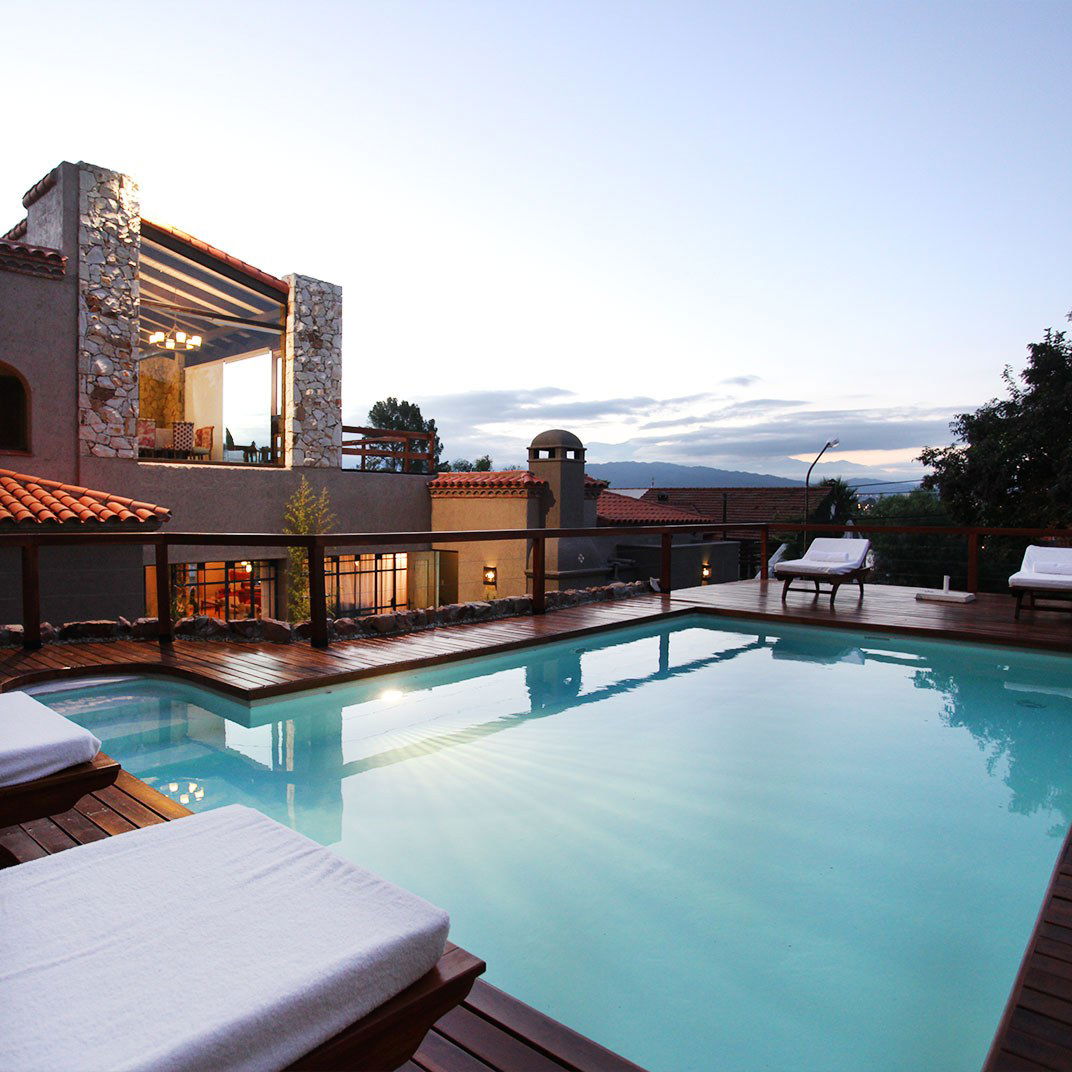
Kkala Hotel Boutique reads as a small, design-forward respite perched on Salta’s low residential hills. The property leans into the quietude of Tres Cerritos, using a restrained architectural vocabulary and regional materials to create a calm, place-specific sensibility. Interiors and details nod to local craft — adobe tones, earth pigments, and hand-worked textiles — so the hotel feels rooted rather than staged. Because the site affords clear sight lines to the Andes foothills, the stay combines intimate scale with scenic outlooks: a low-key, thoughtfully composed retreat for travelers who value design tied to landscape.
Best For
This hotel suits travelers who want proximity to Salta’s center without the bustle of the historic core. It is particularly appropriate for guests seeking a quiet, design-led boutique experience that emphasizes regional character over the scale and centrality of larger city hotels. Visitors interested in the visual and material culture of northwestern Argentina — earthy palettes, handcrafted textiles, and architecture that references local precedents — will find the property especially resonant. The setting rewards those who prefer relaxed pacing, scenic foothill views, and an intimate atmosphere rather than a metropolitan hotel hub.
Venue details
Ambiance
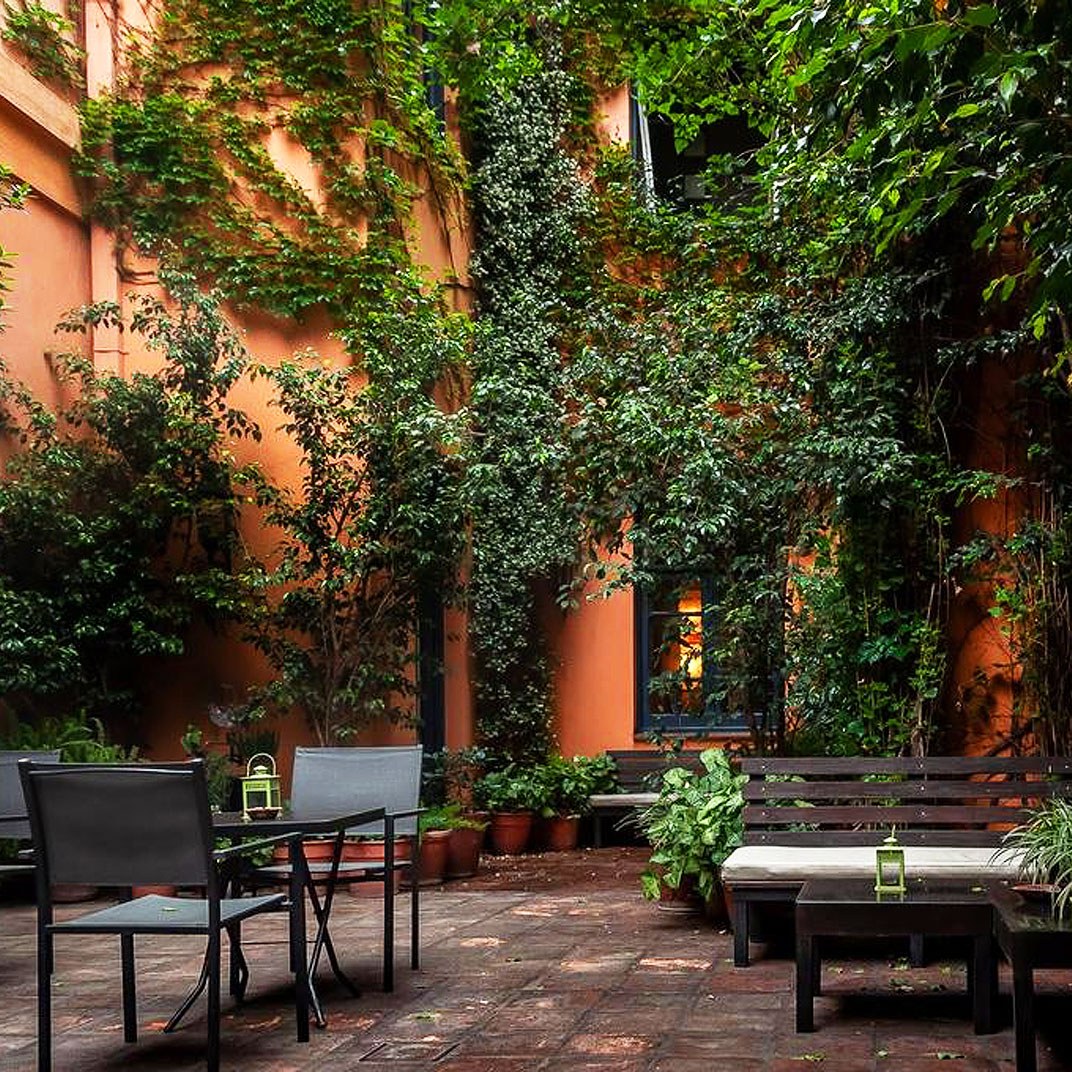
Warm and inviting with rustic stone fireplaces, elegant red upholstered furnishings, decorative rugs, and abundant local artwork creating a refined yet homey atmosphere enhanced by natural light and garden views.
Tags
Vibe
Best For
Experience
Amenities
View
About the Stay
- Rooms
- 10
- Check-in
- 14:00
- Check-out
- 11:00
- Property Type
- Boutique hotel
- Property Style
- Contemporary Classic Boutique Hotel Blending Colonial Argentine Tradition with Modern Luxury and Regional Artisanal Elements
- Design Style
- Eclectic Mix of Antiques, Regional Handcrafts, Colorful Furnishings, and Contemporary Touches with Rustic Stone Accents and Warm Earth Tones
- Breakfast
- Included
- Pool
- Yes
- Spa
- Yes
- Families
- Welcome
Know before you go
Know Before You Go
- Getting there
- Las Higueras 104, A4400 Salta, Argentina
Planning details
Location
Recognition and awards
Also consider
Where to look if this is not the right fit
If the goal is another Salta city hotel, start with Legado Mitico Salta. If the trip should feel more like a retreat, compare House of Jasmines before choosing a city stay.
Hotel context
How It Compares
Choose Kkala Hotel Boutique if the priority is a calm Salta base with easier booking and a boutique mood. Legado Mitico Salta is the closer cross-shop for travelers who want to stay in the city but lean more toward a heritage hotel feel; Kkala is the better fit when the stay needs to be quieter and less formal.
House of Jasmines and Hotel El Manantial del Silencio make more sense if the hotel is meant to carry the trip with a retreat atmosphere outside the city. They are weaker choices for a tight business schedule in Salta, but stronger if the reader wants space and a slower pace.
For wine-country travelers, Colomé Winery and Grace Cafayate are not direct substitutes; they shift the whole itinerary away from a city base. Pick those for a wine-focused stay, not for quick Salta access.
Explore Salta
Around this place
Discover more on Pearl
Unlock the full Kkala Hotel Boutique guide in Pearl, including awards, comparisons, FAQs, planning details, and nearby places.
Compare Kkala Hotel Boutique
| Venue | Location | Awards |
|---|---|---|
| Kkala Hotel Boutique | Salta | 2025 Michelin Selected Hotels |
| Legado Mitico Salta | Salta | No published awards |
| House of Jasmines | La Merced Chica | 2026 Virtuoso Luxury Hotel Collection2026 Relais Chateaux Hotels2026 Michelin 1 Key2025 Michelin 1 Key2025 Relais Chateaux Award |
| Hotel El Manantial del Silencio | Jujuy | No published awards |
| Colomé Winery | Molinos | No published awards |
| Grace Cafayate | Cafayate | No published awards |




How Kkala Hotel Boutique Salta compares with similar nearby venues.
FAQ
Frequently Asked Questions
Which room category is best at Kkala Hotel Boutique?
Choose based on the current options shown by Kkala Hotel Boutique or your booking channel, and confirm any needs for space, bedding, views, or accessibility directly before booking.
Is Kkala Hotel Boutique good for business travel?
Kkala Hotel Boutique is confirmed as a Salta hotel with MICHELIN Guide Hotels Selected recognition in 2025, but guests should confirm any work-related needs such as connectivity, meeting space, check-in timing, or services directly.
How is the pool and spa at Kkala Hotel Boutique?
If those facilities are important, confirm them directly with Kkala Hotel Boutique before booking, and compare with other regional hotels only after checking their current amenities as well.
When is the best time to book Kkala Hotel Boutique?
Because Kkala Hotel Boutique is a MICHELIN Guide Hotels Selected property for 2025, it is reasonable to check availability early for important dates.
How does Kkala Hotel Boutique compare to nearby hotels?
Kkala Hotel Boutique is a Salta hotel with confirmed 2025 MICHELIN Guide Hotels Selected recognition. Legado Mitico Salta is another Salta option to research, while Colomé Winery, Grace Cafayate, Hotel El Manantial del Silencio, and House of Jasmines may be relevant for broader regional comparisons depending on your itinerary.