

Domaine de Rymska & Spa
Saint-Jean-de-Trézy
Hotel in Saint-Jean-de-Trézy, France
 Book with Pearl
The Read
Working Estate Hospitality
Why go
A strong choice for a quiet Burgundy special-occasion stay where service and calm matter more than being in a busy wine village. Domaine de Rymska & Spa carries a Michelin 1 Key and Relais & Châteaux recognition, so it is worth planning ahead for couples or small groups who want the hotel to anchor the trip.
About Domaine de Rymska & Spa
Domaine de Rymska & Spa is a premium stay in Saint-Jean-de-Trézy for guests who want a composed base. It is best read as a hospitality choice with confirmed recognition, not as a page where every service, menu, amenity, or logistical detail should be assumed in advance.
The clearest fit is a trip where the property itself is an important part of the plan. Domaine de Rymska & Spa has a smart casual dress code, a Michelin 1 Key from 2024, and a Relais Châteaux Award from 2026. Those points support its positioning as a considered stay, while other specifics should be checked directly before booking.
A Saint-Jean-de-Trézy stay with confirmed recognition
The appeal here is not a checklist of nearby venues. It is a Saint-Jean-de-Trézy base with confirmed recognition and a smart casual dress code. That makes it best suited to travelers who want to choose from solid fundamentals rather than assumptions.
Recognition helps the decision. A Michelin 1 Key in 2024 and a Relais Châteaux Award in 2026 put Domaine de Rymska & Spa in a recognized hospitality category. That does not automatically define the full guest experience, but it does provide a grounded reason to consider it for a more deliberate trip.
If the stay is only one part of a dining-led weekend, the Saint-Jean-de-Trézy restaurants guide can help with broader planning. For anything specific, such as dining format, arrival details, amenities, or availability, confirm directly with the property.
Who should choose it over another premium stay
Choose Domaine de Rymska & Spa if the priority is a base in Saint-Jean-de-Trézy with confirmed hospitality recognition. Do not choose it solely on assumptions about cuisine, spa services, room count, prices, or activity nearby.
For a different style of stay, compare it naturally with options such as COMO Le Montrachet, Château la Commaraine, Le Clos du Colombier, Maison Lameloise, or Olivier Leflaive Hôtel Restaurant. Domaine de Rymska & Spa is the Saint-Jean-de-Trézy option in that set, and the best choice when its setting and confirmed accolades match the purpose of the trip.
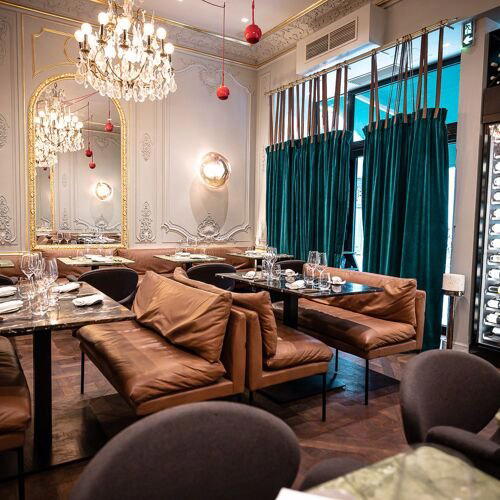
Inside Domaine de Rymska & Spa
Planning details
- Location
- 1, rue du Château de, La Fosse, 71490 Saint-Jean-de-Trézy
- Website
- domaine-rymska.com
- Phone
- +33 3 85 90 01 01
The take
The Take
The Vibe
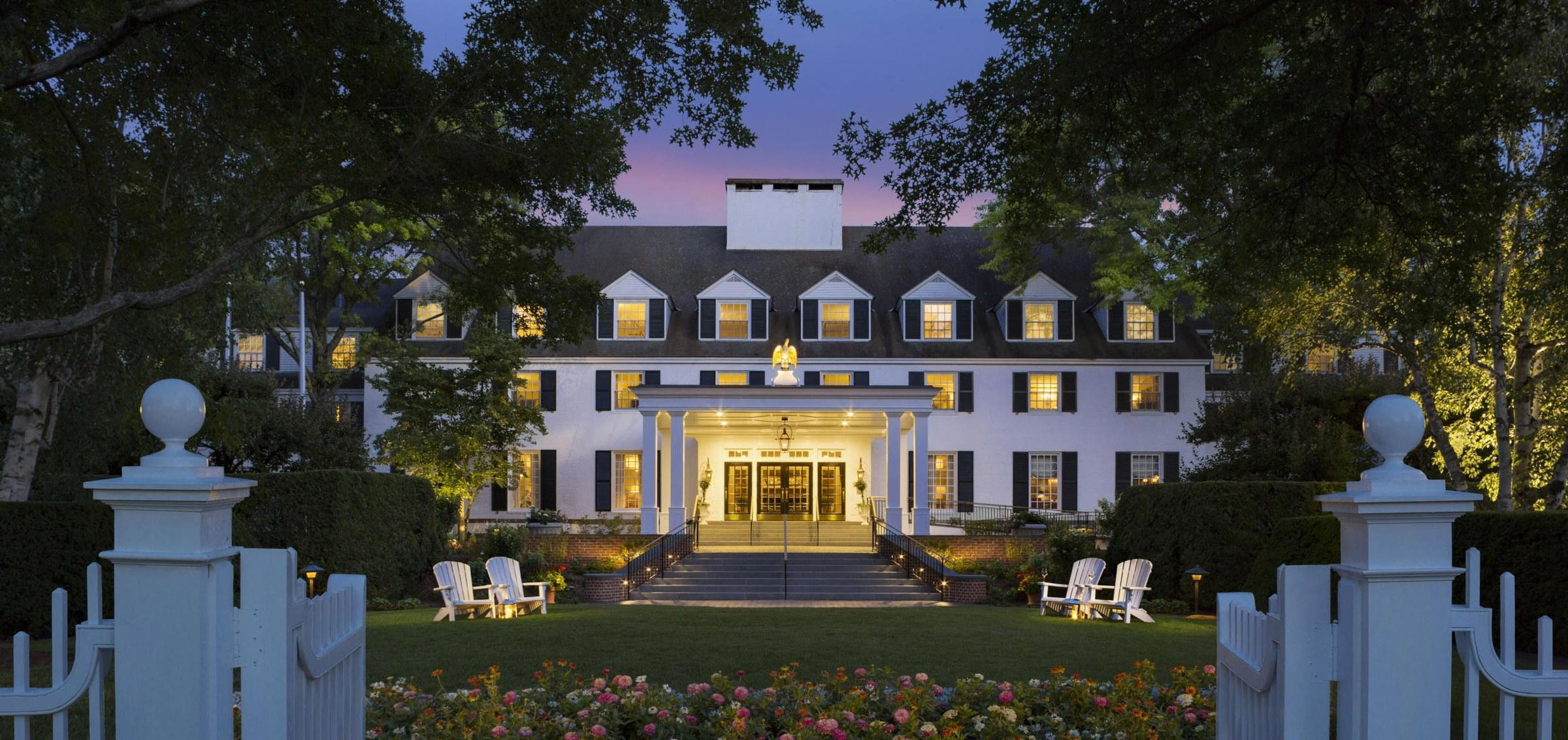
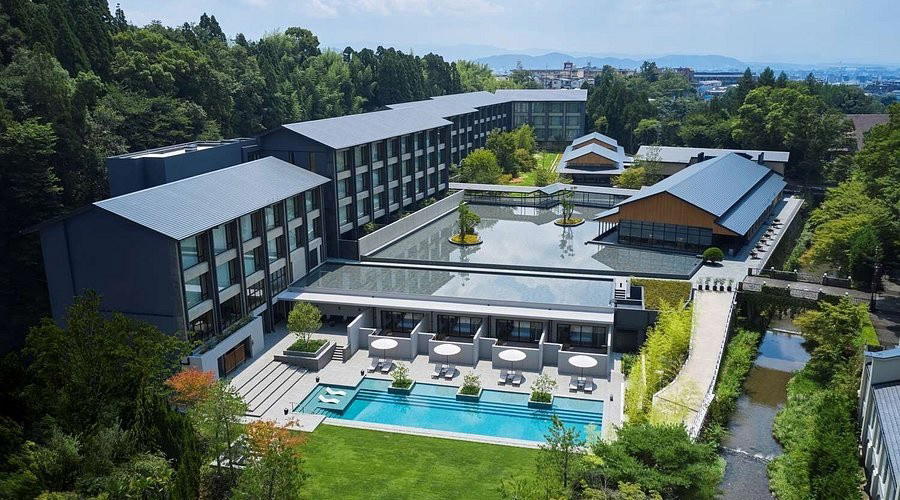
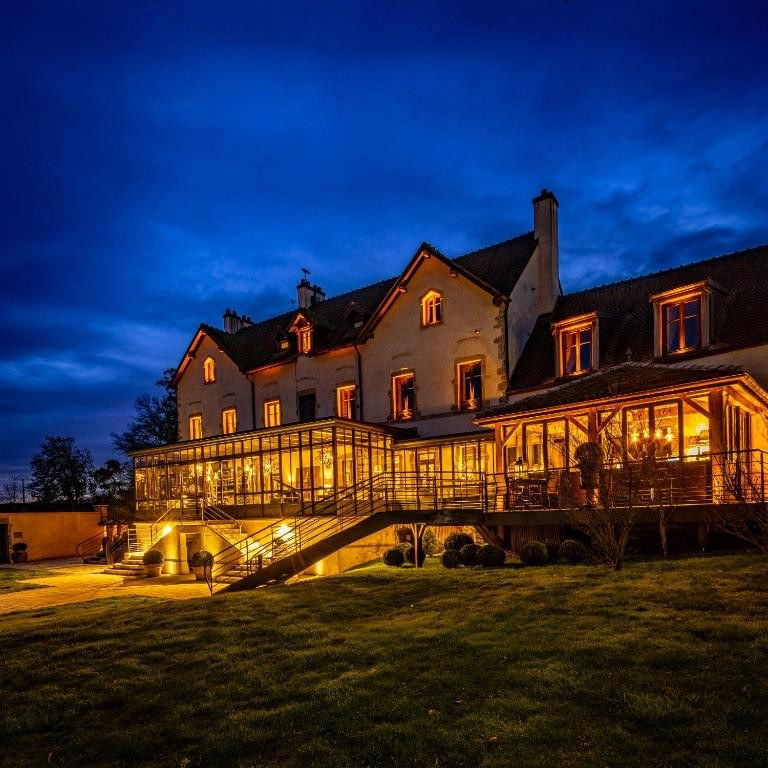
Domaine de Rymska reads like a considered Burgundian estate: historic walls and wide grounds meet interiors that are unmistakably contemporary. The restoration strategy keeps the building’s bones legible while introducing present-day surfaces, furnishings and light, so rooms feel modern without erasing character. On an 80-hectare working farm the scale is rural and deliberate; the property presents itself as an estate rather than a hotel plunked into the countryside. The Michelin One Key mention underscores that both hospitality and food are pursued with equal seriousness, producing an intimate, quietly refined country retreat that balances past and present.
Best For
This is a property for travelers who prize a purposeful, place-driven stay rather than a generic country escape. The 14-room scale and estate context make it especially well suited to couples and small parties seeking privacy, design-minded stays and concentrated culinary attention. Food-focused travelers who follow Burgundy’s wine route will appreciate the hotel’s serious approach to its culinary offer, and anyone looking to experience architecture that respects historical fabric while offering contemporary comfort will find the hotel rewarding. It’s a deliberate choice for those who want a considered, rural base in Burgundy.
Stay Tips
Given the property’s small footprint and its emphasis on a considered culinary and accommodation experience, plan ahead: rooms are limited and the hotel’s One Key recognition signals a focused dining program. Reserve your room well in advance, and if dining on-site is important, inquire about restaurant availability or dining options when you book. Ask the hotel about how the estate informs the menu so you can align meal plans with your stay. Expect a measured, design-conscious service rhythm rather than a high-turnover, walk-in environment.
Venue details
Ambiance
Cosy and intimate spa designed around wood and stone, serene garden and terrace settings with a calm, peaceful atmosphere emphasizing relaxation and nature.
Tags
Vibe
Best For
Experience
Amenities
View
Accessibility
About the Stay
- Rooms
- 13
- Check-in
- 15:30
- Check-out
- 11:30
- Property Style
- Cosy Luxury Estate Blending Ancient Charm with Modern Comfort in Burgundian Countryside.
- Design Style
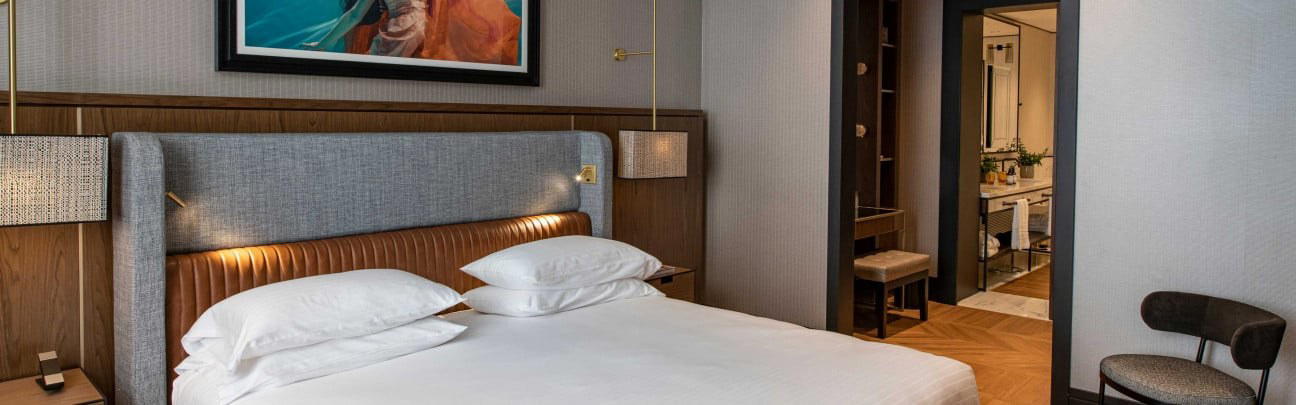
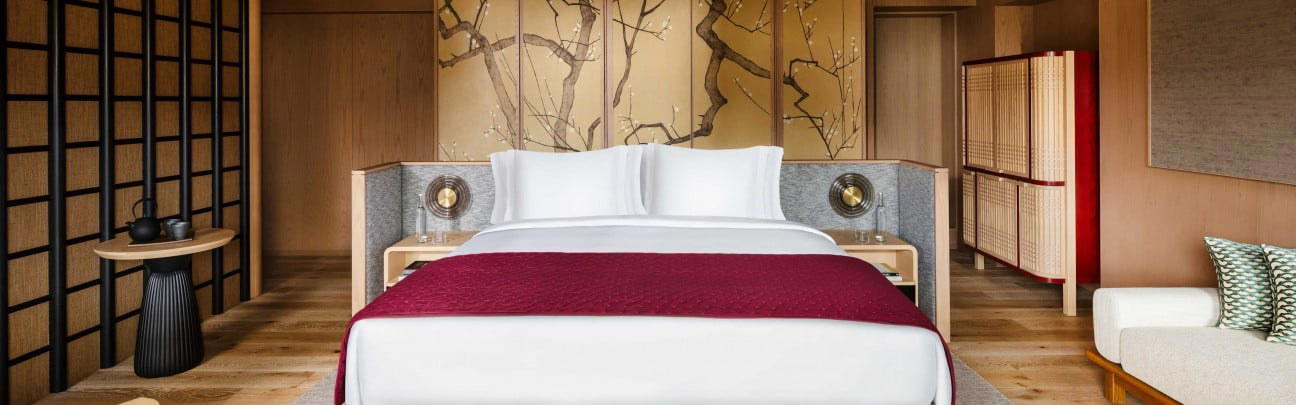
- Elegant Rustic with Wood, Stone, Fireplaces, and Vineyard Inspired Aesthetics.
Know before you go
Know Before You Go
- Getting there
- 1, rue du Château de, La Fosse, 71490 Saint-Jean-de-Trézy
Planning details
Location
1, rue du Château de, La Fosse, 71490 Saint-Jean-de-Trézy · Directions
Recognition and awards

Also consider
Where to Look If It Is Full
If the priority is a dining-led Burgundy stay, check Maison Lameloise first. If the priority is a wine-village base, compare availability at COMO Le Montrachet or Olivier Leflaive Hôtel Restaurant.
Hotel context
How It Compares
Domaine de Rymska & Spa is the more secluded, service-led choice in this set. Pick it for a calm celebration stay where the hotel atmosphere matters as much as the surrounding Burgundy itinerary. Maison Lameloise is the stronger cross-shop if the trip is dining-led first, while this is better for guests who want a quieter overnight base with spa-style pacing.
COMO Le Montrachet and Olivier Leflaive Hôtel Restaurant make more sense for travelers who want a recognizable wine-village setting and easier access to a Burgundy tasting rhythm. Domaine de Rymska & Spa is less about stepping into village energy and more about staying in one place, letting the service shape the weekend, and avoiding a crowded-feeling itinerary.
Château la Commaraine and Le Clos du Colombier are worth checking if availability is tight or if the group wants a different Burgundy base. Because booking here is hard, do not treat it as the easy option; treat it as the splurge-leaning, plan-ahead pick for atmosphere and recognition.
Explore Saint-Jean-de-Trézy
Around this place
Discover more on Pearl
Unlock the full Domaine de Rymska & Spa guide in Pearl, including awards, comparisons, FAQs, planning details, and nearby places.
Compare Domaine de Rymska & Spa
| Venue | Location | Awards |
|---|---|---|
| Domaine de Rymska & Spa | Saint-Jean-de-Trézy | 2026 Relais Chateaux Hotels2026 Michelin 1 Key2025 Michelin 1 KeyMichelin 1 Key 20252025 Relais Chateaux Award2024 Michelin 1 Key |
| Maison Lameloise | Chagny | 2026 Relais Chateaux Hotels2025 Michelin Selected Hotels2025 Relais Chateaux Award |
| COMO Le Montrachet | Puligny-Montrachet | 2026 Mr & Mrs Smith Luxury Hotels2026 Michelin 1 Key2025 Michelin 1 Key2025 Gault & Millau Exceptional Hotel2024 Michelin 1 Key |
| Olivier Leflaive Hôtel Restaurant | Puligny-Montrachet | No published awards |
| Château la Commaraine | Pommard | Leading Hotels of the World 2026 |
| Le Clos du Colombier | Pommard | No published awards |




How Domaine de Rymska & Spa compares with similar nearby venues.
FAQ
Frequently Asked Questions
Is Domaine de Rymska & Spa family-friendly?
It is best read as a Saint-Jean-de-Trézy stay with a smart casual dress code, a Michelin 1 Key, and a Relais Châteaux Award. Families should confirm room setup, services, and practical needs directly before booking.
Do loyalty programs work at Domaine de Rymska & Spa?
Loyalty-program participation is not indicated here. Choose Domaine de Rymska & Spa for its Saint-Jean-de-Trézy setting and confirmed recognition: Michelin 1 Key in 2024 and a Relais Châteaux Award in 2026. If points or chain benefits are essential, compare the details directly with another option such as COMO Le Montrachet.
How is the dining at Domaine de Rymska & Spa?
The cuisine, chef, menu format, price, and service style should be confirmed directly with Domaine de Rymska & Spa before booking. If dining is the main goal of the trip, Maison Lameloise is a useful comparison; if the priority is a Saint-Jean-de-Trézy stay with confirmed recognition, Domaine de Rymska & Spa remains the relevant choice.
How does Domaine de Rymska & Spa compare to other premium stays?
Domaine de Rymska & Spa stands out here for its Saint-Jean-de-Trézy setting, smart casual dress code, Michelin 1 Key in 2024, and Relais Châteaux Award in 2026. Compare Château la Commaraine, Le Clos du Colombier, COMO Le Montrachet, and Olivier Leflaive Hôtel Restaurant based on the setting and practical details you need, while confirming current services directly with each property.