

Faraway Sag Harbor
Sag Harbor
Hotel in Sag Harbor, United States
 Book with Pearl
Why go
A design-led Sag Harbor hotel that makes sense for first-timers who want to stay close to the village rather than in a larger resort setting. The 2025 MICHELIN Guide Hotels Selected recognition gives it a useful trust signal, but compare it with wellness, estate, and beach-cottage peers if amenities matter more than town access.
About Faraway Sag Harbor
Faraway Sag Harbor is a Sag Harbor hotel with a smart-casual dress code and MICHELIN Guide Hotels Selected recognition for 2025.
A Sag Harbor hotel for travelers comparing stay options
Faraway Sag Harbor is a Sag Harbor hotel, and it has MICHELIN Guide Hotels Selected recognition for 2025. That makes it a credible option to include when comparing premium stays.
When evaluating the hotel, focus on fit rather than assuming a particular resort style, room setup, dining program, or amenity list. Couples, solo travelers, groups, and business travelers should compare the official room and service details against the needs of the trip before committing.
Book it for a Sag Harbor stay, then confirm the details
Recommendation is cautious but positive for travelers who want Faraway Sag Harbor specifically and value a hotel with MICHELIN Guide Hotels Selected recognition for 2025. The recognition is the main trust signal; other practical details should be checked through the property or booking channel.
For comparison, Shou Sugi Ban House, Topping Rose House, The Pridwin Hotel and Cottages, Silver Sands Motel & Beach Bungalows, and The Maidstone may also be worth reviewing depending on the kind of stay you want. Use those comparisons to confirm differences in setting, room type, amenities, and overall trip style rather than assuming Faraway Sag Harbor offers a particular resort or wellness format.
Reservations: Confirm availability and booking terms through the property or booking channel. Dress: Smart casual. Budget: Treat pricing as date-sensitive and verify the total cost before locking in. Good for: travelers considering a Sag Harbor hotel with MICHELIN Guide Hotels Selected recognition for 2025. Less ideal for: travelers who need specific amenities, room categories, or service features before booking.
For planning around the stay, use our full Sag Harbor hotels guide, then build the rest of the trip with our full Sag Harbor restaurants guide, our full Sag Harbor bars guide, our full Sag Harbor wineries guide, and our full Sag Harbor experiences guide.
Inside Faraway Sag Harbor
Planning details
- Location
- 31 W Water St, Sag Harbor, NY 11963
- Website
- farawaysagharbor.com
- Phone
- (844) 227-6672
The take
The Take
The Vibe
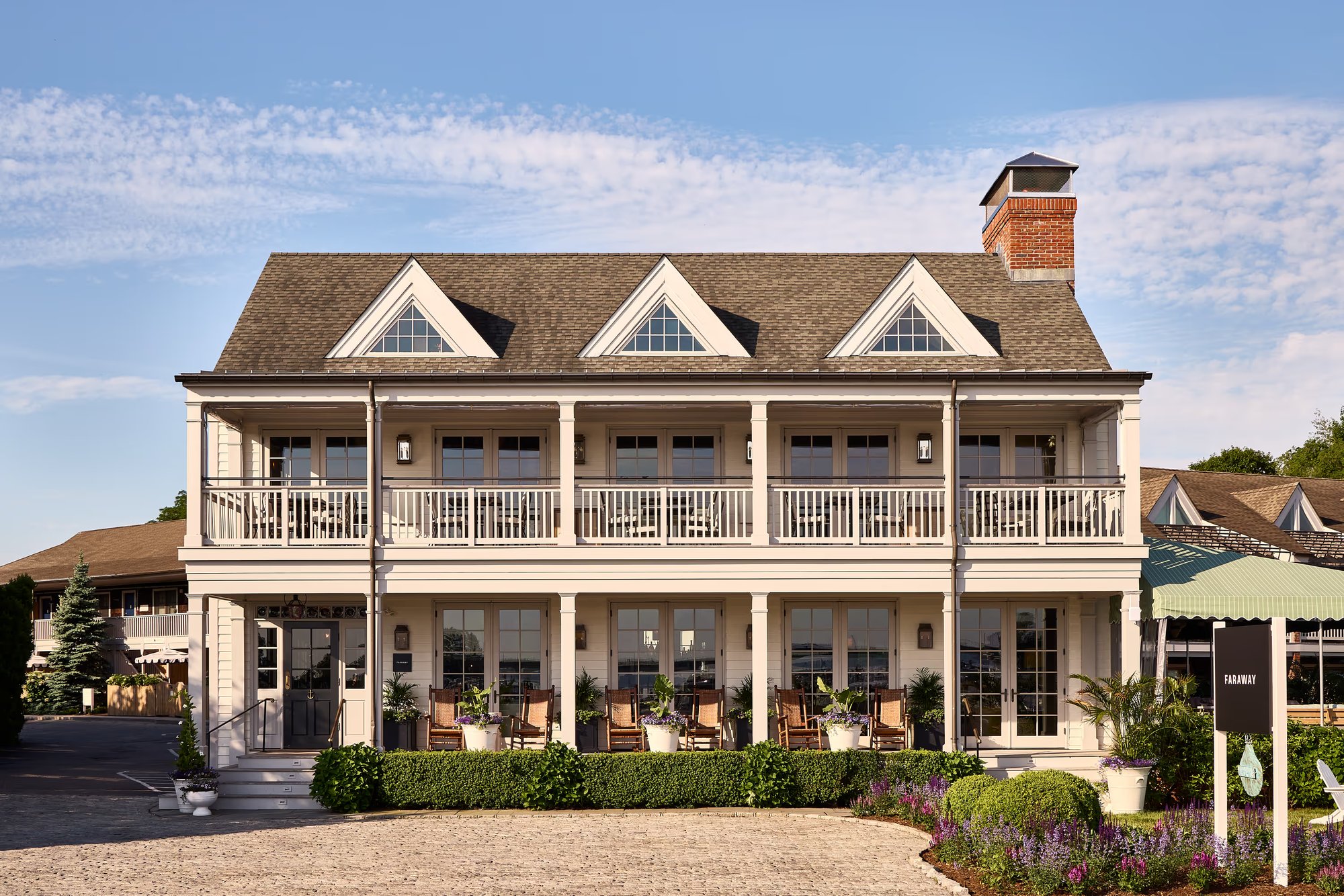
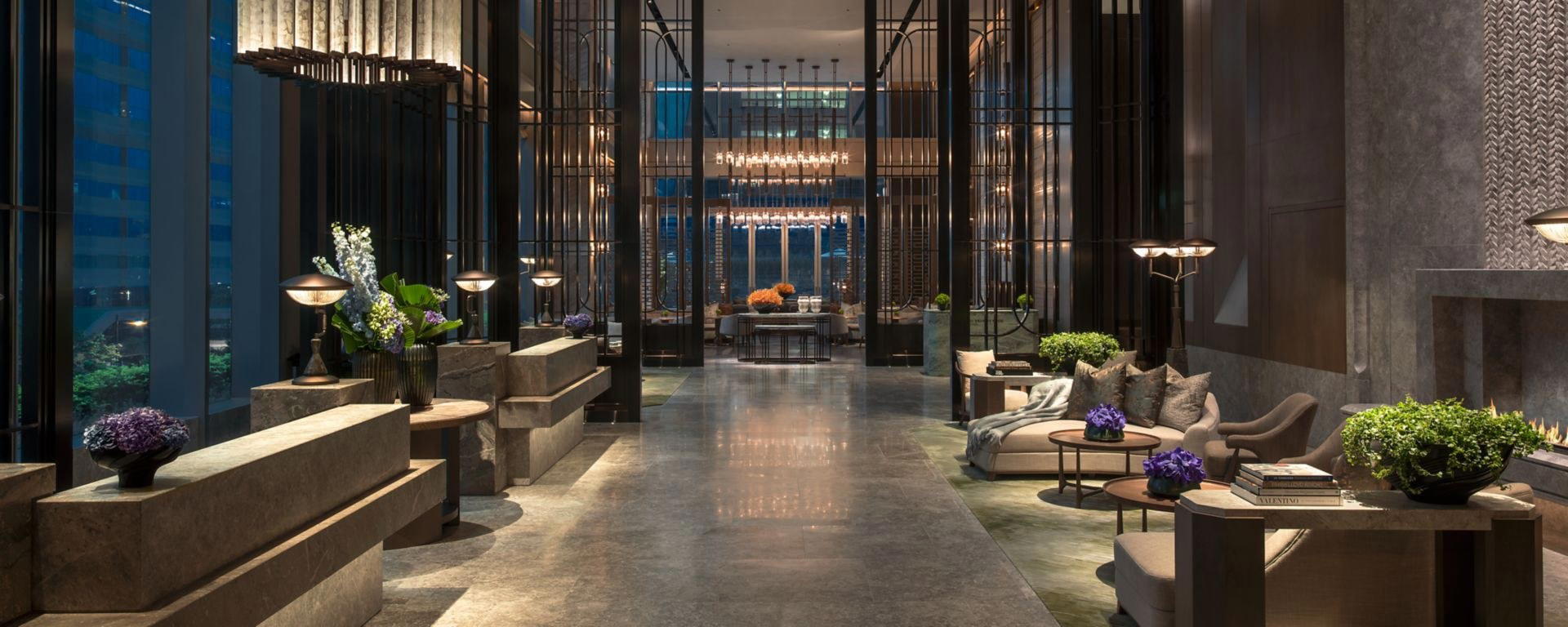
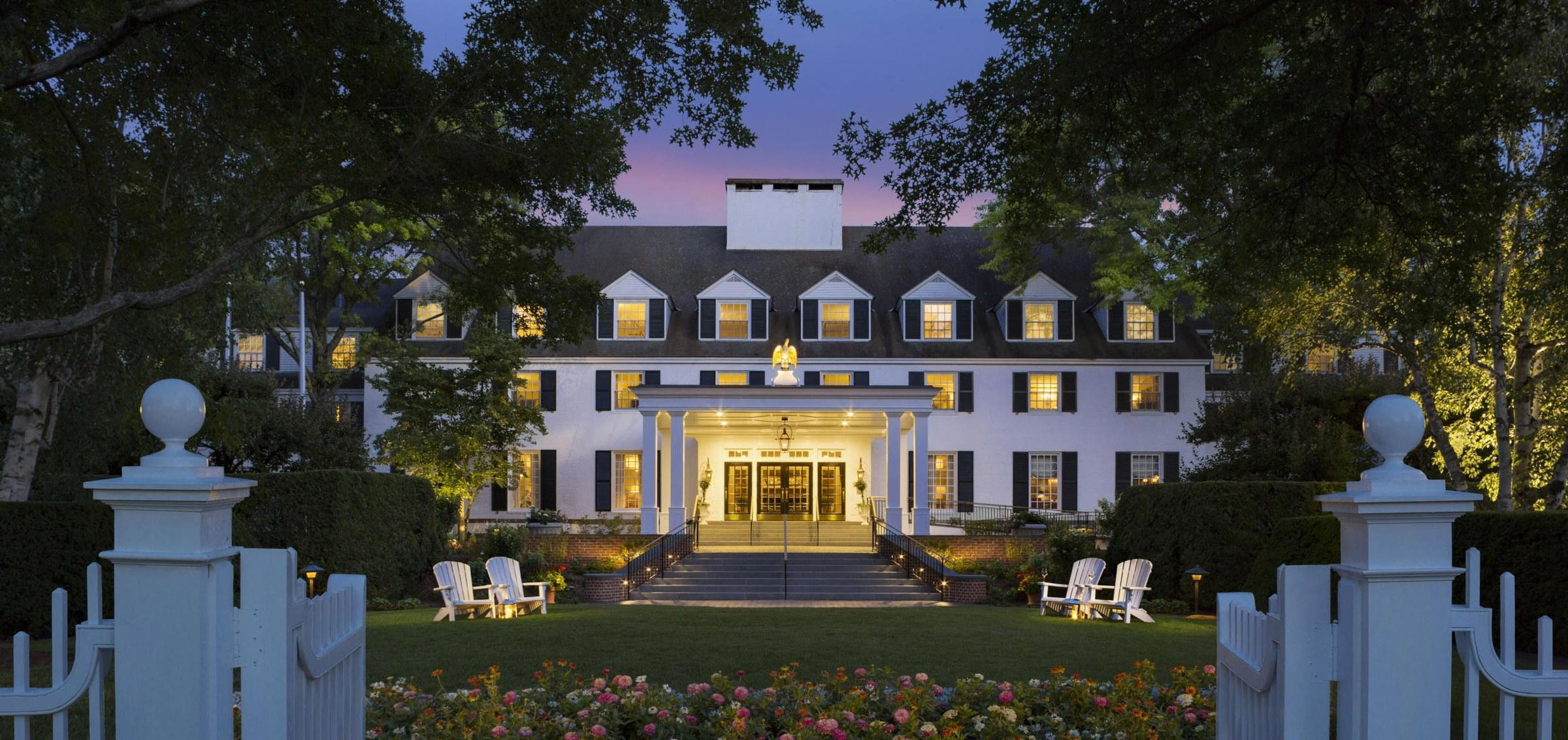
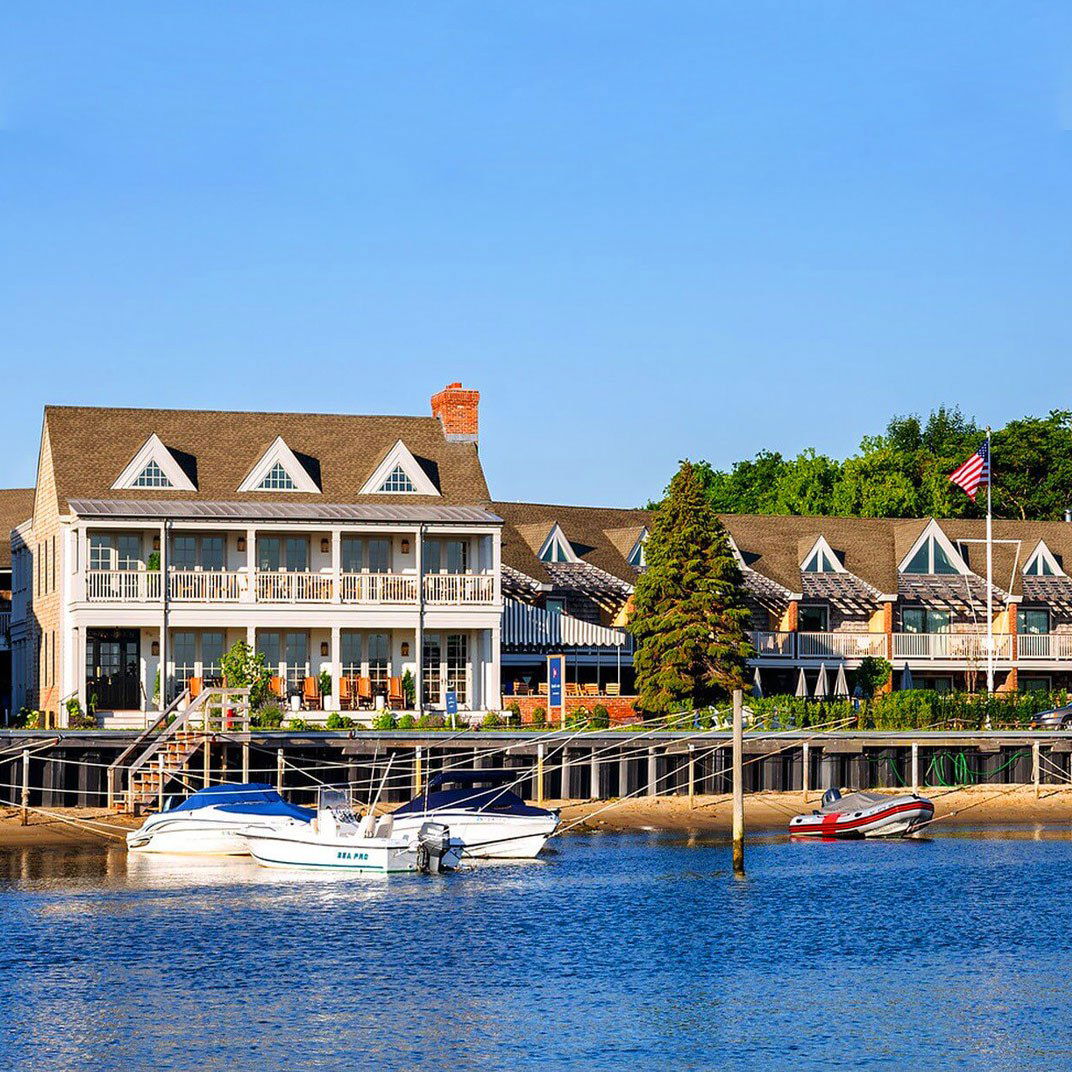
Faraway Sag Harbor reads like a quiet village hotel that leans into place rather than spectacle. It sits at the harbor’s edge and aligns its interiors with the local vernacular, so rooms feel tethered to Sag Harbor’s 19th-century whaling history and Main Street’s bookshops and galleries. The property’s inclusion on the Michelin Selected list underscores a focus on design integrity and attentive hospitality rather than an exhaustive amenity roster. Overall, the hotel feels unhurried and intimate in a small‑town way: charming, historically aware, and deliberately relaxed.
Best For
This is a stay for travelers who prize character and context: those who want to be a short walk from galleries, independent shops, and the harbor rather than camped in a full‑service oceanfront resort. Faraway suits weekenders and independent explorers seeking well‑designed rooms that act as the trip’s centerpiece, and for guests who prefer village life to programmed on‑site entertainment. Its harbor‑adjacent location also makes it a good pick for anyone seeking easy access to waterfront views without sacrificing proximity to Main Street.
Stay Tips
When planning a stay, prioritize the room experience: the editorial framing emphasizes the room as the primary deliverable, so focus on room type and orientation when booking. Because the hotel sits 'at the edge of that harbor' and 'puts the water within sight,' request a harbor‑facing room if a water view matters to you. Given the Michelin Selected mention, anticipate demand in peak season and book early. Finally, lean into the walkable neighborhood: plan arrivals and outings on foot to fully take advantage of the village setting.
Venue details
Ambiance
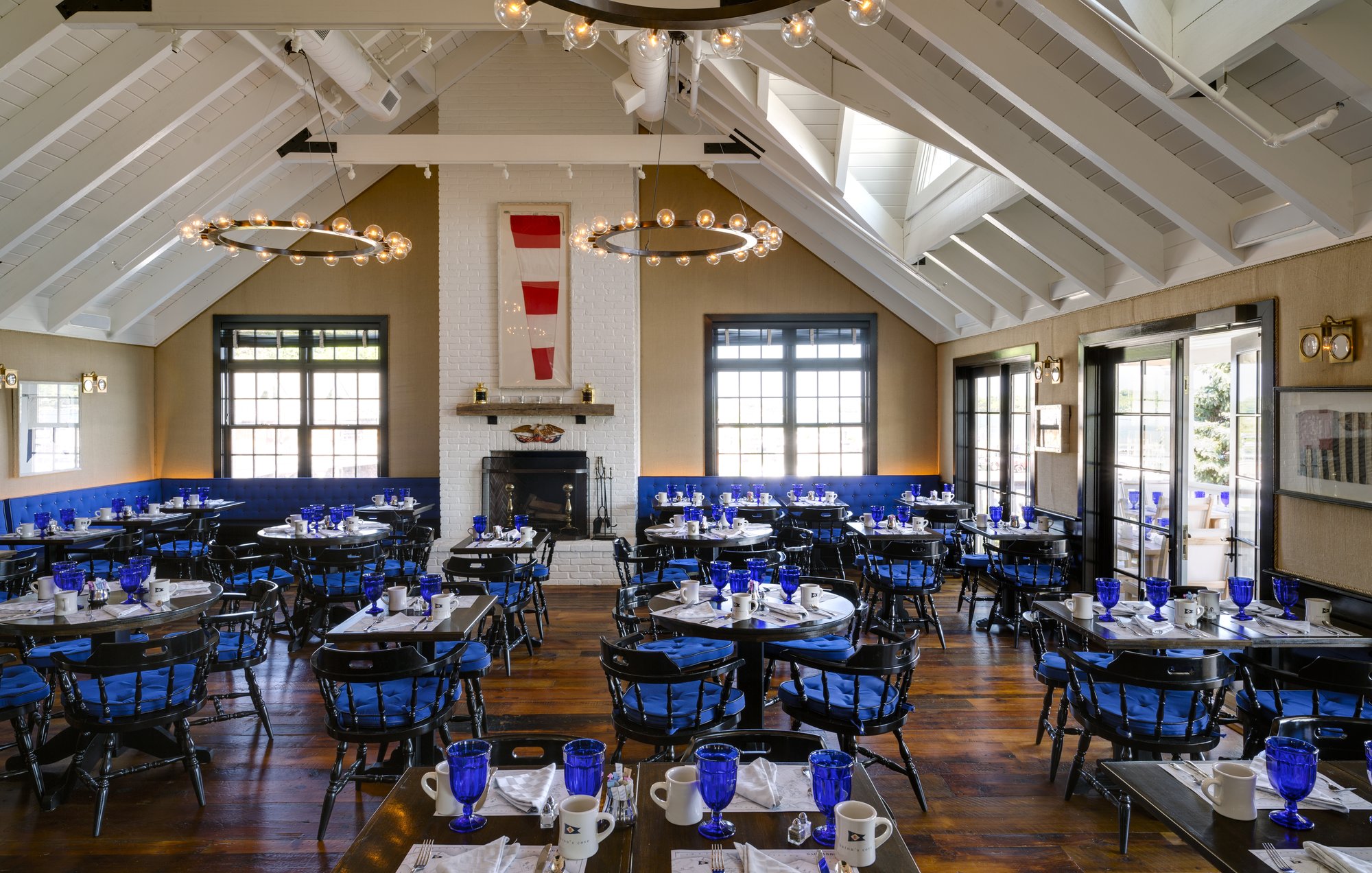
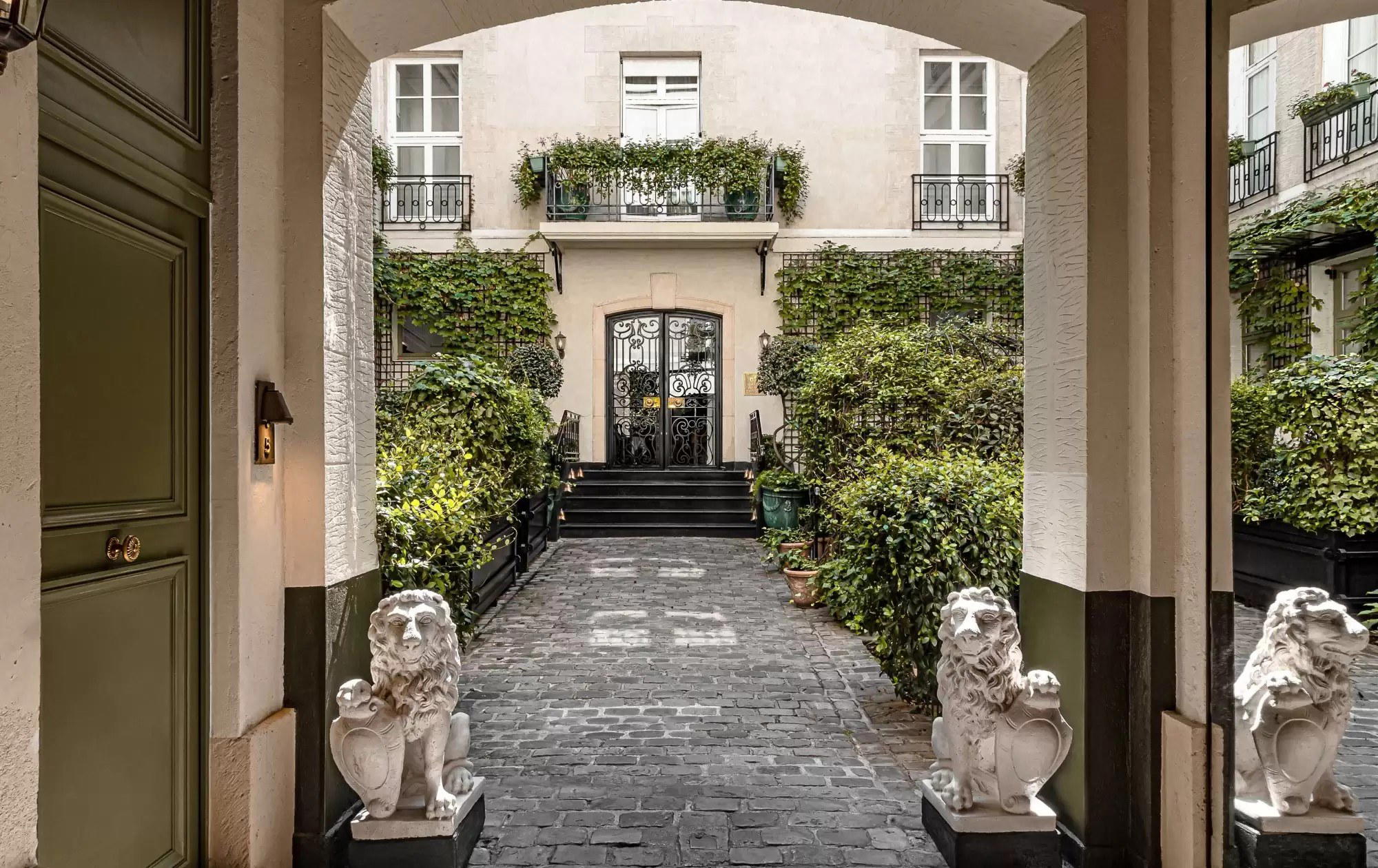
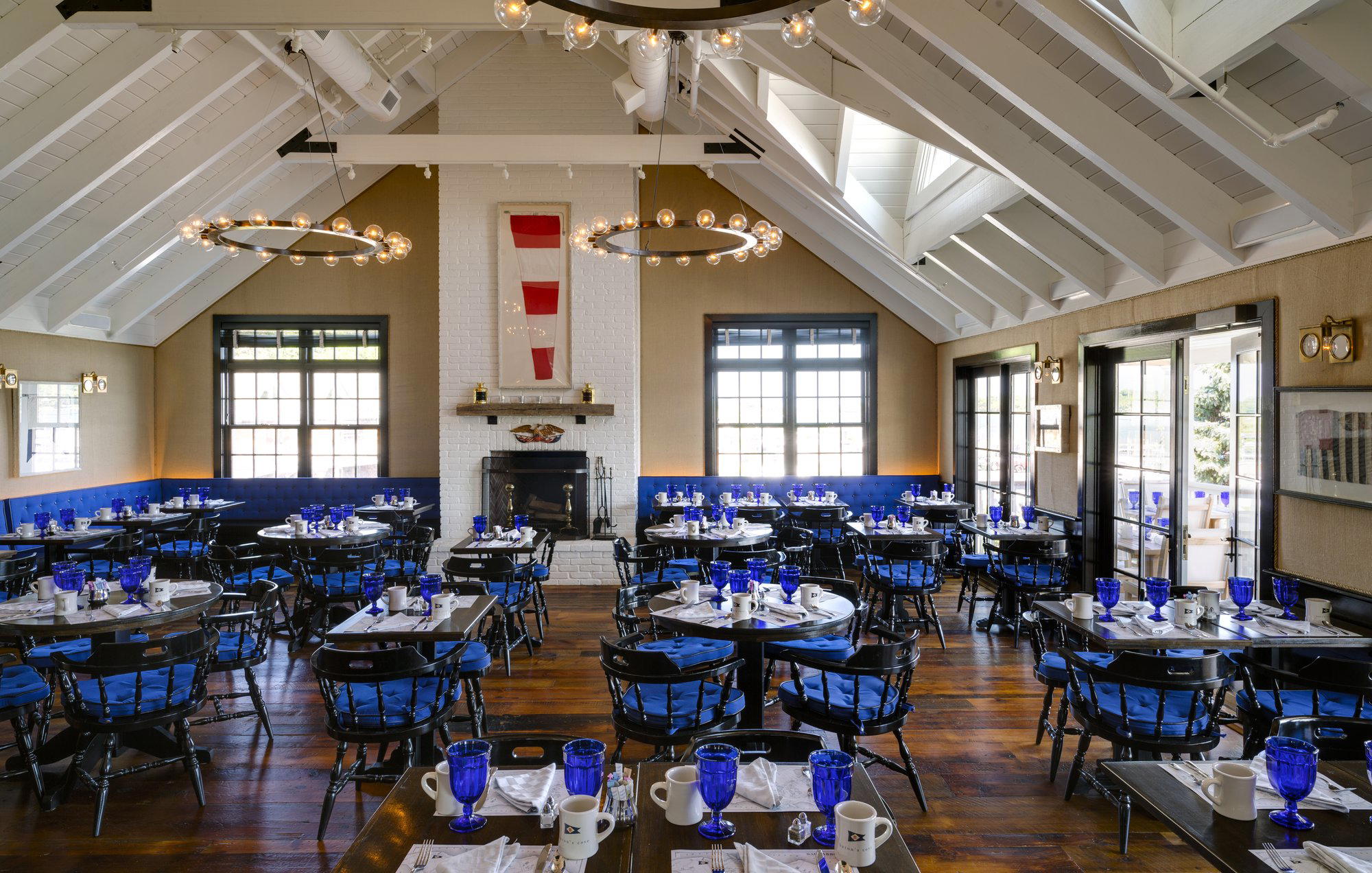
Contemporary classic with nautical-inspired chic coastal aesthetic, visual interest from vintage-like furniture and dark hardwood floors, serene waterfront and garden settings.
Tags
Vibe
Best For
Experience
Amenities
View
About the Stay
- Rooms
- 67
- Check-in
- 16:00
- Check-out
- 12:00
- Property Type
- Boutique hotel
- Property Style
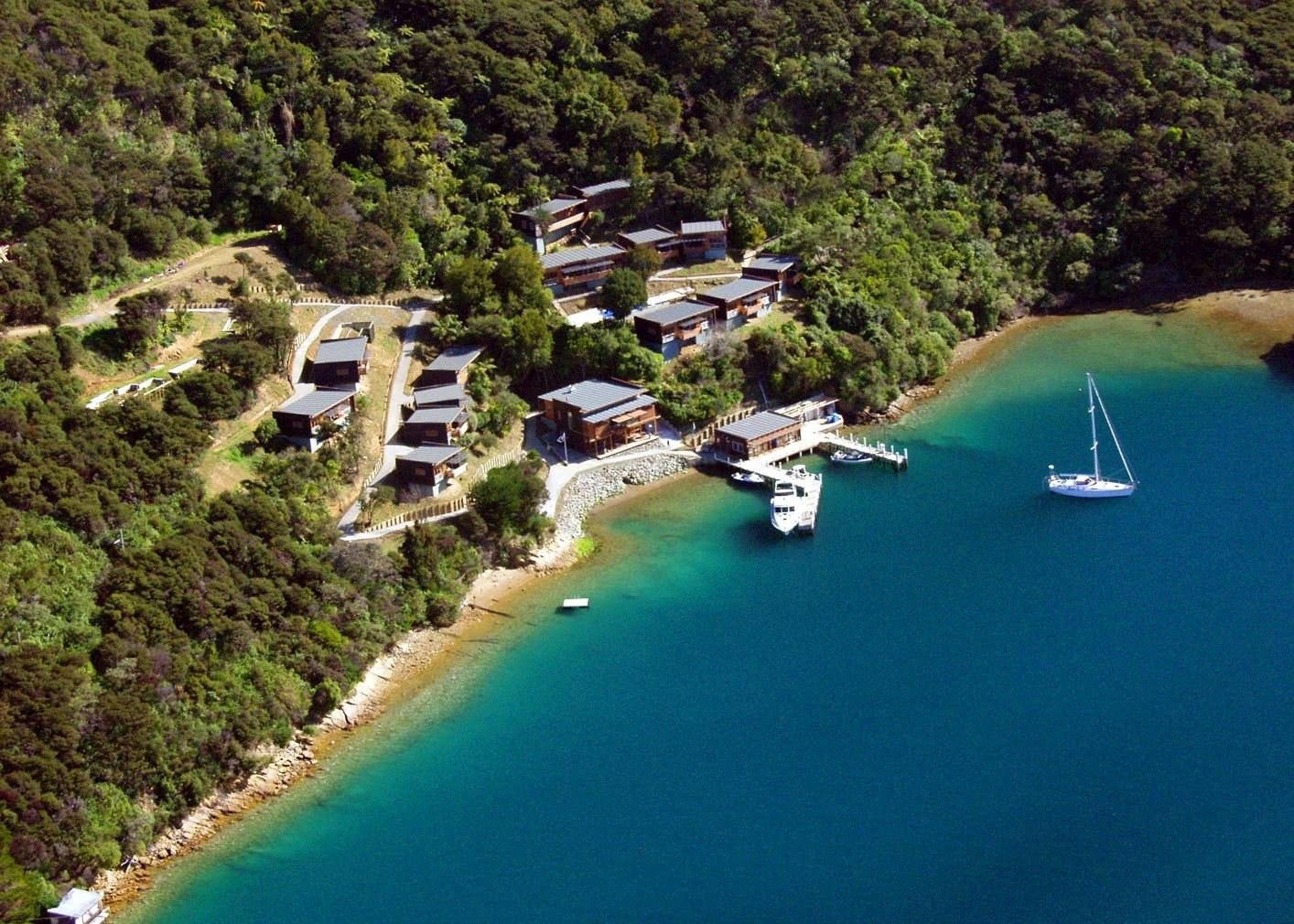
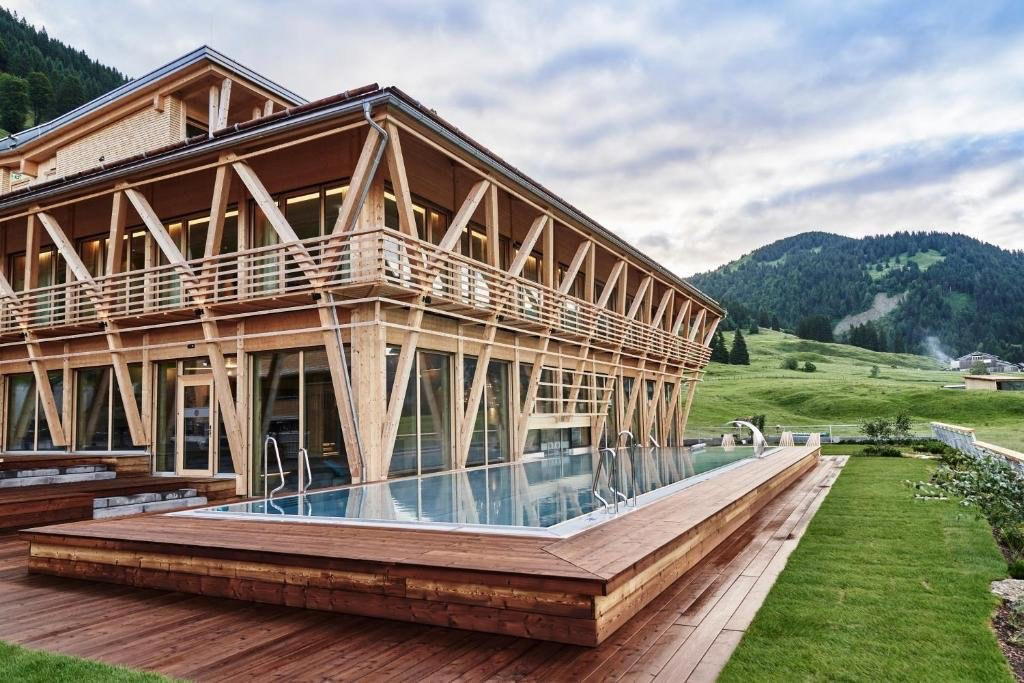
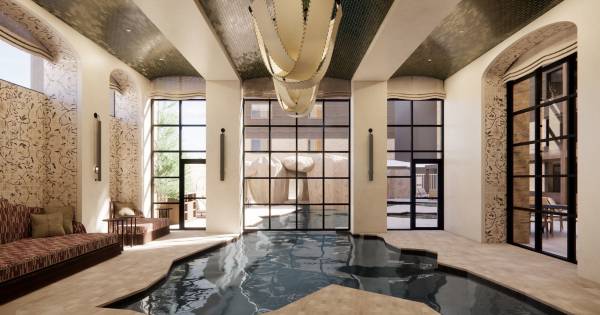
- Intimate Waterfront Compound with Residential Style Guestrooms Clustered Around Pool and Open Air Dining.
- Design Style
- Layered Coastal Interiors Rooted in Maritime History, Nautical Inspired with Vintage Like Furniture and Chic Aesthetic.
- Airport Transfer
- Available
- Pool
- Yes
- Spa
- Yes
- Pets
- Allowed
- Families
- Welcome
- Cancellation
- Moderate
Know before you go
Know Before You Go
- Getting there
- 31 W Water St, Sag Harbor, NY 11963
Planning details
Location
Recognition and awards

Also consider
Also Consider
- Topping Rose House, Notable alternative
- The Pridwin Hotel and Cottages, Notable alternative
- The Maidstone, Notable alternative
- Shou Sugi Ban House, Notable alternative
- Silver Sands Motel & Beach Bungalows, Notable alternative
Hotel context
How Faraway Sag Harbor compares nearby
Choose Faraway Sag Harbor over Topping Rose House if the priority is Sag Harbor village access and a more compact, design-forward stay. Topping Rose House is the stronger cross-shop for travelers who want a classic Hamptons hotel reference point, while Faraway is the cleaner fit for guests who plan to spend most of the trip moving around Sag Harbor itself.
Shou Sugi Ban House is the better call for wellness-led trips; Faraway is better for a town-based weekend where spa programming is not the main event. The Pridwin Hotel and Cottages makes more sense for travelers who want a fuller resort-and-waterfront feel rather than a village hotel mood.
For a more casual coastal stay, compare Silver Sands Motel & Beach Bungalows. For East Hampton atmosphere, The Maidstone is the more natural alternative. Faraway is easiest to justify when the trip is centered on Sag Harbor, short-stay convenience, and a polished boutique setting.
Explore Sag Harbor
Around this place
Discover more on Pearl
Unlock the full Faraway Sag Harbor guide in Pearl, including awards, comparisons, FAQs, planning details, and nearby places.
Compare Faraway Sag Harbor
| Venue | Location | Awards |
|---|---|---|
| Faraway Sag Harbor | Sag Harbor | 2026 Vogue Best Hotels in the Hamptons2026 Michelin 1 Key2025 Michelin Selected Hotels |
| Topping Rose House | Bridgehampton | 2026 Forbes Recommended2026 Vogue Best Hotels in the HamptonsStar Wine Lists 20262025 Forbes RecommendedSmall Luxury Hotels Member 2025 |
| The Pridwin Hotel and Cottages | Shelter Island | Tablet Hotels Editors' Picks: Top 40 New Hotels: July 20262026 Vogue Best Hotels in the Hamptons2025 Michelin Selected HotelsPreferred Hotels L.V.X. Collection 2025 |
| The Maidstone | East Hampton | No published awards |
| Shou Sugi Ban House | Water Mill | No published awards |
| Silver Sands Motel & Beach Bungalows | North Fork Long Island | No published awards |






How Faraway Sag Harbor compares with similar nearby venues.
FAQ
Frequently Asked Questions
Do loyalty programs work at Faraway Sag Harbor?
Check the booking channel if earning or redeeming points matters. The confirmed points are that Faraway Sag Harbor is in Sag Harbor and has MICHELIN Guide Hotels Selected recognition for 2025.
Is Faraway Sag Harbor good for business travel?
It may work for a Sag Harbor trip. If you need meeting space, work-friendly amenities, parking, or other business services, confirm those details directly with the property before booking.
How does Faraway Sag Harbor compare to other hotels and stays?
Choose Faraway Sag Harbor if you want to consider a Sag Harbor hotel with MICHELIN Guide Hotels Selected recognition for 2025. Shou Sugi Ban House, The Pridwin Hotel and Cottages, Silver Sands Motel & Beach Bungalows, The Maidstone, and Topping Rose House are also worth comparing depending on your preferred setting, amenities, and room needs.
When is the best time to book Faraway Sag Harbor?
The safest move is to check availability for your exact dates, compare cancellation terms, and book when the rate and room type match your plans.
What is check-in like at Faraway Sag Harbor?
Faraway Sag Harbor is a hotel and has MICHELIN Guide Hotels Selected recognition for 2025, but arrival timing and procedures should be confirmed directly with the property before you travel.