
Quinta Nova Winery House
Covas do Douro, Sabrosa
Hotel in Sabrosa, Portugal
 Book with Pearl
The Read
Terraced Vineyard Immersion
Why go
Quinta Nova Winery House is worth shortlisting for a Douro Valley stay where the vineyard address is the point. The 2026 Relais Chateaux Award gives it a stronger quality signal than a generic rural hotel, but compare nearby quinta properties if spa depth, resort infrastructure, or business-trip convenience matters more than setting.
About Quinta Nova Winery House
Should you consider Quinta Nova Winery House in Sabrosa? Consider it if you are specifically looking at this Sabrosa venue and want a clear recognition signal. The safest way to evaluate it is by the venue name, its Sabrosa location, its smart-casual dress code, and its Relais Chateaux Award in 2026.
Before choosing it, confirm the details that matter most to your trip, including facilities, dining format, menus, prices, spa details, room count, and transport convenience. If those details are important, compare Quinta Nova Winery House with other options such as Q.ta da Corte, Quinta Nova de Nossa Senhora do Carmo, Quinta São Jose do Barrilario Douro Wine Hotel e Spa, Torel Quinta da Vacaria - Douro Valley, and Ventozelo Hotel & Quinta.
Book it for a clear recognition signal, not for extras
The Relais Chateaux Award in 2026 is the strongest trust signal here. It gives Quinta Nova Winery House a clearer quality marker than a listing with no recognition, especially for travelers deciding whether this Sabrosa venue is worth prioritizing.
What matters most is the confirmed core rather than unsupported assumptions. The available record leaves the restaurant concept, chef, menu format, price level, service style, spa program, room count, and detailed amenity list open for confirmation. Treat those as questions to verify directly rather than reasons to book.
The decision comes down to whether the confirmed facts are enough
Quinta Nova Winery House is easiest to justify when the name, Sabrosa location, smart-casual standard, and 2026 Relais Chateaux Award are already aligned with what you want. That is a solid starting point, but it is not a substitute for confirming practical details that may affect your plans.
Travelers with specific needs should be more selective. If you require particular dining arrangements, accessibility information, wellness facilities, business services, allergy accommodations, or transport logistics, ask the venue directly before making plans around them.
Quick reference: choose this if a Sabrosa venue with a confirmed 2026 Relais Chateaux Award is enough of a draw; compare alternatives if your decision depends on amenities, dining specifics, or operational details.
Inside Quinta Nova Winery House
Planning details
- Location
- Quinta Nova, 5085-222 Covas do Douro
- Website
- quintanova.com/en
- Phone
- +351 254 730 430
The take
The Take
The Vibe
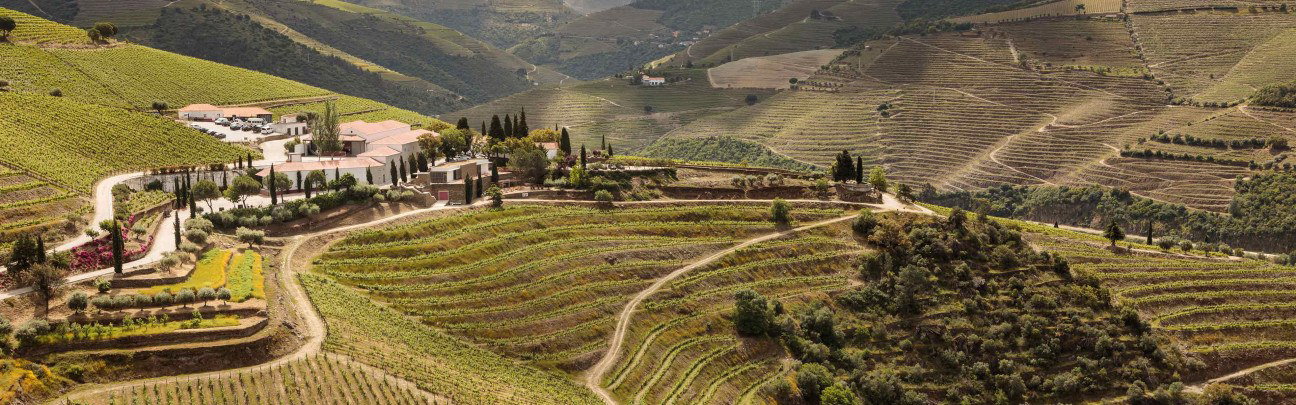
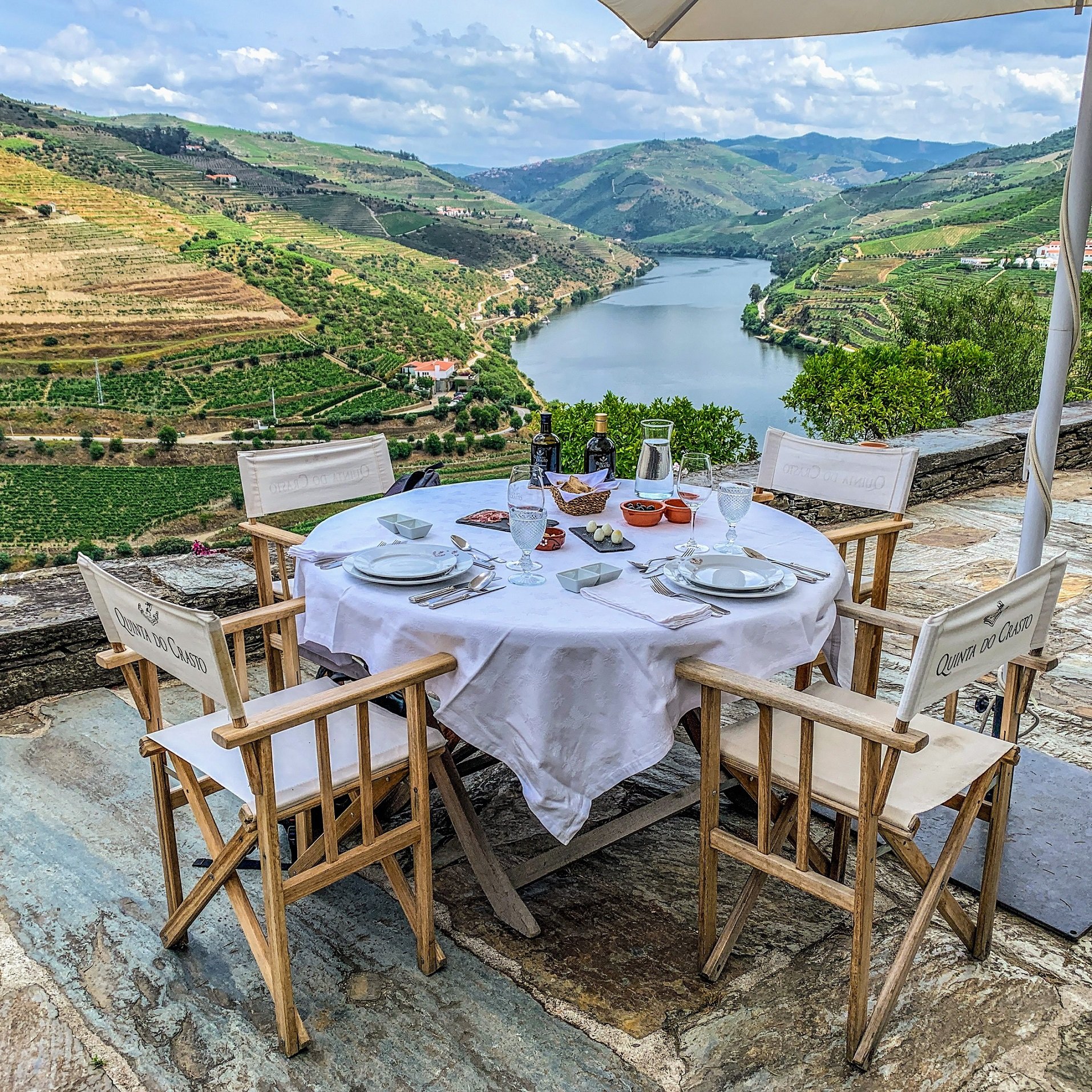
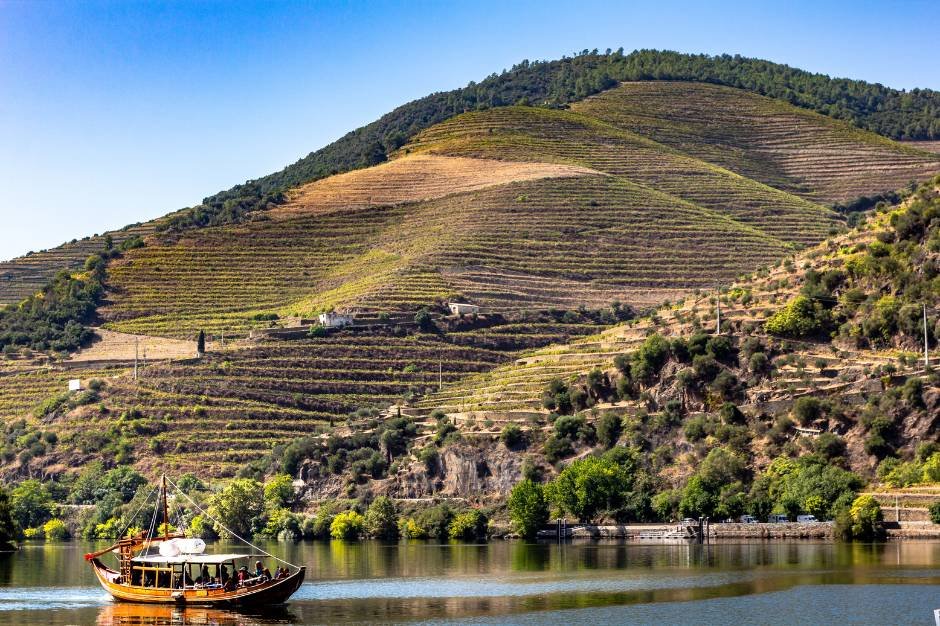
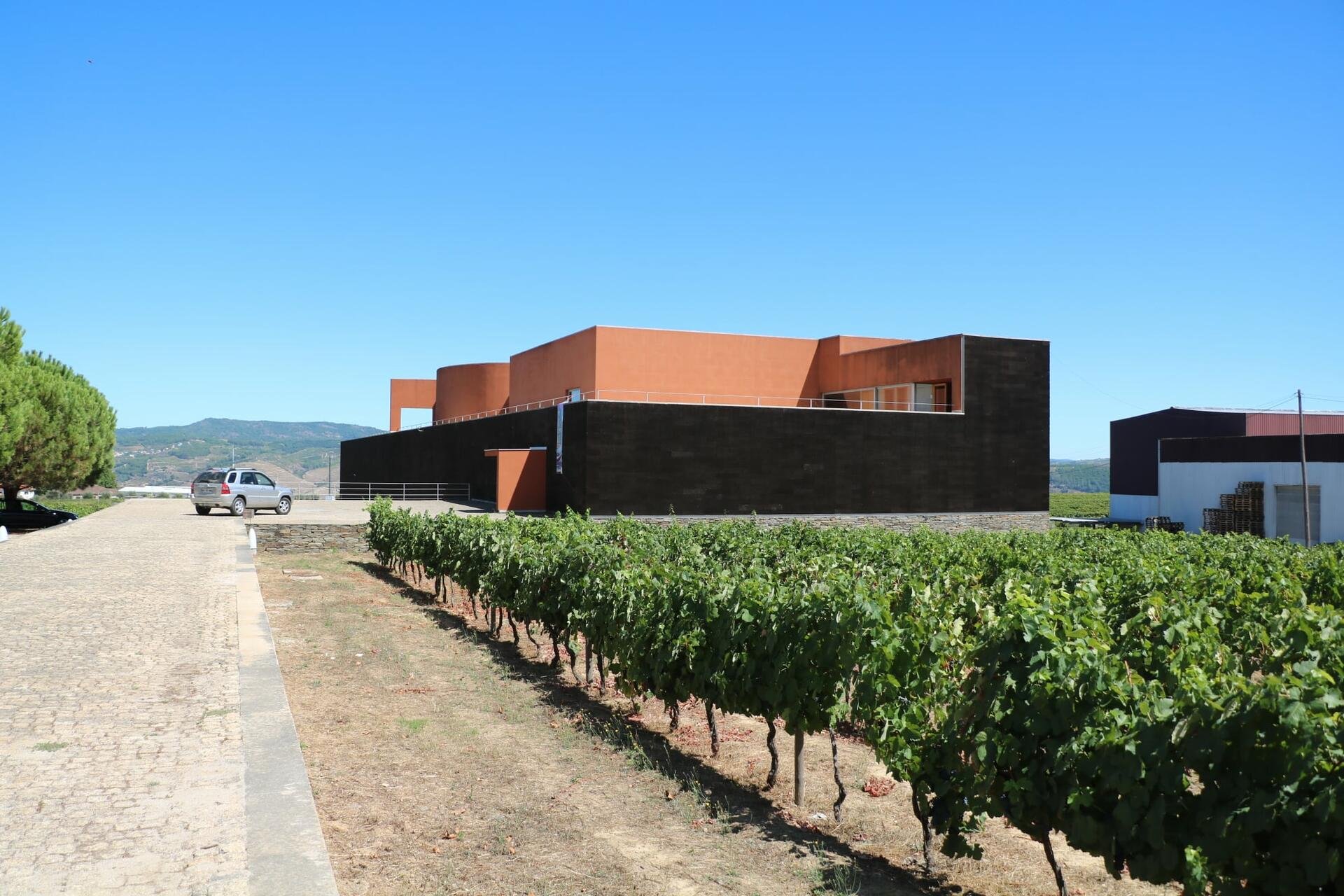
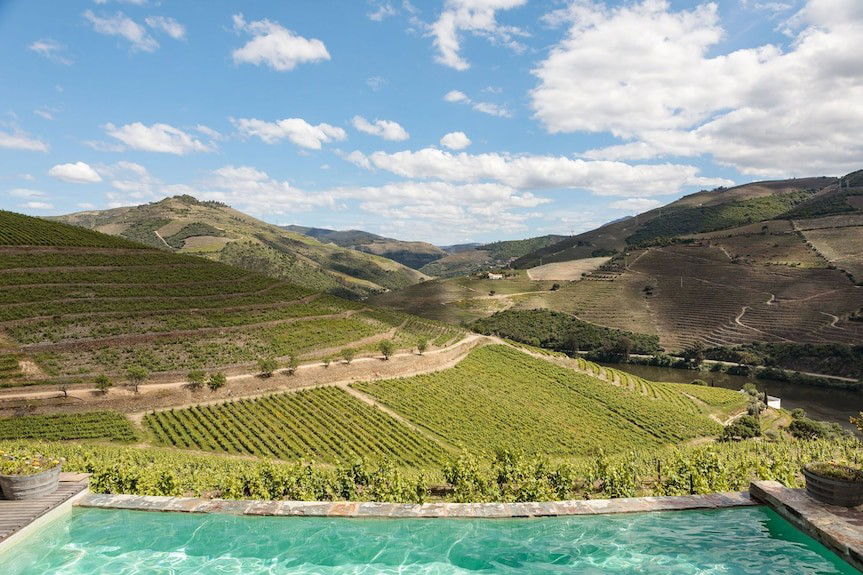
Quinta Nova presents as a working wine estate where the landscape is the principal design statement. Set on 300 acres above the Douro, the property orients guests toward an unbroken sweep of river and terraced vineyards; the renovation lets the agricultural structure read through rather than disguise it. The tone is quietly elegant and deliberately rustic: sophisticated winemaking history and restored farm buildings meet intimate sight lines and a low-tourist setting. Overall, the house feels like an attentive, serene base for appreciating the region’s light, geology and viticulture rather than a flashy hospitality add-on.
Best For
This estate is best for travelers seeking a scenic, tranquil wine-country escape—couples on romantic getaways, honeymooners and anniversaries who prize privacy and panorama. Guests who value being embedded in a working agricultural operation will appreciate how the vineyards and river define the stay. Because the property sits in the quieter Cima Corgo subregion near Sabrosa, it also suits visitors who want a measured alternative to busier downstream towns: a weekend escape framed around place, views and serious wine provenance.
Stay Tips
Allow for logistics: the drive from Porto takes roughly two hours along the N222, so plan arrival and departure times accordingly. Request rooms that face the valley if a river-and-vineyard panorama matters to you—the text emphasizes unimpeded sight lines from the guest buildings. Expect a quiet property with a low local tourist footprint; if traveling during a holiday or popular season, confirm availability in advance. Beyond that, pack for leisurely exploration of the estate grounds rather than a bustling resort itinerary.
Venue details
Ambiance
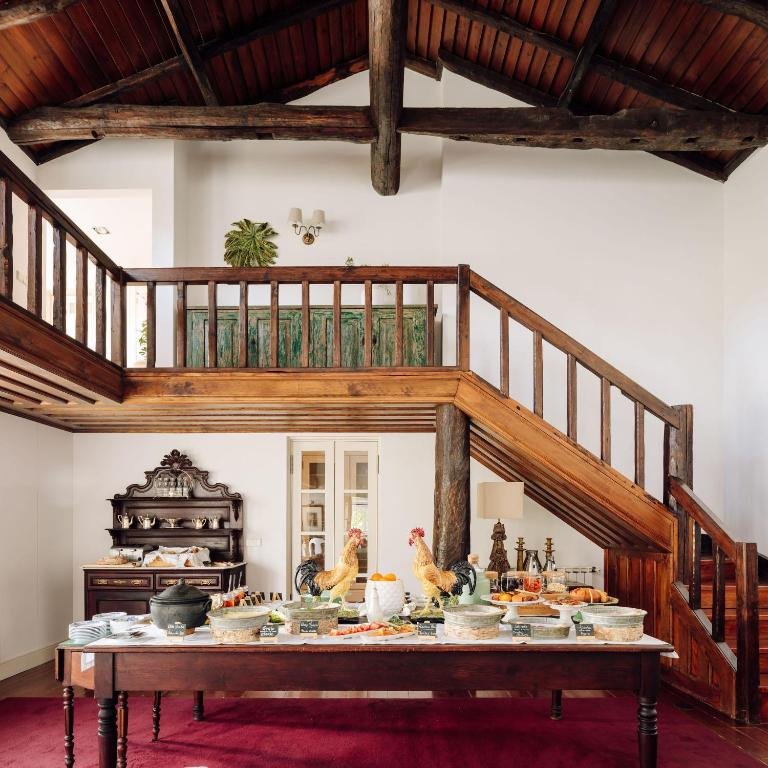
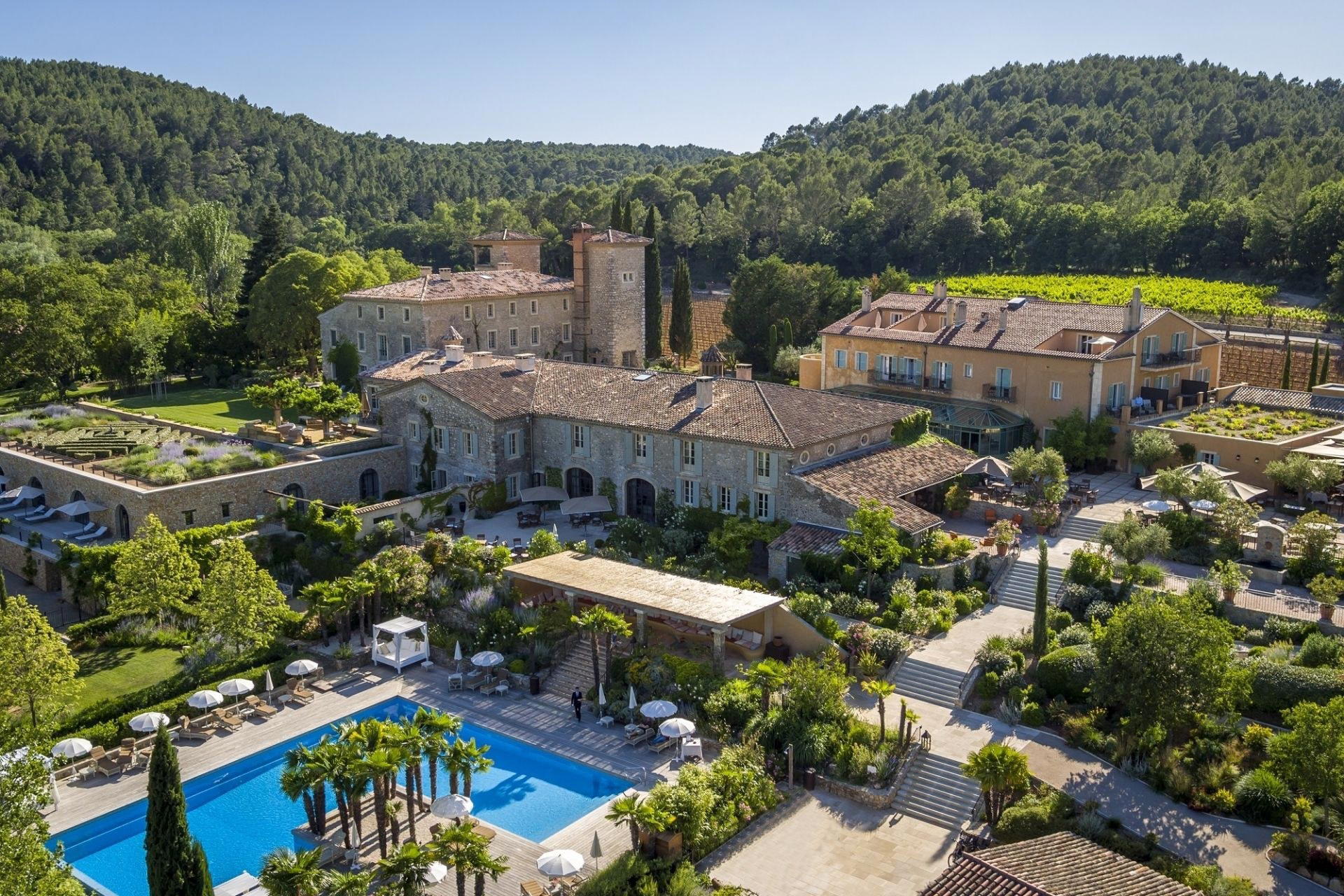
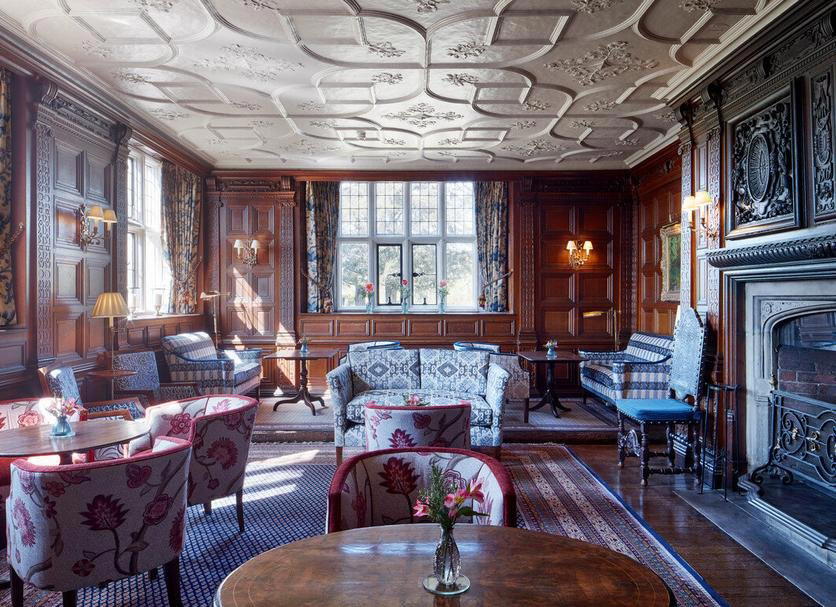
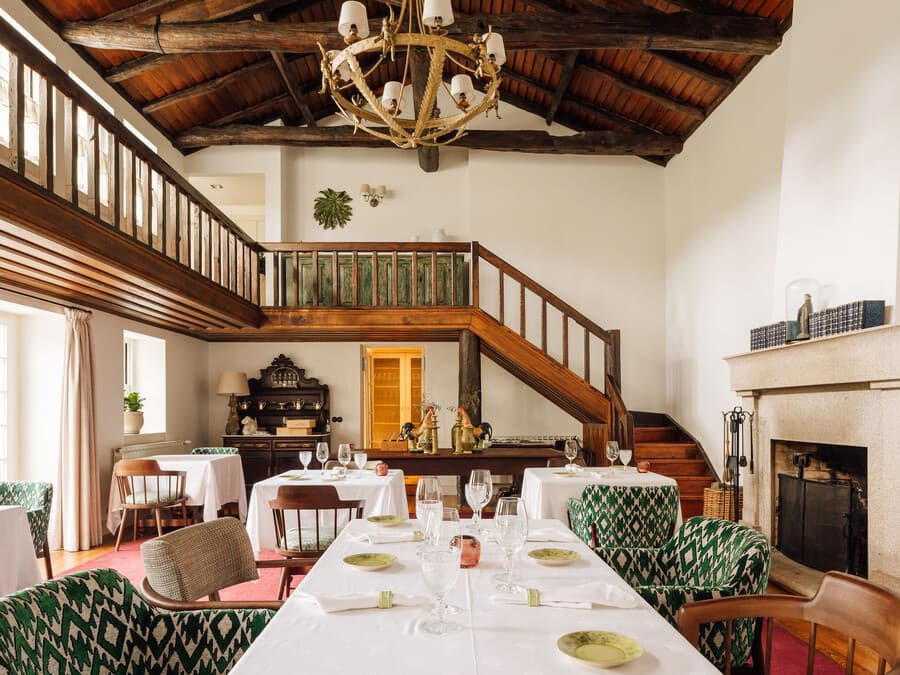
Sophisticated and welcoming manor house atmosphere with relaxing communal areas, beautiful gardens, and a calm, soothing environment ideal for unwinding amid stunning vineyard landscapes.
Tags
Vibe
Best For
Experience
Amenities
View
Accessibility
About the Stay
- Rooms
- 11
- Property Style
- Historic Winery Manor House with Sophisticated Communal Areas and Privileged Vineyard Views.
- Design Style
- Elegant Classic with Regional Portuguese Furniture and Impeccable Tasteful Decoration.
Know before you go
Know Before You Go
- Getting there
- Quinta Nova, 5085-222 Covas do Douro
Planning details
Location
Recognition and awards

Also consider
Also Consider
- Quinta Nova de Nossa Senhora do Carmo, Notable alternative
- Q.ta da Corte, Notable alternative
- Ventozelo Hotel & Quinta, Notable alternative
- Quinta São Jose do Barrilario Douro Wine Hotel e Spa, Notable alternative
- Torel Quinta da Vacaria - Douro Valley, Notable alternative
Hotel context
How Quinta Nova Winery House compares in the Douro
Choose Quinta Nova Winery House if the priority is a recognized wine-estate stay in Sabrosa with a strong hospitality signal. The 2026 Relais Chateaux Award gives it a clearer quality marker than many rural alternatives, which matters for anniversaries, birthdays, and trips where the hotel needs to feel like the main event.
Quinta Nova de Nossa Senhora do Carmo is the closest comparison by name and location, so it is the natural cross-shop for travelers focused on the same Sabrosa wine-country feel. Q.ta da Corte and Ventozelo Hotel & Quinta are better checks if ambiance and estate character matter but the exact Sabrosa address is less important.
For guests weighing comfort facilities more heavily, compare against Quinta São Jose do Barrilario Douro Wine Hotel e Spa and Torel Quinta da Vacaria - Douro Valley. Those are the smarter alternatives to check when spa expectations, broader hotel infrastructure, or a more resort-like rhythm could outweigh the value of staying at this specific quinta.
Explore Sabrosa
Around this place
Discover more on Pearl
Unlock the full Quinta Nova Winery House guide in Pearl, including awards, comparisons, FAQs, planning details, and nearby places.
Compare Quinta Nova Winery House
| Venue | Location | Awards |
|---|---|---|
| Quinta Nova Winery House | Sabrosa | 2026 Relais Chateaux Hotels2025 Relais Chateaux Award |
| Quinta Nova de Nossa Senhora do Carmo | Sabrosa | No published awards |
| Q.ta da Corte | Valenca Do Douro | No published awards |
| Ventozelo Hotel & Quinta | Ervedosa Do Douro | No published awards |
| Quinta São Jose do Barrilario Douro Wine Hotel e Spa | Armamar | 2025 Michelin 1 Key |
| Torel Quinta da Vacaria - Douro Valley | Peso da Régua | Tablet Hotels Design Awards 2026: Best New Hotel Designs (Europe)2025 Michelin 1 Key |


How Quinta Nova Winery House compares with similar nearby venues.
FAQ
Frequently Asked Questions
What is arrival like at Quinta Nova Winery House?
What is confirmed is that Quinta Nova Winery House is in Sabrosa and has a Relais Chateaux Award in 2026.
How are the pool and spa at Quinta Nova Winery House?
Pool and spa details are not listed for Quinta Nova Winery House. If wellness facilities are important, ask the venue directly and compare with other options such as Quinta São Jose do Barrilario Douro Wine Hotel e Spa.
How does Quinta Nova Winery House compare to other properties?
Quinta Nova Winery House has a confirmed 2026 Relais Chateaux Award and is in Sabrosa. For comparison, you may also look at Q.ta da Corte, Quinta Nova de Nossa Senhora do Carmo, Quinta São Jose do Barrilario Douro Wine Hotel e Spa, Torel Quinta da Vacaria - Douro Valley, and Ventozelo Hotel & Quinta, while confirming current details directly with each property.
How is the dining at Quinta Nova Winery House?
The cuisine, chef, menu format, price, and dining schedule are not listed. The confirmed dress standard is smart casual, so confirm dining details directly before planning around a meal at Quinta Nova Winery House.
Is Quinta Nova Winery House good for business travel?
Business facilities, meeting spaces, transfer logistics, and work-friendly services are not listed. It may still suit some travelers, but business-specific needs should be checked directly before booking.
Do loyalty programs work at Quinta Nova Winery House?
Loyalty-program participation or points benefits are not listed. The confirmed recognition signal is the 2026 Relais Chateaux Award, so check any membership or booking benefits directly before relying on them.