

Château de Montcaud
Sabran
Hotel in Sabran, France
 Book with Pearl
The Read
Provençal Château Modernism
Why go
Château de Montcaud is the Sabran pick for travelers who want a quiet countryside hotel with serious recognition rather than a town-center base. Michelin 2 Keys and a 2026 La Liste hotel score make it a stronger quality signal than many rural alternatives, but confirm practical details before booking if pool, spa, dining, or loyalty benefits matter.
About Château de Montcaud
For travelers considering Sabran, Château de Montcaud is best framed as a hotel with confirmed recognition. It holds clear recognition: Michelin 2 Keys (2024), La Liste Top Hotels (2026): 92pts, and a smart casual dress code. Beyond that, practical details should be confirmed directly before booking.
The 2026 La Liste recognition gives Château de Montcaud a notable quality marker, but the booking question remains simple: do you want a recognized hotel in Sabran, or would a different option suit the trip better? If the answer is the former, this is a property to consider. If the trip depends on specific facilities, dining arrangements, or loyalty-program benefits, verify those details before committing.
A Sabran base for first-timers who want the stay to do some of the work
For a first trip, Château de Montcaud makes sense when the hotel itself is meant to anchor the itinerary. Its location is Sabran, so the stay should be assessed as a Sabran hotel choice rather than as a city-center option.
The property functions as a quality-led hotel with confirmed recognition, not as a fully documented resort. Confirm the details that matter before committing, especially if the trip depends on specific amenities, on-site dining, or a particular room category.
Who should choose it, and who should cross-shop
Choose this if the goal is a hotel in Sabran with recognized hospitality credentials and a smart casual standard. It is a less convincing fit for travelers who need every practical detail confirmed in advance or who are choosing primarily around a particular amenity set.
For broader planning, compare Château de Montcaud with other regional hotel options such as Boutique Hôtel Entraigues, Chateau de Massillan, Château de Collias, La Maison d'Uzès, and Le Vieux Castillon. If the stay is built around meals, also compare other dining in Sabran generically and confirm current arrangements directly.
Quick read: worth prioritizing for a hotel stay in Sabran with Michelin 2 Keys and a La Liste 92-point recognition; cross-shop if your decision depends on specific facilities or practical details not readily available.
Inside Château de Montcaud
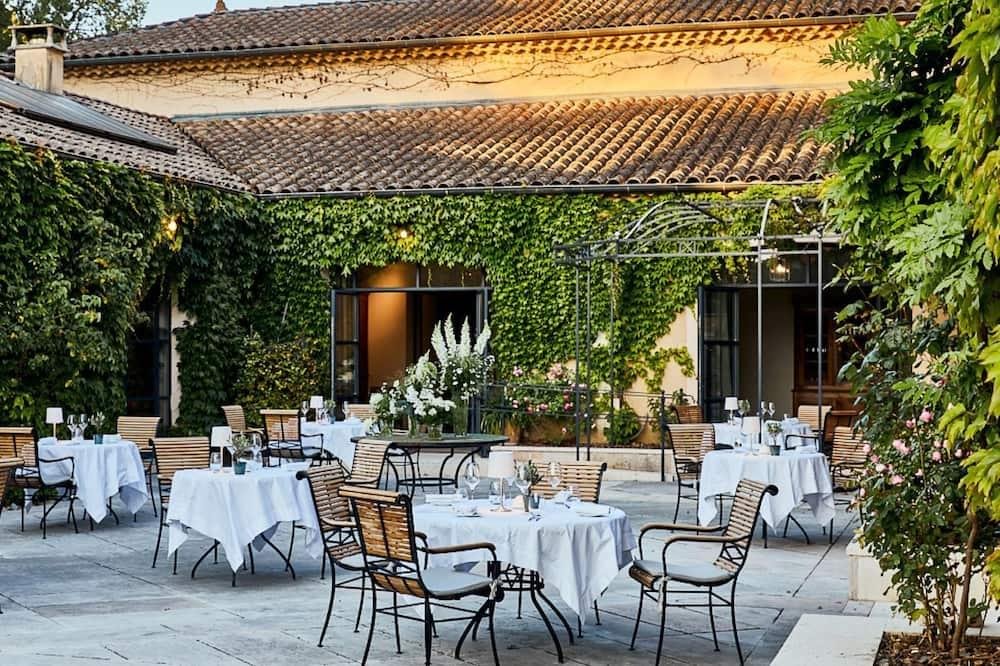 restaurantLe Cèdre de MontcaudLe Cèdre de Montcaud earned its first Michelin star in 2025 under chef Matthieu Hervé, whose surprise set menu brings coastal and inland Languedoc-Roussillon produce into a courtyard setting that seats just six or seven tables. The format is intimate by design: no à la carte, no large groups, no noise. Expect dishes built around precise sourcing, blue crab, langoustine, John Dory, veal, framed by sauces of genuine technical ambition.
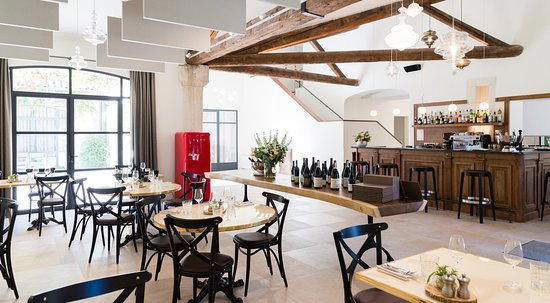 restaurantBistro de MontcaudBistro de Montcaud operates from the grounds of Château de Montcaud in Sabran, southern France, serving traditional cuisine at a mid-range price point with two consecutive Michelin Plate recognitions. The kitchen applies a personalised menu approach, adapting each service to guests' preferences in advance, with a particularly committed plant-based offering that distinguishes it from comparable rural bistros in the Gard.
Planning details
- Location
- Château de Montcaud, 30200 Sabran
- Website
- chateaudemontcaud.com
- Phone
- +33 4 66 33 20 15
The take
The Take
The Vibe
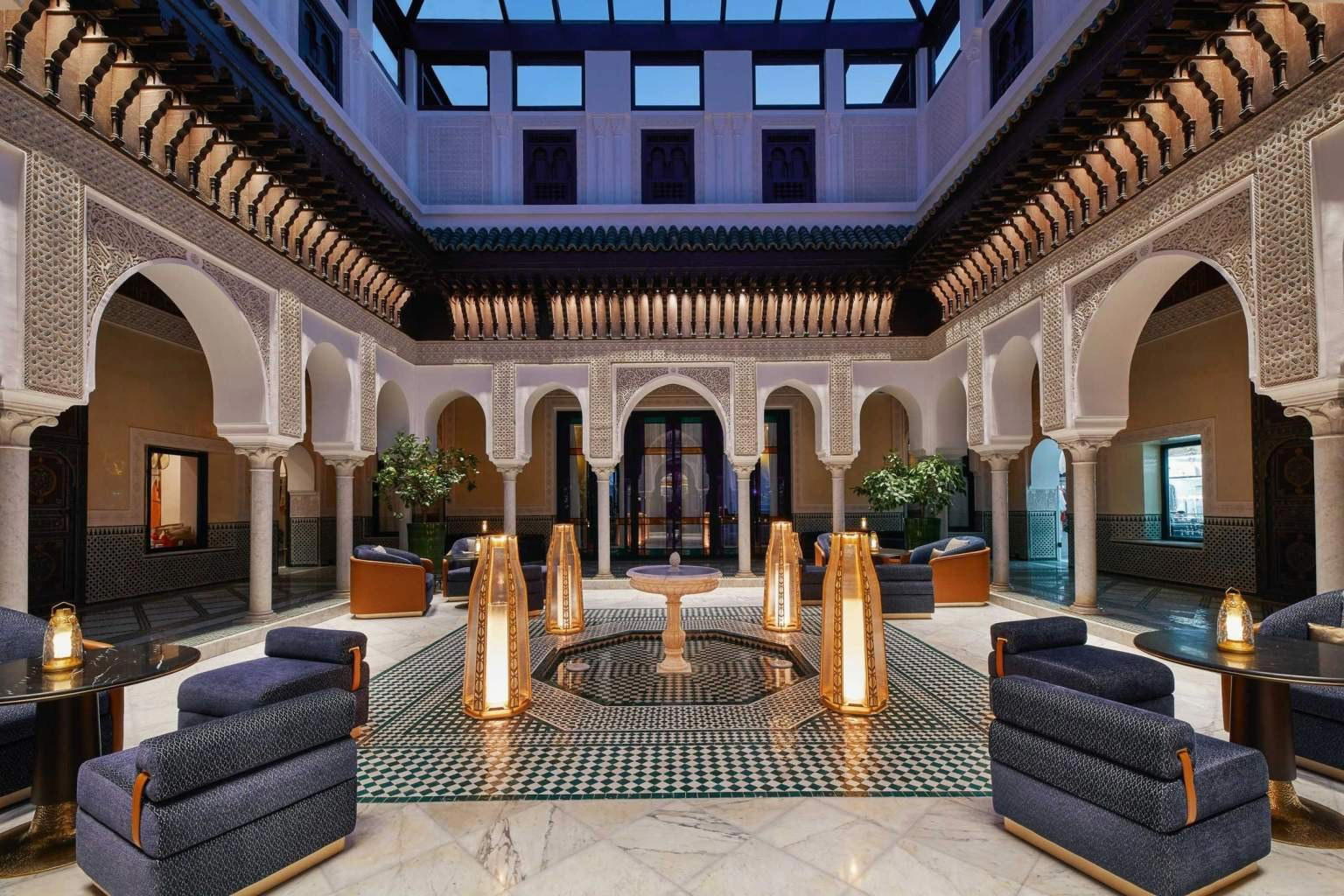
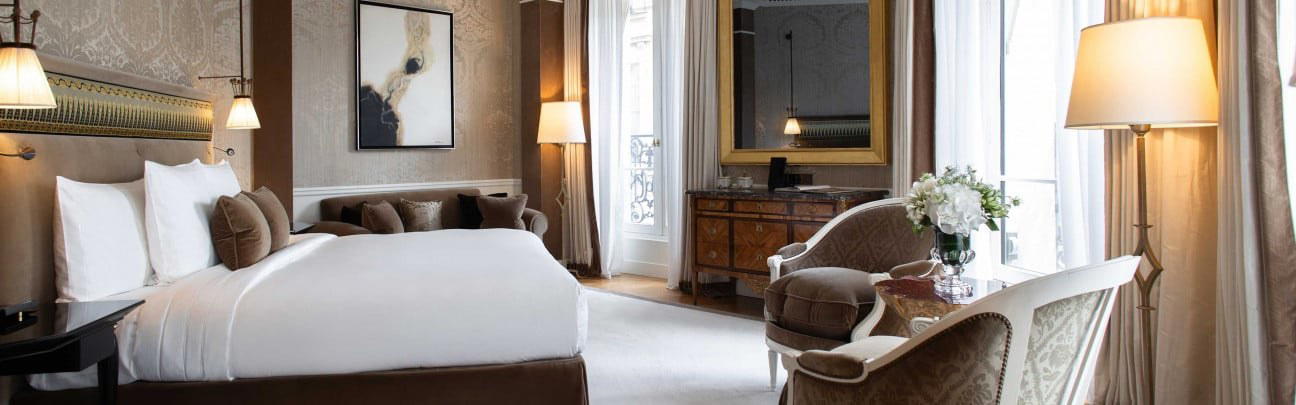
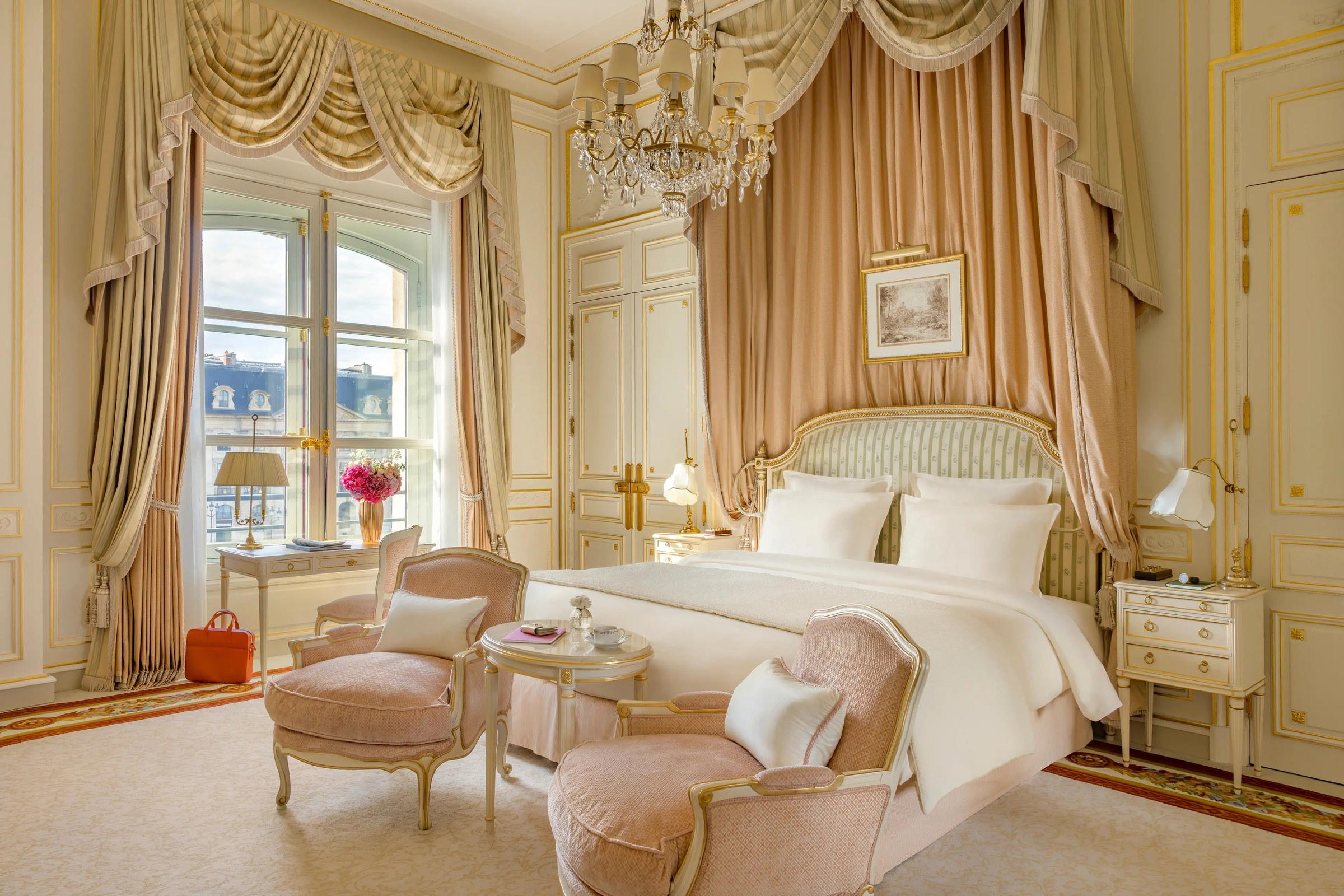
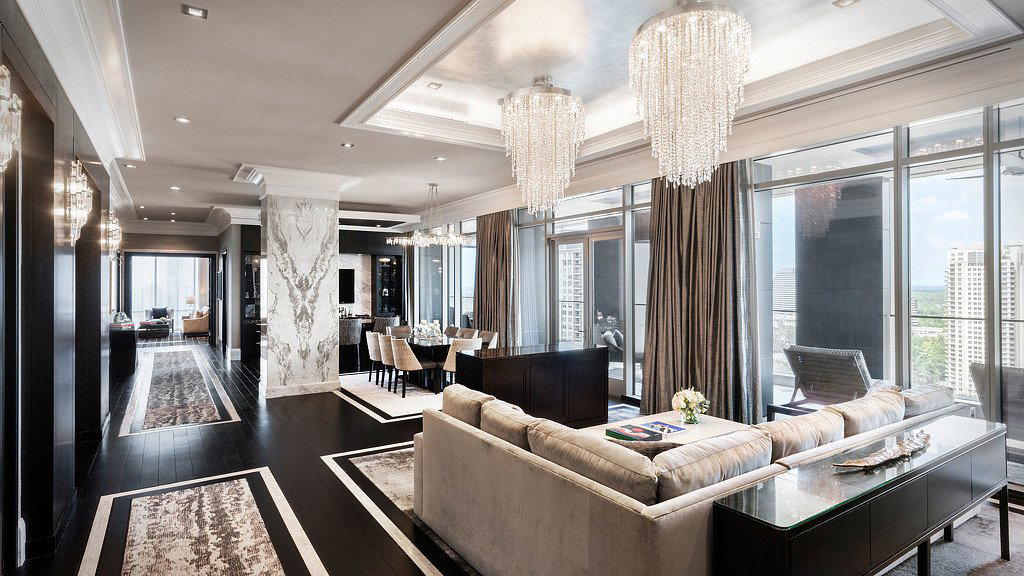
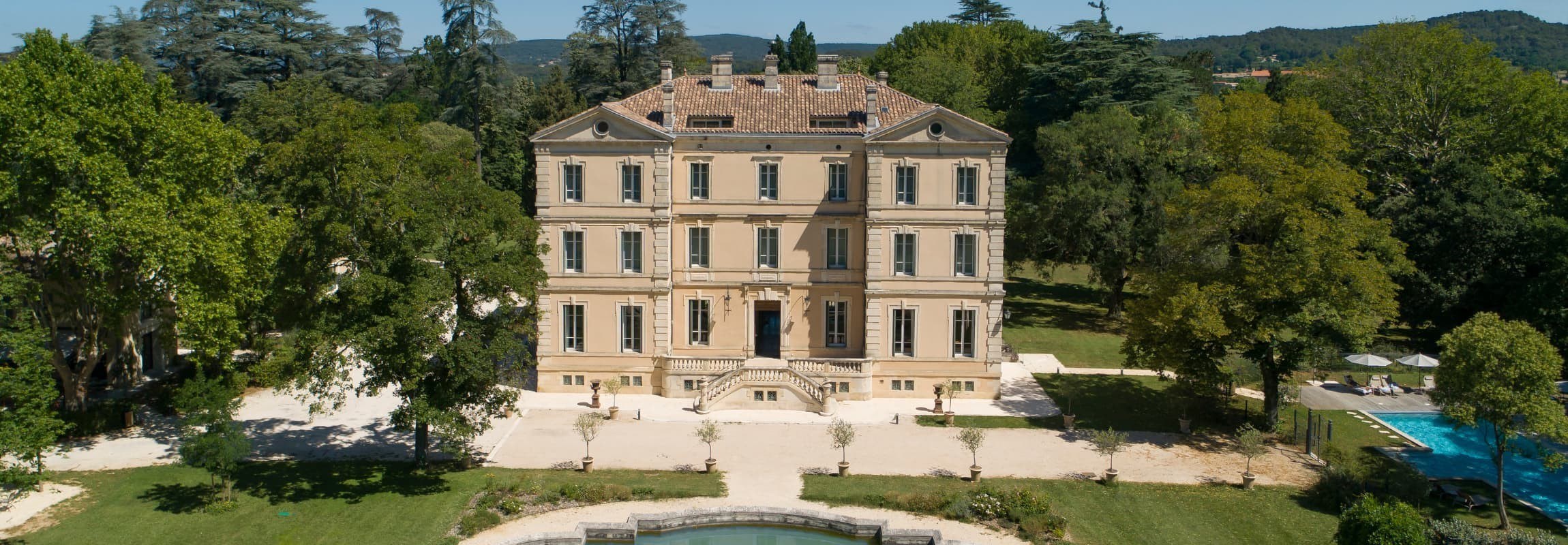
Château de Montcaud lives in the tension between a clearly historic shell and rigorously contemporary interiors. The 19th-century stone façade, cornicing and generous ceiling heights announce the building’s age, while a 2018 renovation introduces clean-lined, spare furniture and a pared-back sensibility. The result is a quietly confident design statement: architecture and modern interiors converse rather than mimic. At 29 rooms the property reads intimate and deliberately scaled, offering a restrained, minimalist take on château luxury. The atmosphere is peaceful and refined, aimed at travelers who prefer architectural clarity and modern restraint over nostalgic period decor.
Best For
This hotel is best for travelers who want the romance of a 19th-century château framed by contemporary design—couples on a romantic getaway, honeymooners and anniversary guests are natural fits. It also suits design-minded travelers and anyone seeking a quiet, scenic retreat inland from the Rhône: the location in Sabran affords an unhurried pace, and the small room count keeps the experience intimate. Guests who prioritize clean, minimalist interiors and legible historic architecture—rather than gilded period rooms—will find the property particularly rewarding for a weekend escape or a restful stay in the South of France.
Stay Tips
Book early: with just 29 rooms the hotel operates at a deliberately small scale, so reservations can fill for popular dates and weekends. Expect contemporary, spare furnishings rather than nostalgic château styling—the 2018 renovation is a core part of the experience—so request information about specific room categories if you want to prioritize original architectural details such as high ceilings or visible cornicing. If you value calm and privacy, mention that preference when you reserve; the property’s intimate size and quiet setting make it well suited to requests for secluded or quieter room locations.
Venue details
Ambiance
Contemporary styling with stylish visual simplicity contrasting antique architectural details and modern furniture, creating a serene and elegant atmosphere praised for its quiet gardens and peaceful poolside relaxation.
Tags
Vibe
Best For
Experience
Amenities
View
Accessibility
About the Stay
- Rooms
- 29
- Check-in
- 15:00
- Check-out
- 11:00
- Property Style
- Renovated 19th Century Provençal Chateau with Modern Luxury Interiors
- Design Style
- Contemporary Classic with Visual Simplicity and Modern Furniture
Know before you go
Know Before You Go
- Getting there
- Château de Montcaud, 30200 Sabran
Planning details
Location
Recognition and awards

Also consider
Also Consider
- Chateau de Massillan, Notable alternative
- La Maison d'Uzès, Notable alternative
- Boutique Hôtel Entraigues, Notable alternative
- Le Vieux Castillon, Notable alternative
- Château de Collias, Notable alternative
Hotel context
How Château de Montcaud compares near Sabran
Choose Château de Montcaud over Chateau de Massillan if the priority is a Sabran-area château stay with clearer luxury-hotel recognition. It is the stronger quality-led bet for a special trip, especially when booking difficulty is less of a concern than securing the right atmosphere.
La Maison d'Uzès and Boutique Hôtel Entraigues are better cross-shops if town access matters more than a countryside setting. They make more sense for travelers who want to walk out easily, keep evenings flexible, or avoid relying as much on a car.
For a village-hotel alternative, compare Le Vieux Castillon and Château de Collias. Le Vieux Castillon is the more obvious pick for a compact village feel, while Château de Collias is the closer stylistic cross-shop for travelers who still want a château mood but are willing to look beyond Sabran.
Explore Sabran
Around this place
Discover more on Pearl
Unlock the full Château de Montcaud guide in Pearl, including awards, comparisons, FAQs, planning details, and nearby places.
Compare Château de Montcaud
| Venue | Location | Awards |
|---|---|---|
| Château de Montcaud | Sabran | 2026 La Liste Top Hotels2025 Michelin 2 KeysMichelin 2 Keys 20252024 Michelin 2 Keys |
| Chateau de Massillan | Uchaux | No published awards |
| La Maison d'Uzès | Uzès | 2026 Relais Chateaux Hotels2025 Relais Chateaux Award2025 Michelin 1 Key2024 Michelin 1 Key |
| Boutique Hôtel Entraigues | Uzès | No published awards |
| Le Vieux Castillon | Castillon-du-Gard | 2025 Michelin 1 Key2024 Michelin 1 Key |
| Château de Collias | Collias | 2025 Michelin Selected Hotels2025 Gault & Millau Exceptional Hotel |




How Château de Montcaud compares with similar nearby venues.
FAQ
Frequently Asked Questions
How does Château de Montcaud compare to other regional hotels?
Choose Château de Montcaud if you want a Sabran hotel with confirmed recognition: Michelin 2 Keys (2024) and La Liste Top Hotels (2026): 92pts. For other options, compare La Maison d'Uzès, Boutique Hôtel Entraigues, Château de Collias, Chateau de Massillan, or Le Vieux Castillon.
How is the location of Château de Montcaud?
Its location is Sabran, so it suits travelers specifically considering a Sabran hotel. If you want to compare different settings, Le Vieux Castillon or Boutique Hôtel Entraigues are useful comparison points.
When is the best time to book Château de Montcaud?
If your dates are fixed, confirm availability directly before planning around the stay. If your trip is flexible, compare availability against Chateau de Massillan or Château de Collias before settling on Château de Montcaud.
How is the pool and spa at Château de Montcaud?
Specific pool and spa details are not available. Use this as a hotel-first choice based on confirmed recognition, and confirm any specific wellness facilities directly before booking. If those facilities are central to the trip, cross-shop Château de Collias and Chateau de Massillan as part of the planning process.
Do loyalty programs work at Château de Montcaud?
Specific loyalty-program details are not available, so do not plan the stay around points or status benefits without confirming directly. If loyalty benefits are a priority, compare your options carefully with La Maison d'Uzès or Boutique Hôtel Entraigues before booking.