
Esplanade Saarbrücken
Nauwieser, Saarbrücken
Hotel in Saarbrücken, Germany
 Book with Pearl
The Read
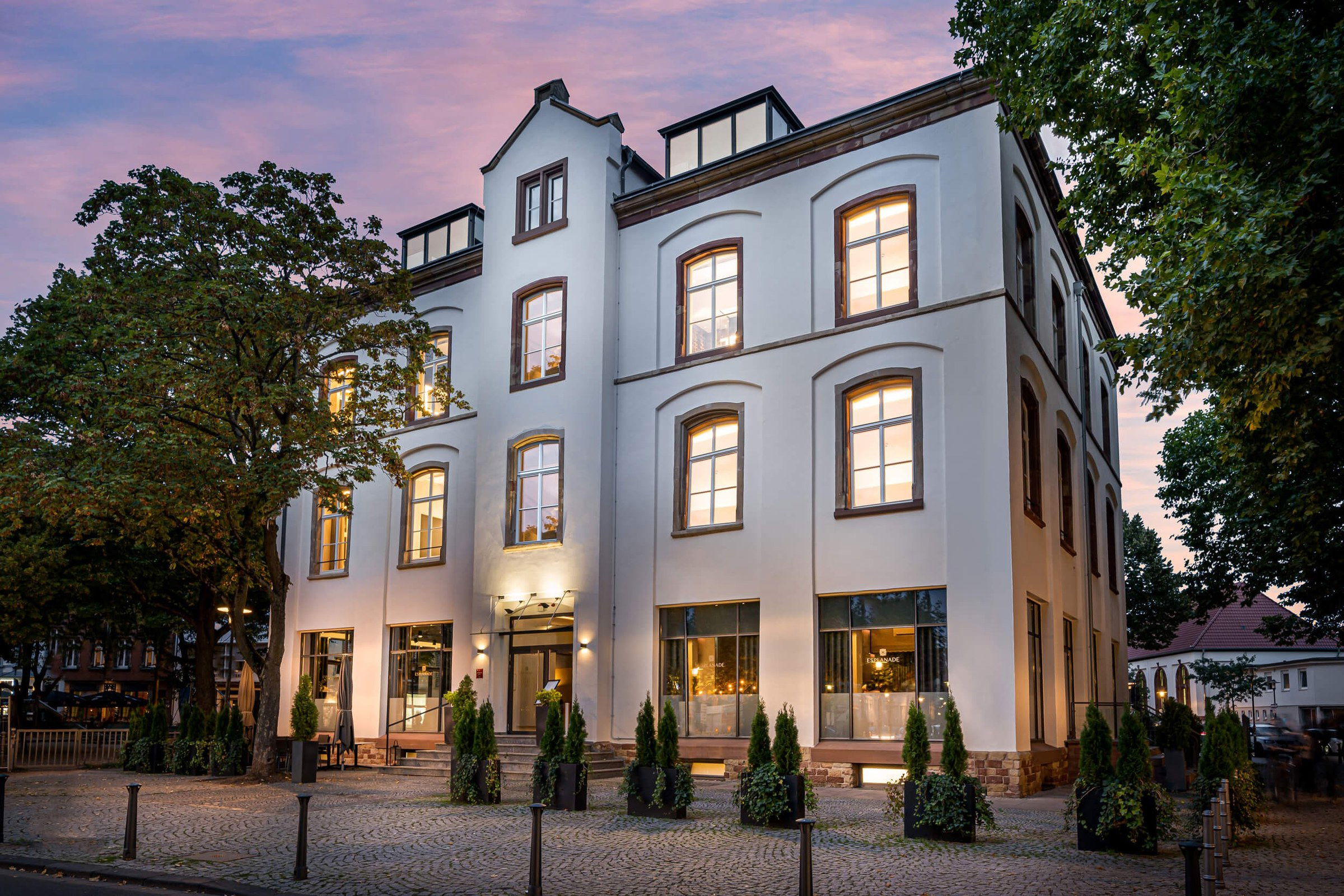
Gründerzeit Shell, Modernist Core
Price
$200–300per night
Why go
Esplanade Saarbrücken is the Saarbrücken choice to prioritise if you want a compact, credentialed city hotel rather than a resort-style escape. Its Michelin 2 Keys recognition gives it a stronger quality signal than a standard urban stay, but wellness-focused travellers should cross-shop Seezeitlodge Hotel & Spa and destination-dining travellers should compare Villa René Lalique - Hôtel & Restaurant.
About Esplanade Saarbrücken
Esplanade Saarbrücken is a hotel in Saarbrücken with a hospitality accolade: Michelin 2 Keys recognition in 2025. When considering this hotel, focus on its core offerings rather than making assumptions about dining, services, room style, pricing, or amenities.
Esplanade Saarbrücken is in Saarbrücken. For travellers comparing options, that makes it most relevant when the trip is centered on staying in the city. For a wider local scan, use our full Saarbrücken hotels guide, then cross-check dining plans with our full Saarbrücken restaurants guide, our full Saarbrücken bars guide, our full Saarbrücken wineries guide, and our full Saarbrücken experiences guide.
A Saarbrücken hotel for travellers who value recognition
The clearest reason to consider Esplanade Saarbrücken is its Michelin 2 Keys recognition for 2025. That is the main trust signal. The venue also has a smart casual dress code.
Travellers who are open to a broader regional search may compare it with Seezeitlodge Hotel & Spa, Villa René Lalique - Hôtel & Restaurant, LA MAISON, Kloster Hornbach, or Lösch für Freunde. Those comparisons should be made around the kind of stay and location you want, not around assumptions about amenities, dining, or service format.
Who should choose it, and who should cross-shop
Choose Esplanade Saarbrücken if you specifically want a hotel in Saarbrücken with Michelin 2 Keys recognition. If the trip does not need to be based in Saarbrücken, compare regional alternatives by location and the details available directly from each property.
For a broader Germany hotel search beyond this trip, compare other hotels generically by city, brand style, and booking needs rather than assuming they match Esplanade Saarbrücken on recognition or setting.
Quick reference: choose Esplanade Saarbrücken for a Michelin 2 Keys stay in Saarbrücken; consider regional comparison venues if being in Saarbrücken is not essential.
Inside Esplanade Saarbrücken
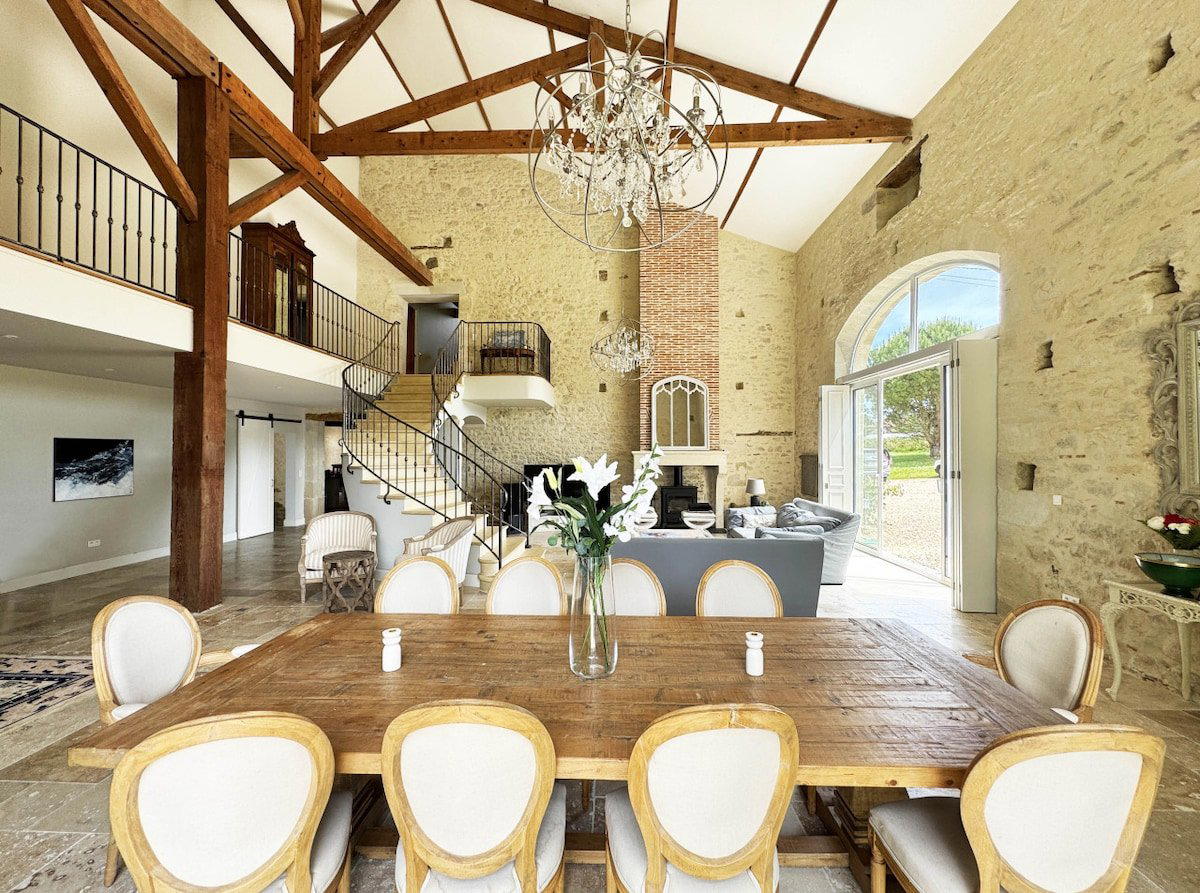 restaurantLe petit CINQLe petit CINQ holds consecutive Michelin Plate recognition for 2024 and 2025, placing it among the credentialed contemporary dining addresses on Nauwieserstraße in central Saarbrücken. The €€€ price tier positions it a step below the city's top-end French houses while operating at a meaningfully higher register than the neighbourhood's casual options. For a mid-range Saarbrücken booking that carries genuine culinary recognition, it warrants attention.
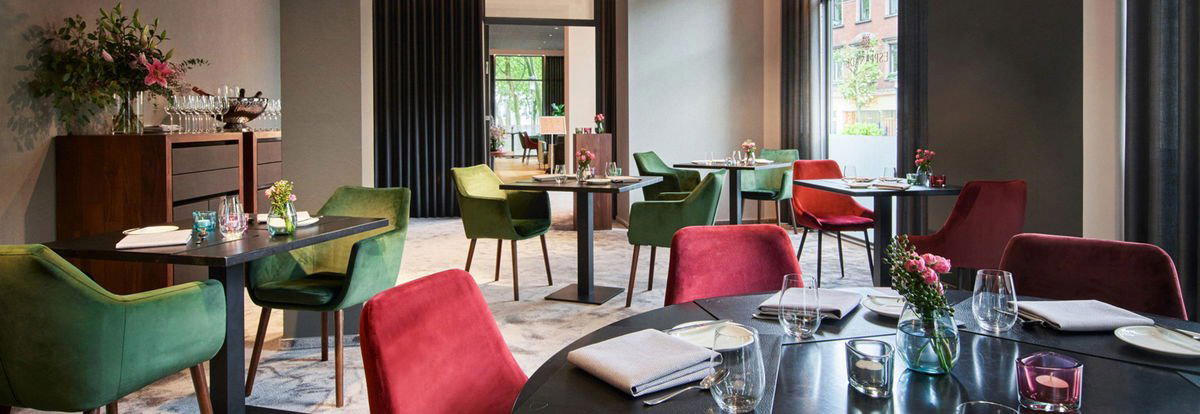 restaurantEsplanadeAt Nauwieserstraße 5 in central Saarbrücken, Esplanade holds two Michelin stars and an 85-point La Liste score for 2026, placing it among Germany's serious classical French addresses. Chef Silio Del Fabro operates within a precise, French-rooted idiom that sits at the upper tier of Saarland dining. Service runs across tight lunch and dinner windows, making advance planning essential.
Planning details
- Location
- Nauwieserstraße 5, 66111 Saarbrücken
- Website
- esplanade-sb.de
- Phone
- +49 681 84499120
The take
The Take
The Vibe
Esplanade presents itself as a carefully considered conversion of a 19th-century Gründerzeit schoolhouse, where the building’s original gravitas remains a primary character trait. The editorial tone is design-forward rather than flashy: the hotel leans into its civic past, preserving the confidence and ornamentation of the exterior while slotting into the contemporary boutique-hotel conversation. Located on Max Ophüls Square in Nauwieser, the property reads as a quietly assertive presence — historic in material and proportion but framed through a modern, adaptive-reuse sensibility that appeals to travelers who prize architecture and thoughtful restraint.
Best For
Esplanade is best for travelers interested in boutique, design-led hospitality outside Germany’s usual luxury hubs. The hotel’s conversion narrative and prominent Gründerzeit architecture make it appealing to visitors who value historic buildings and considered renovations. It suits romantic getaways, business trips and small celebrations where a quieter, design-minded setting is preferred over big-city flash. Because the property operates on a different register than metropolitan flagship hotels, it also works well for guests seeking an independent, architecturally distinctive stay in Saarbrücken’s Nauwieser quarter.
Venue details
Ambiance
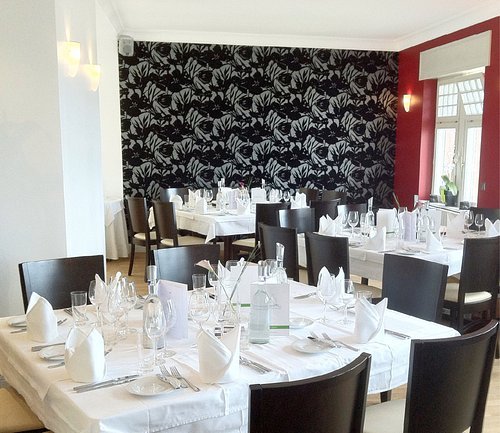
Sophisticated and relaxing with exquisite modern design, soundproofed rooms, and a quiet, comfortable atmosphere praised in guest reviews.
Tags
Vibe
Best For
Experience
Amenities
Accessibility
About the Stay
- Rooms
- 16
- Property Type
- Boutique hotel
- Property Style
- Chic Boutique in Renovated Historic School Building with Modernist Interiors.
- Design Style
- Modern Design Conscious Contemporary Style Inspired by Modernist Masters.
- Airport Transfer
- Available
- Pets
- Allowed
- Families
- Welcome
Know before you go
Know Before You Go
- Getting there
- Nauwieserstraße 5, 66111 Saarbrücken
Planning details
Location
Recognition and awards
Also consider
Where to look if this is not the right fit
Choose Seezeitlodge Hotel & Spa if pool, spa, and a slower resort pace matter more than city access. Choose Villa René Lalique - Hôtel & Restaurant if the trip is anchored by destination dining and a cross-border detour fits the itinerary.
Hotel context
How it compares in and around Saarbrücken
Esplanade Saarbrücken is the stronger pick for travellers who need to be in the city and want a recognised hotel rather than a generic base. LA MAISON and Kloster Hornbach are better cross-shops if the trip can move outside Saarbrücken and the priority is regional atmosphere over city access.
For wellness-led trips, Seezeitlodge Hotel & Spa is the more natural fit because the comparison tilts toward a resort rhythm and spa time rather than an urban stay. For a destination dining angle, Villa René Lalique - Hôtel & Restaurant is the sharper alternative if the hotel is part of a larger food-focused itinerary.
Lösch für Freunde is the one to consider when ambience matters more than formal polish. Choose Esplanade Saarbrücken for Saarbrücken convenience and Michelin 2 Keys recognition; cross-shop the others when the trip is less city-dependent.
Explore Saarbrücken
Around this place
Discover more on Pearl
Unlock the full Esplanade Saarbrücken guide in Pearl, including awards, comparisons, FAQs, planning details, and nearby places.
Compare Esplanade Saarbrücken
| Venue | Location | Awards |
|---|---|---|
| Esplanade Saarbrücken | Saarbrücken | 2026 Michelin 1 KeyMichelin 2 Keys 20252025 Michelin 2 Keys2024 Michelin 2 Keys |
| LA MAISON | Saarlouis | 2026 Design Hotels Collection2026 Michelin 2 Keys2025 Michelin 2 Keys2024 Michelin 2 Keys |
| Kloster Hornbach | Hornbach | 2025 Michelin 1 Key |
| Lösch für Freunde | Hornbach | No published awards |
| Seezeitlodge Hotel & Spa | Gonnesweiler | 2026 Design Hotels Collection2026 Michelin 1 Key2025 Michelin 2 Keys2024 Michelin 2 Keys |
| Villa René Lalique - Hôtel & Restaurant | Wingen-sur-Moder | 2026 Relais Chateaux Hotels2026 Michelin 1 Key2025 Gault & Millau Exceptional Hotel2025 Michelin 1 Key2025 Relais Chateaux Award |





How Esplanade Saarbrücken compares with similar nearby venues.
FAQ
Frequently Asked Questions
How is the location of Esplanade Saarbrücken?
Esplanade Saarbrücken is in Saarbrücken.
Is Esplanade Saarbrücken good for business travel?
Information on specific business-travel facilities or services is not available. It is a hotel in Saarbrücken with Michelin 2 Keys recognition in 2025, so assess it against your own itinerary and confirm practical needs directly with the hotel.
How is the dining at Esplanade Saarbrücken?
Specific dining details, cuisine, menus, or service style are not available. The signal is Michelin 2 Keys (2025), which supports the overall hotel profile rather than any specific restaurant claim.
What is check-in like at Esplanade Saarbrücken?
How does Esplanade Saarbrücken compare to regional hotels?
Choose Esplanade Saarbrücken if you want a Michelin 2 Keys hotel in Saarbrücken. Compared with Seezeitlodge Hotel & Spa, LA MAISON, Kloster Hornbach, Lösch für Freunde, and Villa René Lalique - Hôtel & Restaurant, it should be weighed according to whether you want to be in Saarbrücken or are open to a different regional stay.