

Arctic TreeHouse Hotel
near SantaPark, Rovaniemi
Hotel in Rovaniemi, Finland
 Book with Pearl
Why go
Arctic TreeHouse Hotel is worth booking for a special-occasion Rovaniemi stay where privacy, atmosphere, and design matter more than city-center convenience. Recent recognition from MICHELIN Guide Hotels, World Luxury Hotel Awards, and Mr & Mrs Smith gives it stronger credibility than many seasonal Lapland stays, but value-focused travelers should compare Haawe Boutique Apart Hotel or Nova Skyland Hotel first.
About Arctic TreeHouse Hotel
Arctic TreeHouse Hotel is a hotel in Rovaniemi with recognition from the World Luxury Hotel Awards 2025 as a WLHA Regional Winner, the Mr & Mrs Smith Seal of Approval for 2026, and selection in the MICHELIN Guide Hotels list for 2025. Travelers who need specific details about rooms, services, dining, pricing, or location within the city should check directly before booking.
Book it for recognition in Rovaniemi
For travelers comparing higher-profile stays in Rovaniemi, Arctic TreeHouse Hotel stands out for its hotel recognition. These accolades give the property external validation without leaning on assumptions about its format, amenities, or service style.
The simplest way to frame the hotel is direct: it is a recognized Rovaniemi hotel. If particular features matter to your trip, confirm them directly with the hotel before committing.
Who should choose a peer instead
If you are comparing other named options, look at Nova Skyland Hotel and Haawe Boutique Apart Hotel for additional Rovaniemi choices. Skyra Retreat is another option to check if you are weighing a stay against Arctic TreeHouse Hotel. Design Hotel Levi and Lapland Hotels Snow Village may also be relevant for travelers considering a wider Lapland itinerary rather than only Rovaniemi.
Quick read: choose Arctic TreeHouse Hotel if its recognition and Rovaniemi setting match your trip; compare the other named hotels if you need a different fit and can check the practical details that matter to you.
Inside Arctic TreeHouse Hotel
Planning details
- Location
- Tarvantie 3, 96910 Rovaniemi, Finland
- Website
- arctictreehousehotel.com
- Phone
- +358 50 5176909
The take
The Take
The Vibe
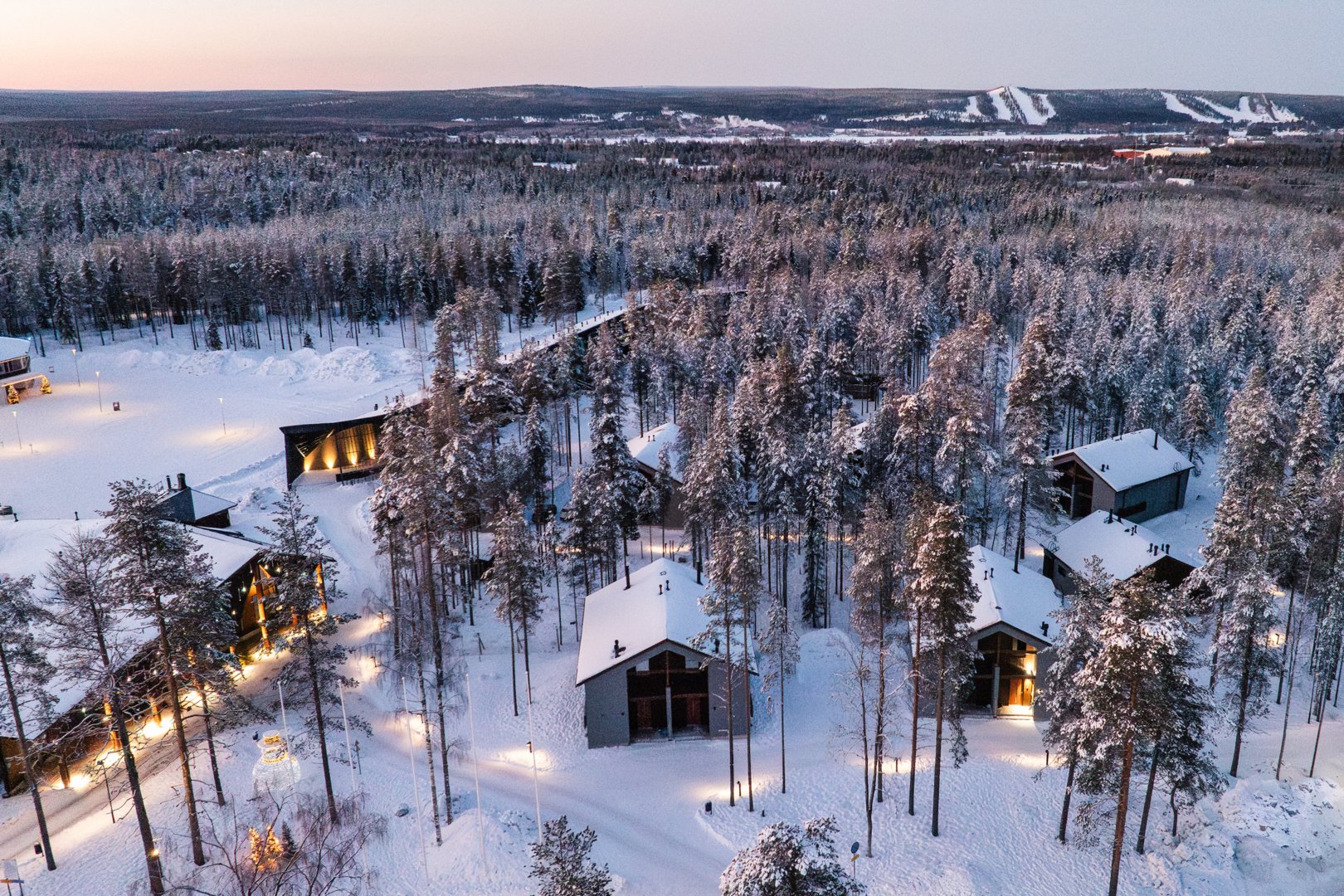
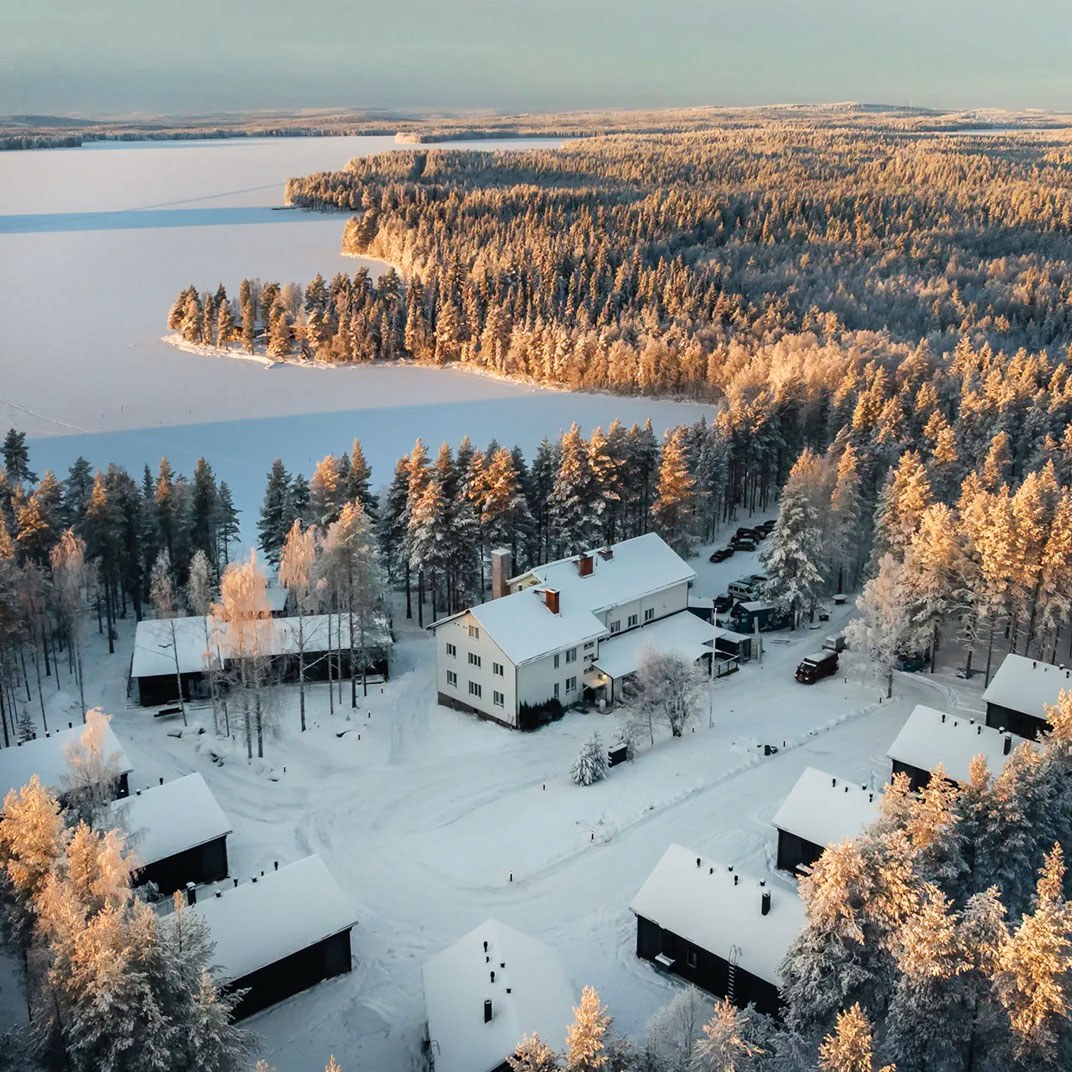
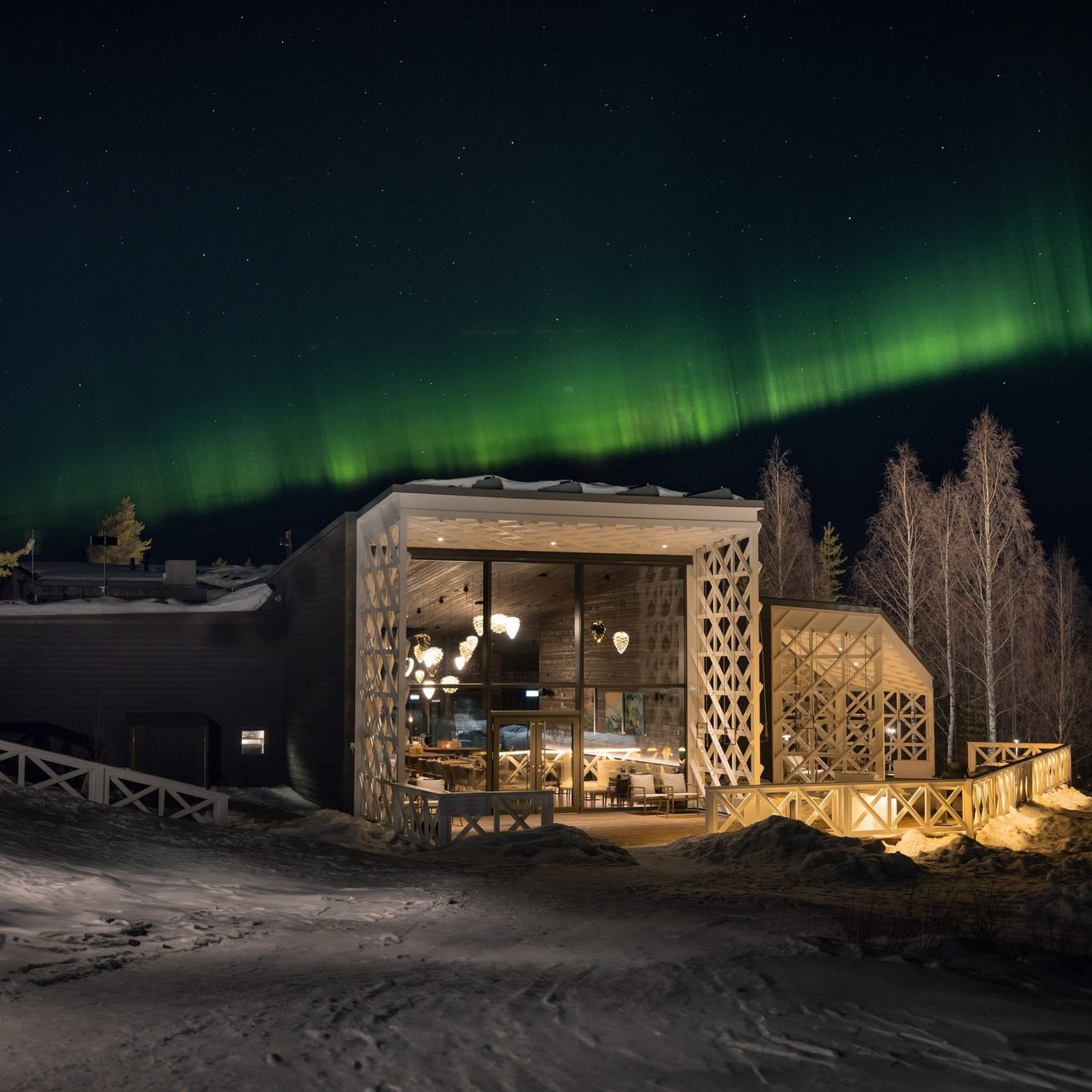
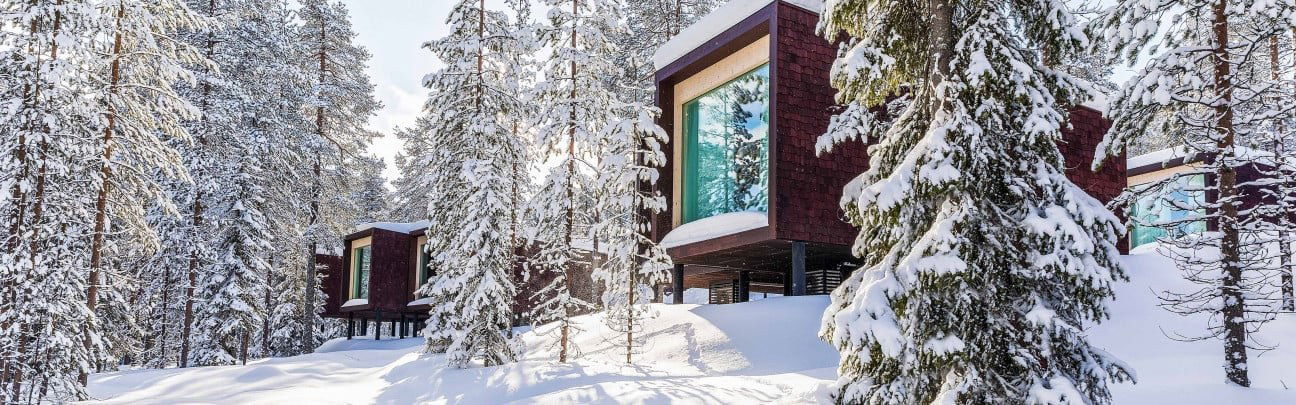
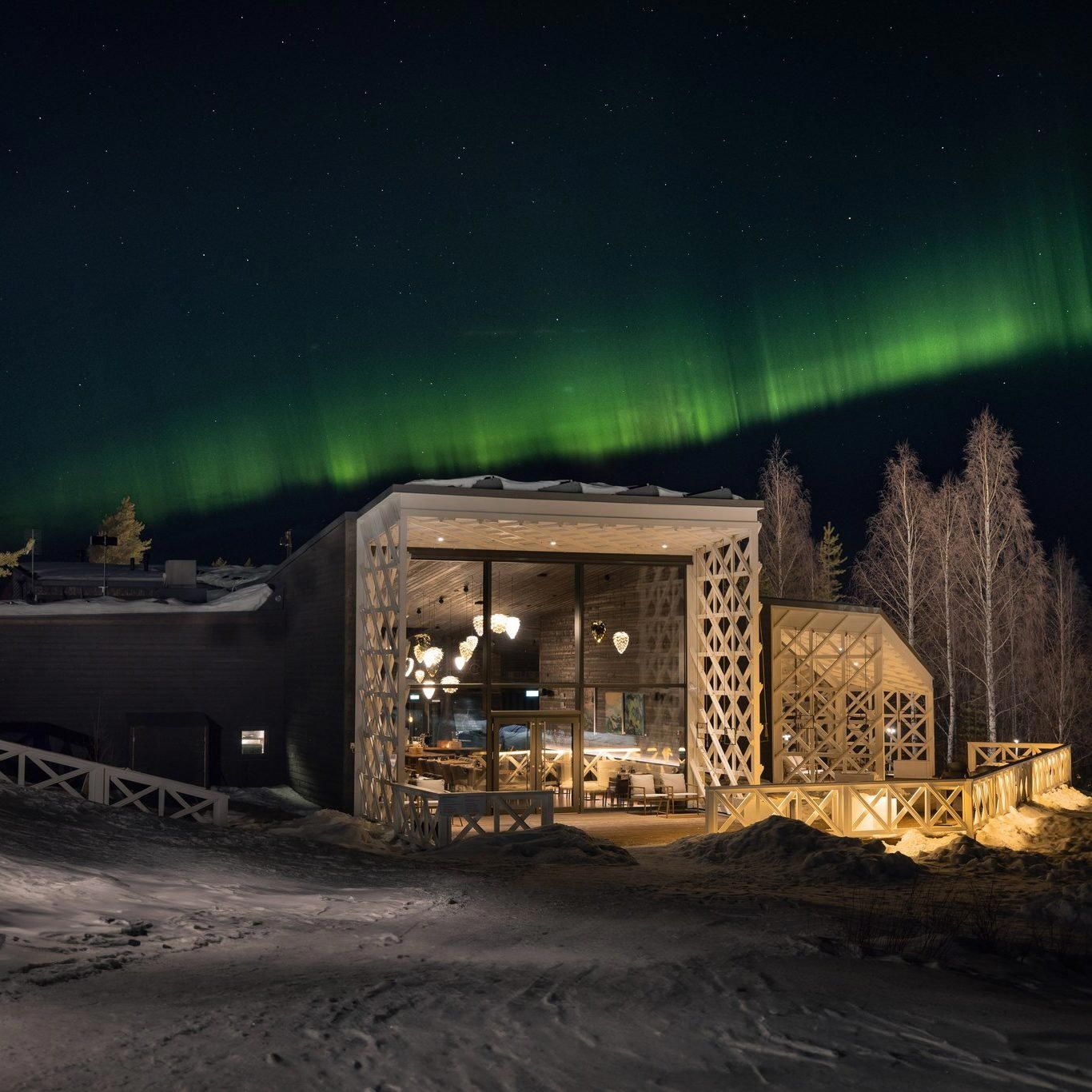
Arctic TreeHouse Hotel balances modern design with timber tactility, anchoring suites among spruce and pine so the architecture reads as part of the forest rather than an intrusion. Elevated wooden walkways and glass wall panels frame the sky and the canopy, producing a scenic, cozy atmosphere that feels both whimsical and quietly sophisticated. The property favors subtlety over spectacle: materials and orientation are the point, not gimmicks. That restrained approach yields an intimate, serene stay where nights are hushed and views—especially in winter and late autumn—become the principal amenity.
Best For
This hotel is best for travelers who want a quietly scenic escape focused on nature and design. It’s particularly well suited to romantic getaways and honeymoons—the aurora-ready glass panels and treeline setting create memorable, private moments. Weekend escapes work well too, since the property’s design rewards short stays centered on relaxation and viewing light phenomena. The location near SantaPark also supports family vacations for those wanting a nature-based base in Rovaniemi, though the emphasis here is on contemplative, design-forward experiences rather than high-energy group activity.
Stay Tips
Book a suite with the largest glass wall panels if Northern Lights viewing is a priority—winter has the best aurora conditions, while June offers midnight sun and October produces distinctive low, copper light. Consider the transition seasons called out in the description if you prefer dramatic daylight without the extremes of polar night or continuous daylight. Note that temperatures can drop toward −20°C, so pack for Arctic conditions and check logistics for your travel dates. When reserving, ask about the suites’ placement in the treeline and walkway access, as elevation and orientation determine the views more than standard room categories.
Venue details
Ambiance
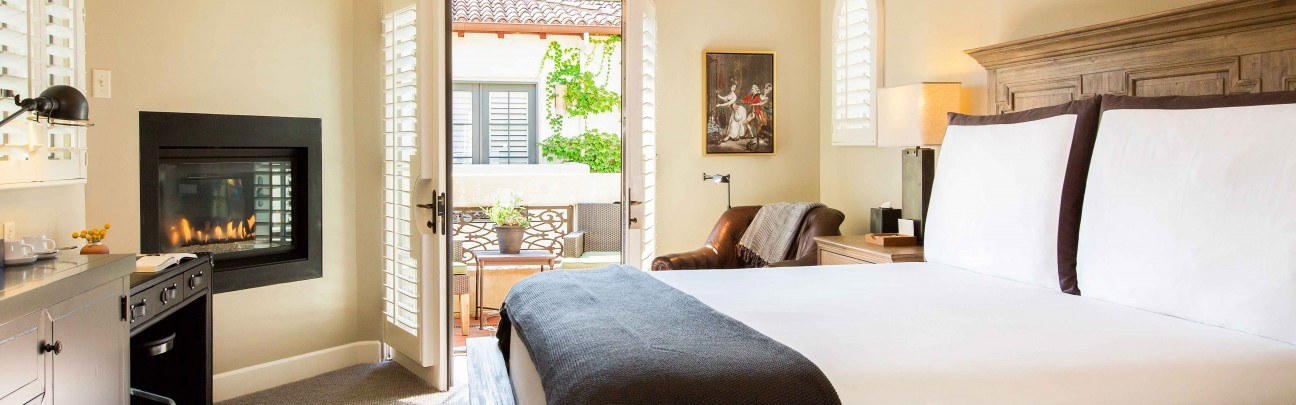
Nest-like cozy ambiance with warm natural materials, fireplaces, and soft lighting enhancing forest immersion.
Tags
Vibe
Best For
Experience
Amenities
Accessibility
About the Stay
- Rooms
- 64
- Check-in
- 16:00
- Check-out
- 11:00
- Property Type
- Design hotel
- Property Style
- Nordic Treehouse Cabins Blending Luxury with Arctic Nature
- Design Style
- Modern Scandinavian with Warm Natural Materials and Nest Like Coziness
- Breakfast
- Included
- Airport Transfer
- Available
- Spa
- Yes
- Pets
- Allowed
- Families
- Welcome
- Cancellation
- Moderate
Know before you go
Know Before You Go
- Getting there
- Tarvantie 3, 96910 Rovaniemi, Finland
Planning details
Location
Recognition and awards
Also consider
Where to look if it is not the right fit
If Arctic TreeHouse Hotel feels too occasion-focused, start with Haawe Boutique Apart Hotel for a more practical Rovaniemi base. If the aim is still Lapland atmosphere but with a different hotel feel, compare Nova Skyland Hotel next.
For a broader search, use our full Rovaniemi hotels guide, then pair the stay with our full Rovaniemi restaurants guide, our full Rovaniemi bars guide, and our full Rovaniemi experiences guide.
Hotel context
How It Compares
Arctic TreeHouse Hotel is the stronger splurge choice when ambiance is the point of the trip. Against Nova Skyland Hotel, it reads more occasion-led and design-forward; Nova Skyland is the safer cross-shop if the goal is a Lapland-style stay with a slightly more conventional hotel feel.
Haawe Boutique Apart Hotel is the better value-minded option for travelers who want independence in Rovaniemi rather than a retreat atmosphere. Skyra Retreat is the closer alternative for guests prioritizing privacy, while Arctic TreeHouse Hotel has the clearer recognition profile for travelers who want external validation before paying for a celebration stay.
For a wider Lapland trip, Lapland Hotels Snow Village is more experience-led and out-of-metro, while Design Hotel Levi makes more sense if Levi is the base. In Rovaniemi specifically, Arctic TreeHouse Hotel is the easiest recommendation for couples or special occasions; Haawe is the practical pick, and Nova Skyland is the balanced alternative.
Explore Rovaniemi
Around this place
Discover more on Pearl
Unlock the full Arctic TreeHouse Hotel guide in Pearl, including awards, comparisons, FAQs, planning details, and nearby places.
Compare Arctic TreeHouse Hotel
| Venue | Location | Awards |
|---|---|---|
| Arctic TreeHouse Hotel | Rovaniemi | 2026 Mr & Mrs Smith Luxury HotelsWorld Luxury Hotel Awards 20252025 Michelin Selected Hotels |
| Nova Skyland Hotel | Rovaniemi | No published awards |
| Haawe Boutique Apart Hotel | Rovaniemi | No published awards |
| Skyra Retreat | Rovaniemi | No published awards |
| Lapland Hotels Snow Village | Kittilä | No published awards |
| Design Hotel Levi | Levi | No published awards |
How Arctic TreeHouse Hotel Rovaniemi compares with similar nearby venues.
FAQ
Frequently Asked Questions
How does Arctic TreeHouse Hotel compare to nearby hotels?
Arctic TreeHouse Hotel is a recognized hotel in Rovaniemi. Travelers comparing it with Nova Skyland Hotel or Haawe Boutique Apart Hotel should check practical details directly with each property before booking.
Is Arctic TreeHouse Hotel family-friendly?
Family suitability depends on room setup, services, and policies. If you are traveling with children, confirm those details directly with Arctic TreeHouse Hotel before booking.
When is the best time to book Arctic TreeHouse Hotel?
The best booking time depends on your travel dates and availability. Arctic TreeHouse Hotel is in Rovaniemi, so confirm current rates, policies, and availability directly before planning around a stay.
Is Arctic TreeHouse Hotel good for business travel?
Do loyalty programs work at Arctic TreeHouse Hotel?
For loyalty-program participation, check directly with the hotel. Recognition includes MICHELIN Guide Hotels Selected 2025, World Luxury Hotel Awards 2025 WLHA Regional Winner, and the Mr & Mrs Smith Seal of Approval for 2026.