

The First Roma Dolce
Campo Marzio, Rome
Hotel in Rome, Italy
 Book with Pearl
The Read
23-Room Centro Storico Precision
Price
$300–500per night
Why go
Choose The First Roma Dolce if the Rome trip needs a polished central base with luxury-hotel recognition and minimal friction. It is strongest for business travelers, couples, and return visitors who care more about location and a composed boutique feel than resort-style facilities or a large hotel scene.
About The First Roma Dolce
The First Roma Dolce is a hotel in Rome. Its dress code is smart casual, and its recognition includes Preferred Hotels L.V.X. Collection in 2025 and Virtuoso Luxury Hotel Partner in 2026.
A Rome hotel profile with limited details
The clearest points are the Rome location, the smart-casual dress code, and the hotel's Preferred Hotels L.V.X. Collection and Virtuoso Luxury Hotel Partner recognition. Those facts may be useful for travelers who prefer properties connected to established hotel programs.
For planning purposes, avoid building the stay around assumptions. If workspace, breakfast, spa access, family arrangements, accessibility, transfers, or specific restaurant bookings matter, those details should be checked directly with the hotel or a travel advisor before committing.
In short, The First Roma Dolce can be considered as part of a Rome hotel shortlist, but the available information supports only a restrained recommendation: it is a Rome property with smart-casual expectations and confirmed hotel-program recognition.
Who should choose it, and who should cross-shop
Consider The First Roma Dolce if the confirmed recognition matters to the trip. The Preferred Hotels L.V.X. Collection and Virtuoso Luxury Hotel Partner positioning are the strongest signals available here, especially for travelers booking through hotel-program channels.
Cross-shop if the decision depends on details not covered in this profile, such as room size, family setup, wellness facilities, dining, meeting support, or a particular service style. In those cases, compare current information directly before booking rather than relying on assumptions.
For broader trip planning, use Our full Rome hotels guide alongside Our full Rome restaurants guide, Our full Rome bars guide, Our full Rome wineries guide, and Our full Rome experiences guide. If you are comparing different styles of stay current confirmed details for options such as Bulgari Hotel Roma, Casa Fabbrini Boutique B & B, Elizabeth Unique Hotel, San Carlo Suite, The Goethe Hotel, and The First Roma Dolce.
Planning details
- Location
- Via del Corso, 63, 00187 Roma RM
- Website
- pavilionshotels.com/destinations/italy/thefirstdolce
- Phone
- +39 06 4542 7861
The take
The Take
The Vibe
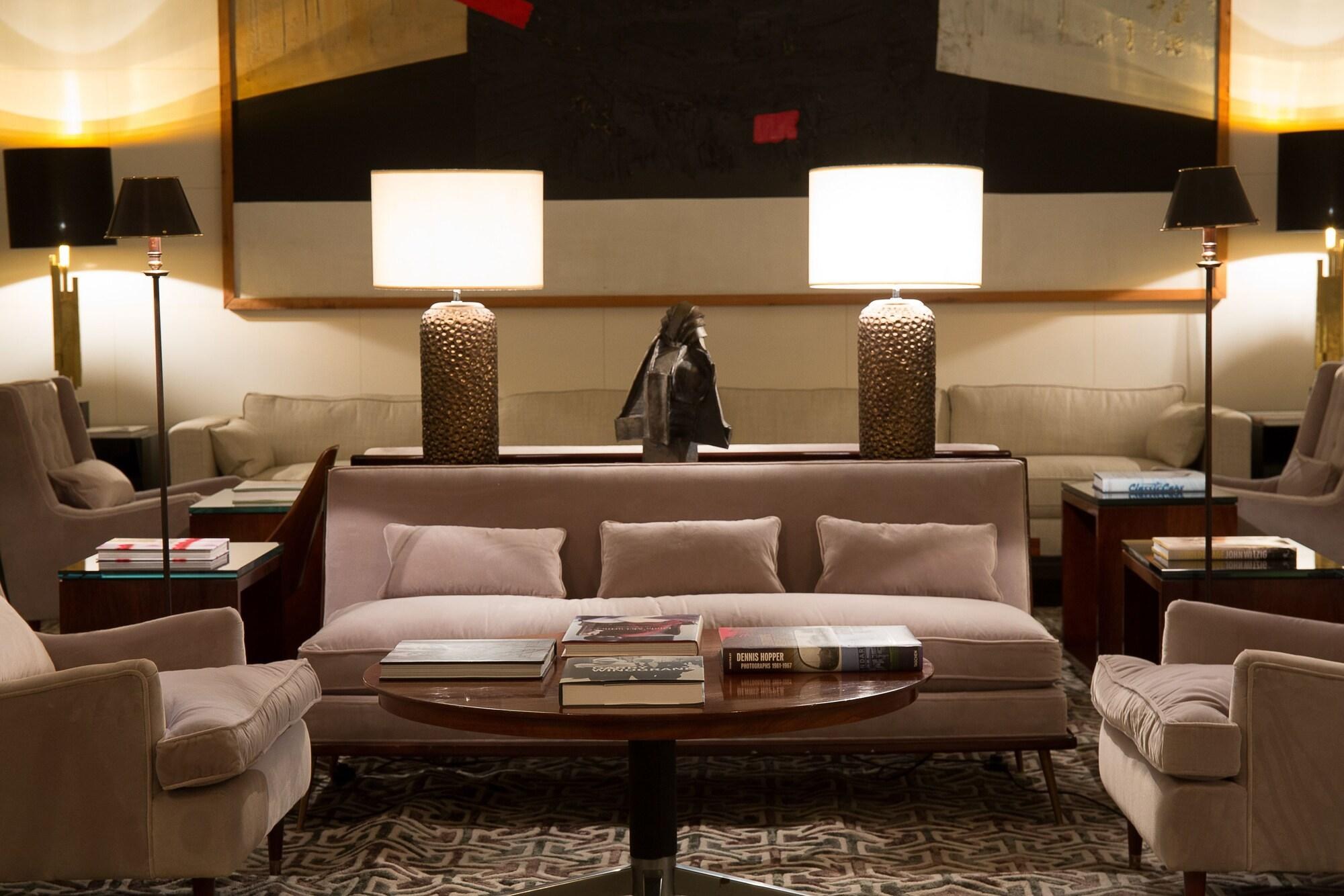
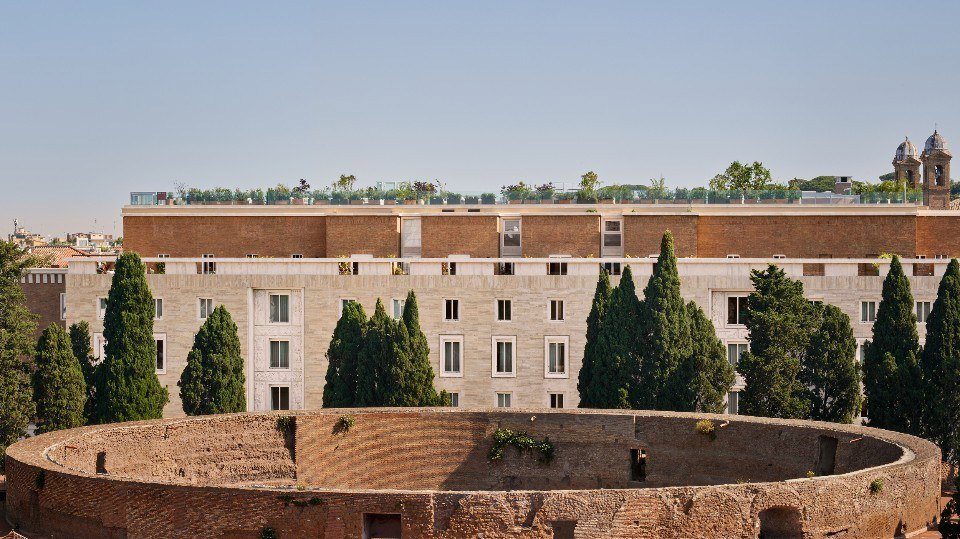
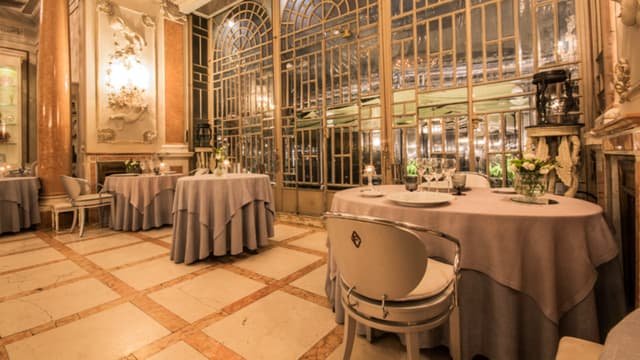
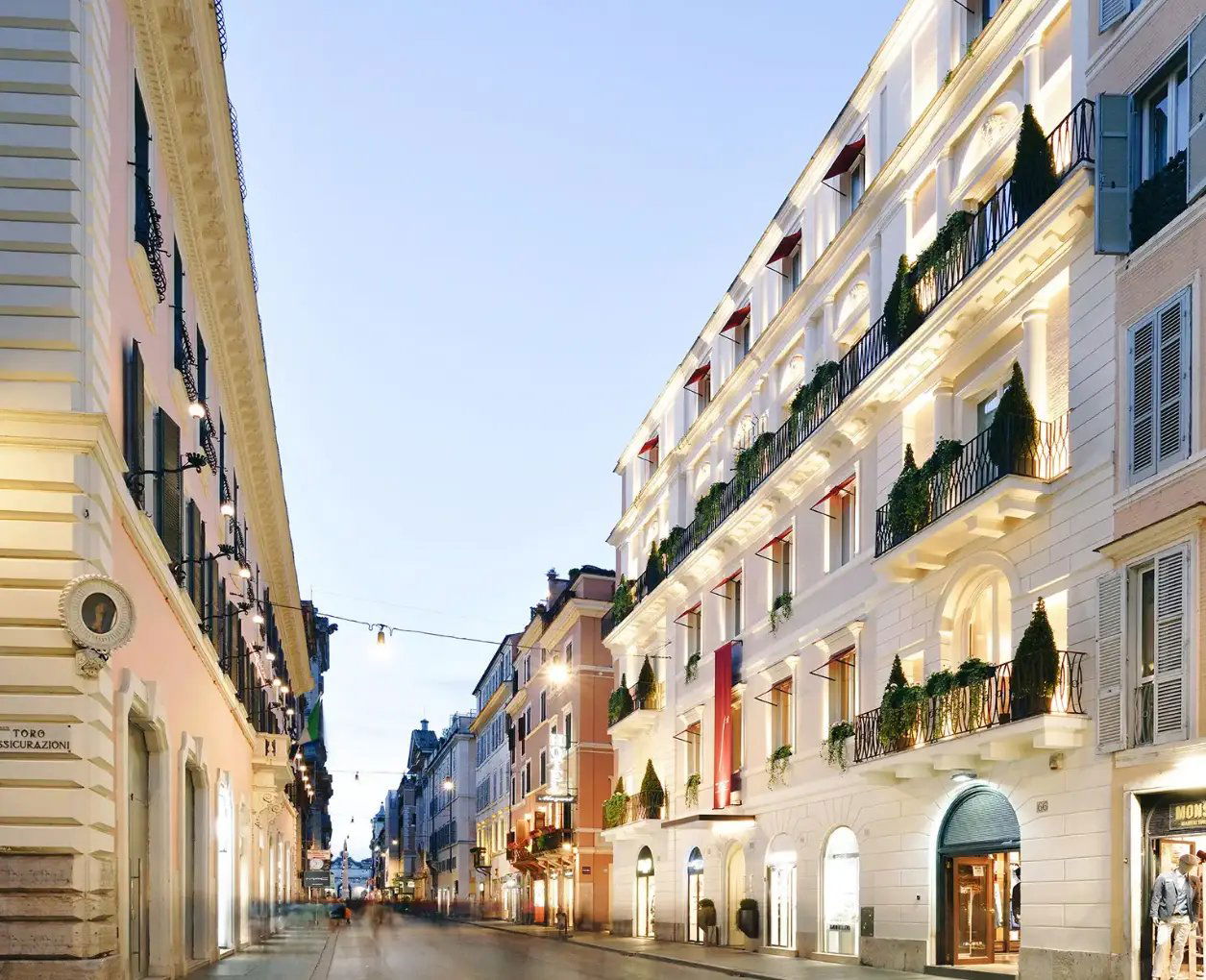
The First Roma Dolce foregrounds architecture and understated luxury. Housed in a restored 19th‑century palazzo by Giuseppe Valadier, the hotel leans into measured classicism that feels rooted in the city rather than competitive with it. With just 23 rooms the property reads like a private residence: intimate public spaces and personalised service replace high‑volume amenity programming. The tone is calm and deliberate, a quiet, context‑driven version of Roman five‑star hospitality where the building’s heritage and proportion are the principal statement.
Best For
This is a pick for travelers who prize architecture and a low‑key, tightly curated hotel experience. The small key count and emphasis on personalised contact suit couples seeking an intimate stay and travellers who prefer a quieter alternative to large international flagships. Its address on Via del Corso puts museums, shopping and central Rome within easy walking distance, so guests who want to be in the city’s circulation without staying in a sprawling property find it especially convenient.
Stay Tips
Keep the hotel’s small size in mind when planning: with only 23 rooms the property operates with limited inventory compared with larger flagships. Expect a quieter, more residence‑like stay rather than a full complement of hotel programming; the listing suggests more personalised service and fewer ambient hotel activities. If you prefer boutique intimacy and a central Via del Corso location, book well in advance and be prepared to trade extensive on‑site amenities for architectural character and attentive staff.
Venue details
Ambiance
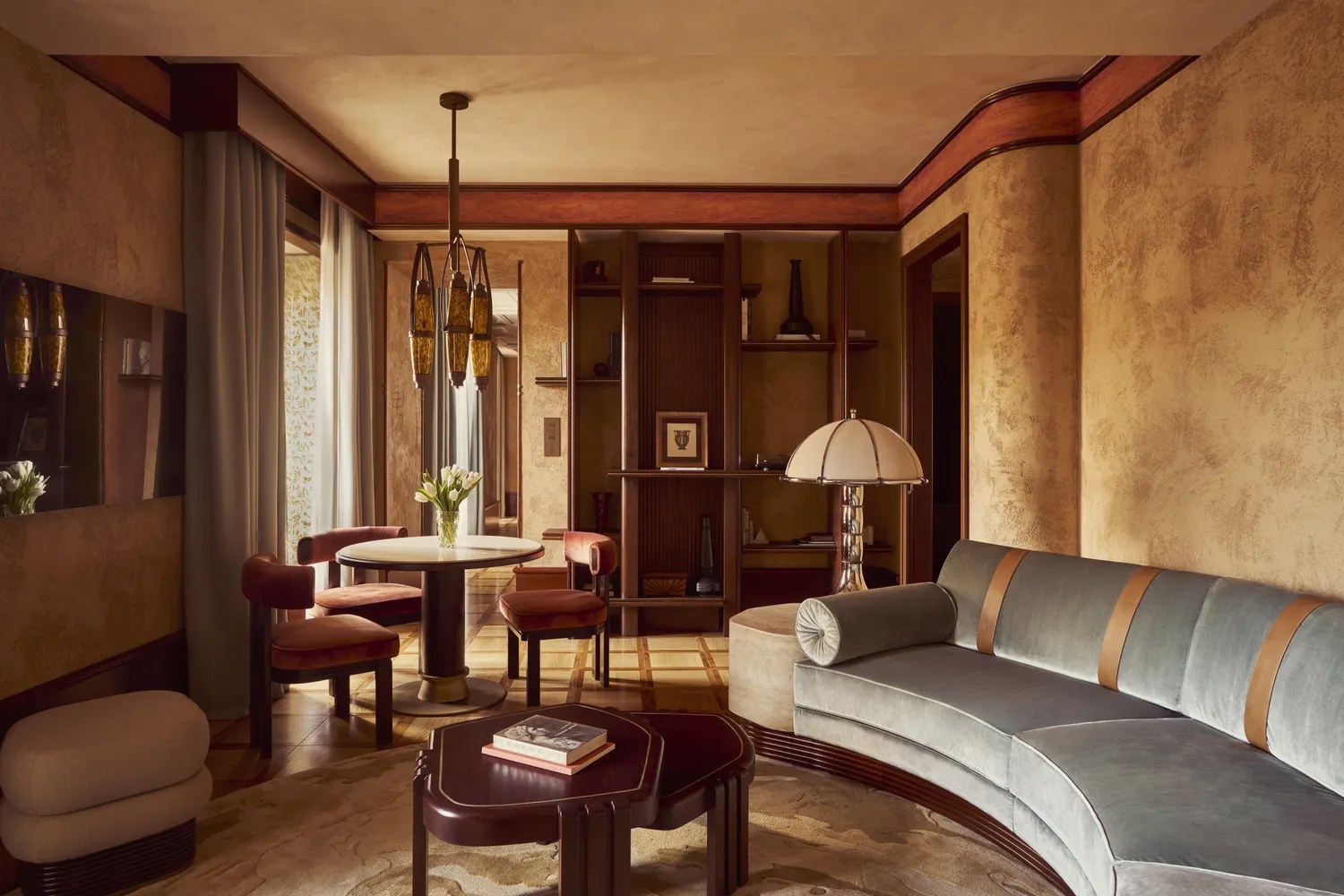
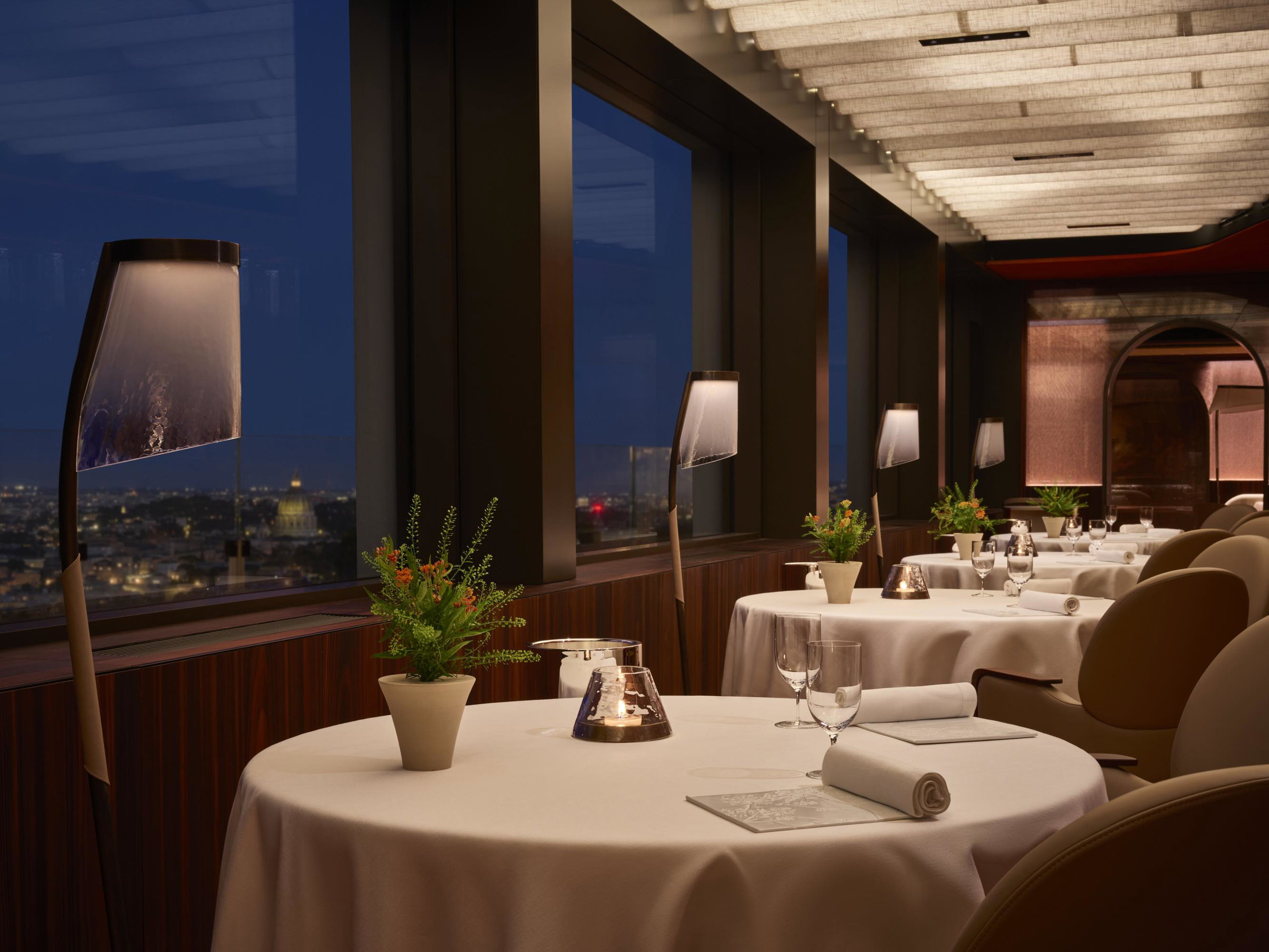
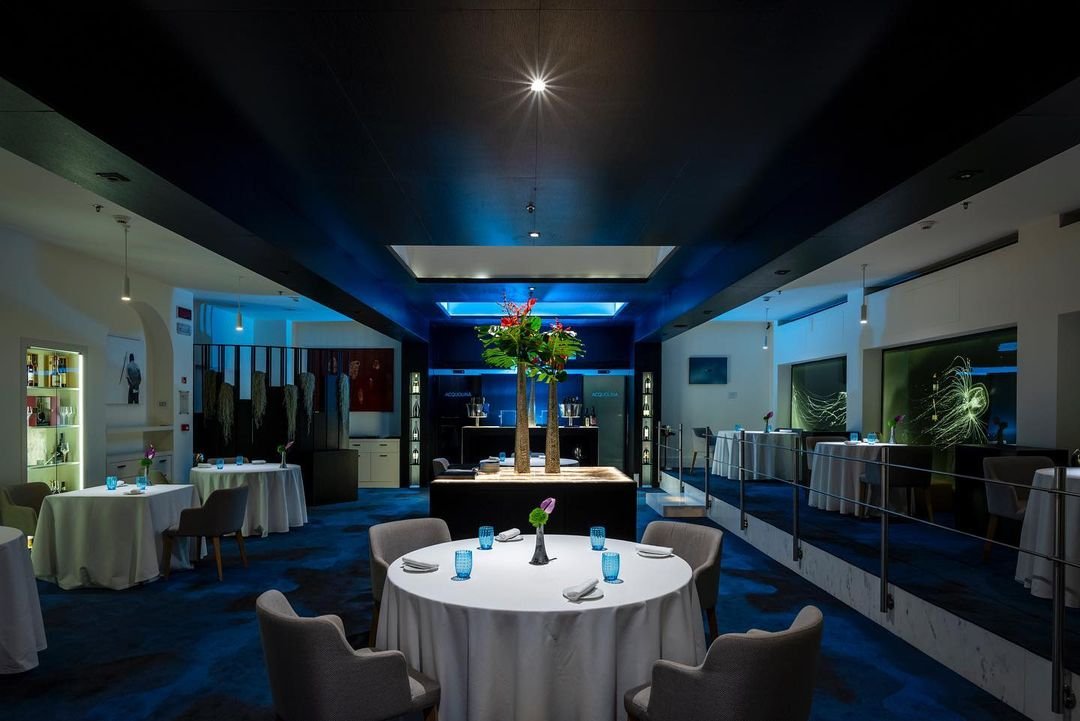
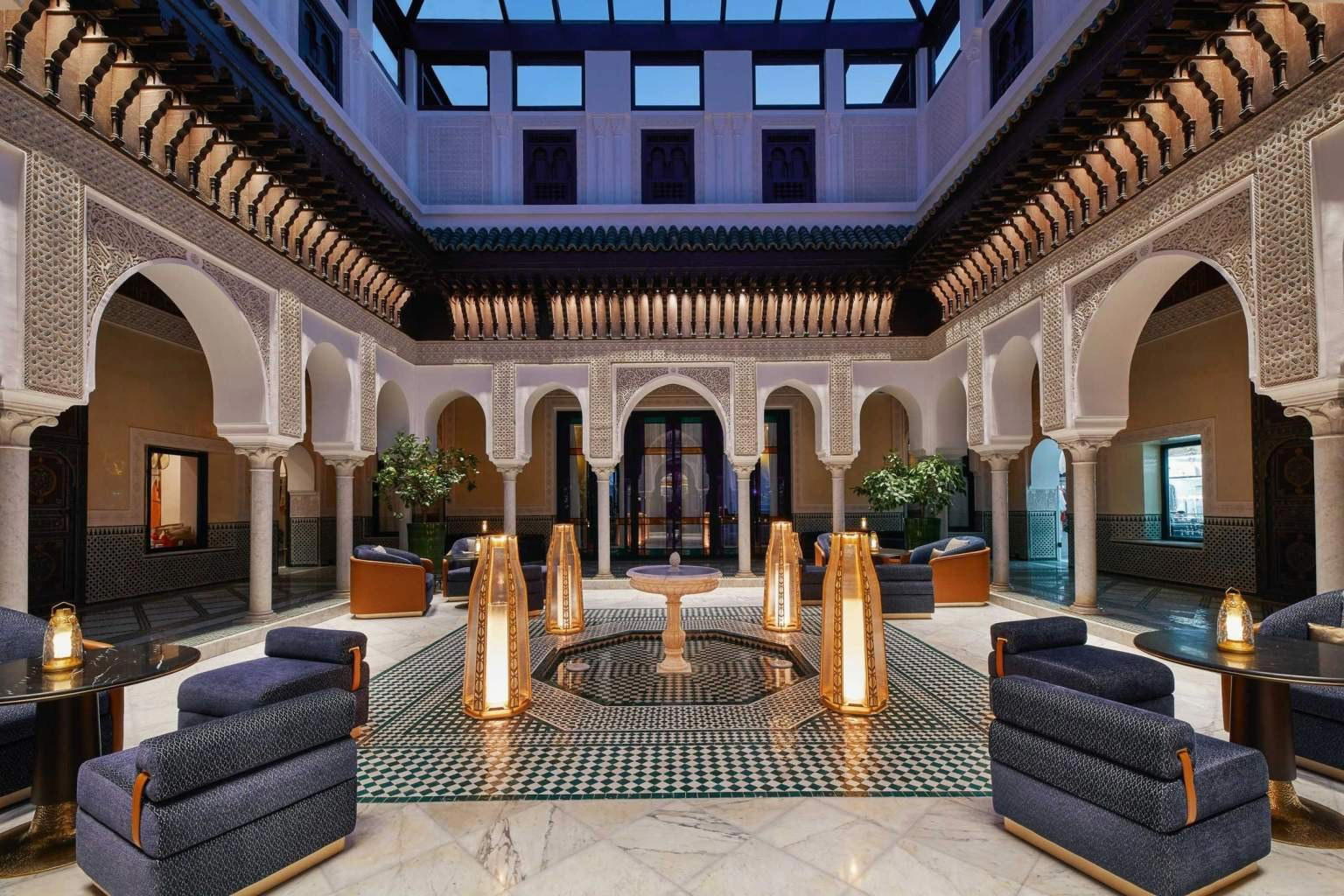
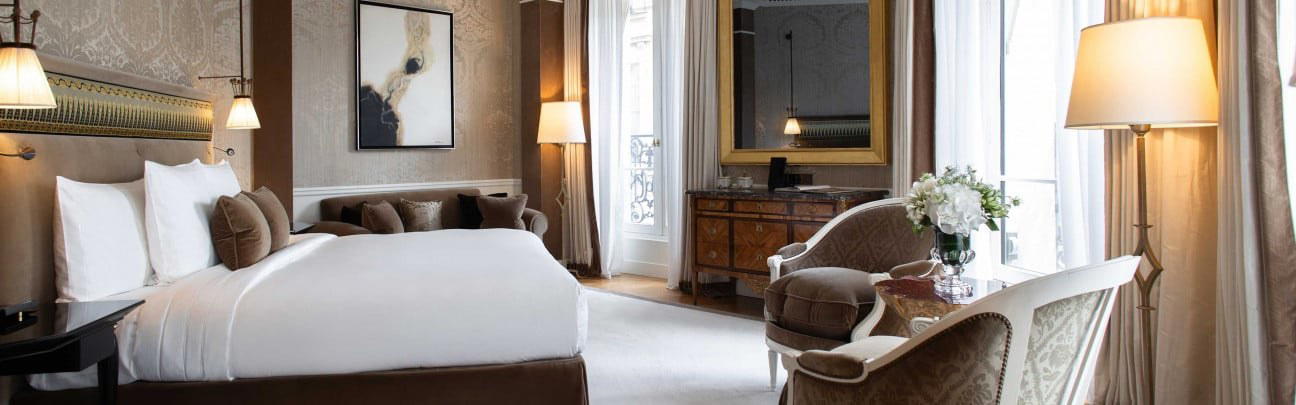
Elegant contemporary decor with refined residential atmosphere, soundproof rooms, and luxurious marble bathrooms.
Tags
Vibe
Best For
Experience
Amenities
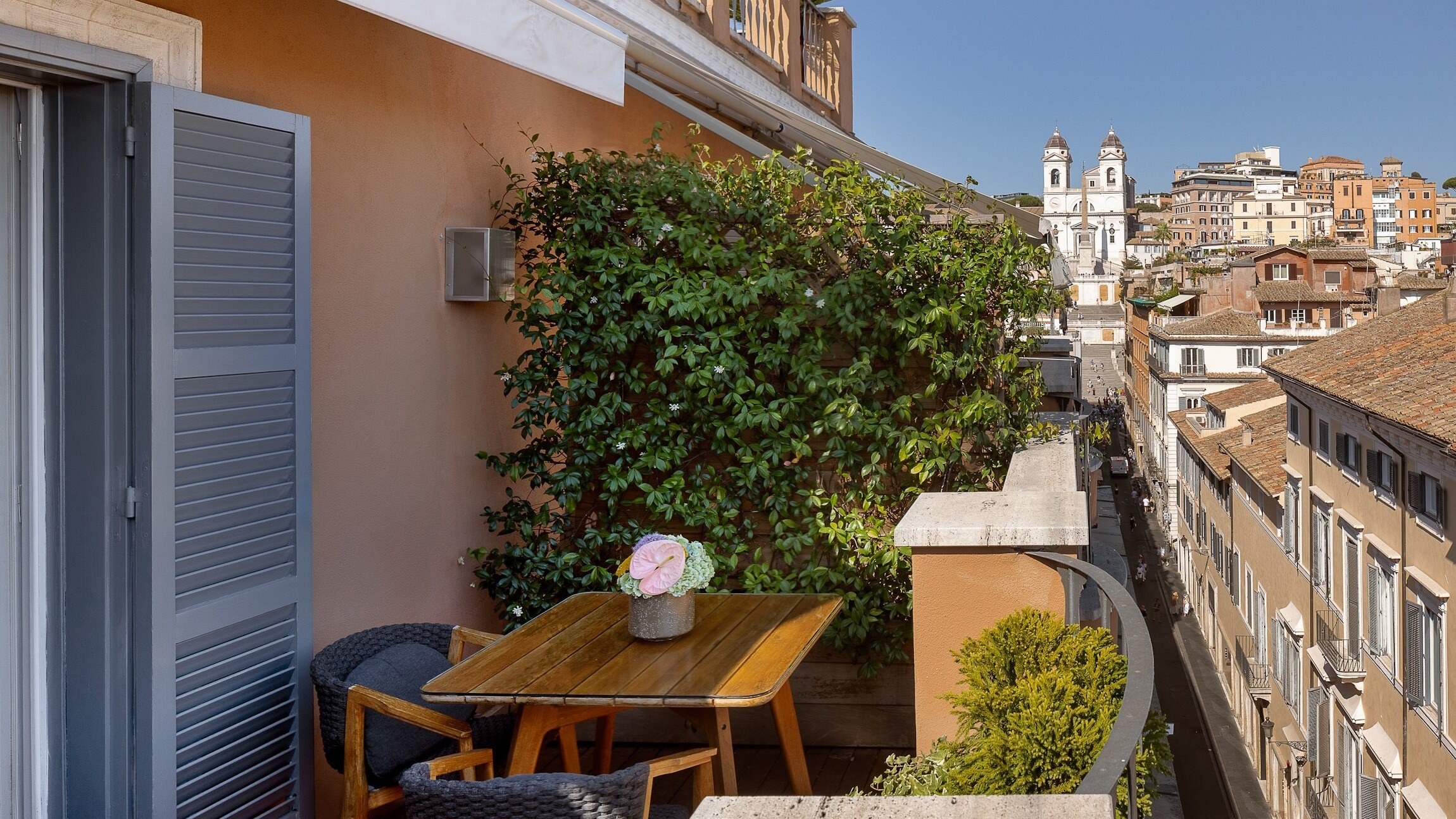
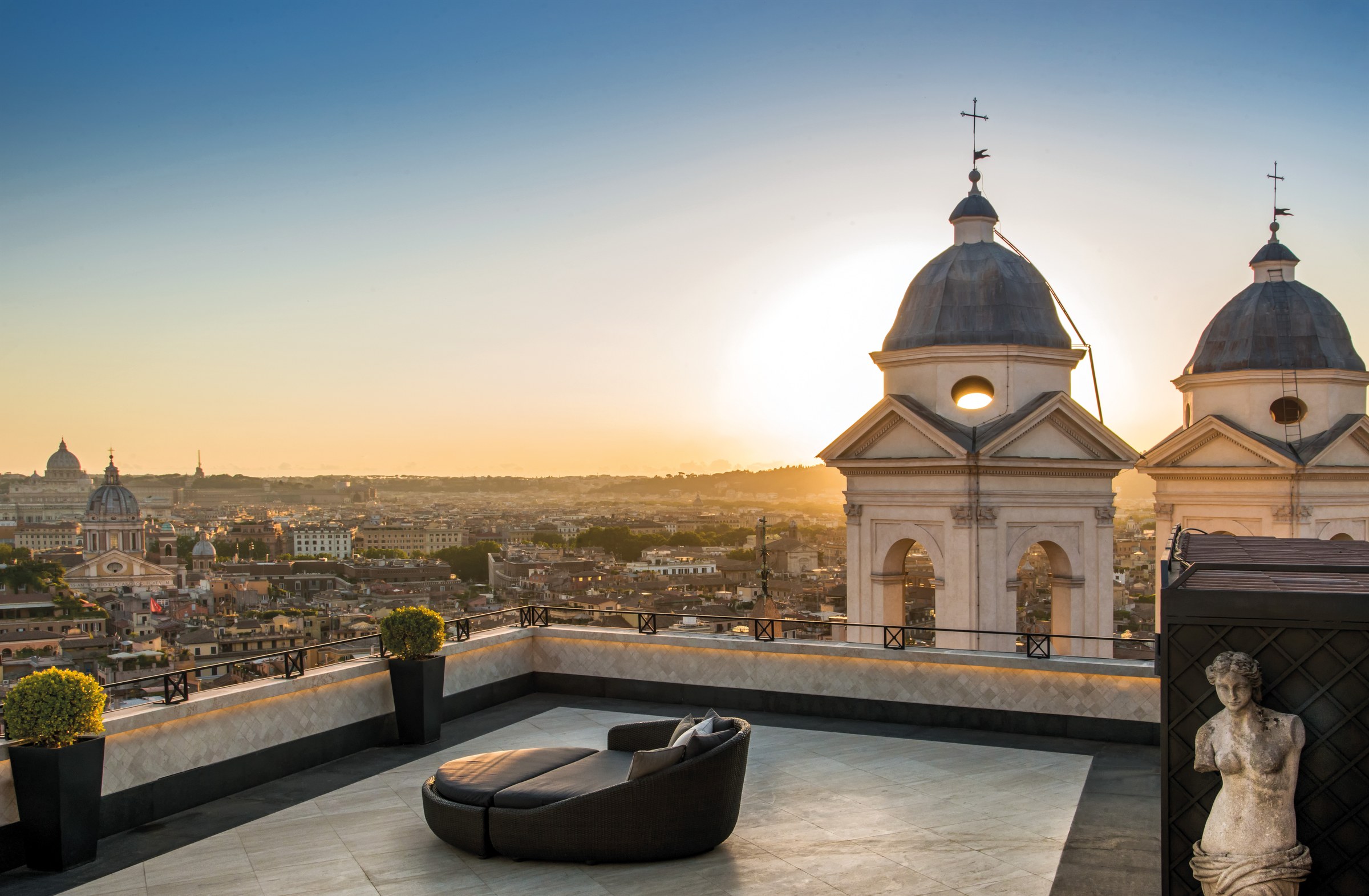
View
Accessibility
About the Stay
- Rooms
- 23
- Check-in
- 15:00
- Check-out
- 12:00
- Property Type
- Boutique hotel
- Property Style
- 19th Century Private Home with Bespoke 5 Star Service
- Design Style
- Contemporary with Saint Laurent Marble Bathrooms and Studio Marincola Interiors
- Airport Transfer
- Available
- Pets
- Allowed
- Families
- Welcome
- Cancellation
- Moderate
Know before you go
Know Before You Go
- Getting there
- Via del Corso, 63, 00187 Roma RM
Planning details
Location
Via del Corso, 63, 00187 Roma RM · Directions
Recognition and awards

Also consider
Also Consider
- Elizabeth Unique Hotel, Notable alternative
- Casa Fabbrini Boutique B & B, Notable alternative
- Bulgari Hotel Roma, Notable alternative
- The Goethe Hotel, Notable alternative
- San Carlo Suite, Notable alternative
Hotel context
How it compares in Rome
Against Elizabeth Unique Hotel and The Goethe Hotel, The First Roma Dolce is the cleaner choice for a business-led stay if the priority is a polished central base with recognized luxury-hotel positioning. Elizabeth Unique Hotel is the more obvious cross-shop for travelers who want a smaller art-forward mood, while The Goethe Hotel is worth checking when the brief is similar but availability or rate makes the decision.
Bulgari Hotel Roma is the splurge comparison: choose it when brand gravity, larger luxury-hotel energy, and a more statement-making stay matter more than discretion. The First Roma Dolce is better for travelers who want luxury without making the hotel the whole point of the trip. Casa Fabbrini Boutique B & B sits at the opposite end of the decision: better for a softer, more intimate stay, less obvious for a work trip where hotel-service consistency matters.
San Carlo Suite is the practical fallback if location and simplicity matter more than luxury credentials. For value, compare live rates rather than assuming the bigger brand wins. For booking difficulty, The First Roma Dolce should be easier to plan around than Rome's most in-demand trophy hotels, but Bulgari Hotel Roma is the one to prioritize early if the trip needs that specific level of statement luxury.
Around this place
Discover more on Pearl
Unlock the full The First Roma Dolce guide in Pearl, including awards, comparisons, FAQs, planning details, and nearby places.
Compare The First Roma Dolce
| Venue | Location | Awards |
|---|---|---|
| The First Roma Dolce | Rome | 2026 Virtuoso Luxury Hotel CollectionPreferred Hotels L.V.X. Collection 2025 |
| Elizabeth Unique Hotel | Rome | No published awards |
| Casa Fabbrini Boutique B & B | Rome | No published awards |
| Bulgari Hotel Roma | Rome | 2026 World’s 50 Best Hotels 1-50 · #32100 Most Incredible Hotels in the World · 20262026 Virtuoso Luxury Hotel Collection2026 Forbes 4-Star2026 Michelin 3 Keys2025 World’s 50 Best Hotels · #222025 Michelin 3 Keys2024 Michelin 1 Key |
| The Goethe Hotel | Rome | Small Luxury Hotels Member 2025 |
| San Carlo Suite | Rome | No published awards |








How The First Roma Dolce Rome compares with similar nearby venues.
FAQ
Frequently Asked Questions
Is The First Roma Dolce good for business travel?
It is a hotel in Rome with smart-casual dress code guidance, Preferred Hotels L.V.X. Collection recognition in 2025, and Virtuoso Luxury Hotel Partner recognition in 2026. If business facilities are important, confirm them directly before booking. Bulgari Hotel Roma is another option to review.
Is The First Roma Dolce family-friendly?
Family-specific amenities and room arrangements are not covered here. The safest approach is to ask the hotel directly about room categories, occupancy, and any family needs before booking. San Carlo Suite and Bulgari Hotel Roma can also be compared on their current confirmed details.
What is check-in like at The First Roma Dolce?
The confirmed facts are that The First Roma Dolce is in Rome, has a smart-casual dress code, and has Preferred Hotels L.V.X. Collection and Virtuoso Luxury Hotel Partner recognition. If arrival timing or arrival service matters, confirm directly with the hotel. Elizabeth Unique Hotel is another option to compare.
How does The First Roma Dolce compare to other hotels?
The basis for comparison is limited to Rome location, smart-casual dress code, and confirmed hotel-program recognition. Elizabeth Unique Hotel, The Goethe Hotel, Bulgari Hotel Roma, Casa Fabbrini Boutique B & B, and San Carlo Suite can be reviewed as other options, but compare current details directly before deciding.
Which room category is best at The First Roma Dolce?
Room categories and room features are not covered here, so there is no confirmed best category to recommend. Choose based on the hotel's current room information and your space, occupancy, and budget needs. Bulgari Hotel Roma can also be compared on current confirmed details.