


Hotel de Russie, a Rocco Forte Hotel
Campo Marzio, Rome
Hotel in Rome, Italy
 Book with Pearl
Why go
Book Hotel de Russie if this is a first Rome trip where location, calm, luxury-hotel polish matter more than chasing value. Forbes 5-Star and Virtuoso recognition make it a safer splurge than many boutique alternatives, while Star Wine List recognition adds confidence for wine-minded guests.
About Hotel de Russie, a Rocco Forte Hotel
Hotel de Russie, a Rocco Forte Hotel is a luxury hotel in Rome with a smart casual dress code, Forbes 5-Star recognition for 2026, Star Wine List recognition for 2026, Virtuoso Luxury Hotel Partner recognition for 2026. Those credentials make it a credible high-end option.
If those recognized luxury credentials matter to you, Hotel de Russie, a Rocco Forte Hotel belongs on the shortlist. If you need details about room categories, dining format, exact facilities, or trip-specific logistics, confirm those directly before booking.
Consider it within Rome
The hotel is in Rome, placing it in the citywide luxury-hotel conversation.
Travelers comparing Rome options can reasonably cross-shop Hotel de Russie, a Rocco Forte Hotel with Babuino 181, Margutta 19, ROMEO Roma, Rocco Forte Hotel de Russie, The First Arte, Rome. The right choice depends on the details that matter most to your trip, including room needs, budget, design preference, available services.
Book for recognition and confirm the finer points
A strong reason to consider Hotel de Russie, a Rocco Forte Hotel is its recognition profile: Forbes 5-Star 2026, Star Wine List 2026, Virtuoso Luxury Hotel Partner 2026. Those signals support its standing as a premium Rome hotel, while the smart casual dress code suggests a polished setting.
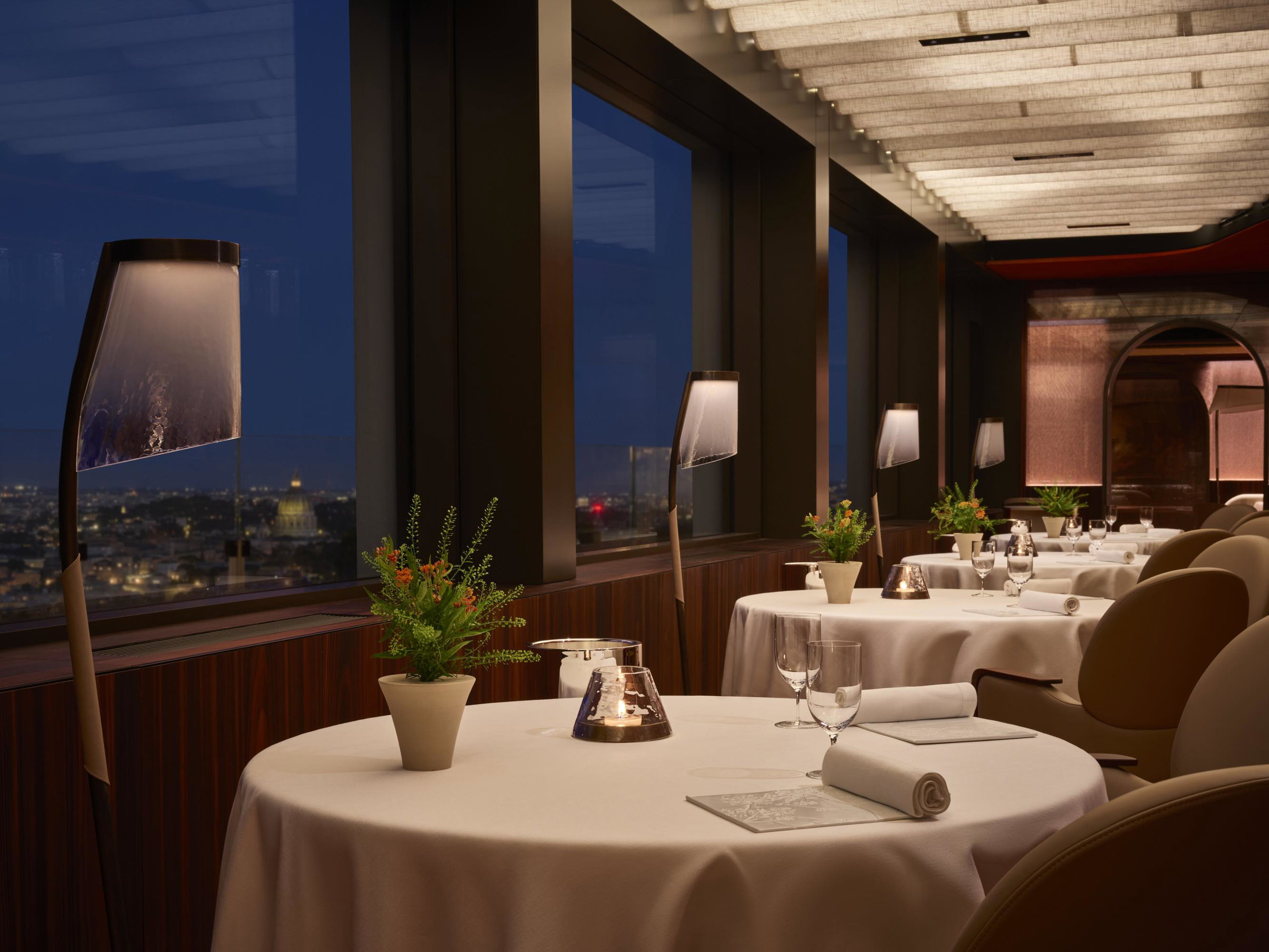
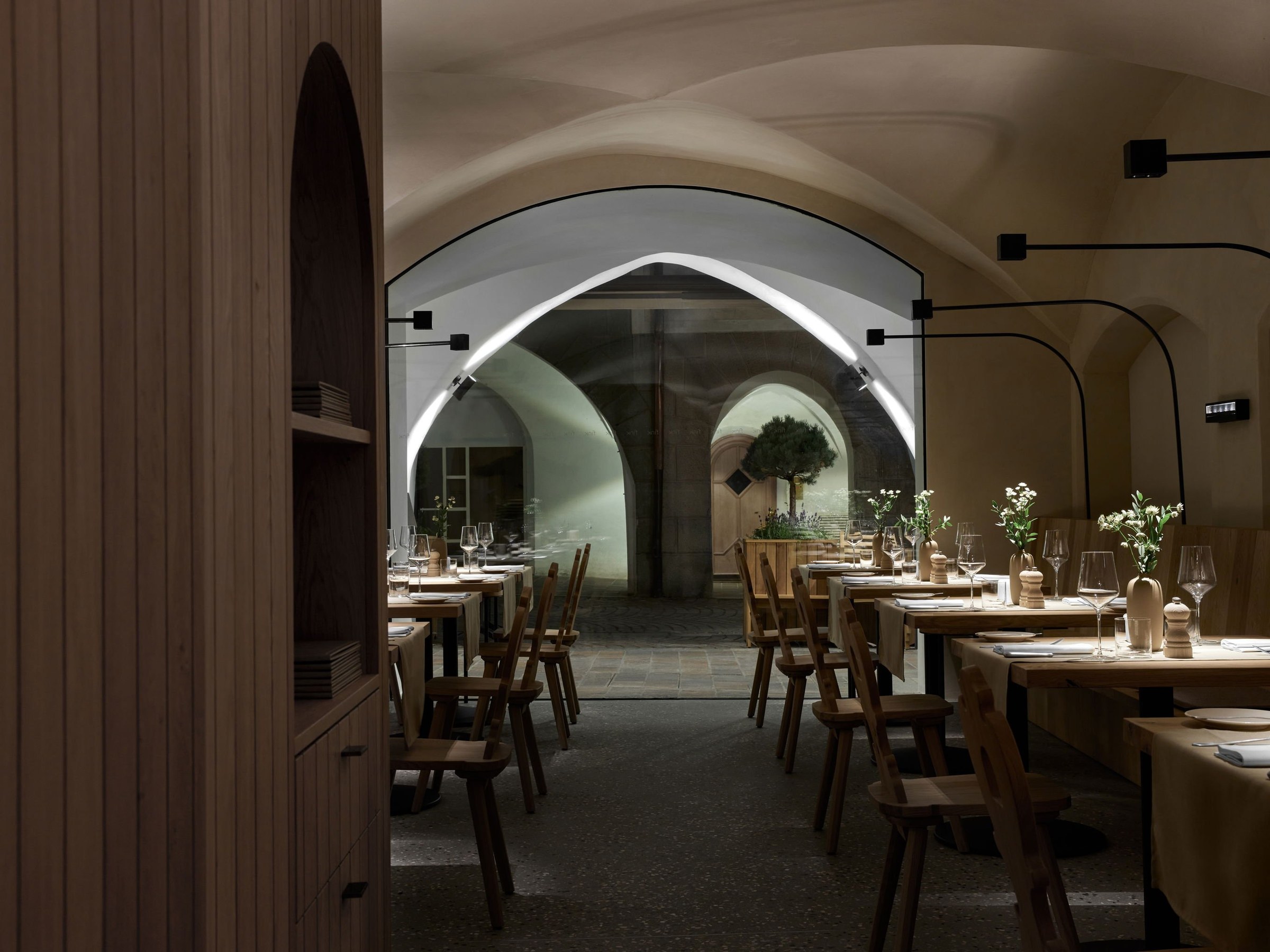
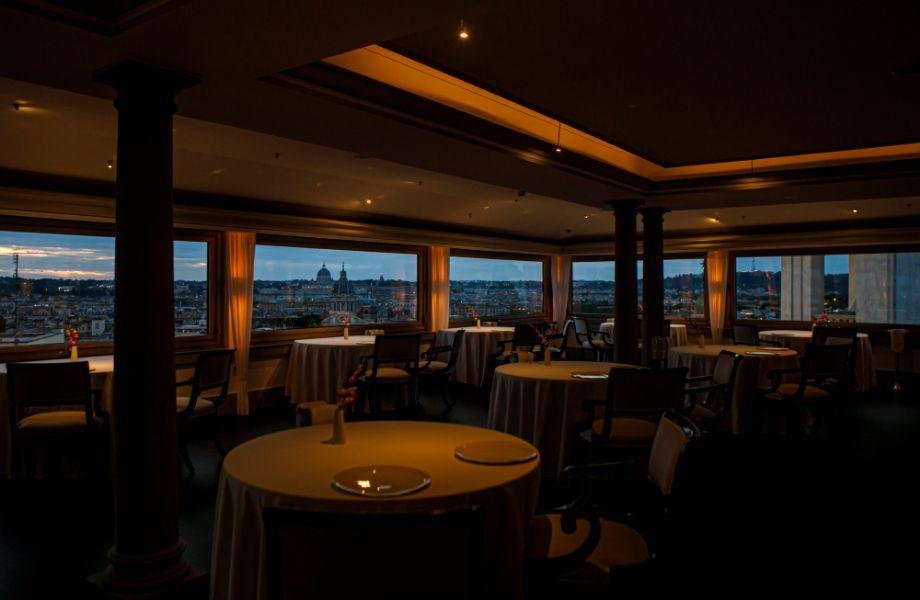
For food-led planning, note its Star Wine List recognition and check current cuisine, chef, menu format, restaurant pricing, service details directly. Pair the hotel decision with Our full Rome restaurants guide for a broader view of the city’s dining options.
The booking call: consider it if you want a recognized luxury hotel in Rome and are comfortable confirming the finer points directly. Cross-shop if you need more certainty on value, room type, amenities, or style before committing. For the wider market, Our full Rome hotels guide is the better starting point before locking in the splurge.
Part of
Rocco Forte Hotels25 locations on PearlInside Hotel de Russie, a Rocco Forte Hotel
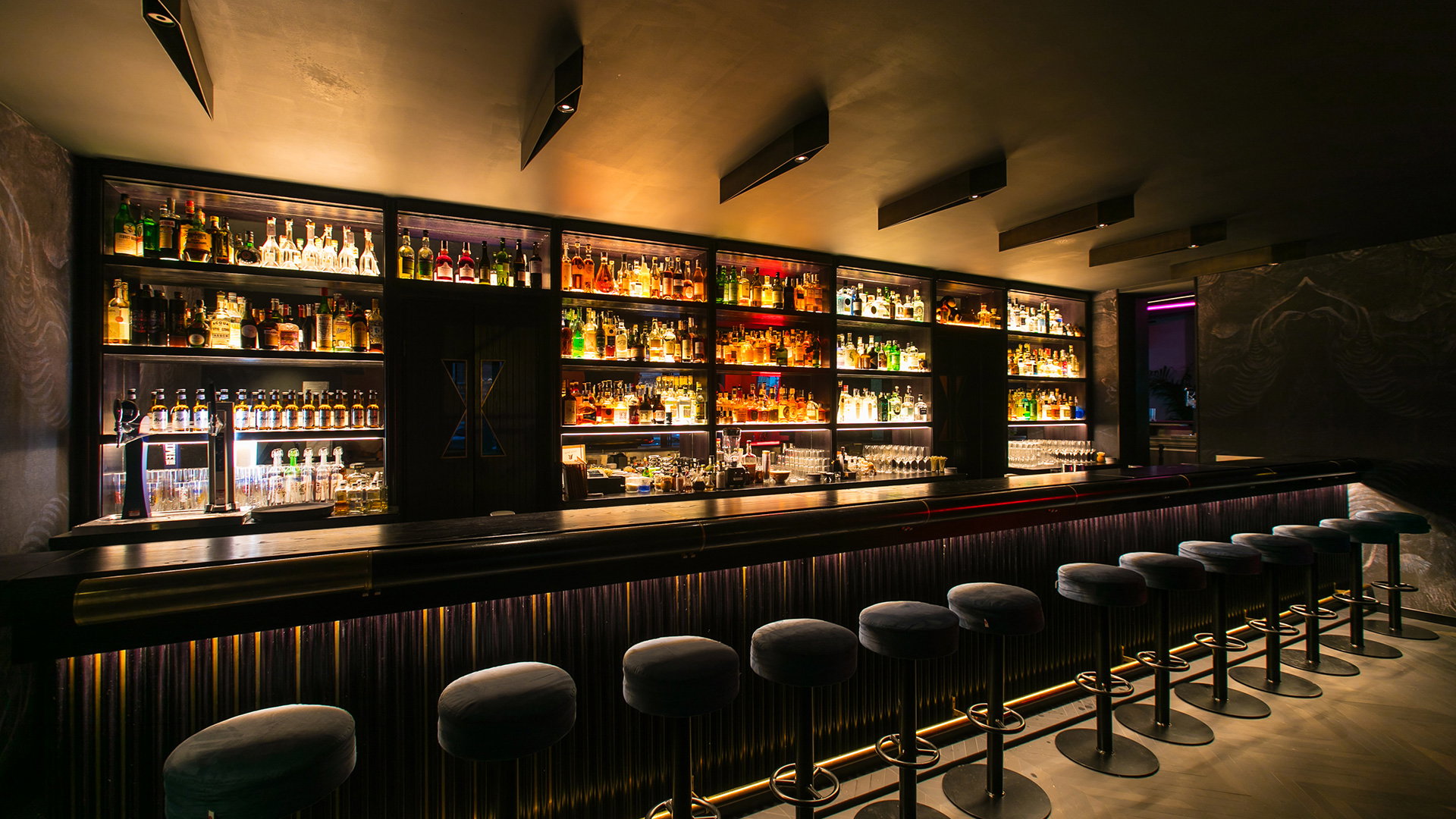
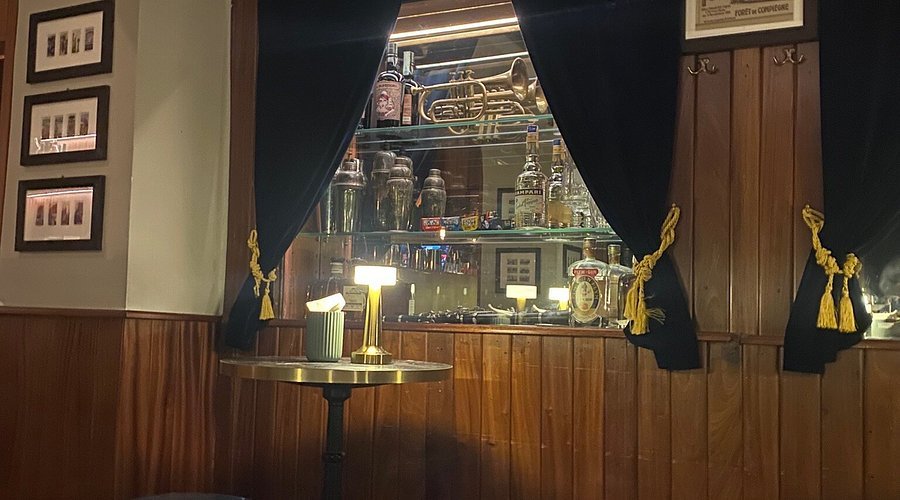
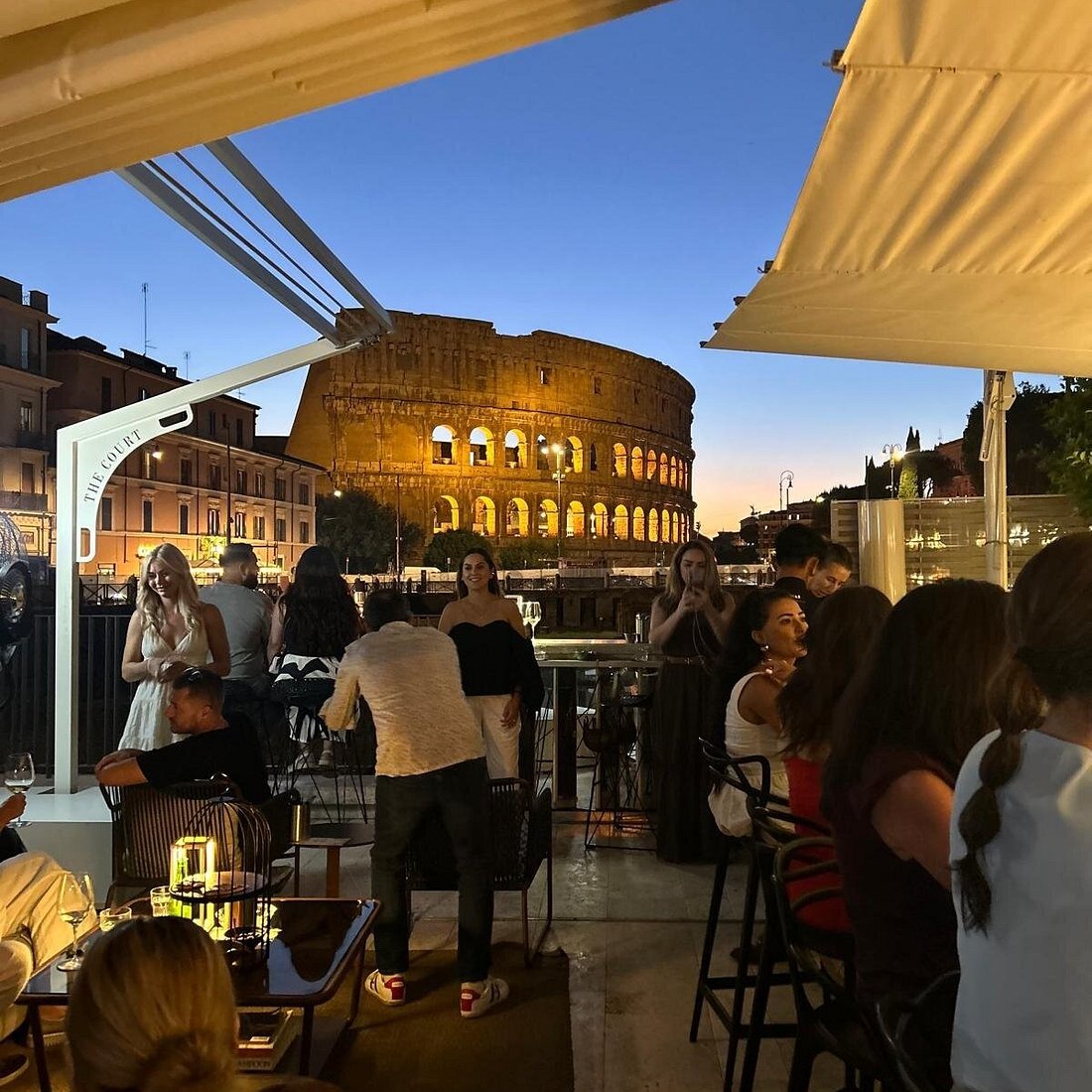
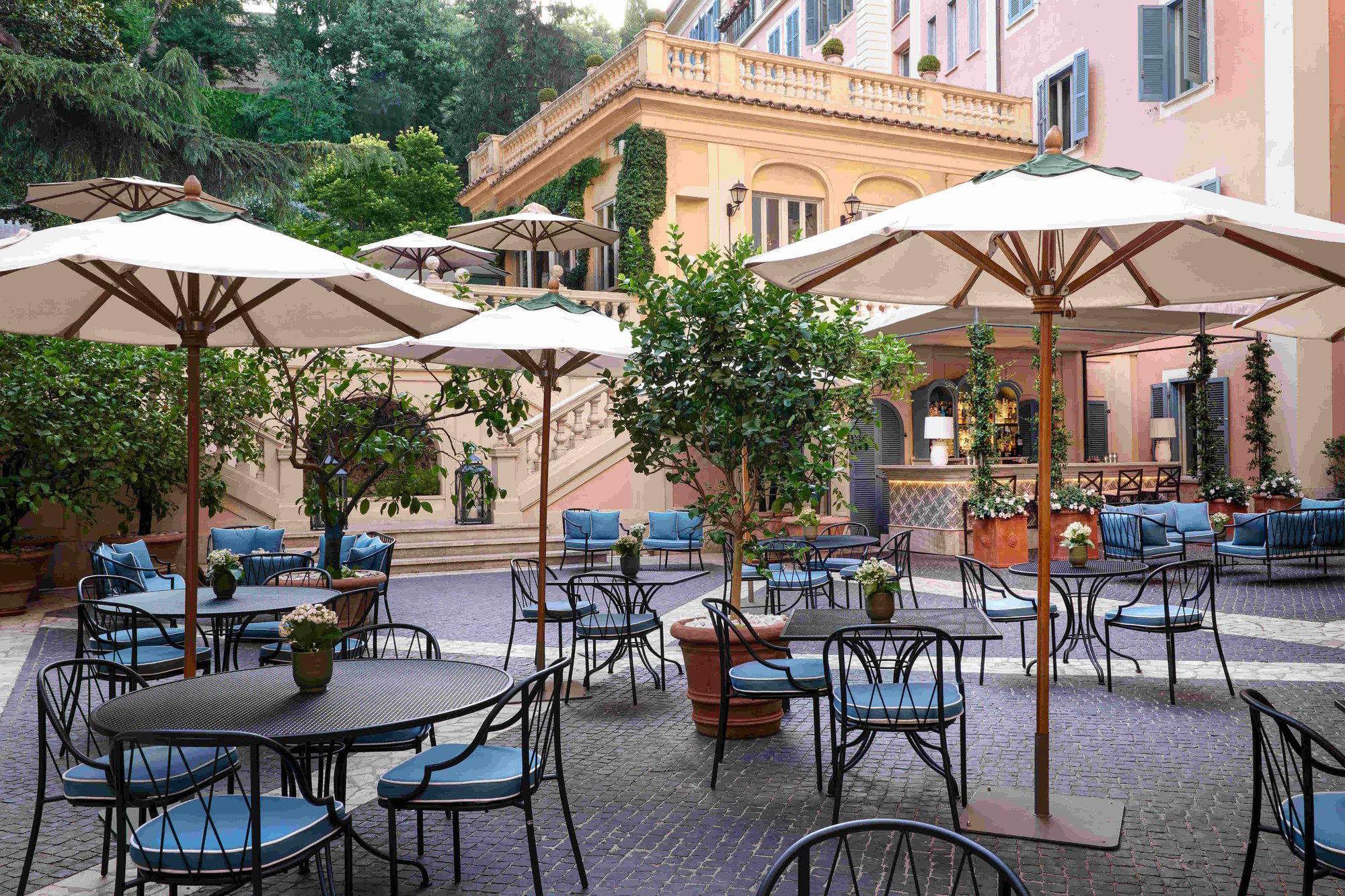 barStravinskij BarInside the Hotel de Russie on Via del Babuino, Stravinskij Bar occupies one of Rome's most recognisable hotel garden terraces. Ranked #94 in the Top 500 Bars (2025), it draws a consistent local and international crowd to the northern edge of the Spanish Steps quarter. The bar operates at the intersection of old-world hotel tradition and contemporary cocktail standards.
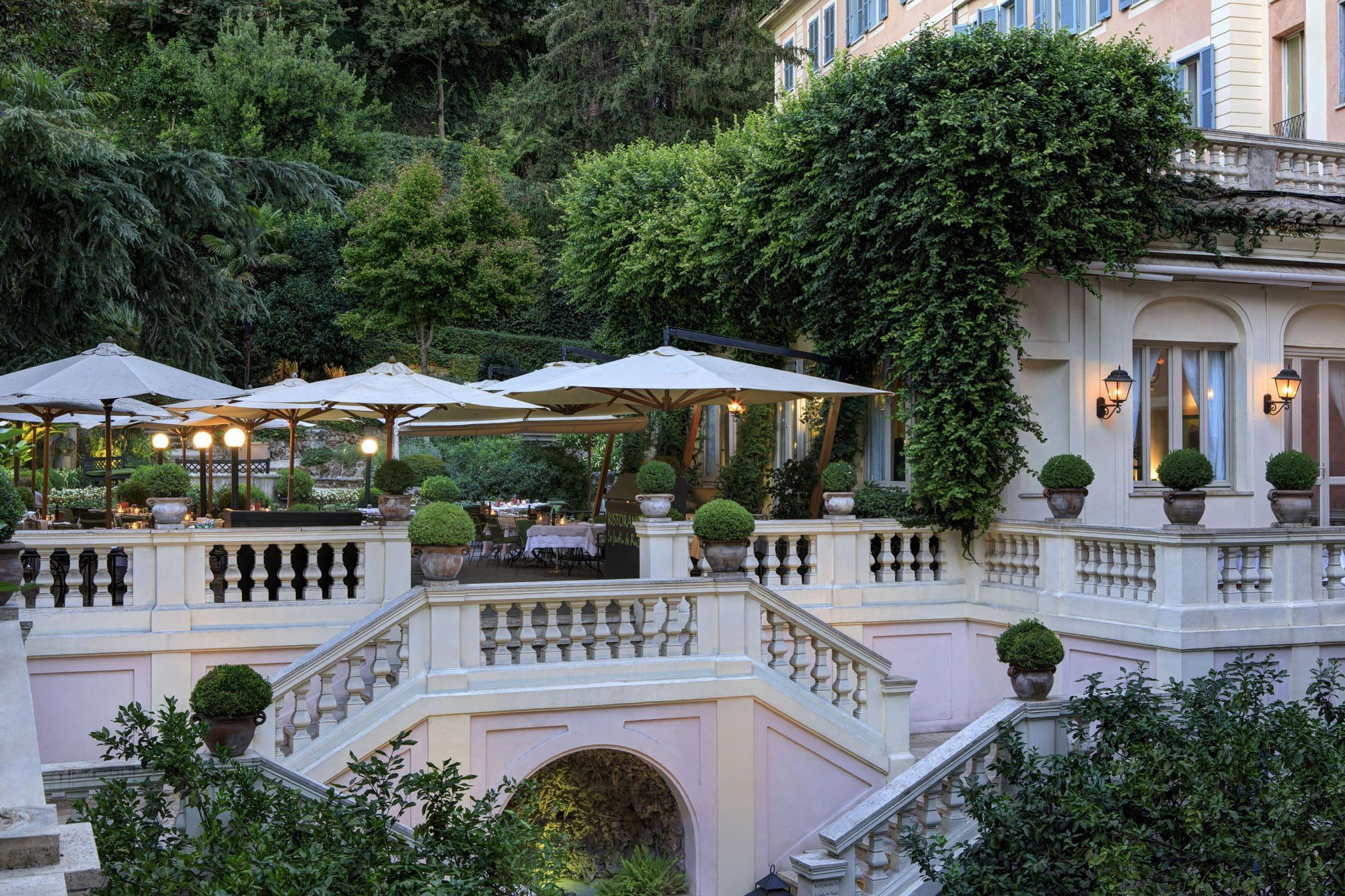 restaurantLe Jardin de RussieLe Jardin de Russie occupies a private internal garden at Hotel de Russie, one of Rome's Rocco Forte addresses, positioned between Piazza del Popolo and Piazza di Spagna. The terrace restaurant, overseen by chef Fulvio Pierangelini, draws a loyal clientele with a menu built around asparagus, truffles, and refined vegetable sauces, alongside vegetarian and vegan options that reflect a broader shift in Roman fine dining.
Planning details
- Location
- Via del Bebuino 9
- Website
- roccofortehotels.com/hotels-and-resorts/hotel-de-russie
- Phone
- 39-06-32-88-81
The take
The Take
The Vibe
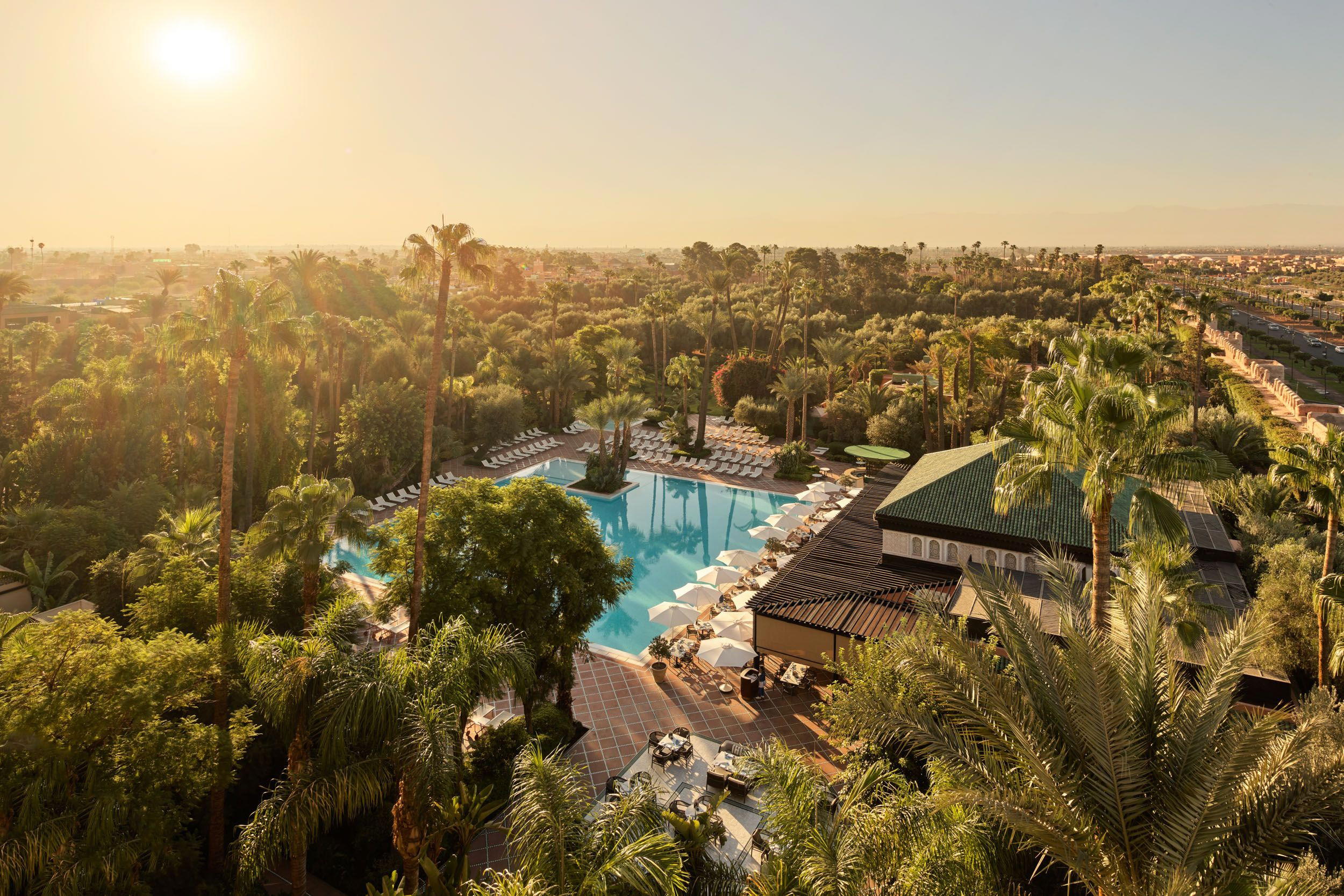
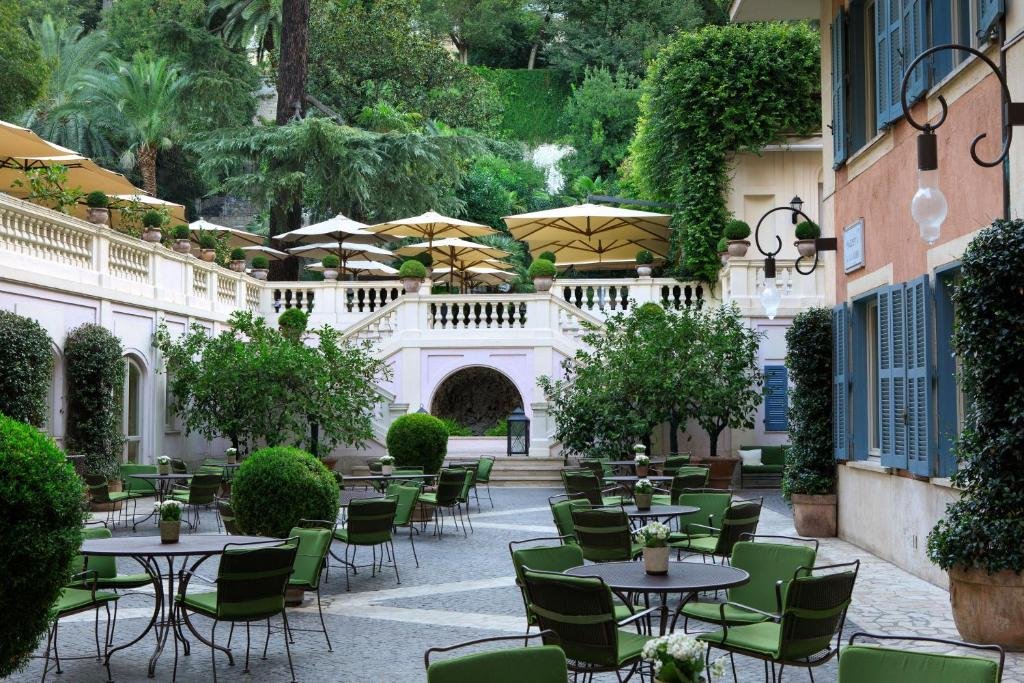
Hotel de Russie balances centrality and calm by leaning on its terraced "Secret Garden." Sitting on Via del Babuino between the Spanish Steps and Piazza del Popolo, the property is unusually walkable for a five-star Roman address yet manages to feel removed from street noise. The garden is literally invisible from the street, and that concealment creates a markedly different atmosphere once you pass through: serene, intimate and quietly charming. In warmer months the garden becomes an active hospitality setting, further reinforcing the hotel’s quietly refined, tucked-away character rather than the bustle associated with many historic-center rivals.
Best For
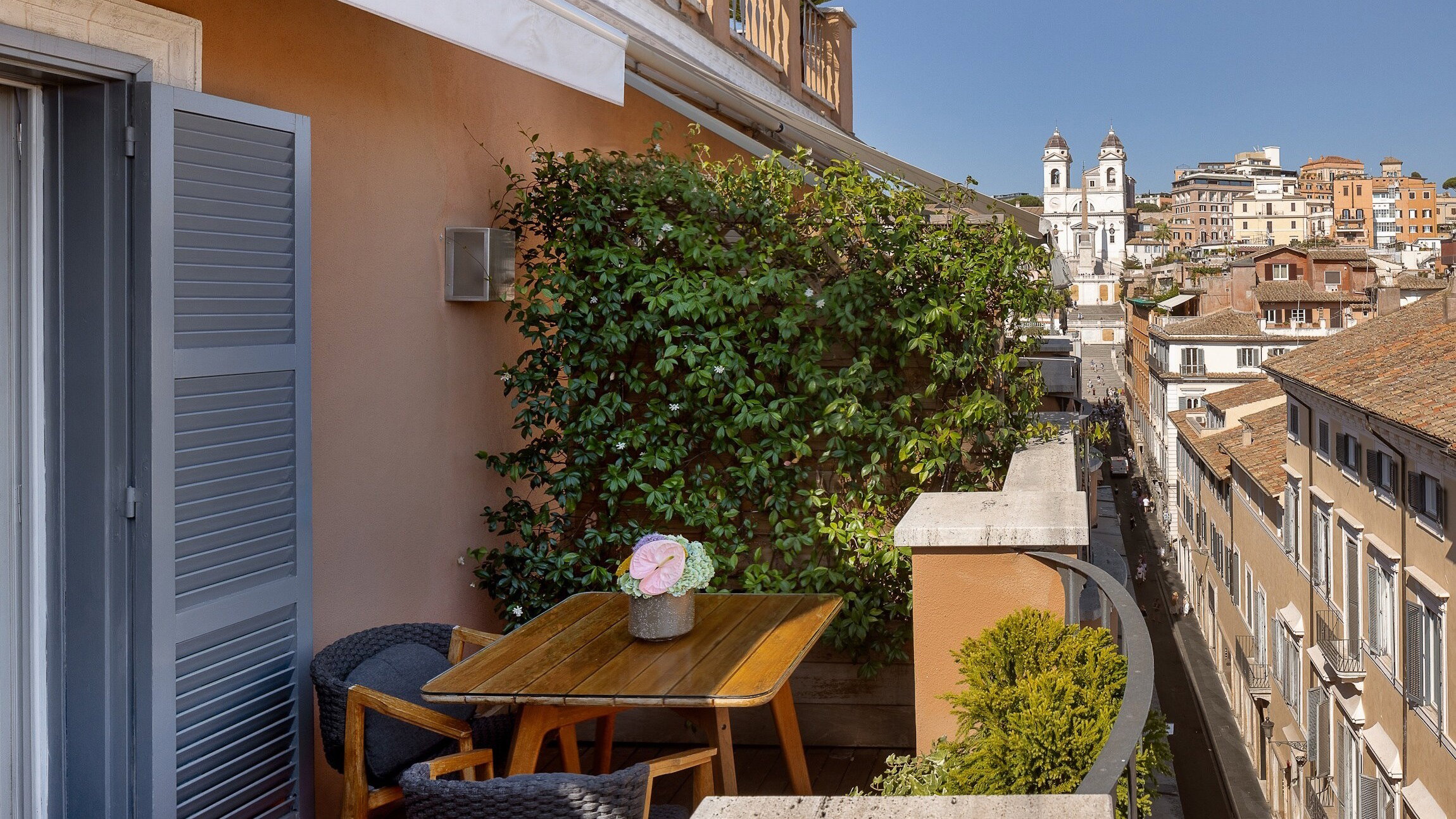
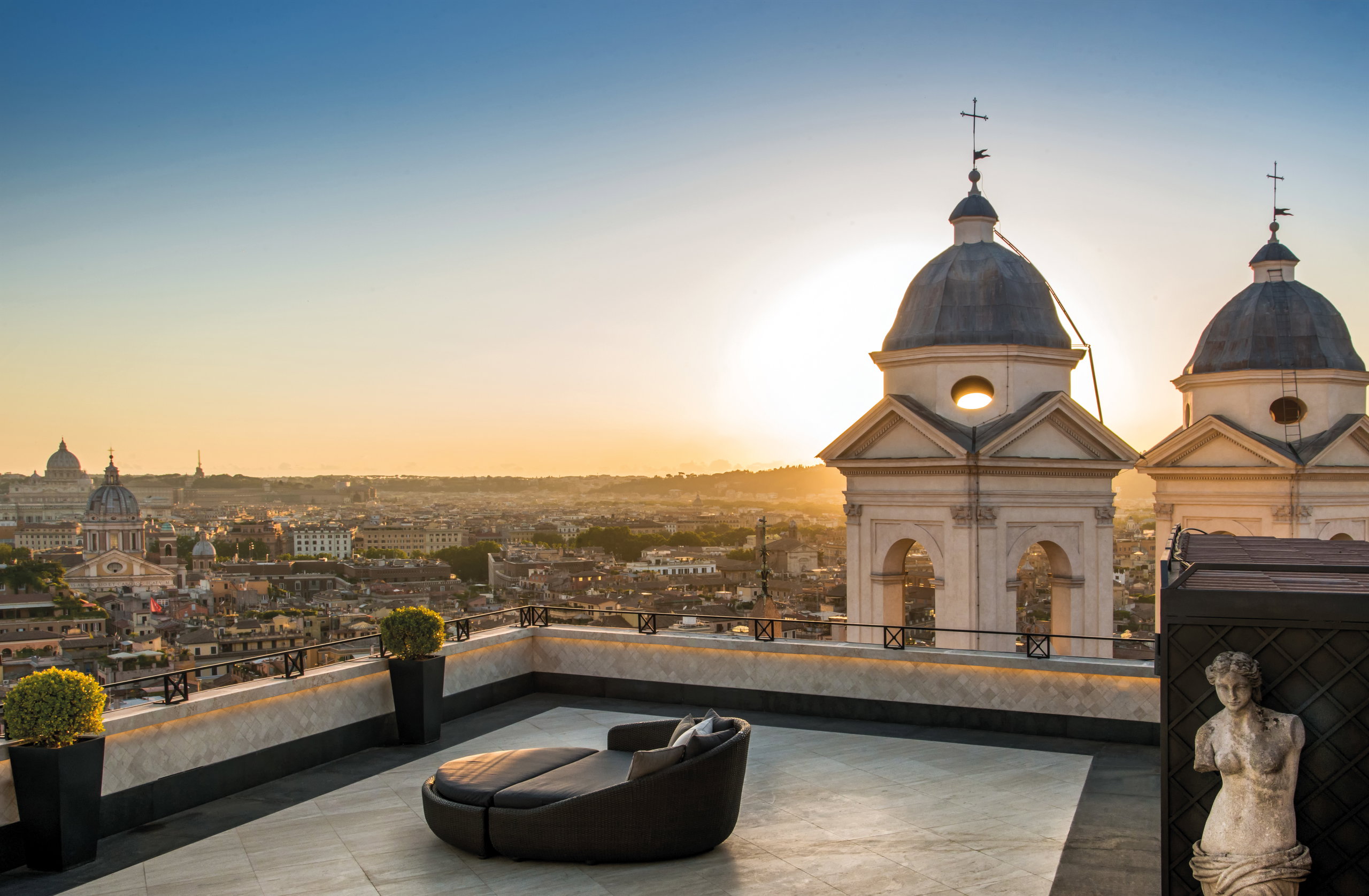
This hotel is best for travelers who want an ultra-central Rome base without sacrificing tranquility. Its location puts major sights—the Spanish Steps, Piazza Navona, the Trevi Fountain and the Vatican—within easy walking distance, which makes it especially practical for short itineraries and weekend escapes. The secretive garden and garden-level dining also make it well suited to couples seeking a calm, romantic setting; solo explorers who plan to move on foot will appreciate the ease of getting between monuments; and any visitor who values a peaceful retreat after a day of sightseeing will find the hotel’s position a clear asset.
Stay Tips
The property’s garden is a defining feature of the guest experience and is activated seasonally: during spring and summer the Stravinskij Bar occupies the garden level, and the Le Jardin de Russie is presented at garden level as well. If you want the garden atmosphere, plan hotel meals or drinks around those garden-level outlets while they are operating; the garden’s concealment from the street provides a noticeably quieter, more private setting than many other central Rome options. Use the garden spaces to punctuate sightseeing days with an outdoor cocktail or a relaxed evening meal.
Venue details
Ambiance
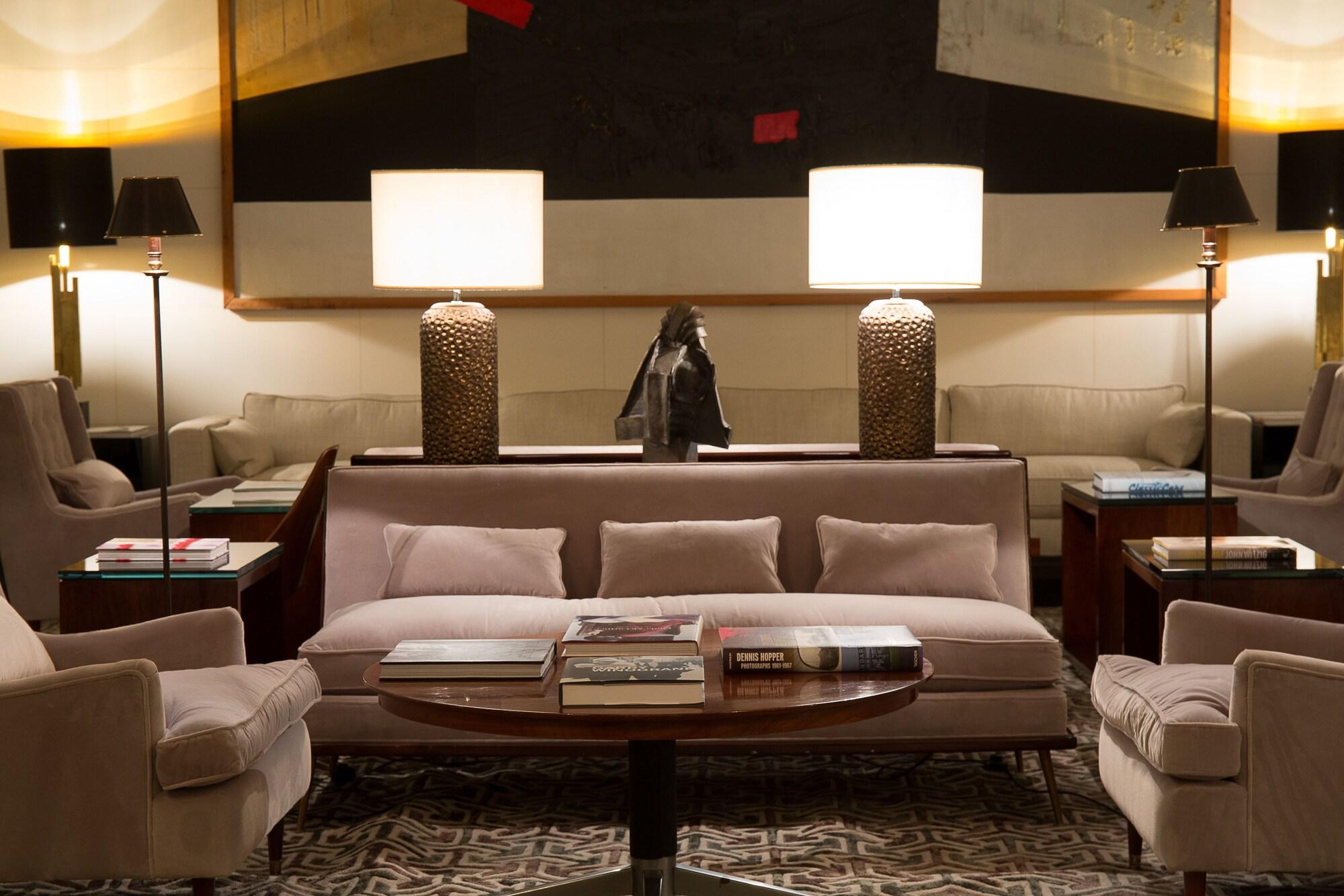
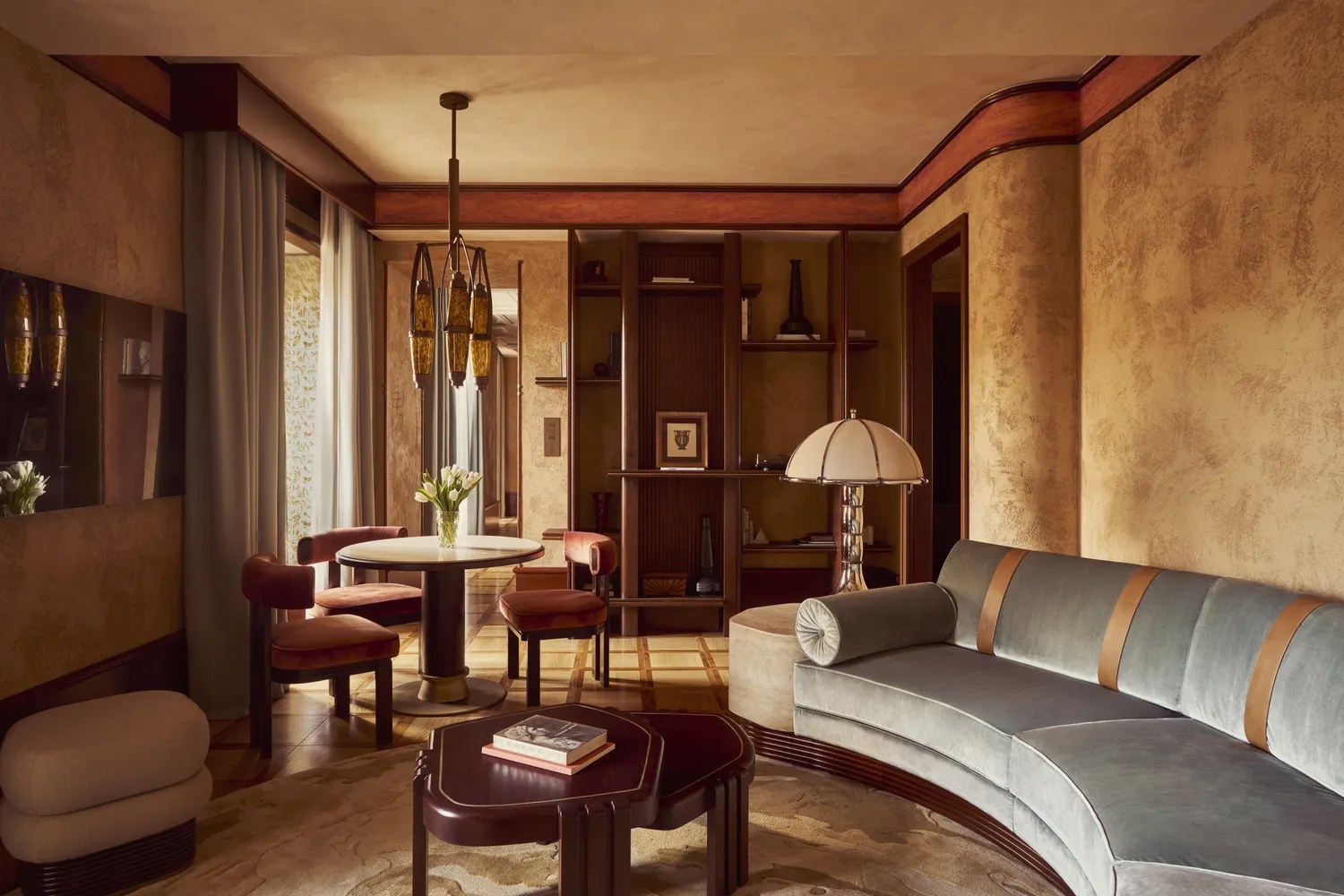
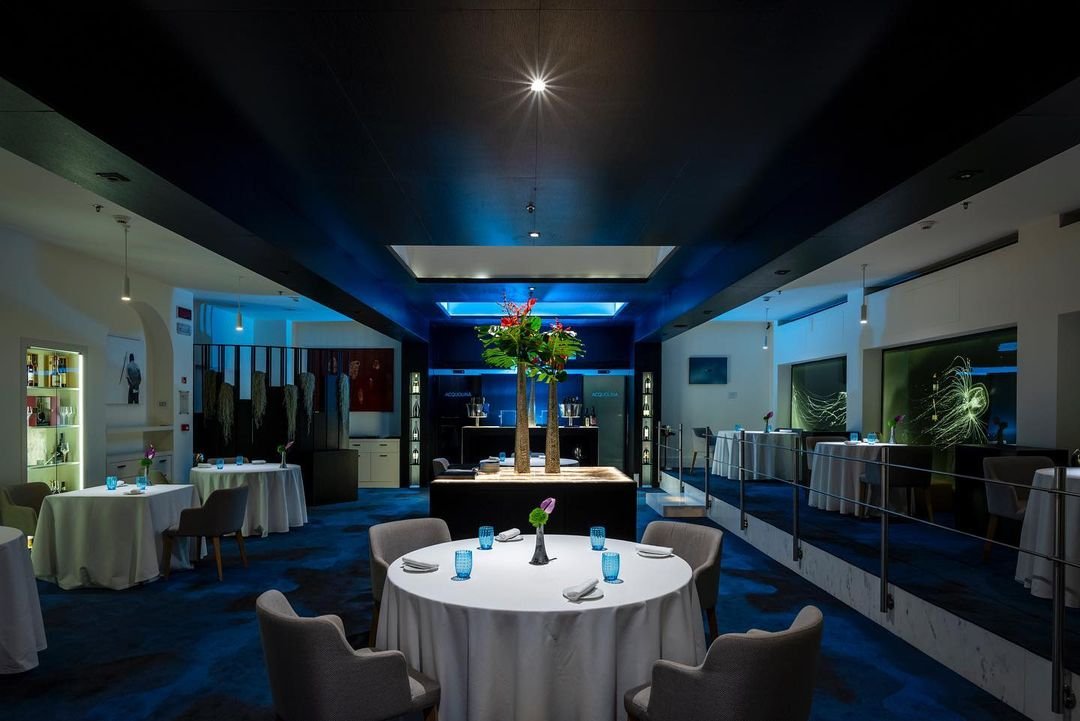
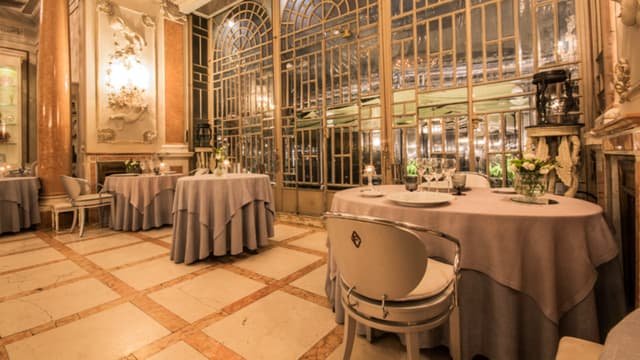
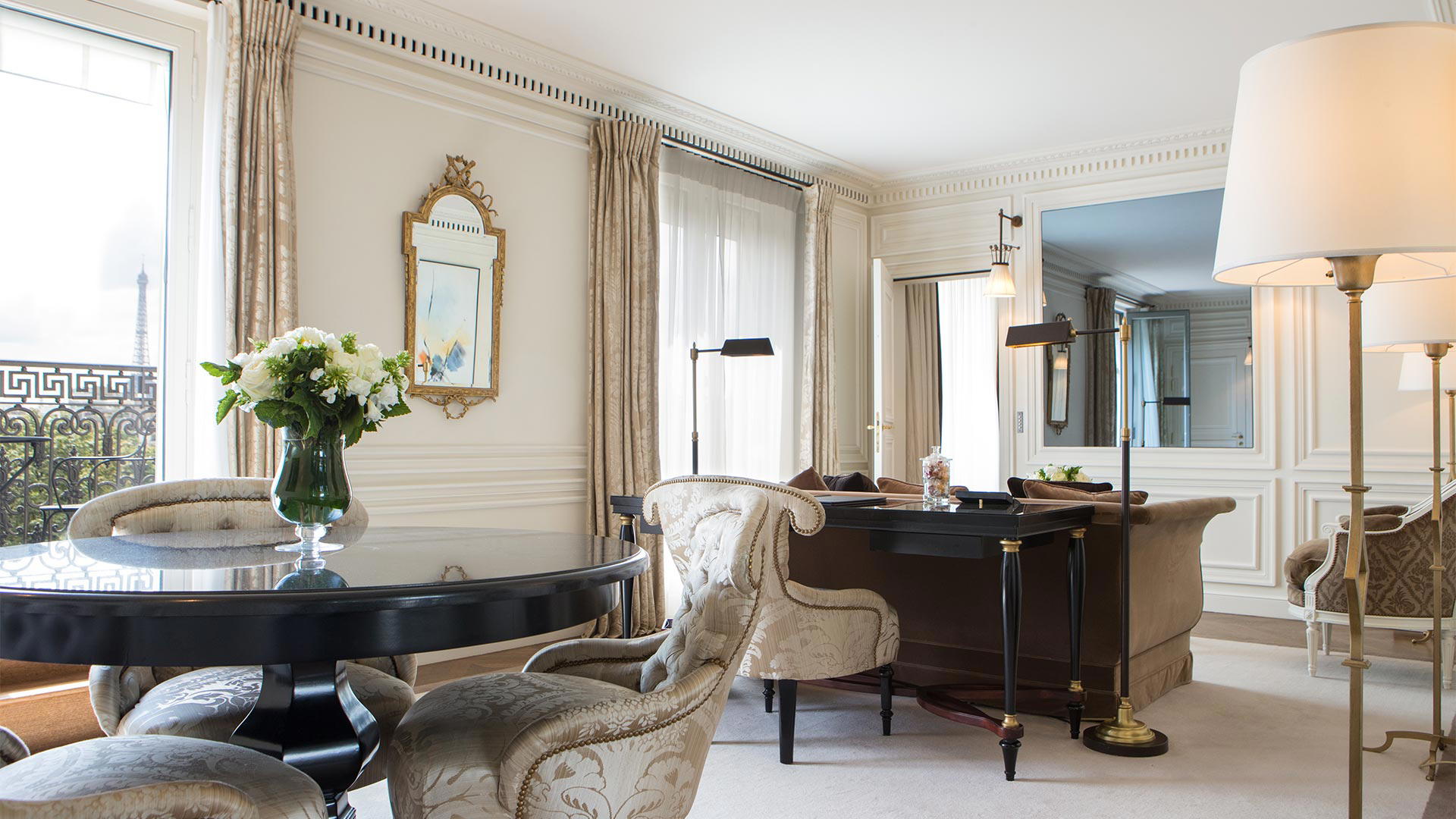
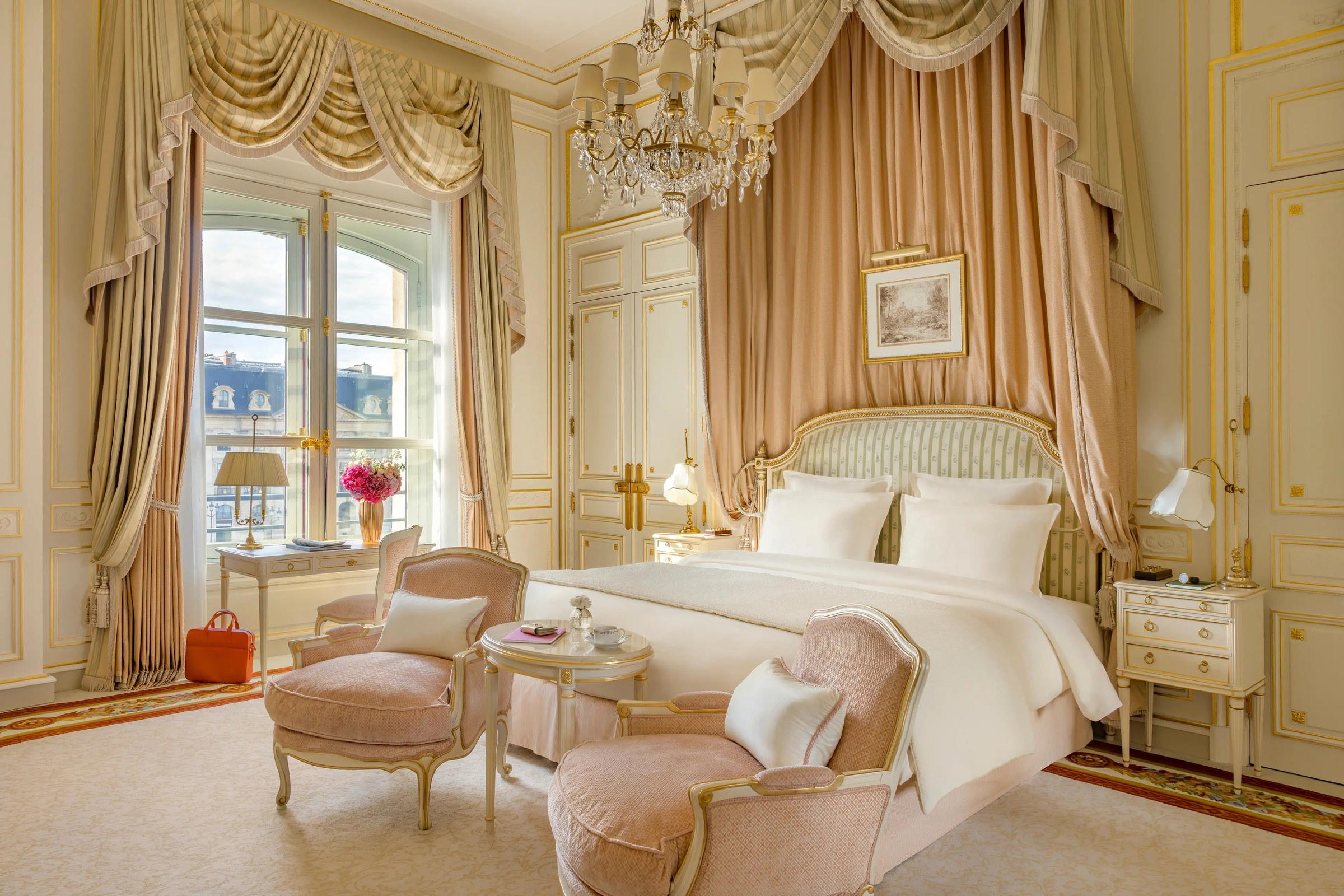
Understated elegance with pastel tones, natural light, lush greenery, and serene garden views creating a tranquil yet sophisticated atmosphere.
Tags
Vibe
Best For
Experience
Amenities
View
Accessibility
About the Stay
- Rooms
- 120
- Check-in
- 15:00
- Check-out
- 12:00
- Property Style
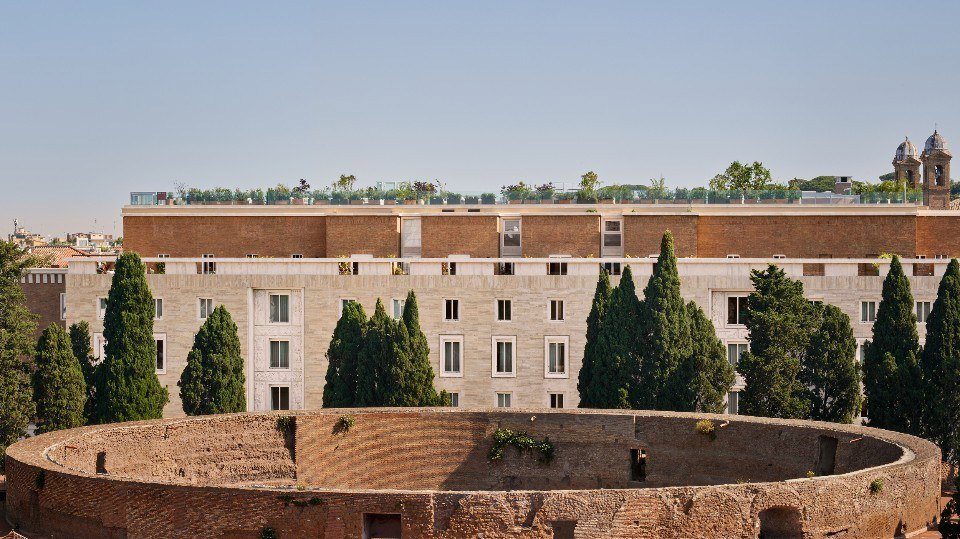
- Classical Roman Luxury with Contemporary Comforts in a Historic 19th Century Palazzo
- Design Style
- Elegant Blend of Classical Motifs, Pastel Palettes, Marble Accents, and Modern Art
Planning details
Location
Recognition and awards


Also consider
Where to look if this is full
If the target stay is central, polished, smaller in scale, start with Margutta 19. If the trip needs a more contemporary luxury personality, compare availability at ROMEO Roma.
Hotel context
How it compares in Rome
Rocco Forte Hotel de Russie is the luxury-safe choice in this set: harder to book, more polished in positioning, easier to justify when the stay needs to feel seamless. Babuino 181 and Margutta 19 are better cross-shops for travelers who want the same central Rome logic with a smaller-hotel feel and less emphasis on full-service luxury.
ROMEO Roma is the stronger alternative if a more contemporary hotel personality matters more than classic Rome polish. The First Arte, Rome is the sharper pick for art-forward travelers who want a boutique luxury stay with a more defined design angle.
For a first-timer, choose Hotel de Russie when ease and recognition outweigh rate sensitivity. Choose Babuino 181 or Margutta 19 when value and scale matter. Choose ROMEO Roma or The First Arte when the hotel's design identity is a bigger part of the trip.
Around this place
Discover more on Pearl
Unlock the full Hotel de Russie, a Rocco Forte Hotel guide in Pearl, including awards, comparisons, FAQs, planning details, and nearby places.
Compare Hotel de Russie, a Rocco Forte Hotel
| Venue | Location | Awards |
|---|---|---|
| Hotel de Russie, a Rocco Forte Hotel | Rome | 2026 Forbes 5-StarStar Wine Lists 20262026 Virtuoso Luxury Hotel Collection |
| Rocco Forte Hotel de Russie | Rome | 2026 Virtuoso Luxury Hotel Collection2026 Forbes 5-Star2026 La Liste Top Hotels2025 Michelin 2 Keys2024 Michelin 1 Key |
| Babuino 181 | Rome | 2025 Michelin Selected HotelsSmall Luxury Hotels Member 2025 |
| Margutta 19 | Rome | 2025 Michelin Selected HotelsSmall Luxury Hotels Member 2025 |
| ROMEO Roma | Rome | 2025 Esquire Best New Hotels2025 Michelin Selected HotelsSmall Luxury Hotels Member 2025 |
| The First Arte, Rome | Rome | 2026 Virtuoso Luxury Hotel Collection2025 Michelin 1 KeyPreferred Hotels L.V.X. Collection 2025 |






How Hotel de Russie Rome compares with similar nearby venues.
FAQ
Frequently Asked Questions
What is check-in like at Hotel de Russie, a Rocco Forte Hotel?
Confirm check-in timing and arrival arrangements directly before your stay. Hotel de Russie, a Rocco Forte Hotel is in Rome and has Forbes 5-Star recognition for 2026.
Which room category is best at Hotel de Russie, a Rocco Forte Hotel?
Is Hotel de Russie, a Rocco Forte Hotel good for business travel?
It is a recognized luxury hotel in Rome, travelers can compare it with Babuino 181, Margutta 19, The First Arte, Rome depending on the specific features they need.
How is the location of Hotel de Russie, a Rocco Forte Hotel?
Hotel de Russie, a Rocco Forte Hotel is in Rome. Confirm the exact address, neighborhood fit, landmark access, transfer times directly if they are important to your stay.
How is the dining at Hotel de Russie, a Rocco Forte Hotel?
Hotel de Russie, a Rocco Forte Hotel has Star Wine List 2026 recognition. If dining is a major priority, compare current cuisine, menus, chefs, prices, service format with other Rome options, including ROMEO Roma.
Do loyalty programs work at Hotel de Russie, a Rocco Forte Hotel?
For loyalty-program terms, check directly before booking. The hotel’s recognition includes Virtuoso Luxury Hotel Partner 2026, Forbes 5-Star 2026, Star Wine List 2026.