
Corso 281
Trevi, Rome
Hotel in Rome, Italy
 Book with Pearl
The Read
Central Rome Intimacy
Why go
Corso 281 works if the Rome trip is built around location, walking access, a smaller hotel footprint rather than resort-style facilities. Choose it over heavier luxury options when Via del Corso access matters more than spa depth or grand public spaces; compare Six Senses Rome or Singer Palace Hotel if full-service polish is the priority.
About Corso 281
Corso 281 is a Rome stay with limited verified public detail. The confirmed points are simple: the venue is in Rome, its dress code is smart casual, it has Preferred Hotels Preferred Residences recognition for 2025. Travelers should treat any more specific claims about facilities, room count, services, pricing, or exact location as something to confirm directly before booking.
That makes Corso 281 best evaluated as a thin-data shortlist option rather than a property to choose on assumptions about amenities. If you are comparing it with Six Senses Rome, Singer Palace Hotel, Umiltà 36, Maalot Roma, or H10 Palazzo Galla, focus on the booking terms, room details, current inclusions shown by the property or booking channel.
A Rome stay to verify by current booking details
The verified location detail for Corso 281 is Rome. Beyond that, this guide cannot confirm a specific street address, neighborhood, landmark proximity, or sightseeing convenience. Travelers who are choosing primarily by location should verify the exact map position and transit plan before committing.
Against other Rome options, Corso 281 should be compared on confirmed booking details rather than assumed style. Singer Palace Hotel, Umiltà 36, Maalot Roma, H10 Palazzo Galla, Six Senses Rome may all appear in the same search set, but the right choice depends on the exact room, rate, cancellation policy, inclusions available for your dates.
Who should consider it, when to compare further
Consider Corso 281 if the confirmed facts fit your trip: you want a Rome stay, you are comfortable with a smart casual dress code, you value the Preferred Hotels Preferred Residences 2025 recognition as one trust signal. Before booking, confirm the practical details that matter to you, such as room type, arrival arrangements, included services, total price.
Do not book Corso 281 based on unverified assumptions about wellness facilities, dining, service style, views, neighborhood advantages, or extra amenities. If those details are central to the trip, compare Corso 281 with Six Senses Rome, Singer Palace Hotel, Umiltà 36, Maalot Roma, H10 Palazzo Galla using only current, property-confirmed information.
Planning details
- Location
- Via del Corso 281, 00186 Rome, Italy
- Website
- corso281.com
The take
The Take
The Vibe
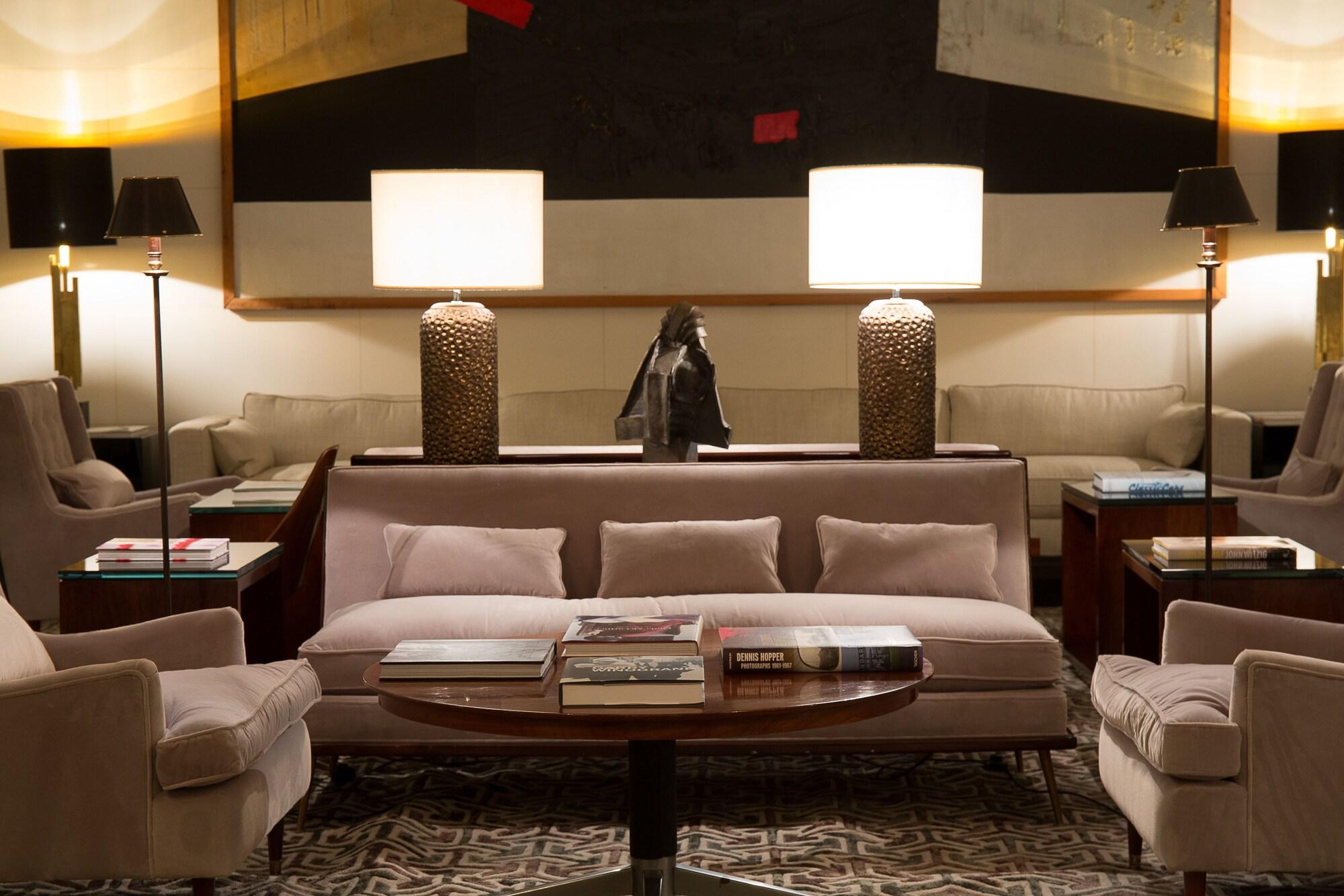
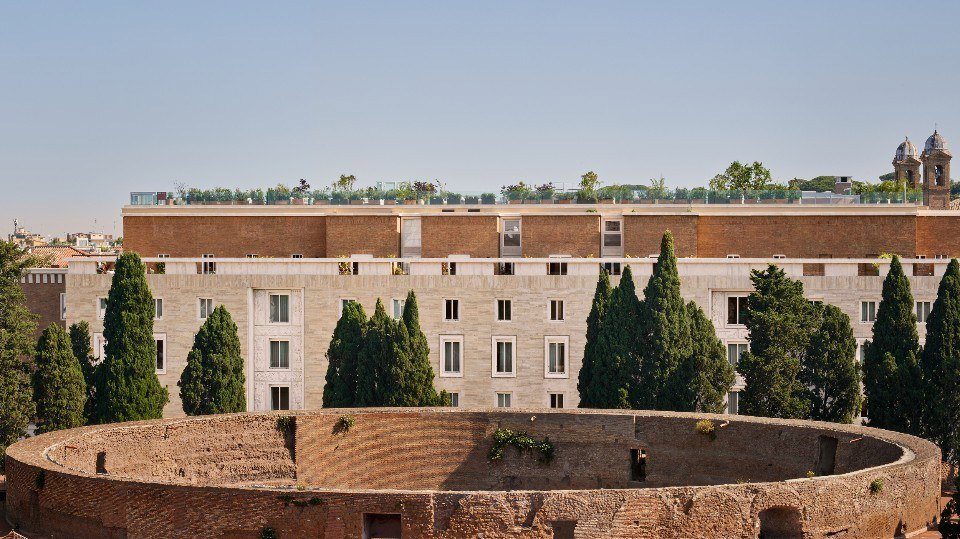
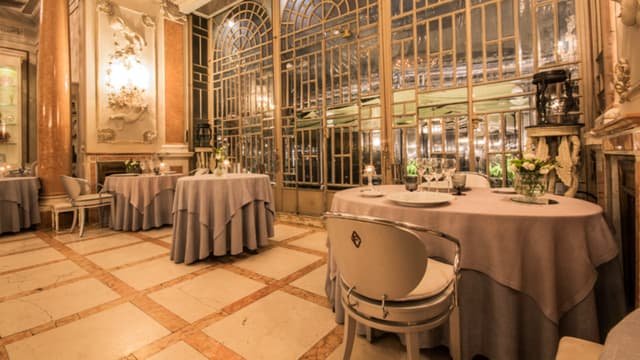
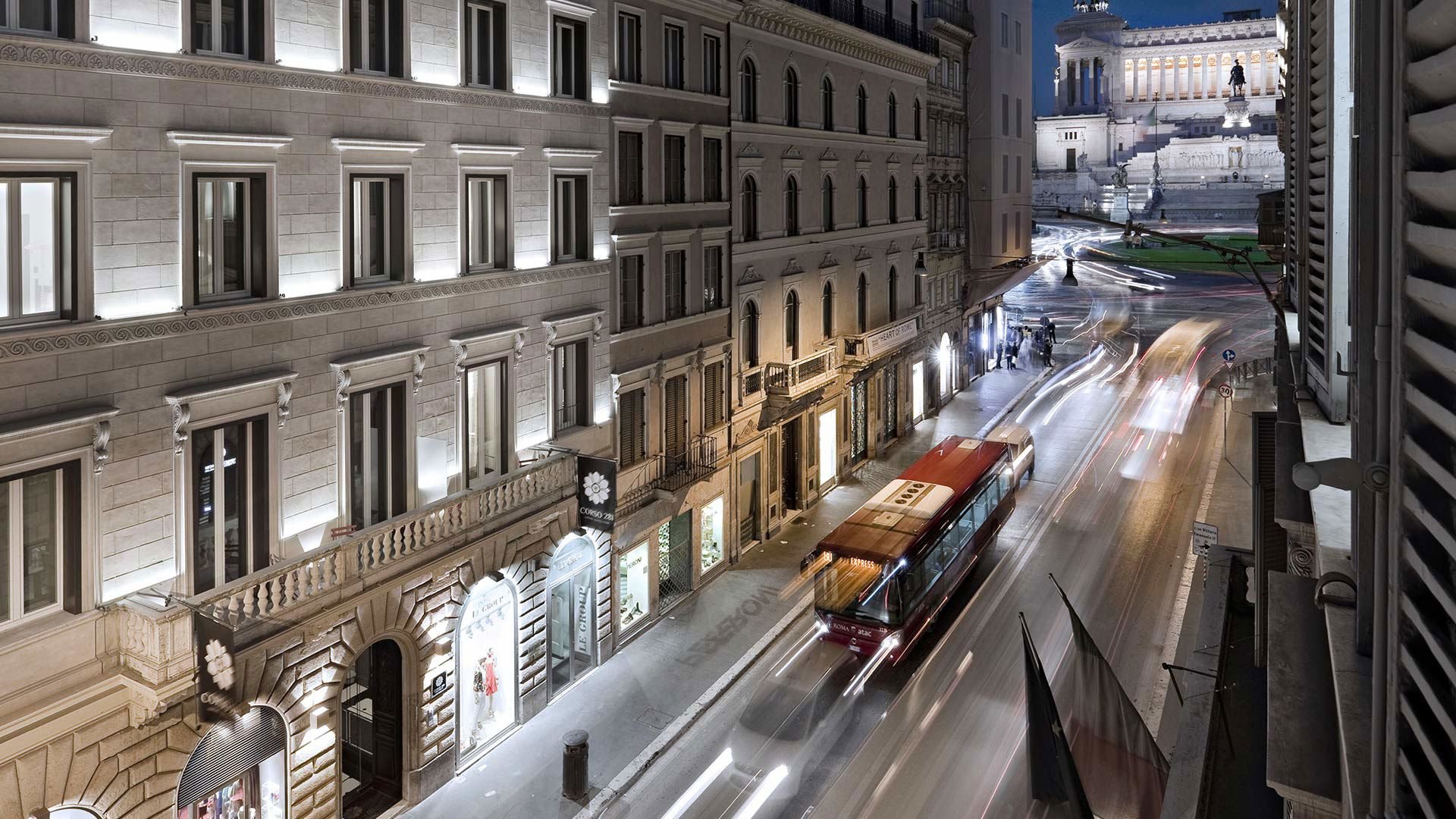
Corso 281 reads as a small-scale, historic Roman address: a 12-room, owner-managed property tucked into the upper floors of a palazzo on Via del Corso. The hotel leans on its particularity rather than breadth of facilities, so the experience is concentrated and personal — the ratio of staff to guest matters more than spa floors or pool decks. Rooms follow the original building's logic and the property is intentionally embedded in the city's life, exposed to the rhythm of Via del Corso and the surrounding piazze. It feels like a compact, characterful base in the heart of the historic centre.
Best For
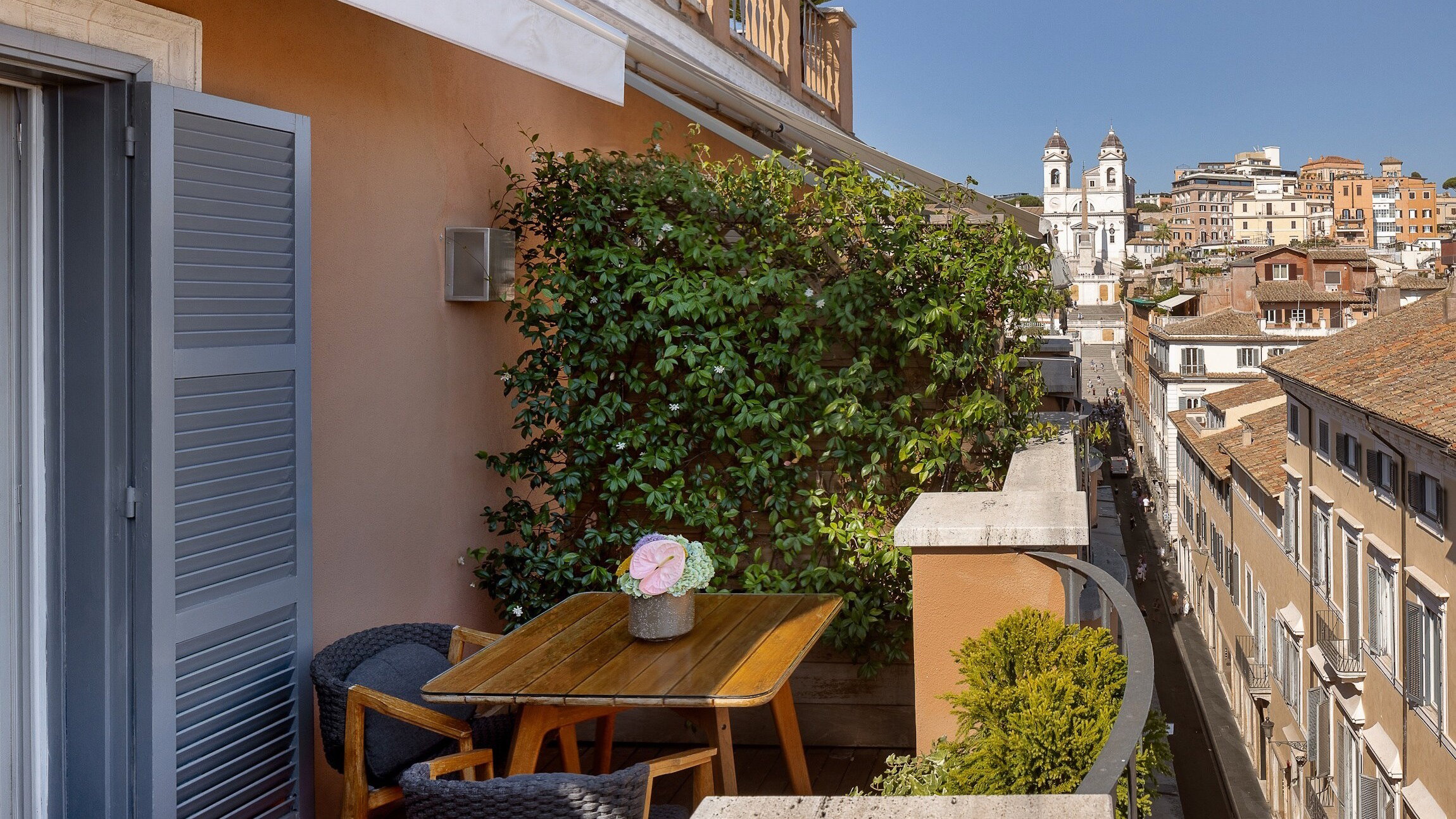
This hotel suits travelers who prioritize centrality and walkability over full-service resort amenities. Corso 281 is ideal for guests who want immediate access to the Pantheon, Piazza Navona and the attractions along Via del Corso and appreciate a small, coherent property where staff attention and location matter. It trades expansive facilities for proximity and personality, so it matches well with couples, culture-minded visitors and anyone planning short stays focused on exploring Rome's core rather than relying on on-site leisure infrastructure.
Stay Tips
Book early and check accessibility details: with just 12 rooms and a small inventory, availability can tighten quickly. The property occupies upper floors of a historic palazzo and the description notes staircases that predate lifts, so confirm whether there is an elevator or any mobility accommodations if that matters to you. Also be prepared for a hotel that deliberately forgoes pool decks and spa floors — if those amenities are essential, consider alternative options; otherwise, expect a compact, centrally placed base optimized for walking the historic centre.
Venue details
Ambiance
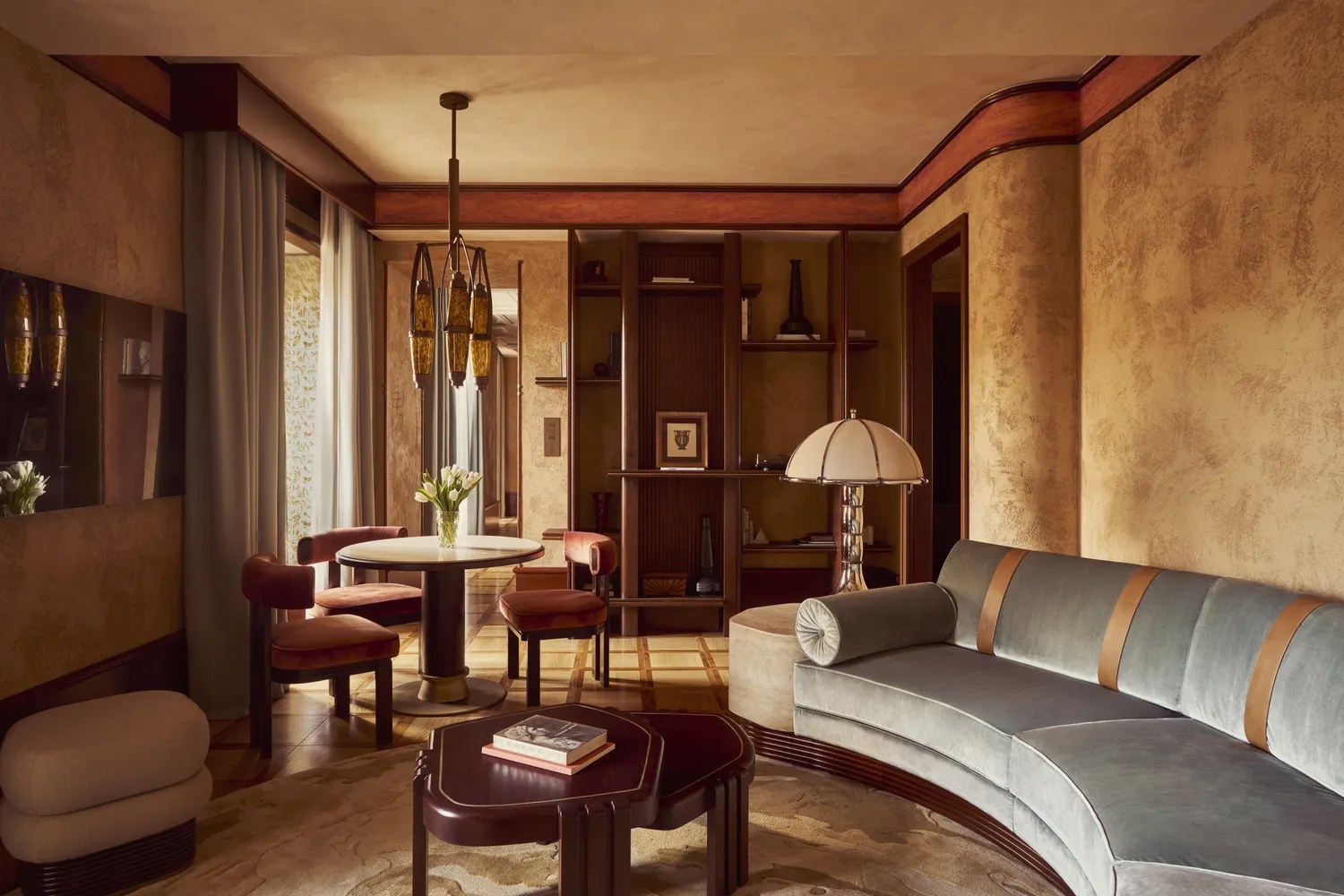
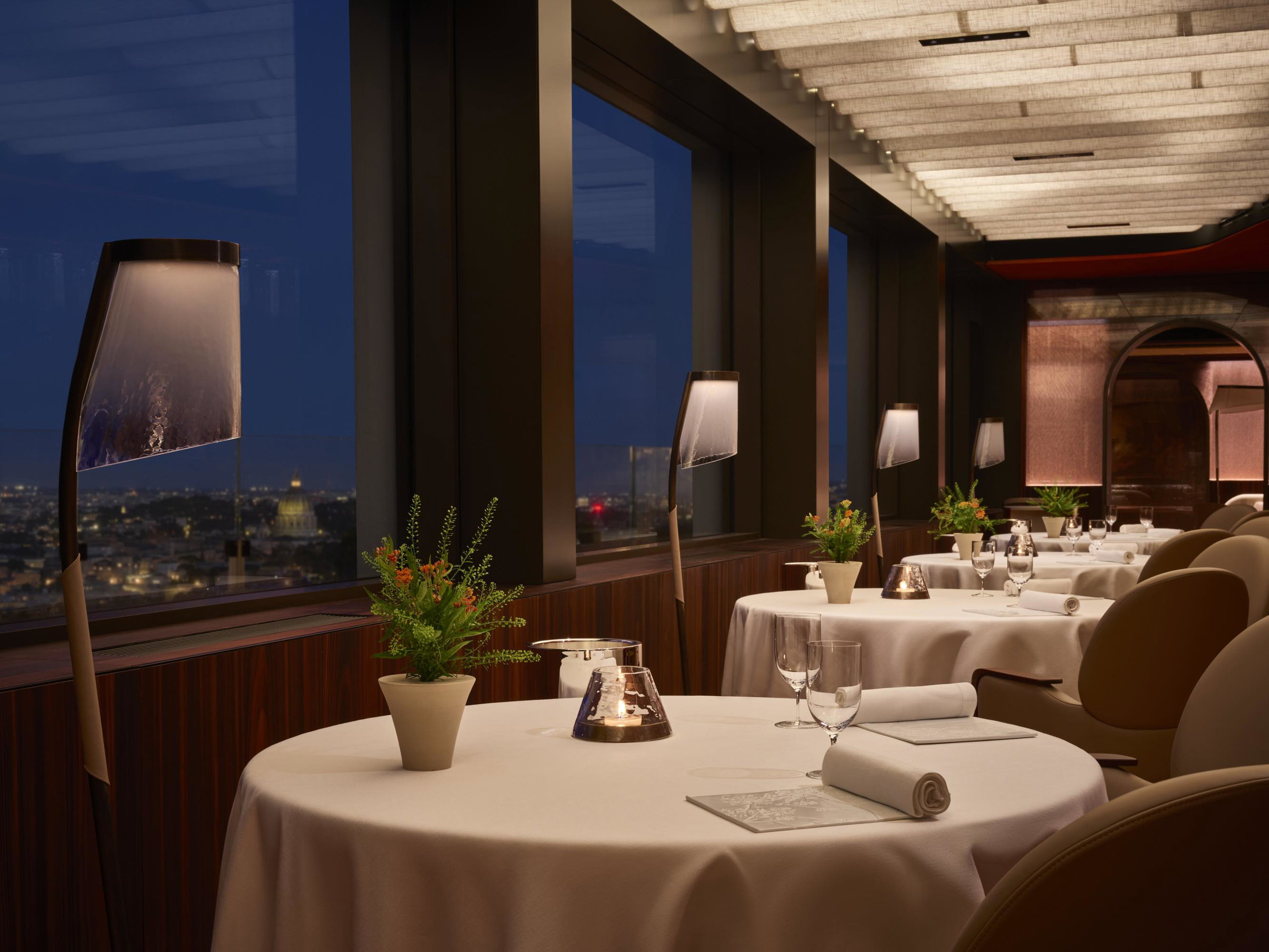
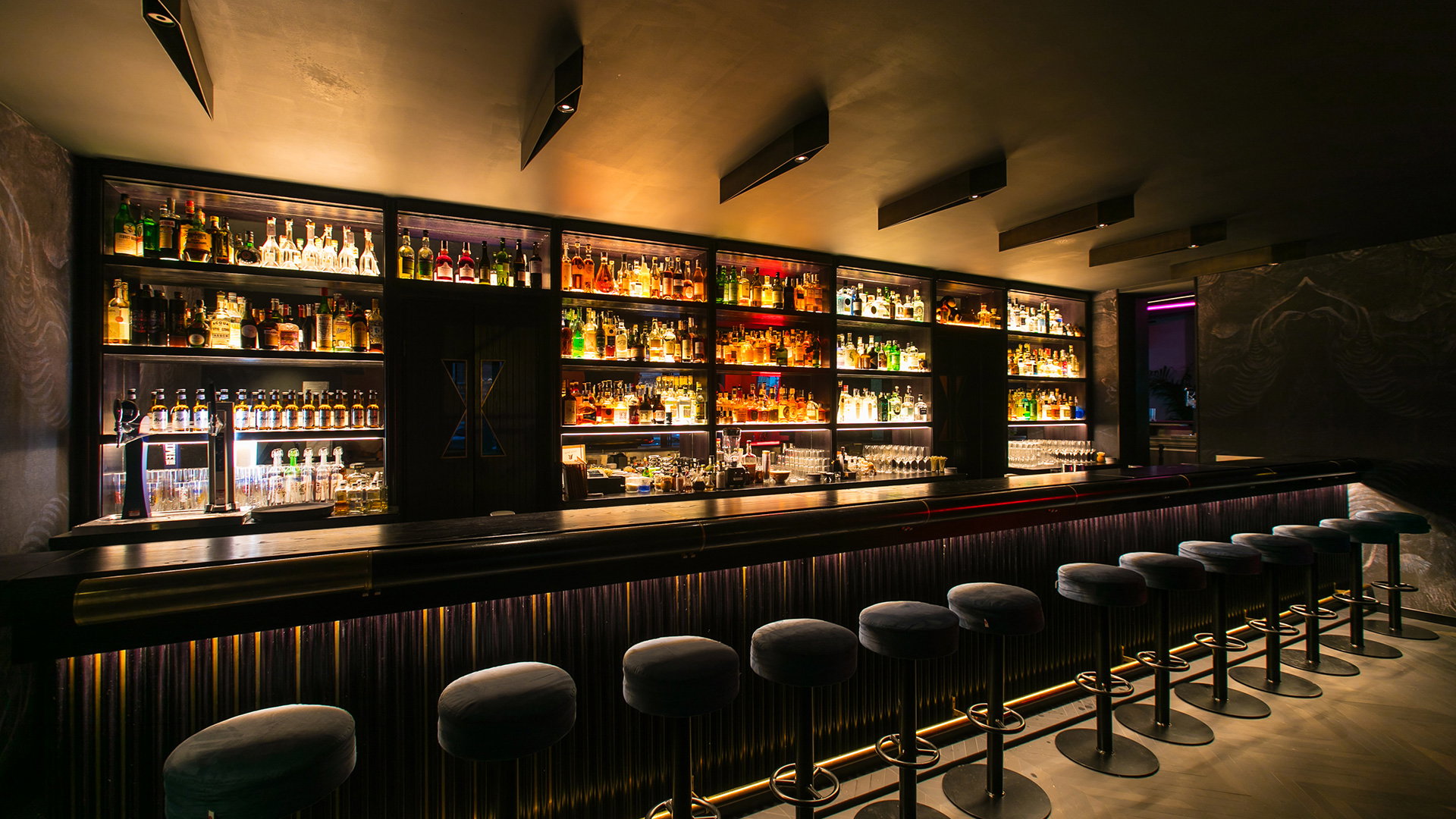
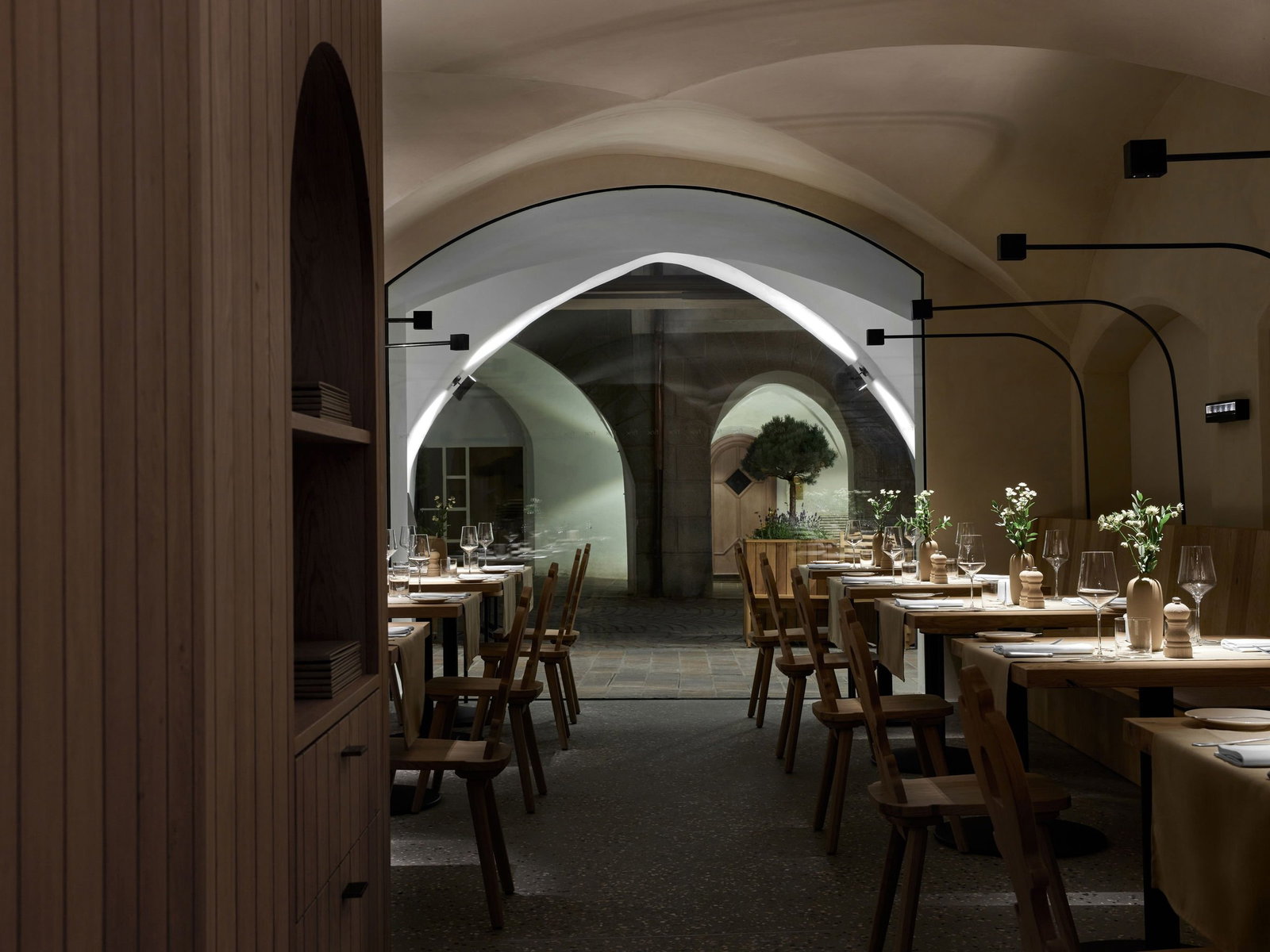
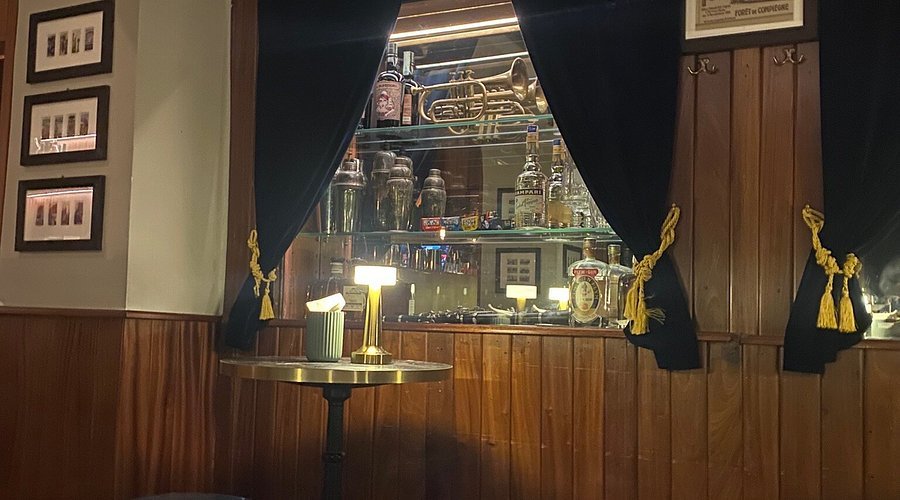
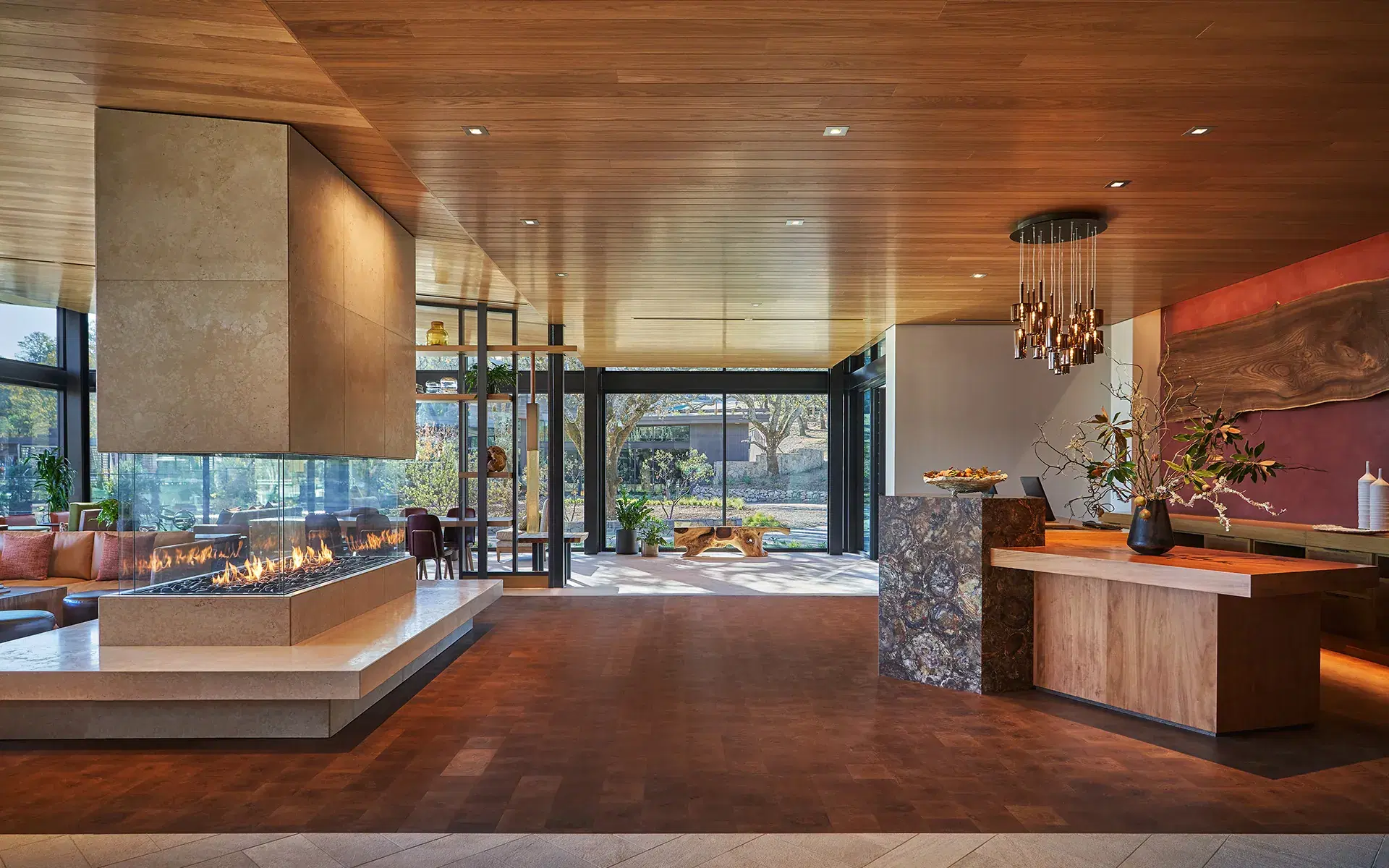
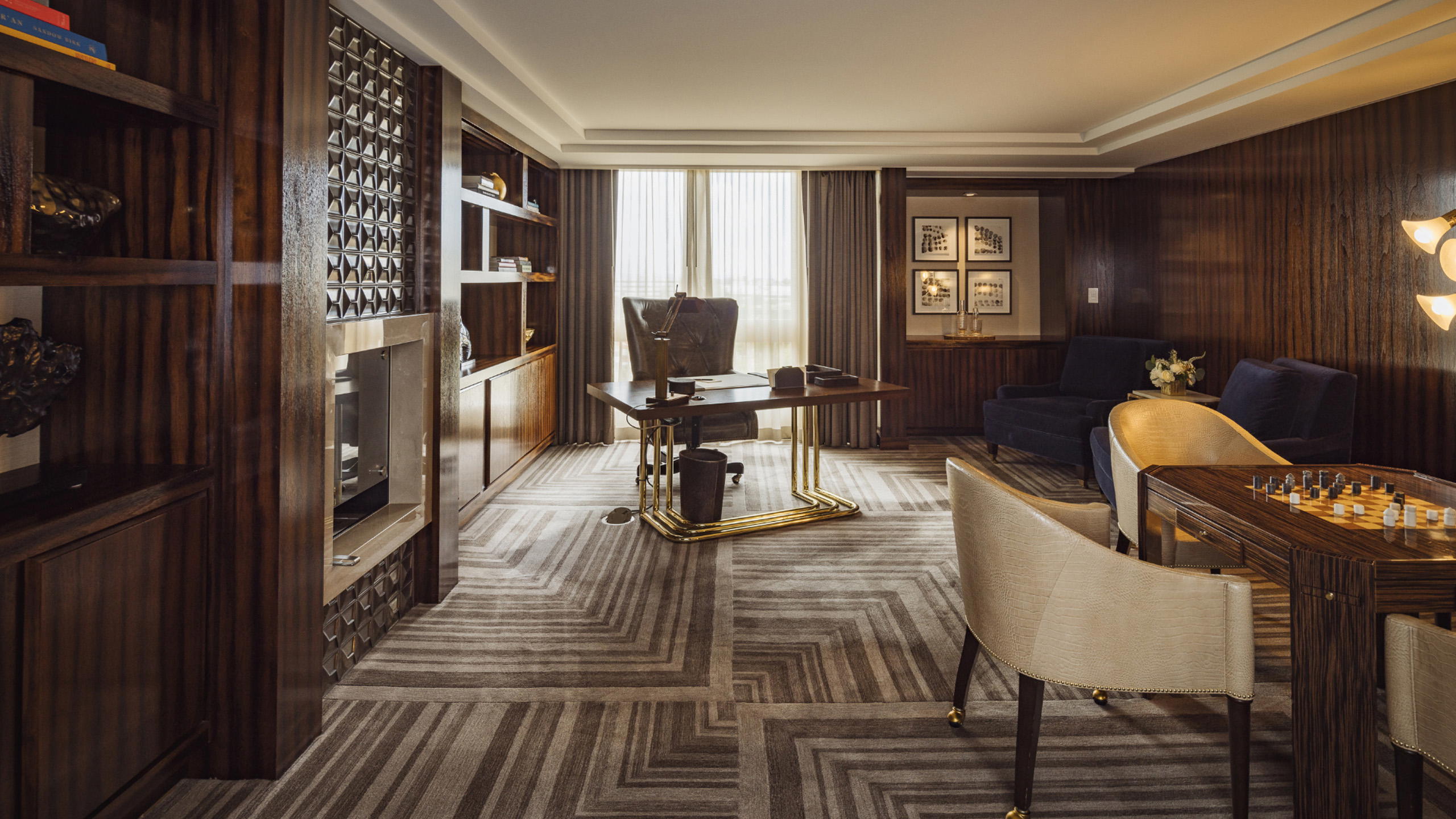
Understated luxury with monochrome contemporary design, pristine white and black interiors, marble bathrooms, and a tranquil retreat atmosphere despite the central location on Rome's busiest thoroughfare.
Tags
Vibe
Best For
Experience
Amenities
View
Accessibility
About the Stay
- Rooms
- 12
- Check-in
- 14:00
- Check-out
- 11:00
- Property Style
- Luxury Boutique Residence Converted From a Historic 18th Century Palazzo, Emphasizing Personalized Hospitality and Intimate Scale Over Corporate Hotel Structure.
- Design Style
- Contemporary Minimalist with Monochrome Palette, Hardwood Floors, Marble Bathrooms, Bulgari Toiletries, and Curated Artwork Creating an Elegant Home Like Aesthetic.
Planning details
Location
Via del Corso 281, 00186 Rome, Italy · Directions
Recognition and awards
Also consider
Where to look if this is not the right fit
Try Singer Palace Hotel if the goal is central Rome with a more traditional hotel feel. Choose Six Senses Rome if the trip needs a stronger wellness and luxury-service layer.
Hotel context
How it compares in central Rome
Corso 281 is the address-led option in this Rome set: useful for travelers who want a central base and do not need a large hotel ecosystem. Six Senses Rome is the trade-up for a fuller luxury stay with stronger wellness positioning, but it makes less sense if the room is mainly a launchpad for the city.
Singer Palace Hotel is the closest cross-shop for travelers who want central Rome with a more traditional hotel feel. Umiltà 36 and Maalot Roma are better if ambiance is a bigger part of the stay. Corso 281 is easier to justify when the plan is practical: sleep centrally, walk often, avoid paying for amenities that will sit unused.
H10 Palazzo Galla is the sensible fallback when central rates move up or availability narrows. For value, compare total trip cost rather than nightly rate alone: if the location cuts taxis and saves time, Corso 281 can hold its own against flashier peers.
Around this place
Discover more on Pearl
Unlock the full Corso 281 guide in Pearl, including awards, comparisons, FAQs, planning details, and nearby places.
Compare Corso 281
| Venue | Location | Awards |
|---|---|---|
| Corso 281 | Rome | Preferred Hotels Preferred Residences 2025 |
| Six Senses Rome | Rome | 2026 Virtuoso Luxury Hotel Collection2026 Mr & Mrs Smith Luxury Hotels2025 Michelin 1 Key2024 Michelin 1 Key |
| Singer Palace Hotel | Rome | 2026 Virtuoso Luxury Hotel Collection2025 Michelin 1 Key2024 Michelin 1 Key |
| Umiltà 36 | Rome | 2026 Mr & Mrs Smith Luxury Hotels2025 Michelin 1 KeyPreferred Hotels L.V.X. Collection 20252024 Michelin 1 Key |
| H10 Palazzo Galla | Rome | No published awards |
| Maalot Roma | Rome | 2026 Mr & Mrs Smith Luxury Hotels2025 Michelin 1 KeySmall Luxury Hotels Member 20252024 Michelin 1 Key |



How Corso 281 Rome compares with similar nearby venues.
FAQ
Frequently Asked Questions
How is the location of Corso 281?
The verified location detail for Corso 281 is Rome. This guide cannot confirm a specific street address, neighborhood, or landmark proximity, so travelers should check the exact map location before booking.
Do loyalty programs work at Corso 281?
The confirmed recognition is Preferred Hotels Preferred Residences (2025). Check the booking channel directly for any loyalty benefits, eligibility rules, or rate-specific terms.