

Wakax Hacienda - Cenote & Boutique Hotel
Zona Costera, Riviera Maya
Hotel in Riviera Maya, Mexico
 Book with Pearl
The Read
Jungle-Cenote Immersion
Why go
Book Wakax Hacienda - Cenote & Boutique Hotel for a quieter Riviera Maya stay with a boutique, nature-led feel, not for a points-maximizing business trip. It suits travelers who want retreat time between plans; for corporate logistics, compare larger Riviera Maya resorts first.
About Wakax Hacienda - Cenote & Boutique Hotel
Wakax Hacienda - Cenote & Boutique Hotel is a Riviera Maya property best described as a boutique hotel and cenote stay rather than a conventional points-driven chain hotel. Key recognition signals include its Small Luxury Hotels of the World membership and its Mr & Mrs Smith Seal of Approval.
Before building a trip plan, check practical details such as dining formats, service style, room count, exact facilities, and street-level location directly with the property. Treat it as a Riviera Maya stay to research directly for the practical details that matter to your trip.
A better fit for retreat time than a pure work trip
Choose this when the priority is a distinctive boutique-hotel stay in Riviera Maya, not when you need a clearly documented business-hotel setup. The recognition from Small Luxury Hotels of the World and Mr & Mrs Smith is a useful signal: expect an independent property profile rather than a standard chain-hotel comparison. Travelers comparing the wider region should also scan Our full Riviera Maya hotels guide, especially if they are weighing other hotel styles in the area.
For dining and after-hours planning, use Our full Riviera Maya restaurants guide and Our full Riviera Maya bars guide. If the trip is more exploratory than corporate, Our full Riviera Maya experiences guide is the better planning companion.
Planning details
- Location
- Playa Del Carmen, Carr. Cancún - Tulum Km 239, 77776 Tulum, Q.R.
- Website
- wakaxhacienda.com
- Phone
- +52 999 530 1515
The take
The Take
The Vibe
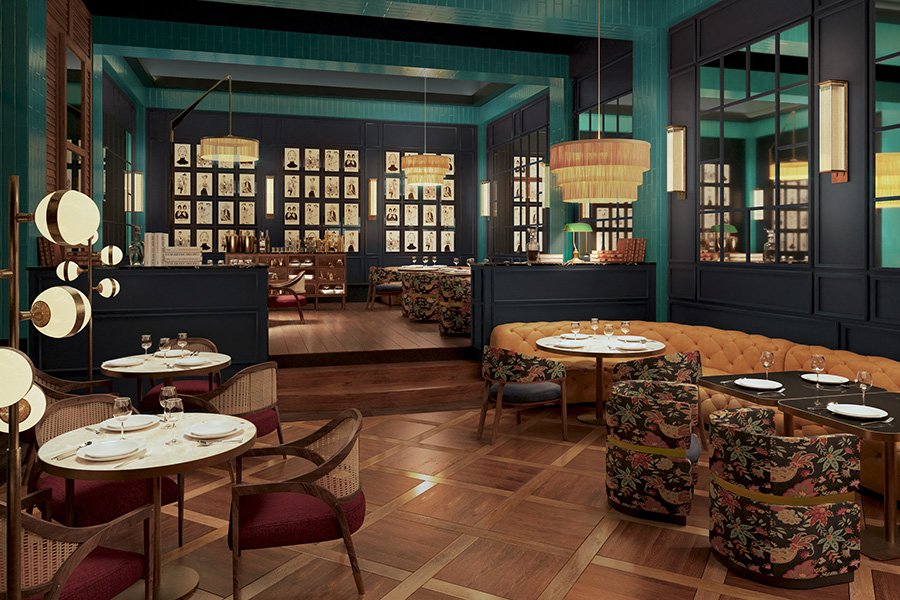
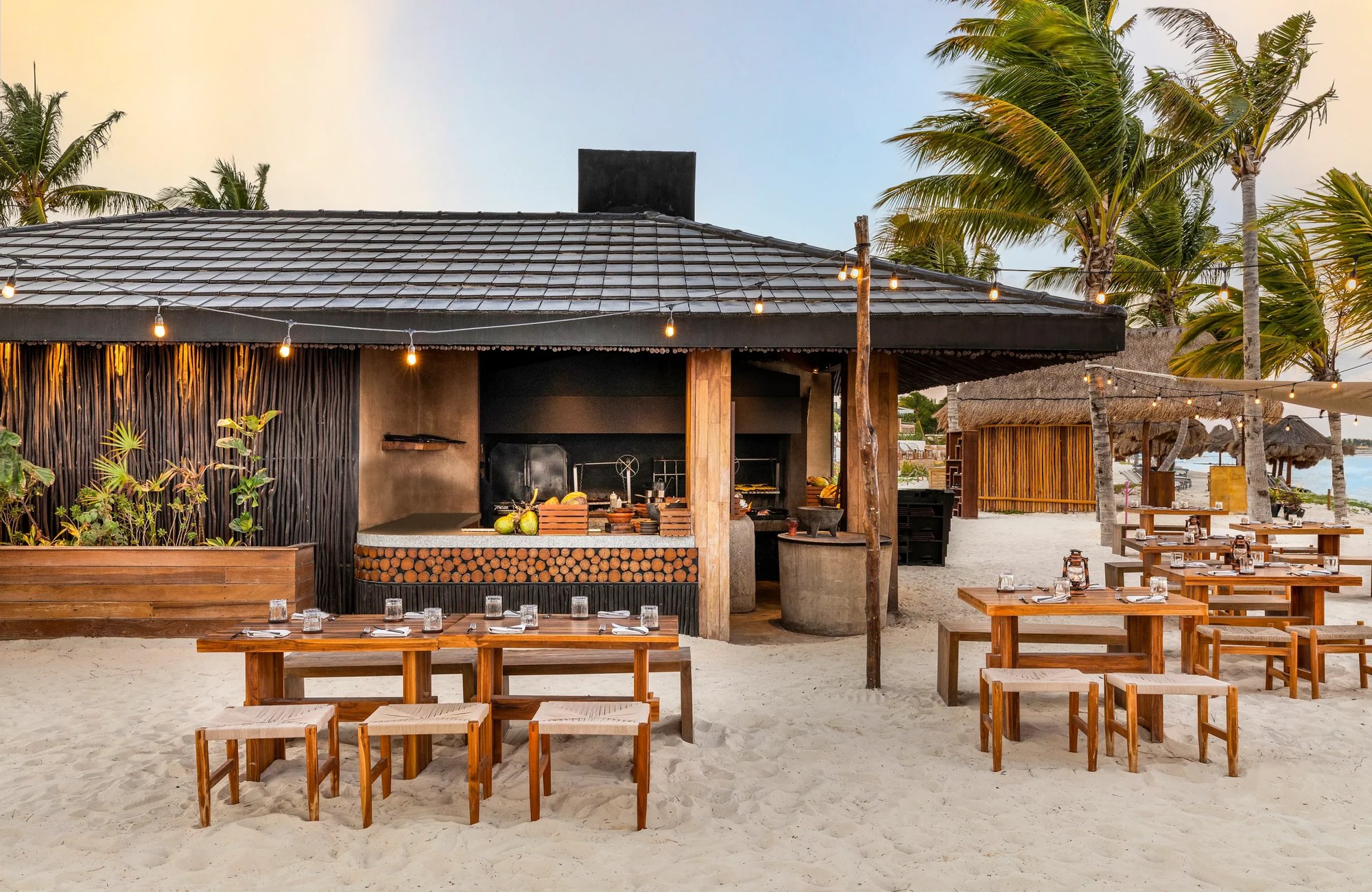
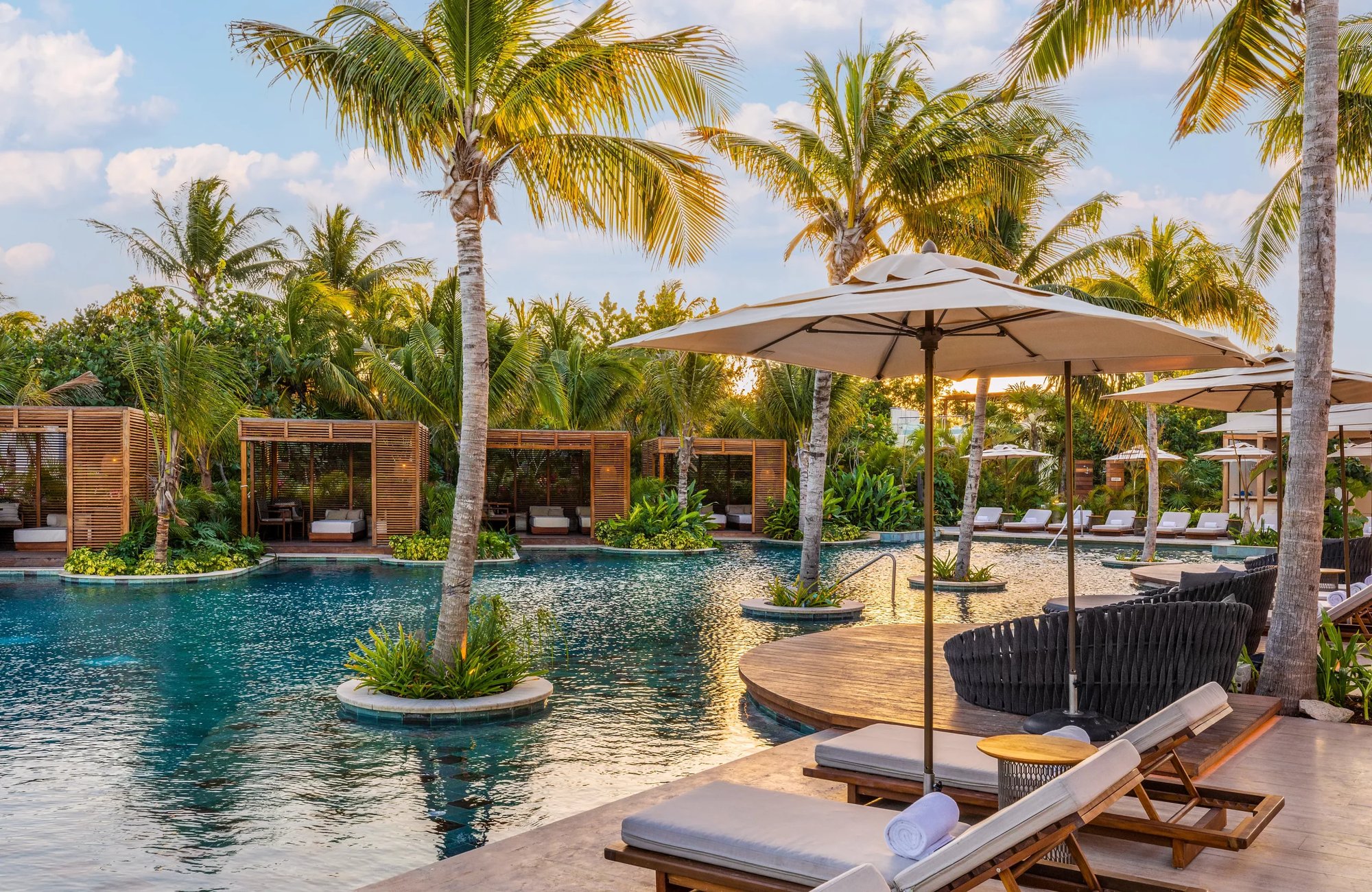
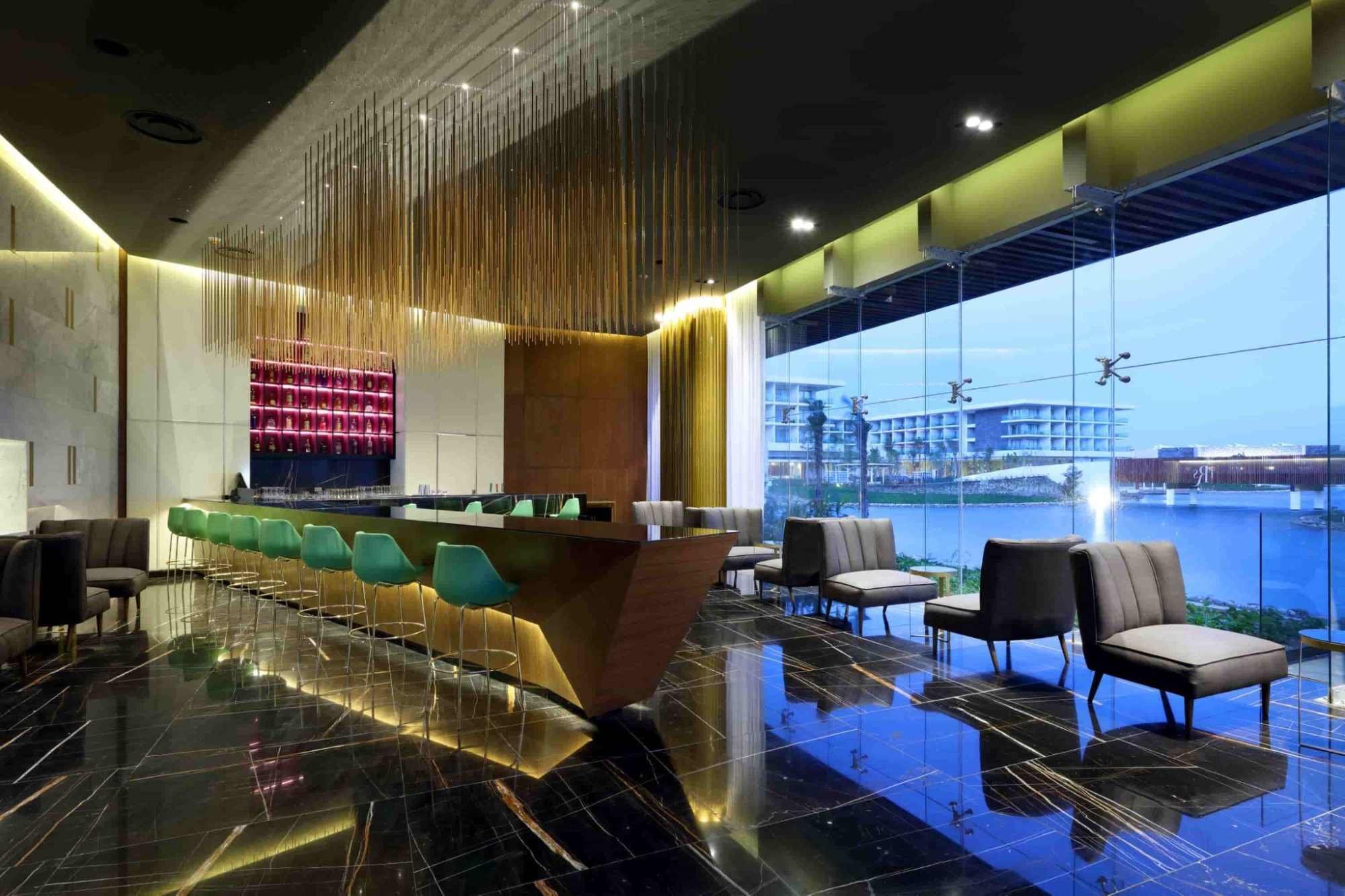
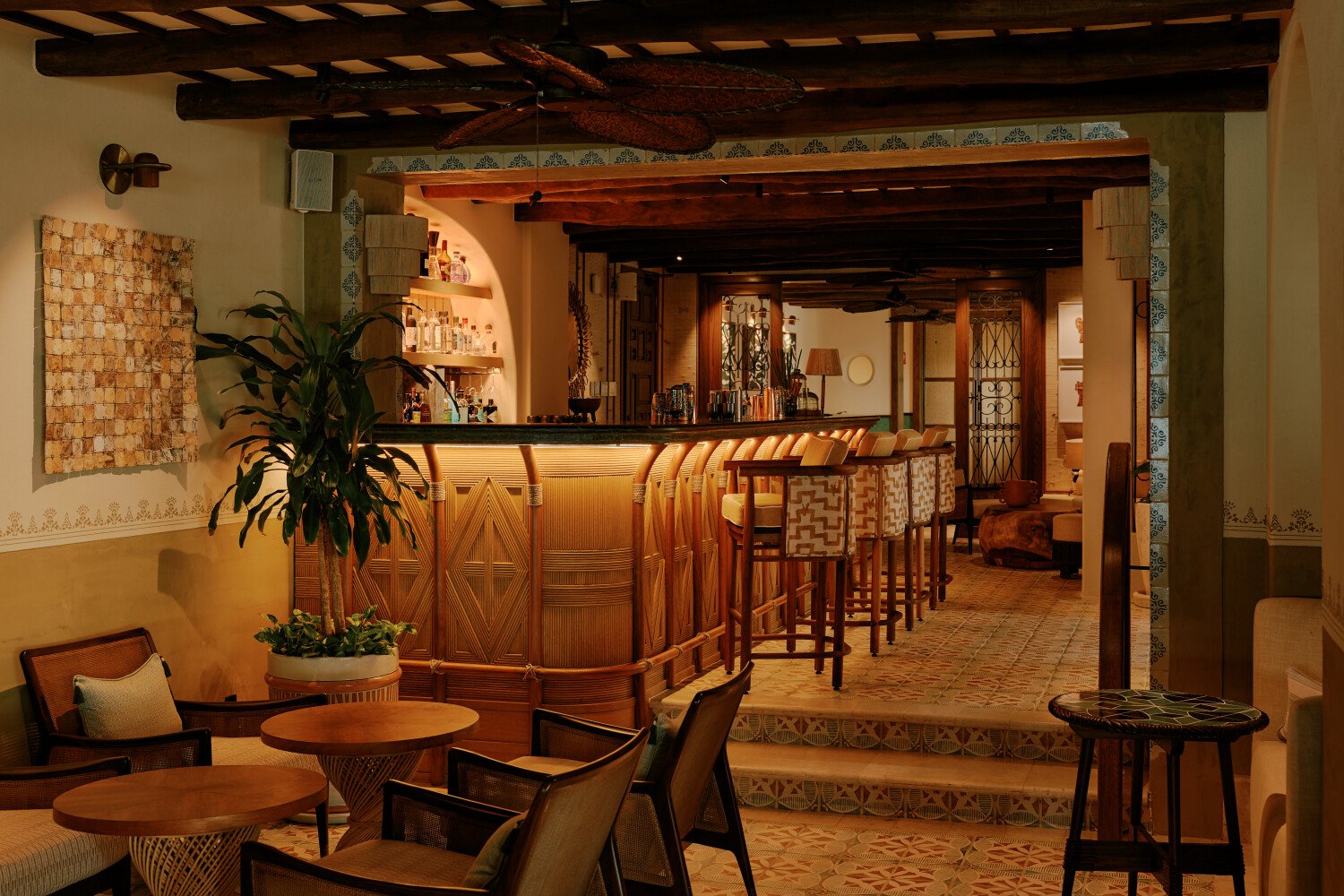
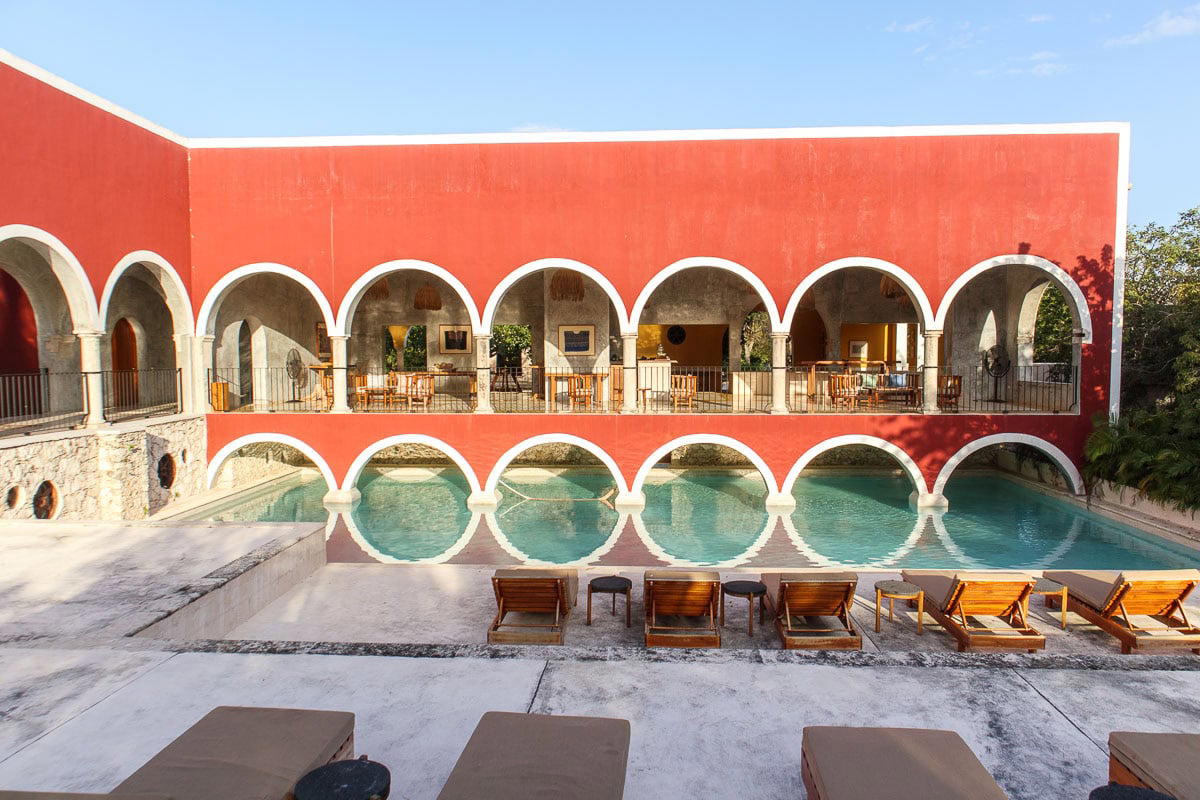
Wakax Hacienda frames itself as an inland, design-led retreat that trades beachside spectacle for a layered architectural take on the Mexican hacienda. The property organizes around a central plaza and church, with buildings and outdoor rooms that feel rooted in place rather than in the tourist strip. The real theatrical element is geological: three cenotes sit on the estate, lending the grounds a sense of ritual and natural drama. Overall the hotel reads as quietly deliberate and intimate — a rustic-historic compound that privileges slow, contemplative encounters with jungle and water over beachfront flash.
Best For
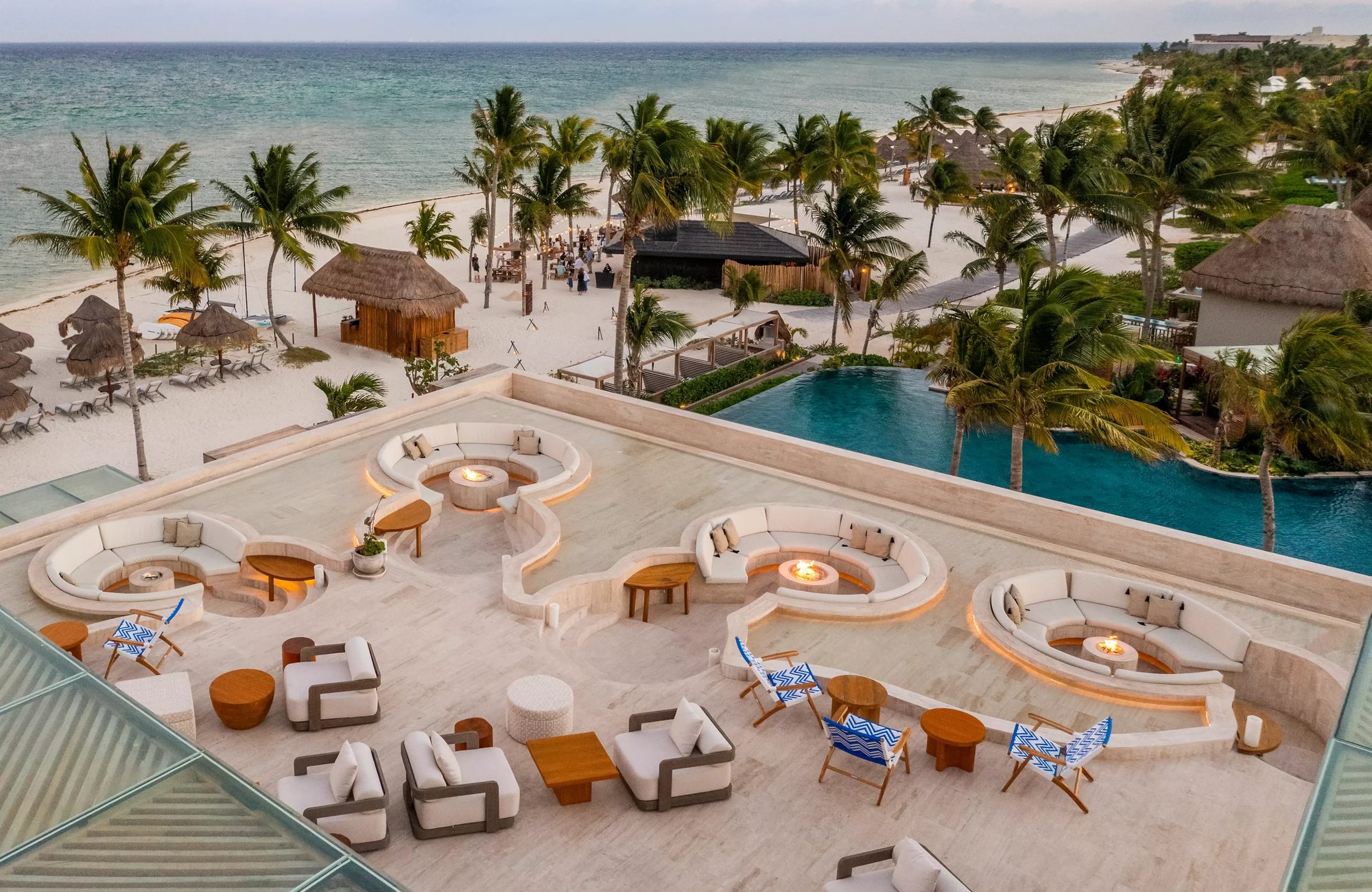
This property suits travelers who want the other side of Tulum: people seeking a nature-focused, low-key stay away from the beach-club scene. It is ideal for guests drawn to architecture and site-specific design, and for those who place a premium on direct access to natural features — here, the trio of on-site cenotes. The hotel naturally appeals to anyone looking for a tranquil, design-forward base in the Riviera Maya rather than a high-energy coastal resort.
Stay Tips
Plan logistics with the inland location in mind: the property is reached via a dusty road and sits away from the village and beachfront hubs. The cenotes are the principal draw — factor time into your stay to experience the on-site sinkholes rather than expecting beach access. Given the hacienda layout and central plaza, expect outdoor communal spaces to be the focus; arrival timing and transport arrangements matter more here than proximity to Tulum’s seaside amenities.
Venue details
Ambiance
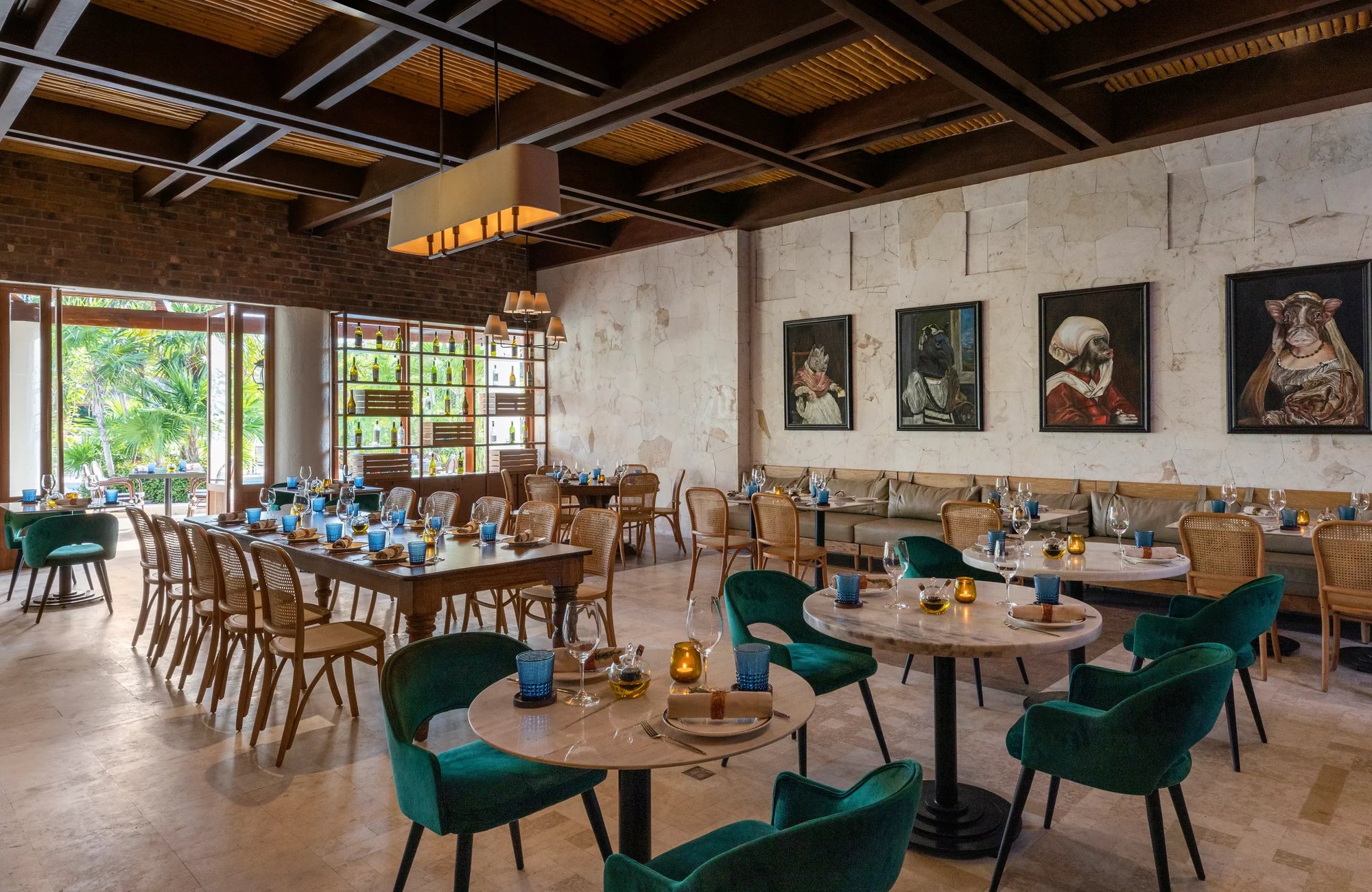
Quiet, serene jungle retreat with a classic hacienda feel; the atmosphere blends rustic natural surroundings with minimalist colonial-inspired interiors and open-air spaces.
Tags
Vibe
Best For
Experience
Amenities
View
About the Stay
- Rooms
- 48
- Check-in
- 15:00
- Check-out
- 12:00
- Property Style
- Luxury Boutique Hacienda Resort Set Around Cenotes and a Lagoon, Emphasizing Nature Immersion and Seclusion.
- Design Style
- Modern Hacienda Inspired Design with Spanish Colonial Details, Polished Concrete, Exposed Wood Beams, Scandinavian Furniture, and Rustic Tropical Textures.
Know before you go
Know Before You Go
- Getting there
- Playa Del Carmen, Carr. Cancún - Tulum Km 239, 77776 Tulum, Q.R.
Planning details
Location
Playa Del Carmen, Carr. Cancún - Tulum Km 239, 77776 Tulum, Q.R. · Directions

Also consider
Also Consider
- Hotel Nerea Tulum, Notable alternative
- Jashita Hotel, Notable alternative
- Bespoke Tulum, Notable alternative
- IKAL Tulum Hotel, Notable alternative
- Aloft Tulum, Notable alternative
Hotel context
How it compares in Riviera Maya
Hotel Nerea Tulum and Jashita Hotel are better cross-shops if the stay needs to feel closer to the coast and more hotel-like in rhythm. Wakax Hacienda - Cenote & Boutique Hotel is the stronger pick for a quieter, retreat-style base, especially when ambiance matters more than being in the center of Tulum activity.
Bespoke Tulum and IKAL Tulum Hotel make sense for travelers who want a more Tulum-forward boutique stay. Choose Wakax for a calmer hacienda-and-cenote mood; choose those peers if the trip is built around social plans, beach time, or easier movement around Tulum.
Aloft Tulum is the practical alternative for work trips: simpler logistics, a more familiar brand format, and likely easier fit for business routines. Wakax is the better choice for a slower stay with more sense of place, but Aloft is the safer call when convenience matters more than atmosphere.
Explore Riviera Maya
Around this place
Discover more on Pearl
Unlock the full Wakax Hacienda - Cenote & Boutique Hotel guide in Pearl, including awards, comparisons, FAQs, planning details, and nearby places.
Compare Wakax Hacienda - Cenote & Boutique Hotel
| Venue | Location | Awards |
|---|---|---|
| Wakax Hacienda - Cenote & Boutique Hotel | Riviera Maya | 2026 Mr & Mrs Smith Luxury HotelsMichelin 2 Keys 2025Small Luxury Hotels Member 20252025 Michelin 2 Keys |
| Hotel Nerea Tulum | Tulum | No published awards |
| Jashita Hotel | Tulum | No published awards |
| Bespoke Tulum | Tulum | Small Luxury Hotels Member 2025 |
| IKAL Tulum Hotel | Tulum | No published awards |
| Aloft Tulum | Tulum | No published awards |
How Wakax Hacienda Riviera Maya compares with similar nearby venues.
FAQ
Frequently Asked Questions
When is the best time to book Wakax Hacienda - Cenote & Boutique Hotel?
Book once your Riviera Maya trip dates are fixed, especially if you are prioritizing a boutique-hotel stay. The Small Luxury Hotels of the World membership and Mr & Mrs Smith Seal of Approval are useful recognition signals, but availability details should be checked directly before planning around them.
How is the pool and spa at Wakax Hacienda - Cenote & Boutique Hotel?
For specific pool, spa, or wellness details, confirm directly with Wakax Hacienda - Cenote & Boutique Hotel before booking. For a more standard hotel comparison, travelers may also look at Aloft Tulum.
Is Wakax Hacienda - Cenote & Boutique Hotel family-friendly?
For a family stay, check directly with the property for room setup, age policies, and any services needed. Treat it as a Riviera Maya boutique-hotel option and confirm the practical details before booking.
Do loyalty programs work at Wakax Hacienda - Cenote & Boutique Hotel?
Wakax Hacienda - Cenote & Boutique Hotel has Small Luxury Hotels of the World membership and a Mr & Mrs Smith Seal of Approval. If points are central to the trip, compare the booking terms directly with a chain option such as Aloft Tulum.
Which room category is best at Wakax Hacienda - Cenote & Boutique Hotel?
Choose based on the property's current booking details and contact Wakax Hacienda - Cenote & Boutique Hotel directly if privacy, views, accessibility, or bedding configuration matters.