





Banyan Tree Mayakoba
Mayakoba, Riviera Maya
Hotel in Riviera Maya, Mexico
 Book with Pearl
The Read
Canal-Set Villa Sanctuary
Why go
Banyan Tree Mayakoba is a resort near Playa del Carmen in Mexico's Riviera Maya.
About Banyan Tree Mayakoba
For a Riviera Maya stay, Banyan Tree Mayakoba is a premium hotel choice with a smart-casual dress code and a strong slate of hospitality accolades.
The recognition stack supports its luxury positioning: Michelin 2 Keys in 2024, AAA 5 Diamond in 2025, Forbes 4-Star in 2026, La Liste Top Hotels 2026 at 99 points, Fodor's Most Incredible Hotels in the World in 2026, Virtuoso Luxury Hotel Partner status in 2026, and the Mr & Mrs Smith Seal of Approval in 2026.
Book it for luxury recognition in Riviera Maya
The clearest reason to consider Banyan Tree Mayakoba is its standing among Riviera Maya luxury hotels. Travelers comparing it with Fairmont Mayakoba, Riviera Maya or Rosewood Mayakoba should make a hotel-by-hotel decision rather than relying on assumptions about service style, room layout, dining, or resort atmosphere.
Confirm exact amenities, room types, restaurant details, pricing, and operating policies directly before booking. Its profile includes the location, smart-casual dress code, and recognition from Michelin, AAA, Forbes, La Liste, Fodor's, Virtuoso, and Mr & Mrs Smith.
Who should choose it over comparable Riviera Maya hotels
Choose Banyan Tree Mayakoba if you want a Riviera Maya hotel with a standout luxury-recognition profile. If you are also considering Grand Velas Riviera Maya, Fairmont Heritage Place Mayakoba, Alila Mayakoba, Rosewood Mayakoba, or Fairmont Mayakoba, Riviera Maya, compare current rates, policies, room categories, and on-property services directly before deciding.
The verdict: Banyan Tree Mayakoba is a strong candidate for travelers who value third-party recognition in Riviera Maya. If dining, spa, pools, family programming, business facilities, or inclusions are priorities, confirm those details with the hotel at the time of booking. For broader planning, compare it with other Riviera Maya hotel options, and check current restaurant information separately if the stay will include meals away from the resort.
Part of
Banyan Tree27 locations on PearlInside Banyan Tree Mayakoba
Planning details
- Location
- Carretera Federal Chetumal-Puerto Juárez KM 298 Riviera Maya, 77710 Playa del Carmen, Q.R.
- Website
- banyantree.com/mexico/mayakoba
- Phone
- +52 984 877 3699
The take
The Take
The Vibe
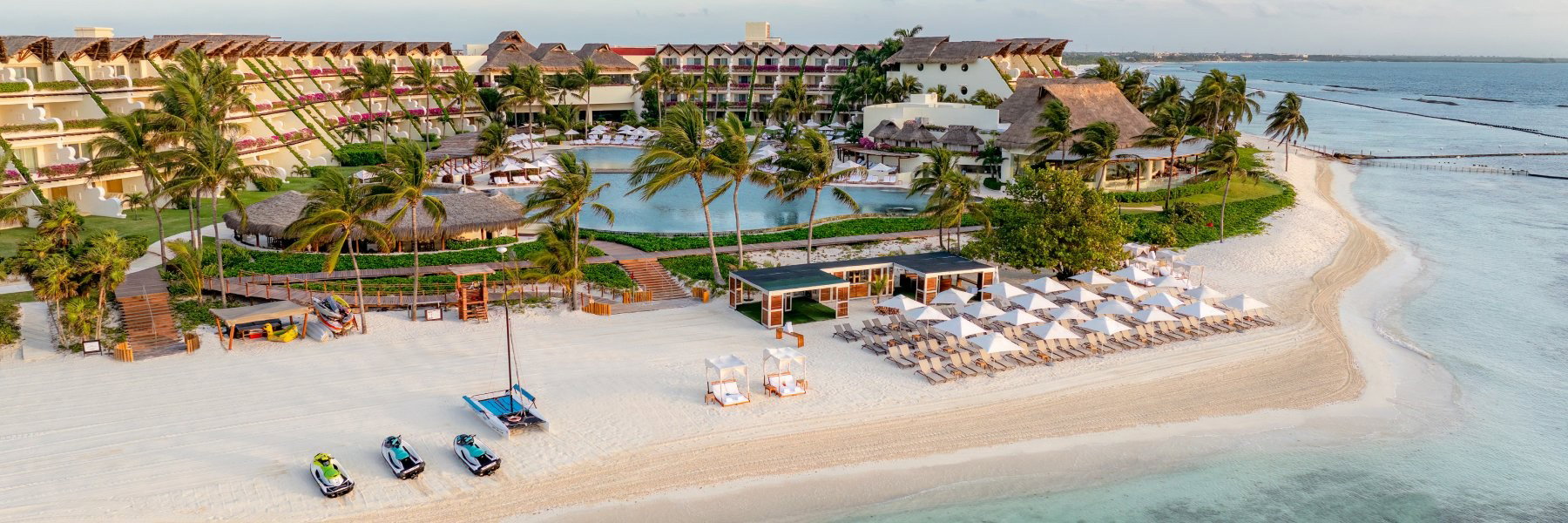
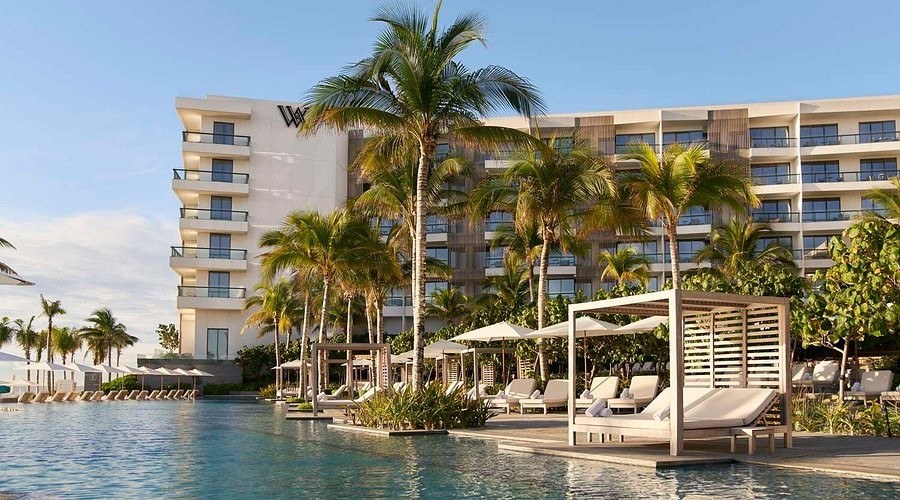
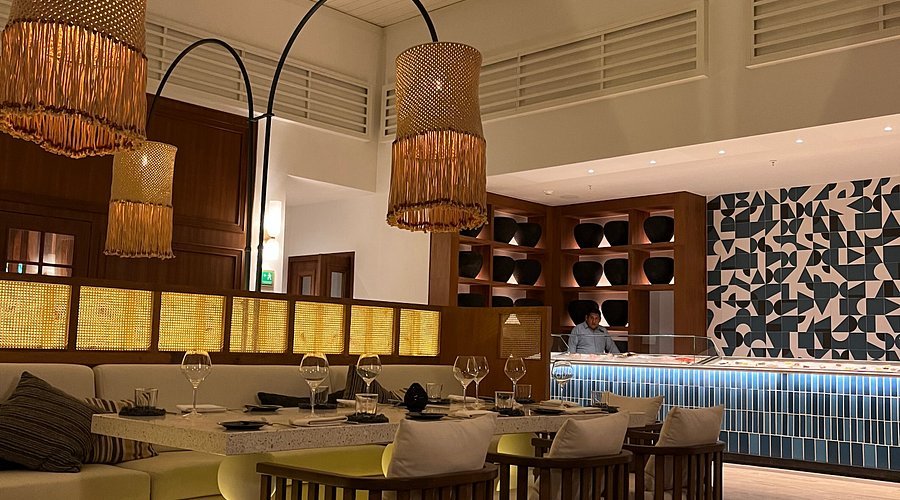
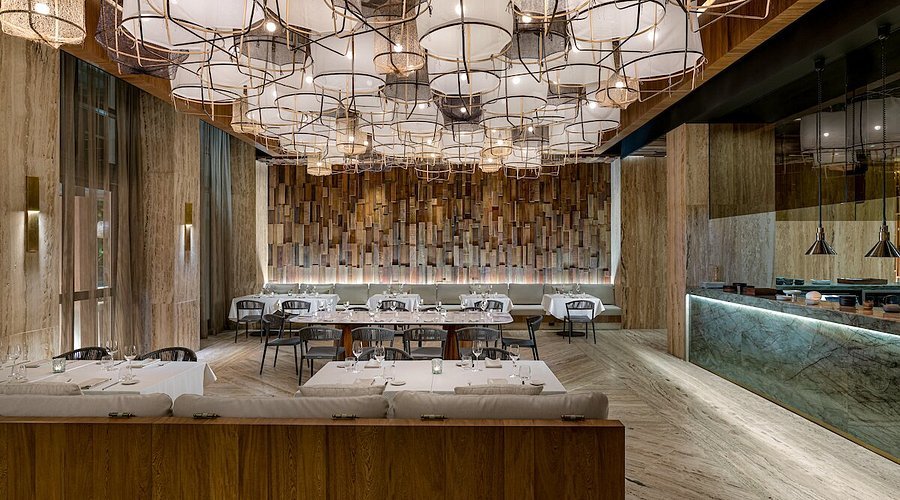
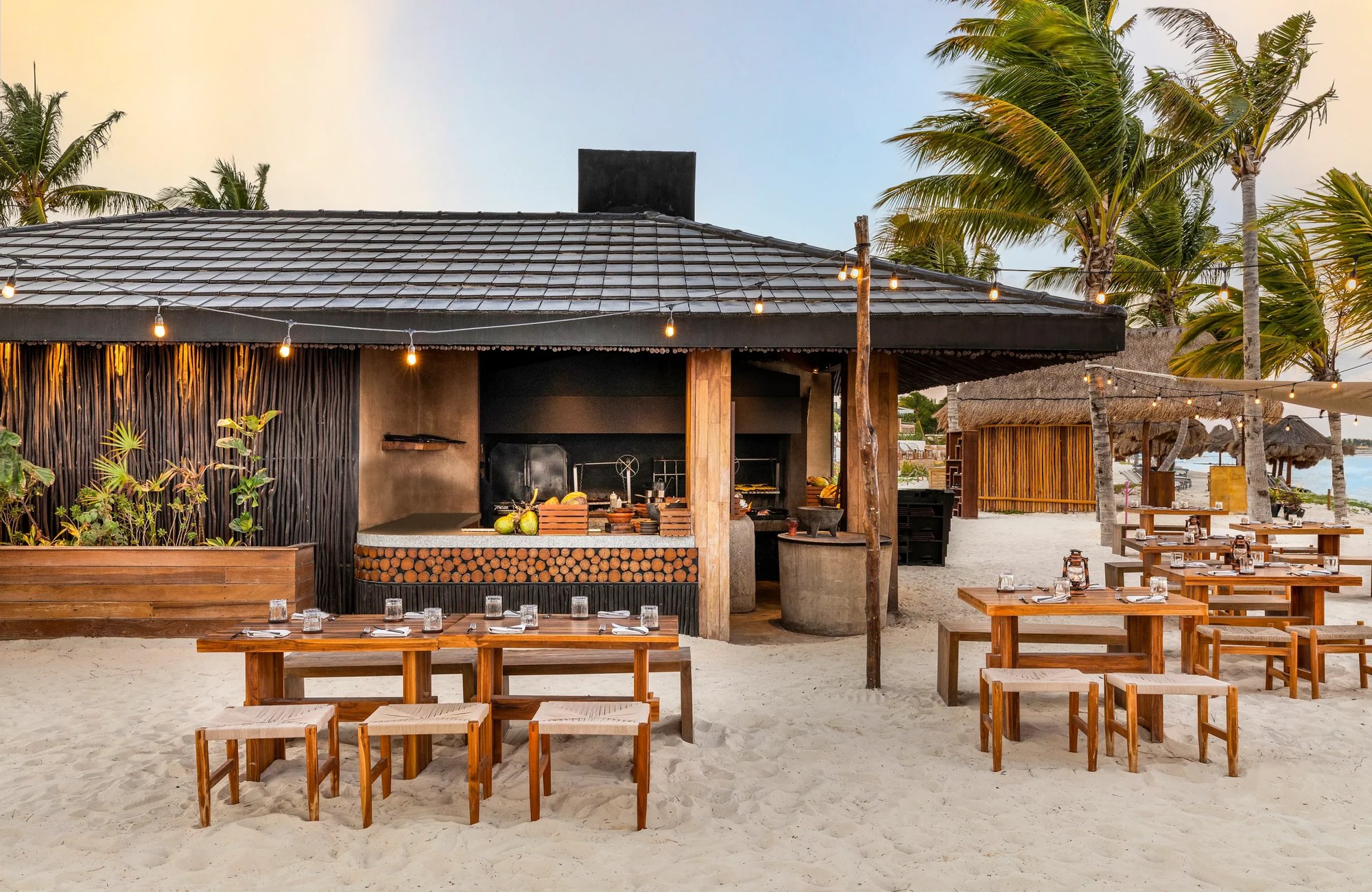
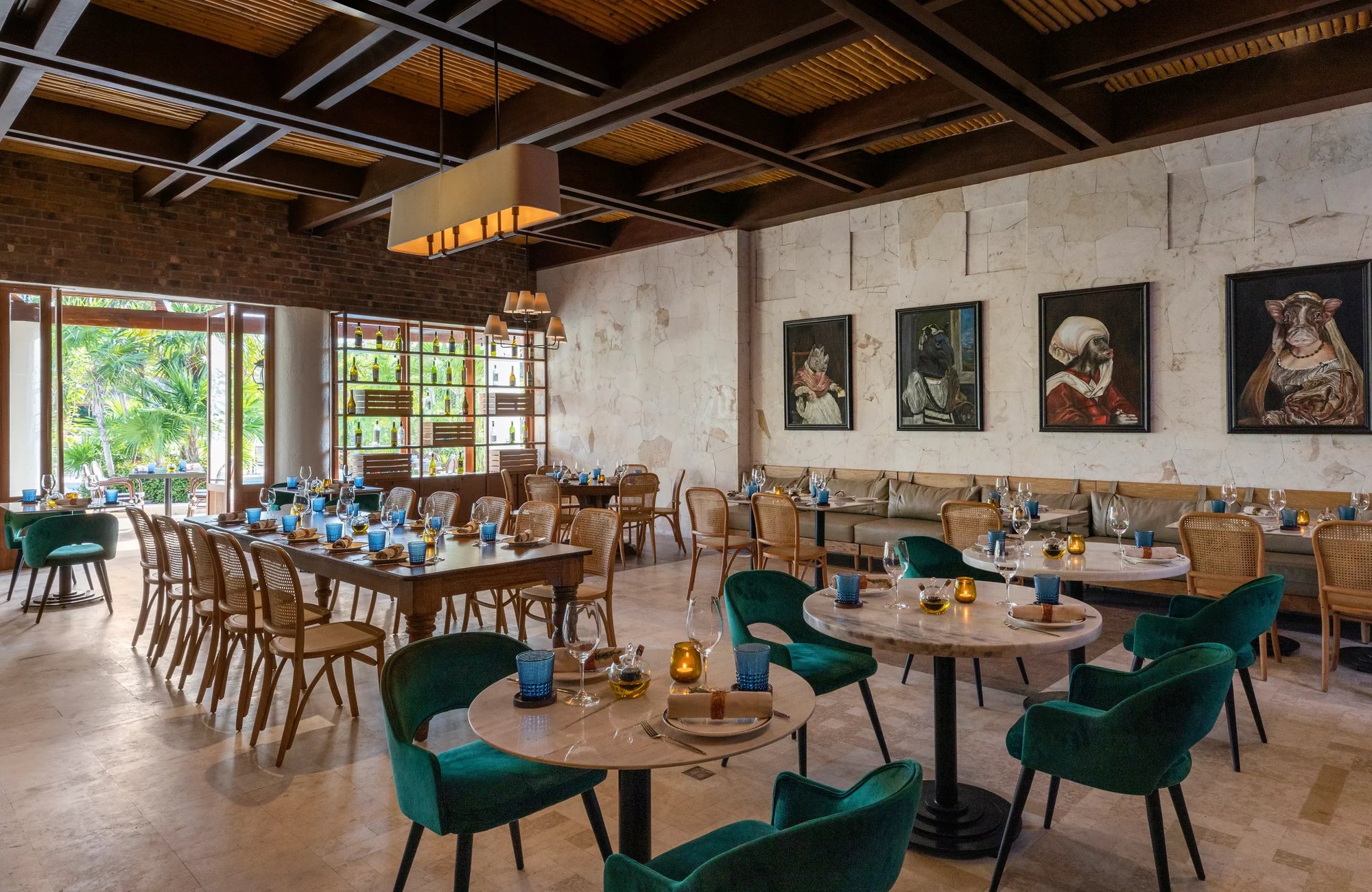
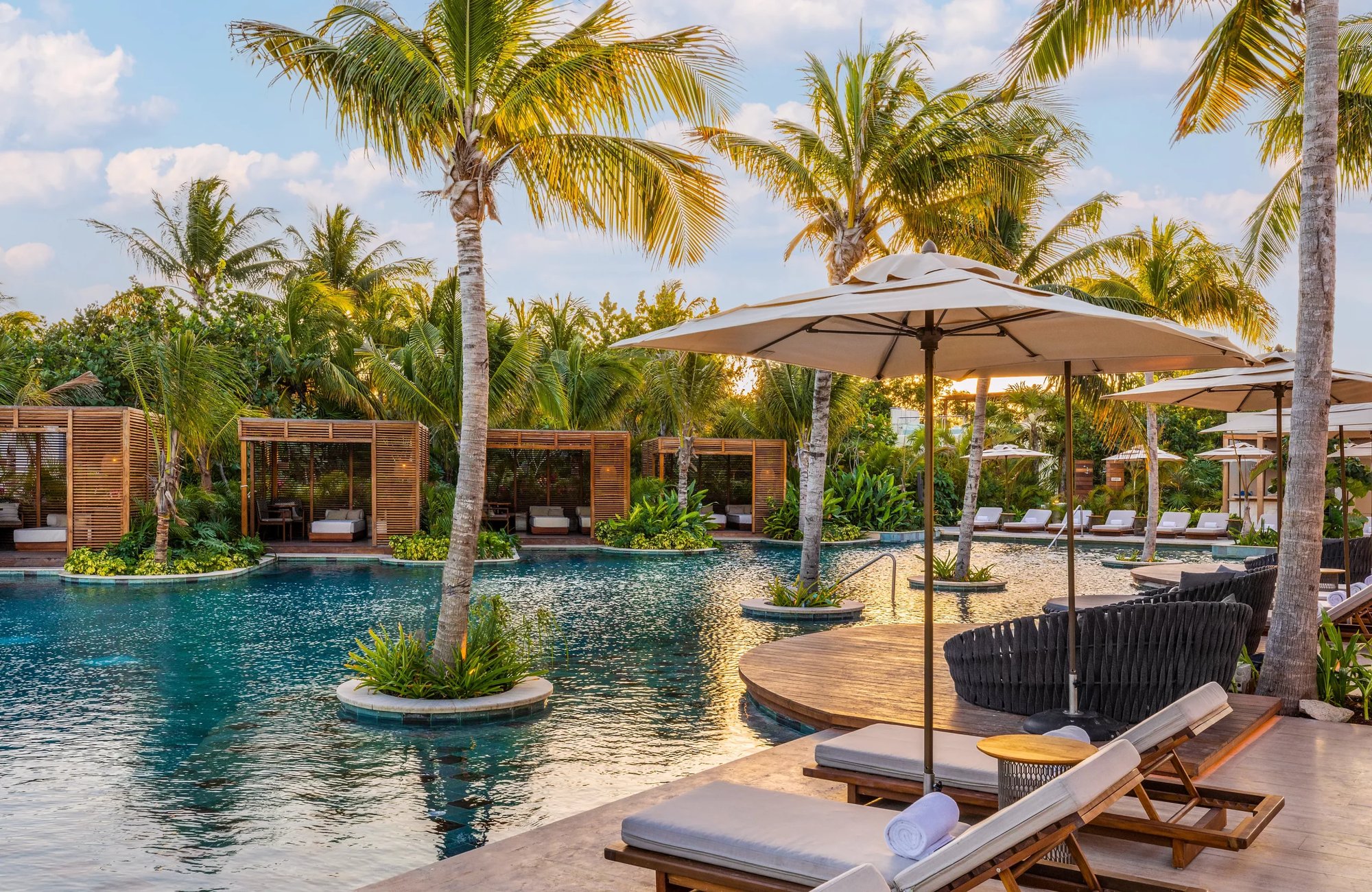
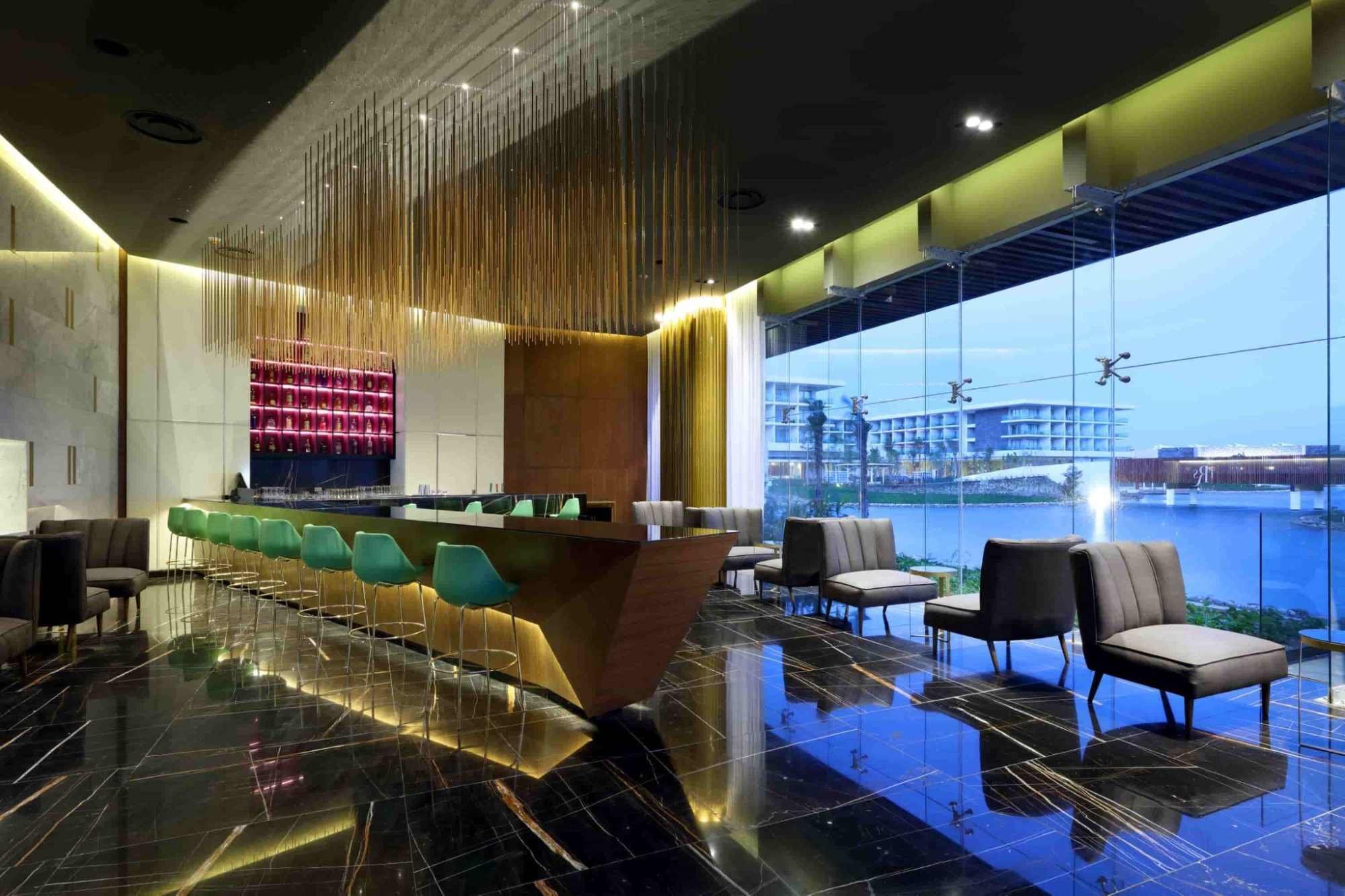
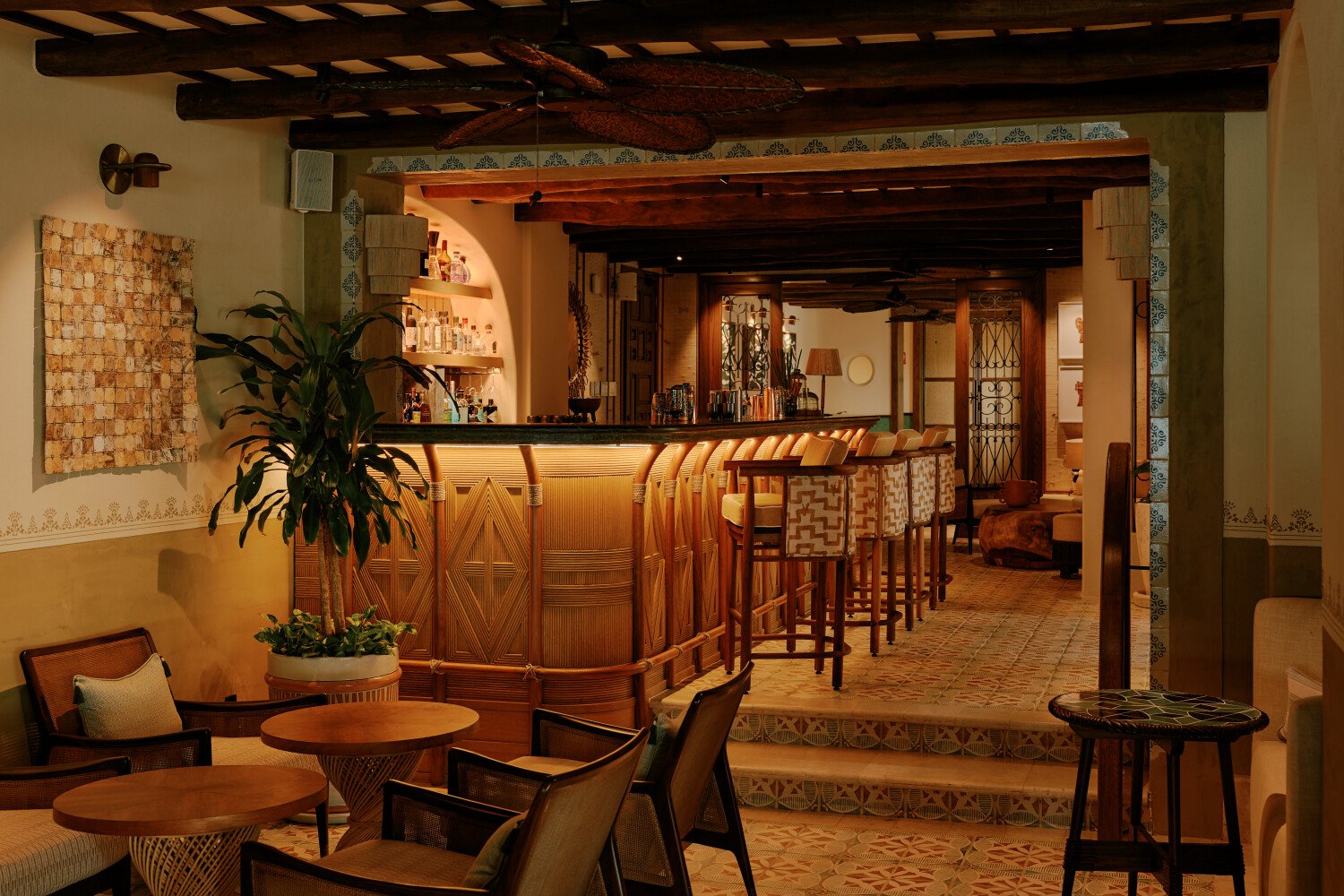
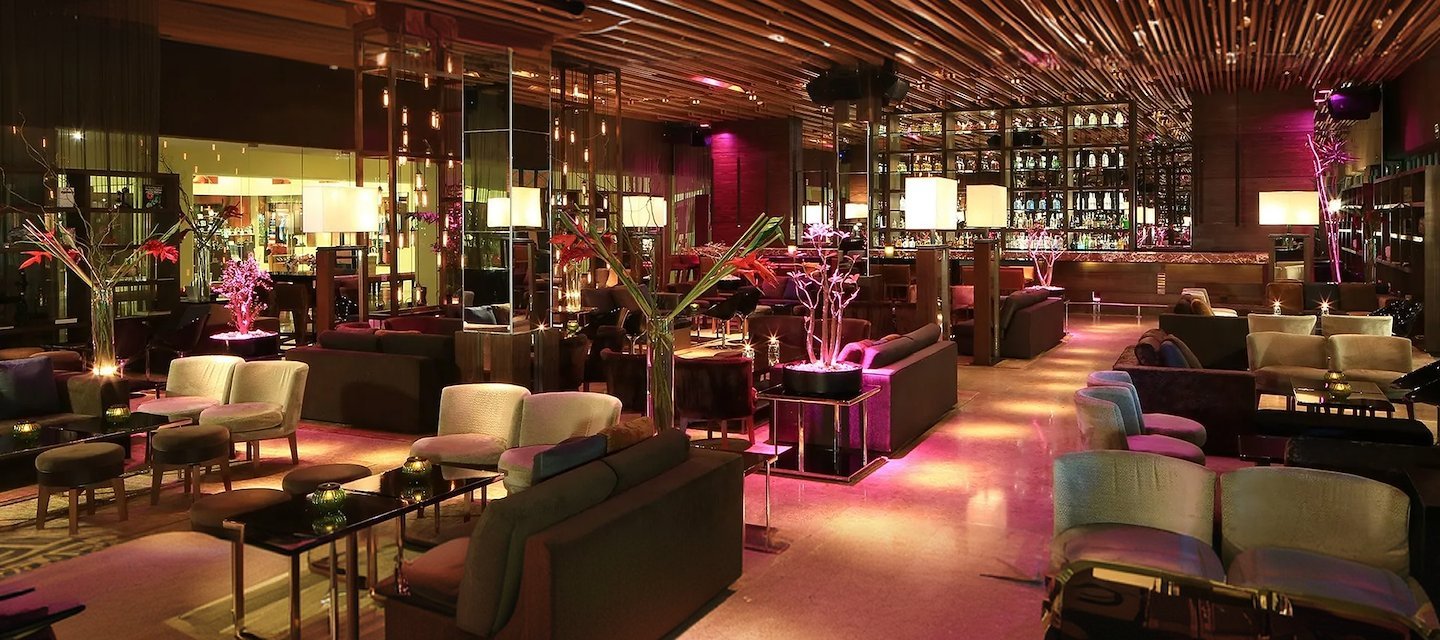
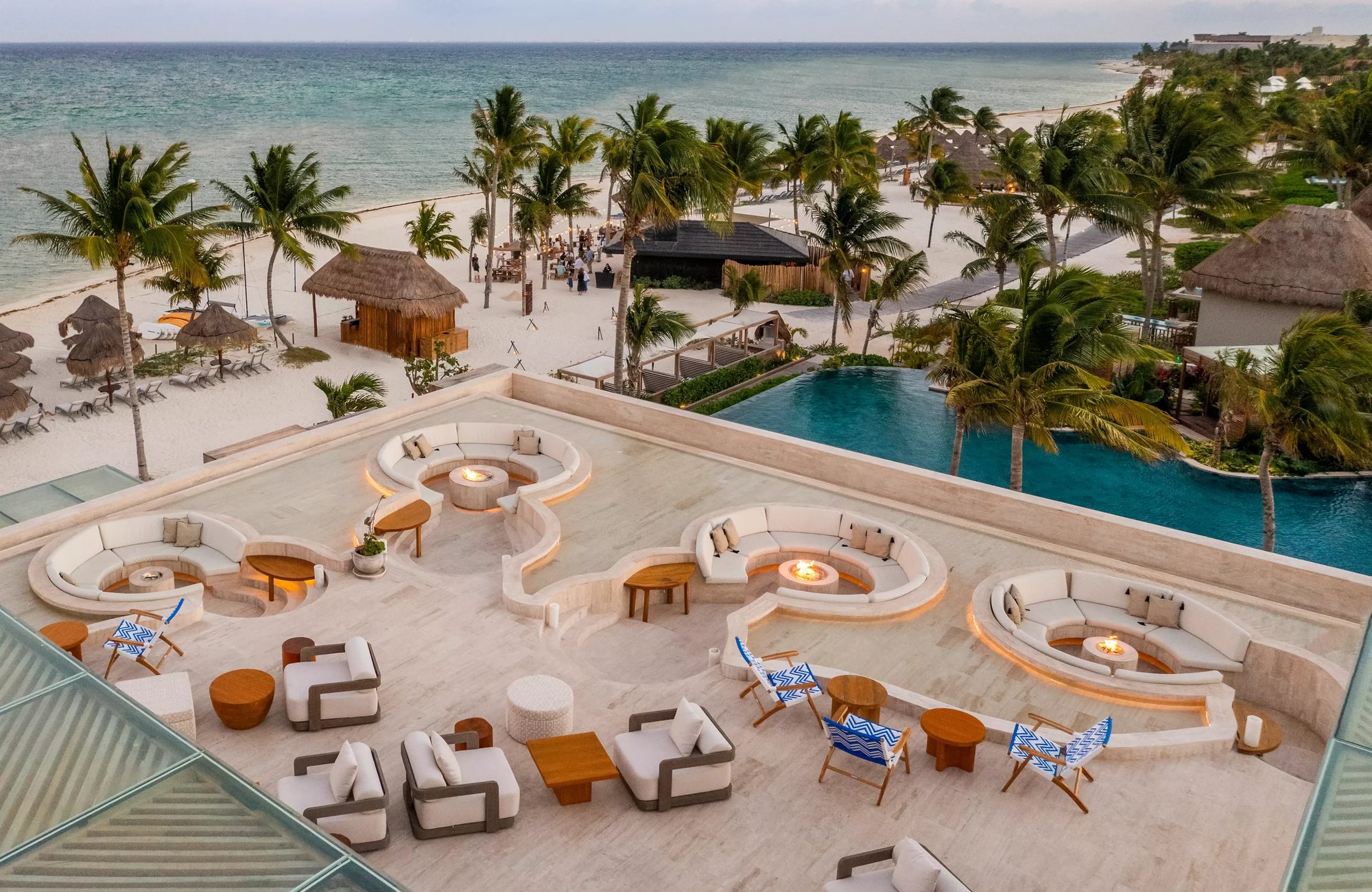
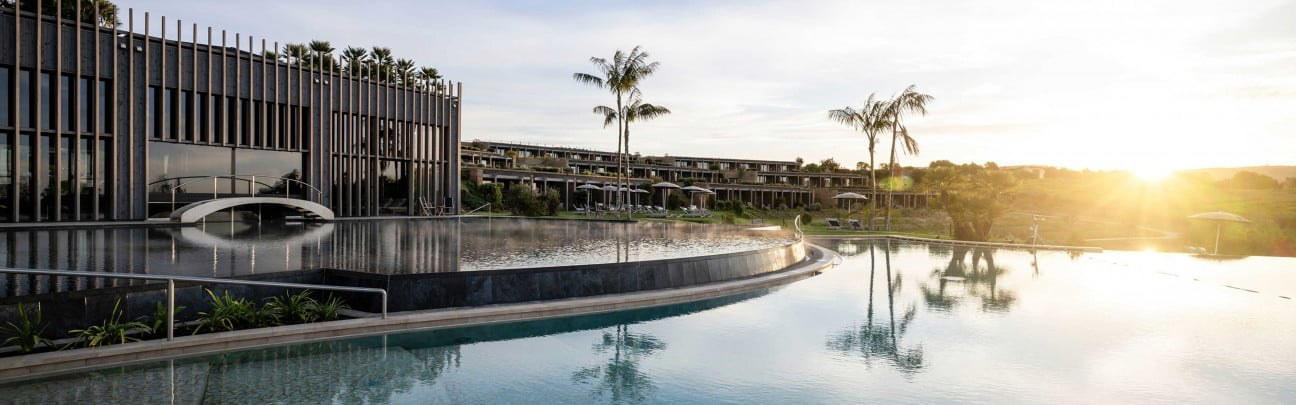
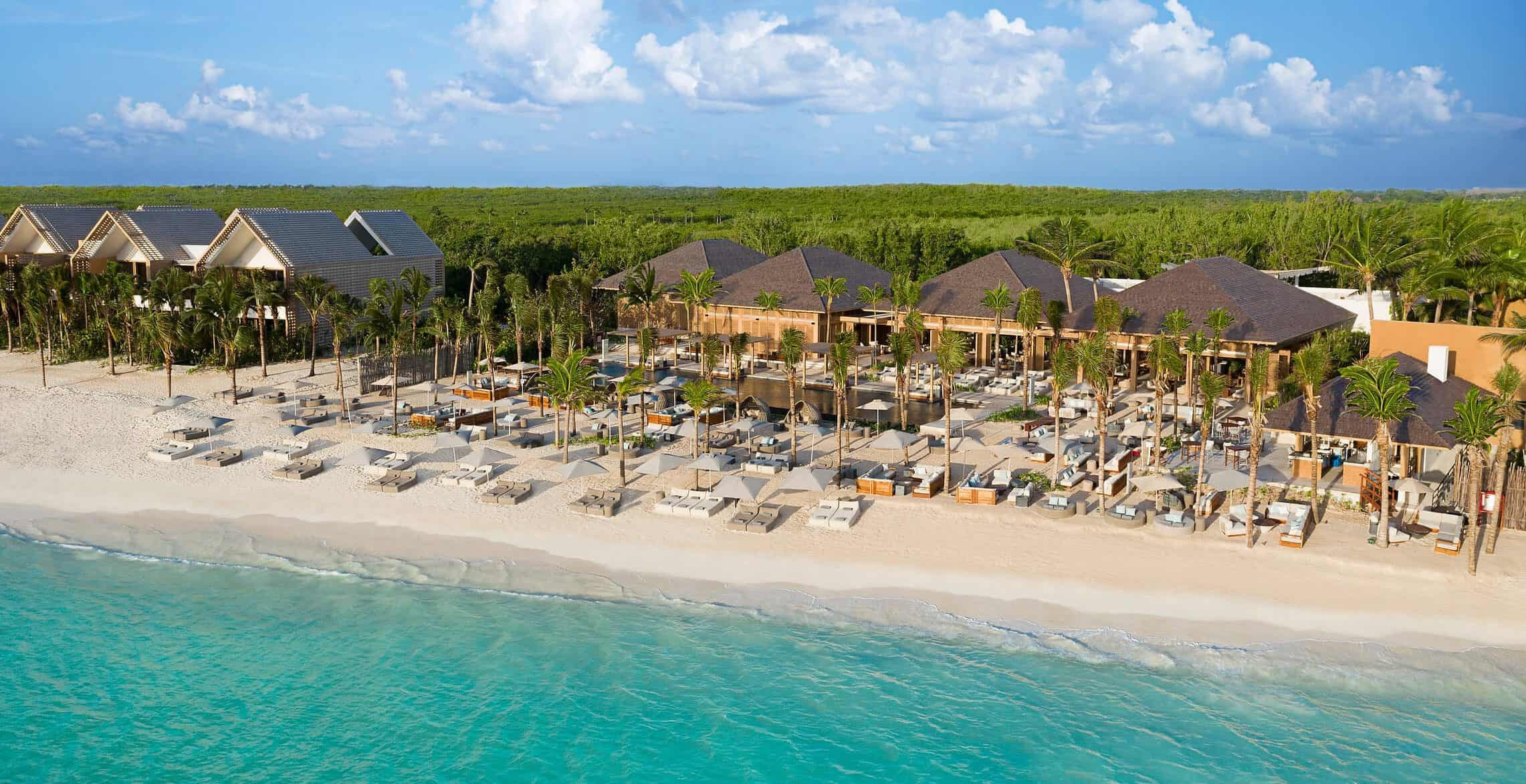
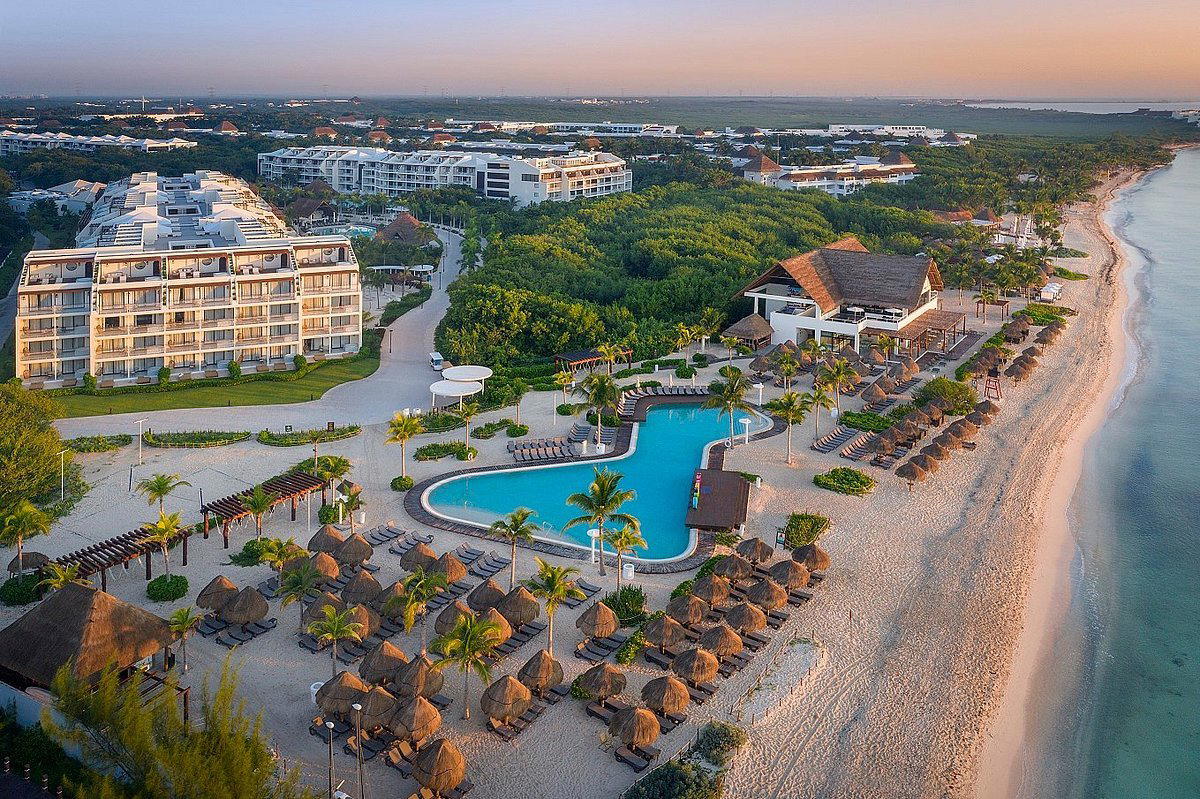
Banyan Tree Mayakoba registers as a secluded, architecturally considered resort that leans on water and natural materials to set its tone. An open-air arrival lobby frames the canal network and removes the sense of separation between indoors and out, while a material palette of rustic hardwoods and muted earth tones anchors the buildings to the landscape. The property favors spatial separation—villas sit along garden paths and are reached by golf cart—so the overall effect is calm, intimate, and quietly luxurious rather than flamboyantly beachfront.
Best For
The resort suits travelers who prize privacy and a contemplative beachfront-adjacent setting. It is ideal for couples and small groups seeking a retreat-oriented stay where villas are spread across landscaped gardens and canals rather than clustered in a single tower. Because the property emphasizes water as a structural element and offers open-air communal spaces, it also appeals to guests who want a nature-forward, design-led experience within the larger Mayakoba complex—those who prefer a quieter, more intimate alternative to full-scale resort spectacle.
Stay Tips
Request a villa that sits along the canals if you want the signature water experience—the open-air lobby and lagoons are central to the resort’s character. Keep in mind villas are dispersed across garden paths and are accessed by golf cart, so confirm arrival logistics and golf-cart pickup when you book. Because the property prioritizes seclusion within the 640-acre Mayakoba complex, state any preferences for proximity to the main arrival area if you want shorter transfer times to the lobby.
Venue details
Ambiance
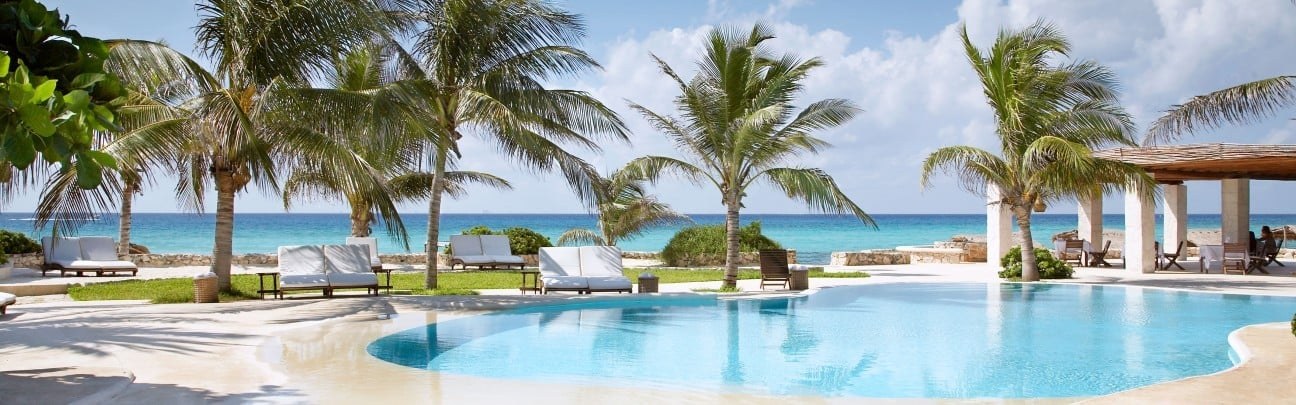
Serene and luxurious with natural light filtering through mangroves, tranquil waterways, and soft ocean breezes creating an intimate, rejuvenating atmosphere.
Tags
Vibe
Best For
Experience
Amenities
View
Accessibility
About the Stay
- Rooms
- 160
- Check-in
- 15:00
- Check-out
- 12:00
- Property Style
- Intimate Private Villas Harmoniously Integrated with Tropical Mangroves and Waterways.
- Design Style
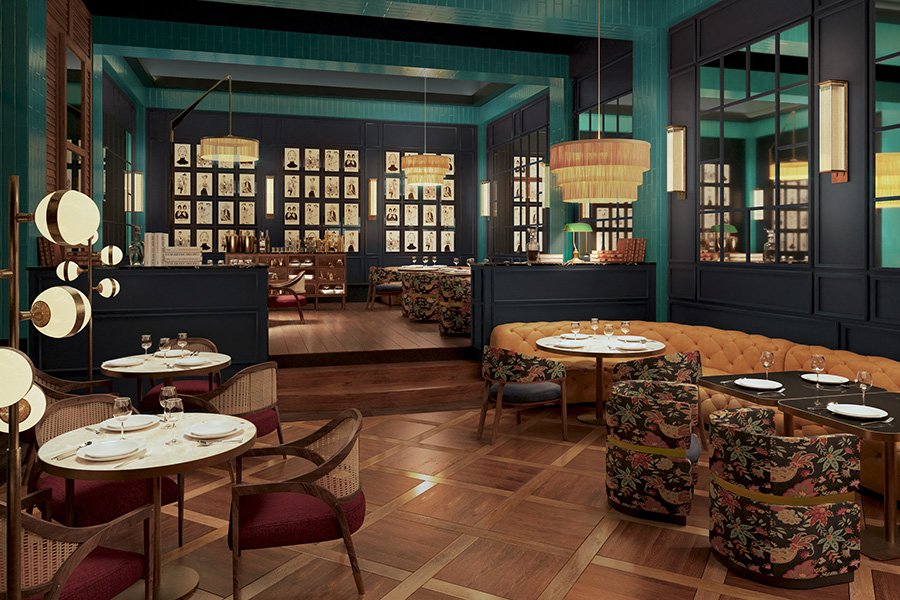
- Timeless Asian Mexican Fusion with Natural Materials and Open Air Pavilions.
Know before you go
Know Before You Go
- Getting there
- Carretera Federal Chetumal-Puerto Juárez KM 298 Riviera Maya, 77710 Playa del Carmen, Q.R.
Planning details
Location
Carretera Federal Chetumal-Puerto Juárez KM 298 Riviera Maya, 77710 Playa del Carmen, Q.R. · Directions
Recognition and awards




Also consider
Also Consider
- Fairmont Mayakoba, Riviera Maya, Notable alternative
- Fairmont Heritage Place Mayakoba, Notable alternative
- Rosewood Mayakoba, Notable alternative
- Grand Velas Riviera Maya, Notable alternative
- Alila Mayakoba, Notable alternative
Hotel context
How it compares in Mayakoba
Banyan Tree Mayakoba is the pick for privacy-led luxury and a quieter, self-contained resort rhythm. Fairmont Mayakoba, Riviera Maya is the more practical cross-shop for bigger mixed-age groups, while Rosewood Mayakoba is the closer luxury rival for travelers who want a more socially polished feel.
For value control, Grand Velas Riviera Maya is easier to justify when an all-inclusive setup matters for group budgeting. Fairmont Heritage Place Mayakoba makes more sense when residence-style space is the priority. Alila Mayakoba is the design-minded alternative if the brief is fresher and less traditional.
Book Banyan Tree Mayakoba when ambiance, privacy, and recognition outweigh price flexibility. If the trip needs easier availability or a more conventional resort setup, start with Fairmont or Grand Velas instead.
Explore Riviera Maya
Around this place
Discover more on Pearl
Unlock the full Banyan Tree Mayakoba guide in Pearl, including awards, comparisons, FAQs, planning details, and nearby places.
Compare Banyan Tree Mayakoba
| Venue | Location | Awards |
|---|---|---|
| Banyan Tree Mayakoba | Riviera Maya | 100 Most Incredible Hotels in the World · 20262026 Forbes 4-Star2026 Virtuoso Luxury Hotel Collection2026 Mr & Mrs Smith Luxury Hotels2026 La Liste Top HotelsMichelin 2 Keys 20252025 AAA 5 Diamond Hotel2025 Michelin 2 Keys2025 Forbes 4-Star |
| Fairmont Mayakoba, Riviera Maya | Riviera Maya | 2026 Forbes 4-StarStar Wine Lists 20262026 La Liste Top Hotels2025 Michelin Selected Hotels2025 AAA 5 Diamond Hotel2025 Forbes 4-Star |
| Fairmont Heritage Place Mayakoba | Riviera Maya | No published awards |
| Rosewood Mayakoba | Riviera Maya | 2026 Virtuoso Luxury Hotel Collection2026 Forbes 5-StarStar Wine Lists 20262026 Mr & Mrs Smith Luxury Hotels2026 La Liste Top Hotels2025 Robb Report The 50 Greatest Luxury Hotels on Earth · #192025 World’s 50 Best Hotels · #952025 Michelin 2 Keys2025 Forbes 5-Star |
| Grand Velas Riviera Maya | Riviera Maya | 2026 Virtuoso Luxury Hotel Collection2026 Forbes 4-StarStar Wine Lists 2026AAA Diamonds Top 10 Hotels 20262026 La Liste Top Hotels2025 Forbes 4-Star2025 AAA 5 Diamond HotelPreferred Hotels Member 2025 |
| Alila Mayakoba | Playa del Carmen | 2026 Virtuoso Luxury Hotel CollectionAHEAD Americas Awards 2026 Shortlist - Hotel Renovation2026 La Liste Top Hotels2025 Michelin Selected Hotels |







How Banyan Tree Mayakoba Riviera Maya compares with similar nearby venues.
FAQ
Frequently Asked Questions
Is Banyan Tree Mayakoba family-friendly?
Is Banyan Tree Mayakoba good for business travel?
Travelers planning a business trip should confirm current meeting facilities and business-travel services directly with the hotel in Riviera Maya. Its recognition includes AAA 5 Diamond and Forbes 4-Star status.
Do loyalty programs work at Banyan Tree Mayakoba?
Banyan Tree Mayakoba has Virtuoso Luxury Hotel Partner status in 2026. If loyalty benefits matter most, compare the current booking options for Banyan Tree Mayakoba with Rosewood Mayakoba and Fairmont Mayakoba, Riviera Maya before committing.
When is the best time to book Banyan Tree Mayakoba?
How is the dining at Banyan Tree Mayakoba?
Confirm current dining options directly with Banyan Tree Mayakoba, and check current Riviera Maya restaurant information separately if you plan to dine away from the hotel.
How does Banyan Tree Mayakoba compare to nearby hotels?
Banyan Tree Mayakoba stands out for its recognition, including Michelin 2 Keys, AAA 5 Diamond, Forbes 4-Star, and La Liste Top Hotels 2026 at 99 points. For a fuller comparison, check current details for Rosewood Mayakoba, Fairmont Mayakoba, Riviera Maya, Grand Velas Riviera Maya, Fairmont Heritage Place Mayakoba, and Alila Mayakoba.