



Rancho Santana
Tola, Rivas
Hotel in Rivas, Nicaragua
 Book with Pearl
The Read
Pacific Wilderness Immersion
Why go
Rancho Santana is worth booking for a special-occasion coastal stay in Nicaragua, especially if the priority is space, setting, and resort atmosphere over city access. Recognition from La Liste, Travel + Leisure, Virtuoso, and MICHELIN Guide hotel selection gives it a stronger trust signal than a generic beach resort, but book it for the overall stay rather than specific dining or room details.
About Rancho Santana
Rancho Santana is a hotel venue in Rivas with a casual dress code and confirmed hotel recognition. The accolades include La Liste Top Hotels 2026 with 90.5 points, Travel + Leisure 100 Favorite Hotels in the World 2025 at #81 with 97.4 points, Virtuoso Luxury Hotel Partner 2026, and MICHELIN Guide Hotels Selected 2025. Beyond those facts, specific claims about dining, amenities, room categories, pricing, service style, or location details should be checked directly with the property before booking.
Book it for a recognized Rivas hotel stay, not for extras
The clearest reason to consider Rancho Santana is its confirmed hotel recognition. La Liste, Travel + Leisure, Virtuoso, and the MICHELIN Guide all provide hotel-focused third-party recognition.
For travelers comparing other stays, Morgan's Rock Hacienda & Ecolodge is a natural cross-shop. The right choice should come down to the confirmed details that matter for the trip: location in Rivas, booking terms, room availability, and any current services the property itself confirms.
The practical read: confirm the details that are not in the record
Guests who want to build a trip around meals should scan our full Rivas restaurants guide and confirm any on-property dining details directly. The same applies to activities, transportation, room types, and any amenities that may affect the stay.
The recognition signal is clear: La Liste Top Hotels, Travel + Leisure, Virtuoso, and MICHELIN Guide Hotels Selected recognition all point to documented hotel-world validation. That does not automatically answer every planning question. It does make Rancho Santana easier to evaluate for travelers who value third-party hotel recognition and are willing to verify the remaining logistics before booking.
Who should cross-shop before committing
Choose Rancho Santana if the priority is a recognized hotel in Rivas with a casual dress code and confirmed hotel recognition. Cross-shop Nekupe Sporting Resort & Retreat, and consider Andaz Costa Rica Resort at Peninsula Papagayo, Four Seasons Resort at Peninsula Papagayo, Costa Rica, or Nekajui, a Ritz-Carlton Reserve when comparing broader resort options.
The bottom line: Rancho Santana is best evaluated on the facts that are actually: Rivas location, casual dress code, and confirmed recognition from La Liste, Travel + Leisure, Virtuoso, and the MICHELIN Guide. Skip unsupported assumptions about cuisine, amenities, room categories, or exact services until the property confirms them for your travel dates.
Planning details
- Location
- Comarca Limon #1, Carretera Las Salinas, Tola-Rivas, Popoyo Nicaragua, Tola 48500
- Website
- ranchosantana.com
- Phone
- +1 310-299-7550
The take
The Take
The Vibe
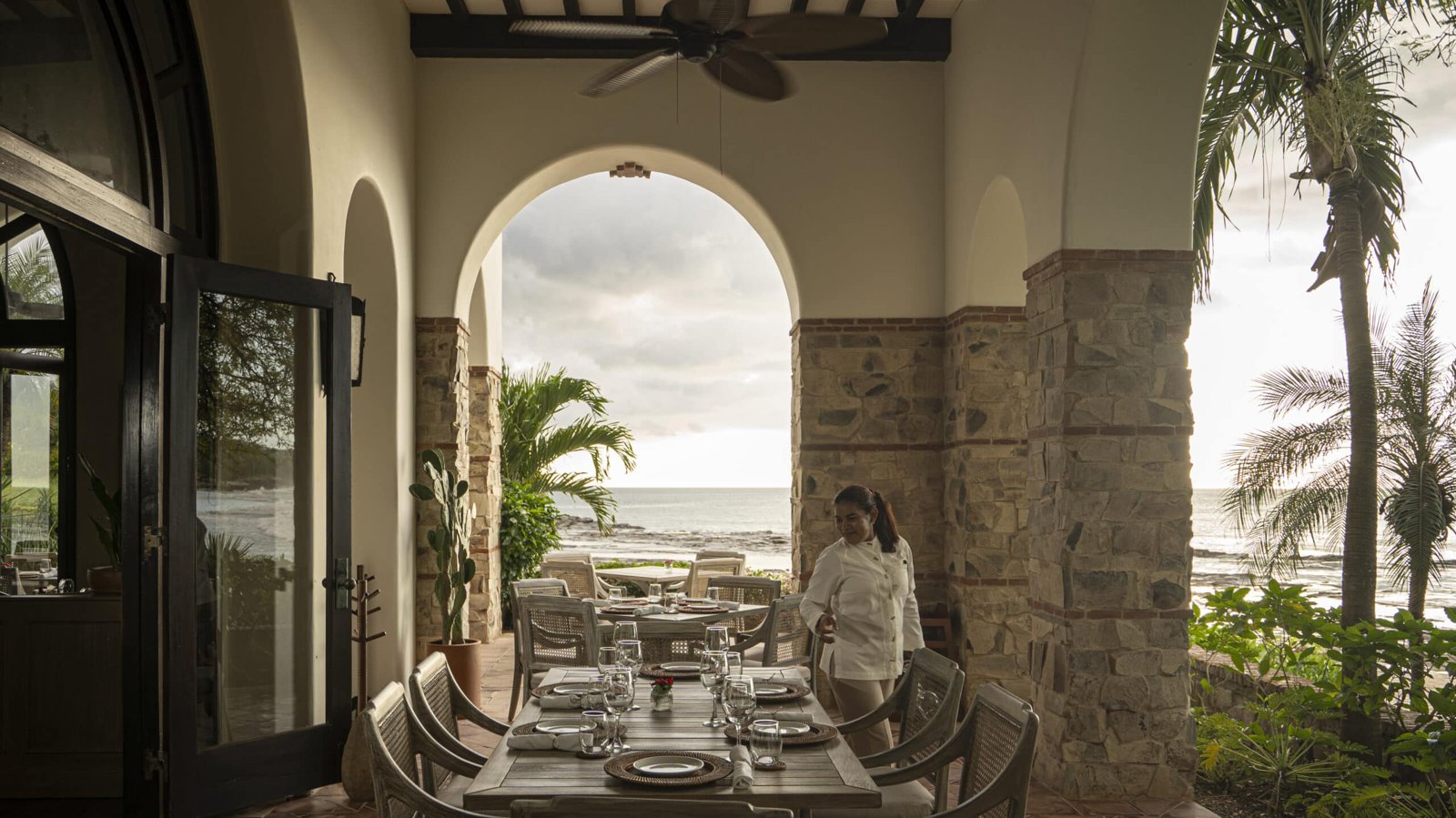
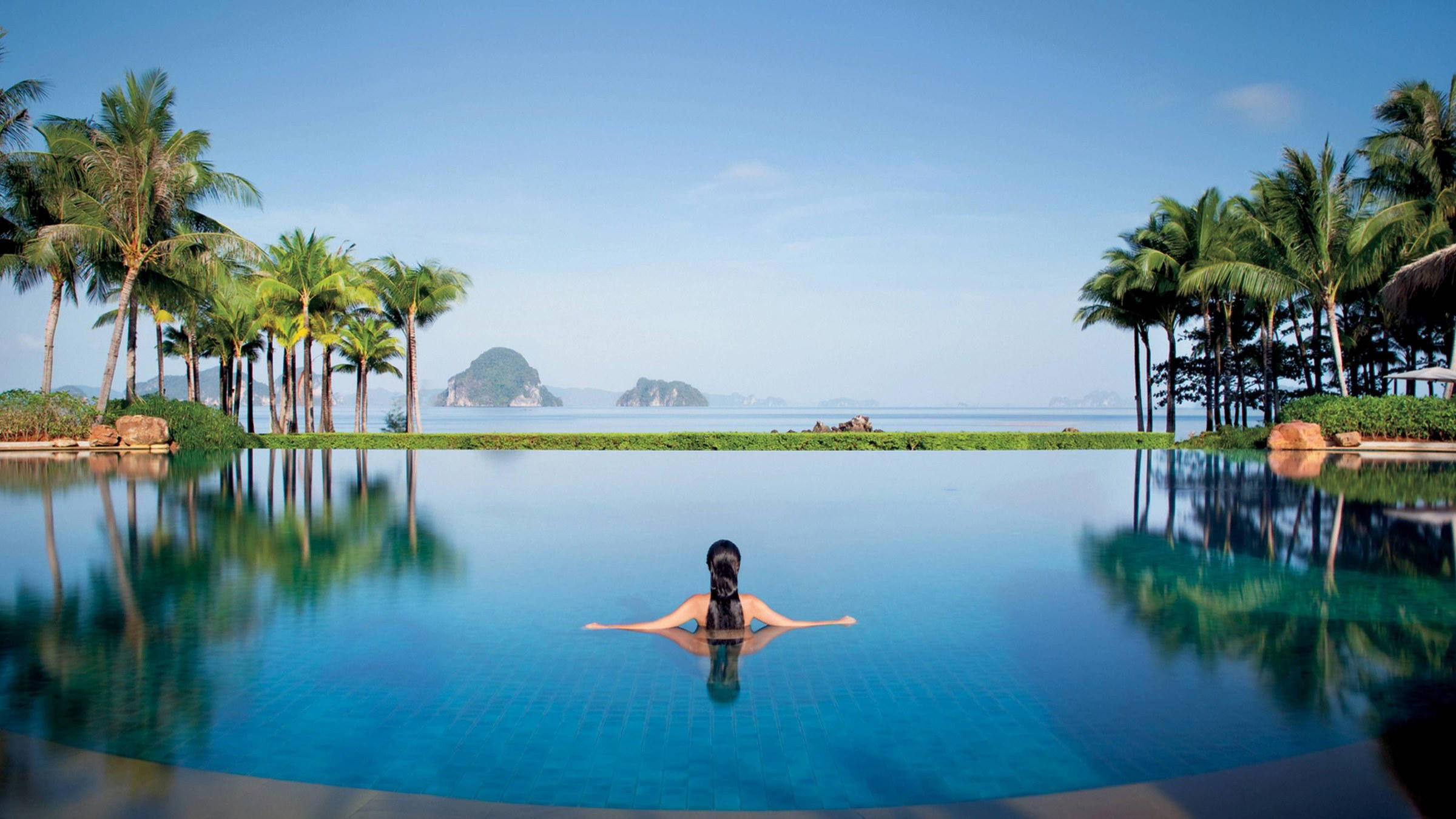
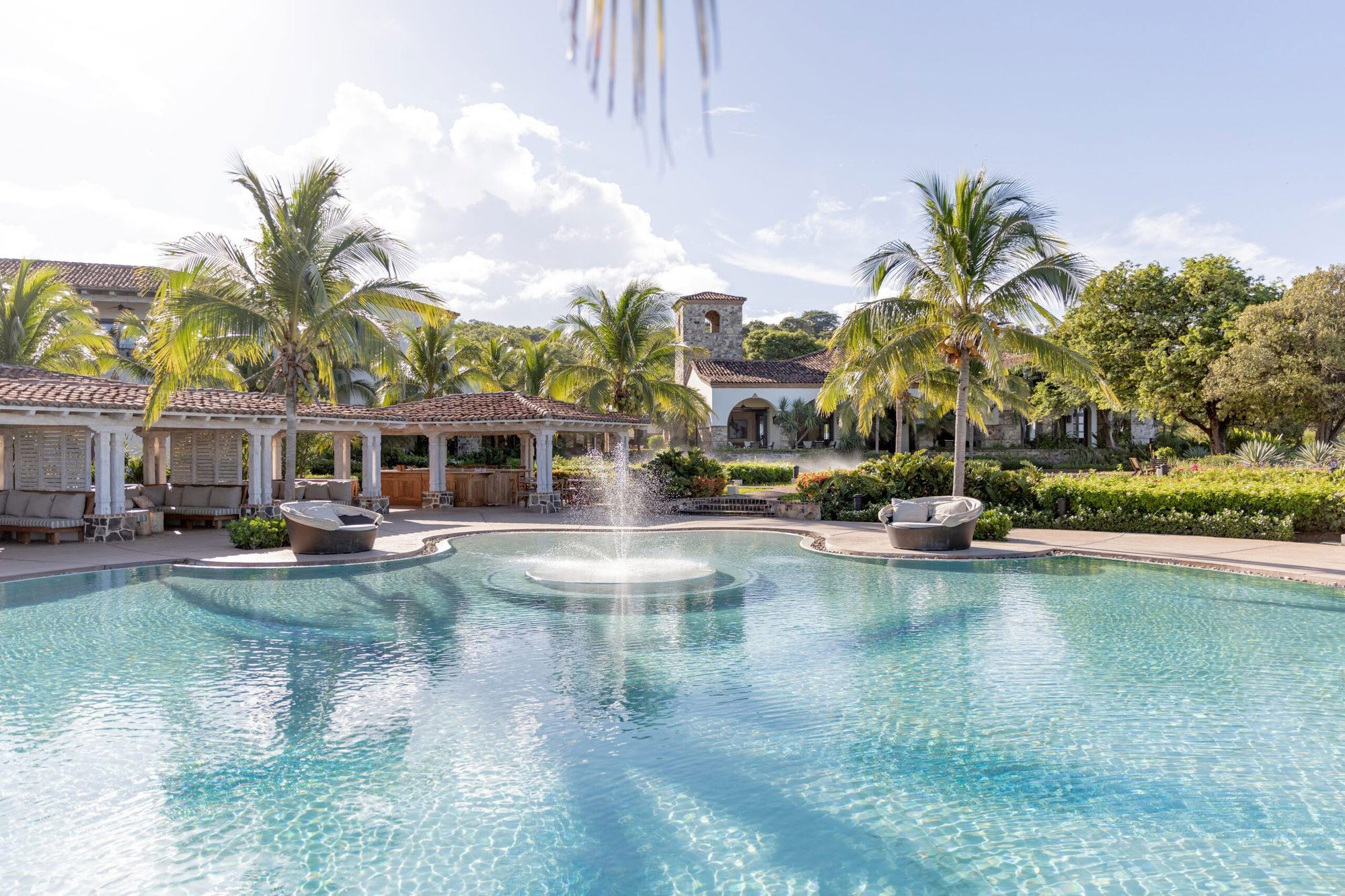
Rancho Santana presents a quietly restrained coastal presence that foregrounds the landscape rather than the architecture. Spanish Colonial whitewash and terracotta pavilions sit lightly on the cliffs, and buildings are dispersed across 2,700 acres so the ridge and ocean remain the dominant spectacle. The property favours vernacular materials and low-scale forms, while the spa and yoga platform tuck into the tree cover rather than announce themselves. The result is a calm, design-led retreat that feels intimate and contemplative — a place where the setting dictates the pace and the architecture simply facilitates access to it.
Best For
This is a destination for travellers who prize space, design and a quiet connection to the coast. Wellness seekers find the spa and tucked-away yoga platform appealing, and couples looking for a romantic, design-forward escape will appreciate the clifftop views and low-density layout. Families who want room to roam across estate grounds and guests who prefer an understated, regionally informed resort — rather than a dense, all-inclusive model — will feel at home here. The property rewards guests who prioritise landscape, architecture and solitude over concentrated on-site programming.
Venue details
Ambiance
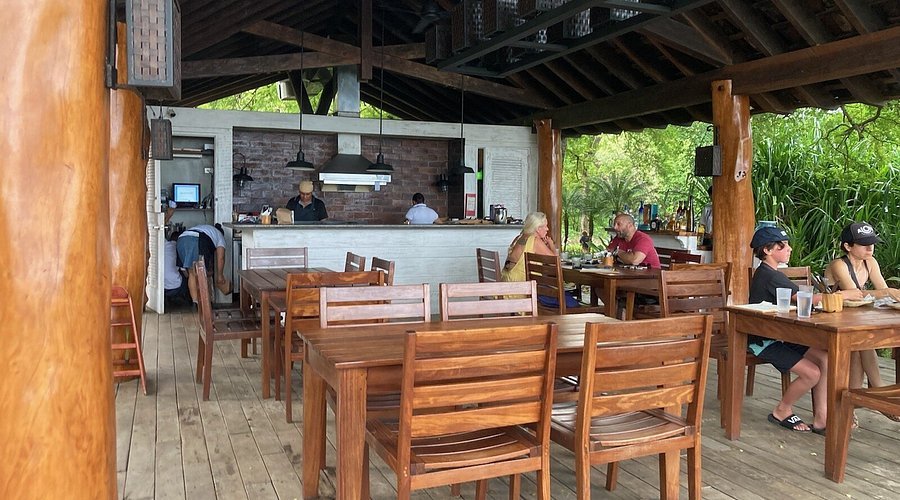
Cozy with warm wood décor, curated artwork, and breathtaking ocean views from terraces, blending rustic charm and elegance amid tropical nature.
Tags
Vibe
Best For
Experience
Amenities
View
About the Stay
- Rooms
- 0
- Check-in
- 15:00
- Check-out
- 11:00
- Property Style
- Luxury Beach Resort with Rustic Charm and Colonial Touches
- Design Style
- Warm Wood, Handcrafted Furniture, Hand Painted Tiles
Know before you go
Know Before You Go
- Getting there
- Comarca Limon #1, Carretera Las Salinas, Tola-Rivas, Popoyo Nicaragua, Tola 48500
Planning details
Location
Comarca Limon #1, Carretera Las Salinas, Tola-Rivas, Popoyo Nicaragua, Tola 48500 · Directions



Also consider
Also Consider
- Morgan's Rock Hacienda & Ecolodge, Notable alternative
- Nekupe Sporting Resort & Retreat, Notable alternative
- Nekajui, a Ritz-Carlton Reserve, Notable alternative
- Andaz Costa Rica Resort at Peninsula Papagayo, Notable alternative
- Four Seasons Resort at Peninsula Papagayo, Costa Rica, Notable alternative
Hotel context
How Rancho Santana compares
Rancho Santana is the Nicaragua pick for travelers who want a coastal resort with a strong sense of place and easier booking friction. Morgan's Rock Hacienda & Ecolodge is the closer alternative if the trip should lean more eco-retreat than resort, while Nekupe Sporting Resort & Retreat is the better fit for guests prioritizing privacy and retreat energy away from the beach-resort rhythm.
For a more internationally branded luxury experience, compare it with Costa Rica's Papagayo options. Nekupe Sporting Resort & Retreat and Rancho Santana feel more retreat-led, while Nekajui, a Ritz-Carlton Reserve, Andaz Costa Rica Resort at Peninsula Papagayo, and Four Seasons Resort at Peninsula Papagayo, Costa Rica are stronger choices for guests who want big-brand service structures and a more familiar luxury-resort framework.
The practical recommendation: choose Rancho Santana for a special-occasion Nicaragua coast stay where atmosphere and land scale matter. Choose Andaz Costa Rica Resort at Peninsula Papagayo for a more design-forward branded resort feel, Four Seasons Resort at Peninsula Papagayo for the safest high-service family or celebration bet, and Morgan's Rock Hacienda & Ecolodge if nature-first seclusion is the main brief.
Explore Rivas
Around this place
Discover more on Pearl
Unlock the full Rancho Santana guide in Pearl, including awards, comparisons, FAQs, planning details, and nearby places.
Compare Rancho Santana
| Venue | Location | Awards |
|---|---|---|
| Rancho Santana | Rivas | 2026 Virtuoso Luxury Hotel Collection2026 La Liste Top Hotels2025 Travel + Leisure 100 Favorite Hotels in the World · #812025 Michelin Selected Hotels |
| Morgan's Rock Hacienda & Ecolodge | San Juan Del Sur | 2026 Virtuoso Luxury Hotel Collection2026 Mr & Mrs Smith Luxury Hotels2026 Michelin 1 KeyMichelin 1 Key 20252025 Michelin 1 KeySmall Luxury Hotels Member 2025 |
| Nekupe Sporting Resort & Retreat | Nandaime | No published awards |
| Nekajui, a Ritz-Carlton Reserve | Guanacaste | 2026 Virtuoso Luxury Hotel Collection2026 Forbes RecommendedAFAR 40 Best New Hotels 2026Town & Country Hotel Awards 20262026 Michelin 3 Keys2025 Esquire Best New Hotels2025 Architectural Digest Great Design Hotel Award Winners2025 Michelin 2 Keys |
| Andaz Costa Rica Resort at Peninsula Papagayo | Guanacaste | 2026 Forbes 4-Star2026 Virtuoso Luxury Hotel Collection2026 Michelin 1 Key2025 Michelin 1 Key2025 Forbes 4-Star |
| Four Seasons Resort at Peninsula Papagayo, Costa Rica | Guanacaste | 2026 Forbes 5-Star2026 Virtuoso Luxury Hotel Collection2026 La Liste Top Hotels2026 Michelin 2 Keys2025 Forbes 5-StarWorld Travel Awards 20252025 Michelin 2 KeysFour Seasons Hotels |












How Rancho Santana Rivas compares with similar nearby venues.
FAQ
Frequently Asked Questions
How is the dining at Rancho Santana?
Treat dining as something to confirm directly with the property before booking. For a trip built around meals first, compare other Rivas dining options as part of the itinerary planning.
Is Rancho Santana family-friendly?
Rancho Santana is a recognized hotel in Rivas with a casual dress code, but families should confirm current room options and services directly before booking. Andaz Costa Rica Resort at Peninsula Papagayo is another resort to compare if specific trip details are important.
Is Rancho Santana good for business travel?
The confirmed strengths are hotel recognition from MICHELIN Guide Hotels Selected and Virtuoso Luxury Hotel Partner, along with other hotel accolades. For a broader resort comparison, Four Seasons Resort at Peninsula Papagayo, Costa Rica is worth reviewing separately.
What is check-in like at Rancho Santana?
Specific check-in details are not included in the record. The confirmed location is Rivas, and guests should use the property's official channels for current arrival instructions, timing, and transfer guidance. If convenience and arrival logistics are a major priority, compare those details carefully with Nekajui, a Ritz-Carlton Reserve.
Do loyalty programs work at Rancho Santana?
The record confirms Virtuoso Luxury Hotel Partner recognition but does not establish points earning, redemption, or chain-loyalty benefits. Travelers should confirm booking benefits and eligibility through their travel advisor or the property's official channels. If loyalty benefits matter most, Four Seasons Resort at Peninsula Papagayo, Costa Rica is a comparison to research.
Which room category is best at Rancho Santana?
Choose only after checking the property's current room descriptions and booking terms. For travelers who want to compare another resort or retreat option, Nekupe Sporting Resort & Retreat is worth cross-checking.
How is the pool and spa at Rancho Santana?
Rancho Santana's confirmed appeal here is its recognition as a hotel, including La Liste Top Hotels, Travel + Leisure, Virtuoso, and MICHELIN Guide Hotels Selected. If wellness facilities are central to the trip, confirm the latest details directly and compare current information with Nekupe Sporting Resort & Retreat.