



Château Louise de La Vallière
Reugny
Hotel in Reugny, France
 Book with Pearl
The Read
Louis XIV Court Immersion
Why go
Book Château Louise de La Vallière for a Loire Valley occasion stay where the château setting matters more than city convenience. It suits couples, quiet celebrations, and small retreats, with MICHELIN Guide Hotels Selected, Gault & Millau, Relais & Châteaux, and Virtuoso signals supporting the luxury positioning. Confirm room type and inclusions before committing.
About Château Louise de La Vallière
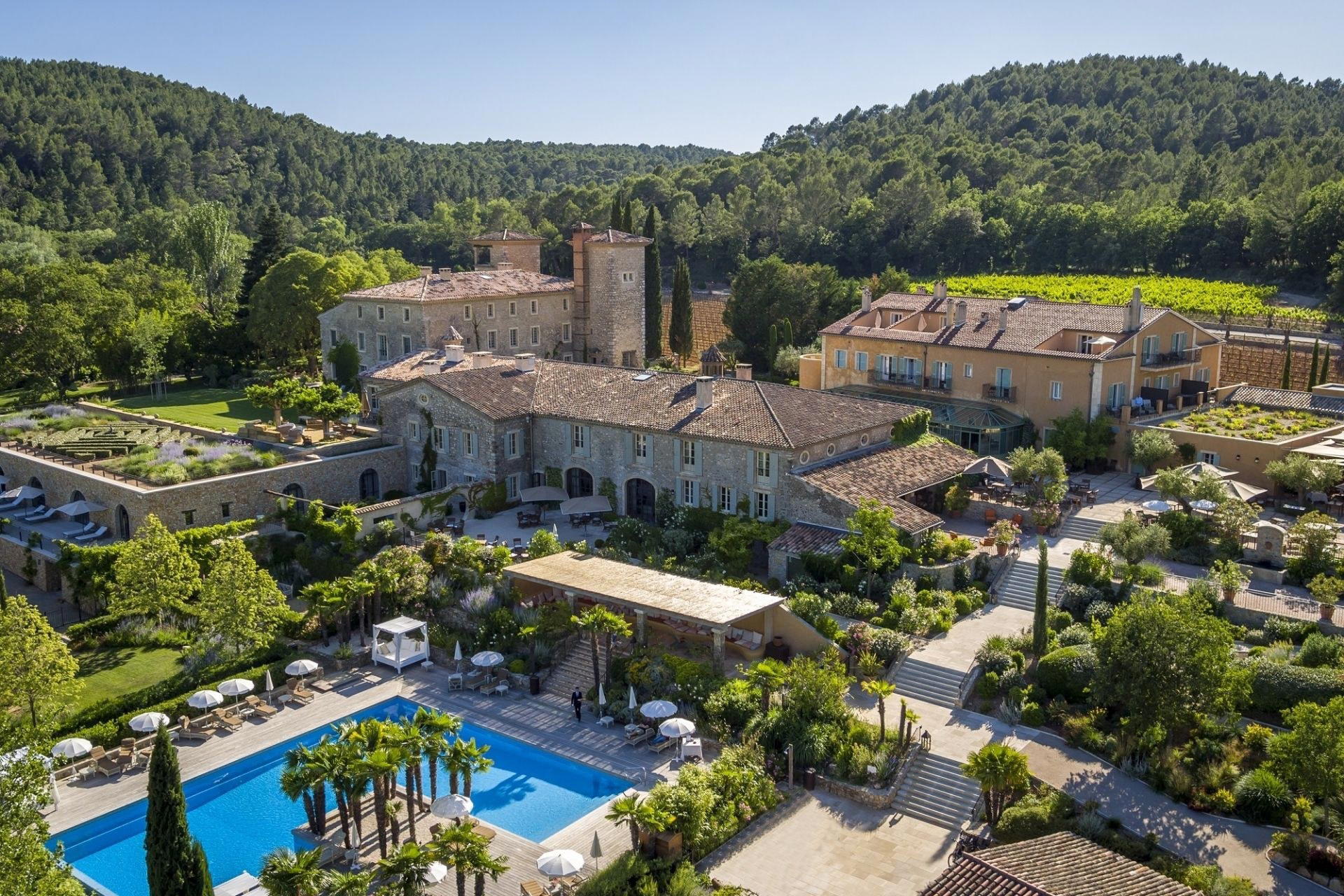
For a stay where the property is central to the trip, Château Louise de La Vallière is a strong candidate in Reugny. Its hotel recognitions and smart-casual positioning suggest treating it as an occasion-led property rather than a convenience-first base.
As detailed public information on room categories, dining format, facilities, pricing, or hours is not available, the decision should be made with current details in hand. Use the Reugny location and hotel recognitions as the starting point, then check the venue directly for the exact stay components that matter for your dates.
A château stay to book for the occasion, not the itinerary
The trust signals are serious for a hotel: MICHELIN Guide Hotels Selected in 2025, a Gault & Millau Exceptional Hotel note in 2025 with 5pts, Relais Chateaux Award recognition in 2026, and Virtuoso Luxury Hotel Partner status in 2026. These markers highlight the property's recognition rather than detailed operational specifics.
For decision-making, treat it as a special-occasion hotel first. It is well suited to travelers who value a recognized stay in Reugny and are prepared to confirm the current room, dining, and inclusion details before booking. If the trip depends on specific facilities, services, or meal formats, verify those directly rather than assuming they are part of the experience.
Plan the stay around current details
The smart approach is to book once travel dates are firm and after checking the current terms for the stay. The property's hotel positioning is clear, but operational details can change the value of a booking.
Dining details, room categories, facility specifics, and public pricing should be confirmed directly. It is best to judge the hotel on its recognized credentials and Reugny setting, then confirm the specific room and inclusions before finalizing. For broader trip planning, review current Reugny travel information and confirm any dining or activity plans directly before you book.
Inside Château Louise de La Vallière
Planning details
- Location
- Château de La Vallière, 37380 Reugny
- Website
- chateaulouise.com
- Phone
- +33 2 42 06 02 00
The take
The Take
The Vibe
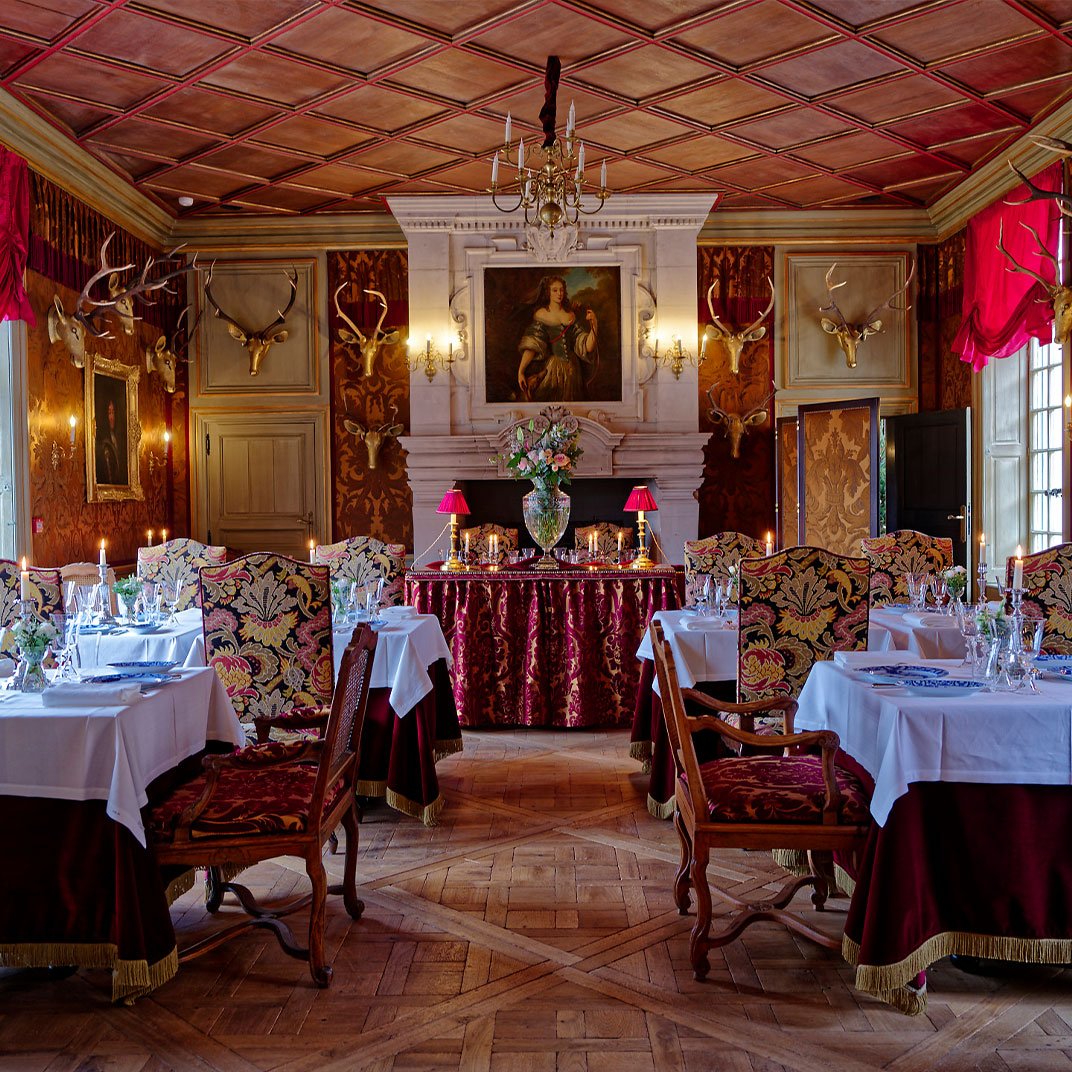
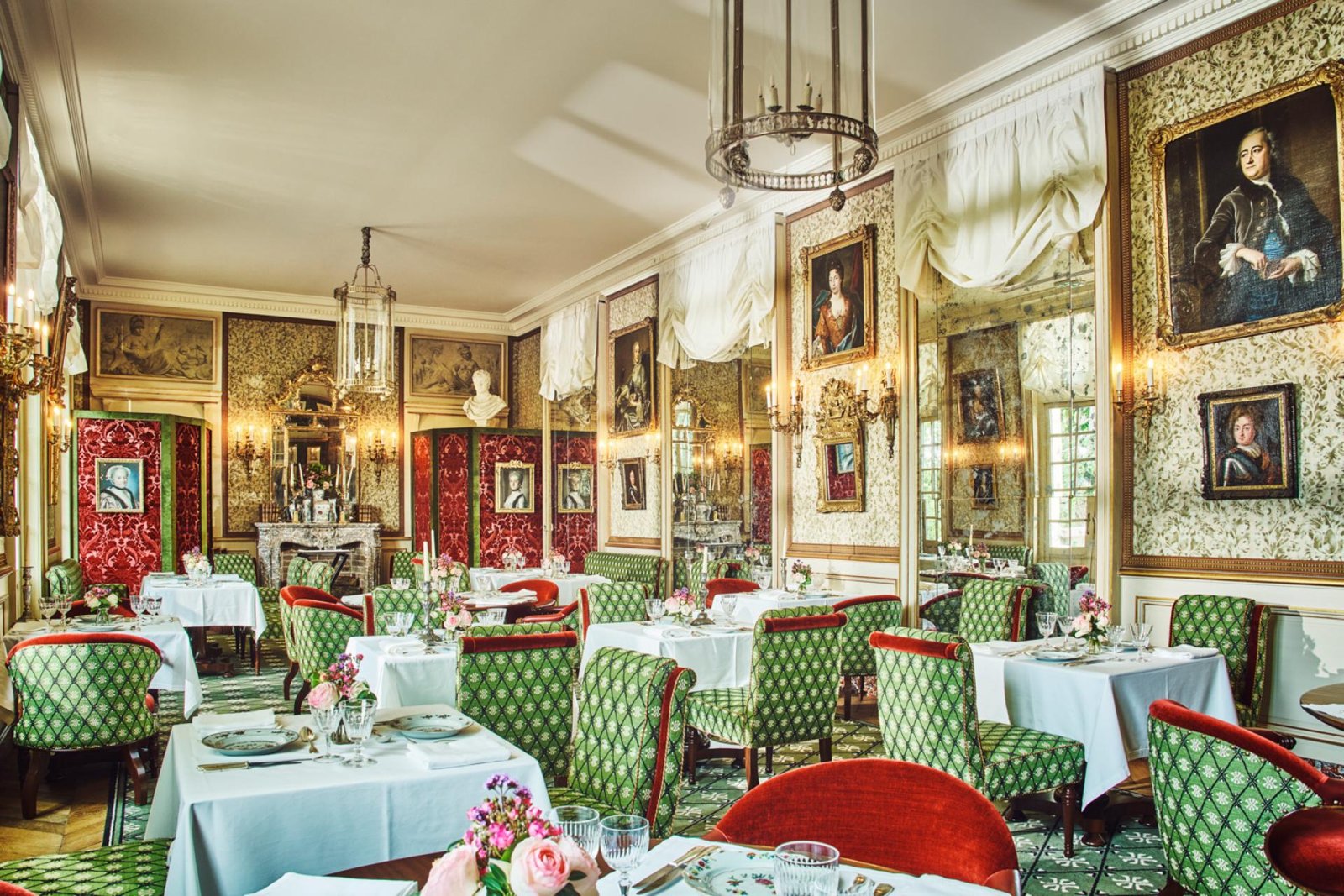
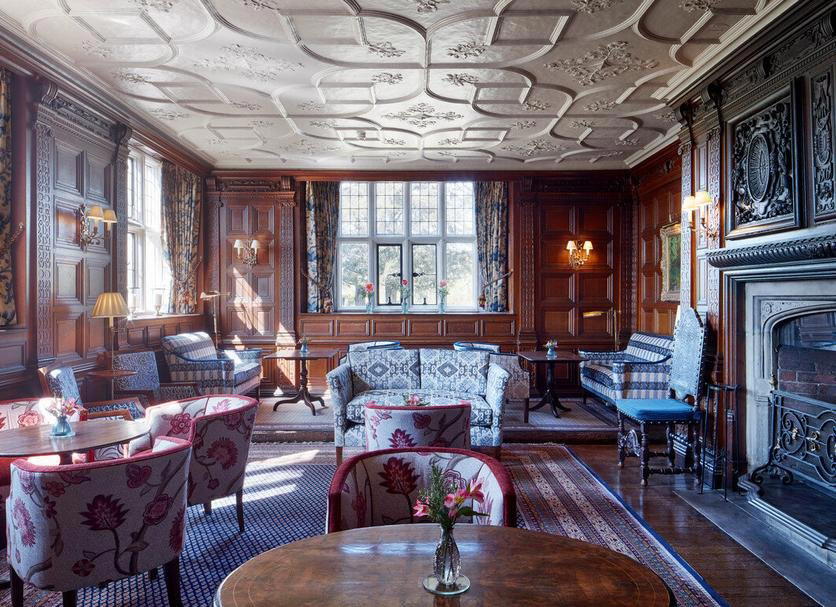
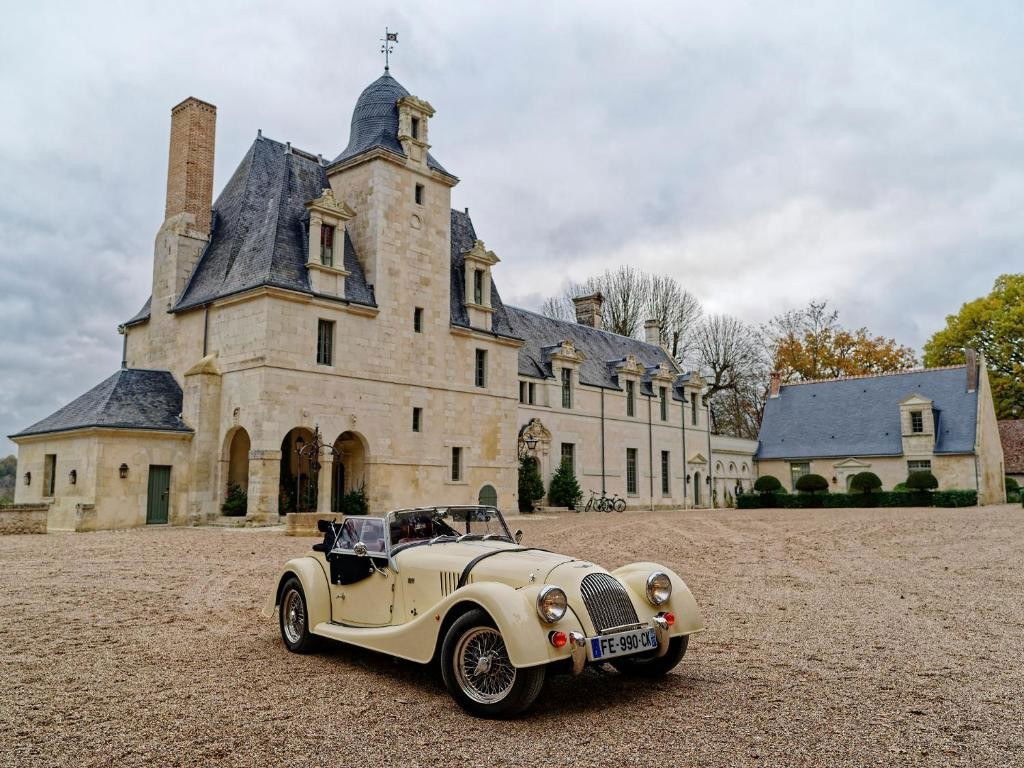
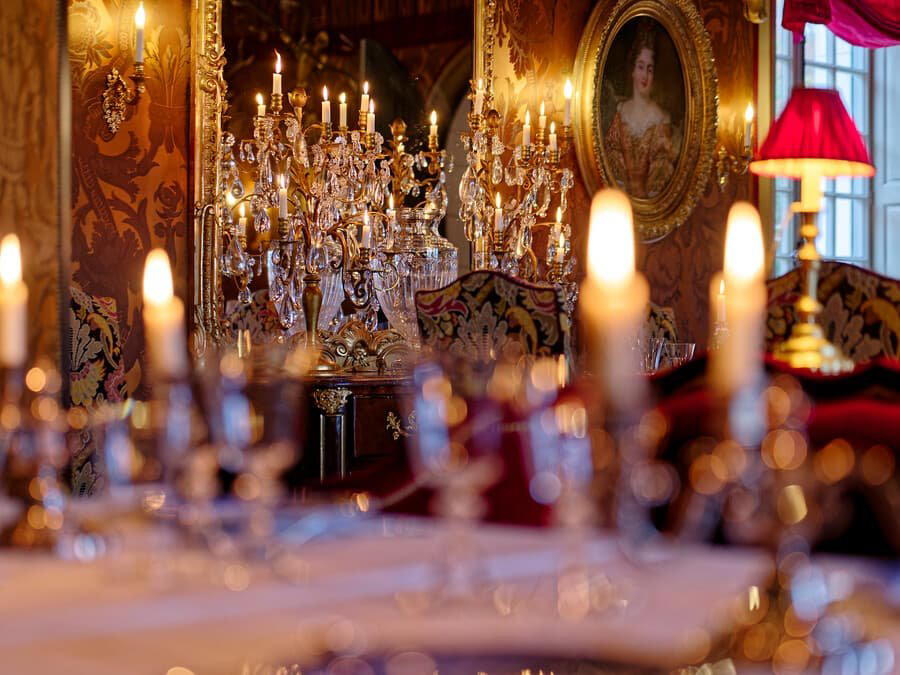
Château Louise de La Vallière reads as a deliberately historic refuge: its sixteenth-century bones and a restoration that treats period detail as the principal attraction give the property a palpable sense of lineage. Jacques Garcia’s intervention leans into theatrical, sensual interiors rather than contemporary minimalism, so rooms feel reconstituted in the spirit of seventeenth‑century court life. The effect is immersive and quietly dramatic—less a modern hotel set inside old walls than a reimagined domestic world that privileges texture, ornament and historical narrative. Guests encounter design as storytelling rather than backdrop.
Best For
This château is best for travelers who prize historical authenticity and immersive interiors—couples on romantic getaways and small parties marking a special occasion will find its period immersion particularly rewarding. Design‑minded guests who follow major decorators will appreciate Jacques Garcia’s signature theatricality, while Loire visitors seeking a base for exploring nearby Amboise will value the hotel’s rootedness in regional history. It’s a stay oriented toward slow appreciation of space and detail rather than a transit stop for business or high‑activity itineraries.
Stay Tips
Book with the intent to experience the interiors: choose accommodations described as highlighting the property’s restored period features to get the full Garcia effect. Reserve well in advance during high season, since the hotel’s scale and reputation for careful restoration suggest limited inventory. Plan time to explore the surrounding Loire anchors such as Amboise, as the château functions as a historical base for regional sightseeing. Pack for leisurely days indoors and out—this is a stay built around atmospheric rooms and contemplative moments rather than fast‑paced sightseeing.
Venue details
Ambiance
Dimly lit with golden hues, crackling fireplaces, baroque music, and rich velvet furnishings creating a timeless, regal atmosphere.
Tags
Vibe
Best For
Experience
Amenities
View
About the Stay
- Rooms
- 20
- Check-in
- 14:00
- Check-out
- 12:00
- Property Style
- Restored 17th Century Royal Château with Contemporary Luxury
- Design Style
- Opulent Baroque with Gilded Mirrors, Velvet Furnishings, Tapestries, and Period Antiques
Know before you go
Know Before You Go
- Getting there
- Château de La Vallière, 37380 Reugny
Planning details
Location



Also consider
Also Consider
- Au Charme Rabelaisien, Notable alternative
- Les Hautes Roches, Notable alternative
- LABE, Notable alternative
- Les Hauts de Loire, Notable alternative
- Loire Valley Lodges, Notable alternative
Hotel context
How it compares in the Loire Valley set
Château Louise de La Vallière is the splurge-leaning pick when the hotel itself needs to carry the occasion. Compared with Au Charme Rabelaisien and LABE, it reads as more formal and destination-led, better for a celebration stay than a simple overnight base.
Les Hautes Roches and Les Hauts de Loire are the more natural cross-shops if the priority is a Loire country-hotel mood with a serious stay attached. Choose Château Louise de La Vallière when Reugny and château atmosphere are central to the plan; look at those peers if the route or dining plan points elsewhere.
Loire Valley Lodges is the better comparison for travelers considering a nature-forward escape rather than a classic château. Booking difficulty for Château Louise de La Vallière is easy, so value comes less from scarcity and more from whether the occasion justifies a destination hotel over a more practical base.
Around this place
Discover more on Pearl
Unlock the full Château Louise de La Vallière guide in Pearl, including awards, comparisons, FAQs, planning details, and nearby places.
Compare Château Louise de La Vallière
| Venue | Location | Awards |
|---|---|---|
| Château Louise de La Vallière | Reugny | 2026 Virtuoso Luxury Hotel Collection2026 Relais Chateaux Hotels2025 Michelin Selected Hotels2025 Gault & Millau Exceptional Hotel2025 Relais Chateaux Award |
| Au Charme Rabelaisien | Amboise | No published awards |
| Les Hautes Roches | Rochecorbon | 2025 Michelin Selected Hotels2025 Relais Chateaux Award |
| LABE | Tours | No published awards |
| Les Hauts de Loire | Veuzain-sur-Loire | 2026 Relais Chateaux Hotels2025 Relais Chateaux Award2025 Michelin 1 Key2025 Gault & Millau Exceptional Hotel2024 Michelin 1 Key |
| Loire Valley Lodges | Esvres-sur-Indre | 2026 Mr & Mrs Smith Luxury Hotels2025 Michelin 1 Key2024 Michelin 1 Key |

How Château Louise de La Vallière compares with similar nearby venues.
FAQ
Frequently Asked Questions
Is Château Louise de La Vallière good for business travel?
It can suit a business trip if the priority is a recognized hotel in Reugny rather than a conventional work-focused setup. Its recognitions, including MICHELIN Guide Hotels Selected and Virtuoso Luxury Hotel Partner, point to a premium hotel stay; confirm any meeting, workspace, or transport needs directly before booking.
Is Château Louise de La Vallière family-friendly?
Specific family facilities or room configurations are not detailed. Families considering Château Louise de La Vallière should check the current room options, policies, and services directly with the property before booking a stay in Reugny.
Which room category is best at Château Louise de La Vallière?
Room lists or category details are not provided. Choose only after checking the venue's official channels for current room types, inclusions, and availability, especially if the trip is tied to a special occasion.
Are pool or spa details confirmed for Château Louise de La Vallière?
Pool or spa specifics are not detailed. If wellness facilities are important to the stay, check the current offer directly with Château Louise de La Vallière before booking.
How is the dining at Château Louise de La Vallière?
Cuisine, chef, menu format, or dining schedule are not specified. The practical move is to confirm the current dining arrangement directly with the hotel before planning the trip around a meal there.
How does Château Louise de La Vallière compare to other hotels?
Château Louise de La Vallière is best compared as a recognized hotel in Reugny. Au Charme Rabelaisien, Les Hautes Roches, Les Hauts de Loire, Loire Valley Lodges, and LABE may be useful alternatives to review depending on whether the trip calls for a different setting or style of stay.
When is the best time to book Château Louise de La Vallière?
Book once your dates are firm and after confirming the current terms, inclusions, and availability. Its Relais Chateaux Award and Virtuoso Luxury Hotel Partner recognition make it a property worth planning deliberately rather than treating as a generic overnight in Reugny.