

Vermejo a Ted Turner Reserve
Colfax County, Raton
Hotel in Raton, United States
 Book with Pearl
The Read
Conservation-Scale Wilderness Lodging
Price
$1,500–2,500per night
Why go
Book Vermejo, a Ted Turner Reserve if the trip is about space, quiet, and a remote New Mexico reserve setting rather than easy town access. Its Preferred Hotels and Virtuoso affiliations support the luxury positioning, but first-timers should choose a room category based on how much time they will actually spend on property.
About Vermejo a Ted Turner Reserve
Vermejo a Ted Turner Reserve is in Raton, and its dress code is casual. For planning essentials such as room categories, dining format, amenities, service style, rates, and on-property programming, check the venue's official channels or your travel advisor before booking.
Plan carefully before booking, especially for current information about rooms, dining, amenities, policies, and arrival logistics.
Choose the room by how much time will be spent on property
For value, focus on the essentials: Vermejo a Ted Turner Reserve is in Raton, has a casual dress code, and has premium-travel affiliations; room-specific details should be checked at the time of booking.
The booking case is stronger for travelers who want a confirmed premium-hotel affiliation
Key trust signals include its Preferred Hotels Member recognition in 2025 and Virtuoso Luxury Hotel Partner status in 2026. Those affiliations may matter for travelers who book through premium hotel or travel-advisor channels.
Those credentials are not a substitute for checking on-property details such as the dining program, amenity set, room count, service model, or rate level. They support that Vermejo a Ted Turner Reserve is represented in recognized travel networks.
When to go, and who should skip it
Timing should be based on current availability, weather, and details from the venue. Check activity schedules, dining schedules, and amenity offerings before booking.
Book it if the basics fit your plans: Vermejo a Ted Turner Reserve in Raton, casual dress, and premium-travel affiliations through Preferred Hotels and Virtuoso. Skip or pause if your decision depends on specifics such as dining style, spa facilities, family programming, room configuration, or exact pricing.
Planning details
- Location
- 40 Miles West, NM-555, Raton, NM 87740
- Website
- tedturnerreserves.com
- Phone
- +1 877-288-7637
The take
The Take
The Vibe
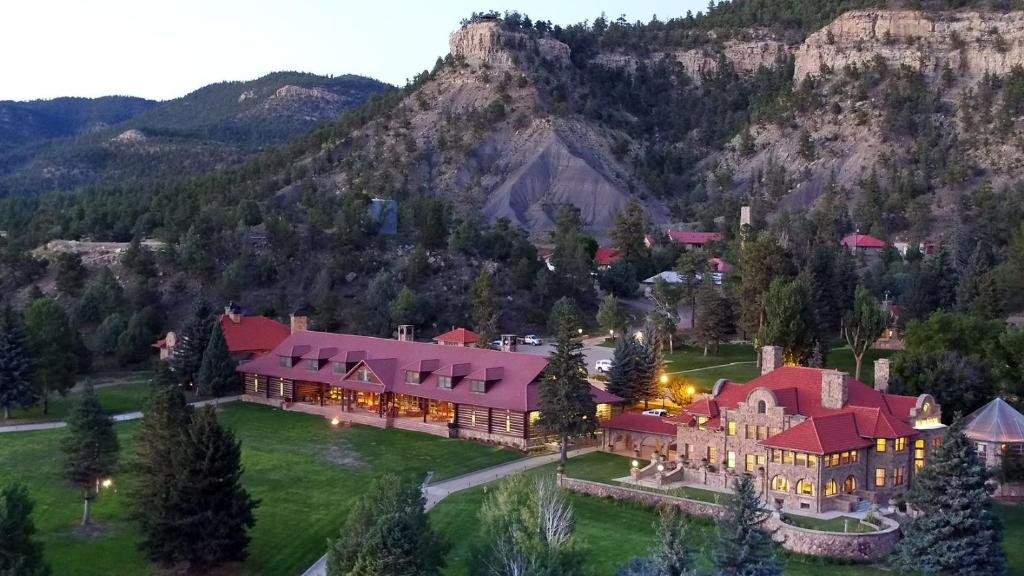
Vermejo presents wilderness at an uncommon scale: 550,000 acres of high desert, subalpine meadow and snowcapped peaks define the guest experience. The property reads as both stewardship and sanctuary — Ted Turner’s restoration agenda and on-site conservation work are central to the place, not decorative. Architecturally the reserve is layered, with a clear split between buildings from different eras; Casa Grande anchors the estate with historic lodge character. The overall mood is serene and contemplative, where nature, careful restoration and thoughtful lodges combine to create a refined, quietly immersive retreat.
Best For
Vermejo is best for travelers who prioritize nature, conservation and multi-day immersion over urban amenities. It suits groups and families seeking guided wildlife and history tours, couples on romantic or restorative getaways, and organizers of retreats or destination events that value expansive private grounds. Conservation-minded visitors who want close encounters with bison restoration and native trout recovery will find the reserve uniquely rewarding, as the estate’s scientific programs are integrated into guest offerings rather than presented merely as background narrative.
Stay Tips
Guests should plan time on the land: join the wildlife and history tours that put visitors alongside the scientists working on bison and cutthroat trout recovery, since those programs are a core part of the experience. Because the property spans such a large area and splits across distinct buildings and eras, ask the reservation team about accommodation location and architectural character when booking. Allow multiple days to absorb the scale and to participate in conservation-focused outings rather than treating the visit as a single-night stopover.
Venue details
Ambiance
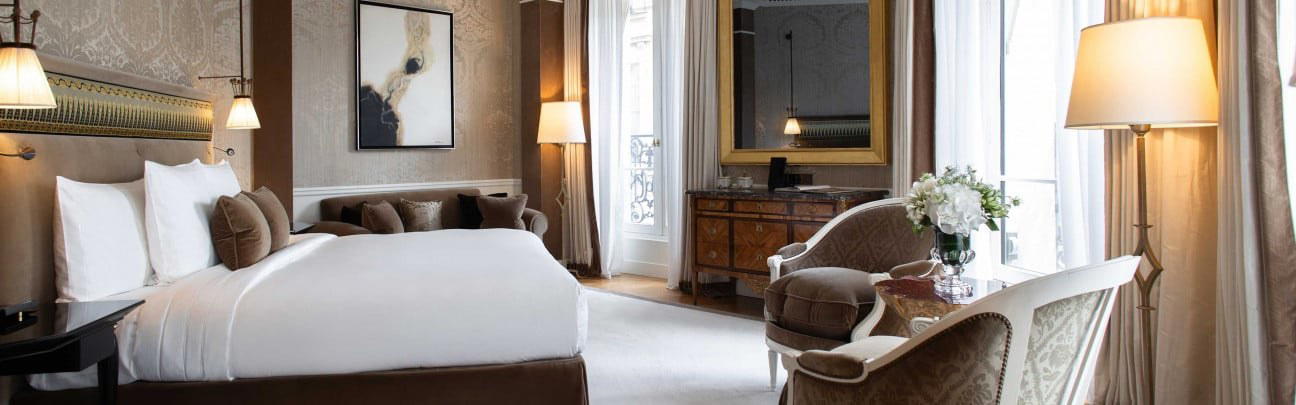
Serene and sophisticated with natural light from expansive mountain vistas, historic architecture, and cozy fireplaces; designed for contemplative relaxation and outdoor adventure.
Tags
Vibe
Best For
Experience
Amenities
View
Accessibility
About the Stay
- Rooms
- 20
- Check-in
- 16:00
- Check-out
- 11:00
- Property Type
- Heritage hotel
- Property Style
- Luxury Wilderness Reserve Blending Historic Ted Turner Mansion with Eco Friendly Mountain Cabins and Intimate Cottages Across a Vast Private Nature Preserve.
- Design Style
- Historic Southwestern with Period Furnishings, Natural Materials, and Contemporary Comfort; Emphasizes Connection to Landscape Through Expansive Windows and Outdoor Spaces.
- Breakfast
- Included
- Spa
- Yes
- Families
- Welcome
- Cancellation
- Moderate
Know before you go
Know Before You Go
- Getting there
- 40 Miles West, NM-555, Raton, NM 87740
Planning details
Location
Recognition and awards

Also consider
Also Consider
- Mabel Dodge Luhan House, Notable alternative
- The Historic Taos Inn, Notable alternative
- Hotel Willa, Farm-to-table / Southwestern (on-site restaurant Juliette), Farm-to-table / Southwestern (on-site restaurant Juliette)
- Ojo Caliente Mineral Springs Resort & Spa, Notable alternative
- Four Seasons Resort Rancho Encantado Santa Fe, Notable alternative
Hotel context
Vermejo a Ted Turner Reserve is the right choice if the hotel is meant to be the destination. Compared with Mabel Dodge Luhan House and The Historic Taos Inn, it is less about historic town atmosphere and more about privacy, scale, and a planned stay away from regular hotel traffic.
Choose Ojo Caliente Mineral Springs Resort & Spa if the spa-and-soak element is the main reason for the trip. Choose Four Seasons Resort Rancho Encantado Santa Fe if polished resort service and easier access to Santa Fe matter more than remote reserve character. Vermejo is the more destination-driven call, but it asks for more commitment from the itinerary.
Hotel Willa is the stronger cross-shop for travelers who care about a town-based stay with a clear dining angle, especially with Juliette's farm-to-table Southwestern focus on site. Vermejo is better for guests who want the property to carry the trip; Hotel Willa is better when meals and local movement are part of the plan.
Explore Raton
Around this place
Discover more on Pearl
Unlock the full Vermejo a Ted Turner Reserve guide in Pearl, including awards, comparisons, FAQs, planning details, and nearby places.
Compare Vermejo a Ted Turner Reserve
| Venue | Location | Cuisine | Awards |
|---|---|---|---|
| Vermejo a Ted Turner Reserve | Raton | , | 2026 Virtuoso Luxury Hotel CollectionPreferred Hotels Member 2025 |
| Mabel Dodge Luhan House | Taos Pueblo | No published awards | , |
| The Historic Taos Inn | Taos | No published awards | , |
| Hotel Willa | Taos | Farm-to-table / Southwestern (on-site restaurant Juliette) | No published awards |
| Ojo Caliente Mineral Springs Resort & Spa | Taos | No published awards | , |
| Four Seasons Resort Rancho Encantado Santa Fe | Santa Fe | 2026 Forbes 4-Star2026 Virtuoso Luxury Hotel Collection2025 Forbes 4-Star2025 Michelin Selected HotelsFour Seasons Hotels | , |



How Vermejo a Ted Turner Reserve compares with similar nearby venues.
FAQ
Frequently Asked Questions
Do loyalty programs work at Vermejo a Ted Turner Reserve?
Affiliations include Preferred Hotels Member in 2025 and Virtuoso Luxury Hotel Partner in 2026. Confirm any booking benefits, rates, or program terms directly through the relevant travel channel.
Which room category is best at Vermejo a Ted Turner Reserve?
Choose only after confirming the current room options, rates, and policies directly with the venue or booking channel.
How is the dining at Vermejo a Ted Turner Reserve?
What is check-in like at Vermejo a Ted Turner Reserve?
How does Vermejo a Ted Turner Reserve compare to other New Mexico hotels?
Vermejo a Ted Turner Reserve is a Raton option with a casual dress code and Preferred Hotels and Virtuoso affiliations. For broader New Mexico planning, travelers may also compare it with Mabel Dodge Luhan House, The Historic Taos Inn, Hotel Willa, Ojo Caliente Mineral Springs Resort & Spa, and Four Seasons Resort Rancho Encantado Santa Fe.