

Nusfjord Village & Resort
Nusfjord, Ramberg
Hotel in Ramberg, Norway
 Book with Pearl
The Read
Preserved Harbour Living
Price
$200–300per night
Why go
A strong pick for a special-occasion Lofoten stay if the appeal is a preserved coastal-village setting rather than a conventional resort checklist. Design recognition and Small Luxury Hotels of the World membership add credibility, but dining, pricing, and room-category detail are not disclosed enough to make it a food- or value-led booking.
About Nusfjord Village & Resort
Nusfjord Village & Resort is a hotel and resort in Ramberg with a casual dress code. Its public recognitions include Tablet Hotels Best New Hotel Designs (Europe) (2026) and Small Luxury Hotels of the World Member (2025).
The decision is direct: consider this property if you want Nusfjord Village & Resort specifically and are comparing it with other premium stays. Before committing, check restaurant format, room types, services, pricing, and detailed logistics directly with the property.
A Ramberg stay to assess on essentials
Nusfjord Village & Resort is best assessed as a property choice in Ramberg, with a casual dress code, hotel recognition, and a Ramberg location. For exact services, room inventory, dining style, and daily rhythm, check the details directly with the property.
For business travel, the fit depends on the trip purpose and what the property can provide for your dates. If you need a more conventional hotel benchmark, Britannia Hotel is a clearer comparison; if you are considering Nusfjord Village & Resort, verify practical requirements directly before booking.
Book for recognition, then check practical specifics
The strongest public signals are hotel-category recognitions rather than restaurant detail: Tablet Hotels recognized it for Best New Hotel Designs (Europe) in 2026, and it is a Small Luxury Hotels of the World member for 2025. The property’s appeal rests on hotel identity, design recognition, and Ramberg location rather than detailed restaurant information.
Do not assume specific rates, meal formats, booking difficulty, room categories, or services. For a stay, confirm the practical details that matter to your trip before finalizing plans.
Who should book, and who should cross-shop first
Book this if you want Nusfjord Village & Resort in Ramberg and value its hotel recognition. It is a weaker fit for travelers who need a fuller comparison of prices, restaurant specifics, room categories, or service details before committing. For broader context, compare it with Manshausen, Aurora Lodge, or Ytri Island Retreat depending on the kind of premium stay you want.
Families, couples, and business travelers should all verify their practical needs directly with the property, including family facilities, business amenities, dining arrangements, and room guidance. For a polished hotel comparison, Britannia Hotel is a cleaner benchmark; for a different kind of destination stay, ICEHOTEL may be a useful contrast.
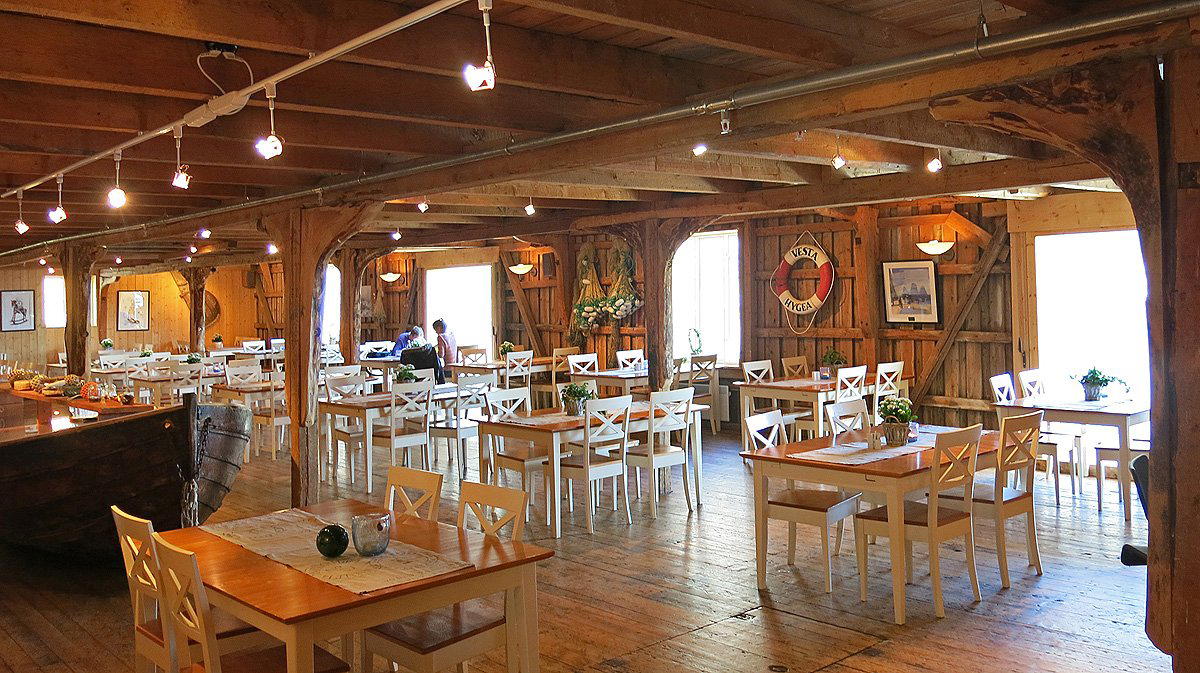
Inside Nusfjord Village & Resort
Planning details
- Location
- Nusfjord, 8380 Ramberg
- Website
- nusfjord.com
- Phone
- +47 76 09 30 20
The take
The Take
The Vibe
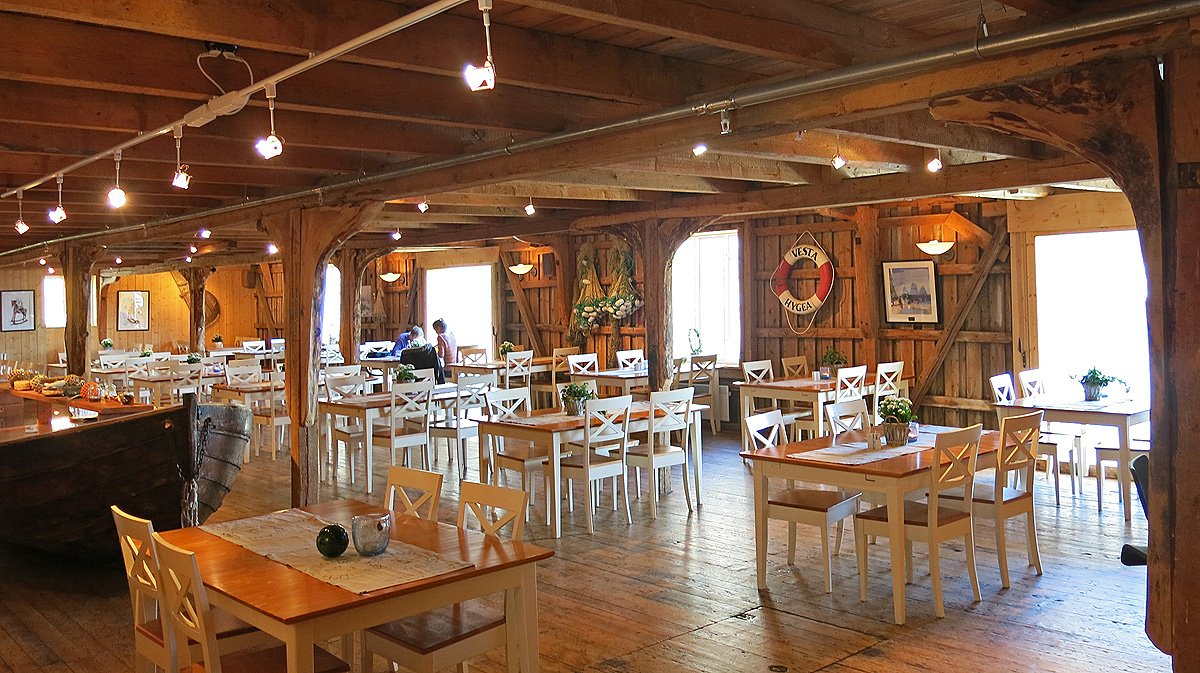
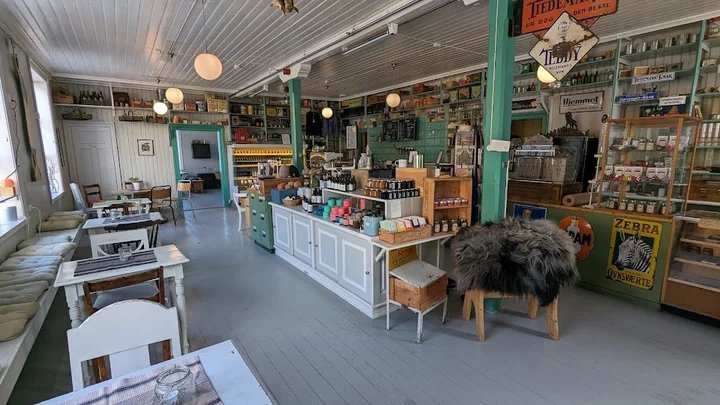
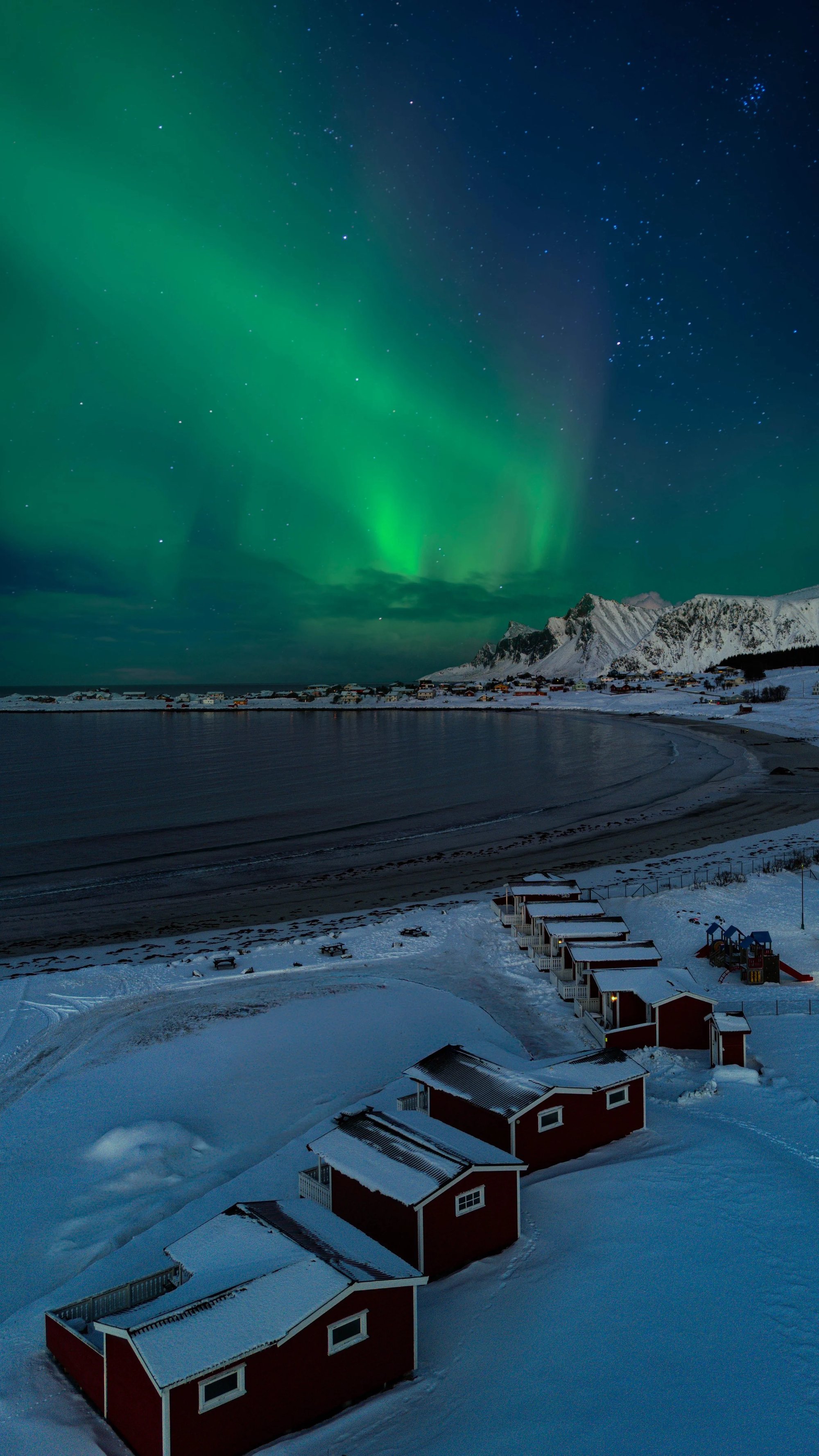
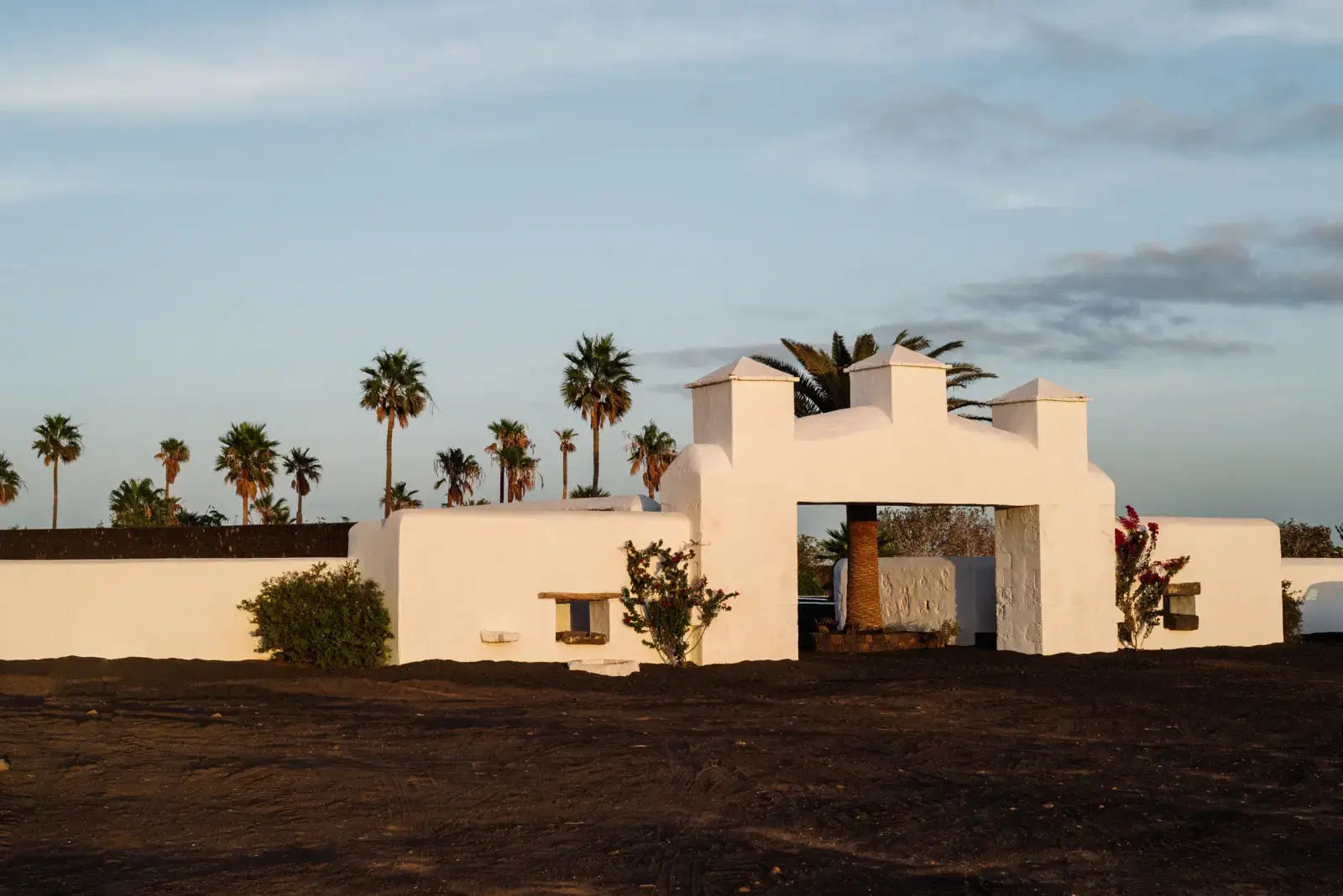
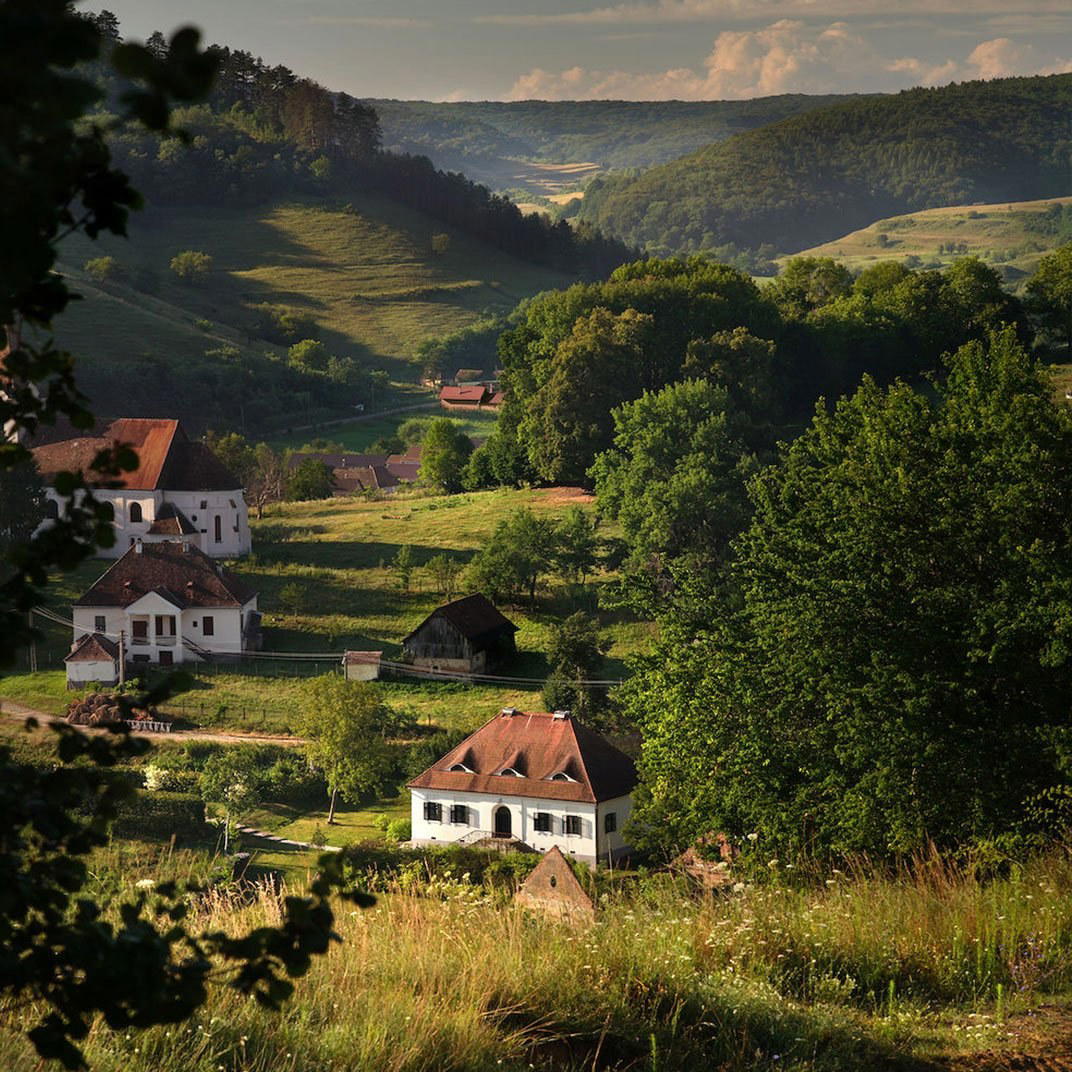
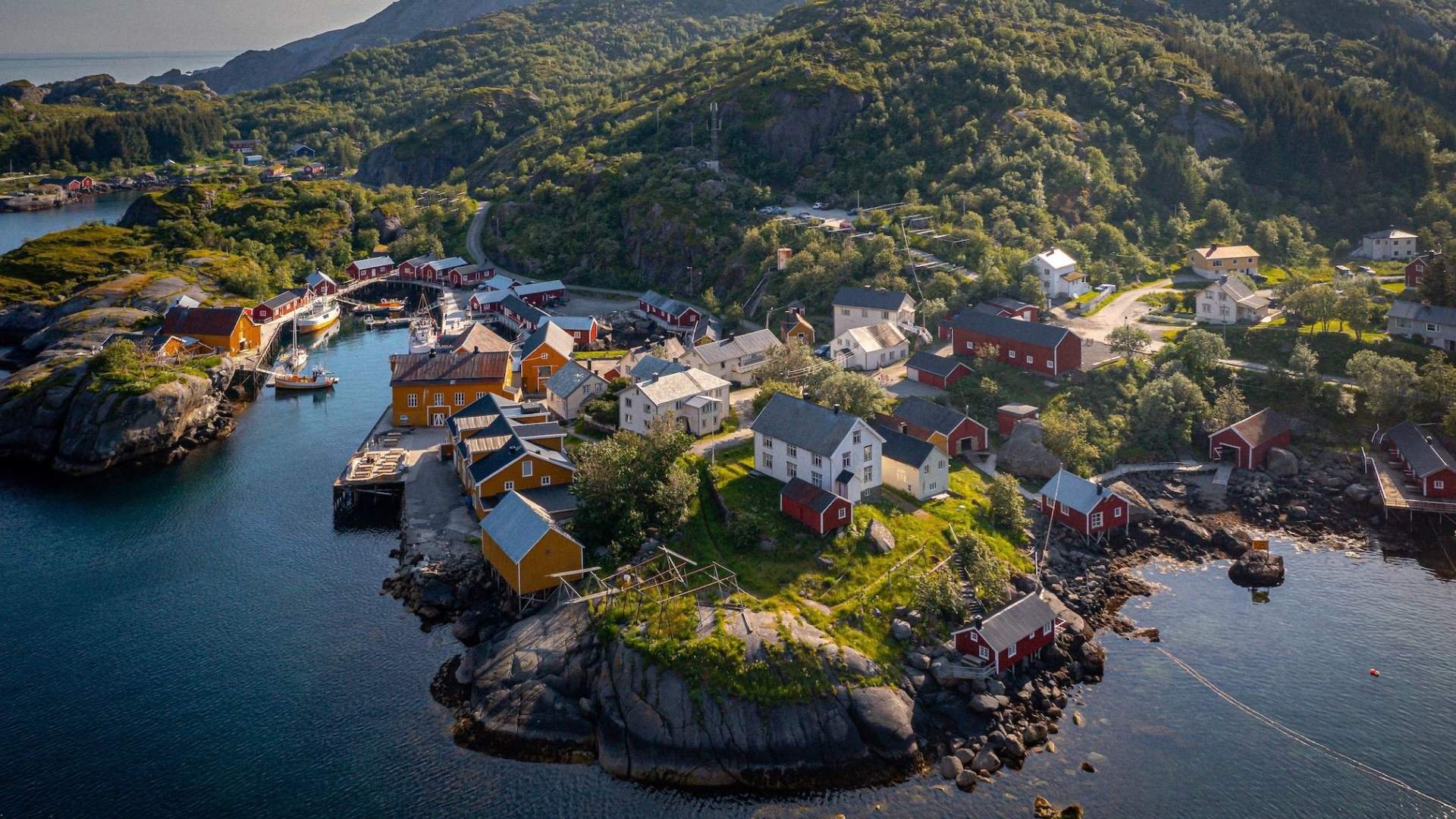
Nusfjord presents as a preserved fishing village more than a conventional resort. The rorbu cabins — timber-clad with steep pitched roofs and waterfront positions — read as living history, and the compact harbour feels intentionally composed. Mountains rise almost vertically on three sides, framing the water and the cluster of red and ochre buildings in a way that emphasizes silence and scale. The design stance is conservative: interventions defer to original structure rather than replace it, so the overall mood is timeless, understated and quietly evocative rather than polished or contemporary.
Best For
This is a destination for travelers who prize authenticity, scenery and architectural continuity. Visitors who want a quiet retreat to study coastal history, photographers drawn to dramatic mountain-and-water framing, and couples seeking an intimate, low-key escape will find Nusfjord aligned with those aims. Because the rorbu cabins retain their original character and the harbour remains spatially coherent rather than expanded for capacity, the place suits people who prefer small-scale, heritage-minded stays over modern resort trappings.
Stay Tips
Book early and request a true rorbu if waterfront placement matters: Nusfjord maintains the original harbour layout and does not expand capacity aggressively, so availability can be limited. Expect restrained modernization — the property intentionally preserves the structural character of nineteenth- and early twentieth-century fishermen’s cabins — and plan for an experience oriented toward place and preservation rather than contemporary design interventions. Use the scenic approach road as part of the arrival experience; the descent through birch and rock frames the village before you reach your cabin door.
Venue details
Ambiance
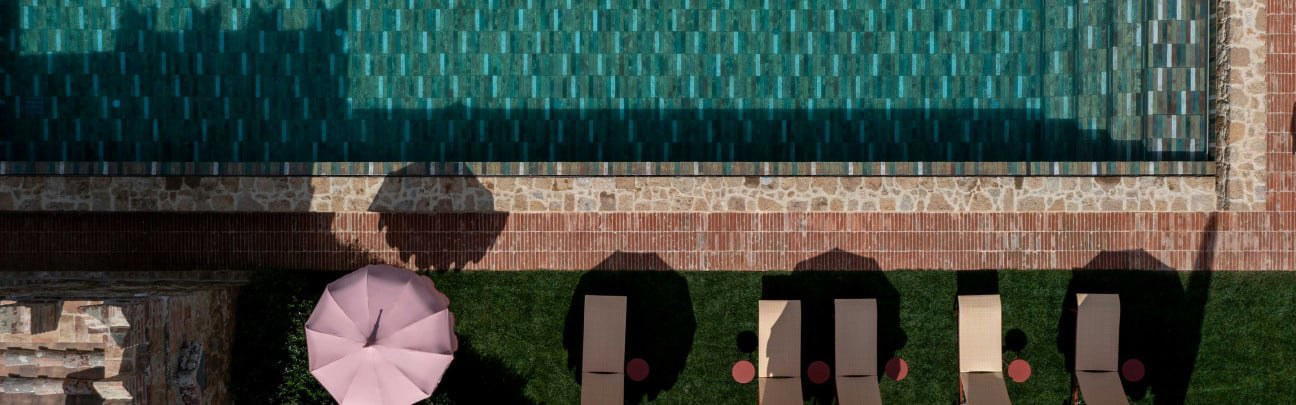
Peaceful and cozy ambiance with soundproofed rooms, warm lighting, and relaxing spa facilities overlooking the ocean.
Tags
Vibe
Best For
Experience
Amenities
View
Accessibility
About the Stay
- Rooms
- 20
- Check-in
- 15:00
- Check-out
- 11:00
- Property Type
- Heritage hotel
- Property Style
- Traditional Fishermen's Rorbu Cabins Blended with Modern Comforts in a Historic Village.
- Design Style
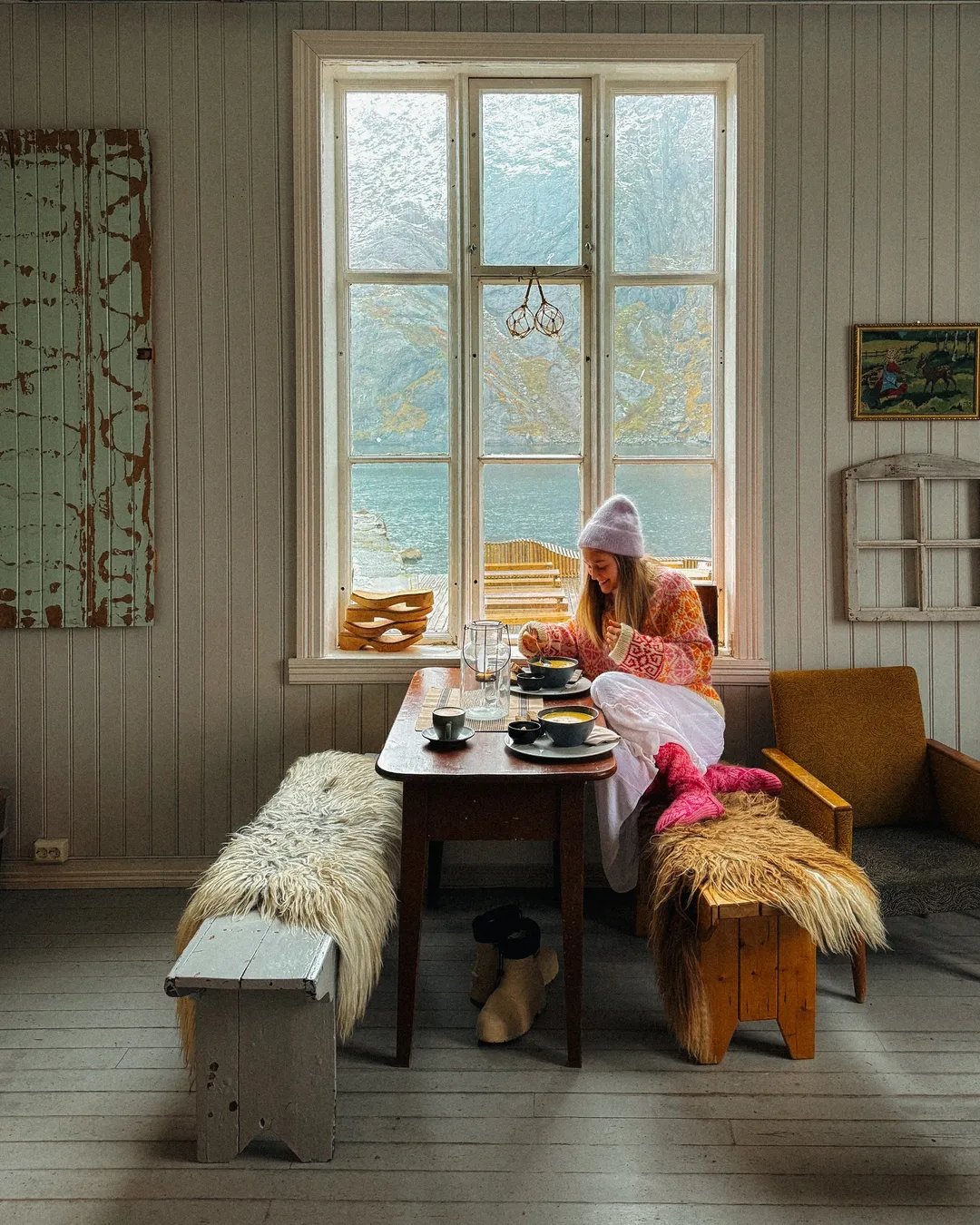
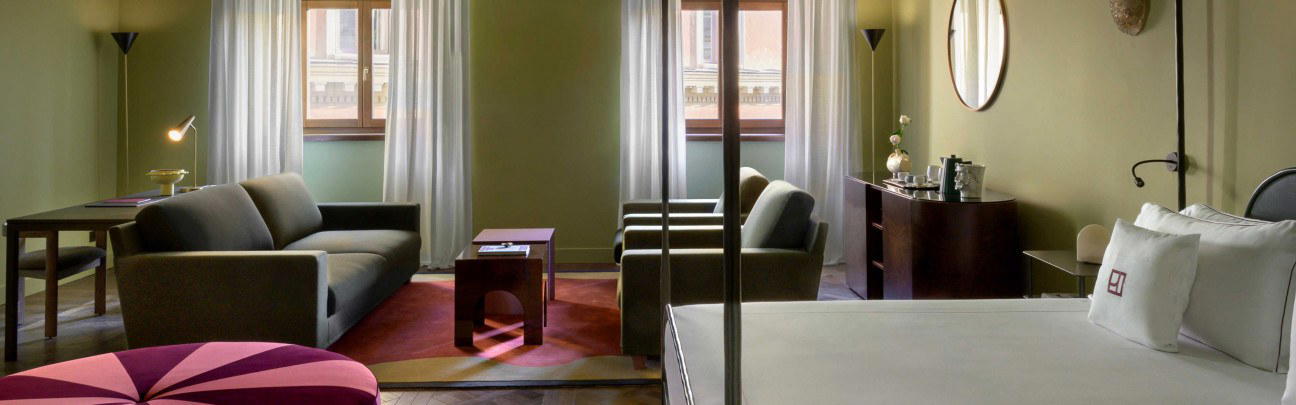
- Rustic Wooden Interiors with Cozy Seating, Premium Bedding, and Scenic Views.
- Breakfast
- Included
- Airport Transfer
- Available
- Spa
- Yes
- Families
- Welcome
- Cancellation
- Moderate
Know before you go
Know Before You Go
- Getting there
- Nusfjord, 8380 Ramberg
Planning details
Location


Also consider
Also Consider
- Manshausen, Notable alternative
- Ytri Island Retreat, Notable alternative
- Aurora Lodge, Notable alternative
- ICEHOTEL, Notable alternative
- Britannia Hotel, Notable alternative
Hotel context
How It Compares
Nusfjord Village & Resort is the strongest fit here for travelers who want a Lofoten village stay with design credibility and an easy booking signal. Manshausen is the sharper cross-shop if the trip is more about island isolation and architecture, while Ytri Island Retreat makes more sense for travelers prioritizing a quieter retreat format over a preserved-village feel.
Aurora Lodge and ICEHOTEL sit in a more experience-led Arctic lane, so compare them if the stay needs a stronger activity or spectacle component. Nusfjord is the calmer choice for a celebration where the setting carries the trip rather than a packed itinerary.
Britannia Hotel is the practical counterpoint: better for city polish, business travel, and predictable service depth. Choose Nusfjord for ambiance and remoteness; choose Britannia if value for money means infrastructure, dining clarity, and urban convenience.
Explore Ramberg
Around this place
Discover more on Pearl
Unlock the full Nusfjord Village & Resort guide in Pearl, including awards, comparisons, FAQs, planning details, and nearby places.
Compare Nusfjord Village & Resort
| Venue | Location | Awards |
|---|---|---|
| Nusfjord Village & Resort | Ramberg | Tablet Hotels Design Awards 2026: Best New Hotel Designs (Europe)Small Luxury Hotels Member 2025 |
| Manshausen | Manshausen Island | 2026 Michelin 1 Key2025 Michelin 1 Key |
| Ytri Island Retreat | Tr Na | No published awards |
| Aurora Lodge | Tromsø | No published awards |
| ICEHOTEL | Jukkasjarvi | No published awards |
| Britannia Hotel | Trondheim | Leading Hotels of the World 20262026 Michelin 1 Key2025 Michelin 1 Key |



How Nusfjord Village & Resort Ramberg compares with similar nearby venues.
FAQ
Frequently Asked Questions
How is the dining at Nusfjord Village & Resort?
Is Nusfjord Village & Resort good for business travel?
It depends on the trip. Nusfjord Village & Resort is in Ramberg, so business travelers should check practical requirements, business amenities, and meeting facilities directly before booking.
When is the best time to book Nusfjord Village & Resort?
If you are planning around its recognition, including Tablet Hotels Best New Hotel Designs (Europe) (2026) and Small Luxury Hotels of the World Member (2025), confirm availability and key details directly.
How does Nusfjord Village & Resort compare to other hotels?
Choose Nusfjord Village & Resort if you specifically want a recognized stay in Ramberg. Britannia Hotel is a more conventional hotel comparison, while Manshausen, Ytri Island Retreat, Aurora Lodge, and ICEHOTEL offer other premium-stay reference points.
How is the location of Nusfjord Village & Resort?
Which room category is best at Nusfjord Village & Resort?
Choose based on the room details the property provides for your dates.
Is Nusfjord Village & Resort family-friendly?
Families should contact Nusfjord Village & Resort directly to confirm room setup, meals, and services before booking.