



Relais Borgo Vescine
Radda in Chianti
Hotel in Radda in Chianti, Italy
 Book with Pearl
The Read
Restored Hamlet Hospitality
Why go
Relais Borgo Vescine is a strong Chianti pick for couples and celebration trips that want countryside atmosphere without a heavy resort feel. Book a standard room if the itinerary is wine-country driven; upgrade to a suite only when downtime at the property is central to the trip.
About Relais Borgo Vescine
Relais Borgo Vescine is a hotel in Radda in Chianti with a smart-casual dress code and recognition from hotel-focused guides: Tablet Hotels Top 40 New Hotels #19 (2025) and MICHELIN Guide, Hotels Selected (2025).
For travelers shortlisting stays in the area, the best approach is to compare the hotel on its guide recognition and then check the details that matter for your trip directly before booking.
Choose the room category for space, not just romance
Room-category details are not available here, so do not rely on assumptions about suites, standard rooms, views, layouts, or included features. If space is important for a celebration or a longer stay, confirm the exact room category, configuration, and inclusions with Relais Borgo Vescine before committing.
For a short stay, the practical question is whether the booking matches your needs: dates, room type, cancellation terms, and any services you expect to use. For a special occasion, ask the hotel directly what can be arranged rather than assuming a particular romantic or luxury setup.
For readers comparing the wider area, start with Our full Radda in Chianti hotels guide. If the trip is food-led, pair the hotel search with Our full Radda in Chianti restaurants guide and Our full Radda in Chianti wineries guide rather than treating the hotel as the whole itinerary.
What this stay is good for, and where it has limits
Relais Borgo Vescine is best assessed as a recognized hotel option in Radda in Chianti. Its guide mentions make it a credible shortlist candidate, but they do not establish specific facilities, dining details, service format, prices, or room inventory.
That means the booking decision should be practical: confirm what is included, what is available during your dates, and whether the hotel's current offering matches the kind of stay you want. If any detail is essential, verify it directly before booking.
For other hotel styles to compare, look at Pieve Aldina and Pieve Aldina - Fontenille Collection. Villa Le Barone, Castello La Leccia, and Castello di Spaltenna are also relevant alternatives to review before committing.
Know Before You Go
- Book for: a Radda in Chianti hotel with recognition from Tablet Hotels and the MICHELIN Guide hotel selection.
- Think twice if: you need details on specific amenities, dining, room features, or services before choosing.
- Room strategy: confirm the exact category, layout, and inclusions directly with the hotel.
- Planning help: Use Our full Radda in Chianti experiences guide and Our full Radda in Chianti bars guide to round out the stay.
Planning details
- Location
- Località Vescine, 53017 Radda in Chianti SI
- Website
- vescine.it
- Phone
- +39 0577 741144
The take
The Take
The Vibe
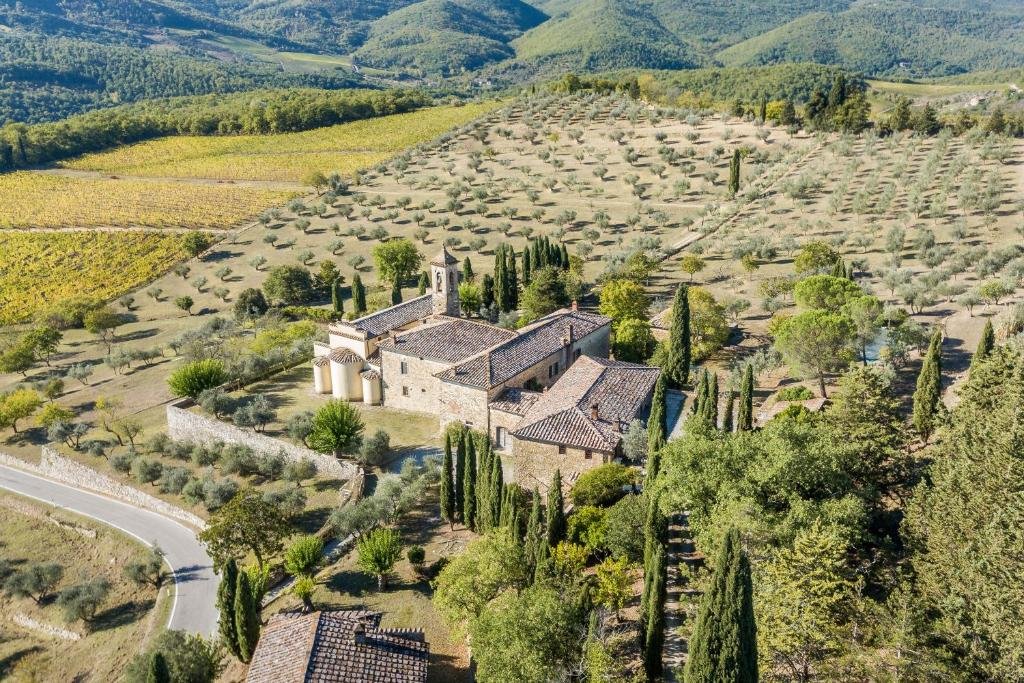
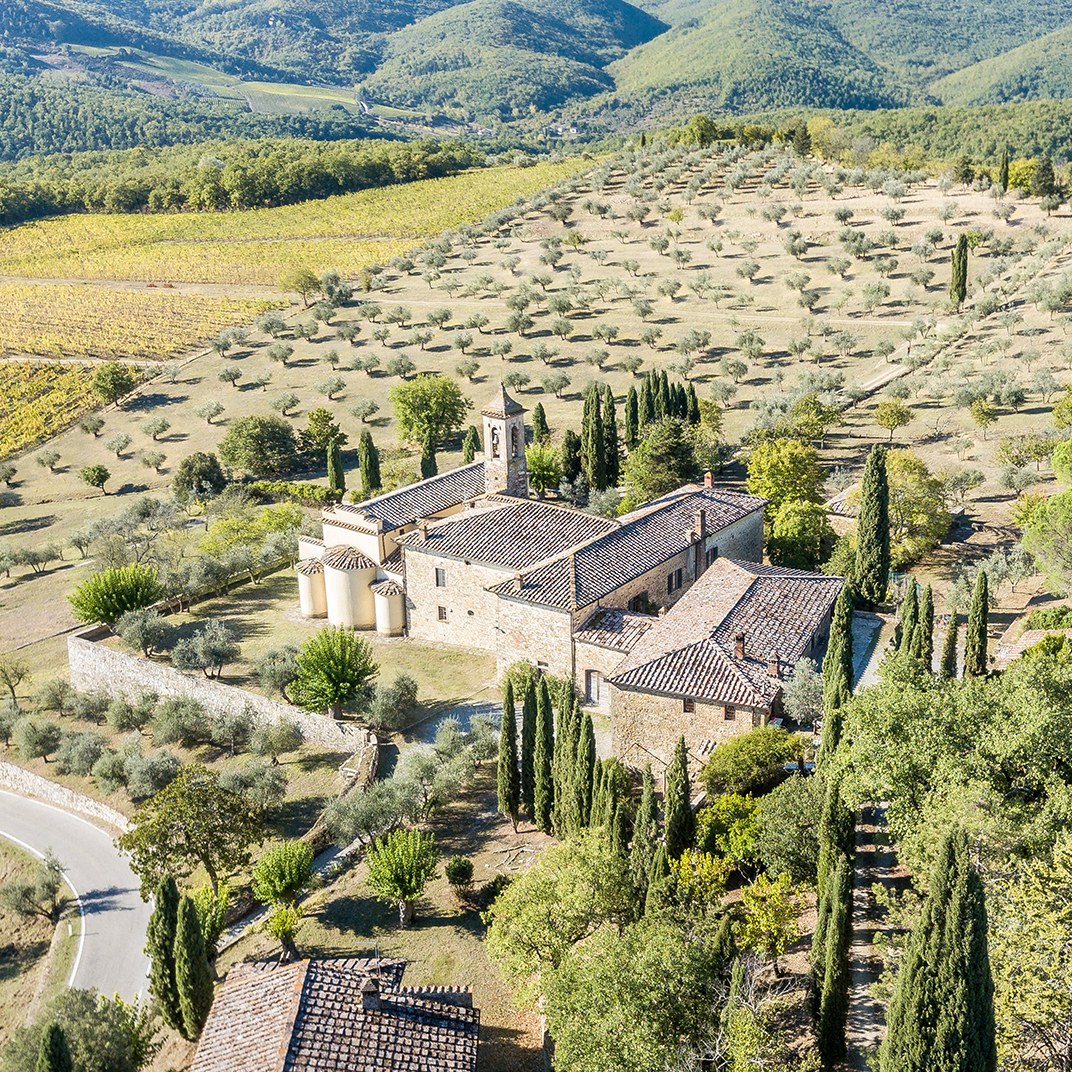
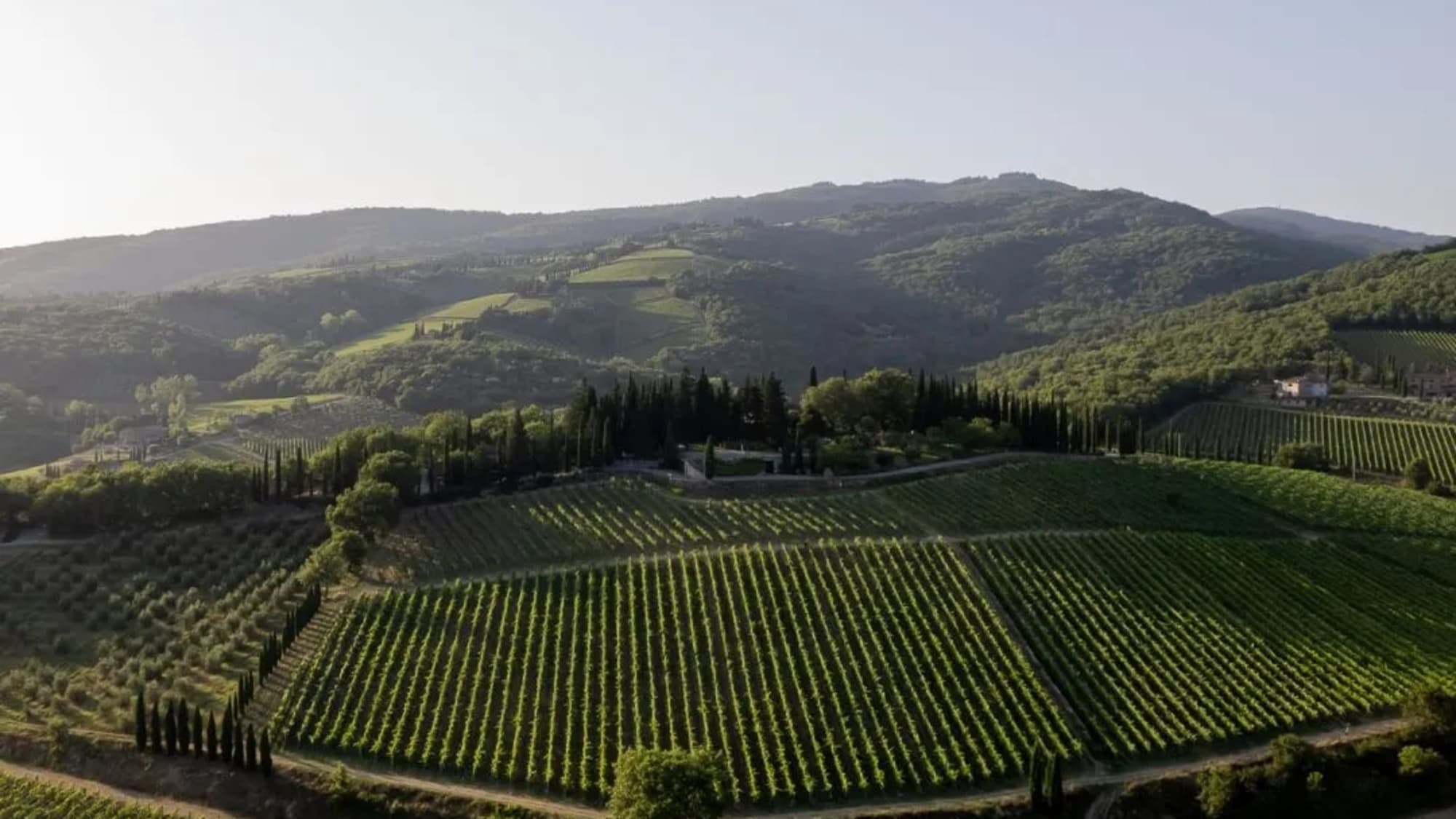
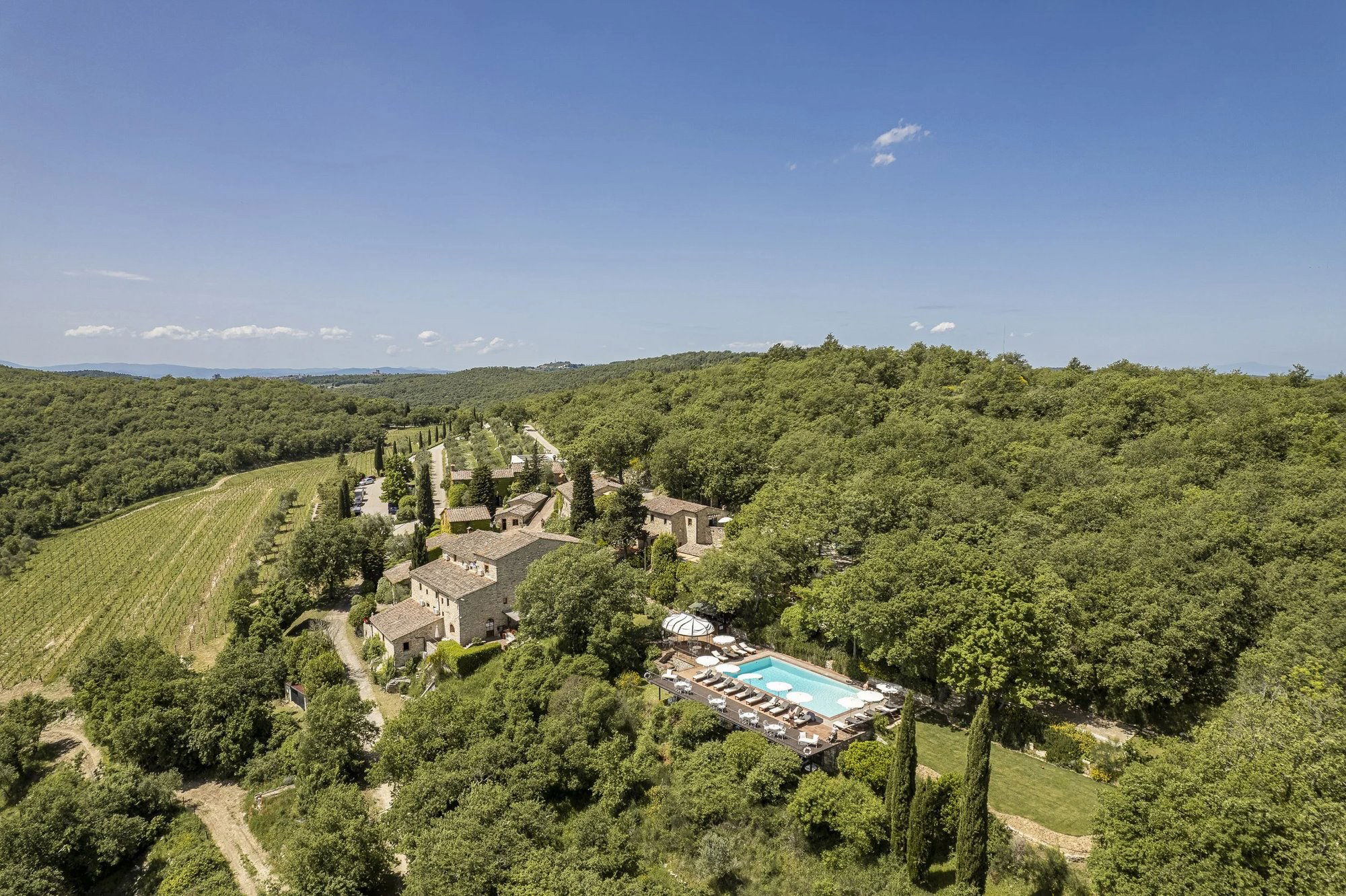
Relais Borgo Vescine presents itself as an intact medieval borgo, where restoration favors continuity over theatrical renovation. Stone walls, tower profiles and narrow lanes shape the guest experience more than curated, contemporary interiors. The prose of the place is quiet and restrained — silence and slow circulation replace hotel efficiency — and the scale is intimate: irregular rooms and pathways feel like inherited conditions rather than hotel interventions. Guests encounter a refined kind of rusticity rooted in architectural fidelity, the surrounding cypress and vines reinforcing a serene, historic atmosphere that privileges place and material over trend.
Best For
This relais suits travelers who prize architectural authenticity and quiet seclusion. Couples looking for an intimate escape, readers and walkers drawn to contemplative rural settings, and small groups seeking a restorative base in Chianti will find the hamlet compelling. Its emphasis on conservation and the slow logic of medieval spaces makes it a natural fit for honeymooners or anniversary stays that value atmosphere over modern uniformity. The property also appeals to guests who want to experience the Chianti Classico landscape from an estate that reads as a living piece of history.
Stay Tips
Plan arrival with the hamlet’s scale in mind: the approach is along narrow lanes and the property announces itself gradually rather than via a formal porte-cochère. Expect rooms to vary in size and layout because the restoration preserves historic proportions; if you have strong preferences for room size or adjacency, state them when booking. Travelers with limited mobility should inquire about specific room locations, since corridors follow old paths rather than hotel-efficiency logic. Pack light for moving between buildings and allow extra time for on-foot circulation around the estate’s lanes and courtyards.
Venue details
Ambiance
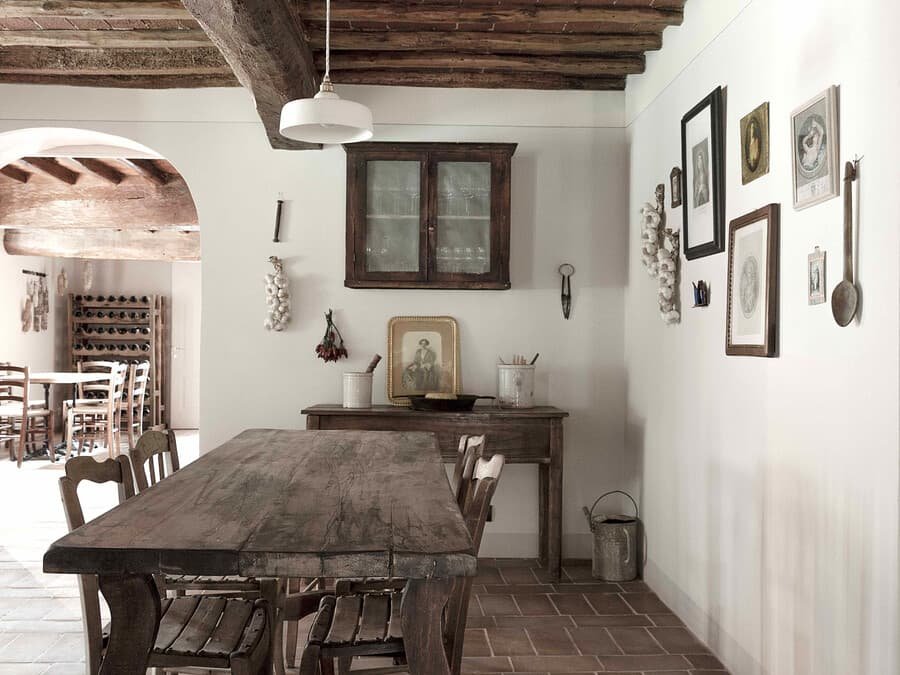
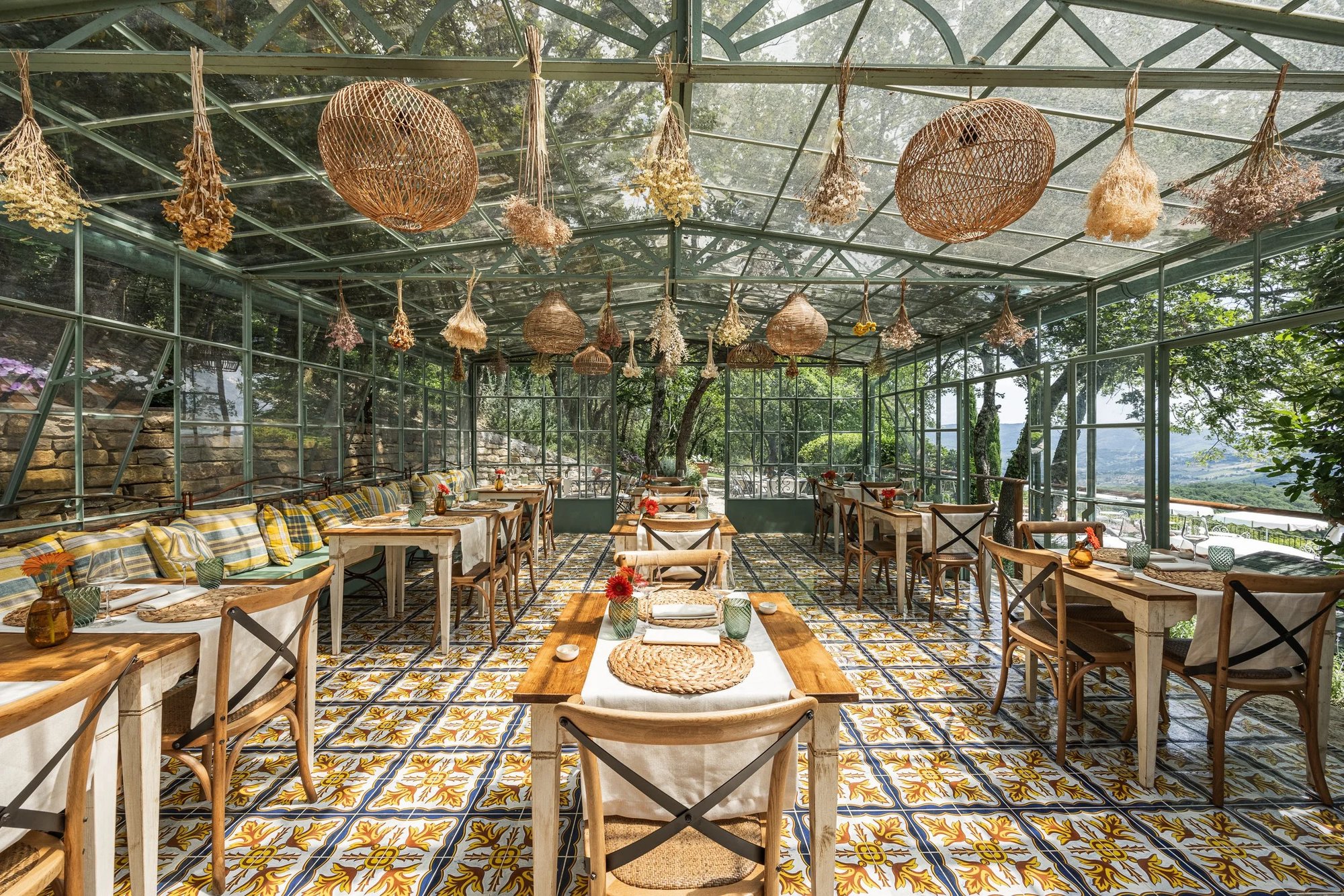
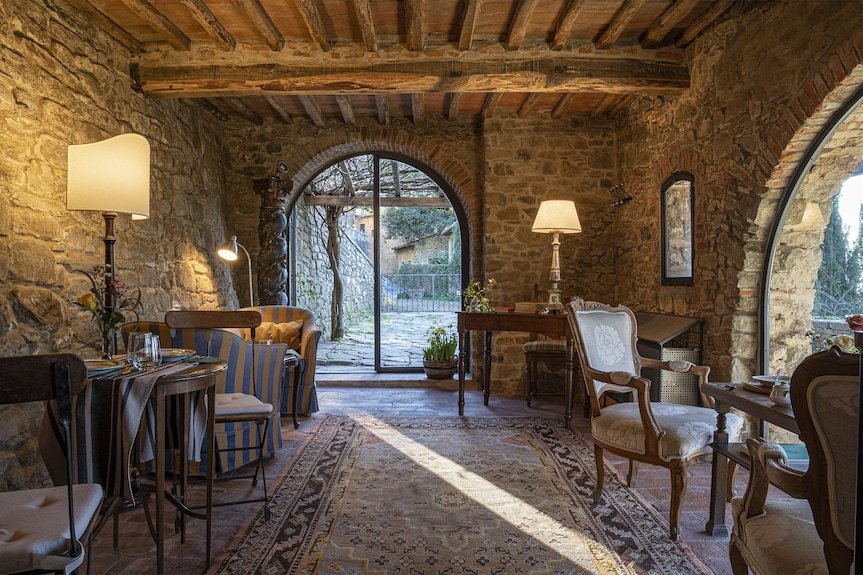
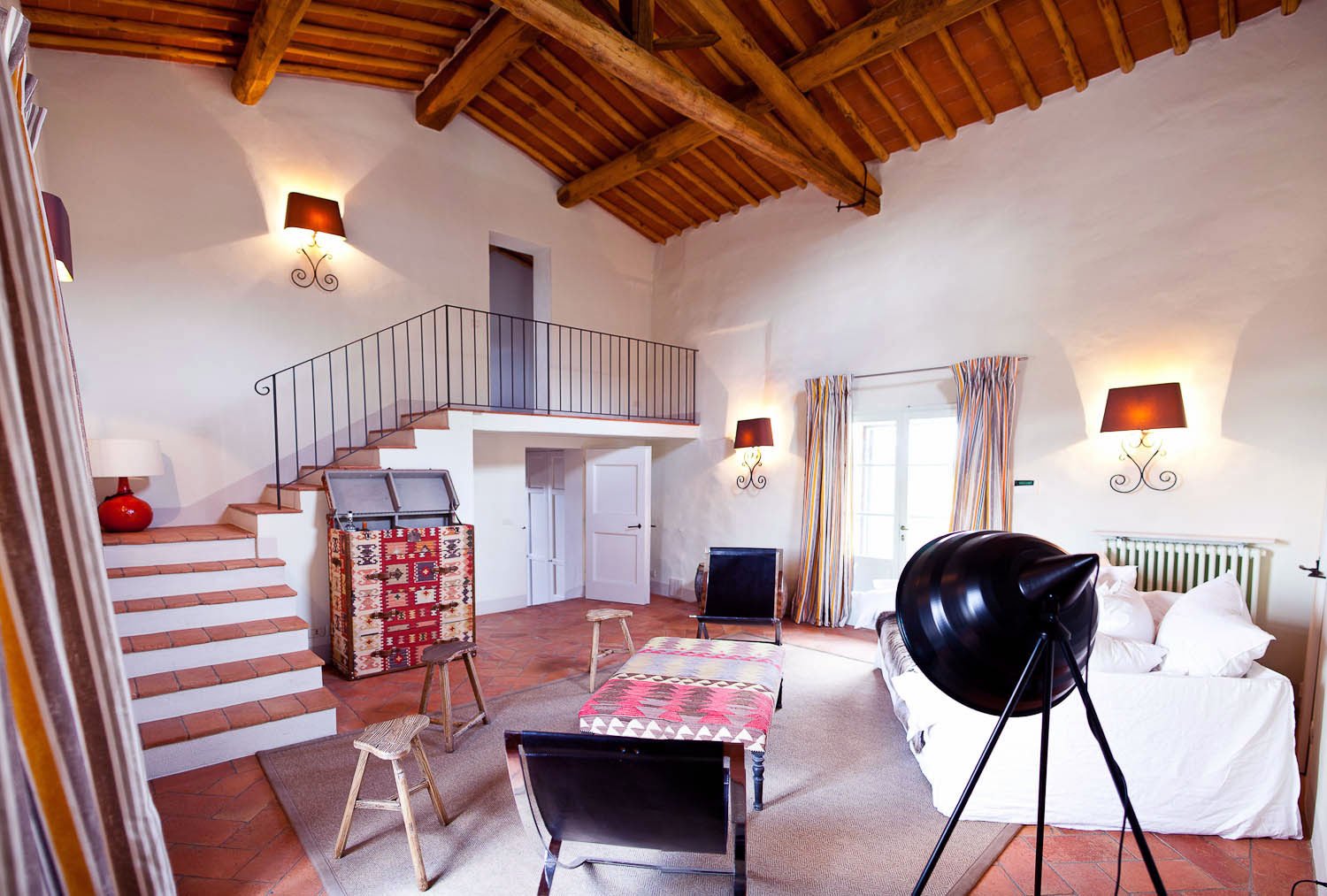
Rustic yet refined atmosphere with natural light, stone walls, terracotta floors, and serene Tuscan countryside tranquility.
Tags
Vibe
Best For
Experience
Amenities
View
Accessibility
About the Stay
- Rooms
- 28
- Check-in
- 15:00
- Check-out
- 11:00
- Property Style
- Historic Tuscan Borgo Relais with Restored Rustic Charm and Modern Luxury.
- Design Style
- Refined Rustic Tuscan Style Featuring Terracotta Floors, Beamed Ceilings, Handcrafted Furnishings, and Lime Plaster Finishes.
Know before you go
Know Before You Go
- Getting there
- Località Vescine, 53017 Radda in Chianti SI
Planning details
Location
Recognition and awards



Also consider
Also Consider
- Pieve Aldina, Notable alternative
- Pieve Aldina - Fontenille Collection, Notable alternative
- Villa Le Barone, Notable alternative
- Castello La Leccia, Notable alternative
- Castello di Spaltenna, Notable alternative
Hotel context
Choose Relais Borgo Vescine if the brief is a romantic Chianti base with easy booking and a quiet countryside feel. Pieve Aldina and Pieve Aldina - Fontenille Collection are the stronger cross-shops for travelers who want a more design-forward or estate-style stay in Radda in Chianti, especially if the hotel itself is meant to carry more of the trip.
Villa Le Barone is the better direction for guests who prefer classic villa atmosphere over a hamlet-style countryside base. Castello La Leccia and Castello di Spaltenna make more sense if the fantasy is a castle or estate stay rather than a low-key village-feeling hotel.
Value comes down to how much time will be spent on property. For active wine-country itineraries, Relais Borgo Vescine is the practical choice because easy booking and a strong location reduce friction. For a bigger splurge where ambiance, architecture, and hotel programming matter more than availability, start with Pieve Aldina or the castle properties before deciding.
Explore Radda in Chianti
Around this place
Discover more on Pearl
Unlock the full Relais Borgo Vescine guide in Pearl, including awards, comparisons, FAQs, planning details, and nearby places.
Compare Relais Borgo Vescine
| Venue | Location | Awards |
|---|---|---|
| Relais Borgo Vescine | Radda in Chianti | Star Wine Lists 20262026 Forbes Soon To Be RatedTablet Hotels Top 40 New Hotels 2025 · #192025 Michelin Selected Hotels |
| Pieve Aldina | Radda in Chianti | 2025 Relais Chateaux Award |
| Pieve Aldina - Fontenille Collection | Radda in Chianti | No published awards |
| Villa Le Barone | Pieve Di Panzano | No published awards |
| Castello La Leccia | Castellina in Chianti | No published awards |
| Castello di Spaltenna | Gaiole in Chianti | 2025 Michelin Selected HotelsSmall Luxury Hotels Member 2025 |


How Relais Borgo Vescine Radda in Chianti compares with similar nearby venues.
FAQ
Frequently Asked Questions
How is the pool and spa at Relais Borgo Vescine?
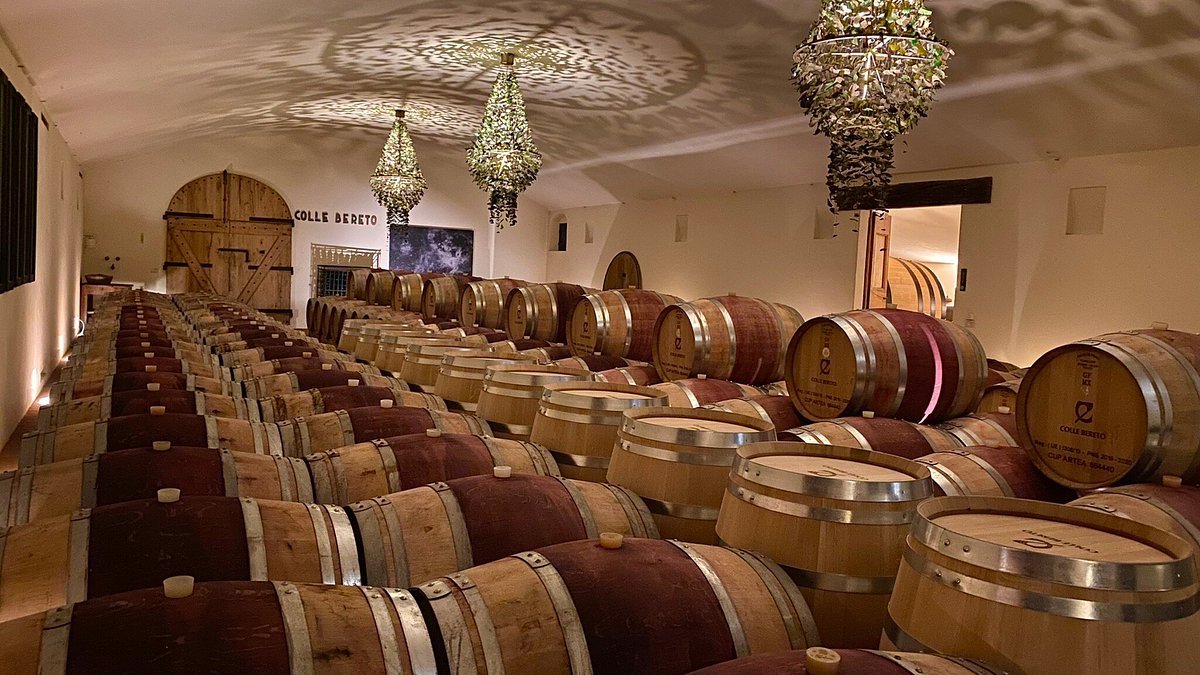
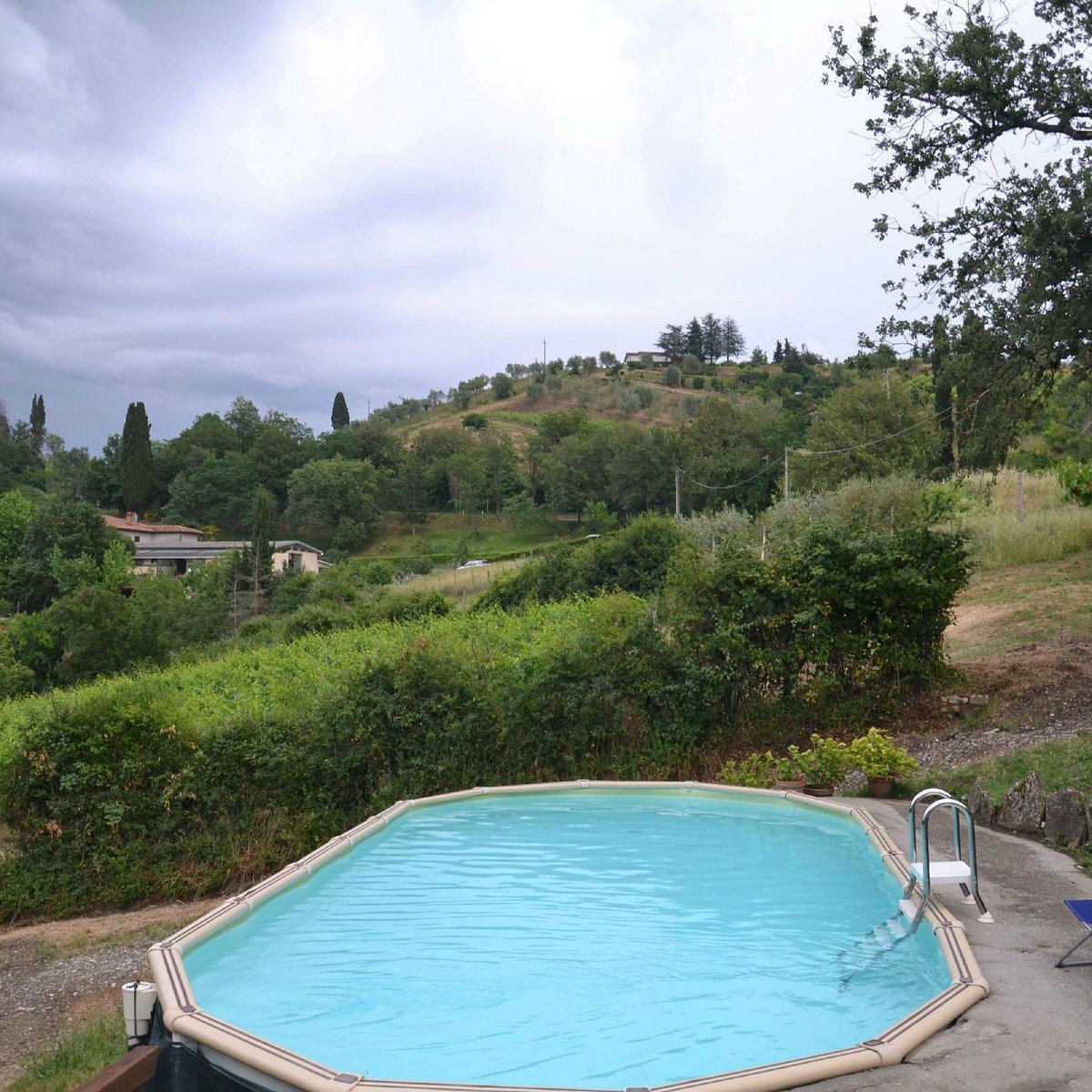
Pool and spa details should be confirmed directly with the hotel. Relais Borgo Vescine is recognized by MICHELIN Guide, Hotels Selected (2025) and Tablet Hotels Top 40 New Hotels #19 (2025).
How does Relais Borgo Vescine compare to other hotels?
Relais Borgo Vescine has recognition from Tablet Hotels Top 40 New Hotels #19 (2025) and MICHELIN Guide, Hotels Selected (2025). Villa Le Barone, Castello La Leccia, Castello di Spaltenna, Pieve Aldina, and Pieve Aldina - Fontenille Collection are useful alternatives to compare by location, current availability, and the specific stay details you need.