
M/Y Kontiki Wayra
Marina Pez Vela, Quepos
Hotel in Quepos, Costa Rica
 Book with Pearl
The Read
Liveaboard Coastal Expedition
Why go
M/Y Kontiki Wayra is worth shortlisting for a special-occasion Quepos stay when the marina setting is the reason for the trip. It is less suited to travelers who need a conventional resort checklist, published pricing, or detailed room-category guidance before committing. The 2025 Small Luxury Hotels of the World membership is the key credibility signal.
About M/Y Kontiki Wayra
For a special-occasion visit in Quepos, M/Y Kontiki Wayra is worth considering for travelers drawn to a Quepos venue with a smart casual dress code and Small Luxury Hotels of the World Member status for 2025. Confirm practical inclusions directly before booking.
Avoid building an itinerary around assumptions about specific amenities, room types, dining formats, prices, or services. For broader planning around Quepos, use current local resources before building the rest of the itinerary.
A Quepos venue with limited public detail
The right guest is someone comfortable confirming operational details directly before making a decision. If the trip needs a published amenity list, detailed room-category guidance, or a clearly documented service structure, a more traditional property will be easier to evaluate.
A key trust signal is the Small Luxury Hotels of the World Member status for 2025. The dress code is smart casual. Beyond that, do not assume a specific dining setup, wellness program, pricing model, or accommodation layout unless the property confirms it for your dates.
Who should book it, and who should cross-shop
Choose M/Y Kontiki Wayra if you want a Quepos venue and are comfortable confirming the details that matter most before committing. Cross-shop if the decision depends on published pricing, a detailed amenity list, specific room categories, or clearly stated business-travel services.
For meals and drinks around the visit, build the plan separately rather than assuming the property covers every scenario. Confirm any dining or beverage arrangements directly, and compare other dining in Quepos generically if food and drink planning is central to the trip.
Quick reference: consider it for a Quepos venue with smart casual standards and 2025 Small Luxury Hotels of the World membership; cross-shop if you need more detail before booking.
Planning details
- Location
- Marina Pez Vela, Quepos, Costa Rica
The take
The Take
The Vibe
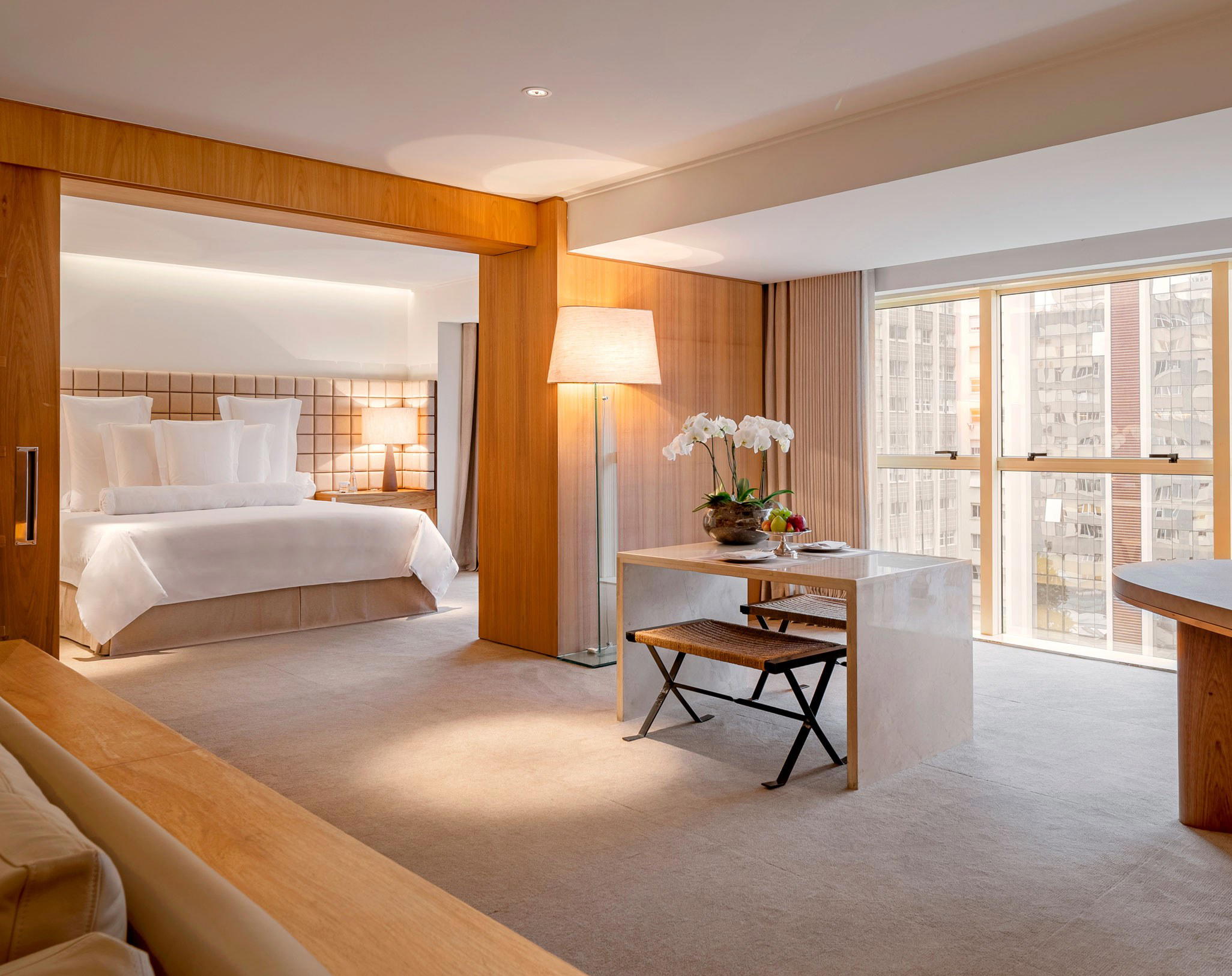
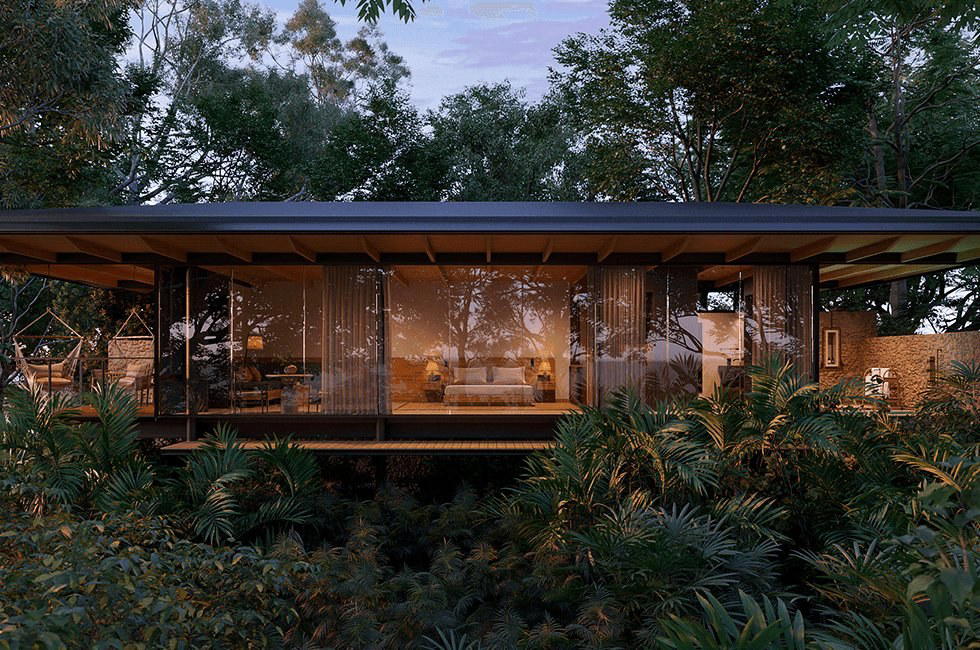
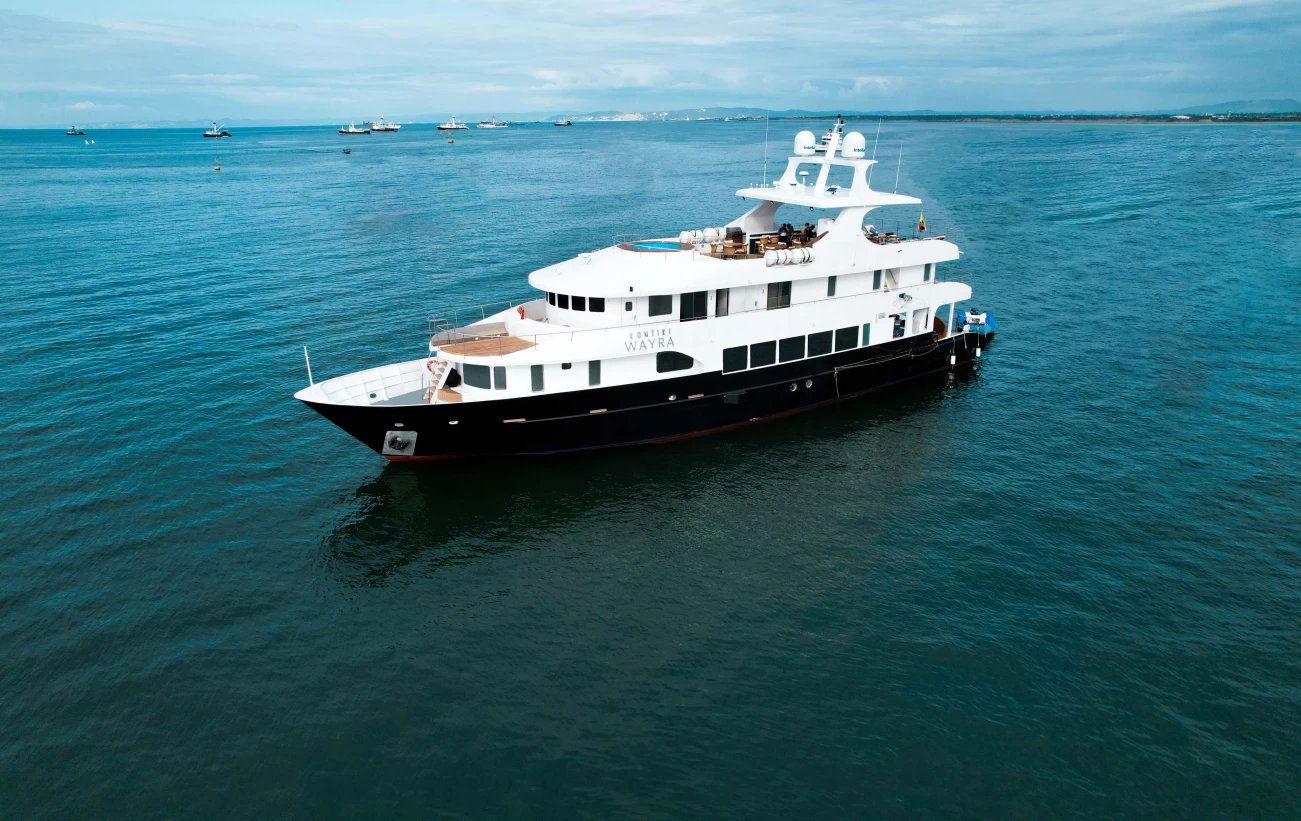
M/Y Kontiki Wayra presents itself as a boutique sea expedition where the vessel is the primary design object. The copy emphasizes scale and spatial logic—small-footprint architecture that privileges access and agility over resort-style amenities. Guests encounter Costa Rica’s Central Pacific coastline from the deck and through careful positioning in shallow estuaries and secluded beaches, so the experience reads as deliberately restrained and design-forward rather than indulgent. Departures from a modern, well-maintained Marina Pez Vela underline a clean, contemporary operational base, while the emphasis on wildlife at the treeline and coastal vistas keeps the tone exploratory and refined.
Best For
This vessel is best for travelers who prioritize coastal exploration and wildlife observation from the water rather than a land-based resort stay. The small-footprint format suits guests who want access to shallow estuaries, beaches reachable only by boat, and close encounters with coastal flora and fauna—scarlet macaws and white-faced capuchins are specifically noted at the treeline. Operated from Marina Pez Vela in Quepos, the yacht is a practical choice for itineraries that link the Gulf of Nicoya and the Osa Peninsula and for anyone who values nimble, design-conscious expedition cruising.
Stay Tips
Look for itineraries and descriptions that emphasize shallow-water anchoring, wildlife access, and flexible routing—those are the operational strengths called out here. Confirm the departure point (Marina Pez Vela in Quepos) and itinerary focus (Gulf of Nicoya northward or Osa Peninsula southward) so your chosen cruise matches the coastal character you want to explore. Prioritize early-morning wildlife windows—the text highlights wildlife appearing at first light along the forest edge—and expect a small-boat, boutique format that trades large-ship amenities for closer, more immediate access to the shoreline and natural sites.
Venue details
Ambiance
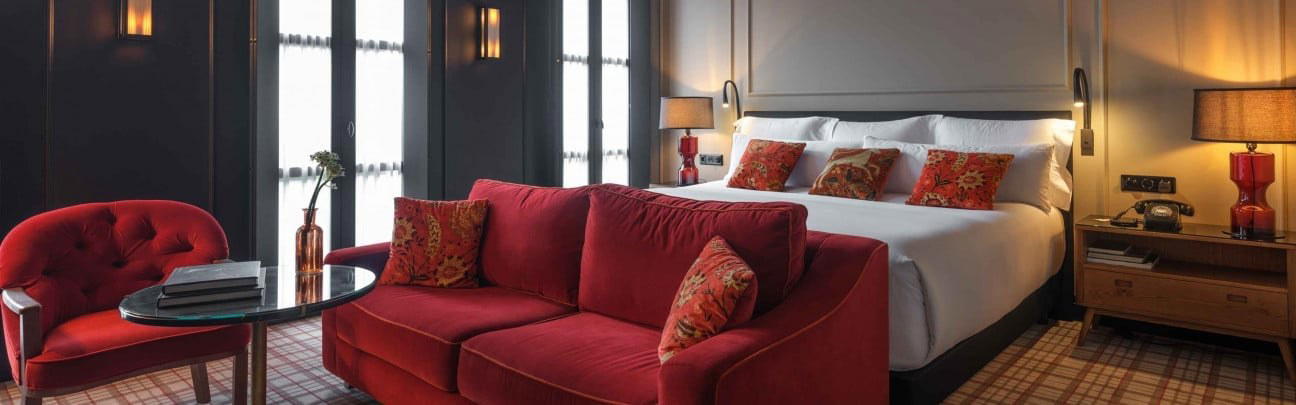
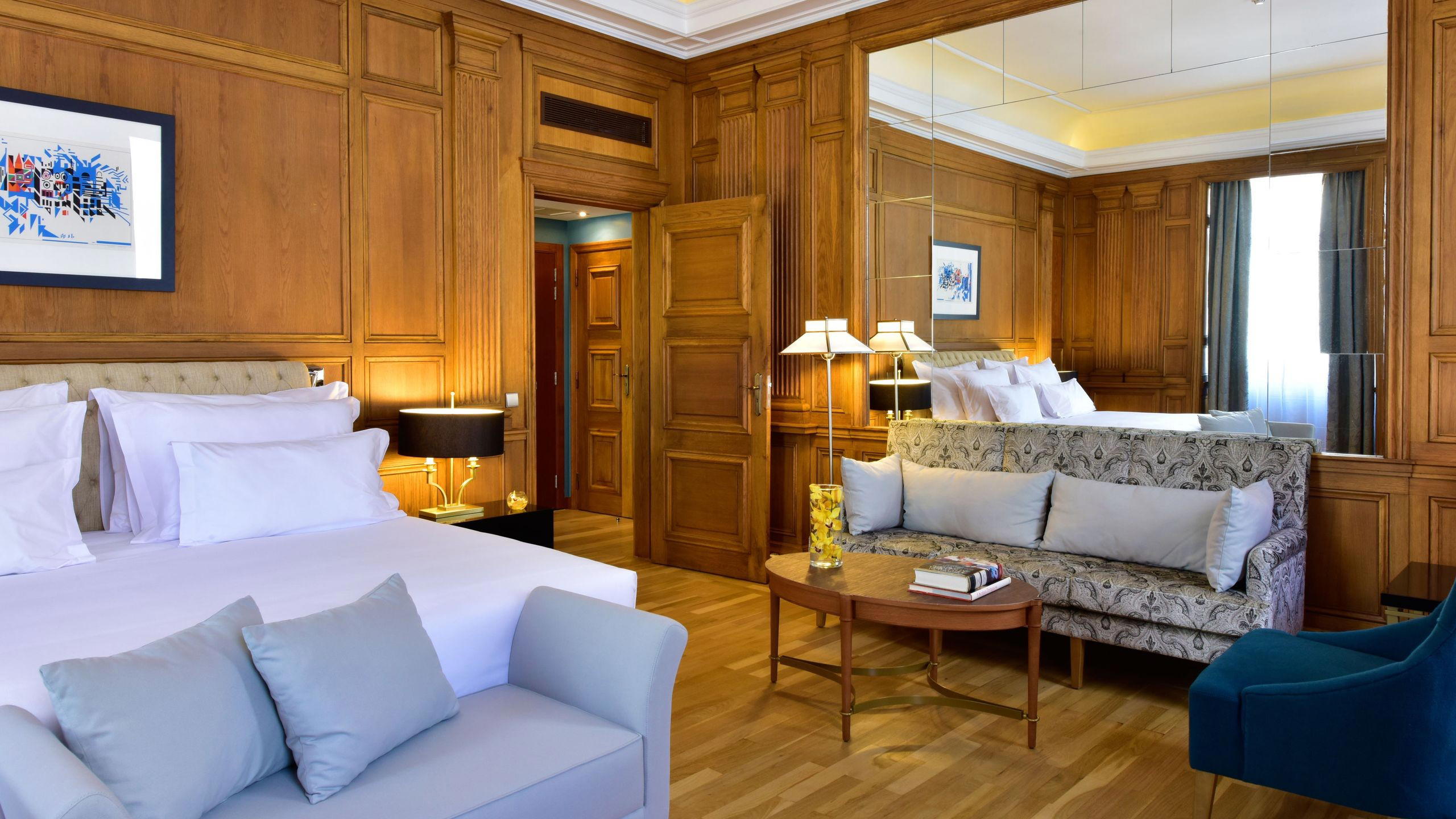
Contemporary style with mood lighting, warm wood tones, panoramic views, and a sensory haven blending luxury and nature.
Tags
Vibe
Best For
Experience
Amenities
View
About the Stay
- Rooms
- 9
- Check-in
- 16:00
- Check-out
- 10:00
- Property Style
- Neo Luxury Expedition Yacht
- Design Style
- Contemporary Nautical with Sustainable Materials
Know before you go
Know Before You Go
- Getting there
- Marina Pez Vela, Quepos, Costa Rica
Planning details
Location
Marina Pez Vela, Quepos, Costa Rica · Directions
Recognition and awards

Also consider
Also Consider
- Los Altos Resort, Notable alternative
- Arenas Del Mar Beachfront & Rainforest Resort, Notable alternative
- Kura Boutique Hotel, Notable alternative
- Rancho Pacifico, Notable alternative
- Alta Las Palomas, Notable alternative
Hotel context
How it compares in the Quepos set
M/Y Kontiki Wayra is the more distinctive choice if ambiance matters more than a conventional resort format. Arenas Del Mar Beachfront & Rainforest Resort is the safer cross-shop for travelers who want a classic beachfront-and-rainforest stay with a clearer resort frame, while Los Altos Resort is likely to feel easier for families or groups that want more traditional hotel space.
For romance, compare the marina-based privacy here against Kura Boutique Hotel and Rancho Pacifico, both stronger fits if a hillside retreat mood is more important than being based at Quepos marina. If the priority is logistics over atmosphere, Alta Las Palomas belongs in the wider Costa Rica cross-shop, but it is not the direct choice for a Quepos-centered coastal stay.
Value is hard to rank without published pricing, so the practical recommendation is simple: book M/Y Kontiki Wayra when the yacht-style setting is the reason to pay up; choose Arenas Del Mar or Los Altos when you want a more familiar resort experience with fewer unknowns.
Explore Quepos
Around this place
Discover more on Pearl
Unlock the full M/Y Kontiki Wayra guide in Pearl, including awards, comparisons, FAQs, planning details, and nearby places.
Compare M/Y Kontiki Wayra
| Venue | Location | Awards |
|---|---|---|
| M/Y Kontiki Wayra | Quepos | Small Luxury Hotels Member 2025 |
| Los Altos Resort | Manuel Antonio | 2025 Michelin Selected HotelsSmall Luxury Hotels Member 2025 |
| Arenas Del Mar Beachfront & Rainforest Resort | Aguirre | No published awards |
| Kura Boutique Hotel | Uvita De Osa | 2026 Virtuoso Luxury Hotel Collection2025 Michelin 1 Key |
| Rancho Pacifico | Uvita De Osa | 2025 Michelin 1 Key |
| Alta Las Palomas | Escazú | 2025 Michelin Selected HotelsSmall Luxury Hotels Member 2025 |



How M/Y Kontiki Wayra Quepos compares with similar nearby venues.
FAQ
Frequently Asked Questions
Do loyalty programs work at M/Y Kontiki Wayra?
The key recognition is its Small Luxury Hotels of the World Member status for 2025. Any loyalty, points, or booking-benefit questions should be confirmed directly before booking.
Is M/Y Kontiki Wayra good for business travel?
It may work for a Quepos trip if its arrangements meet your needs. Confirm business-style services directly before relying on it for a work trip. If you need a more conventional work-trip setup, compare other options such as Los Altos Resort.
How is the pool and spa at M/Y Kontiki Wayra?
Confirm pool and spa details directly. If those features are central to the trip, compare alternatives such as Arenas Del Mar Beachfront & Rainforest Resort or Rancho Pacifico and confirm amenities directly.
When is the best time to book M/Y Kontiki Wayra?
Which room category is best at M/Y Kontiki Wayra?
Ask the property which option best fits your priorities, and compare with alternatives such as Alta Las Palomas if space or layout is the deciding factor.
How is the dining at M/Y Kontiki Wayra?
Confirm dining arrangements directly; if food is the main decision factor, you may also want to compare options such as Kura Boutique Hotel or Rancho Pacifico.